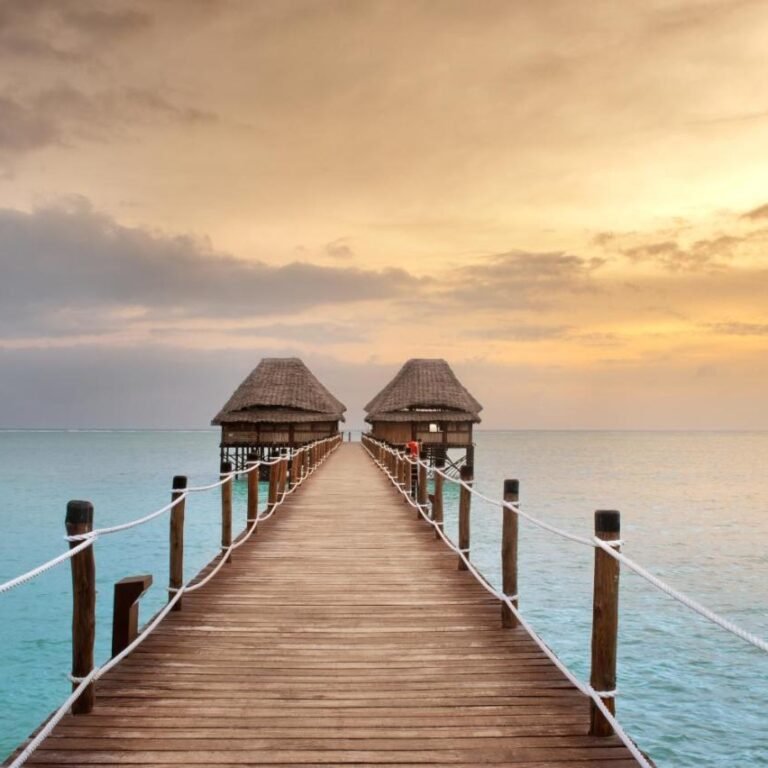
Things to do in Tanzania

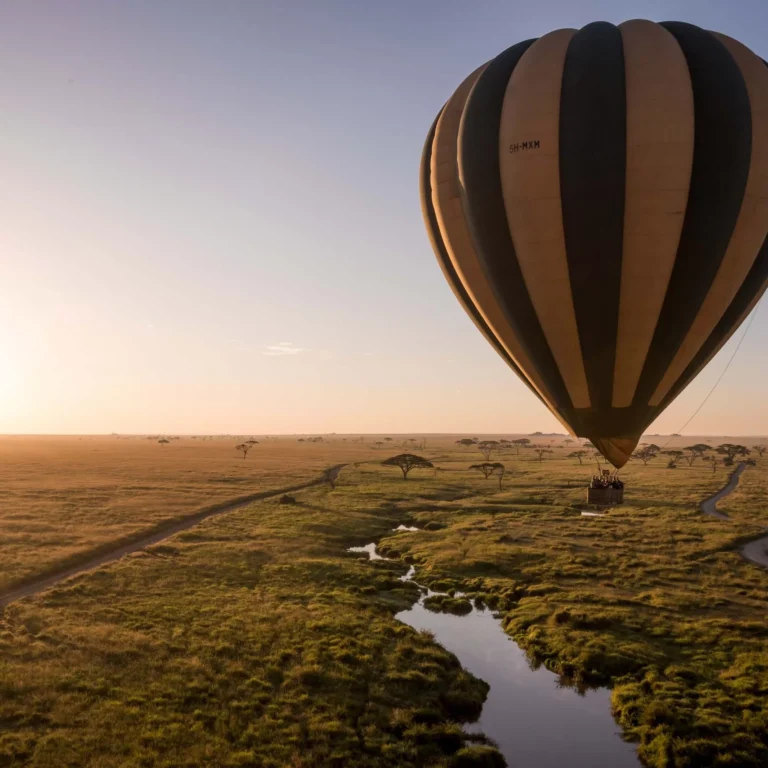
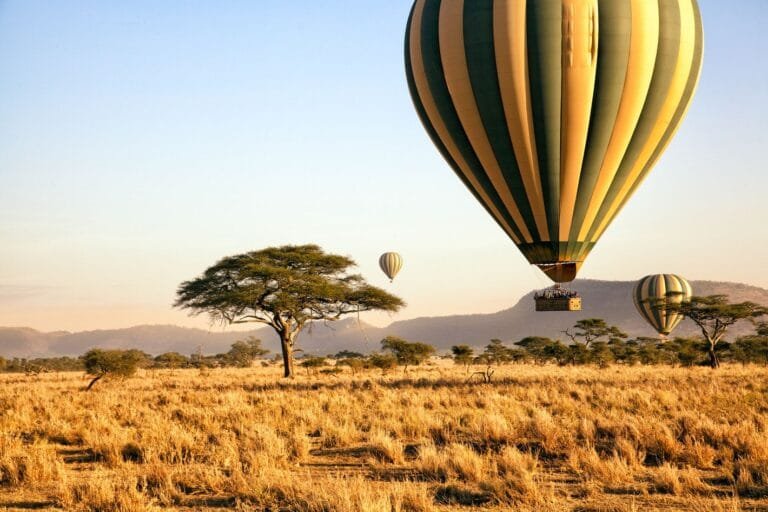
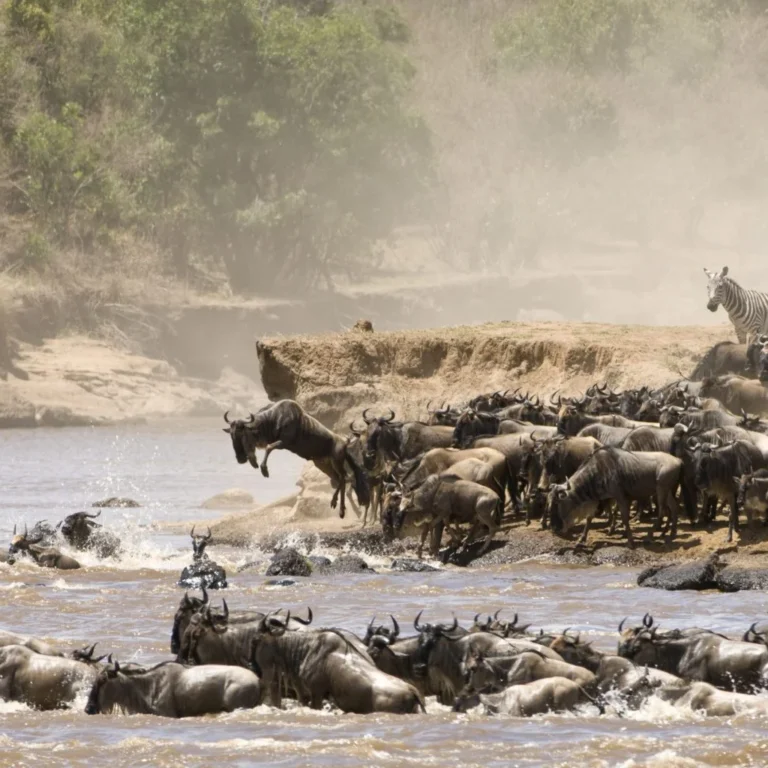
Stunning wildlife experiences, scenic vistas, beautiful beaches, and dollops of local culture await you Tanzania is a land of breathtaking landscapes, rich wildlife, and vibrant cultures. From the sweeping plains of the Serengeti to the turquoise waters of Zanzibar, this East African gem offers experiences that stay with you for a lifetime. Whether you are a wildlife enthusiast, adventure seeker, or culture lover, Tanzania has something unforgettable to offer. Tanzania offers unparalleled adventures, from witnessing the Great Migration in the Serengeti and exploring the Ngorongoro Crater to trekking Africa’s highest peak, Mount Kilimanjaro. Visitors can relax on Zanzibar’s white-sand beaches, dive in Pemba or Mafia, and dive into history in Stone Town. Here’s a curated guide to the 15 best things to do in Tanzania. 1. Witness the Great Migration in Serengeti National Park The Serengeti National Park is world-famous for the Great Migration, where over a million wildebeest and hundreds of thousands of zebras move in a continuous search for fresh grazing. This natural spectacle, one of the largest wildlife migrations on Earth, usually peaks between June and October, offering thrilling river crossings where crocodiles lie in wait. A safari in the Serengeti allows you to witness not just the migration but also lions, cheetahs, and elephants roaming the vast savannahs. For photographers and wildlife enthusiasts alike, this is a bucket-list experience. Expert travel tips: Beyond classic game drives, the Serengeti offers unique experiences like sunrise hot air balloon safaris with champagne breakfasts, walking safaris, visiting the Retina Hippo Pool, exploring prehistoric Olduvai Gorge, and watching the Great Migration river crossings. Visitors can also climb the rocky Moru Kopjes for views, track black rhinos, or enjoy sundowner drinks. 2. Descend into the Ngorongoro Crater Often described as the “Garden of Eden,” the Ngorongoro Crater is a UNESCO World Heritage site and a haven for wildlife. It’s a unique, enclosed ecosystem that supports an incredible diversity of animals, including rhinos, lions, elephants, and flamingos in the crater’s shallow lakes. Descending into the crater feels like stepping into a natural amphitheater, with dramatic views of cliffs surrounding a verdant floor. The best way to explore is on a guided safari, where experts help you spot elusive wildlife and share fascinating insights about the area’s geology and ecology. 3. Trek Mount Kilimanjaro Africa’s tallest peak, Mount Kilimanjaro, stands at 5,895 meters and offers adventurers the challenge of a lifetime. Unlike many high-altitude climbs, Kilimanjaro is a non-technical trek, making it accessible to fit beginners and seasoned hikers alike. Multiple routes—from the scenic Machame Route to the less crowded Lemosho Route—lead climbers through rainforests, alpine deserts, and glaciers before reaching the iconic Uhuru Peak. Witnessing the sunrise from the summit is an awe-inspiring moment that encapsulates the spirit of adventure in Tanzania. 4. Relax on Zanzibar Beaches For those seeking sun, sand, and serenity, Zanzibar is paradise. The island’s beaches, like Nungwi and Kendwa, are lined with powdery white sand and framed by turquoise waters. Here, you can unwind in luxury resorts, enjoy a beachfront cocktail, or simply bask in the beauty of the Indian Ocean. Zanzibar is also perfect for water sports enthusiasts, offering opportunities for kite surfing, sailing, and snorkeling in crystal-clear waters. A beach day in Zanzibar is a contrast to the rugged safaris inland, offering a perfect blend of adventure and relaxation. 5. Explore Stone Town, Zanzibar The historical heart of Zanzibar, Stone Town, is a UNESCO World Heritage site full of winding alleys, bustling markets, and stunning Swahili architecture. Walking through its streets, you’ll encounter intricately carved wooden doors, vibrant bazaars, and centuries-old mosques. Don’t miss the House of Wonders and the Old Fort, both of which showcase the island’s rich history and cultural blend of Arab, Indian, and European influences. Sampling local cuisine—like Zanzibar pizza or spiced seafood—is also a must for a true taste of the island’s flavors. 6. Spot Elephants in Tarangire National Park Tarangire National Park is a haven for elephant lovers, with large herds roaming the plains and the iconic baobab-studded landscapes. Beyond elephants, the park offers sightings of lions, giraffes, and numerous bird species. Tarangire is particularly known for its seasonal floods, which attract wildlife and make for spectacular photographic opportunities. A game drive here is less crowded than in the Serengeti, offering an intimate safari experience in a stunning, natural setting. A Serengeti hot air balloon safari in Tanzania offers a magical, bird’s-eye view of the savanna at sunrise, typically costing $650–$800 per person. Guests float silently over the plains to spot the Big Five and the Great Migration, finishing with a champagne toast and a traditional “Out of Africa” bush breakfast. 7. Dive or Snorkel in Mnemba Atoll For underwater enthusiasts, Mnemba Atoll near Zanzibar is a dream destination. Its coral reefs teem with colorful marine life, from tropical fish to sea turtles and dolphins. Snorkeling here reveals vibrant corals, while diving can take you deeper into the ocean’s wonders. The crystal-clear waters, combined with the atoll’s isolation, create an unforgettable experience. Whether you are a beginner or an experienced diver, Mnemba Atoll promises a magical encounter with the Indian Ocean’s biodiversity. Expert travel tips: Tanzania offers premier, diverse experiences ranging from Serengeti hot-air balloon safaris and Ngorongoro Crater tours to relaxing on Zanzibar’s beaches. Ideal for all, highlights include wildlife viewing for families, romantic dhow cruises for couples, gentle cultural walks for seniors, and affordable, authentic local tours for solo travelers across luxury, mid-range, and budget levels. 8. Go on a Walking Safari in Arusha National Park While most safaris are done from vehicles, a walking safari in Arusha National Park offers a more intimate connection with nature. Accompanied by experienced guides, you can track giraffes, zebras, and buffalo while learning about plants, animal behavior, and local ecosystems. The park’s diverse landscapes—ranging from volcanic craters to forested hills—make walking here both scenic and educational. For adventure seekers, it’s a unique way to experience Tanzania’s wildlife up close. Travel tips: The Ultimate Guide to Luxury Honeymoon Safaris in Tanzania.
Great Migration Safari in Tanzania

Classic 10 Reasons Why You Should See The Great Migration Safari in Tanzania Discover the top 10 reasons why experiencing The Great Migration Safari in Tanzania is an absolute must! From breathtaking wildlife spectacles to cultural richness, this adventure will leave you in awe. When it comes to once-in-a-lifetime experiences, few can rival The Great Migration Safari in Tanzania. This remarkable natural event showcases the awe-inspiring journey of millions of wildebeests, zebras, and other animals as they traverse vast landscapes in search of fresh grazing grounds. In this article, we will delve into the 10 compelling reasons why you should seize the opportunity to witness this extraordinary spectacle. Get ready to embark on an unforgettable journey into the heart of the Serengeti and witness the raw beauty of nature. 1. A Wildlife Extravaganza The Great Migration Safari presents a wildlife extravaganza like no other. Witness the mesmerizing sight of massive herds of wildebeests and zebras as they navigate treacherous river crossings, facing predators and the elements. Lions, leopards, and cheetahs follow closely, making it a thrilling spectacle of survival and predator-prey interactions. 2. Breathtaking Scenery Tanzania’s Serengeti offers breathtaking scenery that will leave you speechless. Vast savannahs, rolling hills, and acacia-dotted landscapes provide a stunning backdrop to this extraordinary wildlife event. Capture postcard-perfect photos of animals on the move against the golden-hued African sunset. 3. Unparalleled Birdwatching Opportunities As the migration unfolds, it attracts a myriad of bird species, making it a haven for birdwatchers. Witness colorful flocks of flamingos, graceful eagles soaring in the sky, and the striking plumage of African fish eagles and lilac-breasted rollers. 4. Immersive Cultural Encounters Venture beyond the safari to experience the rich cultural heritage of Tanzania’s local tribes. Engage with Maasai warriors and learn about their customs, traditions, and harmonious coexistence with wildlife. Embrace the warmth and hospitality of the Tanzanian people, leaving with cherished memories. 5. Luxury Safari Lodges Indulge in comfort and luxury amidst the untamed wilderness of Tanzania. The region boasts exceptional safari lodges and tented camps that offer a unique blend of opulence and immersion in nature. Enjoy personalized services, gourmet cuisine, and stunning views of the wild. 6. Hot Air Balloon Safari Take your adventure to new heights with a hot air balloon safari over the Serengeti. Marvel at the unparalleled views of the migrating herds from the skies, adding an unforgettable dimension to your experience. 7. Witness the Circle of Life The Great Migration Safari is a profound illustration of the circle of life. From the birth of wildebeest calves on the plains to the perilous river crossings, this natural event showcases the delicate balance between life and death, reminding us of the beauty and fragility of existence. 8. Educational Experience Embark on an educational journey as expert guides accompany you, unraveling the mysteries of the animal kingdom. Learn about animal behaviors, migration patterns, and the delicate ecosystem that sustains this phenomenal event. 9. Conservation and Sustainability By participating in The Great Migration Safari, you contribute to the conservation efforts that protect Tanzania’s wildlife and natural habitats. The tourism industry plays a vital role in funding wildlife protection initiatives, safeguarding the future of these magnificent creatures. 10. The Thrill of Adventure Nothing compares to the adrenaline rush of being amidst untamed wilderness and witnessing the drama of The Great Migration Safari unfold before your eyes. It’s an adventure of a lifetime that will leave an indelible mark on your soul. FAQs (Frequently Asked Questions) Is The Great Migration Safari safe for travelers? Absolutely! The Great Migration Safari is a well-managed and safe experience for travelers. Professional safari operators prioritize safety while ensuring you have a memorable and secure journey. When is the best time to witness The Great Migration? The best time to witness The Great Migration Safari in Tanzania is between June and August when millions of animals make their way across the Grumeti and Mara Rivers. Can I witness predators in action during the migration? Yes, witnessing predators in action during The Great Migration is highly likely. The migration attracts lions, cheetahs, and other predators seeking opportunities to hunt amid the vast herds of prey. How can I support wildlife conservation during my safari? You can support wildlife conservation during your safari by choosing reputable eco-friendly tour operators. Additionally, your tourism fees contribute to conservation initiatives that protect Tanzania’s wildlife. What type of accommodation options are available during the safari? Tanzania offers a wide range of accommodation options, from luxury lodges to comfortable tented camps. Each provides a unique experience, blending opulence with nature. How physically demanding is The Great Migration Safari? The Great Migration Safari can be adapted to suit various fitness levels. Safaris often involve game drives in customized vehicles, ensuring comfort for travelers of all ages. Conclusion Embarking on The Great Migration Safari in Tanzania is a life-altering experience that immerses you in the sheer wonder of the natural world. From witnessing the grandeur of the animal kingdom to supporting vital conservation efforts, this safari offers much more than just a vacation. It’s a profound journey that will leave you with a renewed appreciation for nature’s beauty and the importance of preserving it for generations to come. TripAdvisor Reviews.
Best Hotel and lodges in Arusha Tanzania

Best Hotels In Arusha (Accommodation Near Kilimanjaro) Hotels in Arusha range from historical properties like The Arusha Hotel to modern luxury resorts like Gran Melia Arusha, with various options in between, including eco-friendly lodges and coffee farm stays. Key hotels include the Four Points by Sheraton Arusha (The Arusha Hotel) for history, Gran Melia Arusha for luxury, and Kibo Palace Hotel for comprehensive amenities like a pool and gym. Other types of accommodation include Olerai Lodge and Ahadi Lodge, known for nature and tranquility, and guesthouses for cultural immersion, as well as unique stays on coffee farms. Arusha, often called the “Safari Capital of Tanzania,” serves as the gateway to some of Africa’s most iconic wildernesses. From the sweeping plains of the Serengeti to the breathtaking Ngorongoro Crater and, of course, the majestic peak of Mount Kilimanjaro, this vibrant city is a necessary stop for travelers. Whether you’re beginning a thrilling safari, preparing for a challenging climb, or simply seeking a peaceful retreat, Arusha offers a diverse range of accommodations to suit every taste and budget. This article provides a curated look at some of the best hotels in Arusha, highlighting their unique features and what makes them an ideal base for your Tanzanian adventure. 1. Gran Melia Arusha For those who seek the pinnacle of luxury, the Gran Melia Arusha its an excellent choice. This five-star hotel blends contemporary design with African-inspired elements, offering a sophisticated and tranquil escape. Set amidst lush, landscaped gardens, it provides a serene atmosphere with spectacular views of Mount Meru. The hotel features an array of amenities, including a state-of-the-art fitness center, a sparkling indoor pool, and a luxurious spa offering a range of treatments. Dining is a highlight, with multiple restaurants serving both international and local cuisine. The hotel’s bar its a perfect spot to unwind with a cocktail while enjoying the scenic surroundings. With its exceptional service and opulent facilities, the Gran Melia Arusha is a destination in itself. 2. Four Points by Sheraton Arusha, The Arusha Hotel Steeped in history and elegance, The Arusha Hotel has been a landmark since 1894. Now managed by Four Points by Sheraton, it offers a blend of classic charm and modern comfort. The hotel its conveniently located in the city center, making it a great base for exploring local markets and attractions. Guests can enjoy a dip in the outdoor pool, relax in the hot tub, or maintain their workout routine at the gym. The hotel known for its family-friendly atmosphere, with amenities like a children’s pool and in-room childcare services available. With its rich heritage and prime location, this hotel is a perfect mix of past and present. 3. Legendary Lodge Tucked away on a working coffee plantation, Legendary Lodge offers an intimate and exclusive experience. This lodge provides a tranquil retreat, with just ten private cottages set among the lush gardens. The rooms are designed for ultimate comfort, featuring en-suite bathrooms with both a shower and a bath, as well as a private sun terrace with a log fire. Guests can enjoy a full breakfast, relax by the outdoor pool, or take advantage of complimentary bicycle rentals to explore the scenic grounds. The on-site spa offers a variety of treatments, including deep-tissue massages and reflexology. Legendary Lodge is ideal for those seeking a peaceful, romantic, or luxurious escape with a touch of authentic Tanzanian charm. 4. Elewana Arusha Coffee Lodge Similar to Legendary Lodge, Elewana Arusha Coffee Lodge, also set within a sprawling coffee plantation, offers a unique and immersive experience. The lodge’s Plantation Suites are spacious and beautifully appointed, each with a private terrace and an in-room log fire. The property boasts an outdoor swimming pool, a garden, and a restaurant with excellent cuisine. The staff are frequently praised for their outstanding hospitality, making every guest feel truly special. This lodge is a perfect haven for travelers who want to relax in a beautiful, natural setting while still being close to Arusha’s city center. 5. Tulia Boutique Hotel & Spa Tulia Boutique Hotel & Spa, small, intimate hotel renowned for its focus on wellness and relaxation. The hotel’s origins are rooted in its award-winning spa, which offers an extensive menu of treatments including various massages, body scrubs, and facials. Guests can expect a serene and calming environment, with a strong emphasis on personalized service. The hotel is perfect for those looking to unwind and rejuvenate before or after their safari or climb. 6. Masailand Safari & Lodge Masailand Safari & Lodge provides a great blend of comfort and cultural immersion. The lodge features an outdoor swimming pool, a spa, and a fitness center. The rooms are well-equipped, and the property has a family-friendly atmosphere with a kids’ club and playground. Located in the Sakina neighborhood, it provides a peaceful setting while remaining conveniently accessible to the city. The lodge’s on-site entertainment and a variety of facilities make it a versatile option for all types of travelers. It offers air-conditioned rooms with furnished balconies, private bathrooms, flat-screen TVs, complimentary Wi-Fi, and tea/coffee makers. Facilities include two outdoor pools, two restaurants, a fitness center, a full-service spa, a playground, and an airport shuttle service. Guests can enjoy views of Mt. Meru from their rooms or the property, relax by the pool, or utilize services like a 24-hour front desk and free private parking. 7. Arusha Serena Hotel Set on the shores of Lake Duluti, the Arusha Serena Hotel offers a picturesque and tranquil escape. The hotel’s colonial-style architecture is complemented by beautiful gardens and stunning lake views. Guests can enjoy canoeing on the lake, relaxing in the garden, or indulging in a massage. The rooms are comfortable and many offer balconies with lake views. The hotel’s serene location and peaceful atmosphere make it an excellent choice for those looking for a quiet retreat. 8. Mount Meru Hotel A well-known name in Arusha, the Mount Meru Hotel offers a solid combination of comfort, convenience, and excellent service. With multiple on-site dining options, a health
Find What Inspires You and Let Us Create Your Dream Safari

A Tanzania safari is the ultimate African safari experience, where dreams meet reality in the wild heart of East Africa. If you are searching for luxury safari packages, wildlife safari tours, or tailor-made Tanzania safari holidays, this journey is designed to inspire you at every step. From the legendary Serengeti National Park to the breathtaking Ngorongoro Crater, Tanzania offers world-class game drives, the Great Migration, and unforgettable encounters with iconic wildlife. Find what inspires you and let us create your dream safari filled with adventure, comfort, and natural beauty. Whether you desire luxury safari lodges, budget safari camping, or private guided tours, Tanzania delivers the perfect balance of wilderness, culture, and unforgettable memories in one of the top safari destinations in the world. 1. Wild Animals Tanzania safari adventures are famous for incredible wildlife encounters that make it one of the best wildlife safari destinations in Africa. In Serengeti National Park, Ngorongoro Crater, and Tarangire National Park, travelers can witness the Big Five—lion, leopard, elephant, buffalo, and rhino—along with zebras, giraffes, cheetahs, and countless bird species. The Great Migration is one of the top safari attractions in the world, where millions of wildebeest and zebras move across the plains. These unforgettable game drives offer close-up views of nature at its finest. Whether you are on a luxury safari or a budget safari tour, Tanzania delivers unmatched wildlife safari experiences filled with excitement, photography opportunities, and life-changing encounters in Africa’s most iconic national parks. 2. Campfires are great for setting the mood Evenings on a Tanzania safari are magical, especially when gathered around a glowing campfire under the African sky. After exciting game drives in Serengeti or Ngorongoro, travelers relax in safari lodges and tented camps while sharing stories of the day’s wildlife sightings. Campfires create the perfect safari atmosphere, combining warmth, relaxation, and the sounds of nature. This is a key part of luxury African safari experiences, offering peace and connection after thrilling adventures. The flickering flames, star-filled skies, and distant animal calls make every night unforgettable. Whether on a private safari or group tour, campfire moments are a highlight of Tanzania safari holidays, creating memories that last a lifetime in the heart of the African wilderness. 3. Seeing amazing sights in nature A Tanzania safari offers some of the most breathtaking natural landscapes in the world. From the endless golden plains of Serengeti National Park to the volcanic beauty of Ngorongoro Crater and the lush forests of Lake Manyara, every view is spectacular. Travelers on wildlife safari tours enjoy dramatic scenery filled with rivers, acacia trees, mountains, and wide-open savannahs. These iconic landscapes make Tanzania one of the top safari destinations in Africa for photography safaris and adventure travel. Whether during the Great Migration or a peaceful game drive, the natural beauty of Tanzania creates unforgettable safari moments. Every sunrise and sunset over the plains adds to the magic of this world-famous African safari experience. 4. An unequalled orchestra The African wilderness creates an unequalled natural orchestra that defines the Tanzania safari experience. At dawn and dusk, the sounds of birds singing, lions roaring, elephants moving through the bush, and wind sweeping across the savannah blend into a powerful symphony. In Serengeti National Park and other safari destinations, this natural soundtrack replaces city noise with pure wilderness harmony. It is one of the most unique aspects of wildlife safari tours in Africa. This immersive sound experience enhances luxury safari stays, walking safaris, and game drives. Travelers feel deeply connected to nature as every sound tells a story of survival and life in the wild. Tanzania safari holidays offer this rare sensory experience that cannot be found anywhere else in the world. 5. Unique experiences every day Every day on a Tanzania safari brings new and unique experiences that make the journey unforgettable. One day, you may witness a lion hunting in the Serengeti, and the next, you may explore the dramatic Ngorongoro Crater floor filled with wildlife. Game drives, hot air balloon safaris, walking safaris, and cultural visits ensure that no two days are ever the same. Luxury safari packages in Tanzania are designed to offer variety, excitement, and comfort. Whether staying in safari lodges or tented camps, travelers enjoy fresh discoveries daily. This constant change of scenery and wildlife activity makes Tanzania one of the best African safari destinations. For adventure seekers and nature lovers, every moment becomes a new story in the wild. 6. The Sunset Sunsets on a Tanzania safari are among the most breathtaking in the world. As the sun sets over the Serengeti plains or Lake Manyara, the sky transforms into shades of gold, orange, and deep red. This magical moment is a highlight of any African safari experience. Travelers often pause during evening game drives to capture stunning photography safari shots or simply enjoy the peaceful view. Luxury safari lodges and camps are perfectly positioned to offer panoramic sunset views over the wilderness. The combination of wildlife silhouettes and glowing skies creates unforgettable memories. Watching the African sunset is a symbol of peace, beauty, and connection to nature, making it one of the most iconic moments of a Tanzania safari holiday. 7. Taking part in preservation efforts A Tanzania safari is not only about adventure but also about conservation and protecting wildlife for future generations. Many safari operators and national parks actively support anti-poaching programs, wildlife research, and community development. By choosing responsible safari packages, travelers contribute to preserving ecosystems in Serengeti, Ngorongoro, and other protected areas. Eco-friendly tourism helps maintain the balance between wildlife and local communities. Visitors also learn about conservation efforts during game drives and guided tours. Supporting sustainable African safari tourism ensures that endangered species and natural habitats remain protected. This makes every safari experience meaningful, combining travel with purpose and responsibility while enjoying some of the world’s most famous wildlife safari destinations in Tanzania. 8. Aim to be the best photographer you can be A Tanzania safari is a dream destination for photography enthusiasts seeking world-class wildlife
Best Tanzania Safari Lodges & Camps

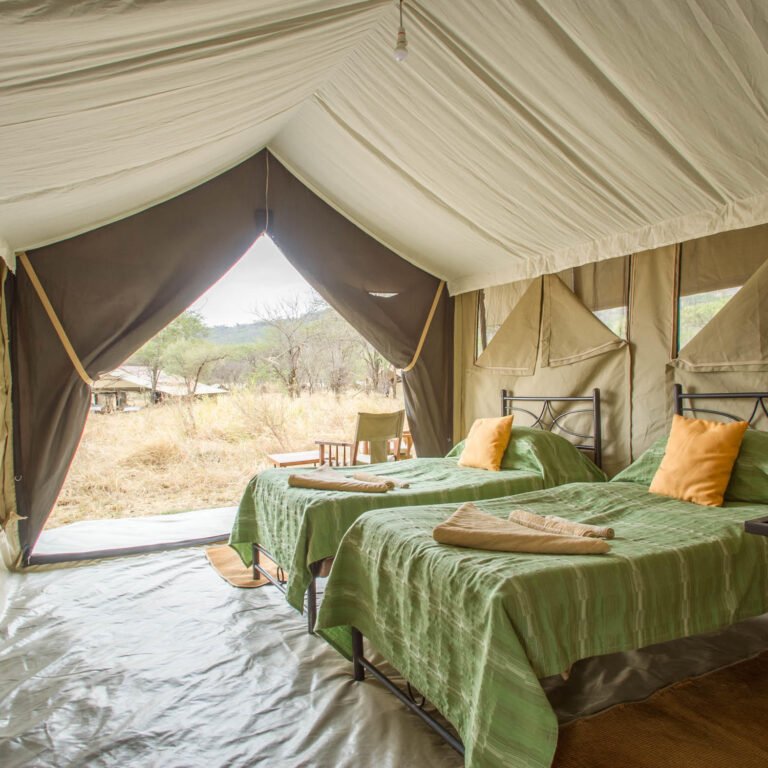
In this detailed guide, we explore some of the best Tanzania safari lodges and camps, carefully selected for their location, comfort, service, and exceptional safari experiences. Whether you are planning a luxury safari, honeymoon safari, family safari holiday, or private African safari adventure, these lodges offer unforgettable stays in the heart of Africa’s most iconic wildlife destinations. A Tanzania safari is one of the most extraordinary wildlife experiences in the world. From the endless plains of the Serengeti to the breathtaking rim of the Ngorongoro Crater and the baobab-filled landscapes of Tarangire National Park. Tanzania offers some of the finest safari destinations in Africa. Choosing the right Tanzania safari lodge or tented camp can transform a simple wildlife trip into a once-in-a-lifetime luxury adventure. The best safari lodges in Tanzania combine spectacular locations, exceptional wildlife viewing, world-class hospitality, and luxurious accommodations. Many of them sit in prime areas where guests can witness dramatic wildlife moments such as the Great Migration. Where more than 1.5 million wildebeest and zebras move across the Serengeti ecosystem in search of fresh grazing. Luxury lodges and camps in Tanzania range from intimate tented camps close to migration routes to elegant lodges overlooking wildlife plains or volcanic craters. Guests enjoy experiences such as sunrise game drives, hot-air balloon safaris, bush dinners under the stars, and guided walking safaris with Maasai guides. 1. Serengeti Migration Camp (Northern Serengeti) Located in the dramatic northern corridor of the world-famous Serengeti National Park, Serengeti Migration Camp is widely regarded as one of the best luxury safari camps in Tanzania for witnessing the Great Migration River crossings. Nestled beside the Grumeti River, this elegant tented camp blends authentic wilderness with premium comfort. Spacious canvas suites feature private verandas overlooking wildlife-rich plains where elephants, giraffes, and antelope roam freely. Guests enjoy exceptional game drives, Prime access to migration river crossings, and sundowners overlooking the Mara River. Exceptional wildlife photography opportunities, guided bush walks, and sunset views that showcase the untamed beauty of the Serengeti ecosystem. The camp’s prime location offers front-row seats to the Great Migration spectacle. Making it ideal for travelers seeking an unforgettable Northern Serengeti safari experience. Fine dining, attentive service, and spectacular scenery make this camp a top choice for luxury safari enthusiasts. 2. Ngorongoro Melia Safari Lodge (Ngorongoro) Perched dramatically on the rim of the legendary Ngorongoro Crater, Ngorongoro Melia Safari Lodge offers one of the most luxurious viewpoints in East Africa. The lodge blends elegant design with Maasai-inspired architecture, creating a unique atmosphere overlooking the wildlife-rich crater floor. Spacious suites feature panoramic terraces, fireplaces, and modern amenities, ensuring comfort after thrilling crater safaris. Guests enjoy Fine dining with panoramic views, Luxury rooms and suites overlooking the crater, spa services, infinity pools, and exceptional hospitality while exploring the UNESCO-listed Ngorongoro Conservation Area. Known for its dense wildlife population, including lions, elephants, and endangered black rhinos, the crater provides extraordinary game-viewing opportunities. This lodge is perfect for honeymooners, photographers, and travelers seeking a luxury Ngorongoro safari lodge with breathtaking scenery and world-class comfort. The Ngorongoro Crater is famous for its dense wildlife population, including lions, elephants, rhinos, buffalo, and leopards, making it one of the best safari locations in Tanzania. 3. Meliá Serengeti Safari Lodge (Central Serengeti) Set in the heart of the iconic Serengeti National Park, Meliá Serengeti Safari Lodge is one of the best luxury lodges in Central Serengeti for unforgettable wildlife safaris. Overlooking the vast Mbalageti Valley, the lodge offers spectacular panoramic views of endless savannahs dotted with acacia trees. Elegant rooms and suites feature private balconies, modern décor, and comfortable interiors inspired by local culture. Guests can relax by the infinity pool and enjoy fine international cuisine. Embark on thrilling game drives to see lions, leopards, elephants, and cheetahs. Its central location makes it ideal for year-round wildlife viewing and seasonal migration sightings. Combining luxury, comfort, and prime wildlife access, this lodge is a perfect base for travelers planning a Serengeti safari adventure. Explore luxury Tanzania safari lodges, Serengeti safari accommodation, Ngorongoro safari lodge, and Tanzania luxury safari camps. Great Migration safari lodge, and the best safari lodges in Tanzania. 4. Singita Sasakwa Lodge Located within the exclusive Grumeti Reserve bordering the Serengeti, Singita Sasakwa Lodge represents the pinnacle of ultra-luxury safari accommodation in Tanzania. Designed like an elegant Edwardian manor house, the lodge offers sweeping views across the Serengeti plains where wildlife roams freely. Private cottages feature plunge pools, expansive terraces, and luxurious interiors decorated with antiques and fine fabrics. Guests enjoy exceptional personalized service, gourmet cuisine, and curated safari activities including private game drives, horseback safaris, and guided nature walks. The reserve is famous for incredible wildlife encounters and spectacular migration viewing. Singita Sasakwa is a dream destination for travelers seeking a high-end Serengeti safari lodge that combines elegance, exclusivity, and outstanding conservation efforts. 5. Four Seasons Safari Lodge Serengeti (Central Serengeti) Nestled deep inside Serengeti National Park, Four Seasons Safari Lodge Serengeti offers a perfect blend of luxury resort comfort and authentic African safari adventure. The lodge overlooks a busy wildlife watering hole where elephants, buffalo, and antelope gather throughout the day. Elegant rooms, suites, and private villas provide stunning savannah views and modern amenities. Guests can relax at the infinity pool, enjoy spa treatments, or watch animals from the elevated viewing decks. Guided game drives reveal the incredible biodiversity of the Serengeti, including lions, leopards, and cheetahs. With exceptional service, world-class dining, and a spectacular location, this lodge is one of the best luxury safari lodges in Tanzania for families, honeymooners, and wildlife enthusiasts. 6. Singita Mara River Tented Camp Located in the remote northern reaches of the Serengeti National Park, Singita Mara River Tented Camp offers an intimate luxury safari camp experience near the Great Migration crossing points. The eco-friendly camp blends seamlessly into the surrounding wilderness with stylish canvas tents designed for sustainability and comfort. Each suite features river views, elegant interiors, and outdoor showers that immerse guests in the natural environment. Game drives in this region often
How to Plan a Safari in Tanzania

Planning a safari in Tanzania is one of the most exciting travel experiences in Africa, combining breathtaking wildlife encounters, iconic landscapes, and unforgettable cultural journeys. A well-planned Tanzania safari trip allows you to explore world-famous destinations such as the Serengeti National Park, Ngorongoro Crater, and Tarangire National Park while enjoying luxury Tanzania safari lodges, budget camps, or private guided Tanzania safari tours. With the right Tanzania safari planning guide, travelers can optimize their itinerary for the Great Migration, Big Five sightings, and authentic Maasai cultural experiences. Understanding the best time to visit Tanzania, safari costs, and top-rated tour operators ensures a smooth and rewarding adventure. Whether you are booking a luxury safari in Tanzania, a family safari, or a honeymoon safari package, proper planning guarantees safety, comfort, and a once-in-a-lifetime wildlife experience in East Africa’s most iconic safari destination. Step 1: Choose the Best Time to Visit Tanzania The first step in planning a Tanzania safari is selecting the best time to visit Tanzania for optimal wildlife viewing. The dry season from June to October is considered the peak safari season, offering excellent game drives, clear skies, and high chances of spotting the Big Five in Serengeti and Ngorongoro. This is also the best time for the Great Migration river crossings. The green season from November to May provides lush landscapes, fewer tourists, and lower safari prices, making it ideal for budget Tanzania safaris and photography tours. Birdwatching is especially rewarding during this period. Choosing the right season depends on your travel goals, whether you prefer luxury safari experiences, wildlife photography, or fewer crowds in Tanzania’s national parks and game reserves. Step 2: Decide on Your Tanzania Safari Destinations Selecting your Tanzania safari destinations is crucial for a successful itinerary. The Serengeti National Park is famous for the Great Migration and endless savannah wildlife sightings. Ngorongoro Crater offers one of the highest densities of wildlife in Africa, making it perfect for Big Five safaris. Tarangire National Park is known for large elephant herds and ancient baobab trees, while Lake Manyara National Park is ideal for birdwatching and tree-climbing lions. For a more remote experience, Ruaha and Selous (Nyerere National Park) provide off-the-beaten-path safari adventures. Combining multiple destinations allows travelers to experience diverse ecosystems, wildlife, and landscapes. A well-planned Tanzania safari itinerary ensures you maximize game drives, scenic views, and cultural encounters across the country’s top safari circuits. Step 3: Determine Your Tanzania Safari Style Choosing your Tanzania safari style helps define your overall travel experience. Luxury Tanzania safaris offer high-end lodges, private guides, and exclusive game drives, ideal for honeymooners and premium travelers. Mid-range Tanzania safaris balance comfort and affordability with tented camps and well-equipped lodges. Budget Tanzania safaris focus on private vehicles, public campsites, and cost-effective itineraries for backpacker travelers. For a more immersive experience, Tanzania camping safaris bring you closer to nature with authentic bush stays. Fly-in Tanzania safaris reduce travel time between parks using domestic flights, while road safaris provide scenic overland journeys. Private Tanzania safaris offer flexibility and personalized itineraries, and are more social and affordable. Selecting the right African safari style ensures your Tanzania wildlife safari experience matches your expectations and budget. Step 4: Set a Tanzania Safari Budget Setting a realistic Tanzania safari budget is essential for proper planning. Costs vary depending on accommodation, park fees, transportation, and safari style. Budget safaris may start from $150–$300 per day, while mid-range safaris range from $300–$600 per day. Luxury Tanzania safaris can exceed $800 per day, especially in exclusive lodges within the Serengeti or Ngorongoro. Additional expenses include international flights, visas, travel insurance, tips, and optional activities like hot air balloon safaris. Planning ahead for your Tanzania Safari helps you avoid hidden costs and secure early booking discounts. Many Tanzania safari packages are all-inclusive, covering accommodation, meals, park fees, and game drives. A well-planned Tanzania budget safari ensures you enjoy a stress-free safari experience without compromising comfort, safety, or wildlife viewing opportunities in Tanzania’s top national parks. Step 5: Choose a Reputable Tanzania Safari Operator Selecting a reputable Tanzania safari operator is one of the most important steps in planning your Tanzania safari trip. A trusted tour company ensures safety, professionalism, and a well-organized Tanzania safari itinerary. Look for operators with strong online reviews, experienced safari guides, and proper licensing from Tanzanian tourism authorities. The best Tanzania safari companies offer customized Tanzania safari packages, including luxury safaris, family safaris, and honeymoon safaris. They also provide transparent pricing and clear communication. A good Tanzania safari tour operator will help you choose the best African safari destinations, accommodations, and transportation options tailored to your needs. Avoid unreliable or unverified agents, as they may compromise your African safari experience. Working with a professional Tanzania safari company guarantees high-quality game drives, expert wildlife tracking, and seamless travel logistics across Tanzania’s national parks and conservation areas. Step 6: Decide How Many Days of Tanzania Safari You Want to Book Determining the length of your Tanzania safari is key to building the perfect itinerary. Short Tanzania safaris of 2–4 days are ideal for visiting one or two parks such as Ngorongoro Crater and Tarangire National Park. A 5–7 day Tanzania safari allows deeper exploration of Serengeti National Park and multiple ecosystems. For a more comprehensive experience, 8–14-day Tanzania safaris include northern circuit highlights and sometimes Zanzibar beach extensions. Longer Tanzania safaris provide better chances of witnessing the Great Migration, predator action, and diverse wildlife encounters. Your African safari budget, travel goals, and available time will influence your decision. A well-balanced Tanzania safari duration ensures you enjoy game drives, relaxation, and cultural experiences without rushing through Tanzania’s iconic wildlife destinations and scenic landscapes. Step 7: Book Flights to Tanzania Booking flights to Tanzania is an important part of your safari planning process. The main international gateways are Kilimanjaro International Airport (JRO), Julius Nyerere International Airport in Dar es Salaam (DAR), and Zanzibar International Airport (ZNZ). Most travelers fly via connecting hubs such as Doha, Istanbul, Amsterdam, or Nairobi. It is advisable to
Ngorongoro in June

Experience the unique ultimate Ngorongoro Crater in June, which is one of the best-kept safari secrets in Tanzania, offering a perfect blend of dry-season wildlife viewing, breathtaking landscapes, and fewer crowds compared to peak months. Located within the Ngorongoro Conservation Area, this iconic destination is a UNESCO World Heritage Site famous for its dense wildlife population and dramatic volcanic caldera. June marks the start of the dry season, making it an ideal time for Tanzania safari tours, luxury safaris, and budget-friendly adventures. Travelers can expect clear skies, excellent visibility, and unforgettable Big Five sightings. Whether you are planning a honeymoon safari, family safari holiday, or solo African adventure, Ngorongoro in June delivers exceptional experiences. Weather and Climate in Ngorongoro in June June marks the start of the dry season in Ngorongoro Crater, bringing cool, crisp weather ideal for safari travel. Daytime temperatures average between 20°C and 25°C, while early mornings and evenings can drop to 10–14°C, especially along the crater rim. Rainfall is minimal, often below 10 mm, and skies remain clear, creating excellent visibility for wildlife viewing and photography. Due to its high altitude, the climate feels cooler than other Tanzanian safari destinations. The dry conditions reduce vegetation density, making animals easier to spot across the crater floor. Overall, June offers one of the most comfortable and rewarding climates for a Tanzania safari in Ngorongoro. Why Visit Ngorongoro in June Visiting Ngorongoro Conservation Area in June is ideal for travelers seeking the perfect balance between great weather, fewer crowds, and excellent wildlife viewing. As the dry season begins, animals gather around permanent water sources, increasing your chances of seeing the Big Five in a single game drive. Unlike peak months like July and August, June still offers a quieter, more exclusive safari experience with slightly lower accommodation prices. The landscapes remain fresh and green from recent rains, creating a beautiful contrast against the golden savannah. For photographers, honeymooners, and first-time safari-goers, June delivers a perfect mix of scenery, wildlife density, and comfortable travel conditions. Where to Go in Ngorongoro in June In June, the best places to explore within the Ngorongoro Conservation Area include the crater floor, Lerai Forest, Lake Magadi, and the surrounding highlands. The crater floor is the main highlight, offering one of Africa’s highest concentrations of wildlife, including lions, elephants, and endangered black rhinos. Lerai Forest is famous for large elephant bulls and shaded habitats, while Lake Magadi attracts flamingos and other birdlife. The Ngorongoro Highlands provide stunning panoramic views, cultural visits with the Maasai, and cooler temperatures. Nearby Ndutu plains are also worth exploring if combining your safari with the greater Serengeti ecosystem. Each location offers unique experiences, making Ngorongoro a diverse and unforgettable safari destination in June. When to Visit Ngorongoro in June The best time to visit Ngorongoro Crater in June is early morning or late afternoon. Early morning game drives, starting around sunrise, offer the highest chances of spotting predators like lions and hyenas while they are still active. Temperatures are cooler, and the golden light enhances photography. Midday can be warmer but still comfortable due to the high altitude. Afternoon game drives provide another opportunity to see wildlife as animals return to water sources. Since June falls at the start of the dry season, travel conditions are excellent throughout the day, with dry roads and clear skies. Planning a full-day safari maximizes wildlife encounters and ensures a complete Ngorongoro experience. What to Do in Ngorongoro in June June offers a wide range of safari activities in the Ngorongoro Conservation Area. Game drives inside the crater are the main highlight, providing unmatched opportunities to see the Big Five in a single day. Visitors can also enjoy guided walking safaris in the highlands, cultural visits to Maasai villages, and birdwatching around Lake Magadi. Photography is exceptional due to clear skies and excellent visibility. For adventure seekers, hiking along the crater rim offers breathtaking views of the landscape. Many travelers combine Ngorongoro with nearby destinations like Serengeti or Tarangire for a complete Tanzania safari experience. June’s dry conditions make all these activities easily accessible and highly enjoyable. What to Pack for Ngorongoro in June Packing for Ngorongoro Crater in June requires preparation for both cool mornings and mild daytime temperatures. Essential items include warm layers such as a fleece jacket, windbreaker, and long-sleeve shirts for early game drives. Neutral-colored safari clothing is recommended for blending into the environment. Comfortable walking shoes, sunglasses, sunscreen, and a hat are also essential. A camera with a zoom lens and binoculars will enhance your wildlife experience. Since mornings can be chilly due to high altitude, gloves or scarves may be useful. Packing smart ensures comfort throughout your safari and allows you to fully enjoy Ngorongoro’s unique climate and wildlife encounters. Crowds & Costs – Ngorongoro in June June is considered a shoulder-to-peak transition period in the Ngorongoro Conservation Area. While visitor numbers increase compared to the rainy season, it is still less crowded than peak months like July and August. This makes June ideal for travelers seeking a quieter safari experience. Prices for accommodations and tours begin to rise but remain more affordable than peak season rates. Park fees stay constant year-round, but overall safari costs vary depending on lodge category and tour package. Booking in advance is recommended to secure the best deals. June offers excellent value, combining good weather, fewer crowds, and competitive pricing for a premium Tanzania safari experience. Wildlife & Animals – Ngorongoro in June Wildlife viewing in Ngorongoro Crater during June is exceptional. As the dry season begins, animals gather around water sources, making sightings easier and more frequent. You can expect to see lions, elephants, buffalo, zebras, wildebeest, and hippos across the crater floor. The crater is also one of the best places in Tanzania to spot the endangered black rhino. Predators are highly active, and the shorter grass improves visibility, increasing chances of witnessing dramatic wildlife interactions. Birdlife remains abundant, especially around Lake Magadi. June offers one of the best
What to Expect on a Safari in Tanzania

A Tanzania safari is one of the most iconic African safari experiences, offering unmatched wildlife encounters, breathtaking landscapes, and rich cultural immersion. From the world-famous Serengeti National Park to the dramatic Ngorongoro Crater and elephant-rich Tarangire National Park, Tanzania delivers the ultimate wildlife safari adventure. Travelers can expect close sightings of the Big Five, vast savannah plains, and authentic Maasai culture. Whether choosing a luxury safari lodge or a budget tented camp, Tanzania safari packages suit all travelers. Game drives reveal lions, elephants, giraffes, and endless natural beauty across East Africa’s most celebrated parks. This guide explains what to expect on a Tanzania safari, including wildlife, transport, weather, food, accommodation, and adventure tips. It prepares travelers for an unforgettable journey through one of the world’s top safari destinations in Africa today. 1. Diverse Landscapes Tanzania safari landscapes are incredibly diverse, making the country a top African safari destination. The Serengeti National Park offers endless golden plains filled with migrating wildebeest, while the Ngorongoro Crater presents a unique volcanic ecosystem rich in wildlife. Tarangire National Park is known for ancient baobab trees and elephant herds, and Lake Manyara features lush forests and flamingo-filled lakeshores. In the distance, Mount Kilimanjaro adds a dramatic backdrop to the scenery. These contrasting environments create perfect conditions for wildlife viewing, photography, and exploration. From rivers and savannahs to mountains and crater highlands, every safari day feels different. This natural variety ensures Tanzania safaris remain exciting and immersive, offering travelers unforgettable experiences across some of Africa’s most iconic protected wilderness areas and national parks throughout East Africa. 2. Amazing Wildlife A Tanzania safari offers some of the richest wildlife encounters in Africa, making it a dream destination for nature lovers. The Serengeti National Park is home to the Great Migration, where millions of wildebeest and zebras move across the plains. Ngorongoro Crater provides one of the highest concentrations of wildlife, including lions, rhinos, elephants, and hippos. Tarangire National Park is famous for large elephant herds, while Lake Manyara hosts tree-climbing lions and diverse bird species. Travelers can expect frequent sightings of the Big Five: lion, leopard, elephant, buffalo, and rhino. Game drives reveal giraffes, cheetahs, hyenas, and countless antelope species. Tanzania’s national parks offer year-round wildlife viewing, making every safari tour a thrilling adventure filled with unforgettable animal encounters and breathtaking natural behavior in the wild African savannah ecosystem. 3. Packing & Clothing Packing correctly for a Tanzania safari is essential for comfort and enjoyment. Lightweight, breathable clothing is ideal for warm daytime temperatures, while neutral colors such as khaki, olive, and beige help blend into the environment. Early mornings and evenings in Serengeti National Park or Ngorongoro Crater can be cold, so a warm jacket or fleece is necessary. Comfortable walking shoes are recommended for lodge stays and nature walks. A wide-brim hat, sunglasses, and sunscreen are important for sun protection during long game drives. Avoid bright colors and heavy luggage due to limited safari vehicle space. Binoculars, a camera, and insect repellent are also useful. Proper packing ensures a smooth African safari experience, allowing travelers to fully enjoy wildlife viewing, photography, and adventure across Tanzania’s diverse landscapes and national parks without discomfort during their journey. 4. Transport & Roads Transportation on a Tanzania safari typically involves 4×4 safari vehicles designed for off-road game drives and wildlife viewing. Roads between parks such as Serengeti, Ngorongoro, and Tarangire can be rough, dusty, or bumpy, especially during long-distance travel. However, these journeys are part of the authentic African safari experience. Most safari tours include experienced drivers who double as guides, ensuring safety and wildlife spotting along the way. Domestic flights are also available between major parks to reduce travel time. Travelers should expect slow driving speeds due to wildlife sightings and terrain conditions. Despite challenges, road travel offers scenic views of villages, savannahs, and changing landscapes. Tanzania safari transport is well-organized, combining adventure and practicality to connect travelers with remote national parks and unforgettable wildlife destinations across East Africa’s wilderness regions. 5. Long Drives and Early Starts A Tanzania safari often involves long drives and early morning starts to maximize wildlife viewing opportunities. Game drives in Serengeti National Park or Ngorongoro Crater typically begin at sunrise when animals are most active. Travelers should be prepared for several hours on the road between national parks, sometimes lasting six to eight hours, depending on distances. Early departures allow tourists to witness predators hunting and enjoy cooler temperatures for comfortable viewing. Safari guides carefully plan routes to ensure the best wildlife sightings along the way. While travel time can be lengthy, scenic landscapes, wildlife encounters, and cultural villages make the journey enjoyable. Rest stops are included for comfort and photography. These early starts and extended drives are essential for experiencing the full beauty of Tanzania’s wildlife safari adventure and natural wonders. 6. Changing Weather Tanzania safari weather varies throughout the day and across different regions, making preparation important for travelers. Mornings and evenings in Serengeti National Park and Ngorongoro Crater can be cool, while midday temperatures often become hot under the African sun. The dry season offers excellent wildlife viewing as animals gather around water sources, while the wet season transforms landscapes into lush green scenery. Rainfall can be unpredictable, especially in forested areas like Lake Manyara. Layered clothing is recommended to adapt to temperature changes during game drives. Despite weather variations, Tanzania remains a year-round safari destination. The changing climate enhances the beauty of the landscapes and influences animal behavior, providing unique opportunities for photography and wildlife observation. Every safari experience feels different depending on the season, adding excitement to African safari adventures. 7. Minimal Phone and Internet Coverage On a Tanzania safari, travelers should expect limited phone signal and internet connectivity, especially in remote national parks like Serengeti and Ngorongoro. These protected wildlife areas are far from urban infrastructure, allowing visitors to fully disconnect from modern distractions. Some safari lodges and camps offer Wi-Fi, but connections may be slow or unreliable. Mobile network coverage is often weak during
Ngorongoro in October

Ngorongoro in October is one of the most rewarding times to experience a Tanzania safari in the iconic Ngorongoro Crater. This period marks the end of the dry season, offering exceptional wildlife viewing opportunities as animals concentrate around water sources inside the crater. October is widely searched as one of the best times to visit Ngorongoro Crater, thanks to clear skies, excellent visibility, and active predator-prey interactions. Safari travelers enjoy fewer crowds compared to peak months, making game drives more exclusive and immersive. This month also provides fantastic photographic conditions with golden landscapes and dramatic wildlife scenes. For travel intent, Ngorongoro safari in October, Tanzania wildlife safari, and Ngorongoro Crater tours are among the top-ranking keywords attracting global travelers planning unforgettable African adventures. Weather in Ngorongoro in October Ngorongoro in October features warm daytime temperatures and cool mornings and evenings, making it ideal for a comfortable Tanzania safari experience. The weather is generally dry, with minimal rainfall before the short rains begin in November. This dry climate improves road conditions and allows easy access to all major wildlife viewing areas inside Ngorongoro Crater. Clear blue skies dominate most of the month, creating perfect safari photography conditions and high visibility for spotting animals. Many travelers search for Ngorongoro weather in October, Tanzania safari climate, and the best safari season in Africa due to these stable conditions. The dry vegetation also enhances wildlife visibility, as animals gather around remaining waterholes. Overall, October delivers one of the most reliable and rewarding safari weather patterns in Tanzania. Wildlife Viewing in October Wildlife viewing in Ngorongoro in October is outstanding, making it one of the top Tanzania safari destinations for game drives. Inside Ngorongoro Crater, visitors can easily spot the Big Five—lion, elephant, buffalo, rhino, and leopard—due to concentrated animal populations around water sources. October’s dry conditions reduce vegetation density, improving visibility and increasing chances of predator encounters. Lions are especially active during this period, while elephants and buffalo gather in large herds. Flamingos and hippos are also commonly seen in crater lakes. Search terms like Ngorongoro wildlife safari, Big Five Tanzania safari, and Ngorongoro Crater animals rank highly during this month. For wildlife photographers and safari lovers, October provides dramatic action scenes and unforgettable close-up encounters in one of Africa’s most iconic ecosystems. Safari Experience in October A safari in Ngorongoro in October delivers a classic African wildlife experience filled with dramatic landscapes and abundant animal sightings. Game drives inside Ngorongoro Crater offer a natural amphitheater of wildlife activity, making it one of the most sought-after Tanzania safari destinations. Tourists enjoy full-day game drives with picnic lunches on the crater floor while observing lions, zebras, wildebeests, and hyenas in their natural habitat. The dry season enhances road accessibility and allows safari vehicles to reach remote viewing areas. Key Tanzania safari packages, Ngorongoro Crater safari tours, and luxury safari Tanzania are highly relevant for October travel planning. This month provides a balanced mix of adventure, comfort, and high-density wildlife viewing, making it perfect for both first-time and experienced safari travelers. Photography Opportunities in October Ngorongoro in October is a dream destination for wildlife photography in Tanzania. The clear skies, golden savannah tones, and high animal density inside Ngorongoro Crater create perfect lighting conditions for professional and amateur photographers. The dry landscape reduces visual clutter, allowing sharp and dramatic wildlife shots, especially of predators like lions and cheetahs. Elephants moving across crater plains and flamingos in alkaline lakes provide iconic African safari imagery. Key terms such as Ngorongoro photography safari, Tanzania wildlife photography tours, and best safari destinations in Africa are commonly searched during this period. October’s soft morning and evening light enhances contrast and depth, making it one of the most visually rewarding months for capturing unforgettable safari moments in East Africa. Crowds and Tourist Numbers One of the biggest advantages of visiting Ngorongoro in October is the moderate tourist crowd levels. Compared to peak safari months, October offers a more relaxed and less congested experience inside Ngorongoro Crater. Safari vehicles are fewer on the crater floor, allowing for more intimate wildlife encounters and better viewing angles. This makes it ideal for travelers seeking a peaceful and exclusive Tanzania safari experience. Popular search terms include uncrowded Tanzania safari, Ngorongoro Crater best time to visit, and luxury safari Tanzania. Hotels and lodges also offer better availability and sometimes more competitive rates compared to peak season. Overall, October strikes a perfect balance between excellent wildlife viewing and manageable tourist flow, enhancing the overall safari quality. Migration Influence from Serengeti Although the Great Migration primarily takes place in the nearby Serengeti National Park, October still influences wildlife movement around Ngorongoro. Wildebeest and zebras begin transitioning southward, sometimes passing through conservation areas connected to the crater ecosystem. This seasonal movement attracts predators into and around Ngorongoro Crater, increasing chances of dramatic hunting scenes. Key attractions such as the Great Migration in Tanzania, the Serengeti migration safari, and the Ngorongoro safari, the October migration is highly searched during this period. Visitors benefit from the broader ecosystem connectivity between Serengeti and Ngorongoro, enhancing the diversity of wildlife encounters. October, therefore, serves as a transitional month, offering a blend of resident wildlife and migratory movement across northern Tanzania’s iconic safari circuit. Accommodation Options in October Ngorongoro in October offers a wide range of accommodation options, from luxury lodges to mid-range safari camps surrounding Ngorongoro Crater. This is an ideal time to enjoy premium Tanzania safari lodges due to good availability before the peak holiday season begins. Many travelers search for Ngorongoro luxury lodges, Tanzania safari accommodation, and crater rim hotels. Lodges located on the crater rim provide breathtaking panoramic views, while tented camps offer immersive wilderness experiences. October’s favorable weather ensures comfortable stays without heavy rains or extreme temperatures. Whether choosing budget safaris or luxury Tanzania safari packages, visitors can find well-equipped accommodations with guided game drives, cultural experiences, and full-board services, making the safari experience seamless and enjoyable. Activities in Ngorongoro in October Ngorongoro in October offers a wide range
Ngorongoro in July

Visiting Ngorongoro Crater in July is an unforgettable African safari experience. July falls in the heart of Tanzania’s cool, dry season and is one of the best months to explore the dramatic landscapes, abundant wildlife, and rich culture of the Ngorongoro Conservation Area. Whether you’re planning your first African safari, researching Ngorongoro weather in July, or comparing travel costs and activities, this comprehensive guide covers everything you need to know. July is a premier, dry-season month to visit the Ngorongoro Crater, offering exceptional, sunny wildlife viewing as animals congregate, though it is peak season with high prices and crowds. Expect chilly mornings and evenings at the rim (around with mild, pleasant days (around. Book lodges early, pack layers, and prepare for dusty, high-action safari days. Weather and Climate in Ngorongoro in July Ngorongoro in July experiences cool and dry weather, making it one of the best months to explore Tanzania’s iconic crater. Temperatures range from 6°C in the early morning to around 22°C in the afternoon, offering perfect conditions for wildlife spotting and photography. The dry season reduces muddy tracks, allowing safari vehicles easy access to all areas of the Ngorongoro Crater and surrounding conservation zones. Clear skies dominate the landscape, making views of the crater rim and lush grasslands stunningly visible. Travelers often enjoy crisp mornings, sunny afternoons, and cool evenings, ideal for camping or staying at luxury lodges. July’s climate also supports outdoor activities, like guided crater hikes and nature walks. Why Visit Ngorongoro in July Visiting Ngorongoro in July is ideal for those seeking a high-quality safari experience with fewer interruptions from rain. The dry season creates excellent conditions for wildlife visibility, as animals gather around water sources, making it easier to see lions, elephants, rhinos, and zebras. July also coincides with cooler temperatures, ensuring comfortable days for game drives, crater exploration, and photography. Fewer mosquitoes reduce malaria risk, allowing visitors to enjoy the outdoors freely. Cultural experiences with Maasai communities remain accessible, providing insight into local traditions. Safari enthusiasts, photographers, and adventure travelers alike find July a peak month to experience the diverse landscapes, abundant wildlife, and unique scenery of the Ngorongoro Conservation Area. Where to Go in Ngorongoro in July Exploring Ngorongoro in July opens opportunities to visit the world-famous crater floor, renowned for its dense wildlife populations. Key hotspots include the hippo pools near the central crater lake, grasslands that attract grazing herbivores, and watering holes that reveal predator activity. Nearby attractions such as Olduvai Gorge provide historical insights into human evolution, while Olmoti and Empakaai craters offer dramatic escarpments and birdwatching opportunities. The rim of the crater provides breathtaking panoramic views, perfect for photography at sunrise or sunset. For those interested in cultural tourism, local Maasai villages offer guided experiences to learn about traditional herding practices. Every corner of Ngorongoro in July is accessible due to the dry, favorable conditions. When to Visit Ngorongoro in July July is part of Ngorongoro’s dry season, making it one of the prime months for a visit. This period avoids the heavy rains of April and May, ensuring easier access to all safari routes and crater trails. Morning game drives benefit from cooler temperatures, while afternoons provide optimal sunlight for photography. Wildlife tends to concentrate near water sources, increasing the chance of spotting the Big Five. Booking early is recommended for July safaris, as this month attracts both international tourists and local visitors seeking dry-season adventures. Travelers planning holidays in Tanzania often combine Ngorongoro visits with Serengeti safaris, taking advantage of the predictable weather and spectacular landscapes that July reliably offers. What to Do in Ngorongoro in July Ngorongoro in July offers a full range of safari and adventure activities. Game drives across the crater floor are the highlight, with opportunities to see lions, leopards, elephants, and rare black rhinos. Guided walking safaris allow visitors to explore crater slopes and experience the unique geology up close. Birdwatchers enjoy spotting flamingos and other migratory species near crater lakes. Cultural visits to Maasai villages provide insight into traditional lifestyles, while photography safaris capture wildlife against clear, sunny backdrops. For those seeking adventure, hiking trails along the crater rim or nearby highlands provide panoramic views. July’s dry conditions ensure all activities are safe, accessible, and memorable. What to Pack for Ngorongoro in July Packing for Ngorongoro in July requires preparation for cool mornings, warm afternoons, and chilly evenings. Layered clothing is essential: light shirts and trousers for daytime safari drives, warm jackets for early mornings and evenings, and hats or caps for sun protection. Comfortable hiking shoes or boots are needed for crater walks and rim hikes. Don’t forget binoculars for wildlife spotting and cameras with telephoto lenses for capturing the Big Five. Sunglasses, sunscreen, and insect repellent are crucial. For longer stays, packing thermal wear and gloves ensures comfort during early morning drives. A reusable water bottle and small daypack are handy for carrying essentials while exploring the crater and surrounding areas. Crowds & Costs – Ngorongoro in July July sees moderate tourist activity in Ngorongoro due to favorable weather and school holidays. While not as busy as August or December, booking accommodations and safaris early is advised. Prices for park entry, guided tours, and luxury lodges may rise slightly compared to off-peak months. Mid-range and budget travelers can still find campsites, tented lodges, and guesthouses at competitive rates. Private safaris and small-group tours are popular, offering personalized experiences. The dry season enhances travel convenience, meaning safari vehicles face fewer delays and road issues. Travelers should anticipate slightly higher costs for premium services but benefit from excellent wildlife viewing and optimal travel conditions. Wildlife & Animals – Ngorongoro in July Ngorongoro in July is a wildlife haven. The dry season draws animals to the crater’s scarce water sources, creating concentrated viewing opportunities. Visitors can see lions resting in grasslands, elephants roaming between waterholes, and rare black rhinos grazing quietly. Herds of wildebeest, zebras, and buffalo are highly visible, providing dramatic predator-prey encounters. Birdwatchers enjoy flamingos at seasonal lakes and