
When is there snow on the summit of Kilimanjaro?
When is there snow on the summit of Kilimanjaro?
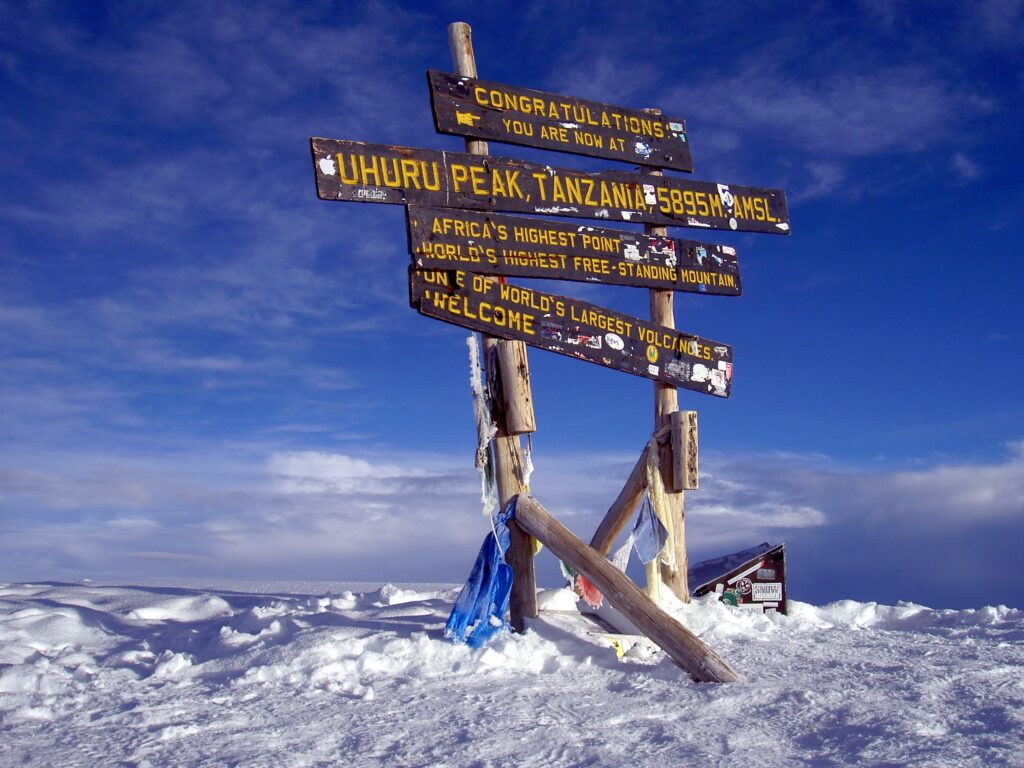
When is there snow on the summit of Kilimanjaro? This is one of the most frequently asked questions by trekkers planning a Tanzania safari or Mount Kilimanjaro climbing adventure. The famous Uhuru Peak, located at 5,895 meters, is known for its breathtaking equatorial snow and ancient glaciers. However, the presence of snow varies throughout the year depending on seasonal weather patterns, temperature changes, and long-term climate trends. Understanding when snow appears on Kilimanjaro helps climbers plan the best time to visit and experience the iconic white-capped summit. While Kilimanjaro lies near the equator, its extreme altitude creates freezing conditions at the top. In this guide, we explore monthly snow patterns, dry and rainy seasons, and how climate change is affecting the mountain’s legendary glaciers, visitors, and adventurers worldwide seeking experiences.
Seasonal Snowfall Patterns
Seasonal snowfall patterns on Mount Kilimanjaro are closely linked to altitude, humidity, and shifting equatorial weather systems. Snow on the summit of Kilimanjaro, especially at Uhuru Peak, is most commonly observed during colder periods when moisture from Indian Ocean winds rises and condenses at high elevations. Despite being near the equator, Kilimanjaro experiences freezing temperatures year-round at its summit, allowing snow and ice formation even in warmer months. However, snowfall is not constant and can vary daily. The interaction between dry and wet seasons influences how much snow accumulates or melts. Trekkers often expect more visible snow during wetter months, but clear skies in dry seasons can also preserve existing glaciers. Understanding seasonal patterns helps climbers choose the best time for Kilimanjaro trekking and photography opportunities and adventure planning insights.
Dry Season Snow Presence
During the dry season on Mount Kilimanjaro, typically from June to October and January to February, snow can still be found on the summit, though its appearance often becomes more stable and less frequently replenished. The dry season brings clearer skies, lower humidity, and reduced precipitation, which means less fresh snowfall but also slower melting of existing ice. At Uhuru Peak, temperatures remain below freezing, preserving patches of snow and glacier ice despite intense sunlight during the day. Climbers during this period often enjoy spectacular views of the white-capped summit against blue skies. However, the snow cover may appear thinner compared to wetter months. Understanding dry season conditions is essential for trekkers planning Kilimanjaro expeditions, as it affects both visibility and the iconic snowy landscape that defines Africa’s highest mountain.
Rainy Season Effects
Rainy seasons on Mount Kilimanjaro, occurring from March to May and November to December, play a crucial role in the formation and replenishment of snow at the summit. During these months, moisture-laden air rises from the Indian Ocean and cools rapidly at high altitude, resulting in increased precipitation, including snowfall at Uhuru Peak. This period often brings thicker cloud cover, frequent storms, and heavier snow accumulation compared to dry months. While lower slopes may experience rain, the summit frequently receives snow or freezing rain that contributes to the mountain’s iconic ice cap. However, heavy cloud cover can limit visibility for climbers. The rainy seasons are essential for maintaining Kilimanjaro’s glaciers, although long-term climate change has reduced overall snow coverage. Trekkers should prepare for wet, cold, and challenging conditions during the time.
Temperature at Summit
Temperatures at the summit of Mount Kilimanjaro, especially at Uhuru Peak, are a key factor influencing when snow is present. At an elevation of 5,895 meters, the summit experiences extreme cold conditions year-round, with nighttime temperatures often dropping below- 10 degrees Celsius and sometimes much lower. Even during the warmest months, temperatures remain well below freezing, allowing snow and ice to persist. The combination of thin air, low oxygen levels, and high altitude ensures that precipitation quickly turns into snow or ice. However, daytime sunlight can cause partial melting, leading to fluctuations in snow coverage. These temperature variations explain why Kilimanjaro’s summit can appear snow-covered one day and partially bare the next. Understanding summit temperature patterns is essential for predicting snow presence and planning successful trekking expeditions globally today.
Kilimanjaro Glaciers
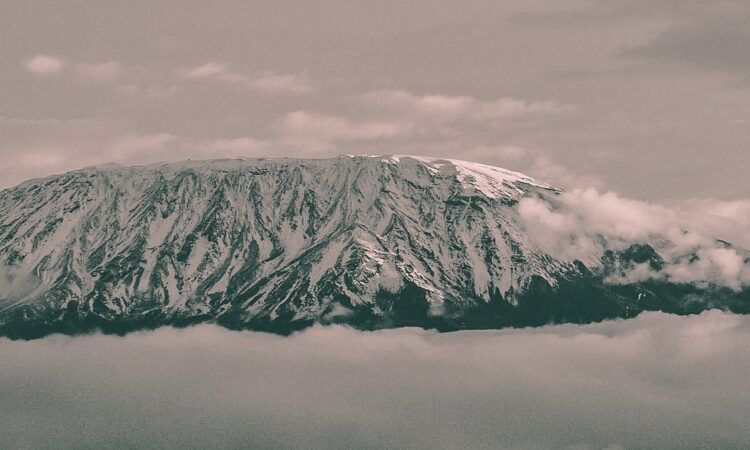
Mount Kilimanjaro is famous for its shrinking glaciers, which play a major role in the visibility of snow at the summit. These glaciers, located near Uhuru Peak, are remnants of ancient ice fields that once covered larger areas of the mountain. Today, they are primarily found on the northern and southern slopes of the summit area. Snow and ice accumulation on Kilimanjaro’s glaciers depend on seasonal weather patterns, with more visible snow during wetter months. However, rising global temperatures and reduced precipitation have significantly accelerated glacier retreat. Despite this, pockets of ice remain, especially in shaded areas where sunlight exposure is minimal. These glaciers contribute to the iconic white appearance of Kilimanjaro’s peak. Understanding their condition is essential for travelers seeking to witness the famous snow-capped summit before it continues to diminish over time.
Climate Change Impact
Climate change is one of the most significant factors affecting snow on the summit of Mount Kilimanjaro. Over the past century, rising global temperatures have caused a dramatic reduction in mountain ice fields and seasonal snow coverage. Scientists report that Kilimanjaro has lost more than 80 percent of its glacier ice since the early 1900s. Warmer air temperatures reduce the amount of snow that accumulates at Uhuru Peak, while increased evaporation accelerates melting. Changing rainfall patterns also contribute to inconsistent snowfall during traditional wet seasons. As a result, the iconic snow-capped summit is becoming less reliable and more seasonal in appearance. Despite these changes, snow still forms at the summit under the right conditions, especially during colder and wetter periods. Climate change remains a critical concern for the future of Kilimanjaro’s snowy landscape.
Best Time to See Snow
The best time to see snow on the summit of Mount Kilimanjaro depends on seasonal weather conditions and trekking timing. Generally, the most reliable periods for witnessing snow at Uhuru Peak are during the long rainy season from March to May and the short rainy season from November to December. During these months, increased moisture in the atmosphere leads to higher chances of snowfall and fresh snow accumulation. However, climbers also report seeing snow during colder nights in the dry season, especially at higher elevations. Early morning views are often most impressive, as overnight freezing conditions preserve snow before daytime melting begins. Choosing the right time for a Kilimanjaro expedition can greatly increase the likelihood of experiencing the iconic snow-capped summit, making timing an essential factor for travelers and photographers alike.
Early Morning Snow Frost
Early morning conditions on Mount Kilimanjaro are often the best time to observe snow and frost at the summit. Overnight temperatures drop significantly, allowing moisture in the air to freeze and form fresh layers of frost and snow on Uhuru Peak. As sun rises, the summit often appears fully white and glistening, creating one of the most iconic views in African mountaineering. However, as daylight increases, solar radiation gradually melts some of the snow, especially on exposed surfaces. This daily cycle of freezing and melting explains why Kilimanjaro’s snow cover can change within hours. Climbers who reach the summit early in the morning are more likely to experience thicker snow coverage and crystal-clear icy landscapes. Understanding these early morning patterns is essential for photographers and trekkers seeking the best Kilimanjaro snow views.
Uhuru Peak Conditions
Uhuru Peak, the highest point of Mount Kilimanjaro, has extreme environmental conditions that directly influence the presence of snow. At 5,895 meters, the air is thin, temperatures are consistently below freezing, and oxygen levels are significantly reduced. These harsh conditions allow snow and ice to form and persist throughout the year. However, the amount of visible snow varies depending on seasonal weather patterns and daily temperature fluctuations. Strong sunlight during the day can cause partial melting, while nighttime freezing restores icy surfaces. A combination of altitude and climate makes Uhuru Peak one of most dynamic snow environments in Africa. Climbers reaching the summit often encounter a mix of snow, ice, and bare volcanic rock, depending on timing. Understanding these conditions is essential for safe and successful Kilimanjaro expeditions globally.
Altitude and Precipitation
Altitude plays a critical role in determining precipitation and snow formation on Mount Kilimanjaro. As elevation increases, temperatures drop, and moisture in the air condenses more easily, leading to snowfall at higher levels such as Uhuru Peak. The mountain’s unique position near the equator allows it to receive moisture from surrounding weather systems, but its extreme height ensures that this moisture often falls as snow or ice at the summit. Lower elevations experience rain, while higher zones transition into freezing conditions. This vertical climate variation is one of the reasons Kilimanjaro supports snow despite being in a tropical region. Precipitation patterns are also influenced by seasonal winds and humidity levels. Understanding altitude-driven weather changes is essential for predicting when snow will appear on summit for travelers worldwide today.
Snow vs Ice Distinction
On Mount Kilimanjaro, it is important to distinguish between snow and ice when discussing summit conditions. Snow refers to freshly fallen or recently accumulated frozen precipitation, while ice represents long-term compressed snow that forms glaciers. At Uhuru Peak, both snow and ice coexist depending on weather conditions and seasonal changes. Snow is more commonly observed during rainy seasons when moisture levels are higher, whereas ice dominates during dry periods due to reduced melting and accumulation. The mountain’s glaciers are primarily composed of compacted ice rather than fresh snow. Understanding this difference helps trekkers and researchers interpret Kilimanjaro’s changing landscape more accurately. While snow provides an iconic white appearance, ice is responsible for the mountains’ enduring glacier structures. Both elements are essential to Kilimanjaro’s unique alpine environment globally for visitors today.
Night Freezing Conditions
Nighttime conditions on Mount Kilimanjaro are extremely cold and play a major role in snow formation at summit. As temperatures drop sharply after sunset, moisture in the air freezes rapidly, creating fresh layers of snow and frost on Uhuru Peak. These freezing conditions are consistent throughout the year due to the mountain’s high altitude. Even during relatively warmer seasons, nighttime temperatures remain well below freezing. This daily freeze-thaw cycle contributes to the persistence of snow and ice on the summit. Climbers often experience the coldest temperatures during nighttime summit attempts, which can enhance snow visibility but also increase trekking difficulty. Understanding these nocturnal conditions is important for safe climbing and for predicting when snow will be most visible on Kilimanjaro’s peak for expedition planning and safety guidance globally today.
Trekking Route Differences
Different trekking routes on Mount Kilimanjaro can influence how and when snow is seen at summit. Routes such as Machame, Lemosho, Marangu, and Rongai approach the mountain from different directions and elevations, affecting exposure to weather patterns and moisture levels. Western and southern routes often experience more cloud cover and moisture, increasing the likelihood of encountering snow during ascent. Northern routes may be drier but offer clearer summit views. Regardless of route, all climbers reach Uhuru Peak, where snow conditions depend more on altitude and seasonal climate than the path taken. However, route selection can affect acclimatization and the timing of summit arrival, which indirectly influences snow visibility. Understanding these differences helps trekkers choose the best path for experiencing Kilimanjaro’s iconic snow-capped summit successfully in safari planning today globally.
Visibility and Snow Appearance
Visibility plays a major role in how snow appears on the summit of Mount Kilimanjaro. Clear skies enhance contrast between bright white snow and dark volcanic rock, making the snow-capped summit more dramatic and visible from long distances. However, cloud cover can obscure the peak, hiding snow even when it is present. Atmospheric conditions such as humidity, wind, and sunlight intensity also influence how snow is perceived by climbers and photographers. During early mornings and after snowfall, visibility is often at its best, revealing a pristine white summit. In contrast, midday heat and haze can reduce clarity and make snow appear less prominent. Understanding visibility conditions helps trekkers and photographers capture the best possible views of Kilimanjaro’s iconic snowy peak for tourism and exploration purposes worldwide today, now globally.
Long-Term Glacier Retreat
Long-term glacier retreat on Mount Kilimanjaro has significantly changed how snow is experienced at the summit. Over the past century, the mountain has lost the vast majority of its ice cover due to rising temperatures and reduced precipitation. Scientists estimate that if current trends continue, Kilimanjaro’s glaciers may disappear entirely within the coming decades. This retreat reduces the amount of permanent snow and ice visible at Uhuru Peak, making snowfall more seasonal and less predictable. Historical photographs show a dramatic contrast between past and present snow coverage. Despite this decline, temporary snow still forms during wetter and colder periods, maintaining the mountain’s iconic appearance. Understanding glacier retreat is essential for environmental awareness and for travelers hoping to witness Kilimanjaro’s remaining snow before it continues to diminish globally again.
Travel Planning for Kilimanjaro Snow
Travel planning for witnessing snow on Mount Kilimanjaro requires careful timing, route selection, and understanding of seasonal weather patterns. Trekkers aiming to see the iconic snow-capped summit should consider both dry and rainy seasons, as each offers different snow visibility conditions. Choosing reputable tour operators, proper acclimatization schedules, and appropriate trekking routes can significantly improve summit success and snow viewing opportunities. Early morning summit attempts increase the likelihood of seeing fresh snow and frost at Uhuru Peak. Additionally, monitoring weather forecasts and altitude conditions helps climbers prepare for changing environments. Kilimanjaro remains one of the most sought-after trekking destinations in the world, and its snow-covered summit is a key attraction. Proper planning ensures a safer, more rewarding experience while maximizing chances of witnessing snow on Africa’s highest mountain successfully today.
Final Thought
The snow on the summit of Mount Kilimanjaro is a powerful symbol of Africa’s highest peak, but its presence is increasingly fragile and seasonal. Whether you see it depends on altitude, weather patterns, timing, and long-term climate change. While snow can still be found at Uhuru Peak throughout the year, the most reliable sightings occur during rainy seasons and early morning summit climbs. Understanding these conditions helps travelers plan better Kilimanjaro expeditions and improve their chances of witnessing the iconic snow-capped summit. However, ongoing glacier retreat means that this natural wonder is gradually diminishing. For many trekkers, seeing snow on Kilimanjaro is a once-in-a-lifetime experience that combines adventure, beauty, and environmental awareness. Proper planning ensures you capture this breathtaking sight before it continues to change globally in the future.
When is there snow on the summit of Kilimanjaro?: FAQs
What can you expect from seasonal snowfall patterns?
Seasonal snowfall patterns on Mount Kilimanjaro are closely linked to altitude, humidity, and shifting equatorial weather systems. Snow on the summit of Kilimanjaro, especially at Uhuru Peak, is most commonly observed during colder periods when moisture from Indian Ocean winds rises and condenses at high elevations.
What should you know about rainy season Effects on Kilimanjaro?
Rainy seasons on Mount Kilimanjaro, occurring from March to May and November to December, play a crucial role in the formation and replenishment of snow at the summit. During these months, moisture-laden air rises from the Indian Ocean and cools rapidly at high altitude, resulting in increased precipitation, including snowfall at Uhuru Peak.
What can you expect from Kilimanjaro glaciers?
Mount Kilimanjaro is famous for its shrinking glaciers, which play a major role in the visibility of snow at the summit. These glaciers, located near Uhuru Peak, are remnants of ancient ice fields that once covered larger areas of the mountain. Today, they are primarily found on the northern and southern slopes of the summit area.
What are the best time to see snow?
The best time to see snow on the summit of Mount Kilimanjaro depends on seasonal weather conditions and trekking timing. Generally, the most reliable periods for witnessing snow at Uhuru Peak are during the long rainy season from March to May and the short rainy season from November to December.
What is Uhuru Peak Conditions like?
Uhuru Peak, the highest point of Mount Kilimanjaro, has extreme environmental conditions that directly influence the presence of snow. At 5,895 meters, the air is thin, temperatures are consistently below freezing, and oxygen levels are significantly reduced. These harsh conditions allow snow and ice to form and persist throughout the year.
What should you know about snow vs ice Distinction?
On Mount Kilimanjaro, it is important to distinguish between snow and ice when discussing summit conditions. Snow refers to freshly fallen or recently accumulated frozen precipitation, while ice represents long-term compressed snow that forms glaciers. At Uhuru Peak, both snow and ice coexist depending on weather conditions and seasonal changes.
What is Trekking Route Differences like?
Different trekking routes on Mount Kilimanjaro can influence how and when snow is seen at summit. Routes such as Machame, Lemosho, Marangu, and Rongai approach the mountain from different directions and elevations, affecting exposure to weather patterns and moisture levels. Western and southern routes often experience more cloud cover and moisture, increasing the likelihood of encountering snow during ascent.
What is Long-Term Glacier Retreat like?
Long-term glacier retreat on Mount Kilimanjaro has significantly changed how snow is experienced at the summit. Over the past century, the mountain has lost the vast majority of its ice cover due to rising temperatures and reduced precipitation. Scientists estimate that if current trends continue, Kilimanjaro’s glaciers may disappear entirely within the coming decades.
Climb Kilimanjaro With Confidence
Tell us your dates and fitness, and our experienced mountain team will plan a safe, well-acclimatized private climb.