What’s The Difference Between the 6- and 7-Day Machame Route?
What’s The Difference Between the 6- and 7-Day Machame Route?
The Machame Route on Mount Kilimanjaro is renowned for its scenic beauty and challenging trails. Climbers often debate whether the 6-day or 7-day Machame Route is better. Both routes start at the lush Machame Gate and traverse tropical forests, moorlands, and the stunning Shira Plateau, ultimately reaching Uhuru Peak. The choice between 6 and 7 days influences acclimatization, summit success, cost, and trekking experience, Kilimanjaro climbing tips, Machame Route itinerary, altitude sickness prevention, Kilimanjaro trekking cost, and best Kilimanjaro routes are essential for travelers planning their trek. Understanding differences in pace, overnight camps, and altitude gain can guide climbers in maximizing safety, comfort, and the once-in-a-lifetime panoramic views from Africa’s highest peak.
Machame Route Overview
The Machame Route, also called the “Whiskey Route,” is a popular Kilimanjaro trek favored for its scenic diversity. Climbers pass through rainforests, moorlands, and alpine deserts while ascending gradually toward the summit. The route is suitable for beginners and intermediate trekkers due to its moderate difficulty and natural beauty. Both 6- and 7-day itineraries cover the same trail, but duration impacts acclimatization and summit success. The route’s gradual incline, spectacular scenery, and diverse wildlife encounters make it a preferred choice over the shorter Marangu Route, offering climbers a balance of challenge, comfort, and unforgettable experiences on the world’s tallest free-standing mountain.
6-Day Machame Route Itinerary
The 6-day Machame Route condenses the trek into fewer days, starting at Machame Gate and ascending through dense rainforest to Machame Camp. Hikers continue to Shira Camp, then Barranco Camp, followed by Barafu Camp for the summit push. The route includes steep inclines, shorter rest periods, and less acclimatization compared to the 7-day option. Machame 6-day trek, Kilimanjaro summit success, Kilimanjaro itinerary, and Machame camping guide help performance. While cost-effective and time-efficient, the 6-day trek requires strong fitness and endurance due to faster altitude gain. Climbers experience dramatic scenery, from giant heather fields to alpine deserts, but summit success rates are slightly lower without proper acclimatization. Adventure travelers seeking a quicker, high-intensity climb often choose this duration for efficiency and affordability.
7-Day Machame Route Itinerary
The 7-day Machame Route offers extra time for acclimatization, improving summit success. Starting at Machame Gate, trekkers enjoy the lush rainforest before reaching Shira Camp, then Machame Plateau, Barranco Camp, Karanga Valley, and Barafu Camp. The extended schedule allows for gradual altitude gain, rest breaks, and optional scenic detours, like the Machame 7-day trek, Kilimanjaro acclimatization tips, summit preparation, and Kilimanjaro trekking safety highlight its benefits. This longer route is ideal for first-time climbers or those prone to altitude sickness. Despite slightly higher costs, the extra day reduces physical strain, enhances scenic experiences, and provides more memorable trekking moments. Travelers can enjoy improved pace, photography opportunities, and a higher likelihood of a safe, successful ascent to Uhuru Peak.
Acclimatization Differences
Altitude acclimatization is crucial for Kilimanjaro summit success. The 7-day Machame Route allows gradual elevation gain, reducing the risk of altitude sickness. Climbers have time to adjust at camps like Shira, Barranco, and Karanga before the final push to Barafu Camp.Proper hydration, rest, and trekking slowly are recommended for both options. The extra day on the 7-day itinerary not only improves summit success but also ensures a more comfortable, enjoyable experience. For serious climbers prioritizing safety and high success rates, the longer route is often preferable.
Summit Success Rates
Summit success is highly influenced by duration and acclimatization. Studies and trek reports show the 7-day Machame Route yields higher success rates compared to the 6-day route. Kilimanjaro summit success, Machame peak climb, Kilimanjaro statistics, and safe trekking routes improve. Shorter treks increase fatigue and altitude sickness risk, while a slower, 7-day pace enhances climbers’ oxygen adaptation and stamina. Adventure travelers aiming for Uhuru Peak often choose the extra day to maximize safety and enjoyment. Guides emphasize that taking more time on the mountain allows for steady progress, reduces stress, and significantly increases the chances of reaching the summit without health complications, providing both personal satisfaction and breathtaking photographic opportunities.
Trek Difficulty Comparison
The 6-day Machame Route is physically more demanding due to steeper daily ascents. Climbers must be fit, resilient, and prepared for longer walking hours. The 7-day route eases difficulty by spreading altitude gain over extra days. Beginners, older climbers, or those with health concerns benefit from a slower pace, reducing the risk of exhaustion and health issues. Both options require proper gear, training, and guidance, but the extended route allows for a more manageable, enjoyable experience while maintaining the adventure and scenic beauty. Fitness level, trekking experience, and personal comfort should guide climbers in route selection.
Scenic Highlights
Both Machame routes offer spectacular scenery, from tropical rainforest to the Shira Plateau and the alpine desert. The 7-day itinerary allows more photography time and appreciation of landscapes such as Barranco Wall and Lava Tower; others include Kilimanjaro scenery, Machame trekking views, Mount Kilimanjaro photography, and Machame adventure highlights. The slower pace enhances wildlife encounters and the chance to enjoy giant heathers, unique flora, and panoramic vistas. Though the 6-day route covers the same sites, the limited time reduces moments for rest and observation. For travelers prioritizing scenery, photography, and a deeper connection with the mountain, the 7-day route is optimal. Both routes deliver iconic views, but pacing affects overall experience quality.
Camping Experience
Camping is a core part of the Machame Route adventure. Both 6- and 7-day treks use tented campsites with basic amenities like sleeping mats, meals, and portable toilets. Key like Kilimanjaro camping, Machame camp facilities, and Kilimanjaro adventure camping improve. Longer treks allow more relaxed nights, better rest, and acclimatization. The 6-day route offers a more compact camping experience, with faster pack-up and movement between camps. Luxury or comfort options, such as glamping-style tents, are available for both durations. Choosing the right camping style influences comfort, energy levels, and overall satisfaction. For travelers seeking adventure without sacrificing rest, understanding campsite facilities, tent quality, and nightly routines is essential for planning.
Cost Differences
The 6-day Machame Route is generally cheaper due to fewer days of guide, porter, and park fees, including Kilimanjaro trek cost, Machame Route pricing, Kilimanjaro budget trek, and Machame adventure expenses. The 7-day trek costs slightly more but provides better summit success and safety. Cost differences are often justified by improved acclimatization, comfort, and reduced risk of altitude illness. Packages can include meals, accommodation at camps, transport, park fees, and optional tips for guides. Comparing costs versus benefits is vital for travelers. Those on a tight schedule may prefer 6 days, while those prioritizing safety, comfort, and experience value the longer, more thorough 7-day option for investment in success.
- Accommodation
- Meals
- Park fees
- Vehicle & guide
- Transfers
- International flights
- Visas
- Travel insurance
- Tips
- Premium drinks
Fitness Requirements
Fitness plays a crucial role in deciding between 6- and 7-day treks. The 6-day route requires stronger cardiovascular endurance due to longer daily ascents, such as Kilimanjaro fitness, Machame trek training, Kilimanjaro prep, and high-altitude trekking. The 7-day route allows moderate pace, accommodating beginners or less-experienced hikers. Strength, stamina, and proper preparation, including hiking practice, cardio exercises, and altitude exposure, influence trek success. Both routes challenge muscles and mental resilience. Tailoring pre-trek preparation to the chosen itinerary ensures climbers manage fatigue, prevent injuries, and maximize enjoyment. Fitness levels should guide trek choice to balance adventure, safety, and summit success.
Weather and Seasonal Considerations
The weather on Kilimanjaro can vary significantly by season, altitude, and route. Both 6- and 7-day routes experience rainforest rain, cold alpine nights, and potential summit snow. The longer 7-day route provides more flexibility to adjust trekking pace during adverse conditions. Dry seasons (June–October, December–February) are optimal for both routes. Trekking during wet seasons increases difficulty, with slippery paths and muddy camps. Climbers should pack layered clothing, waterproof gear, and sun protection. Understanding weather and seasonal variations ensures safety, comfort, and better summit experiences, regardless of trek duration.
Guide and Porter Support
Guides and porters enhance safety, navigation, and experience on both routes, like Kilimanjaro guides, Machame porters, Kilimanjaro trekking support, and Machame trek assistance improve search visibility. Experienced guides monitor altitude sickness, manage pace, and share knowledge of flora, fauna, and geology. Porters assist with tents, meals, and luggage, allowing climbers to focus on trekking. Longer 7-day treks provide guides more time to adjust the pace to climbers’ fitness and health. Choosing certified operators ensures ethical treatment of porters and high-quality service. The presence of guides is crucial for first-time climbers, ensuring safety, motivation, and an enhanced overall experience on Kilimanjaro’s Machame Route.
Photography Opportunities
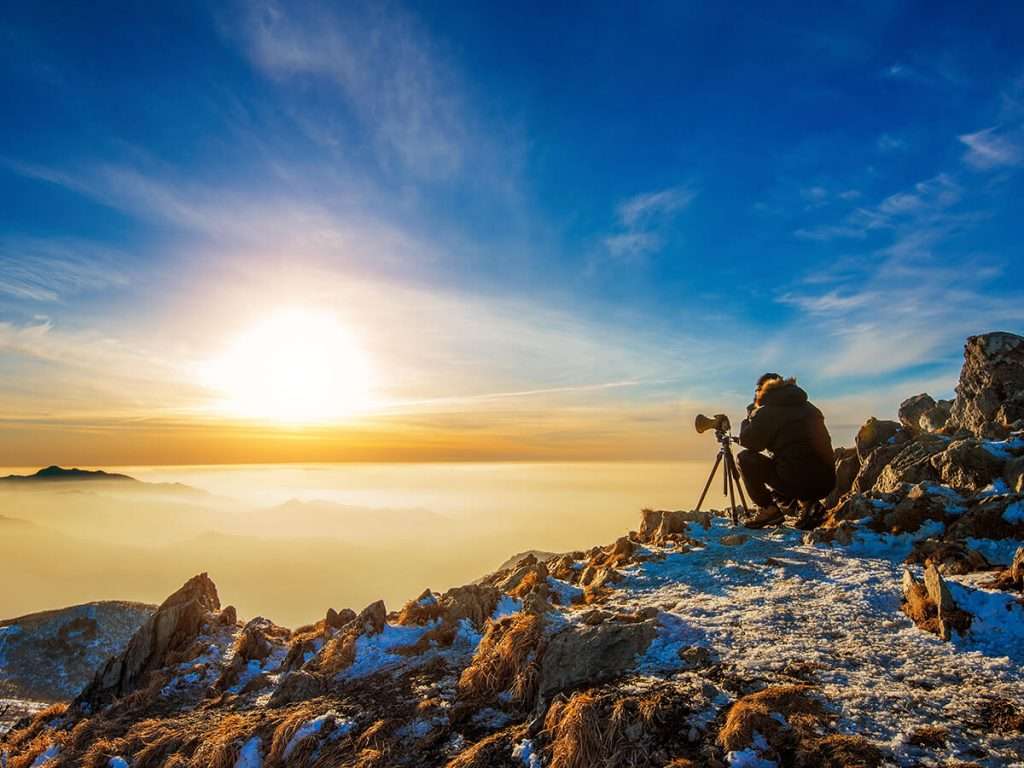
The Machame Route offers incredible photo opportunities, including rainforest, Shira Plateau, Lava Tower, and Barranco Wall. Key searches include Kilimanjaro photography, Machame trekking photos, Mount Kilimanjaro panoramas, and scenic Machame trek. The 7-day trek allows more time for sunrise and sunset shots, wildlife spotting, and slow-paced landscape photography. The 6-day trek covers the same spots but limits leisurely photography. Travelers seeking Instagram-worthy images or professional photography often benefit from the longer route. Lighting, rest, and acclimatization on the 7-day trek allow for better timing and composition. Regardless of duration, Machame offers unforgettable visual memories, with the extended itinerary enhancing both creativity and the quality of captured moments.
Group Dynamics and Pace
Climbing in groups requires coordination of pace, breaks, and daily goals. The 6-day route demands a uniform pace for fitness and summit timing, potentially stressing slower climbers. The 7-day route allows flexible pacing, accommodating different fitness levels. Experienced guides manage group cohesion, ensuring safety and morale. Family, friends, or solo travelers often join mixed groups. Route duration impacts team experience, fatigue levels, and summit readiness. Choosing the appropriate duration maintains positive group dynamics, reduces tension, and maximizes enjoyment for everyone on the Machame Route’s challenging yet rewarding journey.
Safety Considerations
Safety is a top priority for Kilimanjaro treks. The 7-day route reduces risks by providing gradual acclimatization, proper hydration breaks, and time for rest at high camps. The 6-day route requires greater vigilance against altitude sickness, fatigue, and weather hazards. Climbers should follow guides’ instructions, carry necessary gear, and maintain awareness of symptoms. Both routes require attention to clothing, boots, trekking poles, and nutrition. Safety-focused planning and awareness significantly improve summit success and enjoyment, making route choice a vital factor for climbers prioritizing health and well-being on Machame.
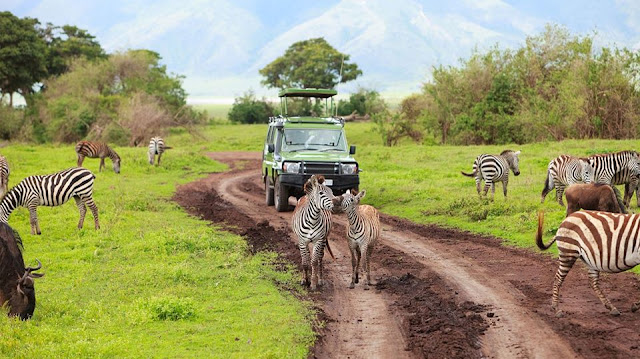
Approach, feed or disturb wildlife, or leave the vehicle unless your guide says it is safe.
Follow your guide, carry travel insurance and check current health and travel advice.
Packing and Gear
Gear preparation is crucial for the Machame duration, which includes Kilimanjaro packing list, Machame trekking gear, high-altitude hiking essentials, and Kilimanjaro equipment guide. Both routes require layered clothing, waterproof jackets, gloves, trekking poles, sturdy boots, headlamps, and water bottles. Extra days on the 7-day trek necessitate more clothing and snacks but allow lighter daily packs due to a slower pace. Packing efficiently enhances comfort, reduces fatigue, and improves safety. For climbers aiming for peak success, gear selection tailored to route duration, weather, and personal needs ensures a well-prepared, enjoyable, and successful ascent on Mount Kilimanjaro’s iconic Machame Route.
Final Thought
Choosing between the 6- and 7-day Machame Route balances fitness, cost, acclimatization, and summit success. The 6-day trek suits fit, time-limited climbers, seeking efficiency, while the 7-day itinerary favors safer, well-acclimatized, and scenic experiences. Both offer unforgettable vistas, diverse ecosystems, and personal achievement. Ultimately, climbers should consider health, fitness, photography, and adventure goals to select the optimal duration, ensuring a rewarding Kilimanjaro journey, higher summit probability, and memories that last a lifetime.
What’s The Difference Between the 6- and 7-Day Machame Route?: FAQs
What is Machame Route Overview like?
The Machame Route, also called the “Whiskey Route,” is a popular Kilimanjaro trek favored for its scenic diversity. Climbers pass through rainforests, moorlands, and alpine deserts while ascending gradually toward the summit. The route is suitable for beginners and intermediate trekkers due to its moderate difficulty and natural beauty.
What is 7-Day Machame Route Itinerary like?
The 7-day Machame Route offers extra time for acclimatization, improving summit success. Starting at Machame Gate, trekkers enjoy the lush rainforest before reaching Shira Camp, then Machame Plateau, Barranco Camp, Karanga Valley, and Barafu Camp. The extended schedule allows for gradual altitude gain, rest breaks, and optional scenic detours, like the Machame 7-day trek, Kilimanjaro acclimatization tips, summit preparation, and Kilimanjaro trekking safety highlight its benefits.
What can you expect from summit success rates?
Summit success is highly influenced by duration and acclimatization. Studies and trek reports show the 7-day Machame Route yields higher success rates compared to the 6-day route. Kilimanjaro summit success, Machame peak climb, Kilimanjaro statistics, and safe trekking routes improve. Shorter treks increase fatigue and altitude sickness risk, while a slower, 7-day pace enhances climbers’ oxygen adaptation and stamina.
What are the scenic highlights?
Both Machame routes offer spectacular scenery, from tropical rainforest to the Shira Plateau and the alpine desert. The 7-day itinerary allows more photography time and appreciation of landscapes such as Barranco Wall and Lava Tower; others include Kilimanjaro scenery, Machame trekking views, Mount Kilimanjaro photography, and Machame adventure highlights.
How much should you budget for cost differences?
The 6-day Machame Route is generally cheaper due to fewer days of guide, porter, and park fees, including Kilimanjaro trek cost, Machame Route pricing, Kilimanjaro budget trek, and Machame adventure expenses. The 7-day trek costs slightly more but provides better summit success and safety. Cost differences are often justified by improved acclimatization, comfort, and reduced risk of altitude illness.
What is the weather and seasonal Considerations like?
The weather on Kilimanjaro can vary significantly by season, altitude, and route. Both 6- and 7-day routes experience rainforest rain, cold alpine nights, and potential summit snow. The longer 7-day route provides more flexibility to adjust trekking pace during adverse conditions. Dry seasons (June–October, December–February) are optimal for both routes.
What are the photography opportunities?
The Machame Route offers incredible photo opportunities, including rainforest, Shira Plateau, Lava Tower, and Barranco Wall. Key searches include Kilimanjaro photography, Machame trekking photos, Mount Kilimanjaro panoramas, and scenic Machame trek. The 7-day trek allows more time for sunrise and sunset shots, wildlife spotting, and slow-paced landscape photography.
What should you know about safety Considerations?
Safety is a top priority for Kilimanjaro treks. The 7-day route reduces risks by providing gradual acclimatization, proper hydration breaks, and time for rest at high camps. The 6-day route requires greater vigilance against altitude sickness, fatigue, and weather hazards. Climbers should follow guides’ instructions, carry necessary gear, and maintain awareness of symptoms.
Climb Kilimanjaro With Confidence
Tell us your dates and fitness, and our experienced mountain team will plan a safe, well-acclimatized private climb.