Five Pants You Should Wear for Climbing Kilimanjaro
Kilimanjaro Hiking Pants at a Glance
Climbing Mount Kilimanjaro, Africa’s tallest peak, is an epic adventure that demands not only physical preparation but also the right gear. Among the most critical items for a successful summit are high-performance hiking pants. The terrain, weather, and temperature can change drastically—from hot, humid rainforest trails at lower elevations to freezing winds near the summit. Wearing the right Kilimanjaro climbing pants ensures comfort, flexibility, and safety, helping you conquer the mountain with confidence. From lightweight convertible hiking pants to thermal base layers and waterproof hard-shell pants, each type serves a specific purpose, combining breathability, insulation, and weather protection. Whether you are planning a luxury Kilimanjaro climb, budget trekking tour, or private guided expedition, investing in top-rated hiking pants enhances performance and reduces fatigue. In this guide, we’ll explore the top hiking pants you should pack, why they are essential, and tips for layering effectively, making your Mount Kilimanjaro trekking experience safe, comfortable, and unforgettable.
Lightweight/Convertible Hiking Pants
Lightweight hiking pants are a must for the lower and mid-elevation sections of Kilimanjaro. Made from breathable, quick-drying materials like nylon or polyester, they keep you cool while trekking through the lush rainforest and Moorland zones. Convertible pants, which zip off into shorts, offer versatility as temperatures shift during the day. They are also perfect for multi-day Kilimanjaro treks, where packing efficiency is crucial. Look for pants with stretch panels or articulated knees for maximum freedom of movement on uneven terrain. Features like multiple pockets, reinforced knees, and adjustable waists add practicality, allowing you to carry essentials like maps, snacks, and trekking poles. Brands specializing in mountain climbing gear often include lightweight and durable options that are ideal for both comfort and performance. For the best experience, pair these pants with a moisture-wicking base layer to prevent chafing and maintain dryness during long hours of hiking.
Thermal Base Layer Leggings
As you ascend Kilimanjaro, temperatures drop sharply, especially in the alpine and summit zones. Thermal base layer leggings are essential for insulation and moisture management. Made from merino wool or synthetic blends, they trap body heat while allowing sweat to evaporate, keeping legs warm and dry in freezing conditions. Lightweight and snug, they fit comfortably under other hiking pants without restricting movement, making them ideal for layering. These leggings are also useful for early morning starts and long summit pushes when wind chill can be severe. For serious climbers, thermal leggings reduce fatigue by maintaining consistent warmth, preventing energy loss caused by cold muscles. Investing in a high-quality Kilimanjaro trekking base layer ensures protection against hypothermia and enhances overall comfort, making your climb safer and more enjoyable, especially during high-altitude conditions above 4,000 meters.
Waterproof Hard-Shell Pants
Rain, snow, and strong winds are common on Kilimanjaro, making waterproof hard-shell pants indispensable. These pants provide a durable outer layer that shields you from wet weather while remaining breathable enough to prevent overheating. Lightweight and packable, hard-shell pants are perfect for sudden weather changes in the Moorland and Alpine zones. Look for features like adjustable waistbands, ankle zippers, and reinforced seams for maximum comfort and protection. Waterproof pants also pair well with thermal base layers, giving climbers an effective system against wind chill and precipitation. For safety and convenience, choose pants with DWR (durable water repellent) coating and articulated knees for unrestricted movement. These pants are particularly important for rainy season climbs, ensuring you stay dry, maintain body warmth, and continue trekking efficiently despite harsh mountain conditions.
Fleece-Lined Softshell Pants
When temperatures are cold but not extreme, fleece-lined softshell pants offer an ideal balance of warmth, flexibility, and breathability. These pants are perfect for the Machame, Lemosho and Shira routes, providing comfort during chilly mornings and windy afternoons. The softshell fabric blocks wind while the fleece lining traps heat, keeping muscles warm without overheating. Softshell pants are also durable and abrasion-resistant, ideal for navigating rocky terrains and uneven trails. Many models come with stretch panels for climbing and scrambling, making them versatile for moderate hikes and technical sections. Pairing them with thermal base layers allows for adaptable insulation, while maintaining comfort and mobility. For climbers who prefer lightweight warmth without bulky layers, fleece-lined softshells are an excellent addition to your Kilimanjaro gear list, ensuring a cozy trek during long ascents.
Warm Summit Pants/Ski Pants (Optional but Recommended)
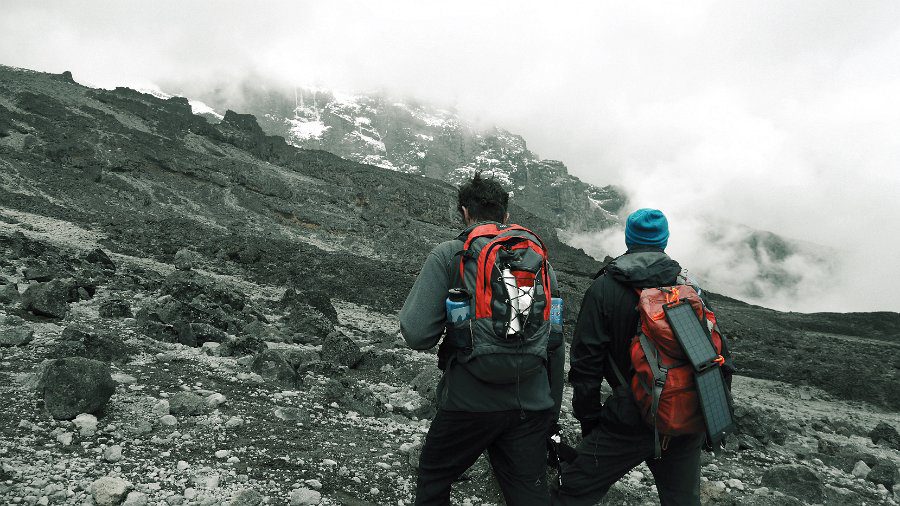
For the final summit push, temperatures often plunge well below freezing, and strong winds can intensify the cold. Warm summit pants or ski pants provide essential insulation and wind protection for these extreme conditions. Made from high-quality insulated, waterproof materials, they protect against frostbite while remaining breathable enough to allow sweat to escape. Many designs feature adjustable waistbands, reinforced knees, and inner gaiters to keep snow and wind out. Layering these over thermal leggings and softshell pants ensures maximum warmth during the most challenging part of your climb. While optional, summit pants are highly recommended for safety and comfort, especially for late-night summit attempts. They can also double as protection against harsh conditions during unexpected storms in the alpine zone. Choosing the right summit pants can be the difference between a comfortable, successful climb and a risky, freezing experience.
Key Features to Look for in Hiking Pants for Kilimanjaro
The best Kilimanjaro hiking pants combine six key features. Tap each card to see what to look for before you buy.
Layering Strategies for Optimal Kilimanjaro Comfort
A three-layer system lets you add or remove warmth as conditions change from the rainforest to the summit.
- 1Base Layer: thermal leggings wick sweat and hold warmth close to the skin.
- 2Mid Layer: fleece-lined softshell pants add insulation and block the wind.
- 3Outer Layer: waterproof hard-shell or insulated summit pants protect against rain, snow and wind.
Kilimanjaro Climate Zones and Your Hiking Pants
Each of Kilimanjaro's climate zones requires specific considerations for your hiking pants:
- Rainforest Zone (Up to 3,000 meters)Lightweight or convertible pants
- Moorland Zone (3,000 to 4,200 meters)Hiking pants, with a rain shell close at hand
- Alpine Desert Zone (4,200 to 5,000 meters)Softshell pants over thermal leggings
- Arctic Zone (Above 5,000 meters)Base layer, softshell and insulated or hard-shell pants
Kilimanjaro Gear Questions Answered
Beyond hiking pants, these are the gear questions climbers ask us most. Tap a topic to read the answer.
How big of a backpack do I need for Kilimanjaro?
When planning your Mount Kilimanjaro climb, choosing the right backpack is crucial. For day hikes and summit attempts, a 30–40L daypack is ideal for essentials like water, snacks, camera, jacket, and extra layers. For multi-day treks, a 60–70L backpack can carry sleeping bags, clothing, and personal gear. Lightweight, durable, and water-resistant packs are best. Ensure comfortable straps and hip belts for long hikes. Proper sizing improves mobility, reduces fatigue, and enhances your Kilimanjaro trekking experience, whether you climb via Machame, Lemosho, or Marangu routes.
What to Wear When Climbing Mount Kilimanjaro
Climbing Mount Kilimanjaro requires layered clothing to adapt to extreme temperatures, from tropical heat at base to freezing cold at the summit. Base layers, moisture-wicking shirts, fleece jackets, and insulated down jackets are essential. Hiking boots, gaiters, gloves, and thermal socks protect against frostbite. Quick-dry pants and sun-protective accessories improve comfort. For peak success, prioritize lightweight, breathable, and waterproof gear. Proper Kilimanjaro clothing ensures safety, warmth, and endurance during multi-day treks on this iconic African mountain.
What Are the Best Sunglasses for Kilimanjaro?
High-quality sunglasses are crucial for Kilimanjaro climbs to protect eyes from intense UV rays and reflective snow glare. Polarized lenses with 100% UV protection reduce eye strain and prevent snow blindness. Wrap-around designs prevent wind and dust intrusion during windy ascents. Popular climbing brands like Julbo, Oakley, and Smith offer durable options ideal for Kilimanjaro treks. Lightweight, impact-resistant frames with anti-fog coatings ensure comfort and long-term performance during high-altitude hiking, sun exposure, and summit photography.
What Is the Best Sleeping Bag for Climbing Kilimanjaro?
A Kilimanjaro sleeping bag must withstand sub-zero temperatures at high altitudes. Down-filled or synthetic bags rated -10°C to -20°C provide optimal warmth and compressibility. Mummy-shaped bags minimize heat loss while offering head and neck protection. Waterproof, windproof outer shells improve comfort in wet or windy conditions. Lightweight, packable designs fit easily into duffel bags or backpacks. Top climbing brands like Marmot, Mountain Hardwear, and The North Face are trusted by trekkers for durability, warmth, and quality on Mount Kilimanjaro.
What Are the Best Socks for Climbing Kilimanjaro?
Proper socks prevent blisters and maintain foot warmth on Kilimanjaro. Merino wool or synthetic blends wick moisture, regulate temperature, and provide cushioning on long treks. Layered sock systems, combining thin liners with thicker outer socks, enhance comfort and reduce friction. Knee-high or mid-calf designs protect against cold and abrasion from boots. Brands like Smartwool, Darn Tough, and Bridgedale are recommended by seasoned climbers. Quality Kilimanjaro socks ensure dry, blister-free feet during summit attempts, multi-day hikes, and base camp camping.
What Hiking Pants Do I Wear to Climb Kilimanjaro?
Versatile hiking pants are essential for Kilimanjaro ascents. Lightweight, quick-dry, and water-resistant softshell pants offer comfort in variable climates. Convertible designs with zip-off legs allow adaptability from hot lower slopes to freezing high altitudes. Reinforced knees and seat areas add durability for rocky terrain. Breathable fabrics prevent overheating during steep climbs, while adjustable waistbands improve fit. Brands like Columbia, Arc’teryx, and Patagonia provide top-quality Kilimanjaro trekking pants, balancing mobility, weather protection, and durability for multi-day expeditions and summit pushes.
What Water Bottles Should I Take on Kilimanjaro?
Hydration is vital on Kilimanjaro. Insulated, BPA-free water bottles keep fluids from freezing in cold high-altitude conditions. Lightweight, durable bottles or hydration bladders with bite valves allow easy access while climbing. Collapsible bottles save space and reduce pack weight. Stainless steel or Tritan bottles prevent leaks and withstand rocky trails. Trekkers often carry 2–3 liters per day, with portable filtration systems as backup. Reliable water bottles ensure continuous hydration, energy, and safety during challenging climbs on Mount Kilimanjaro.
Everything You Need to Know About Battery Chargers on Kili
Keeping devices charged on Kilimanjaro is challenging due to limited electricity. High-capacity power banks, solar chargers, and USB-compatible portable battery packs are essential. Look for rugged, waterproof, and shockproof designs for mountain conditions. Charge devices fully before the trek and conserve energy by using airplane mode. Solar panels can supplement power on multi-day routes. Brands like Anker, Goal Zero, and RavPower are reliable. Proper battery management ensures phones, cameras, GPS, and headlamps remain operational during summit attempts.
What Are the Best Equipment/Gear Brands for Climbing Kilimanjaro?
Top gear brands enhance safety and comfort on Kilimanjaro. The North Face, Arc’teryx, Patagonia, Mountain Hardwear, and Marmot offer high-performance jackets, sleeping bags, and climbing accessories. Julbo and Oakley excel in sunglasses and goggles, while Smartwool and Darn Tough provide reliable socks. Black Diamond and Petzl supply trekking poles, headlamps, and climbing essentials. Choosing trusted Kilimanjaro brands ensures lightweight, durable, and weather-resistant gear, crucial for altitude, extreme weather, and summit success during multi-day African mountain expeditions.
What Is the Best Duffel Bag for Climbing Kilimanjaro?
A durable, weatherproof duffel bag is vital for transporting Kilimanjaro gear. Look for large-capacity, lightweight options with reinforced seams and waterproof materials. Top brands like North Face Base Camp, Patagonia Black Hole, and Osprey Transporter combine rugged durability with easy handling. Lockable zippers and compression straps protect gear during flights and porter transport. Proper duffel bags allow organized packing of sleeping bags, clothing, boots, and electronics, ensuring convenience, protection, and efficiency for multi-day Kilimanjaro trekking expeditions.
What Are the Best Gloves for Climbing Mount Kilimanjaro
Kilimanjaro climbing gloves must balance warmth, dexterity, and waterproofing. Layered systems with lightweight liners and insulated, waterproof outer gloves protect hands against frostbite and wind chill. Touchscreen-compatible liners allow easy device use. Brands like Black Diamond, Outdoor Research, and Hestra provide durable, weather-resistant gloves designed for high-altitude treks. Quality Kilimanjaro gloves ensure warmth during summit nights and base camp activities while maintaining grip on trekking poles and equipment, essential for a safe climb.
What Is the Best Rain Jacket for Climbing Kilimanjaro?
A high-performance rain jacket protects climbers from wet, windy conditions on Kilimanjaro. Waterproof, breathable, and lightweight jackets with adjustable hoods, cuffs, and ventilation zippers provide comfort. Arc’teryx, Marmot, and Patagonia offer durable GORE-TEX and similar options designed for extreme alpine conditions. Layering with insulating mid-layers enhances warmth. Packable jackets save space in duffels and backpacks. A reliable rain jacket shields from rain, wind, and cold, preventing hypothermia while trekking across Kilimanjaro’s varied climates from lush rainforest to alpine desert.
What Type of Mask Should I Bring to Climb Kilimanjaro?
Masks for Kilimanjaro protect against cold air, wind, dust, and altitude-related dryness. Lightweight, breathable, and moisture-wicking balaclavas or neck gaiters are recommended. UV-protective designs shield the face and neck from sunburn and windburn. Layered masks with insulating materials provide additional warmth during summit nights. Reusable or washable masks are practical for multi-day treks. Brands like Buff, Outdoor Research, and Black Diamond offer durable options suitable for Kilimanjaro climbs. Proper face protection ensures comfort, warmth, and health during extreme-altitude ascents.
What Hiking Shirts Should I Wear on Kilimanjaro
Kilimanjaro hiking shirts should be moisture-wicking, breathable, and quick-drying. Long-sleeved UV-protective shirts guard against sunburn on lower slopes, while base layers provide insulation at higher altitudes. Lightweight synthetic or merino wool fabrics improve comfort and reduce chafing. Layering allows adaptation to changing temperatures during long treks. Top brands like Columbia, Patagonia, and Arc’teryx provide durable, lightweight, and weather-resistant shirts suitable for multi-day Kilimanjaro expeditions, offering climbers flexibility, sun protection, and moisture management throughout their ascent.
What Are the Best Shoes When Climbing Mount Kilimanjaro
High-quality hiking boots are critical for Kilimanjaro success. Waterproof, breathable, and lightweight boots with ankle support prevent injuries and blisters on rough terrain. Vibram soles provide traction on rocky, muddy, or snowy trails. Insulated options are ideal for summit nights, while broken-in footwear avoids discomfort during multi-day treks. Popular brands include La Sportiva, Scarpa, Salomon, and Merrell. Proper Kilimanjaro shoes ensure stability, warmth, and safety across diverse terrains, from rainforest slopes to alpine deserts, supporting climbers to reach Uhuru Peak.
What Headwear Is Best for Climbing Mount Kilimanjaro
Headwear is essential for sun protection and warmth on Kilimanjaro. Lightweight, wide-brimmed hats shield against UV rays on lower slopes. Insulating beanies and balaclavas protect against freezing summit conditions. Moisture-wicking, breathable fabrics prevent overheating. Some headgear includes neck flaps for additional coverage. Brands like Buff, Outdoor Research, and Black Diamond provide durable, versatile headwear suitable for multi-day treks. Proper Kilimanjaro headwear safeguards climbers from sunburn, frostbite, and cold winds, ensuring comfort and endurance from base to summit.
Final Thought: Gear Up for the Summit
Choosing the right hiking pants is a crucial step in preparing for a successful climb of Mount Kilimanjaro. From budget-friendly convertible options to premium technical trousers, the best hiking pants offer durability, comfort, weather resistance, and flexibility. Whether you’re embarking on a luxury Kilimanjaro safari, a guided trekking tour, or a solo adventure, investing in high-quality hiking gear enhances your overall experience. The right pants help you adapt to Kilimanjaro’s diverse climate zones, ensuring comfort from the rainforest to the summit. By focusing on key features like material, ventilation, and fit, you can choose the perfect trekking pants for your journey. With the right preparation and gear, your Kilimanjaro climb becomes not just achievable, but truly unforgettable.
- How to Choose the Best Kilimanjaro Route
- Kilimanjaro Packing Mistakes
- Best Hiking Boots for Kilimanjaro
- How to Choose a Kilimanjaro Backpack
- Water Bottles and Bladders on Kilimanjaro
- All You Need to Know to Climb Mt Kilimanjaro
- 15 Best Tanzania Safari Lodges & Camps
- Ultimate 2-Week Tanzania & Zanzibar Safari Itinerary & Costs
- How Much Does It Cost to Climb Kilimanjaro?
- 10 Best Luxury African Safari Resorts & Lodges
Kilimanjaro Hiking Pants: Frequently Asked Questions
What are the best lightweight pants for the lower slopes of Kilimanjaro?
Lightweight, quick-drying nylon or polyester pants are best for the rainforest and moorland zones. Convertible zip-off pants add versatility as temperatures change, and stretch panels or articulated knees help on uneven trails.
Do I need thermal leggings to climb Kilimanjaro?
Yes. Merino wool or synthetic thermal leggings trap body heat and wick sweat in the alpine and summit zones. They fit under your hiking pants and are essential for cold mornings and the summit push above 4,000 meters.
Do I need waterproof pants for Kilimanjaro?
Yes. Waterproof hard-shell pants protect you from rain, snow and wind, especially in the moorland and alpine zones and during rainy season climbs. Choose breathable, packable pants with ankle zips and a DWR coating.
When should I wear fleece-lined softshell pants on Kilimanjaro?
Wear them when it is cold but not extreme, such as chilly mornings and windy afternoons on the Machame, Lemosho and Shira routes. They block wind, trap heat and pair well with thermal base layers.
Do I need ski pants for the Kilimanjaro summit?
They are optional but highly recommended. Summit night often drops well below freezing with strong winds, and insulated, waterproof summit or ski pants layered over leggings and softshells give vital warmth and protection.
What features should Kilimanjaro hiking pants have?
Look for quick-drying, non-cotton material, weather resistance, room for layering, a comfortable stretch fit, zipped pockets and ventilation zips. These features keep you comfortable from the rainforest to the summit.
How should I layer my legs on Kilimanjaro?
Use three layers: thermal leggings as a base, fleece-lined softshell pants as a mid layer, and waterproof hard-shell or insulated summit pants as the outer layer. Add or remove layers as conditions change.
Which pants should I wear in each Kilimanjaro climate zone?
Wear lightweight pants in the rainforest, hiking pants with a rain shell in the moorland, softshells over leggings in the alpine desert, and full layers including insulated or hard-shell pants in the arctic summit zone.
What other gear do I need to climb Kilimanjaro?
Besides hiking pants, bring broken-in waterproof boots, merino or synthetic socks, layered gloves, a rain jacket, warm headwear, UV-protective sunglasses, a sleeping bag rated to about -10°C or colder, a daypack, a duffel bag, water bottles and a power bank.
Climb Kilimanjaro With Confidence
Tell us your dates and fitness, and our experienced mountain team will plan a safe, well-acclimatised private Kilimanjaro climb with a full gear briefing.