Types of Tents and Huts on Mount Kilimanjaro
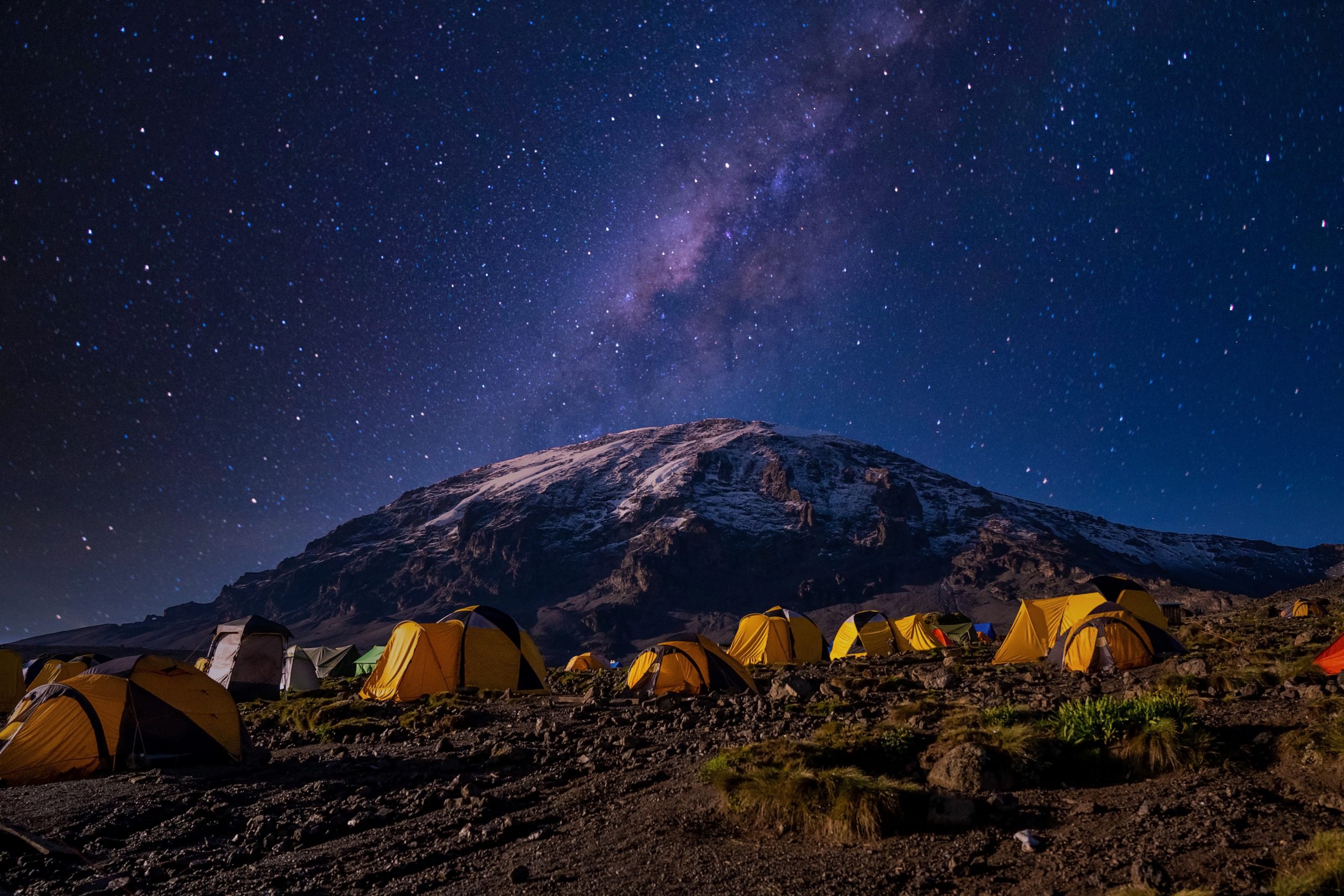
On Mount Kilimanjaro you sleep either in tents or in huts, depending on your route. The Marangu Route is the only route with sleeping huts, at Mandara, Horombo and Kibo. All other routes, including Machame, Lemosho, Rongai, the Northern Circuit, Shira and Umbwe, use tented camps. A typical camp has sleeping tents, a dining tent, a kitchen tent and crew tents, with an optional private toilet tent, and luxury climbs add spacious walk-in tents with thick mattresses.
Where you sleep each night on Kilimanjaro has a real effect on your comfort, rest, recovery, mood and energy for the long summit night. Most routes use fully supported tented camps that your crew carries and sets up every day, while the Marangu Route offers simple mountain huts with bunk beds. This guide explains the types of tents and huts on Mount Kilimanjaro, compares camping and hut accommodation, introduces the huts and campsites on each route, shows how tents differ by comfort level and gives practical, proven tips for sleeping well at high altitude on your private Kilimanjaro climb.
Tents vs Huts on Kilimanjaro
The first choice you make about accommodation on Kilimanjaro is really a choice of route, because only the Marangu Route uses huts. Both options keep you safe, warm and dry, but they offer a rather different overall experience. Huts have solid walls and simple bunk beds, while tented camps feel closer to nature and give you more privacy with your own sleeping tent. The table below compares camping and hut accommodation side by side, so you can decide which option best suits your comfort, budget and preferred route, and how each one affects acclimatisation and park fees you pay.
| Feature | Tented camps | Marangu huts |
|---|---|---|
| Routes | Machame, Lemosho, Rongai, Northern Circuit, Shira, Umbwe | Marangu only |
| Sleeping | Private sleeping tents with mats | Shared huts with bunk beds and mattresses |
| Privacy | Your own tent | Shared dormitory-style huts |
| Park fee | Camping fee, about US$50 per night | Hut fee, about US$60 per night |
| Dining | Dining tent with table and chairs | Shared dining halls |
| Toilets | Long-drop toilets or private toilet tent | Shared toilet blocks |
| Acclimatisation | Many routes of 7–9 days | Shorter 5–6 day itineraries |
Types of Tents on Kilimanjaro
A tented camp on Kilimanjaro is really a small, carefully organised village that your crew carries between campsites and sets up before you arrive each afternoon. Each tent has its own specific purpose, from where you sleep and eat to where the cook prepares meals and the crew rests. The six tabs below explain the main types of tents you will see at camp, who uses each one, how comfortable it is and how it changes with your chosen comfort level. Ask your operator exactly which tents are included in your written quote before you book your climb.
Four-Season Sleeping Tent
Where you sleep each night
Climbers, usually two per tent or one for privacy
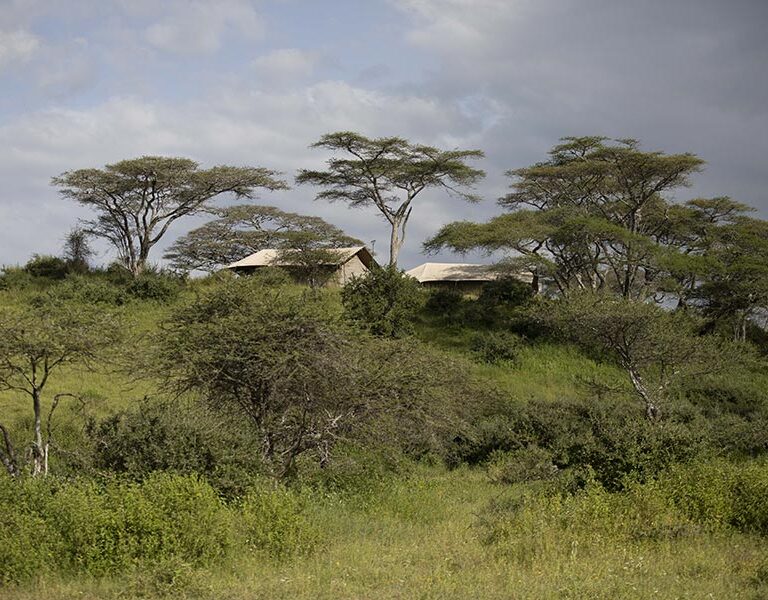
Your sleeping tent is a sturdy four-season mountain tent built to handle strong wind, rain and freezing nights above 4,000 metres. Most are dome-shaped with two doors and vestibules for boots and bags. A tent designed for three people is often shared by two climbers, giving extra space for gear. Solo climbers usually have a tent to themselves.
Sleeping on Kilimanjaro →Walk-In Luxury Tent
Spacious sleeping tent on luxury climbs
Luxury and honeymoon climbers
On luxury climbs, a walk-in tent replaces the standard dome tent. It is tall enough to stand up in, making it far easier to change clothes, organise gear and move around at camp. Walk-in tents usually come with thick foam mattresses or camp beds, pillows and more space per person, which helps many climbers sleep better at high altitude.
Luxury Climbs →Dining (Mess) Tent
Where you eat, relax and get briefings
Climbers and guides
The dining tent, also called the mess tent, is the social heart of camp. It has a table and chairs, and it is where you eat three meals a day, drink hot tea, play cards and receive your guide's daily briefing and health check. On cold evenings it is a very welcome shelter from wind.
Food on Kilimanjaro →Private Toilet Tent
A clean, private toilet at every camp
Climbers who book it
A private toilet tent contains a portable chemical toilet and is carried and cleaned by a dedicated porter. It saves you from using the shared long-drop toilets at public campsites, which can be basic and busy. Many climbers consider it one of the best upgrades available, especially on longer routes, at cold high camps and for families with children.
Toilets on Kilimanjaro →Kitchen Tent
Where the cook prepares all meals
Cook and kitchen helpers
The kitchen tent is where your mountain cook works. It shelters the stoves, gas or fuel, pots and food supplies from wind and rain, so meals can be prepared safely in any weather. The cook also boils drinking water here. It is a busy space, so climbers usually stay out unless invited in for a chat.
Water on Kilimanjaro →Crew Tents
Where guides, cook and porters sleep
Mountain crew
Your guides, cook and porters sleep in crew tents pitched near your own. Responsible operators provide proper tents, sleeping mats and warm sleeping bags for the whole crew, because they face the same cold nights as climbers. Asking how your operator shelters its crew is a simple way to check its porter welfare standards before you book.
Kilimanjaro Porters →Marangu Route Huts
The Marangu Route is the only Kilimanjaro route where climbers sleep in huts rather than tents, which is one reason it is nicknamed the Coca-Cola Route. There are three main hut camps on the way up to the summit, each at a higher altitude. The huts have bunk beds with foam mattresses and pillows, but you still need your own warm, good-quality sleeping bag. The table below shows each hut, its approximate altitude, the nights spent there and what to expect. Huts are shared with other climbers, so earplugs and an eye mask really help you sleep well.
| Hut | Altitude | When | What to expect |
|---|---|---|---|
| Mandara Hut | about 2,700 m | Night 1 | Wooden A-frame huts in the rainforest with a shared dining hall |
| Horombo Hut | about 3,700 m | Night 2 (and 3 on 6 days) | Larger hut camp on the moorland; used for an extra acclimatisation night |
| Kibo Hut | about 4,700 m | Final night | Stone building in the alpine desert; base for the summit attempt |
Campsites on the Camping Routes
On the camping routes you stay at official Kilimanjaro National Park campsites, which are open, cleared areas where your crew pitches all of the tents each afternoon before you arrive. Campsites have ranger posts, registration huts and long-drop toilets, but there are no beds or buildings for climbers. The table below shows some of the main campsites on the most popular camping routes in the order you usually reach them. Exact camps vary with the chosen itinerary and the number of days, so your operator will confirm the campsites for your own private climb in your written day-by-day itinerary.
| Route | Main campsites |
|---|---|
| Machame | Machame Camp, Shira 2, Barranco, Karanga, Barafu |
| Lemosho | Mti Mkubwa, Shira 1, Shira 2, Barranco, Karanga, Barafu |
| Northern Circuit | Mti Mkubwa, Shira 1 and 2, Moir Hut, Buffalo, Third Cave, School Hut |
| Rongai | Simba Camp, Second Cave, Kikelelwa, Mawenzi Tarn, Kibo |
| Umbwe | Umbwe Cave, Barranco, Karanga, Barafu |
Tents by Comfort Level
The type and quality of the tent you sleep in each night depends largely on the comfort level of your Kilimanjaro climb. Every responsible Kilimanjaro operator should provide strong four-season tents, a dining tent and safe equipment, but extras such as walk-in tents, camp beds and private toilets vary a great deal between operators. The three cards below show what you can expect to find at budget, mid-range and luxury comfort levels. Whatever you choose, ask for details of the tents and sleeping mats in your written quote, so you can compare different operators fairly and clearly before booking.
Standard four-season dome tents shared by two climbers, foam mats and a dining tent.
Quality four-season tents, thicker mats, a comfortable dining tent and an optional private toilet tent.
Walk-in tents with thick mattresses or camp beds, extra space, a private toilet tent and added comforts.
Tips for Sleeping Well on Kilimanjaro
Sleeping well at high altitude is not always easy, but good preparation makes a big difference, whether you stay in a tent or a hut. Nights above 4,000 metres can quickly drop well below freezing, and thin air can make sleep lighter than usual. The six practical tips below help you stay warm and rested on the mountain, so you have more energy for each day's walk and especially for the long, cold summit night. Your guide and crew are also always happy to help, for example by filling a bottle with hot water for your sleeping bag.
Bring or rent a sleeping bag rated well below freezing.
Ask for a thick mat; it keeps the cold ground away.
Ask the crew to fill a sealed bottle with hot water at night.
Sleep in clean, dry layers and a warm hat.
Help you sleep in busy camps and shared huts.
Keep it handy for night-time toilet trips.
Tents and Huts on Kilimanjaro: FAQs
Do you sleep in tents or huts on Kilimanjaro?
It depends on your route. The Marangu Route is the only route with huts, at Mandara, Horombo and Kibo. All other routes, including Machame, Lemosho, Rongai, the Northern Circuit, Shira and Umbwe, use tented camps set up by your crew at official national park campsites.
What tents are used on Kilimanjaro?
Climbers sleep in strong four-season mountain tents designed for wind, rain and freezing nights. A camp also includes a dining tent with table and chairs, a kitchen tent, crew tents and, if booked, a private toilet tent. Luxury climbs often use walk-in tents with thick mattresses or camp beds.
What are the huts on the Marangu Route like?
The Marangu huts provide bunk beds with foam mattresses and pillows in shared rooms, with dining halls and toilet blocks nearby. Mandara Hut sits in the rainforest at about 2,700 metres, Horombo Hut on the moorland at about 3,700 metres and Kibo Hut in the alpine desert at about 4,700 metres.
Do I need a sleeping bag in the huts?
Yes. The Marangu huts provide mattresses and pillows but no bedding, and nights are cold, especially at Kibo Hut. Bring or rent a warm sleeping bag rated well below freezing, along with warm base layers and a hat for sleeping.
How many people share a tent on Kilimanjaro?
Usually two climbers share a tent designed for three people, which leaves room for bags and boots. Solo climbers normally have a tent to themselves. On luxury climbs, walk-in tents offer even more space per person.
Is a private toilet tent worth it?
Many climbers think so. The shared long-drop toilets at public campsites can be basic and busy, while a private toilet tent is clean, close to your tent and maintained by a dedicated porter. It is especially welcome on longer routes, at cold high camps and for families.
Is it cold at night on Kilimanjaro?
Yes. Nights in the rainforest are mild, but above about 4,000 metres temperatures can fall well below freezing, especially at high camps such as Barafu, Kibo Hut and School Hut. A warm sleeping bag, a good mat, dry layers and a hot water bottle help you stay comfortable.
Are tents better than huts on Kilimanjaro?
Both are comfortable when well organised. Tents give you privacy and are used on the routes with the best acclimatisation, such as Lemosho and the Northern Circuit. Huts offer solid walls and bunk beds but are shared and only available on the shorter Marangu Route.
Who sets up the tents on Kilimanjaro?
Your porters carry all the tents and set them up at each campsite, usually before you arrive in the afternoon. They also pack everything away each morning after you leave. You simply arrive, rest in your tent and enjoy a hot drink in the dining tent.
What does a luxury tent on Kilimanjaro include?
Luxury climbs typically use walk-in tents tall enough to stand in, with thick foam mattresses or camp beds, pillows and more space per person. They are usually combined with a well-equipped dining tent and a private toilet tent, making camp life much more comfortable.
More Kilimanjaro Guides
Choose Your Comfort on Kilimanjaro
Tell us your dates, route and comfort level, and our Arusha mountain team will send a clear quote listing every tent and sleeping arrangement for your private climb.
Start Planning