Tanzania Tribes
Tanzania Tribes
Tanzania is one of Africa’s most culturally diverse countries, home to more than 120 ethnic groups that shape its identity, traditions, and daily life. From the iconic Maasai Tribe to the hunter-gatherer Hadzabe and the farming communities of the Chaga and Sukuma, Tanzania tribes reflect a rich blend of languages, cultures, religions, and ancestral heritage. This diversity makes Tanzania a top safari destination for cultural tourism, safari experiences, and authentic African encounters. Swahili (Kiswahili) serves as the national language, uniting people across regions, while traditional languages remain widely spoken. Tanzanian culture is deeply rooted in respect, community living, music, dance, and traditional cuisine. Understanding Tanzania tribes offers travelers a deeper connection to safari adventures, wildlife exploration, and the vibrant human heritage that coexists with iconic destinations like Serengeti and Ngorongoro.
The Sukuma Tribe
The Sukuma Tribe is the largest ethnic community in Tanzania, mainly found around Lake Victoria in regions like Mwanza, Shinyanga, and Simiyu. Known for their strong agricultural lifestyle, the Sukuma people are skilled farmers and cattle keepers, growing crops such as maize, rice, and cotton. Their culture is rich in traditional dances like Bugobogobo and various ceremonies that celebrate harvests and community unity. The Sukuma also have a deep spiritual belief system that blends ancestral worship with modern religion, mainly Christianity. Their language, Kisukuma, is widely spoken alongside Swahili. The tribe plays a significant role in Tanzania’s cultural identity and agricultural economy. Visitors interested in Tanzania culture, rural life, and authentic traditions will find the Sukuma people an essential part of understanding the nation’s diverse heritage and living traditions.
The Chaga Tribe
The Chaga Tribe is one of Tanzania’s most educated and economically influential communities, living on the fertile slopes of Mount Kilimanjaro in the Kilimanjaro region. They are known for advanced farming techniques, especially coffee and banana cultivation using irrigation systems developed centuries ago. The Chaga culture emphasizes entrepreneurship, education, and strong family values. Their traditional language is Kichaga, though Swahili and English are widely spoken. Historically, they organized themselves into chiefdoms and were known for trade and resistance against colonial rule. Visitors to Kilimanjaro often experience Chaga culture through village tours, coffee tasting, and waterfall excursions like Materuni. The Chaga people are a vital part of Tanzania's cultural tourism, offering insights into highland agriculture, African heritage, and sustainable living in one of the most scenic regions in East Africa.
The Maasai Tribe
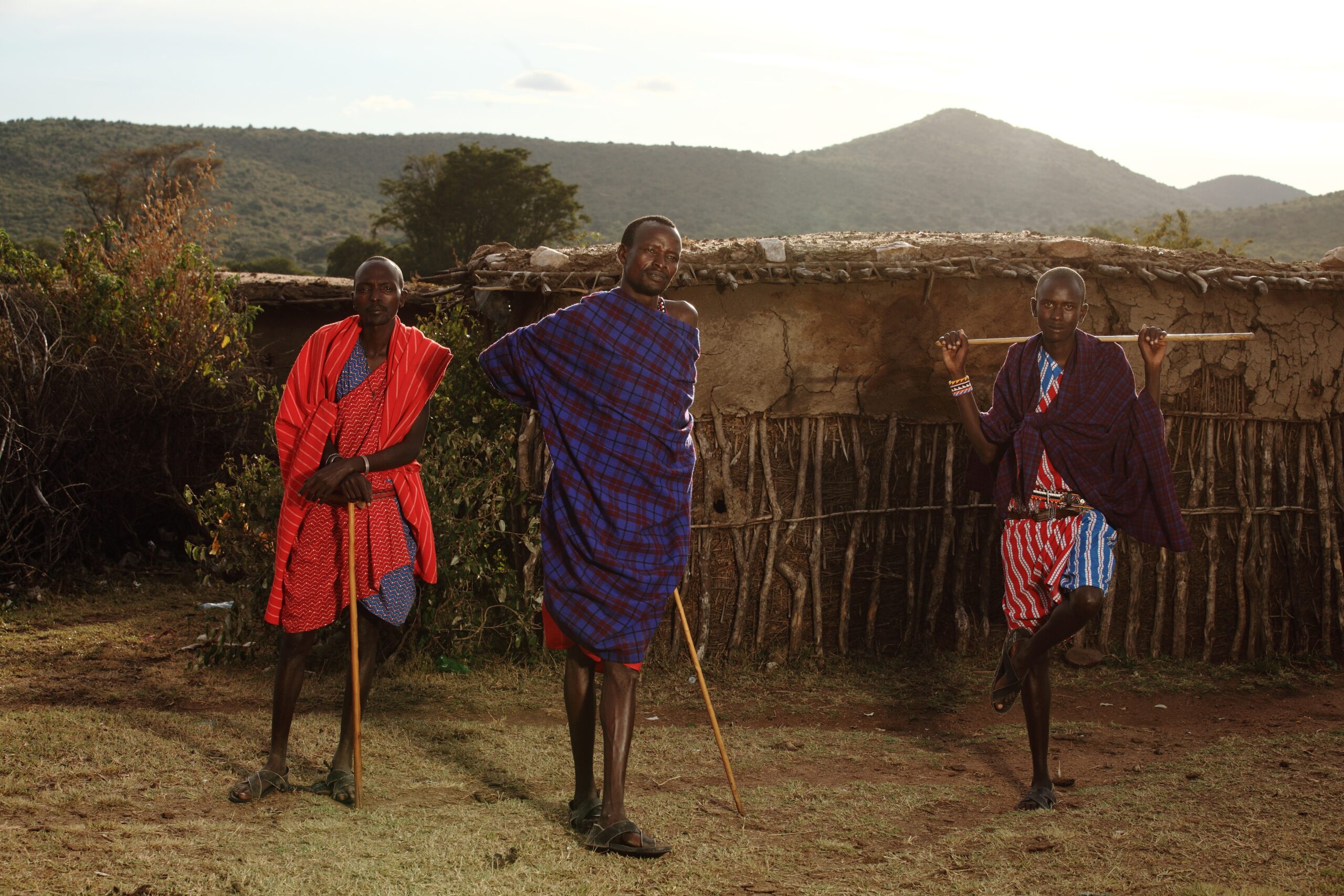
The Maasai Tribe is one of the most internationally recognized tribes in Africa, famous for their red shuka clothing, jumping dance (Adumu), and semi-nomadic cattle herding lifestyle. Found in northern Tanzania near Serengeti, Ngorongoro, and Amboseli borders, they live in harmony with wildlife and are often seen during Tanzania safari experiences. The Maasai speak Maa and Swahili, and their culture revolves around cattle, which represent wealth and social status. They maintain strong traditions, including warrior initiation rites and communal living in enkangs (homesteads). Despite modernization, the Maasai preserve their identity and continue to attract global interest in Tanzania's cultural tourism. Their presence enriches wildlife safaris, making them an essential part of understanding Tanzania tribes, African traditions, and the deep connection between people and nature.
The Hadzabe Tribe
The Hadzabe Tribe is one of the last remaining hunter-gatherer communities in Africa, living around Lake Eyasi in northern Tanzania. They do not practice farming or livestock keeping, instead relying on hunting animals and gathering wild fruits, roots, and honey. Their language is unique, featuring clicking sounds similar to the Khoisan languages. The Hadzabe lifestyle has remained largely unchanged for thousands of years, making them a key attraction for cultural tourism in Tanzania. Visitors can experience hunting demonstrations, traditional fire-making, and forest survival techniques. Their deep connection with nature offers valuable insights into early human lifestyles. The Hadzabe are an important part of Tanzania's cultural heritage, showcasing diversity, resilience, and ancient traditions that continue to thrive alongside modern society and wildlife safari experiences in East Africa.
- ArushaGateway
- TarangireElephants
- NgorongoroCrater
- SerengetiBig Five
- ZanzibarBeach
The Haya Tribe
The Haya Tribe lives in the northwestern region of Kagera near Lake Victoria. They are known for their advanced ancient iron-smelting technology, one of the oldest in Africa, and their rich agricultural practices, especially banana farming and coffee cultivation. The Haya culture is deeply rooted in monarchy traditions, with historical kingship systems known as “Omukama.” Their language is Kihaya, and Christianity is widely practiced today alongside traditional beliefs. The Haya people are also known for their music, storytelling, and vibrant cultural ceremonies. Their society emphasizes respect for elders and strong community bonds. Travelers interested in Tanzania culture and history will find the Haya tribe fascinating due to their technological innovation and long-standing traditions that highlight the depth of African civilization and heritage.
6. The Makonde Tribe (130 words)
The Makonde Tribe is famous for its exceptional wood carving artistry and cultural expressions. They live in southern Tanzania, especially in the Mtwara and Lindi regions, near the border with Mozambique. The Makonde are skilled artists, creating intricate sculptures known worldwide in African art markets. Their culture includes traditional initiation ceremonies such as “lipiko” masks and dances that mark adulthood. The Makonde language, Kimakonde, is widely spoken alongside Swahili. Historically, they were known for resisting colonial rule and maintaining independence through strong community organization. Today, Makonde carvings are a major part of Tanzania's cultural tourism and export economy. Visitors can explore artisan workshops and cultural villages to experience their craftsmanship, storytelling, and spiritual traditions that reflect deep African identity and creativity.
7. The Nyamwezi Tribe (130 words)
The Nyamwezi Tribe is one of the largest ethnic groups in central Tanzania, mainly found in the Tabora region. Historically, they were powerful traders in ivory, salt, and gold across East and Central Africa. The Nyamwezi people are known for their strong leadership systems and long-distance trade networks that predate colonial times. Their culture values unity, respect, and agricultural productivity, with farming being a major economic activity today. The Nyamwezi language is widely spoken, alongside Swahili. Traditional music, dance, and storytelling play a central role in community life. Their history as early African traders makes them an important part of Tanzania's heritage tourism. Visitors exploring central Tanzania can learn about their rich history, trade legacy, and cultural traditions that shaped regional development and commerce.
The Zaramo Tribe
The Zaramo Tribe is primarily located in and around Dar es Salaam, Tanzania’s largest city and economic hub. They are one of the most urbanized ethnic groups, blending traditional culture with modern city life. The Zaramo are known for their rich traditions in music, dance, and ceremonies such as initiation rites and healing rituals. Historically, they were farmers and fishermen, but urbanization has shifted many into trade and business. Their language, Kizaramo, is still spoken in rural areas, though Swahili dominates in cities. The Zaramo play an important role in preserving coastal culture and Swahili heritage. For visitors in Dar es Salaam, understanding the Zaramo people offers insight into Tanzania’s coastal traditions, cultural diversity, and the evolution of urban African societies in modern times.
The Hehe Tribe
The Hehe Tribe is found in the southern highlands of Tanzania, particularly in the Iringa region. They are historically famous for their strong resistance against German colonial forces under leader Chief Mkwawa. The Hehe are primarily agriculturalists, growing crops such as maize, beans, and millet. Their culture emphasizes bravery, leadership, and community unity. The Hehe language, Kihehe, is widely spoken in their region alongside Swahili. Traditional ceremonies, music, and dance are important cultural expressions. The legacy of resistance makes the Hehe an important symbol of Tanzanian independence history. Visitors to southern Tanzania can explore cultural villages and historical sites linked to Chief Mkwawa, gaining insight into Tanzania's tribes, colonial history, and the enduring spirit of African resilience and identity.
The Ngoni Tribe
The Ngoni Tribe originated from southern Africa and migrated northward during the 19th century, settling in southern Tanzania regions such as Ruvuma, Mbeya, and Songea. They are known for their warrior traditions, influenced by Zulu military systems. Today, the Ngoni are primarily farmers and cattle keepers, with agriculture being a key part of their livelihood. Their culture includes vibrant dances, storytelling, and initiation ceremonies that preserve their warrior heritage. The Ngoni language has largely been replaced by Swahili, but cultural identity remains strong. They play an important role in Tanzania's cultural diversity, representing migration history and adaptation. Visitors exploring southern Tanzania can experience Ngoni traditions, festivals, and historical narratives that reflect their journey from southern Africa to East Africa.
The Meru Tribe
The Meru Tribe lives on the slopes of Mount Meru near Arusha in northern Tanzania. They are known for their agricultural skills, especially in coffee, bananas, and vegetables grown in fertile volcanic soil. The Meru people have a strong cultural structure with traditional leadership systems and a rich oral history. Their language is KiMeru, though Swahili is widely used. Christianity is the dominant religion today, blended with some traditional beliefs. The Meru are closely connected with neighboring Chaga and Arusha communities, sharing cultural and economic ties. Visitors to Arusha National Park and the Mount Meru region can experience Meru culture through village tours and coffee experiences. The tribe is an important part of Tanzania's cultural tourism, representing highland agriculture, heritage, and community-based living in northern Tanzania.
The Pare Tribe
The Pare Tribe is found in the Pare Mountains in northeastern Tanzania. They are skilled agriculturalists known for terraced farming on mountainous terrain, growing crops such as bananas, maize, and beans. The Pare people have a strong history of trade and ironworking, contributing to early regional development. Their culture includes traditional dances, storytelling, and rituals connected to nature and ancestral spirits. The Pare language is Kipare, though Swahili is commonly spoken today. Christianity is widely practiced alongside traditional beliefs. The Pare are closely related to neighboring Chaga communities, sharing cultural similarities. Visitors exploring the Kilimanjaro region can experience Pare culture through hiking tours, cultural villages, and historical sites. The tribe is an important part of Tanzania's cultural heritage, highlighting adaptation to mountainous environments and sustainable farming traditions.
The Rangi Tribe
The Rangi Tribe is located in the Kondoa district of central Tanzania. They are primarily agriculturalists, growing millet, maize, and sorghum in semi-arid conditions. The Rangi people have a rich cultural heritage that includes traditional dances, music, and storytelling passed down through generations. Their language, Kilaangi, is still spoken alongside Swahili. Islam is the dominant religion among the Rangi, influencing cultural practices and daily life. The tribe is known for resilience in adapting to dry environments and preserving cultural identity. Visitors to central Tanzania can explore rock art sites in Kondoa, which are UNESCO World Heritage areas linked to early human history. The Rangi contribute significantly to Tanzania's cultural diversity, showcasing adaptation, spirituality, and a
The Gogo Tribe
The Gogo Tribe lives in the central region around Dodoma. They are semi-nomadic pastoralists and farmers, known for cattle keeping and drought-resistant farming. The Gogo culture emphasizes resilience due to the dry climate of central Tanzania. Their language is Cigogo, though Swahili is widely spoken. Traditional music, especially drumming and dance, plays a major role in ceremonies and social gatherings. The Gogo people have strong cultural practices related to cattle ownership and community leadership. Islam and Christianity are both practiced alongside traditional beliefs. Visitors to Dodoma can experience Gogo culture through local markets, music performances, and rural village tours. The tribe contributes to Tanzania's cultural heritage by representing life in semi-arid regions and the balance between tradition and modernization in central Tanzania.
The Sandawe Tribe
The Sandawe Tribe lives in the Kondoa district of central Tanzania and is believed to have ancient origins similar to the Hadzabe. They are known for their unique click-based language, which sets them apart from most Bantu-speaking groups in the region. The Sandawe traditionally practiced hunting and gathering, though many now engage in farming. Their culture includes storytelling, traditional music, and spiritual beliefs connected to nature and ancestors. Islam and Christianity are also practiced today. The Sandawe people are an important part of Tanzania's cultural history due to their linguistic uniqueness and ancient heritage. Visitors interested in anthropology and cultural tourism can explore their communities in central Tanzania, gaining insights into early human societies and the diversity of Tanzania tribes.
Final Thought
Tanzania tribes represent one of the richest cultural tapestries in Africa, blending ancient traditions with modern influences. From the pastoral Maasai and hunter-gatherer Hadzabe to agricultural communities like the Chaga, Sukuma, and Nyamwezi, each tribe contributes uniquely to Tanzania’s identity. These cultures shape language diversity, religious practices, cuisine, music, and social structures across the country. For travelers, exploring Tanzania is not only about wildlife safaris in Serengeti or Ngorongoro but also about discovering living cultures that have existed for centuries. Understanding Tanzania tribes deepens appreciation for African heritage, community values, and sustainable living. Whether through cultural tours, village visits, or storytelling experiences, visitors gain unforgettable memories. Tanzania remains a global leader in cultural tourism, offering authentic encounters that connect people, history, and nature in a truly remarkable way.
Tanzania Tribes: FAQs
What can you expect from the Sukuma tribe for Tanzania tribes?
The Sukuma Tribe is the largest ethnic community in Tanzania, mainly found around Lake Victoria in regions like Mwanza, Shinyanga, and Simiyu. Known for their strong agricultural lifestyle, the Sukuma people are skilled farmers and cattle keepers, growing crops such as maize, rice, and cotton.
What should you know about the Chaga tribe for Tanzania tribes?
The Chaga Tribe is one of Tanzania’s most educated and economically influential communities, living on the fertile slopes of Mount Kilimanjaro in the Kilimanjaro region. They are known for advanced farming techniques, especially coffee and banana cultivation using irrigation systems developed centuries ago. The Chaga culture emphasizes entrepreneurship, education, and strong family values.
What can you expect from the Maasai tribe for Tanzania tribes?
The Maasai Tribe is one of the most internationally recognized tribes in Africa, famous for their red shuka clothing, jumping dance (Adumu), and semi-nomadic cattle herding lifestyle. Found in northern Tanzania near Serengeti, Ngorongoro, and Amboseli borders, they live in harmony with wildlife and are often seen during Tanzania safari experiences.
What should you know about the Hadzabe tribe for Tanzania tribes?
The Hadzabe Tribe is one of the last remaining hunter-gatherer communities in Africa, living around Lake Eyasi in northern Tanzania. They do not practice farming or livestock keeping, instead relying on hunting animals and gathering wild fruits, roots, and honey. Their language is unique, featuring clicking sounds similar to the Khoisan languages.
What can you expect from the Haya tribe for Tanzania tribes?
The Haya Tribe lives in the northwestern region of Kagera near Lake Victoria. They are known for their advanced ancient iron-smelting technology, one of the oldest in Africa, and their rich agricultural practices, especially banana farming and coffee cultivation. The Haya culture is deeply rooted in monarchy traditions, with historical kingship systems known as “Omukama.” Their language is Kihaya, and Christianity is widely practiced today alongside traditional beliefs.
What should you know about the Zaramo tribe for Tanzania tribes?
The Zaramo Tribe is primarily located in and around Dar es Salaam, Tanzania’s largest city and economic hub. They are one of the most urbanized ethnic groups, blending traditional culture with modern city life. The Zaramo are known for their rich traditions in music, dance, and ceremonies such as initiation rites and healing rituals.
What can you expect from the Hehe tribe for Tanzania tribes?
The Hehe Tribe is found in the southern highlands of Tanzania, particularly in the Iringa region. They are historically famous for their strong resistance against German colonial forces under leader Chief Mkwawa. The Hehe are primarily agriculturalists, growing crops such as maize, beans, and millet.
What should you know about the Ngoni tribe for Tanzania tribes?
The Ngoni Tribe originated from southern Africa and migrated northward during the 19th century, settling in southern Tanzania regions such as Ruvuma, Mbeya, and Songea. They are known for their warrior traditions, influenced by Zulu military systems. Today, the Ngoni are primarily farmers and cattle keepers, with agriculture being a key part of their livelihood.
Plan Your Private Tanzania Safari
Tell us your travel dates, interests and budget, and our local team will design a private tailor-made safari around you.