Top Tourist Attractions in Tanzania
Top Tourist Attractions in Tanzania
Tanzania, a jewel of East Africa, offers a symphony of experiences that captivate every kind of traveler. From the iconic savannahs teeming with wildlife to the sun-kissed beaches of the Indian Ocean and the snow-capped summit of Africa's highest peak, the country is a veritable playground for adventure, culture, and relaxation. It's a land where ancient landscapes meet vibrant cultures, creating an unforgettable tapestry of attractions. Tanzania offers a diverse range of tourist attractions and activities. From iconic wildlife safaris to challenging mountain climbs and pristine beach experiences, with highlights. Including the Serengeti National Park for the Great Migration, the Ngorongoro Crater for dense wildlife viewing. Mount Kilimanjaro for peak ascents, and the Zanzibar archipelago for its beautiful beaches and cultural heritage.
Serengeti National Park – Rated As Africa’s Best Safari Park
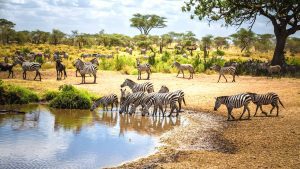
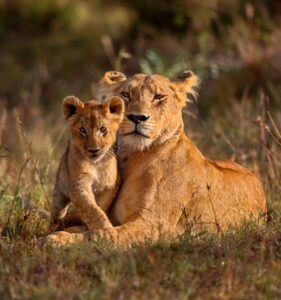
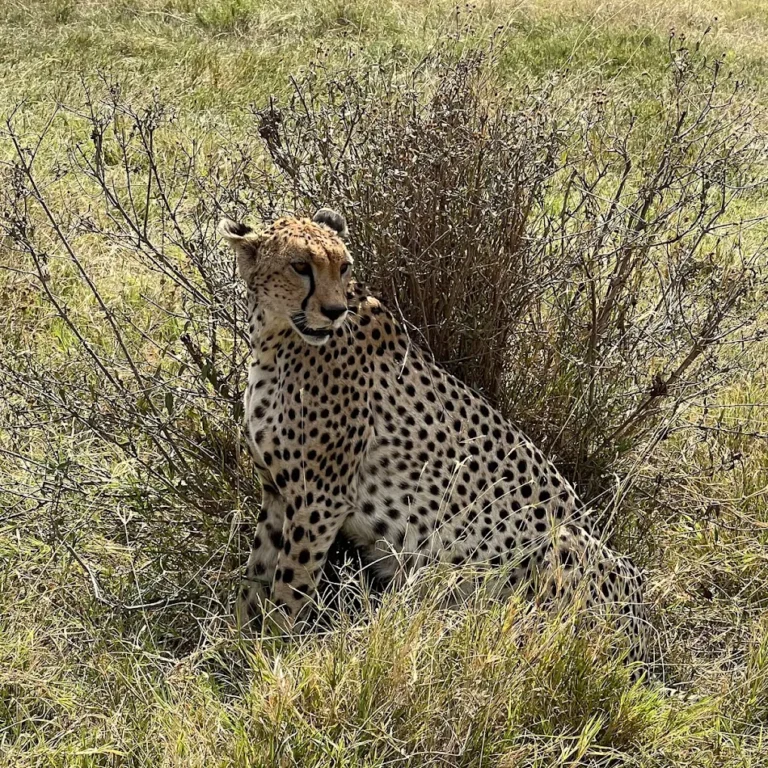
Undoubtedly, the most famous wildlife sanctuary in the world, Serengeti National Park, holds the undisputed title as Africa's Best Safari Park. It's endless plains (Serengeti means "endless plains" in Maasai). Home to an astonishing concentration of wildlife. Making it the quintessential safari destination. The park's main Africa's most amazing places to visit draw is the Great Migration. An epic annual spectacle where over two million wildebeest, zebras, and gazelles thunder across the savannah in search of greener pastures. Often braving crocodile-infested rivers. This natural phenomenon best places to visit in Africa, occurring year-round in various stages across the Serengeti-Mara ecosystem. Offers unparalleled predator-prey interactions. Beyond the migration, the Serengeti guarantees exceptional game viewing of the "Big Five" (lion, leopard, elephant, rhino, buffalo), alongside cheetahs, giraffes, hippos, and a bewildering array of birdlife. Game drives here are truly immersive, often feeling like you've stepped into a wildlife documentary.
Ngorongoro Crater – Dramatic Scenery and Tons of Wildlife
Adjacent to the Serengeti lies the Ngorongoro Crater, a breathtaking UNESCO World Heritage Site renowned for its dramatic scenery and tons of wildlife. This massive, unbroken volcanic caldera, often called "Africa's Garden of Eden," shelters an extraordinary density of animals. Descending into the crater floor offers a unique safari experience, where you can often spot all of the Big Five in a single day, including the critically endangered black rhino. The diverse habitats within the crater, from open grasslands to acacia woodlands and soda lakes, support a vast array of species in a relatively confined area. The backdrop of the crater walls, often shrouded in mist, adds to the almost mystical ambiance of this natural wonder.
Climbing Kilimanjaro – Africa’s Highest Peak
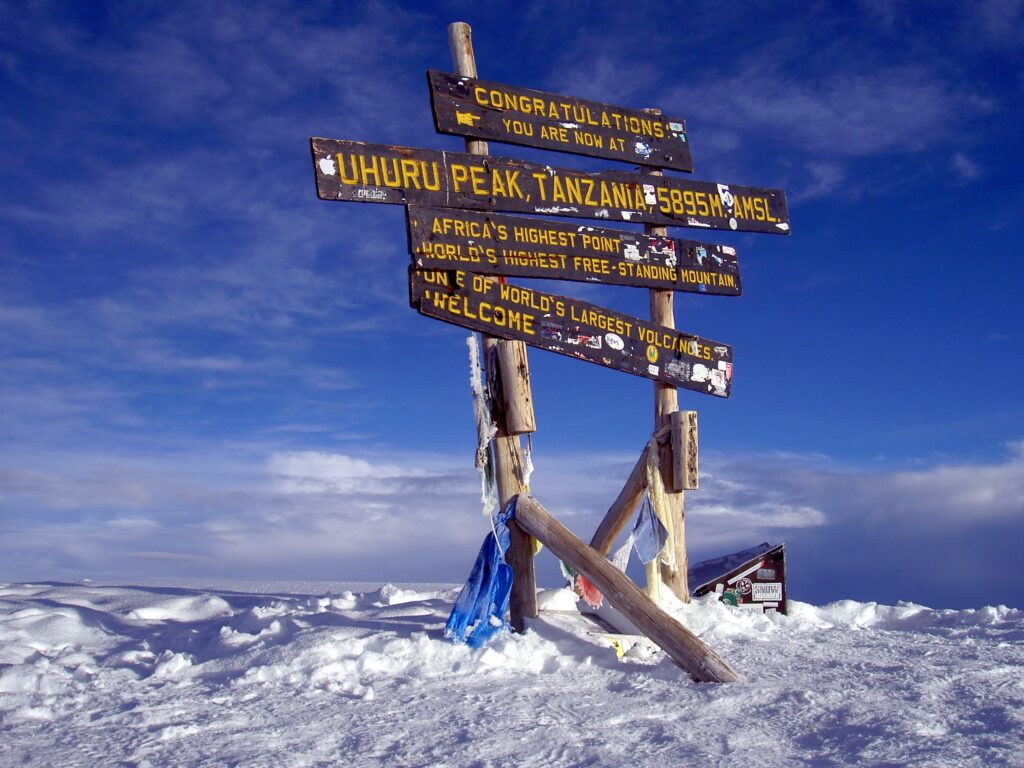
Dominating the northern Tanzanian skyline, Climbing Kilimanjaro is an adventure of a lifetime. Standing at 5,895 meters (19,341 feet), it is Africa's Highest Peak and the world's tallest free-standing mountain. While it doesn't require technical climbing skills. It's a demanding trek that tests endurance and mental fortitude. The journey takes climbers through five distinct ecological zones – from lush rainforests and alpine deserts to the icy glacial cap at the summit, and cool and unusual things to do in Tanzania. Reaching Uhuru Peak at dawn, witnessing the sunrise over the African continent. An unparalleled sense of achievement and a truly iconic "bucket list" experience.
Nyerere (Selous) National Park – Africa’s Largest Wildlife Reserve
In southern Tanzania lies Nyerere (Selous) National Park, formerly the Nyerere National Park (formerly part of the Selous Game Reserve) and still widely referred to by its former name. This colossal protected area is Africa’s Largest Wildlife Reserve. It offers a wilder, more remote safari experience than its northern counterparts. Its vastness means fewer crowds and a greater sense of untouched wilderness. Nyerere is renowned for its large populations of elephants, buffalo, and wild dogs (painted wolves), as well as significant lion and leopard populations. A unique feature of Nyerere is the opportunity for boat safaris along the Rufiji River. Offering a different perspective on the wildlife, particularly crocodiles, hippos, and a plethora of birdlife. Walking safaris are also a highlight, providing an immersive experience on foot.
Zanzibar – An Indian Ocean Island Rich in Culture and History
After the dust and excitement of the safari, the idyllic archipelago of Zanzibar offers a perfect tropical escape. This Indian Ocean island is rich in culture and history, a melting pot of African, Arab, Indian, and European influences top best tourist attractions in Tanzania. Stone Town, a UNESCO World Heritage Site, is its beating heart, a labyrinth of narrow alleys, bustling bazaars, intricately carved wooden doors, and historic buildings that whisper tales of sultans and spice traders. Beyond its historical charm, Zanzibar boasts some of the world's most breathtaking white-sand beaches. Fringed by swaying palm trees and clear turquoise waters, ideal for swimming, snorkeling, diving, and simply unwinding.
- White-sand beaches
- Stone Town
- Spice tours
- Dhow cruises
- Snorkelling & diving
Tarangire National Park
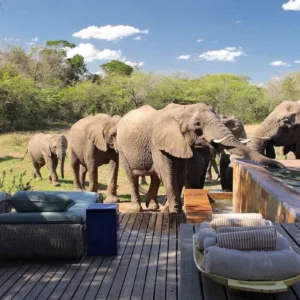
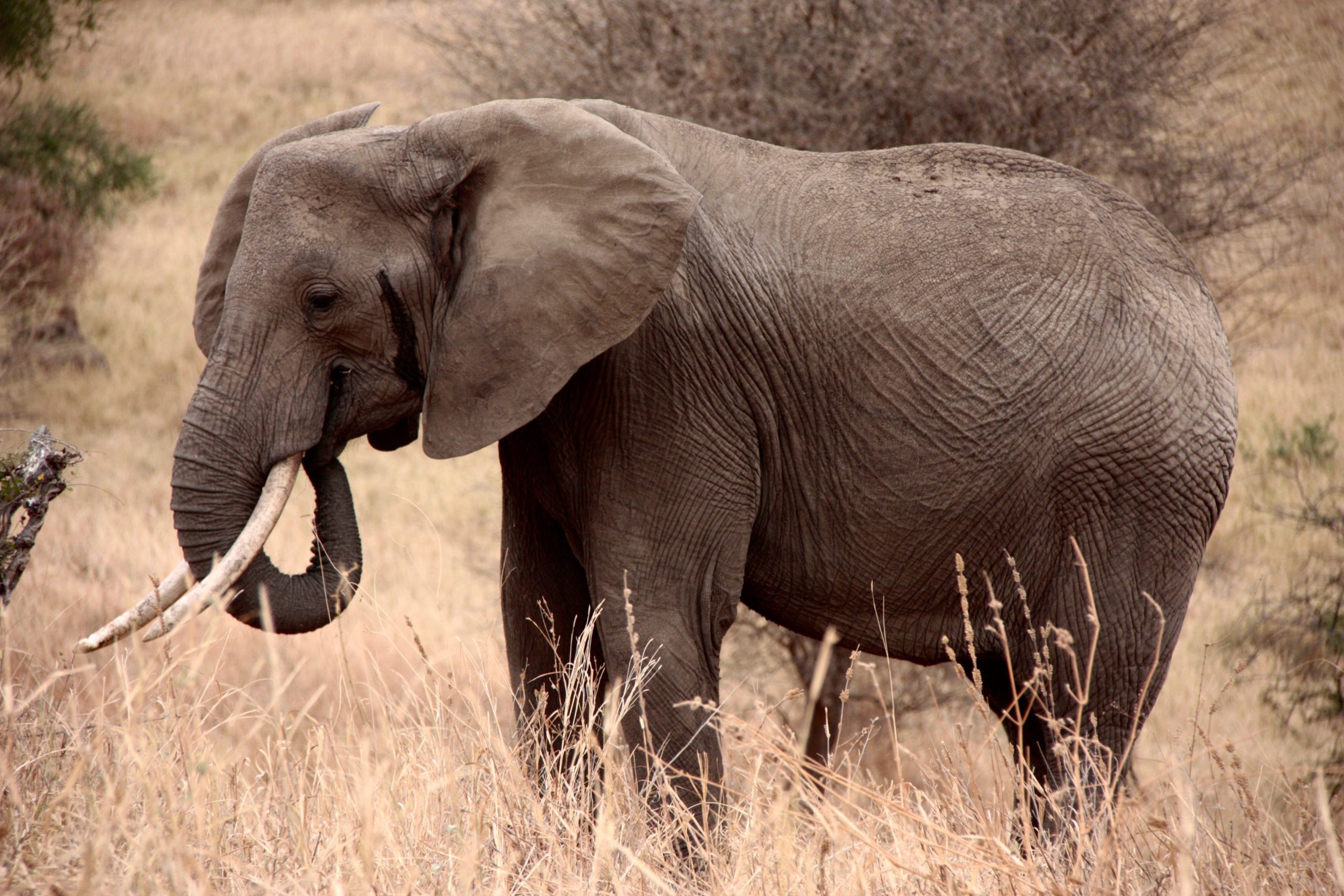
Tarangire National Park is a gem in Tanzania's northern safari circuit. Often visited as part of a longer itinerary. It is particularly famous for its enormous elephant herds and the majestic baobab trees that dot its landscape. During the dry season (June to October), the Tarangire River becomes the park's lifeline, attracting vast concentrations of wildlife. Including wildebeest, zebras, giraffes, and various predators. Its unique topography and diverse birdlife (over 550 species recorded) make it a distinct and rewarding safari destination.
Lake Manyara National Park
Another highlight of the northern circuit. Lake Manyara National Park is a compact yet incredibly diverse park. It's famous for the best places to visit in Tanzania - Destinations for its tree-climbing lions, a rare behavior for these big cats, often seen lounging in the branches of acacia trees. The park encompasses a narrow strip of land between the Great Rift Valley escarpment and Lake Manyara itself. The shallow, alkaline lake attracts huge flocks of flamingos and other waterfowl. Creating a stunning pink spectacle must-see attraction in Tanzania. The park's varied habitats, from groundwater forest to open savannah and hot springs, support a wide range of wildlife. Including large troops of baboons, elephants, and hippos.
Katavi National Park – Relatively Untouched Wildlife Paradise
For the truly adventurous and those seeking an off-the-beaten-path experience. Katavi National Park in western Tanzania is a relatively untouched wildlife paradise. Remote and less visited than the northern parks. Katavi offers an authentic wilderness experience. During the dry season, the Katuma River and its associated floodplains become vital water sources. Leading to incredible concentrations of hippos (often hundreds crammed into dwindling pools) and crocodiles. It's also known for its massive herds of buffalo and elephants, and excellent predator sightings. The remote nature of Katavi means limited infrastructure but promises an unparalleled sense of solitude and raw nature.
Ruaha National Park – Tanzania’s Famous Wilderness Area
Ruaha National Park, located in the heart of Tanzania, is the country's largest national park and a truly famous wilderness area. It offers a vast, rugged, and diverse landscape, including miombo woodlands, arid plains, and the dramatic Ruaha River. This park is particularly renowned for its large lion population (one of the biggest in Africa), as well as significant numbers of elephants, greater and lesser kudus, sable and roan antelopes. Its remoteness contributes to a more exclusive safari experience. Ideal for those seeking a less crowded, more immersive encounter with the wild.
Pemba – The ‘Green Island’ of East Africa
North of Zanzibar lies Pemba, often referred to as the 'Green Island' of East Africa due to its lush, hilly terrain covered in spice plantations and dense forests. Less developed and more tranquil than its southern neighbor. Pemba offers a serene escape. It's a haven for divers and snorkelers, with pristine coral reefs, abundant marine life, and excellent visibility. Beyond the underwater world, visitors can explore ancient ruins, learn about spice farming, or simply relax in its uncrowded, picturesque bays. It provides an authentic and peaceful island experience.
Mafia Island – A Beach Paradise With Superb Diving
South of Dar es Salaam, Mafia Island is a tranquil beach paradise with superb diving. Part of the Mafia Island Marine Park, it's a world-class destination for marine enthusiasts. Its untouched coral reefs are home to an incredible array of fish species, colorful corals, and large marine animals. Including whale sharks (seasonal, typically October to March), which can be snorkeled with. Mafia offers a more laid-back and intimate island experience than Zanzibar. Focusing heavily on its pristine underwater environment and authentic coastal village life.
Cultural Experiences: Beyond the Wild and Waves
Tanzania's rich tapestry of wildlife and natural beauty is complemented by its equally vibrant and diverse cultural experiences. With over 120 distinct ethnic groups, the country offers unique opportunities to connect with local communities and learn about their traditions, history, and daily lives. These cultural encounters not only enrich your understanding of Tanzania but also directly support local communities through sustainable tourism initiatives. Ensuring that the benefits of your visit reach those who call this remarkable country home.
Maasai Village Visits
Iconic for their distinctive red shukas and semi-nomadic pastoralist lifestyle, the Maasai are one of Tanzania’s most recognizable peoples. Visiting a traditional boma, or homestead, lets you witness vibrant dances, learn about their cattle-centred culture and admire their colourful beadwork. Many Maasai communities near the northern safari parks, especially in the Ngorongoro Conservation Area, welcome visitors and share insights into age-old traditions, from building homes with mud and dung to warrior ceremonies. Visits are easily added to a safari day, and buying beadwork directly from the women who make it supports local families and community projects. Always ask before taking photos.
Hadzabe and Datoga Encounters at Lake Eyasi
Near Lake Eyasi, you can meet the Hadzabe, one of Africa’s last remaining hunter-gatherer peoples. This extraordinary experience involves joining them on an early-morning hunt, learning about their tracking skills and archery, and foraging for wild berries and honey. Nearby, the Datoga, a pastoralist people known for their blacksmithing, share insights into their crafts and way of life, often showing how they forge arrowheads and jewellery from recycled metal. The visit offers a fascinating contrast to wildlife safaris and is easily combined with the Ngorongoro Crater, ideally with an overnight stay near the lake. Respectful, small-group visits work best.
Chagga Cultural Tours on Kilimanjaro’s Slopes
On the fertile slopes of Mount Kilimanjaro, the Chagga people offer a glimpse into their agricultural traditions. You can visit coffee plantations and learn the process from bean to cup, explore traditional Chagga shambas, or farms, and sample mbege, a traditional banana beer. Some tours include visits to underground tunnels once used as hiding places during tribal wars, as well as nearby waterfalls such as Materuni. These tours are a rewarding addition before or after a Kilimanjaro climb, and they directly support local farmers and families living in the villages around Moshi. Bring good walking shoes and a light rain jacket.
- ArushaGateway
- TarangireElephants
- NgorongoroCrater
- SerengetiBig Five
- ZanzibarBeach
Mto wa Mbu Village
Located near Lake Manyara, Mto wa Mbu is a unique cultural melting pot, home to people from over 120 different tribes. A guided walking tour reveals diverse agricultural practices, including banana plantations and rice paddies irrigated by springs from the Rift Valley escarpment, as well as lively local markets and artisan workshops. You can taste fresh red bananas, visit woodcarvers and painters, and enjoy a traditional lunch with a local family. The village offers a vivid snapshot of Tanzania’s ethnic diversity in one place and fits perfectly into a day visiting Lake Manyara National Park. Bring small change for crafts.
Stone Town Walking Tour in Zanzibar
Beyond its beaches, Zanzibar’s Stone Town, a UNESCO World Heritage Site, is a living museum. A guided walk through its narrow, winding alleys unveils centuries of Swahili history, Arab and Indian influence, and the island’s poignant past as a spice and slave trading hub. You will see intricately carved wooden doors, historic buildings such as the House of Wonders, the Old Fort and the former slave market, as well as bustling markets. Ending the walk at Forodhani Gardens for sunset and street food is a memorable way to experience the town’s vibrant culture. Dress modestly out of respect for local customs.
Local Markets and Cooking Classes
Immerse yourself in Tanzania’s culinary scene by visiting vibrant local markets in towns such as Arusha or Dar es Salaam. Some cultural programs offer cooking classes where you learn to prepare traditional dishes like ugali, pilau or coastal seafood curries. From the thundering plains of the Serengeti to the tranquil waters around Mafia Island, Tanzania offers an unparalleled range of attractions, and its food culture is part of that richness. Every day brings a new adventure, a fresh perspective and a deeper connection to the wild heart of Africa, flavoured by spices and warm hospitality. Bring your appetite and curiosity.
Top Tourist Attractions in Tanzania: FAQs
What can you expect from Serengeti national park on a Tanzania safari?
Undoubtedly, the most famous wildlife sanctuary in the world, Serengeti National Park, holds the undisputed title as Africa's Best Safari Park. It's endless plains (Serengeti means " endless plains" in Maasai). Home to an astonishing concentration of wildlife. Making it the quintessential safari destination. The park's main Africa's most amazing places to visit draw is the Great Migration.
What should you know about climbing Kilimanjaro on a Tanzania safari?
Dominating the northern Tanzanian skyline, Climbing Kilimanjaro is an adventure of a lifetime. Standing at 5,895 meters (19,341 feet), it is Africa's Highest Peak and the world's tallest free-standing mountain. While it doesn't require technical climbing skills. It's a demanding trek that tests endurance and mental fortitude.
What can you expect from Zanzibar on a Tanzania safari?
After the dust and excitement of the safari, the idyllic archipelago of Zanzibar offers a perfect tropical escape. This Indian Ocean island is rich in culture and history, a melting pot of African, Arab, Indian, and European influences top best tourist attractions in Tanzania.
What should you know about lake Manyara national park on a Tanzania safari?
Another highlight of the northern circuit. Lake Manyara National Park is a compact yet incredibly diverse park. It's famous for the best places to visit in Tanzania - Destinations for its tree-climbing lions, a rare behavior for these big cats, often seen lounging in the branches of acacia trees.
What can you expect from Ruaha national park on a Tanzania safari?
Ruaha National Park, located in the heart of Tanzania, is the country's largest national park and a truly famous wilderness area. It offers a vast, rugged, and diverse landscape, including miombo woodlands, arid plains, and the dramatic Ruaha River. This park is particularly renowned for its large lion population (one of the biggest in Africa), as well as significant numbers of elephants, greater and lesser kudus, sable and roan antelopes.
What is Mafia Island like?
South of Dar es Salaam, Mafia Island is a tranquil beach paradise with superb diving. Part of the Mafia Island Marine Park, it's a world-class destination for marine enthusiasts. Its untouched coral reefs are home to an incredible array of fish species, colorful corals, and large marine animals.
What should you know about Maasai village visits on a Tanzania safari?
Iconic for their distinctive red shukas and semi-nomadic pastoralist lifestyle, the Maasai are one of Tanzania’s most recognizable peoples. Visiting a traditional boma, or homestead, lets you witness vibrant dances, learn about their cattle-centred culture and admire their colourful beadwork.
What can you expect from Chagga cultural tours on Kilimanjaro’s slopes on a Tanzania safari?
On the fertile slopes of Mount Kilimanjaro, the Chagga people offer a glimpse into their agricultural traditions. You can visit coffee plantations and learn the process from bean to cup, explore traditional Chagga shambas, or farms, and sample mbege, a traditional banana beer. Some tours include visits to underground tunnels once used as hiding places during tribal wars, as well as nearby waterfalls such as Materuni.
Plan Your Private Tanzania Safari
Tell us your travel dates, interests and budget, and our local team will design a private tailor-made safari around you.