10 Tips to See the Best of the Great Migration Calving Season
10 Tips to See the Best of the Great Migration Calving Season
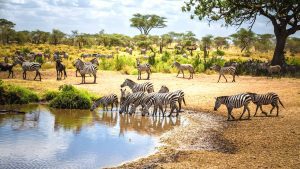
The Great Migration in Tanzania and Kenya is one of the most spectacular wildlife events on Earth, where over a million wildebeest, zebras, and gazelles move across the plains in search of fresh grazing. The calving season, typically occurring between January and March in southern Serengeti -Ndutu area, is a unique highlight, offering visitors the rare chance to witness newborn wildebeest and predator-prey interactions in their natural habitat. Experiencing this event requires careful planning to ensure you see the action safely and fully. From timing your trip to choosing the best locations, booking knowledgeable safari guides, and capturing unforgettable moments with high-quality photography, some strategies can maximize your safari experience. Understanding these tips will make your Great Migration calving safari both memorable and seamless.
Choose the Right Time to Visit
Timing your Great Migration calving safari is crucial for witnessing the newborn wildebeest and the dramatic predator-prey dynamics. The calving season generally occurs from January to March, when the herds gather in the southern Serengeti plains, particularly around Ndutu and the Seronera region. Visiting during these months increases your chances of seeing calves within hours of birth and predators such as lions, cheetahs, and hyenas in action. Avoiding off-season periods ensures you experience the lush green landscapes, abundant wildlife, and ideal weather conditions for photography. Planning your trip with the calving timeline in mind also helps secure premium lodges and camps near the migration areas. For wildlife enthusiasts and photographers, aligning your travel with the peak calving period guarantees a truly immersive and unforgettable safari experience.
Pick the Perfect Location
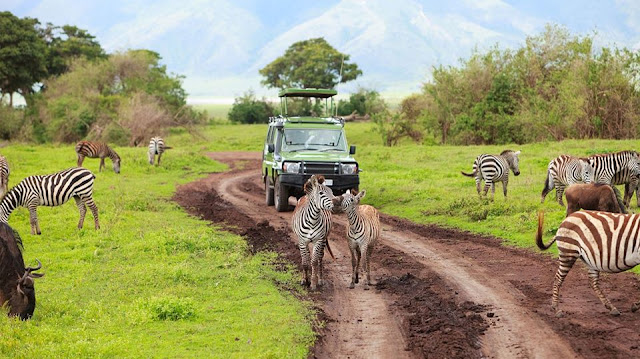
Selecting the ideal location is essential to fully experience the Great Migration calving season. The southern Serengeti in Tanzania, particularly the Ndutu Plains and the Seronera Valley, is renowned for large herds, safe calving zones, and abundant predators. Areas near the Ngorongoro Conservation Area also provide excellent vantage points to observe interactions between predators and newborn wildebeest. Choosing locations within the migration corridor ensures easier access, shorter travel distances, and better wildlife encounters. Staying close to the action allows morning and evening game drives, when predator activity is highest. Strategic locations also provide stunning photographic opportunities against the backdrop of the Serengeti’s rolling savannahs. The right location maximizes both sightings and comfort, making your calving safari a seamless, awe-inspiring adventure.
Book an Experienced Safari Operator
An experienced safari operator can transform your Great Migration calving experience from ordinary to extraordinary. Knowledgeable guides understand animal behavior, the migration’s timing, and the best vantage points for viewing births and predator activity. They also navigate park regulations, ensuring safety for both visitors and wildlife. Professional operators often offer tailor-made itineraries, early morning and late evening game drives, and access to private concessions that reduce crowds. Booking a reputable company ensures you have comfortable transportation, experienced drivers, and insightful commentary throughout your safari. Furthermore, seasoned operators can advise on optimal photographic opportunities, essential gear, and local conservation ethics. Partnering with experts guarantees a smooth, enriching, and responsible safari, increasing your chances of witnessing the calving season at its very best.
Stay in Strategic Accommodations
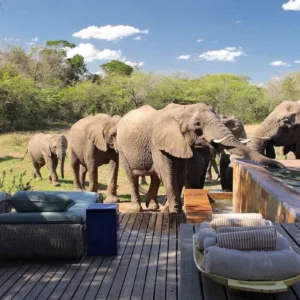
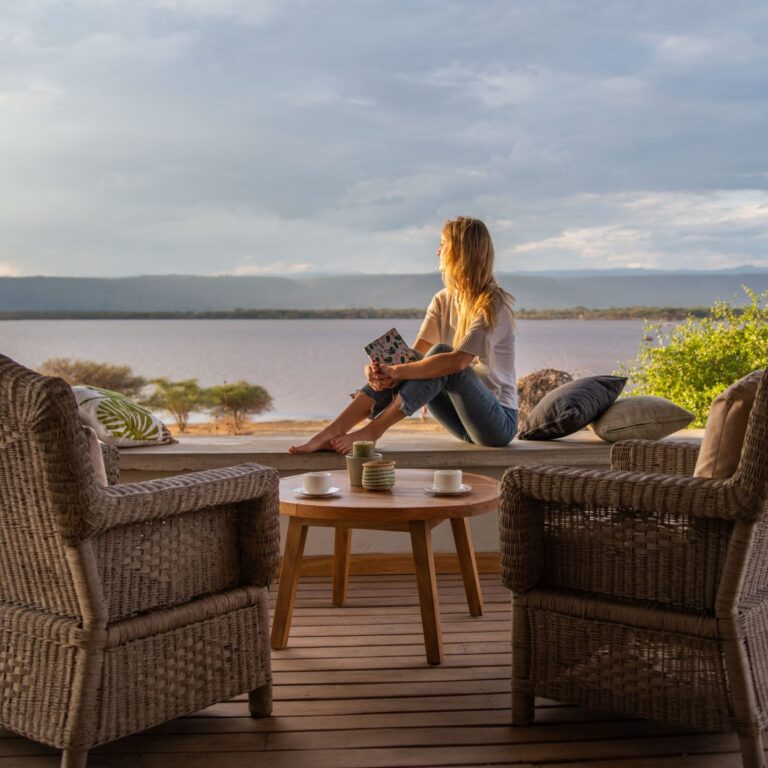
Staying in the right accommodations significantly enhances your calving safari experience. Lodges and tented camps near Ndutu, Seronera, or private concessions offer early access to game drives and minimal travel times to key migration areas. Many lodges provide intimate wildlife experiences, with balconies or terraces overlooking watering holes or open plains where wildebeest calve. Staying close allows you to witness dramatic predator-prey interactions during dawn or dusk, when wildlife activity peaks. Some camps offer mobile or seasonal options that move with the migration, giving you flexibility and prime wildlife access. Comfortable accommodations also provide amenities, guiding services, and photography support, making your safari more immersive, convenient, and enjoyable. Choosing strategically located lodging ensures you don’t miss critical wildlife moments.
Budget camping & lodges
Affordable, adventurous and close to nature.
Mid-range lodges & tented camps
Comfort, good food and convenient locations.
Luxury tented camps & lodges
Spacious suites, personal service and prime wildlife areas.
Exclusive-use camps & villas
Complete privacy, private guides and bespoke experiences.
Start Early and Stay Late
Wildlife is most active during early mornings and late afternoons, making timing essential for calving safari success. Predators often hunt at dawn and dusk, and calves are typically born during these cooler periods. Early morning departures allow you to catch sunrise over the Serengeti plains while observing natural wildlife behaviors in optimal lighting conditions for photography. Late afternoon drives offer opportunities to see predators in action as the day cools. By aligning your schedule with wildlife activity, you increase sightings of newborns, predator interactions, and dramatic landscapes. Guides can help plan game drives for maximum sightings, ensuring your safari is both thrilling and productive. Patience and careful timing unlock the most spectacular moments of the Great Migration calving season.
Bring High-Quality Photography Equipment
Capturing the Great Migration calving season requires high-quality photography equipment to preserve the experience. A DSLR or mirrorless camera with telephoto lenses (200–600mm) helps photograph newborns and predators from safe distances. A sturdy tripod and fast memory cards ensure stability and continuous shooting during dynamic wildlife interactions. Drones may be restricted in national parks, so check local regulations before use. Teleconverters, lens hoods, and camera rain covers can enhance image quality and protect your gear in unpredictable weather. Even smartphones with advanced zoom and stabilization features can capture close-up moments if used carefully. Investing in quality equipment ensures your photos reflect the drama, emotion, and scale of the calving season, making your memories truly unforgettable.
Learn About the Local Ecosystem
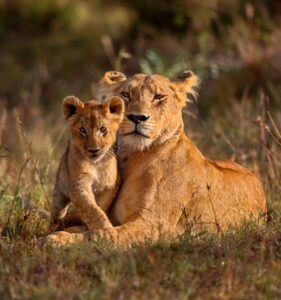
Understanding the Serengeti ecosystem enriches your Great Migration calving safari. Knowledge of predator-prey relationships, migratory patterns, and vegetation cycles enhances wildlife spotting and appreciation. The calving season is driven by rainfall and grass growth, attracting wildebeest and predators to specific areas. Learning about animal behavior, such as lion hunting strategies or mother-calf interactions, helps anticipate wildlife movements for better viewing. Engaging with guides or reading pre-trip resources can provide insights into local flora, bird species, and ecological challenges. Awareness of the ecosystem also promotes responsible tourism, helping you minimize disturbance and respect wildlife habitats. A deeper understanding transforms your safari into an educational and memorable experience beyond simple sightseeing.
Respect Wildlife and Their Habitat
Maintaining ethical practices is critical during the calving season. Keep a safe distance from predators and newborn wildebeest, avoid loud noises, and follow your guide’s instructions. Driving off designated roads or disturbing wildlife can stress animals, especially during sensitive calving periods. Minimize environmental impact by using reusable water bottles, properly disposing of waste, and avoiding single-use plastics. Respecting local conservation regulations helps preserve the Serengeti ecosystem for future generations. Guides often provide instruction on appropriate behavior and safe observation techniques. Ethical tourism ensures both visitor safety and wildlife protection, allowing you to witness nature’s raw beauty responsibly while contributing to ongoing conservation efforts.
Combine Your Safari with Other Activities
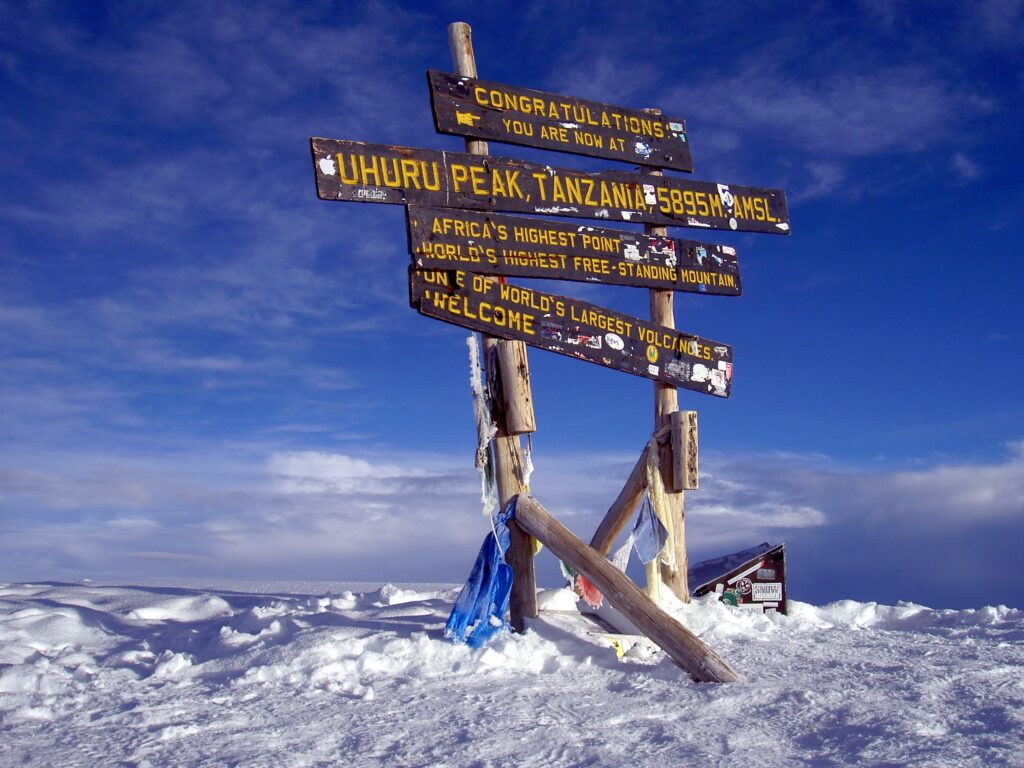
Enhancing your calving safari with complementary activities can make your trip even more memorable. Consider hot air balloon safaris over the Serengeti for panoramic views of wildebeest herds, guided walking safaris for an intimate connection with nature, or cultural visits to Maasai villages to learn about local traditions. Photography workshops or night drives offer additional perspectives on wildlife behavior and nocturnal predators. Combining activities maximizes your experience, providing variety and deeper engagement with both the landscape and its inhabitants. Thoughtful planning ensures your itinerary balances wildlife viewing with relaxation and cultural immersion, creating a richer, more fulfilling adventure during the Great Migration calving season.
Be Patient and Flexible
Wildlife encounters during the calving season require patience and adaptability. Animals follow natural rhythms and may not always appear on schedule. Weather, grass height, or predator activity can alter sightings. Embrace flexibility in game drives, allowing extra time for spontaneous wildlife moments. Patience often rewards you with breathtaking encounters, such as a lion stalking a newborn or a herd moving across the plains. Remaining calm and observant ensures safety while enhancing your connection to the natural environment. Flexibility also allows you to adjust photography plans or explore alternate locations recommended by guides. A patient, open-minded approach ensures you experience the full drama, beauty, and unpredictability of the Great Migration calving season.
Where To Stay During the Great Migration Calving Season?
For an unforgettable Great Migration calving season experience, stay in mobile camps like Lemala Ndutu or luxury lodges such as Lake Masek Tented Camp, strategically located in the Ndutu region. These accommodations place you close to the action, offering prime wildlife viewing right at your doorstep. Mobile camps follow the herds, ensuring you don't miss a moment. While lodges provide a blend of comfort and stunning vistas of the Serengeti short-grass plains during this magical season.
A general guide: the herds follow the rains.
Great Migration vs Calving Season
The Great Migration spans the Serengeti and Maasai Mara, showcasing millions of wildebeest, zebras, and gazelles in a continuous cycle of movement. The calving season, a key phase of this migration, occurs from January to March in Tanzania's southern Serengeti. During this time, herds settle to give birth, resulting in thousands of calves born daily. While the Great Migration highlights the grand spectacle of movement, the calving season emphasizes tender beginnings, predator-prey dynamics, and nature intricate balance.
The best time to see the Great Migration Calving Season
When is the best time to see the wildebeest calving Season? The best time to witness the Great Migration calving season is from late January to early March. During this period, the southern Serengeti and Ndutu region transform into nurseries as wildebeest, zebras, and gazelles give birth to thousands of calves daily. The lush, green plains provide ideal grazing conditions, attracting predators and creating dramatic wildlife encounters. This season offers unparalleled opportunities to observe the circle of life, from newborns\u2019 first steps to intense predator-prey interactions.
Great Migration Calving Season reviews
Visitors often describe the Great Migration calving season as a mesmerizing and emotional experience. Reviews highlight the breathtaking sight of thousands of wildebeest calves taking their first steps and the thrilling encounters with predators. Travelers praise the Ndutu region for its abundant wildlife and excellent visibility on the short-grass plains. Guided safaris earn acclaim for their expert insights, making the experience even more enriching. Overall, the calving season is celebrated as a must-see spectacle of life and survival in the wild.
Great Migration Calving Season Map
A Great Migration calving season map highlights the southern Serengeti and Ndutu region, where herds congregate between January and March. These lush short-grass plains, nourished by seasonal rains, become the birthing grounds for wildebeest, zebras, and gazelles. The map often includes key locations like Lake Ndutu and Lake Masek, showcasing predator hotspots and prime viewing areas. With detailed routes and vantage points, such a map is an essential tool for planning an immersive wildlife experience during this remarkable season.
Great Migration Calving Season packages
Great Migration calving season packages offer tailored safari experiences, combining thrilling wildlife encounters with comfort. These packages typically include guided game drives in the Ndutu region, accommodations in luxury lodges or mobile camps, and opportunities to witness thousands of wildebeest calves being born daily. Many itineraries also feature cultural visits to Maasai villages and optional hot air balloon safaris. Designed for photographers, nature enthusiasts, and families, these packages provide an unforgettable journey into nature's most dramatic season of life and survival.
Great Migration Calving Season special offers
Great Migration calving season special offers provide incredible value for experiencing this breathtaking event. These deals often include discounted rates on luxury lodges or mobile camps in the Ndutu region. Guided game drives, and airport transfers. Some packages feature added perks like free cultural tours, hot air balloon rides, or extra safari days. Perfect for families, couples, or wildlife enthusiasts, these offers ensure an immersive and unforgettable adventure during the season of new life on the Serengeti vibrant plains.
Where to see the Great Migration Calving Season
The best place to witness the Great Migration calving season is in Tanzania southern Serengeti and Ndutu region. Nestled within the Ngorongoro Conservation Area. Between January and March, these lush, short-grass plains become a haven for wildebeest, zebras, and gazelles as they gather to give birth. Key spots include Lake Ndutu and Lake Masek, where abundant wildlife activity and predator interactions unfold. These areas offer unrivaled opportunities to experience the magic of life beginnings in the wild. Book Great Migration safari, calving season Serengeti, Tanzania Safari Tours, wildebeest birth, predator interactions, Tanzania Safari packages, Ndutu safari, Serengeti photography safari.
Great Migration Calving Season vs grumeti river crossing vs mara river crossing
The Great Migration's Calving Season, occurring in January and February. Sees wildebeest and zebra calves born in the lush southern Serengeti. In contrast, the Grumeti River Crossing, around June, features dramatic scenes as herds navigate the treacherous river, often facing predators. The Mara River Crossing, typically in July and August, is the pinnacle, with massive herds crossing into Kenya. Confronting crocodiles and predators, creating one of the most thrilling wildlife spectacles on Earth.
What is calving season and how does it affect the migration?
What is Wildebeest Migration Calving Season? Calving season refers to the time when wildebeests give birth, usually from January to March in the Serengeti. During this period, over 500,000 wildebeests are born. This event significantly impacts the migration as predators, including lions and hyenas, take advantage of the vulnerable calves. The calving season also influences the wildebeest's movement, as they stay in the southern Serengeti. Grazing on the rich grasslands, before migrating northward as the calves grow stronger.
What can you expect from the Wildebeest Calving Seasons?
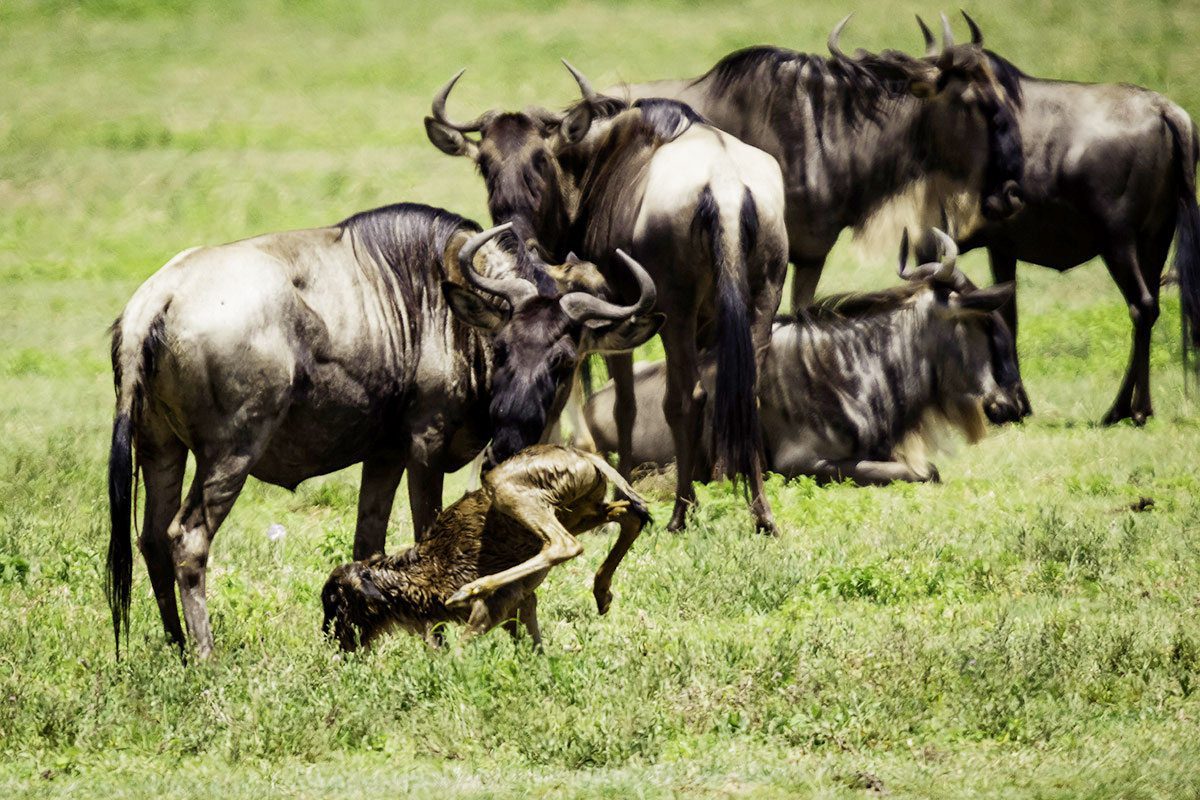
During the wildebeest calving season, you can expect to witness a massive synchronized birthing event where hundreds of thousands of wildebeest calves are born within a short period. Often occurring in the Southern Serengeti, with the possibility of seeing newborn calves almost every few minutes. Alongside a high concentration of predators like lions, cheetahs, and hyenas actively hunting the vulnerable young. Creating dramatic predator-prey interactions. All while experiencing the unique sight of new calves quickly getting to their feet and moving with the herd almost immediately after birth.
Interesting fact about the Great Migration Calving Season
Around half a million calves are born in two months. Roughly 400,000 wildebeest calves are born every year between January and early March in the southeastern plains of the Serengeti. It's also a general calving season, as zebras and antelopes also give birth to young during this period.
Final Thoughts
Witnessing the Great Migration calving season is a life-changing experience, showcasing the beauty and resilience of nature. By following these tips, you can immerse yourself in this unparalleled event and create memories to last a lifetime. Embrace the unpredictability of the wild and savor every moment of your journey through Tanzania’s extraordinary Serengeti.
10 Tips to See the Best of the Great Migration Calving Season: FAQs
What can you expect from choose the right time to Visit?
Timing your Great Migration calving safari is crucial for witnessing the newborn wildebeest and the dramatic predator-prey dynamics. The calving season generally occurs from January to March, when the herds gather in the southern Serengeti plains, particularly around Ndutu and the Seronera region. Visiting during these months increases your chances of seeing calves within hours of birth and predators such as lions, cheetahs, and hyenas in action.
What should you know about book an experienced safari operator?
An experienced safari operator can transform your Great Migration calving experience from ordinary to extraordinary. Knowledgeable guides understand animal behavior, the migration’s timing, and the best vantage points for viewing births and predator activity. They also navigate park regulations, ensuring safety for both visitors and wildlife.
What can you expect from start early and stay late?
Wildlife is most active during early mornings and late afternoons, making timing essential for calving safari success. Predators often hunt at dawn and dusk, and calves are typically born during these cooler periods. Early morning departures allow you to catch sunrise over the Serengeti plains while observing natural wildlife behaviors in optimal lighting conditions for photography.
What should you know about learn about the local ecosystem?
Understanding the Serengeti ecosystem enriches your Great Migration calving safari. Knowledge of predator-prey relationships, migratory patterns, and vegetation cycles enhances wildlife spotting and appreciation. The calving season is driven by rainfall and grass growth, attracting wildebeest and predators to specific areas. Learning about animal behavior, such as lion hunting strategies or mother-calf interactions, helps anticipate wildlife movements for better viewing.
What are the combine your safari with Other activities?
Enhancing your calving safari with complementary activities can make your trip even more memorable. Consider hot air balloon safaris over the Serengeti for panoramic views of wildebeest herds, guided walking safaris for an intimate connection with nature, or cultural visits to Maasai villages to learn about local traditions.
Where To Stay During the Great Migration Calving Season?
For an unforgettable Great Migration calving season experience, stay in mobile camps like Lemala Ndutu or luxury lodges such as Lake Masek Tented Camp, strategically located in the Ndutu region. These accommodations place you close to the action, offering prime wildlife viewing right at your doorstep.
What can you expect from the best time to see the Great migration calving season?
When is the best time to see the wildebeest calving Season? The best time to witness the Great Migration calving season is from late January to early March. During this period, the southern Serengeti and Ndutu region transform into nurseries as wildebeest, zebras, and gazelles give birth to thousands of calves daily.
What should you know about Great migration calving season map?
A Great Migration calving season map highlights the southern Serengeti and Ndutu region, where herds congregate between January and March. These lush short-grass plains, nourished by seasonal rains, become the birthing grounds for wildebeest, zebras, and gazelles. The map often includes key locations like Lake Ndutu and Lake Masek, showcasing predator hotspots and prime viewing areas.
Plan Your Private Tanzania Safari
Tell us your travel dates, interests and budget, and our local team will design a private tailor-made safari around you.