10 Things to know about Climbing Mount Kilimanjaro
10 Things to know about Climbing Mount Kilimanjaro
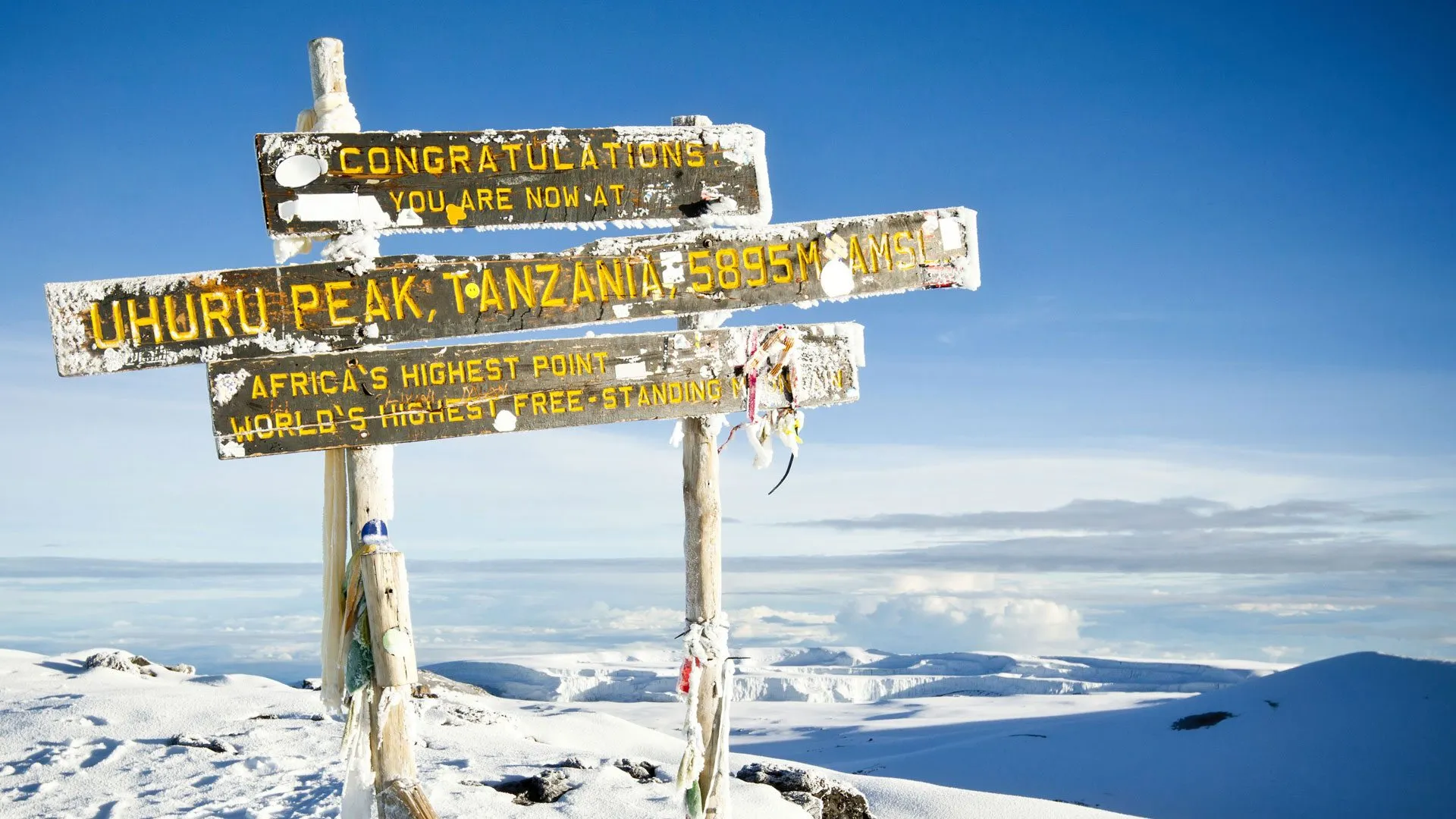
Discover extraordinary climbing mount Kilimanjaro is one of the most iconic trekking adventures in the world, and a bucket list experience for many travelers visiting Tanzania. Standing at 5,895 meters, Africa’s highest peak offers a unique blend of scenic beauty, diverse ecosystems, and challenging high-altitude trekking. This guide explains essential things to know about Kilimanjaro climbing, including routes, preparation, altitude sickness, and success tips. Whether you choose the Machame, Marangu, Lemosho, or Rongai route, understanding the mountain conditions is crucial for a safe summit. Many trekkers search for Kilimanjaro trekking tips, the best time to climb Kilimanjaro, and how to prepare for a Kilimanjaro hike. This introduction helps you plan better, improve summit success rates, and enjoy a once-in-a-lifetime adventure on Mount Kilimanjaro in Tanzania for an unforgettable African trekking experience and adventure travel journey.
It is a Hike, not a Climb
Kilimanjaro trekking is often misunderstood as technical climbing, but it is actually a long, high-altitude hike requiring endurance rather than mountaineering skills or equipment like ropes and ice axes for most routes. Trekkers follow well-defined paths such as Machame, Marangu, Lemosho, and Rongai while ascending through rainforest, moorland, alpine desert, and arctic summit zones. Although it is not a technical climb, the altitude and distance make it physically demanding and mentally challenging. Many climbers search for Kilimanjaro hiking difficulty, trekking fitness requirements, and summit preparation tips. Understanding that it is a hike helps set realistic expectations and improves success rates. Proper pacing, acclimatization, and stamina are more important than climbing skills when attempting to reach Uhuru Peak on Mount Kilimanjaro in Tanzania for a successful summit experience journey.
"Pole Pole" (Go Slow) is Your Mantra
Kilimanjaro success depends heavily on the Swahili phrase Pole Pole, meaning go slow, which is the golden rule for high altitude trekking on Africa’s tallest mountain. Walking slowly allows your body to adjust to decreasing oxygen levels, reducing the risk of altitude sickness and increasing summit success rates. Many guides repeatedly remind climbers to maintain a steady pace rather than rushing to the next camp.Going pole pole also conserves energy during long trekking days that can last six to eight hours or more. By embracing this mindset, hikers improve endurance, enjoy scenery, and safely reach Uhuru Peak on Mount Kilimanjaro in Tanzania with higher confidence and a better overall journey.
Altitude Sickness is Real
Kilimanjaro altitude sickness is one of the biggest challenges for trekkers attempting to summit Uhuru Peak, as oxygen levels drop significantly above 3,000 meters. Symptoms include headache, nausea, dizziness, fatigue, and shortness of breath, and can affect even very fit climbers. Understanding acclimatization strategies is essential for a safe Kilimanjaro climb. Many search for altitude sickness prevention, Kilimanjaro symptoms of AMS, and how to acclimatize on Kilimanjaro routes such as Machame, Lemosho, and Rongai. Slow ascent, hydration, and rest days help reduce risk and improve summit success. In severe cases, descent is the only treatment. Recognizing early warning signs is critical for safety on the mountain. Proper preparation ensures climbers enjoy a safer and more successful trekking experience on Mount Kilimanjaro in Tanzania with proper guidance and a pacing support system.
You Will Experience All Seasons
Kilimanjaro is unique because climbers experience multiple climate zones in a single ascent, ranging from tropical rainforest at the base to arctic conditions at the summit. This rapid change in weather is due to the mountain’s extreme altitude and location near the equator. Trekkers should be prepared for hot sun, heavy rain, cold winds, and freezing temperatures all within a few days of hiking. Many search for Kilimanjaro weather conditions, what to pack for a Kilimanjaro climb, and climate zones on Kilimanjaro routes like Machame and Lemosho. Layered clothing is essential to adapt to shifting environments during the trek. Understanding these seasonal variations helps climbers prepare mentally and physically for the journey. Proper gear ensures comfort and safety while ascending Mount Kilimanjaro in Tanzania, making the experience both challenging and unforgettable.
Choose the Right Route
Kilimanjaro offers several trekking routes, each with different difficulty levels, scenery, and acclimatization success rates. The most popular routes include the Machame route, known for its scenic beauty and high success rate, the Marangu route with hut accommodation, the Lemosho route, favored for gradual ascent, and the Rongai route, which is quieter and less crowded. Choosing the right Kilimanjaro route is essential for summit success and overall trekking experience. Many climbers search for the best Kilimanjaro routes, comparison of Machame vs Marangu, and Kilimanjaro route difficulty levels. Longer routes generally provide better acclimatization and higher chances of reaching Uhuru Peak. Selecting a route depends on fitness level, budget, and available time. Understanding each path helps trekkers prepare mentally and physically for the journey to the summit of Mount Kilimanjaro in Tanzania while maximizing safety and enjoyment.
Pack Essential Gear
Kilimanjaro trekking requires proper gear to handle extreme weather conditions, from tropical heat to freezing summit temperatures. Essential items include layered clothing, a waterproof jacket, thermal wear, hiking boots, gloves, hats, headlamps, and trekking poles. Proper equipment ensures comfort, safety, and success during the climb. Many climbers search for a Kilimanjaro packing list, essential gear for a Kilimanjaro hike, and what to wear on Kilimanjaro routes such as Machame or Lemosho. A good backpack with a hydration system is highly recommended for long trekking days. Weather changes quickly, so adaptability is key when packing for the mountain. Renting gear is also possible in Tanzania for international travelers. Being well prepared with the right chances chancesthe of reaching Uhuru Peak and enjoying a safe, comfortable, and memorable adventure on Mount Kilimanjaro.
Hydration is Essential
Kilimanjaro climbers must prioritize hydration because high altitude conditions accelerate dehydration and increase the risk of altitude sickness. Drinking enough water helps maintain energy levels, supports acclimatization, and improves overall performance during long trekking days. Experts recommend drinking at least three to four liters of water daily while climbing. Many trekkers search for hydration tips, Kilimanjaro altitude sickness prevention water intake, and best practices for high altitude trekking. Guides often encourage frequent small sips rather than infrequent large amounts. Carrying a reusable water bottle or hydration pack is essential for convenience on the trail. Proper hydration also helps regulate body temperature in varying climates experienced on Mount Kilimanjaro. Staying hydrated improves endurance and increases the likelihood of successfully reaching Uhuru Peak in Tanzania while maintaining strength, focus, and safety throughout the expedition.
Mental Fortitude is Half the Battle
Kilimanjaro trekking is not only a physical challenge but also a mental endurance test that requires strong determination and resilience. Climbers often face fatigue, cold temperatures, and long trekking hours that can test motivation and focus. Developing mental strength is essential for reaching Uhuru Peak successfully. Many search for Kilimanjaro mental preparation tips, motivation for high altitude trekking, and how to stay positive during long hikes. Staying focused on small goals, such as reaching the next camp, helps maintain momentum. Support from guides and fellow trekkers also plays a crucial role in mental endurance. Visualization techniques and positive thinking improve performance during difficult moments on the mountain. A strong mindset helps climbers push through discomfort and successfully complete their journey to the summit of Mount Kilimanjaro in Tanzania with confidence.
Get Travel Insurance
Kilimanjaro climbing requires comprehensive travel insurance that covers high altitude trekking, emergency evacuation, medical treatment, and trip cancellation. Because the mountain reaches extreme elevations, standard insurance policies may not provide adequate protection. Many climbers search for Kilimanjaro travel insurance requirements, the best insurance for trekking in Tanzania, and emergency evacuation coverage for high altitude climbs. Helicopter evacuation from remote areas can be extremely expensive without proper coverage. Choosing a reliable insurance plan ensures peace of mind during the expedition. It is important to verify policy details before traveling to ensure coverage includes trekking up to 6,000 meters or more. Proper insurance protects climbers financially and medically in case of accidents or altitude sickness. Having the right coverage allows trekkers to focus on reaching Uhuru Peak safely and enjoying a well-planned adventure on Mount Kilimanjaro in Tanzania.
Hygiene and Comfort are Rustic
Kilimanjaro trekking conditions are basic and rustic, with limited hygiene facilities along the route. Campsites offer simple toilets and minimal washing facilities, so climbers should prepare for reduced comfort during the expedition. Many trekkers search for Kilimanjaro camping conditions, hygiene on Kilimanjaro routes, and what to expect in mountain camps. Wet wipes, hand sanitizer, and quick-dry clothing are essential for maintaining personal hygiene. Despite the rustic environment, experienced guides ensure safety and cleanliness throughout the journey. Temperatures can drop significantly at night, making sleeping arrangements cold and challenging. Proper preparation helps climbers adapt to these conditions comfortably. Understanding the lack of luxury is important for setting realistic expectations. Accepting rustic conditions allows trekkers to focus on the adventure and successfully reach Uhuru Peak on Mount Kilimanjaro in Tanzania with resilience and determination.
Approach, feed or disturb wildlife, or leave the vehicle unless your guide says it is safe.
Follow your guide, carry travel insurance and check current health and travel advice.
Tipping is Customary
Kilimanjaro trekking involves a well-established tipping culture for guides, porters, and cooks who support climbers throughout the expedition. Tipping is not mandatory but highly expected and appreciated as part of fair compensation for the hardworking mountain crew. Many climbers search for a Kilimanjaro tipping guide, how much to tip porters, and a Kilimanjaro trekking cost breakdown. Tips are usually collected at the end of the climb and distributed among team members. The amount depends on group size, route duration, and level of service provided. Proper budgeting for tips is essential when planning a Kilimanjaro climb. Showing appreciation motivates the crew and ensures high-quality service during the trek. Understanding this cultural practice helps climbers prepare financially and respectfully for their journey to Uhuru Peak on Mount Kilimanjaro in Tanzania while supporting local communities.
Physical and Mental Training
Kilimanjaro preparation requires both physical and mental training to increase summit success rates and improve endurance on high-altitude trekking routes. Climbers should focus on cardiovascular exercises, strength training, hiking practice, and stamina building before attempting the climb. Many search for Kilimanjaro training plan, how fit do I need to climb Kilimanjaro, and preparation exercises for high altitude hiking. Long hikes with weighted backpacks help simulate real mountain conditions. Mental preparation is equally important, as fatigue and altitude challenges require resilience and focus. Training months in advance improves confidence and reduces the risk of altitude sickness. Consistency in preparation ensures better performance on the mountain. A well-prepared body and mind significantly increase the chances of reaching Uhuru Peak on Mount Kilimanjaro in Tanzania while enjoying a safe and rewarding trekking experience.
Hire a Guide and Tour Operator
Kilimanjaro trekking must be done with a licensed guide and registered tour operator, as independent climbing is not permitted in Tanzania National Park regulations. Professional guides ensure safety, proper acclimatization, navigation, and emergency support throughout the expedition. Many climbers search for the best Kilimanjaro tour operators, guided Kilimanjaro climbs, and how to choose a Kilimanjaro guide. Tour operators also provide camping equipment, meals, porters, and logistics for the entire journey. Hiring an experienced company increases summit success rates and enhances the overall trekking experience. Guides are trained in first aid, altitude sickness management, and mountain rescue procedures. Choosing a reputable operator ensures ethical treatment of porters and high-quality service. This support system is essential for a safe and successful ascent to Uhuru Peak on Mount Kilimanjaro in Tanzania while maximizing comfort and safety.
Respect the Environment
Kilimanjaro is a protected UNESCO World Heritage Site, and climbers are expected to follow strict environmental conservation rules during their trek. Preserving the mountain ecosystem is essential for future generations and sustainable tourism in Tanzania. Many search for Leave No Trace Kilimanjaro, environmental rules in Kilimanjaro National Park, and responsible trekking practices. Climbers must avoid littering, respect wildlife, and use designated trails at all times. Waste management is strictly enforced by park authorities and tour operators. Reducing plastic use and carrying reusable items helps protect the fragile environment. Guides emphasize eco-friendly behavior throughout the expedition. Respecting nature ensures the beauty of Mount Kilimanjaro remains intact for future climbers. Responsible tourism contributes to conservation efforts and supports local communities while maintaining the mountain’s natural heritage and biodiversity for years to come.
Essential Things To Consider Before Climbing Mount Kilimanjaro
Before attempting the Kilimanjaro trek, climbers must carefully consider several important factors, including fitness level, route selection, budget, weather conditions, and altitude risks. Proper planning significantly increases the chances of reaching Uhuru Peak successfully. Many search for a Kilimanjaro preparation checklist, the best time to climb Kilimanjaro, and the cost of a Kilimanjaro climb. Understanding physical demands and required endurance helps set realistic expectations. Choosing experienced guides and reputable tour operators is essential for safety and support. Climbers should also consider travel insurance, gear requirements, and acclimatization strategies. Mental readiness is equally important for overcoming challenges during the ascent. Environmental responsibility and respect for local regulations are also key considerations. Careful preparation ensures a safe, enjoyable, and successful expedition to Mount Kilimanjaro in Tanzania for all adventure travelers seeking high-altitude free-standing trekking experiences and journey success.
Effective Ways of Preparing for a Kilimanjaro Climb
Kilimanjaro preparation requires a combination of physical training, mental conditioning, and logistical planning to ensure a successful summit attempt. Climbers should begin training several months in advance, focusing on endurance hikes, cardiovascular fitness, and strength exercises. Many search for a Kilimanjaro training plan, how to prepare for high altitude trekking, and the best exercises for mountain climbing. Acclimatization is key, so choosing longer routes like Lemosho or Machame improves success rates. Proper gear selection, hydration strategies, and nutrition also play a critical role. Mental resilience helps climbers overcome fatigue and altitude challenges. Hiring experienced guides and reputable tour operators ensures safety and support throughout the expedition. Understanding weather conditions and packing appropriately increases comfort and performance. Effective preparation significantly improves the chances of reaching Uhuru Peak on Mount Kilimanjaro in Tanzania while enjoying a safe and rewarding trekking experience.
Interesting Facts about Mount Kilimanjaro
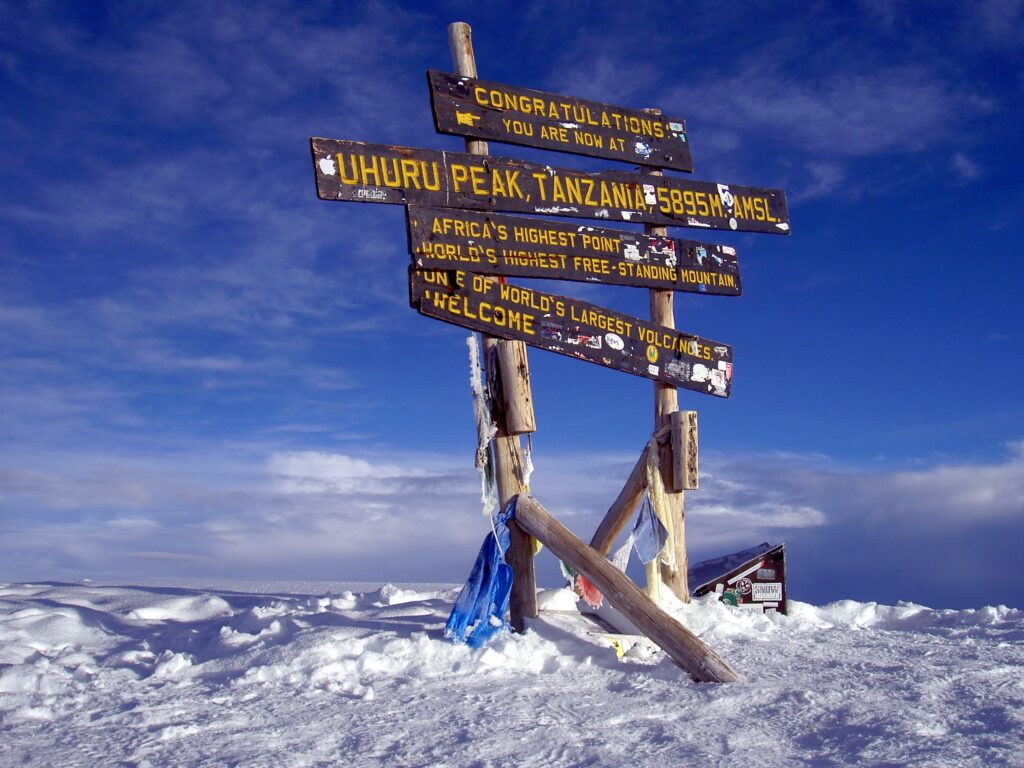
Kilimanjaro is Africa’s highest mountain and the world’s tallest volcanic massif, attracting thousands of trekkers each year from around the globe. It is located in Tanzania near the Kenya border and features three volcanic cones: Kibo, Mawenzi, and Shira. Uhuru Peak on Kibo is the highest point. Many search for Kilimanjaro fachigh-altitudets, the highest peak in Africa, and Mount Kilimanjaro's geography. The mountain supports multiple climate zones, from tropical rainforest to arctic summit conditions. It is part of Kilimanjaro National Park, a UNESCO World Heritage Site known for its biodiversity and scenic beauty. The name Kilimanjaro is believed to mean shining mountain in Swahili or mountain of greatness. Climbers do not need technical climbing skills for most routes. Kilimanjaro remains one of the most popular trekking destinations for adventure, life-changing, highthe summit altituhigh-altitude summitthe de trekking experiences in Tanzania.
What I wish I knew before climbing Kilimanjaro
Kilimanjaro climbing is a life-changing experience, but many trekkers realize important lessons only after beginning the journey. One key insight is that altitude affects everyone differently, regardless of fitness level. Another is that slow pacing and proper acclimatization are more important than speed or strength. Many search for Kilimanjaro tips for beginners, mistakes to avoid on Kilimanjaro, and what to expect during the summit night. The weather can change rapidly, and climbers should always be prepared for rain, cold, and wind. Mental challenges are often harder than physical ones, especially during summit attempts. Proper gear, hydration, and nutrition significantly improve comfort and success rates. Understanding the importance of guides and teamwork also enhances the experience. These insights help future climbers prepare better for Mount Kilimanjaro in Tanzania and increase their chances of reaching Uhuru Peak successfully.
Things You Should Know Before Climbing Mount Kilimanjaro
Kilimanjaro trekking requires careful planning and awareness of key factors that affect safety and summit success. Climbers must understand altitude risks, route options, weather variability, and physical demands before starting the ascent. Many search for Kilimanjaro safety tips, what to know before climbing Kilimanjaro, and a preparation guide for the Kilimanjaro trek. Choosing experienced guides and proper tour operators is essential for navigation, safety, and support. Acclimatization strategies and hydration play a critical role in preventing altitude sickness. Proper gear selection ensures comfort in changing climate zones. Mental preparation is equally important for overcoming fatigue and challenges during summit night. Understanding environmental regulations and respecting local culture also enhances the experience. Being well-informed significantly increases the chances of reaching Uhuru Peak on Mount Kilimanjaro in Tanzania safely and successfully while enjoying a rewarding trekking adventure.
Things You Didn't Know About Kilimanjaro
Kilimanjaro holds many surprising facts that most climbers are unaware of before attempting the trek. It is not a single peak but a massive stratovolcano formed by volcanic activity millions of years ago. Despite being near the equator, its summit is permanently covered in ice, although glaciers are rapidly shrinking due to climate change. Many search for Kilimanjaro glacier facts, hidden facts about Kilimanjaro, and interesting mountain trivia. The mountain generates its own weather systems, creating unpredictable conditions during climbs. It also supports unique ecosystems with rare plant and animal species found nowhere else in the world. Most climbers assume technical climbing is required, but it is primarily a trekking mountain. Understanding these facts enhances appreciation of Mount Kilimanjaro in Tanzania and prepares trekkers for a more informed and meaningful high-altitude adventure experience.
Can a beginner climb Mount Kilimanjaro
Kilimanjaro is one of the few highest mountains in the world that beginners can successfully climb without technical mountaineering experience. While it is physically demanding due to altitude and long trekking days, most routes, such as Marangu, Machame, and Lemosho, are non-technical hiking trails. Many search for can beginners climb Kilimanjaro, Kilimanjaro difficulty for first timers, and the best routes for beginners. Success depends more on fitness, acclimatization, and mental determination than prior climbing experience. Proper preparation, guided support, and gradual ascent significantly increase summit success rates. Beginners should focus on endurance training, hydration, and pacing strategies before the climb. Choosing longer routes improves acclimatization and reduces the risk of altitude sickness. With the right mindset and preparation, beginners can reach Uhuru Peak on Mount Kilimanjaro in Tanzania and enjoy a rewarding, high-altitude, life-changing trekking adventure experience.
What to expect when climbing Kilimanjaro
Kilimanjaro trekking is a journey that challenges climbers physically, mentally, and emotionally from start to summit. Trekkers can expect long hiking days through diverse landscapes, including rainforest, moorland, alpine desert, and icy summit zones. Weather conditions change rapidly, and temperatures drop significantly at higher altitudes. Many search for the Kilimanjaro summit night experience, what to expect on the Kilimanjaro climb, and Kilimanjaro trekking challenges. Altitude becomes the biggest factor affecting performance, making slow pacing and acclimatization essential. Camps are basic with limited comfort, but guided support ensures safety and organization throughout the expedition. Summit night is the most difficult part, requiring determination to reach Uhuru Peak before sunrise. Despite challenges, the reward is standing on the roof of Africa at Mount Kilimanjaro in Tanzania, experiencing unforgettable views and an achievement journey.
10 Things to know about Climbing Mount Kilimanjaro: FAQs
What can you expect from it is a hike, not a climb on Kilimanjaro?
Kilimanjaro trekking is often misunderstood as technical climbing, but it is actually a long, high-altitude hike requiring endurance rather than mountaineering skills or equipment like ropes and ice axes for most routes. Trekkers follow well-defined paths such as Machame, Marangu, Lemosho, and Rongai while ascending through rainforest, moorland, alpine desert, and arctic summit zones.
What should you know about altitude sickness is real on Kilimanjaro?
Kilimanjaro altitude sickness is one of the biggest challenges for trekkers attempting to summit Uhuru Peak, as oxygen levels drop significantly above 3,000 meters. Symptoms include headache, nausea, dizziness, fatigue, and shortness of breath, and can affect even very fit climbers. Understanding acclimatization strategies is essential for a safe Kilimanjaro climb.
What is Choose the Right Route like?
Kilimanjaro offers several trekking routes, each with different difficulty levels, scenery, and acclimatization success rates. The most popular routes include the Machame route, known for its scenic beauty and high success rate, the Marangu route with hut accommodation, the Lemosho route, favored for gradual ascent, and the Rongai route, which is quieter and less crowded.
What can you expect from hydration is essential on Kilimanjaro?
Kilimanjaro climbers must prioritize hydration because high altitude conditions accelerate dehydration and increase the risk of altitude sickness. Drinking enough water helps maintain energy levels, supports acclimatization, and improves overall performance during long trekking days. Experts recommend drinking at least three to four liters of water daily while climbing.
What should you know about get travel insurance on Kilimanjaro?
Kilimanjaro climbing requires comprehensive travel insurance that covers high altitude trekking, emergency evacuation, medical treatment, and trip cancellation. Because the mountain reaches extreme elevations, standard insurance policies may not provide adequate protection. Many climbers search for Kilimanjaro travel insurance requirements, the best insurance for trekking in Tanzania, and emergency evacuation coverage for high altitude climbs.
What should you know about tipping is Customary on Kilimanjaro?
Kilimanjaro trekking involves a well-established tipping culture for guides, porters, and cooks who support climbers throughout the expedition. Tipping is not mandatory but highly expected and appreciated as part of fair compensation for the hardworking mountain crew. Many climbers search for a Kilimanjaro tipping guide, how much to tip porters, and a Kilimanjaro trekking cost breakdown.
What should you know about hire a guide and tour operator on Kilimanjaro?
Kilimanjaro trekking must be done with a licensed guide and registered tour operator, as independent climbing is not permitted in Tanzania National Park regulations. Professional guides ensure safety, proper acclimatization, navigation, and emergency support throughout the expedition. Many climbers search for the best Kilimanjaro tour operators, guided Kilimanjaro climbs, and how to choose a Kilimanjaro guide.
What are the essential things to consider before climbing mount Kilimanjaro?
Before attempting the Kilimanjaro trek, climbers must carefully consider several important factors, including fitness level, route selection, budget, weather conditions, and altitude risks. Proper planning significantly increases the chances of reaching Uhuru Peak successfully. Many search for a Kilimanjaro preparation checklist, the best time to climb Kilimanjaro, and the cost of a Kilimanjaro climb.
Climb Kilimanjaro With Confidence
Tell us your dates and fitness, and our experienced mountain team will plan a safe, well-acclimatized private climb.