All you need to know to plan an epic Serengeti Safari
All you need to know to plan an epic Serengeti Safari
Planning an epic safari in the iconic Serengeti National Park is the ultimate African travel dream, blending luxury, adventure, and unforgettable wildlife encounters. Known worldwide for the legendary Great Migration, this UNESCO-listed destination offers front-row access to millions of wildebeest, zebras, and predators across vast golden plains. Whether you’re searching for “best Serengeti safari packages,” “luxury African safari tours,” or “affordable Tanzania safari itineraries,” this guide covers it all—costs, best time to visit, where to stay, and how to book trusted tour operators. From fly-in safaris to private game drives, the Serengeti promises bucket-list experiences for families, honeymooners, and solo travelers. Expect breathtaking landscapes, Big Five sightings, and world-class safari lodges that redefine comfort in the wild for every traveler.
Where is Serengeti National Park?
Serengeti National Park lies in northern Tanzania, stretching toward the border of Kenya, where it connects with the famous Maasai Mara National Reserve. This UNESCO World Heritage Site is one of Africa’s most iconic safari destinations, renowned for endless golden plains and exceptional wildlife density. Located within the Northern Safari Circuit, it is easily combined with Ngorongoro Crater and Tarangire National Park. For travelers searching for “best African safari destinations” or “Serengeti safari tours,” Serengeti family safari, Serengeti luxury safari tours, high-end premium Serengeti safari packages, flying Serengeti Safari, Serengeti honeymoon safari tours, Serengeti private safari tours, Serengeti Senior safari tours, Affordable Serengeti Safari, Serengeti budget safari tours, Serengeti mid-range safari tours, this legendary park delivers unmatched game viewing, dramatic landscapes, and bucket-list experiences year-round.
Serengeti National Park Map
A detailed Serengeti National Park map is essential for planning a successful Tanzania safari. The park is divided into key regions: Central Serengeti (Seronera), Western Corridor, Northern Serengeti, and Southern Plains. Each area offers unique wildlife viewing and seasonal highlights, especially during the Great Migration. Maps highlight airstrips, lodges, camps, and game drive routes, helping travelers optimize their itinerary guide for Serengeti safari map,” Serengeti regions explained,” and “where to see migration in Serengeti” often guide planning decisions. Understanding distances is crucial, as the park spans over 14,750 square kilometers. A well-planned map ensures efficient travel, better wildlife sightings, and a smoother luxury or budget safari experience.
How do I get to Serengeti National Park?
Getting to Serengeti National Park is straightforward with multiple travel options. Most international travelers arrive via Kilimanjaro International Airport or Julius Nyerere International Airport. From Arusha, visitors can take a scenic drive or book a domestic flight to airstrips like Seronera or Kogatende. Fly-in safaris are popular for luxury travelers seeking convenience, while road safaris offer immersive landscapes through the Ngorongoro Highlands. Choosing between fly-in and drive-in depends on budget, time, and safari style, with both options delivering unforgettable experiences.
- Kilimanjaro Airport (JRO)Arrival
- MoshiAbout 45 min
- ArushaAbout 1 hour
- Safari parksNorthern Circuit
What is the Serengeti National Park's entrance fee?
The entrance fee for Serengeti National Park is a key consideration when budgeting a Tanzania safari. As of recent guidelines, international visitors typically pay around $70 per adult per day, excluding VAT. Additional costs include vehicle fees, concession fees for lodges, and camping charges. These fees contribute to conservation efforts, wildlife protection, and park management. Travelers searching for “Serengeti safari cost,” “Tanzania park fees,” or “African safari budget” Serengeti safari on budget, should factor these into their overall ultimate Tanzania safari itinerary. While costs may seem high, they support one of the world’s most diverse ecosystems, ensuring sustainable tourism and preserving the Serengeti’s extraordinary biodiversity for future generations.
Why choose the Serengeti for your Safari
Choosing Serengeti National Park means experiencing one of the best safari destinations in Africa. The park offers unmatched wildlife viewing, including the Big Five—lion, leopard, elephant, buffalo, and rhino. Its vast plains create cinematic landscapes perfect for photography safaris and luxury travel experiences. The Serengeti is also home to the world-famous Great Migration, attracting millions of wildebeest and zebras annually, which is popular for “best Tanzania safari,” “luxury Serengeti safari,” and “African wildlife safari tours,” highlighting its global appeal. Whether you seek adventure, romance, or family-friendly travel, the Serengeti delivers unforgettable moments and authentic African safari experiences.
How to choose a Serengeti safari tour operator
Selecting the right Serengeti safari tour operator is crucial for a seamless experience. Look for licensed companies with strong Serengeti safari reviewsVerify safety standards, vehicle quality, and guide expertise. Reputable operators often belong to organizations like the Tanzania Association of Tour Operators. A reliable Serengeti Safari company ensures excellent wildlife sightings, comfortable accommodations, and personalized service, transforming your Serengeti safari into a once-in-a-lifetime East African Safari adventure.
When is the best time of year to visit the Serengeti National Park
The best time to visit Serengeti National Park depends on your African safari goals. The dry season (June to October) offers excellent wildlife viewing, with animals gathering near water sources. The Great Migration River crossings occur in the Northern Serengeti from July to September, making it peak safari season. The green season (November to May) features lush landscapes, fewer crowds, and the calving season in the Southern Serengeti Ndutu Plains. May and June are best for the Western Serengeti National Park Grumeti River crossing. Book, compare, and discover “best time for Serengeti safari,” “Great Migration timing,” and “Tanzania safari seasons” are highly competitive. Each season offers unique experiences, making the Serengeti a year-round destination.
How to Book a Serengeti Safari
Booking a Serengeti safari requires careful planning to secure the best deals and experiences. Start by researching top-rated tour operators, comparing itineraries, and reading verified reviews when you need to “book Serengeti safari,” “Tanzania safari packages,” and “African safari deals” for inspiration. Decide on travel dates, budget, and accommodation style before confirming your trip. Booking your Serengeti safari 6–12 months in advance is recommended, especially for peak migration season. Foot Slopes Tours and Safaris Tanzania Safari tour operators offer all-inclusive Serengeti Safari packages covering transport, lodging, meals, and game drives. Online booking platforms and direct operator websites simplify the process, ensuring a stress-free journey for your family, honeymoon/romantic couple, seniors, private solo travelers, luxury, mid-range, or budget safari tour packages to one of Africa’s most iconic safari destinations.
Choosing the right Serengeti accommodation
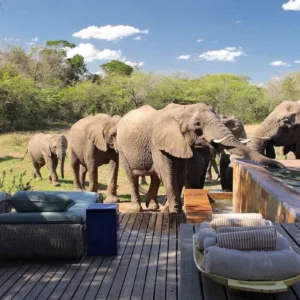
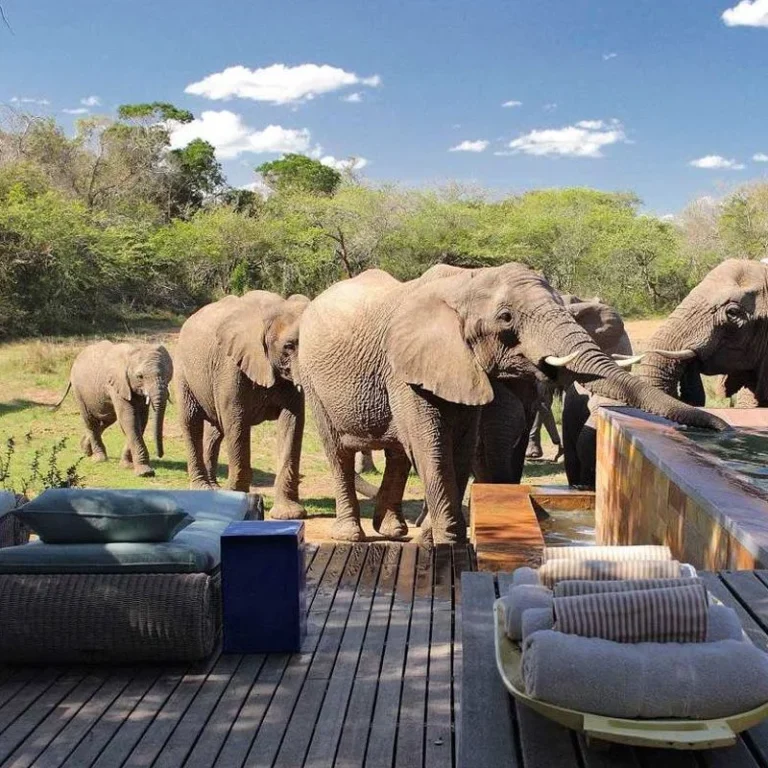
Serengeti accommodation ranges from luxury lodges and tented camps to budget campsites, catering to all travelers. Discover and book a popular “Serengeti luxury lodges,” “best safari camps,” and “affordable Tanzania safari accommodation.” Tanzania Serengeti Luxury safari lodge and camps options offer premium amenities, private guides, and stunning views, while mid-range camps balance comfort and cost. Mobile camps follow the Great Migration, providing front-row wildlife experiences. Location is key—Central Serengeti is ideal year-round, while Northern and Southern regions depend on migration patterns. Choosing the right accommodation enhances your safari experience, ensuring comfort, convenience, and unforgettable wildlife encounters in the heart of the Serengeti.
Budget camping & lodges
Affordable, adventurous and close to nature.
Mid-range lodges & tented camps
Comfort, good food and convenient locations.
Luxury tented camps & lodges
Spacious suites, personal service and prime wildlife areas.
Exclusive-use camps & villas
Complete privacy, private guides and bespoke experiences.
Planning your Serengeti Safari Itinerary: Must-See Destinations
A well-crafted Serengeti safari itinerary includes iconic destinations across the ecosystem. Explore Central Serengeti (Seronera) for year-round wildlife, Southern Serengeti (Ndutu area) for calving season, the Western Corridor for river crossings, and Northern Serengeti for dramatic migration scenes. Combine your trip with Ngorongoro Crater, Lake Manyara National Park, and Tarangire National Park for a complete Northern Circuit safari. Explore and discover our best “Serengeti safari itinerary,” “Tanzania safari route,” and “best places in Serengeti” to guide travelers. Including diverse landscapes and wildlife hotspots ensures a rich, immersive experience, maximizing your chances of seeing the Big Five and the Great Migration.
- ArushaGateway
- TarangireElephants
- NgorongoroCrater
- SerengetiBig Five
- ZanzibarBeach
How long should a Serengeti Safari be
The ideal length of a Serengeti safari depends on your travel goals and budget. Most travelers choose 3–5 days within the park, often combined with other Northern Circuit destinations. Searches like “how many days in Serengeti,” “Tanzania safari duration,” and “best safari itinerary length” are common. Short Serengeti safari trips focus on the Central Serengeti, while longer safaris explore multiple regions and migration routes. For a comprehensive experience, 7–10 days Serengeti Safari Tours across Tanzania is recommended. This allows time for game drives, relaxation, and cultural experiences. A well-paced, unforgettable classic Serengeti Safari itinerary ensures you fully appreciate the Serengeti’s vast landscapes and the extraordinary Serengeti big five wildlife Safari.
What wildlife can you expect to encounter?
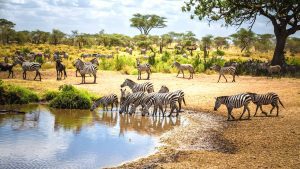
Serengeti National Park is home to incredible wildlife diversity, making it a top destination for African safaris. Expect to see the Big Five, along with cheetahs, hyenas, giraffes, zebras, and countless bird species. The park hosts over two million animals, offering some of the best game viewing in Africa for your best spotting of unique Serengeti wildlife.Predator-prey interactions are common, providing thrilling safari moments. Whether on a game drive or guided walk, the Serengeti promises unforgettable encounters with nature’s most iconic species. Also, Serengeti National Park is a premier birdwatching destination, boasting over 500 resident and migratory bird species across its diverse grasslands, woodlands, and wetlands. Key, must-see species include the endemic Fischer’s lovebird, grey-breasted spurfowl, and rufous-tailed weaver, along with iconic raptors like the secretary bird and large Kori bustard.
Witnessing the Serengeti Great Migration
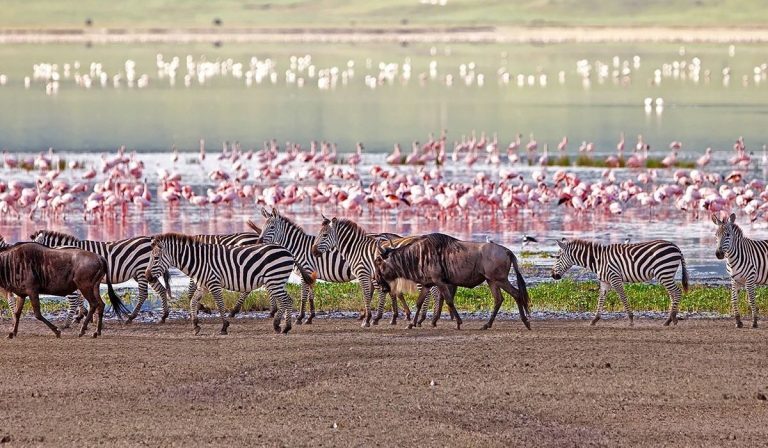
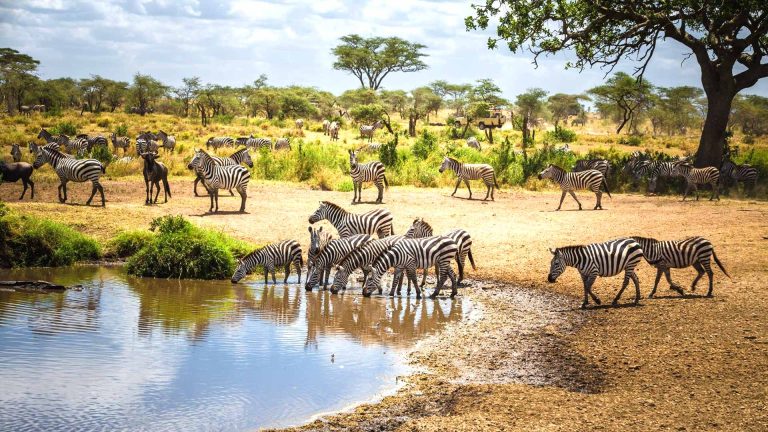
The Serengeti Great Migration is one of the most spectacular wildlife events on Earth. Millions of wildebeest, zebras, and gazelles move in a circular pattern across the Serengeti and Maasai Mara in search of fresh grazing. River crossings, especially at the Mara River, are dramatic highlights filled with predator action. Dec – March (Southern Serengeti/Ndutu): Calving season. Hundreds of thousands of calves are born, attracting predators. April – May (Central/Western Serengeti): Herds move northwest, grazing through the Moru Kopjes and moving toward the Grumeti River. June – July (Western Corridor/Grumeti River): The herds often halt at the Grumeti River, facing crocodile-infested waters before continuing north. July – October (Northern Serengeti/Maasai Mara): The dramatic, high-risk Mara River crossings occur as herds move into Kenya's Maasai Mara, with many animals returning south by October. Nov – Dec (Southern Serengeti): The herds return to the short-grass plains of the south, driven by the new rains. “Great Migration safari,” wildebeest migration Serengeti,” and “best time to see migration” attract global travelers. Timing and location are crucial, so working with experienced guides ensures you witness this breathtaking natural phenomenon at its peak.
Essential Serengeti Safari Packing List
Packing for a Serengeti safari requires careful preparation for comfort and practicality. Evenings can be cool, so bring layers. Don’t forget insect repellent and personal medications. Soft-sided luggage is recommended for small aircraft flights. Proper packing ensures a comfortable and enjoyable safari experience, allowing you to focus on wildlife viewing and adventure without unnecessary stress. Do not pack camouflage clothing, bright colors, heavy denim, or excessive formal wear for a Serengeti safari. Avoid bringing plastic bags (banned in Tanzania), high-value jewelry, heavy suitcases, or non-essential electronics. Focus on neutral-toned, breathable, layered clothing to manage dust, sun, and cold mornings while avoiding insects.
Serengeti National Park Health and Safety Tips
Health and safety are vital when visiting Serengeti National Park. Travelers should consult doctors for vaccinations and malaria prevention before, follow guide instructions during game drives, and avoid walking alone in wildlife areas, like Serengeti safari safety tips, “Tanzania travel health,” and “Serengeti safety guide” are essential for planning. Drink bottled water, use sunscreen, and stay hydrated. Travel insurance is highly recommended. Reputable safari operators prioritize safety, ensuring a secure and enjoyable experience. With proper precautions, the Serengeti remains a safe and rewarding destination for all travelers.
Tipping in Serengeti National Park
Tipping is a customary part of the Serengeti safari experience. Typical Serengeti Tanzania Safari tips range from $10–$20 per day for guides and smaller amounts for staff. Tips are usually given in US dollars or Tanzanian shillings. While not mandatory, tipping shows appreciation for excellent service. Understanding local tipping practices enhances your travel experience and supports the hardworking people behind your unforgettable safari.
Serengeti National Park Cultural Etiquette
Respecting local culture is essential when visiting the Serengeti region. The Maasai people are among the most recognized communities living near the park for a full immersed on a Tanzania cultural etiquette, “Maasai culture safari,” and “responsible tourism Africa” are important for travelers. Dress modestly when visiting villages, ask permission before taking photos, and respect traditions. Learning basic Swahili phrases like “Asante” (thank you) enhances interactions. Cultural sensitivity fosters meaningful connections and supports sustainable tourism, making your Serengeti safari more enriching and respectful.
Serengeti National Park Visa Requirements and Travel Documents
Travelers visiting Tanzania need a valid passport and visa. Most nationalities can apply for a Tanzania eVisa online or obtain one on arrival. Ensure your passport is valid for at least six months and has blank pages. Carry travel insurance and vaccination certificates if required. Staying informed about entry requirements ensures a smooth journey. Proper documentation is essential for stress-free travel to the Serengeti and beyond.
What to do in Serengeti National Park
There are countless activities to enjoy in Serengeti National Park. Game drives are the highlight, offering close encounters with wildlife. Hot air balloon safaris provide breathtaking aerial views of the plains. Guided walking safaris and cultural visits add depth to your experience to discover the unique “things to do in Serengeti,” “Serengeti safari activities,” and “Tanzania adventure travel” attract global audiences. Photography safaris, birdwatching, and luxury lodge experiences complete the journey. Whether seeking adventure or relaxation, the Serengeti offers unforgettable moments in one of Africa’s most iconic landscapes.
Final Thought
An unforgettable journey to Serengeti National Park is more than just a vacation—it’s a life-changing African safari experience filled with raw beauty, thrilling wildlife encounters, and timeless landscapes. Whether you choose a luxury safari lodge, mid-range tented camp, or budget-friendly adventure, the Serengeti delivers unmatched value and authenticity. By planning—selecting the best season, choosing trusted safari operators, and tailoring your itinerary—you unlock the magic of Tanzania’s most famous destination. From witnessing the Great Migration to spotting the Big Five, every moment becomes a story worth telling. For travelers seeking the ultimate bucket-list safari, the Serengeti stands as Africa’s crown jewel, offering memories, photos, and experiences that last a lifetime. Start planning today and turn your dream safari into reality.
All you need to know to plan an epic Serengeti Safari: FAQs
Where is Serengeti National Park?
Serengeti National Park lies in northern Tanzania, stretching toward the border of Kenya, where it connects with the famous Maasai Mara National Reserve. This UNESCO World Heritage Site is one of Africa’s most iconic safari destinations, renowned for endless golden plains and exceptional wildlife density.
How do I get to Serengeti National Park?
Getting to Serengeti National Park is straightforward with multiple travel options. Most international travelers arrive via Kilimanjaro International Airport or Julius Nyerere International Airport. From Arusha, visitors can take a scenic drive or book a domestic flight to airstrips like Seronera or Kogatende. Fly-in safaris are popular for luxury travelers seeking convenience, while road safaris offer immersive landscapes through the Ngorongoro Highlands.
Why choose the Serengeti for your Safari?
Choosing Serengeti National Park means experiencing one of the best safari destinations in Africa. The park offers unmatched wildlife viewing, including the Big Five—lion, leopard, elephant, buffalo, and rhino. Its vast plains create cinematic landscapes perfect for photography safaris and luxury travel experiences.
What should you know about choosing the right Serengeti accommodation?
Serengeti accommodation ranges from luxury lodges and tented camps to budget campsites, catering to all travelers. Discover and book a popular “Serengeti luxury lodges,” “best safari camps,” and “affordable Tanzania safari accommodation.” Tanzania Serengeti Luxury safari lodge and camps options offer premium amenities, private guides, and stunning views, while mid-range camps balance comfort and cost.
How long should a Serengeti Safari be?
The ideal length of a Serengeti safari depends on your travel goals and budget. Most travelers choose 3–5 days within the park, often combined with other Northern Circuit destinations. Searches like “how many days in Serengeti,” “Tanzania safari duration,” and “best safari itinerary length” are common.
What should you know about witnessing the Serengeti Great migration?
The Serengeti Great Migration is one of the most spectacular wildlife events on Earth. Millions of wildebeest, zebras, and gazelles move in a circular pattern across the Serengeti and Maasai Mara in search of fresh grazing. River crossings, especially at the Mara River, are dramatic highlights filled with predator action.
What are the Serengeti National park health and safety tips?
Health and safety are vital when visiting Serengeti National Park. Travelers should consult doctors for vaccinations and malaria prevention before, follow guide instructions during game drives, and avoid walking alone in wildlife areas, like Serengeti safari safety tips, “Tanzania travel health,” and “Serengeti safety guide” are essential for planning.
What can you expect from Serengeti National park cultural etiquette?
Respecting local culture is essential when visiting the Serengeti region. The Maasai people are among the most recognized communities living near the park for a full immersed on a Tanzania cultural etiquette, “Maasai culture safari,” and “responsible tourism Africa” are important for travelers. Dress modestly when visiting villages, ask permission before taking photos, and respect traditions.
Plan Your Private Tanzania Safari
Tell us your travel dates, interests and budget, and our local team will design a private tailor-made safari around you.