The snows of Kilimanjaro” by Ernest Hemingway
The snows of Kilimanjaro” by Ernest Hemingway
“The Snows of Kilimanjaro” by Ernest Hemingway remains one of the most celebrated African literary classics ever written. Set beneath the majestic slopes of Mount Kilimanjaro, the story combines adventure, African safari landscapes, love, regret, survival, and the search for meaning. The famous short story captures the beauty of Tanzania’s wilderness, featuring snow-capped Kilimanjaro, golden savannahs, wildlife safaris, and remote safari camps. Hemingway’s vivid storytelling helped make Kilimanjaro one of Africa’s most iconic travel and literary destinations. Readers searching for African safari stories, Kilimanjaro travel inspiration, classic American literature, and African adventure tales continue to discover this masterpiece. The story’s emotional depth, symbolism, and unforgettable imagery have secured its place among the greatest works in twentieth-century world literature and African-inspired fiction.
Ernest Hemingway and African Inspiration
Ernest Hemingway drew major inspiration from his East African safari experiences while traveling through Kenya and Tanzania. His fascination with African wildlife, endless plains, mountain landscapes, and safari adventures deeply shaped “The Snows of Kilimanjaro.” Hemingway transformed real safari encounters into timeless literary art, creating one of the most famous African stories ever published. The author’s vivid descriptions of lions, vultures, hyenas, acacia trees, and the legendary snow-covered summit of Mount Kilimanjaro continue inspiring travelers and literature enthusiasts worldwide. His storytelling reflects both the beauty and harshness of the African wilderness. Hemingway’s African journeys also influenced his broader literary career, strengthening his reputation as a master of adventure writing, travel literature, and emotional realism. Today, the story remains strongly connected to Tanzania safari tourism and Kilimanjaro travel experiences.
The Meaning Behind Kilimanjaro’s Snow
In “The Snows of Kilimanjaro,” the snow symbolizes purity, redemption, ambition, and spiritual elevation. Hemingway uses the snowy summit of Mount Kilimanjaro as a powerful literary symbol representing the ideal life the protagonist longs for but struggles to achieve. Kilimanjaro’s icy peak rises above the African plains like a sacred monument, contrasting with human weakness and regret. The mountain’s white snow also reflects untouched beauty, inspiring readers fascinated by Kilimanjaro climbing adventures, Tanzania travel, and African safari landscapes. Hemingway’s symbolic use of Africa’s tallest mountain helped popularize Kilimanjaro globally, transforming it into both a literary icon and a dream trekking destination. Modern travelers searching for Kilimanjaro expeditions, luxury safaris, or African cultural experiences often encounter the story before planning their journeys, proving its lasting influence on global tourism and classic adventure literature.
The Story’s Main Character
The central character in “The Snows of Kilimanjaro” is Harry, a writer facing illness and deep personal reflection while stranded on an African safari. As he lies near death, Harry remembers missed opportunities, failed ambitions, lost love, and unwritten stories. Hemingway creates a complex character whose emotional struggles connect strongly with readers worldwide. Harry’s memories reveal themes of regret, creativity, success, and the search for purpose, making the story emotionally powerful and timeless. The dramatic safari setting near Mount Kilimanjaro intensifies his inner conflict, blending African wilderness with psychological exploration. Hemingway’s realistic writing style and emotional storytelling helped establish the short story as a masterpiece of modern literature. Readers interested in African safari fiction, literary symbolism, emotional storytelling, and classic American writing continue exploring Harry’s unforgettable journey beneath Kilimanjaro’s legendary snowy summit.
African Safari Setting and Atmosphere
The African safari environment plays a vital role in “The Snows of Kilimanjaro.” Hemingway paints breathtaking images of vast savannahs, wildlife-filled plains, safari camps, distant mountains, and dramatic African sunsets. The natural setting around Mount Kilimanjaro creates a rich atmosphere filled with both beauty and danger. Hyenas roam the camp at night, vultures circle overhead, and the wilderness feels mysterious and untamed. These vivid safari descriptions continue inspiring travelers seeking Tanzania safari tours, luxury African safaris, and authentic wildlife adventures. Hemingway’s attention to environmental detail immerses readers in East Africa’s extraordinary landscapes while emphasizing the isolation experienced by the story’s characters. The combination of African wildlife, emotional tension, and Kilimanjaro’s snowy backdrop helped establish the story as one of the greatest literary portrayals of safari life and adventure travel in Africa.
Themes of Regret and Lost Potential
One of the strongest themes in “The Snows of Kilimanjaro” is regret. Harry reflects on how fear, comfort, wealth, and distraction prevented him from achieving his creative dreams. Hemingway explores the pain of wasted talent and missed opportunities through powerful memories and emotional introspection. The African wilderness surrounding Mount Kilimanjaro becomes a symbolic place where truth cannot be avoided. Readers connect deeply with Harry’s struggle because the story addresses universal human fears about failure, ambition, and unfinished goals. Hemingway’s emotional realism makes the narrative highly relatable despite its exotic safari setting. This combination of African adventure and psychological depth has made the story famous among literature students, travel readers, and Hemingway enthusiasts. The timeless themes continue attracting readers searching for inspirational literature, meaningful storytelling, and classic African safari fiction connected to Kilimanjaro.
Symbolism Throughout the Story
Hemingway fills “The Snows of Kilimanjaro” with rich literary symbolism. The snow represents purity and unattainable ideals, while the hyena symbolizes death, decay, and fear. The African plains surrounding Mount Kilimanjaro symbolize both freedom and isolation. Hemingway’s minimalist writing style allows symbols to emerge naturally, giving readers deeper emotional and philosophical meanings to explore. The mountain itself stands as a spiritual destination, towering above human suffering and worldly distractions. Hemingway’s symbolic storytelling helped elevate the short story into a literary masterpiece studied in schools and universities worldwide. Readers searching for literary analysis, Hemingway symbolism, African literature, and classic adventure fiction continue discovering new interpretations of the story. The balance between emotional realism, African safari imagery, and layered symbolism remains one of the most admired achievements in modern literary history and travel-inspired storytelling.
Love and Relationships in the Story
Relationships play an important emotional role in “The Snows of Kilimanjaro.” Harry’s interactions with Helen reveal themes of love, dependence, guilt, and emotional conflict. Although Helen genuinely cares for him, Harry struggles with bitterness and self-criticism. Hemingway explores how relationships can provide comfort while also exposing personal insecurities and regrets. Against the dramatic backdrop of Mount Kilimanjaro and the African wilderness, the couple’s emotional tension becomes even more powerful. The isolation of safari life intensifies every conversation, emotion, and memory. Hemingway’s realistic portrayal of human relationships adds emotional depth to the adventure narrative, making the story resonate beyond its safari setting. Readers interested in classic love stories, emotional literature, African safari fiction, and psychological storytelling continue appreciating the complex relationship dynamics that help make this Hemingway masterpiece unforgettable and emotionally compelling across generations.
Kilimanjaro as a Literary Icon
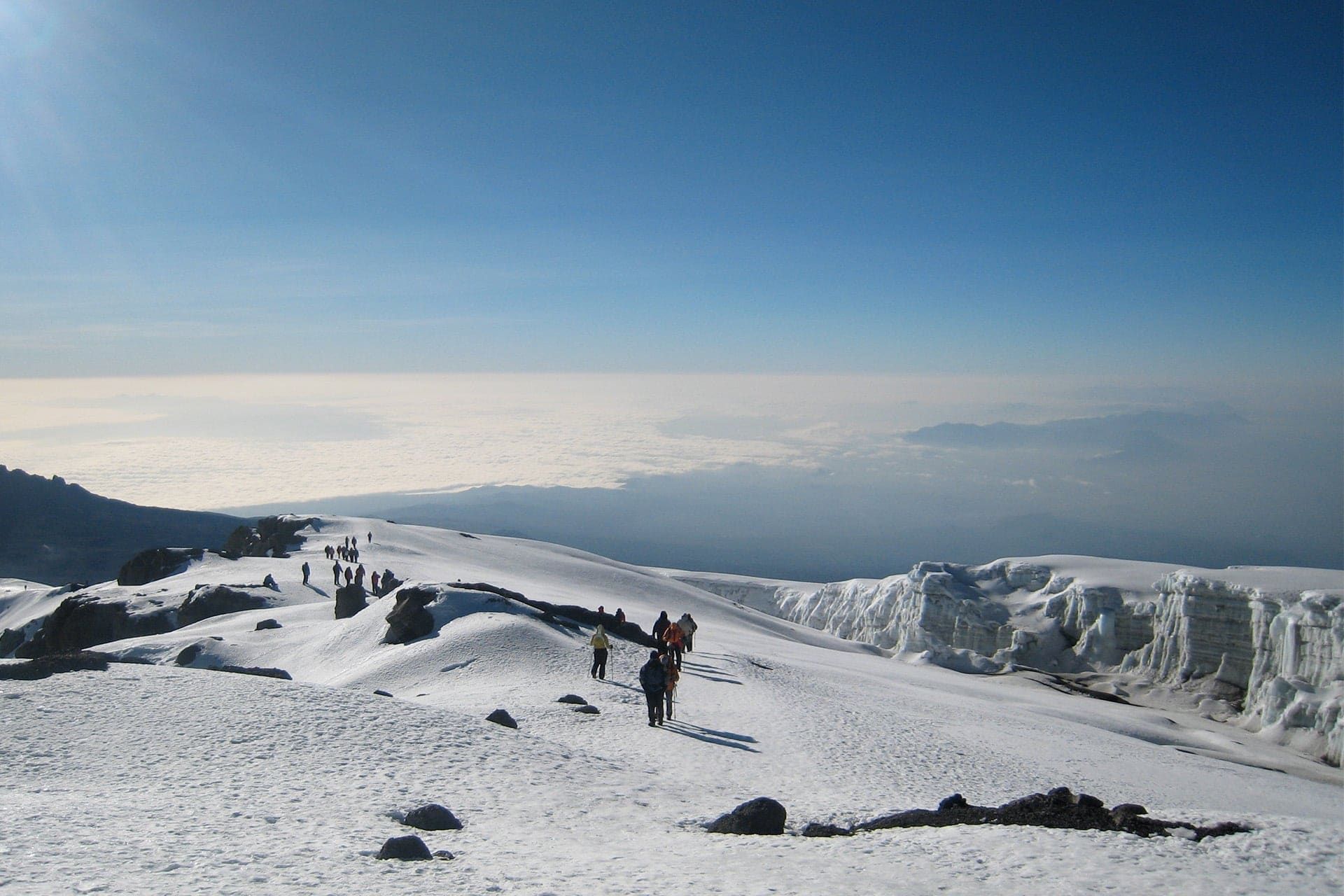
“The Snows of Kilimanjaro” helped transform Mount Kilimanjaro into one of the world’s most recognizable literary landmarks. Long before social media and modern tourism marketing, Hemingway introduced global readers to the mountain’s beauty, mystery, and spiritual symbolism. Today, Kilimanjaro attracts climbers, photographers, safari travelers, and literary enthusiasts inspired by the famous story. The mountain’s glaciers, alpine deserts, rainforests, and panoramic views continue matching Hemingway’s unforgettable descriptions. Tourism companies frequently reference the story when promoting Kilimanjaro trekking tours and Tanzania safari holidays. The connection between literature and travel has strengthened Kilimanjaro’s reputation as both a physical and symbolic destination. Hemingway’s work demonstrates how storytelling can shape global perceptions of places and inspire generations of travelers. The story remains essential reading for visitors interested in African adventure, classic literature, and Tanzania’s extraordinary natural beauty.
Writing Style and Narrative Technique
Ernest Hemingway uses his famous minimalist writing style throughout “The Snows of Kilimanjaro.” His simple sentences, sharp dialogue, and emotional restraint create a powerful reading experience filled with hidden meaning. Hemingway avoids excessive description while still painting vivid images of African safari landscapes and human emotion. The story shifts between present events and Harry’s memories, creating a layered narrative structure that feels both intimate and reflective. The dramatic setting near Mount Kilimanjaro strengthens the story’s emotional impact without overshadowing the characters. Hemingway’s technique allows readers to interpret deeper meanings independently, making the story highly engaging and intellectually rewarding. His unique literary style influenced countless writers worldwide and helped establish modern American fiction. The story remains widely studied for its narrative craftsmanship, symbolism, and emotionally controlled storytelling approach.
Influence on African Travel Literature
“The Snows of Kilimanjaro” significantly influenced African travel writing and safari literature. Hemingway’s vivid descriptions of East African landscapes inspired generations of writers, filmmakers, adventurers, and travelers. The story helped popularize Tanzania safaris, Kilimanjaro expeditions, and luxury African travel experiences among international audiences. Readers became fascinated with African wildlife, remote safari camps, and the mystery surrounding Mount Kilimanjaro after encountering Hemingway’s unforgettable imagery. Many modern travel articles, safari documentaries, and Kilimanjaro travel guides still reference the story today. Hemingway blended emotional storytelling with authentic safari atmosphere, creating a powerful model for future travel literature. His work demonstrated that adventure writing could also explore deep human emotions and philosophical themes. The story continues influencing tourism marketing, literary discussions, and African cultural storytelling, proving its lasting importance within both literature and global travel inspiration.
Lessons Readers Learn from the Story
Readers of “The Snows of Kilimanjaro” often reflect on important life lessons about ambition, creativity, relationships, and personal fulfillment. Hemingway encourages readers to value meaningful experiences, pursue their passions, and avoid wasting opportunities. Harry’s regrets serve as a warning about becoming trapped by comfort, fear, or distraction. The majestic presence of Mount Kilimanjaro symbolizes the pursuit of higher purpose and spiritual clarity. The story’s emotional honesty resonates with readers from different cultures and generations because it addresses universal human struggles. Hemingway combines adventure, African safari imagery, and psychological insight to create a deeply thought-provoking narrative. Travelers planning Kilimanjaro climbs or Tanzania safaris often connect personally with the story’s themes while exploring the same landscapes described in the narrative. This emotional relevance continues making the story meaningful in modern literature and travel culture.
Why the Story Remains Famous Today
“The Snows of Kilimanjaro” remains famous because it combines timeless themes, unforgettable African scenery, emotional depth, and masterful storytelling. Hemingway’s exploration of regret, ambition, mortality, and artistic purpose continues resonating with modern readers worldwide. The story’s setting near Mount Kilimanjaro adds adventure, mystery, and natural beauty that appeal to travelers and literature enthusiasts alike. Schools, universities, and literary critics continue studying the story for its symbolism, narrative structure, and emotional realism. Meanwhile, tourism industries use Hemingway’s famous imagery to promote Kilimanjaro trekking, Tanzania safari holidays, and East African travel experiences. The story’s ability to blend human emotion with spectacular African landscapes ensures its lasting popularity. Hemingway created a literary masterpiece that continues inspiring readers, adventurers, writers, and travelers nearly a century after its original publication in 1936.
The Connection Between Literature and Tourism
“The Snows of Kilimanjaro” demonstrates how literature can influence tourism and shape global travel dreams. Hemingway’s portrayal of African safari life and the snowy summit of Mount Kilimanjaro inspired countless travelers to visit Tanzania and experience East Africa firsthand. Literary tourism has become increasingly popular, with many visitors seeking destinations connected to famous books and writers. Kilimanjaro trekking tours, Serengeti safaris, and luxury lodge experiences often reference Hemingway’s story to attract international tourists. The emotional power of literature helps travelers form deeper connections with destinations before they even arrive. Hemingway’s storytelling transformed Kilimanjaro into more than a mountain; it became a symbol of adventure, beauty, and personal discovery. This strong relationship between literature and tourism continues benefiting Tanzania’s travel industry while preserving Hemingway’s legacy within African safari culture and world literature.
Final Thought
“The Snows of Kilimanjaro” by Ernest Hemingway remains a timeless masterpiece that beautifully combines African safari adventure, emotional reflection, literary symbolism, and the breathtaking presence of Mount Kilimanjaro. The story continues inspiring readers, travelers, climbers, and writers through its unforgettable descriptions of Tanzania’s wilderness and its exploration of ambition, regret, love, and mortality. Hemingway’s vivid portrayal of Kilimanjaro helped establish the mountain as one of Africa’s most iconic travel destinations and literary symbols. Today, the story remains highly relevant for readers searching for classic literature, African safari inspiration, Kilimanjaro travel experiences, and meaningful storytelling. Its enduring influence on literature, tourism, and adventure culture proves why “The Snows of Kilimanjaro” continues standing among the greatest short stories ever written in modern literary history.
The snows of Kilimanjaro” by Ernest Hemingway: FAQs
What should you know about Ernest Hemingway and African inspiration?
Ernest Hemingway drew major inspiration from his East African safari experiences while traveling through Kenya and Tanzania. His fascination with African wildlife, endless plains, mountain landscapes, and safari adventures deeply shaped “The Snows of Kilimanjaro.” Hemingway transformed real safari encounters into timeless literary art, creating one of the most famous African stories ever published.
What can you expect from the meaning Behind Kilimanjaro’s snow?
In “The Snows of Kilimanjaro,” the snow symbolizes purity, redemption, ambition, and spiritual elevation. Hemingway uses the snowy summit of Mount Kilimanjaro as a powerful literary symbol representing the ideal life the protagonist longs for but struggles to achieve. Kilimanjaro’s icy peak rises above the African plains like a sacred monument, contrasting with human weakness and regret.
What should you know about the story’s Main character on Kilimanjaro?
The central character in “The Snows of Kilimanjaro” is Harry, a writer facing illness and deep personal reflection while stranded on an African safari. As he lies near death, Harry remembers missed opportunities, failed ambitions, lost love, and unwritten stories. Hemingway creates a complex character whose emotional struggles connect strongly with readers worldwide.
What is the African safari setting and atmosphere on Kilimanjaro like?
The African safari environment plays a vital role in “The Snows of Kilimanjaro.” Hemingway paints breathtaking images of vast savannahs, wildlife-filled plains, safari camps, distant mountains, and dramatic African sunsets. The natural setting around Mount Kilimanjaro creates a rich atmosphere filled with both beauty and danger.
What can you expect from themes of regret and lost Potential on Kilimanjaro?
One of the strongest themes in “The Snows of Kilimanjaro” is regret. Harry reflects on how fear, comfort, wealth, and distraction prevented him from achieving his creative dreams. Hemingway explores the pain of wasted talent and missed opportunities through powerful memories and emotional introspection. The African wilderness surrounding Mount Kilimanjaro becomes a symbolic place where truth cannot be avoided.
What should you know about symbolism throughout the story on Kilimanjaro?
Hemingway fills “The Snows of Kilimanjaro” with rich literary symbolism. The snow represents purity and unattainable ideals, while the hyena symbolizes death, decay, and fear. The African plains surrounding Mount Kilimanjaro symbolize both freedom and isolation. Hemingway’s minimalist writing style allows symbols to emerge naturally, giving readers deeper emotional and philosophical meanings to explore.
What can you expect from love and relationships in the story on Kilimanjaro?
Relationships play an important emotional role in “The Snows of Kilimanjaro.” Harry’s interactions with Helen reveal themes of love, dependence, guilt, and emotional conflict. Although Helen genuinely cares for him, Harry struggles with bitterness and self-criticism. Hemingway explores how relationships can provide comfort while also exposing personal insecurities and regrets.
What should you know about Kilimanjaro as a literary icon?
“The Snows of Kilimanjaro” helped transform Mount Kilimanjaro into one of the world’s most recognizable literary landmarks. Long before social media and modern tourism marketing, Hemingway introduced global readers to the mountain’s beauty, mystery, and spiritual symbolism. Today, Kilimanjaro attracts climbers, photographers, safari travelers, and literary enthusiasts inspired by the famous story.
Climb Kilimanjaro With Confidence
Tell us your dates and fitness, and our experienced mountain team will plan a safe, well-acclimatized private climb.