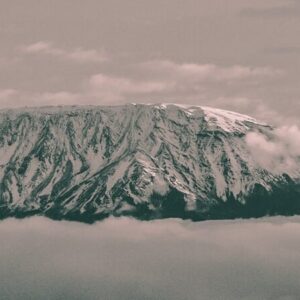
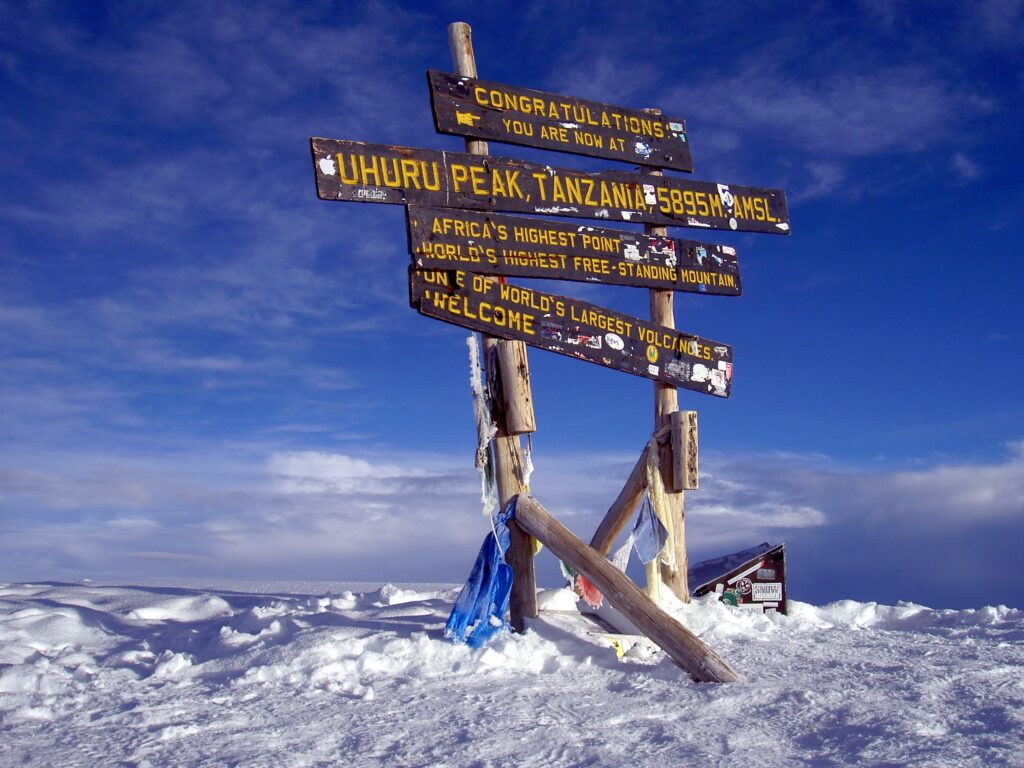
Mount Kilimanjaro, Africa’s tallest peak and the world’s highest free‑standing mountain, attracts trekkers from across the globe seeking an unforgettable adventure. Choosing the best Kilimanjaro route is one of the most important decisions for your climb. Each Kilimanjaro trekking route offers unique landscapes, distinct difficulty levels, acclimatization advantages, and scenery that ranges from rainforest jungles to alpine deserts and lunar summits. Whether you’re looking for panoramic views, higher success rates, or a quieter trail experience, there’s a route that suits your style and fitness level. Understanding the pros and cons of each Kilimanjaro route helps climbers pick the right path to Kilimanjaro summit success. In this guide, we explore the Lemosho, Machame, Marangu, Rongai, Shira, Northern Circuit, and Umbwe routes in detail, so you can choose the perfect Kilimanjaro journey for your adventure travel goals.
1. Lemosho Route
The Lemosho Route is widely recognized as one of the most scenic and rewarding Kilimanjaro climbing routes. Starting on the western side of Kilimanjaro, the trail enters through lush forests and gradually ascends through moorland and alpine deserts before reaching high mountain ridges. One of the biggest advantages is its excellent acclimatization profile, especially on the longer 8‑day itinerary, which significantly increases your chances of successful summit attempts. The gentle rise and stunning views of Shira Plateau make Lemosho particularly popular with photographers and nature lovers. However, this route is longer than others, so it demands more time, and with more scenic stops, it can be physically and mentally challenging for some climbers. Logistically, Lemosho is slightly more remote than routes like Marangu or Machame, which can add to travel time. Overall, Lemosho is ideal for adventurers seeking beauty, higher success rates, and a balanced trekking experience on Mount Kilimanjaro.
2. Machame Route
The Machame Route, often called the “Whiskey Route,” is one of the most popular climbing trails on Kilimanjaro. Known for its incredible panoramic views and varied landscapes, Machame offers dramatic scenery from rainforest to alpine desert. This route’s popularity stems from its balance of challenge and beauty, appealing to both experienced hikers and first‑time Kilimanjaro climbers. The acclimatization strategy, especially on the 7‑day itinerary, includes a climb‑high, sleep‑low approach, which increases summit success. Unlike the Marangu Route, Machame requires trekking in and out, meaning no hut accommodations—only tents—which many climbers see as part of the authentic mountain experience. However, the trail is steep in sections, particularly Barranco Wall, and can be physically demanding. Machame also tends to be busier during peak seasons, which may affect the sense of wilderness. Despite this, Machame remains a top choice due to its scenic diversity, satisfying challenge, and strong support from experienced guides and crews.
3. Marangu Route
The Marangu Route, also known as the “Coca‑Cola Route,” is one of Kilimanjaro’s oldest and most established trails. It’s famed for offering hut accommodations, which are dormitory‑style shelters along the way—making it appealing for climbers who prefer not to camp. Marangu’s more direct path and gentler gradients on some sections make it one of the easier climbs in terms of technical trekking. However, the route’s relative ease shouldn’t be mistaken for simplicity; altitude remains the biggest challenge, and many climbers experience difficulty without proper acclimatization. Since Marangu is shorter and more direct, this can increase the risk of altitude sickness compared with longer routes like Lemosho or Northern Circuit. Another downside is that Marangu is one of the busiest routes, which may reduce the sense of solitude and wilderness. Despite these challenges, Marangu remains popular for first‑time Kilimanjaro climbers and those looking for budget‑friendly, hut‑based trekking with clear paths and reliable support infrastructure.
4. Rongai Route
The Rongai Route is distinctive as Kilimanjaro’s only trail that approaches from the northern side near the Kenya border. Known for its quieter, less crowded terrain, Rongai offers a more peaceful trekking experience compared with busy Machame and Marangu routes. The trail features gentle ascents and gradual elevation gain, providing a more comfortable acclimatization profile, especially beneficial for climbers concerned about altitude sickness. Rongai’s landscape boasts semi‑arid plains, open views, and a diverse range of flora and fauna. One of its advantages is often better weather on the northern slopes, which can mean clearer views near the summit. However, Rongai’s views, while beautiful, are sometimes perceived as less dramatic than the western and southern circuit panoramas. Additionally, Rongai is slightly longer in distance, which can feel repetitive for some trekkers. Overall, Rongai is an excellent choice for climbers seeking a gentler, quieter, and high‑success‑rate Kilimanjaro route with unique northern scenery.
5. Shira Route
The Shira Route approaches Kilimanjaro from the west, similar to Lemosho, but starts at a much higher elevation. This makes it a shorter and less common option for climbers with limited time. The early high starting point means you quickly enter the open moorland and vast Shira Plateau, which offers sweeping panoramic views and a dramatic sense of space. Shira’s primary advantage is its relatively direct access to high elevations, which can appeal to experienced trekkers who want a shorter, scenic route. However, starting high also increases the risk of altitude sickness due to less gradual acclimatization. For this reason, many trekkers combine Shira with additional acclimatization days or merge it into extended routes like the Lemosho‑Shira or Northern Circuit for better acclimatization. Fewer trekkers choose Shira exclusively, so it’s quieter but requires attention to altitude management. In summary, Shira is best for seasoned hikers seeking wide open landscapes, dramatic plateaus, and efficient summit access with proper acclimatization plans.
6. Northern Circuit Route
The Northern Circuit is the newest and longest of the Kilimanjaro trekking routes, offering the most comprehensive acclimatization and the highest summit success rates. Making a wide loop around the northern slopes, it combines elements of Lemosho and Shira while adding new sections rarely seen by trekkers. This extended trail provides uninterrupted panoramic views, gentle ascents, and a slower climb that significantly improves the body’s ability to adapt to altitude. This route is ideal for climbers who want solitude, remarkable scenery, and a higher chance of reaching Uhuru Peak. On the downside, the Northern Circuit requires more time—usually 9–10 days—and is more expensive due to additional camping logistics. The distance covered and remote sections also demand better physical endurance. Despite these factors, for serious adventurers prioritizing acclimatization, scenery, and summit success, the Northern Circuit is often considered the ultimate Kilimanjaro route.
7. Umbwe Route
The Umbwe Route is widely regarded as the most challenging and steepest path on Kilimanjaro. It begins on the southern side and ascends rapidly through dense rainforest, which means less time for acclimatization compared with other routes. This steep climb makes Umbwe a demanding option, best suited for experienced trekkers with strong fitness levels. The trail is less crowded, offering a more rugged and wild experience. Climbers are rewarded with dramatic terrain and raw mountain landscapes, but altitude sickness risk is higher, especially without careful pacing. Guides often recommend combining Umbwe with longer acclimatization routes or adding extra days to improve safety. Umbwe’s toughest sections, including steep scrambles and difficult terrain near Barranco Wall, can test even seasoned hikers. In summary, Umbwe is not recommended for beginners or those concerned about altitude; instead, it’s a challenging, high‑adrenaline Kilimanjaro route for seasoned climbers seeking solitude and rugged adventure.
Which is the best Kilimanjaro route?
The best Kilimanjaro route depends on your goals, fitness, and experience. The Machame Route, often called the “Whiskey Route,” is widely recommended for first-timers and seasoned climbers alike. Known for its high success rate, scenic views, and acclimatization-friendly itinerary, it combines adventure with breathtaking landscapes. Other popular options include Lemosho, Marangu, Rongai, and Shira routes. Choosing the best Mount Kilimanjaro route ensures an unforgettable climb, high summit success, and a safe, well-paced journey across Tanzania’s iconic Kilimanjaro National Park.How long does it take to climb?
Climbing Mount Kilimanjaro typically takes between 5 to 9 days, depending on the route. Shorter routes like Marangu may be completed in 5–6 days, while scenic routes like Lemosho or Machame often require 7–8 days for proper acclimatization. Longer itineraries increase summit success and reduce altitude sickness risks. Most travelers start from Arusha or Moshi, trekking through Kilimanjaro National Park, enjoying diverse ecosystems from rainforest to alpine desert, and reaching the breathtaking Uhuru Peak in a safe, well-paced adventure.Which Kilimanjaro route has the highest success rate?
The Kilimanjaro route with the highest success rate is the Machame Route, followed closely by Lemosho. Their multi-day itineraries allow gradual acclimatization, giving climbers the best chance of reaching Uhuru Peak. The Marangu Route is shorter but has a slightly lower success rate due to rapid altitude gain. Climbers seeking a high-probability summit experience often choose Machame or Lemosho, benefiting from scenic diversity, supportive guides, and well-planned camps, making these routes ideal for both first-time hikers and experienced trekkers aiming for Kilimanjaro summit success.
Which Kilimanjaro route is the most scenic?
The most scenic Kilimanjaro routes are Lemosho and Machame, offering breathtaking landscapes and diverse ecosystems. Trekkers pass through lush rainforests, moorlands, alpine deserts, and dramatic volcanic ridges. Views of Shira Plateau, Lava Tower, and the Western Breach highlight Kilimanjaro’s natural beauty. Rongai and Shira routes also provide unique perspectives and quieter paths. Scenic routes combine adventure with photography opportunities, wildlife sightings, and cultural encounters, making these Kilimanjaro climbs a bucket-list experience. Choose the route that balances views, challenge, and acclimatization.
Which Kilimanjaro route is the hardest?
The hardest Kilimanjaro route is often considered the Western Breach or the Northern Circuit. Steep inclines, technical paths, and altitude gain make these challenging even for fit climbers. Machame and Lemosho are moderately difficult but provide better acclimatization. Climbers seeking extreme adventure, fewer crowds, and unique landscapes may attempt harder routes. Preparing physically, packing the right gear, and hiring experienced guides is essential. Hard Kilimanjaro routes test endurance, mental resilience, and reward climbers with unmatched summit views and adventure.
Which Kilimanjaro route is the shortest?
The shortest Kilimanjaro route is the Marangu Route, often completed in 5–6 days. Also called the “Coca-Cola Route,” it features hut accommodations, making it appealing to travelers seeking comfort. While quick, its shorter itinerary can reduce acclimatization time, slightly lowering summit success. Machame, Lemosho, and Rongai are longer, typically 6–9 days, offering better altitude adjustment. Short routes suit those with limited time but require strong fitness and careful planning to safely reach Uhuru Peak while enjoying Kilimanjaro National Park’s iconic landscapes.What is the best Mount Kilimanjaro route for beginners?
The best Mount Kilimanjaro route for beginners is the Machame Route. Known for gradual acclimatization, moderate difficulty, and scenic beauty, it provides a safe and rewarding climb. Lemosho Route is also beginner-friendly, with extra days for altitude adjustment. Marangu is popular for comfort, offering hut stays, but acclimatization may be faster. Choosing beginner-friendly Kilimanjaro routes maximizes summit success, minimizes altitude sickness, and ensures a memorable adventure. Guided climbs from Arusha or Moshi enhance safety, support, and the overall experience on Kilimanjaro National Park trails.Are there Mount Kilimanjaro routes with huts instead of tents?
Yes, the Marangu Route is the primary Kilimanjaro route with huts instead of tents, offering dormitory-style accommodation and shared facilities. Climbers enjoy sleeping indoors, reducing exposure to cold and wind. Other routes like Machame, Lemosho, Rongai, and Shira use tented camps for a more adventurous experience. Hut accommodations are ideal for beginners, travelers seeking comfort, and those less accustomed to camping. Choosing a hut-based route combines safety, convenience, and scenic trekking while still allowing climbers to experience Mount Kilimanjaro’s diverse landscapes.
Which Kilimanjaro route is the least crowded?
The least crowded Kilimanjaro routes are Shira, Rongai, and Northern Circuit, offering solitude and a more authentic trekking experience. Lemosho is moderately quiet, while Machame and Marangu attract more climbers due to popularity. Remote routes reduce trail congestion and wildlife disturbance, and provide better photography opportunities. Choosing less crowded Kilimanjaro paths ensures a peaceful journey through rainforest, moorland, and alpine zones. These quieter options appeal to experienced trekkers, adventure seekers, and anyone wanting a memorable climb with scenic landscapes and high summit success.
Can I change my Kilimanjaro route during the climb?
Changing your Kilimanjaro route mid-climb is generally not recommended due to logistical and safety challenges. Permits, campsites, and guides are route-specific. Switching paths may increase the risk of altitude sickness or delays. Some flexible itineraries allow minor detours, but major route changes are difficult. Planning ahead ensures the right balance of acclimatization, scenery, and summit probability. Experienced guides provide alternatives for emergencies or unexpected conditions, keeping climbers safe while still maximizing the Kilimanjaro adventure and summit success across Tanzania’s iconic landscapes.
Final Thought
Choosing the right Kilimanjaro route is essential for a successful and memorable climb. Whether you prefer dramatic views, higher acclimatization support, quieter trails, hut accommodations, or physical challenge, there’s a route tailored for you. The Lemosho and Northern Circuit lead in scenic diversity and summit success, Machame strikes a balance of challenge and beauty, Rongai and Shira provide quieter northern and plateau experiences, Marangu offers hut comfort and accessibility, and Umbwe is for experienced adventurers seeking a steep, rugged climb. Prioritize acclimatization, physical preparation, and reliable guides to enhance your Kilimanjaro trekking experience. With the right route, mindset, and support team, reaching Uhuru Peak becomes an achievable and unforgettable milestone on Africa’s roof.