The Seven Wonders of Tanzania
The Seven Wonders of Tanzania at a Glance
Tanzania is one of Africa’s most breathtaking safari destinations, famed for its luxury safaris, wildlife tours, the Great Migration, and iconic landscapes. From towering volcanic peaks to endless savannahs and pristine beaches, the country offers unforgettable experiences for family safaris, honeymoon packages, solo travelers, and luxury African safari tours. The Seven Wonders of Tanzania highlight the best of Serengeti safaris, Ngorongoro Crater tours, Kilimanjaro climbing, Zanzibar beach holidays, and eco-friendly travel adventures. Whether you seek budget safaris, mid-range lodge stays, or premium all-inclusive safari packages, Tanzania delivers unmatched diversity. This guide explores the most bucket-list destinations in Tanzania, combining wildlife photography, cultural encounters, and scenic beauty. Discover why Tanzania ranks among the top safari destinations in Africa, offering exceptional value, safety, and year-round travel opportunities.
Mount Kilimanjaro: The Roof of Africa
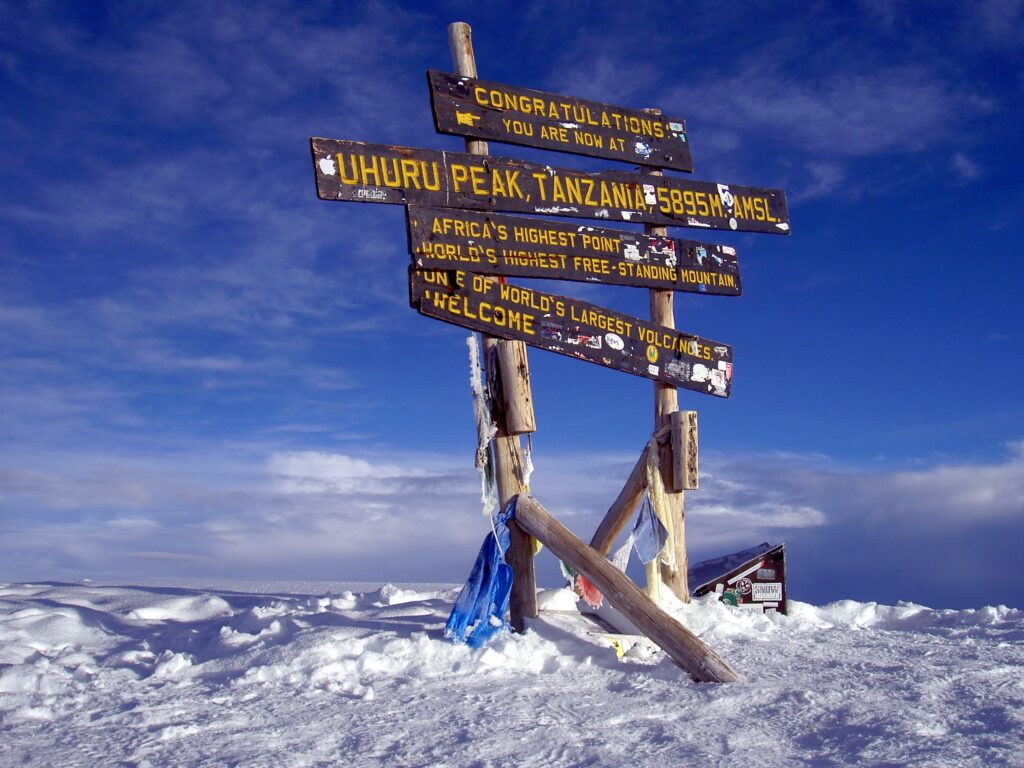
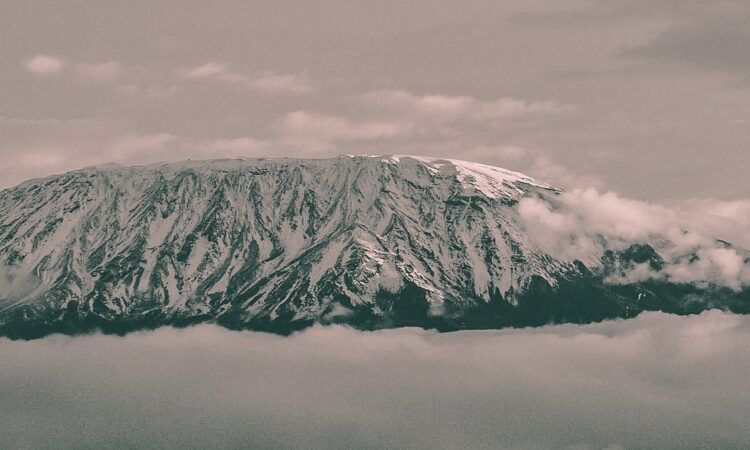
Standing majestically at 5,895 meters, Mount Kilimanjaro is Africa’s highest peak and a global icon for adventure travel and trekking safaris. This UNESCO World Heritage Site attracts climbers seeking Kilimanjaro routes, summit success rates, guided climbs, and all-inclusive trekking packages. From the scenic Machame Route to the popular Marangu Route, each trail offers unique landscapes, from rainforest to alpine desert. Ideal for solo travelers, couples, and group expeditions, Kilimanjaro climbing tours are safe, well-organized, and supported by experienced guides. The best time to climb Kilimanjaro is during the dry seasons for optimal weather and visibility. As a bucket-list experience, it combines fitness challenges, breathtaking views, and cultural immersion, making it one of the most popular African adventure holidays worldwide.
Serengeti National Park: The Great Migration Spectacle
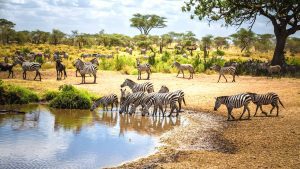
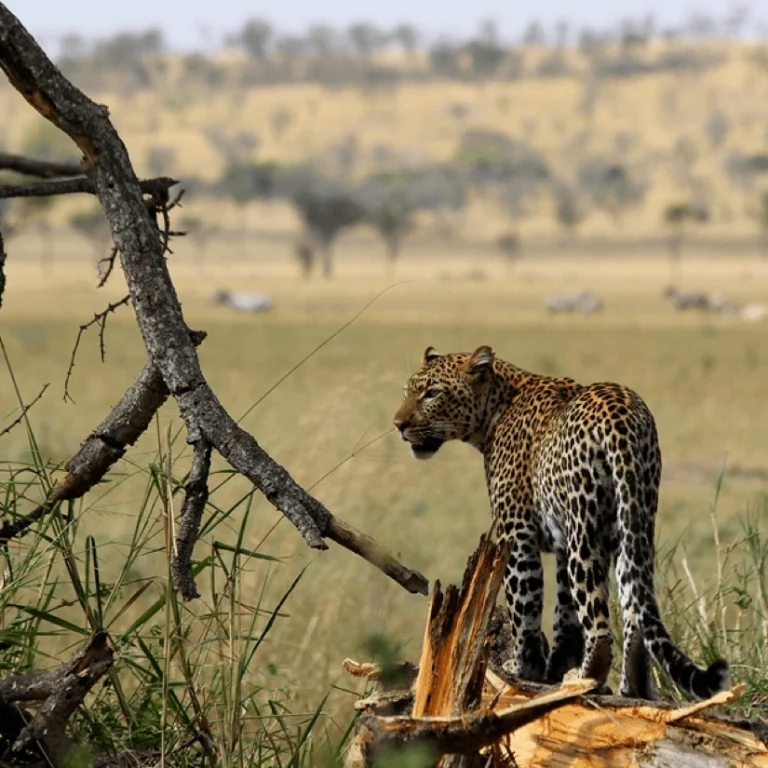
Serengeti National Park is synonymous with the Great Migration safari, one of the most extraordinary wildlife events on Earth. Millions of wildebeest, zebras, and gazelles move across vast plains, attracting predators like lions, cheetahs, and crocodiles. This world-renowned park offers luxury tented camps, budget safaris, fly-in safaris, and photographic tours. Visitors enjoy game drives, hot air balloon safaris, and guided wildlife experiences. The Serengeti is perfect for family safaris, honeymoon adventures, and VIP safari packages, delivering unmatched wildlife sightings year-round. As a UNESCO World Heritage Site, it remains a top choice for travelers searching for the best African safari destinations, Big Five safaris, and Tanzania wildlife tours, making it a cornerstone of any unforgettable safari itinerary.
- 1January–March: calving season in the southern Serengeti
- 2April–May: herds move through the central Serengeti
- 3June–July: crossings in the western corridor
- 4July–October: Mara River crossings in the north
- 5November–December: herds return south
Ngorongoro Conservation Area: The Cradle of Life
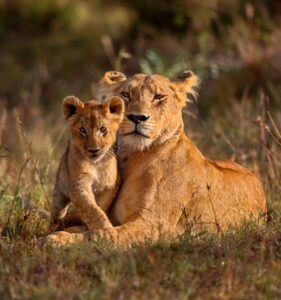
The Ngorongoro Conservation Area is home to the famous Ngorongoro Crater, often called Africa’s “Garden of Eden.” This unique ecosystem hosts dense wildlife populations, including the Big Five, making it ideal for short safaris, luxury tours, and wildlife photography. Travelers searching for Ngorongoro safari packages, crater tours, and cultural experiences with Maasai communities will find unmatched diversity here. The fertile crater floor supports year-round game viewing, making it perfect for family trips and honeymoon safaris. As a UNESCO site, it blends conservation, archaeology, and tourism. Known for its breathtaking views and accessibility, Ngorongoro is a must-visit destination for anyone planning a Tanzania safari itinerary focused on comfort, wildlife density, and unforgettable scenery.
Selous Game Reserve: A Wilderness Wonderland
Selous Game Reserve, now part of Nyerere National Park, is one of Africa’s largest protected areas, offering a remote and exclusive safari experience. Unlike northern parks, Selous provides boat safaris, walking safaris, and off-the-beaten-path adventures. Visitors can explore diverse habitats, from rivers to woodlands, home to elephants, hippos, and wild dogs. Ideal for luxury safaris, eco-tourism, and private guided tours, Selous is perfect for travelers seeking tranquility and fewer crowds. With fly-in safari packages from Dar es Salaam and Zanzibar, it is easily accessible yet untouched. Its raw beauty makes it a favorite for photographers, honeymooners, and seasoned safari travelers looking for authentic African wilderness experiences.
Zanzibar Archipelago: Tropical Paradise
The Zanzibar Archipelago is a dream destination for beach holidays, honeymoon safaris, and luxury island escapes. Known for white sandy beaches, turquoise waters, and rich Swahili culture, Zanzibar offers a perfect post-safari retreat. Visitors can explore Stone Town, a UNESCO site, and enjoy snorkeling, diving, and spice tours. Popular for all-inclusive beach resorts, boutique hotels, and romantic getaways, Zanzibar attracts travelers worldwide. It is ideal for combining Tanzania safari and beach packages, offering relaxation after wildlife adventures. With year-round sunshine and warm waters, Zanzibar remains one of the top African beach destinations, perfect for couples, families, and solo travelers seeking both culture and luxury.
Lake Manyara National Park: Birdwatcher’s Paradise
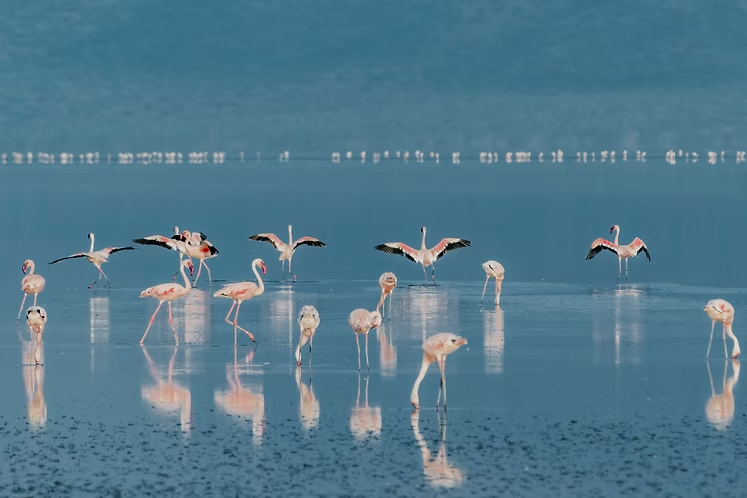
Lake Manyara National Park is a compact yet diverse destination, famous for its tree-climbing lions and abundant birdlife. Home to flamingos, pelicans, and over 400 bird species, it is a haven for birdwatching safaris and eco-tourism. Visitors can enjoy game drives, canoeing, and scenic landscapes ranging from forests to soda lakes. Ideal for short safaris, family tours, and budget-friendly packages, Lake Manyara offers a rich experience in a small area. It is often included in Northern Circuit safaris, making it easily accessible from Arusha. With its stunning scenery and wildlife diversity, it remains a favorite for travelers seeking affordable Tanzania safari experiences.
Tarangire National Park: The Elephant Haven
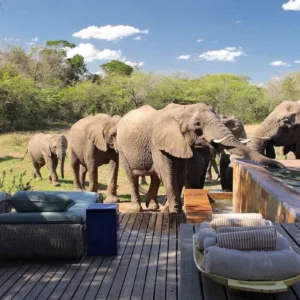
Tarangire National Park is renowned for its massive elephant herds and iconic baobab trees. During the dry season, the Tarangire River attracts diverse wildlife, making it a hotspot for wildlife safaris and photography tours. This park offers luxury lodges, tented camps, and budget safari options, catering to all travelers. Known for fewer crowds, it provides a more intimate safari experience. Ideal for family safaris, honeymoon trips, and private tours, Tarangire is a hidden gem in Tanzania’s Northern Circuit. Its scenic beauty and wildlife density make it one of the best locations for authentic African safari adventures.
Bonus Wonder: Mount Meru
Mount Meru is Tanzania’s second-highest peak and a hidden treasure for trekking and adventure safaris. Often used for acclimatization before Kilimanjaro, it offers spectacular views, diverse wildlife, and fewer crowds. Climbers enjoy encounters with giraffes, buffalo, and colobus monkeys along the trail. Perfect for budget trekking tours, guided hikes, and nature lovers, Mount Meru provides a rewarding yet less demanding climb. Located within Arusha National Park, it combines wildlife safari and mountain adventure in one destination. With scenic landscapes and peaceful trails, Mount Meru is ideal for travelers seeking off-the-beaten-path experiences in Tanzania.
- 5,895 m, Africa’s highest peak
- Bucket-list summit at Uhuru Peak
- Tanzania’s second-highest peak
- Wildlife on the trail and fewer crowds
Final Thought
The Seven Wonders of Tanzania showcase the country’s unmatched diversity, from iconic safari parks and volcanic mountains to tropical islands and hidden wilderness areas. Whether you’re planning a luxury safari, budget tour, honeymoon escape, or family adventure, Tanzania offers something extraordinary. With world-class wildlife, stunning landscapes, and rich culture, it remains one of the best safari destinations in Africa. Start planning your journey today and experience the magic of Tanzania’s most remarkable treasures.
Seven Wonders of Tanzania: FAQs
What are the Seven Wonders of Tanzania?
The Seven Wonders of Tanzania are iconic natural attractions that make Tanzania one of Africa’s top safari destinations. In this guide they include Mount Kilimanjaro, the Serengeti, Ngorongoro, Selous (Nyerere), Zanzibar, Lake Manyara and Tarangire, with Mount Meru as a bonus. These wonders showcase breathtaking landscapes, abundant wildlife, and unique ecosystems, from Africa’s highest peak to the world’s largest wildlife migration. They define Tanzania safari experiences, attracting travelers seeking luxury safaris, Big Five game viewing, and unforgettable African adventure holidays.
When is the best time to visit Tanzania for a safari?
The best time for a Tanzania safari is during the dry season from June to October, when wildlife viewing is exceptional, and animals gather around water sources in parks like Serengeti National Park and Tarangire National Park. This period offers prime opportunities to witness the Great Migration and Big Five safaris. January to March is also ideal for calving season in the Serengeti. For budget travelers, the green season (March–May) provides lower safari costs and lush landscapes, making it perfect for photography and fewer crowds.
How much does a Tanzania safari cost?
Tanzania safari costs vary depending on travel style, duration, and accommodation. Budget safaris start from $200–$350 per person per day, mid-range safaris range from $350–$700, while luxury Tanzania safari packages can exceed $1,000 per day. Premium fly-in safaris, honeymoon safaris, and private tours offer exclusive experiences with top lodges near Ngorongoro Conservation Area and Serengeti National Park. Costs typically include park fees, guides, accommodation, meals, and game drives, making Tanzania a top destination for all-inclusive African safari holidays.
Is Tanzania safe for tourists?
Tanzania is considered one of the safest countries in Africa for tourists, especially in popular safari destinations like Arusha, Serengeti National Park, and Zanzibar. Visitors enjoy well-organized safari tours, experienced guides, and secure lodges. As with any travel destination, basic precautions such as avoiding isolated areas at night and safeguarding valuables are recommended. Tanzania’s tourism industry is highly developed, making it a reliable and welcoming destination for solo travelers, families, and luxury safari guests.
Can I combine safari and beach holidays?
Yes, Tanzania is one of the best destinations to combine a wildlife safari with a tropical beach holiday. After exploring parks like Serengeti National Park or Ngorongoro Crater, travelers can relax on the white-sand beaches of Zanzibar or Mafia Island. This combination offers the perfect balance of adventure and relaxation, making Tanzania safari and beach packages highly popular for honeymoon safaris, luxury holidays, and family vacations.
Do I need a visa to visit Tanzania?
Most travelers need a visa to enter Tanzania, which can be obtained online through an e-visa system or on arrival at major entry points like Julius Nyerere International Airport and Kilimanjaro International Airport. Requirements vary by nationality, but tourists typically need a valid passport and travel details. It’s recommended to apply in advance for a smoother travel experience when planning a Tanzania safari or Kilimanjaro climbing tour.
What wildlife can I expect to see?
Tanzania is home to incredible wildlife, including the famous Big Five—lion, leopard, elephant, buffalo, and rhino—found in destinations like Serengeti National Park and Ngorongoro Crater. Visitors can also see wildebeest, zebras, giraffes, cheetahs, hippos, and diverse bird species. The Great Migration, with millions of animals moving across the plains, is one of the most spectacular wildlife events on Earth and a highlight of any Tanzania safari.
What should I pack for a Tanzania safari?
Packing for a Tanzania safari requires lightweight, neutral-colored clothing, comfortable walking shoes, a hat, sunglasses, sunscreen, and insect repellent. Essential gear includes binoculars, a camera, and travel documents. For visits to Mount Kilimanjaro or highland areas, warmer layers are necessary. A well-prepared safari packing list ensures comfort during game drives, wildlife viewing, and outdoor adventures across Tanzania’s national parks.
Is climbing Mount Kilimanjaro difficult?
Climbing Mount Kilimanjaro is challenging but achievable for most travelers with proper preparation. It is a non-technical trek, meaning no climbing experience is required, but altitude and endurance are key factors. Routes like Machame and Marangu offer varying difficulty levels. With professional guides, gradual acclimatization, and good fitness, many climbers successfully reach Uhuru Peak, making it a bucket-list adventure in Tanzania.
How many days do I need to explore Tanzania?
To fully experience Tanzania, a minimum of 7–10 days is recommended. This allows time to explore top safari destinations like Serengeti National Park, Ngorongoro Crater, and Tarangire National Park. Adding Zanzibar for a beach extension creates the perfect 10–14-day itinerary. Shorter trips of 3–5 days are possible, but longer stays provide a richer, more immersive Tanzania safari and travel experience.
Plan Your Private Tanzania Safari
Tell us your travel dates, interests and budget, and our local team will design a private tailor-made safari around you.