safari do’s and don’ts
safari do’s and don’ts
A Tanzania safari is one of the world's greatest wildlife adventures, offering unforgettable encounters with the Big Five, the Great Wildebeest Migration, breathtaking landscapes, and authentic African culture. Whether you're visiting Serengeti National Park, Ngorongoro Crater, Tarangire National Park, Lake Manyara, or other famous Tanzania safari destinations, understanding essential safari do's and don'ts ensures a safe, respectful, and rewarding African safari experience. Following proper Tanzania safari etiquette protects wildlife, preserves fragile ecosystems, supports responsible tourism, and enhances every game drive. From choosing the right safari clothing and listening to professional guides to respecting animal behaviour and avoiding unnecessary disturbances, every decision matters. This complete Tanzania safari guide covers the most important safari rules, expert travel tips, and wildlife viewing practices to help you enjoy the best African safari while creating unforgettable East African safari memories that last a lifetime. Here’s your comprehensive guide on what to do and avoid during your Tanzanian safari journey.
Do's
What are the most important safari do's in Tanzania? The golden rules are simple: listen to your guide, wear neutral colours, keep your voice low, and respect every animal's space. These Tanzania safari etiquette tips keep you safe, protect wildlife, and improve your game drives in the Serengeti, Ngorongoro Crater, Tarangire, and Lake Manyara. Pack layers for cool mornings, bring binoculars, learn a few Swahili greetings, and tip your guides fairly. Follow these safari do's on a private, tailor-made safari and you will enjoy closer sightings, better photos, and a more rewarding African safari experience from start to finish.
Do Wear Neutral Colors
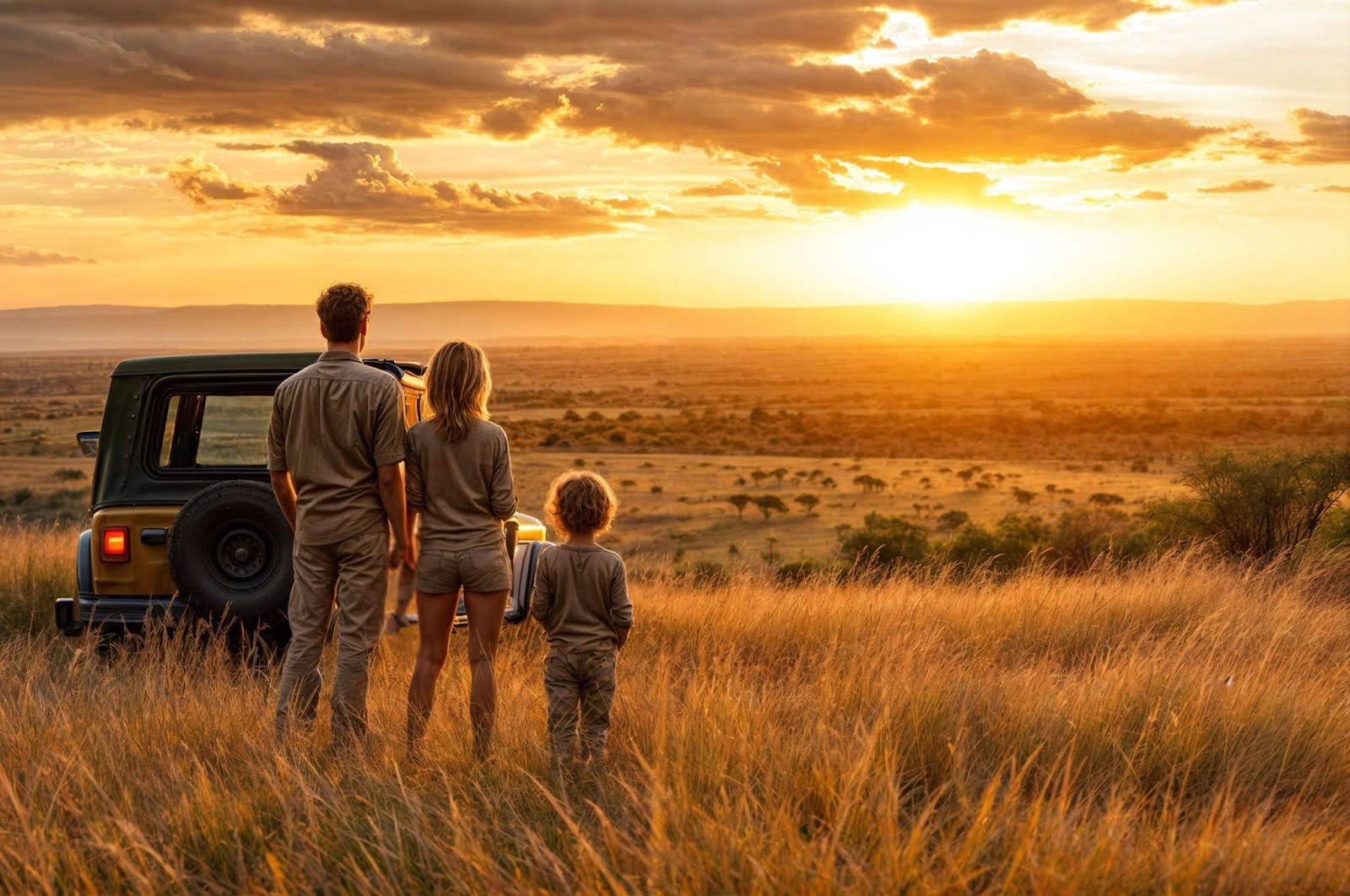
Choosing neutral-coloured clothing for a safari in Tanzania is one of the most important safari travel tips. Wear khaki, olive green, beige, tan, brown, or muted grey to blend naturally into the African bush without attracting unnecessary attention from wildlife. Neutral colours also help avoid disturbing animals during game drives and walking safaris, while keeping insects like tsetse flies less attracted than bright blue or black clothing. Packing lightweight, breathable, moisture-wicking fabrics provides comfort during warm afternoons, while long sleeves and trousers protect against the sun, insects, and thorny vegetation. Comfortable hiking boots, a wide-brimmed hat, UV-protection sunglasses, and sunscreen complete your safari outfit. Proper safari clothing enhances wildlife viewing, improves photography opportunities, and helps you experience Tanzania's spectacular national parks safely while respecting the natural environment throughout your unforgettable African wildlife safari adventure.
Do Listen to Your Guide
Professional Tanzania safari guides possess extensive knowledge of wildlife behaviour, animal tracking, conservation, and safety procedures developed through years of experience. Always follow your expert Tanzania safari guide's instructions during game drives, walking safaris, and wildlife encounters because they understand how animals may react in different situations. Listening carefully ensures your safety while protecting wildlife and fellow travellers. Guides know the best locations for spotting lions, elephants, leopards, rhinos, buffaloes, cheetahs, giraffes, and countless bird species while maintaining appropriate viewing distances. They also interpret fascinating animal behaviour, ecosystems, and local culture, transforming every safari into an educational experience. Respecting your Tanzania Safari guide's advice contributes to responsible African safari tourism, supports wildlife conservation, prevents unnecessary risks, and creates unforgettable memories throughout your Tanzania safari adventure with confidence, comfort, and peace of mind.
Do Bring Binoculars
A quality pair of binoculars significantly improves every African safari by revealing incredible wildlife details that cameras or the naked eye may miss. Binoculars allow you to observe distant predators, colourful birds, elephants, leopards resting in trees, cheetahs on open plains, and elusive wildlife without disturbing their natural behaviour. Compact binoculars with 8x42 or 10x42 magnification offer excellent clarity, brightness, and portability during game drives. Birdwatchers especially benefit from binoculars when exploring Tanzania's diverse ecosystems filled with hundreds of remarkable bird species. Sharing binoculars with family members enhances everyone's safari experience while encouraging patience and careful observation. Combined with a camera, binoculars help capture unforgettable Tanzania wildlife safari moments, making every safari drive richer, more immersive, and rewarding across Tanzania's iconic national parks and conservation areas.
Do Keep Your Voice Low
Maintaining a quiet voice during your safari helps preserve the peaceful atmosphere of the African safari wilderness while increasing your chances of observing natural wildlife behaviour. Loud conversations, shouting, or unnecessary noise can frighten animals, interrupt hunting activities, and reduce wildlife sightings for everyone nearby. Speaking softly allows guides to communicate important information while ensuring birds, elephants, lions, leopards, and other species remain relaxed. A calm environment also enhances photography opportunities because animals are less likely to move away unexpectedly. Respecting silence demonstrates responsible safari etiquette and consideration for fellow travellers seeking authentic wildlife experiences. By reducing noise pollution, you support conservation efforts and help protect fragile ecosystems where animals rely on their natural instincts without unnecessary human disturbance throughout your unforgettable Tanzania safari adventure.
Do Pack in Layers
Weather conditions on a Tanzania safari can change dramatically throughout the day, making layered clothing essential for comfort and convenience. Early morning game drives are often cool; afternoons become warm and sunny, while evenings may turn chilly, especially around highland regions like the Ngorongoro Conservation Area. Pack moisture-wicking base layers, lightweight shirts, fleece jackets, waterproof outer layers, and comfortable safari trousers that adapt easily to changing temperatures. A lightweight rain jacket provides protection during unexpected showers, particularly during Tanzania's green season safari. Layering reduces the need for bulky clothing while allowing quick adjustments during daily activities. Combined with comfortable walking shoes, sun protection, and a warm hat for cool mornings, layered clothing ensures you remain comfortable throughout every exciting wildlife adventure and scenic safari excursion.
Do Learn Swahili Greetings
Learning a few basic Swahili greetings enriches your Tanzania safari by creating meaningful connections with guides, lodge staff, park rangers, and local communities. Simple phrases like "Jambo" (Hello), "Habari" (How are you?), "Asante Sana" (Thank you very much), "Karibu" (Welcome), and "Kwa Heri" (Goodbye) demonstrate respect for local culture and hospitality. Tanzanians warmly appreciate visitors who make an effort to speak their national language, even if only a few words. These greetings encourage friendly conversations, cultural exchange, and memorable interactions beyond wildlife viewing. Understanding simple Swahili expressions also enhances village visits and cultural tours, making your Tanzania safari experience more authentic. Respecting local traditions supports responsible tourism while creating lasting friendships and unforgettable travel memories throughout Tanzania.
Do Tip Your Guides
Tipping Tanzania safari guides, drivers, trackers, camp staff, and porters is an important part of responsible tourism across Tanzania. Although Tanzania safari tipping is voluntary, it recognises exceptional service, extensive wildlife knowledge, professionalism, and the dedication required to create unforgettable safari experiences. Experienced Tanzania safari guides spend years mastering animal tracking, conservation practices, first aid, and guest safety while ensuring every game drive exceeds expectations. Fair gratuities also contribute directly to local livelihoods, support families, strengthen rural economies, and encourage high-quality tourism services. Carry small denominations of US dollars or Tanzanian shillings for convenience. Following your Tanzania safari tour operator's recommended tipping guidelines ensures fairness while expressing genuine appreciation. Rewarding excellent service helps maintain world-class African safari standards and promotes sustainable tourism throughout Tanzania's extraordinary wildlife safari destinations.
Don'ts
What should you not do on a safari in Tanzania? Never leave the vehicle without your guide's permission, never feed wild animals, and never stand up suddenly near wildlife. Avoid bright or very dark clothing, switch off flash photography, and keep your phone away during sightings. Don't photograph people without permission, leave belongings unattended, or expect a strict schedule, because nature sets the pace. Choosing an experienced, licensed safari operator with professional guides matters too. Avoiding these common safari mistakes keeps you safe, protects Tanzania's wildlife and communities, and makes every game drive calmer and more memorable for everyone.
Never Exit the Vehicle
Leaving your safari vehicle without your guide's permission is one of the most dangerous mistakes you can make during an African safari. Wild animals may appear calm but remain unpredictable and can react quickly when they feel threatened. Lions, elephants, buffaloes, leopards, and even seemingly harmless herbivores can become dangerous if approached on foot. Our Tanzania Safari vehicles provide a safe viewing platform because animals generally recognise them as non-threatening. Exiting unnecessarily increases personal risk and may disturb wildlife or provoke defensive behaviour. Only leave the vehicle at designated picnic sites, lodges, or when specifically instructed by your professional guide during authorised walking safaris. Respecting this essential safari safety rule protects you, your fellow travellers, and the incredible wildlife you came to experience responsibly.
Don't Feed the Animals
Feeding wild animals during a Tanzania safari is strictly prohibited because it disrupts natural feeding behaviours, encourages dependency on humans, and threatens wildlife health. Human food often lacks proper nutrition and may cause serious illness or digestive problems for animals. Feeding also teaches wildlife to associate vehicles and visitors with food, increasing aggressive behaviour and creating dangerous situations for future travellers. Animals that lose their natural fear of humans become vulnerable to accidents, conflicts, and management interventions. Responsible safari tourism encourages observing animals behaving naturally without interference. Keep all food securely stored inside the vehicle or lodge and dispose of waste responsibly. Protecting wildlife means allowing every species to forage, hunt, and survive naturally within its healthy ecosystem for future generations.
Avoid Bright or Dark Colors
Bright colours like red, orange, yellow, and white can make you highly visible in the bush, potentially disturbing wildlife and reducing quality wildlife sightings. Extremely dark colours, especially black and navy blue, may attract tsetse flies in certain Tanzania safari regions, increasing discomfort during outdoor activities. Flashy clothing also distracts fellow travellers seeking authentic wildlife experiences and may appear unnatural in safari photographs. Instead, choose practical safari clothing in earth tones that blend harmoniously with surrounding landscapes. Neutral colours improve comfort, enhance photography, and minimise environmental impact while allowing animals to behave naturally. Dressing appropriately reflects responsible safari etiquette and demonstrates respect for Africa's remarkable ecosystems, ensuring safer, quieter, and more rewarding wildlife encounters throughout your unforgettable Tanzania safari adventure.
Don't Use Flash Photography
Flash photography should always remain switched off during Tanzania wildlife safari viewing because sudden bursts of light can startle animals, interrupt natural behaviour, and create unnecessary stress. Nocturnal species such as leopards, owls, bush babies, and other night-active animals are particularly sensitive to bright flashes. Even daytime wildlife may react unpredictably, reducing opportunities for natural observations and excellent photographs. Modern cameras perform exceptionally well without flash, especially when using higher ISO settings or image stabilisation features. Following your Tanzania Safari guide's photography advice helps capture stunning wildlife images while protecting animal welfare. Responsible Tanzania wildlife photography safari prioritises patience, ethical practices, and respect over perfect pictures. Preserving natural behaviour creates authentic Tanzania safari memories and supports sustainable wildlife tourism throughout Tanzania's extraordinary national parks and reserves.
Never Stand Up
Standing unexpectedly inside an open Tanzania safari vehicle can alarm wildlife because it changes your silhouette and makes you appear more threatening. Animals often become accustomed to the shape of safari vehicles, but sudden movements may cause them to flee or react defensively. Remaining seated allows everyone to observe wildlife safely while enabling guides to maintain complete control of the vehicle. Avoid leaning outside, waving arms, or making abrupt gestures when animals are nearby. Following this simple safari safety rule protects passengers and preserves calm wildlife encounters for photographers and nature enthusiasts alike. When your experienced Tanzania Safari guide indicates it is safe to stand at designated viewing points, follow their instructions carefully. Responsible behaviour ensures enjoyable game drives and unforgettable Tanzania wildlife safari experiences.
Don't Choose Inexperienced Safari Operators
Selecting an experienced, licensed Tanzania safari operator greatly influences the quality, safety, and overall success of your Tanzania safari. Reputable Tanzania safari companies employ certified guides, maintain well-equipped safari vehicles, follow national park regulations, prioritise wildlife conservation, and provide excellent customer service. Inexperienced operators may lack proper safety standards, knowledgeable guides, reliable vehicles, or ethical wildlife viewing practices, potentially affecting your travel experience. Before booking your Tanzania safari, read verified reviews, compare itineraries, confirm licences, examine conservation commitments, and ensure transparent pricing without hidden costs. Choosing a trusted Tanzania safari company helps ensure professional planning, comfortable accommodation, knowledgeable wildlife interpretation, and responsible tourism practices. Investing in a reputable East African operator delivers better wildlife sightings, greater peace of mind, and unforgettable safari memories that exceed expectations. Discover more here: The Ultimate Women's Guide to Safari
Don't Be on Your Phone
Constantly using your phone during a Tanzania safari prevents you from fully appreciating Africa's extraordinary wildlife, breathtaking landscapes, and unforgettable natural moments. Mobile distractions reduce awareness of exciting animal sightings and may disturb fellow travellers with notification sounds or conversations. Instead of focusing on social media, immerse yourself in the sounds of birds, roaring lions, elephant herds, and the peaceful rhythm of the wilderness. Use your phone only when necessary for photography, emergencies, or during appropriate breaks at lodges and designated rest areas. Disconnecting from digital distractions encourages mindfulness, meaningful conversations, and deeper appreciation for nature. African safari offers a rare opportunity to reconnect with the natural world, creating genuine memories that are far more valuable than constantly checking your screen. Explore more here: Things You Need to Know Before Your First African Safari
Don’t Disregard Local Customs and Traditions
Tanzania is rich in cultural heritage. Always be respectful when interacting with local communities. Learn a few basic Swahili phrases, ask before taking photos of people, and dress modestly when visiting villages. This shows appreciation and respect for local culture. As a trusted local operator based in Arusha, Foot Slopes Tours and Safaris offers authentic Tanzanian Safari Experiences, unparalleled insight, and access to Tanzania’s hidden gems.
Embarking on a safari in Tanzania is a once-in-a-lifetime adventure that immerses you in the breathtaking wilderness of East Africa. From the vast plains of the Serengeti National Park to the iconic Ngorongoro Crater, Tanzania is one of the most sought-after safari destinations in the world. For a Tanzania safari, do listen to your guide, stay in the vehicle, pack neutral-colored clothing, use binoculars, and respect park rules. Avoid making loud noises, feeding animals, littering, or wearing bright colors like blue, red, or orange, as these can disturb wildlife and attract insects. It’s also crucial to stay hydrated, wear appropriate footwear, and keep personal items secure, especially from monkeys. But to ensure a safe, respectful, and unforgettable experience, it’s crucial to follow proper safari etiquette. Read more here: Tips to Keep You Safe While in the Bush on Safari
Don’t Expect a Strict Schedule
On a Tanzanian safari, don’t expect a strict schedule; instead, prioritize respecting wildlife by staying quiet, not feeding them, and keeping your distance. Crucially, avoid littering, wearing bright colors or strong perfumes, taking photos of people without permission, and driving off-road. Additionally, be prepared for potential delays in travel and service, as things may not run on time. Africa moves at its own pace. Delays can happen due to weather, road conditions, or animal activity. Flexibility is essential. Embrace the “pole pole” (slowly, slowly) lifestyle and savor every moment, even the unexpected ones.
Don’t Leave Personal Items Unattended
Camps and lodges are generally safe, but animals (especially baboons and monkeys) are known to snatch unattended bags or food. Always secure your belongings, and don’t leave valuables out in the open. You should not leave personal items unattended on a Tanzania safari to prevent theft, loss, or damage, especially in crowded areas and at unfenced lodges where wildlife roams. Always secure valuables like your passport, cash, and expensive electronics in a safe place, such as a lodge safe or a guide’s care, and be cautious of your belongings even in well-traveled tourist spots.
Don’t Photograph People Without Permission
Always ask before taking pictures of local Maasai, Hadzabe, or other community members. Some may find it offensive or believe photography steals part of their spirit. Politeness goes a long way, and offering a small tip in exchange for photos is appreciated. Don’t Take Pictures Without Consent. This practice ensures that people are aware of being photographed and have the opportunity to provide their consent. For many individuals, being photographed without consent can feel intrusive.
Final Thought
Following these safari do's and don'ts transforms an ordinary wildlife holiday into an extraordinary African adventure while supporting responsible tourism and wildlife conservation. Respecting your professional guide, protecting animals, dressing appropriately, remaining patient, and following established safari etiquette ensure safer, more enjoyable game drives for everyone. Every responsible traveller plays an important role in preserving Tanzania's remarkable ecosystems, iconic national parks, and incredible biodiversity for future generations. Whether you dream of witnessing the Great Wildebeest Migration, spotting the Big Five, photographing spectacular landscapes, or experiencing authentic African hospitality, responsible behaviour makes every encounter more meaningful. By embracing these expert safari guidelines, you'll enjoy unforgettable wildlife experiences, create lifelong memories, and contribute positively to the conservation of Africa's extraordinary natural heritage. Read more Where to Go in Tanzania | Best Tanzania Safari Destinations
Photo Etiquette – Prepare for your Safari
For safari photo etiquette, always ask for permission before photographing people, avoid paying for photos, and be respectful of the Maasai culture. For wildlife, stay inside the vehicle, use a silent camera mode if possible, avoid using flash, and maintain a safe distance. Prepare for your safari by researching your destination, packing appropriate gear and clothing, and practicing with your camera.
Do’s and Don’ts to be Considered for Perfect Tanzania Safari Tours
Do listen to your guide, stay in the vehicle, wear neutral colors, and respect wildlife and local customs. Pack wisely, stay hydrated, and be patient during game drives. Don’t feed animals, make loud noises, litter, or wear bright clothing. Avoid touching wildlife or wandering off alone. Always ask permission before photographing locals. Following these essential tips ensures a safe, respectful, and unforgettable Tanzania safari experience, while supporting wildlife conservation and cultural sensitivity.
Safari-Etiquette-and-rules: Dress Code, Tipping, Do’s and Don’ts
For a safari, dress in neutral colors like khaki or olive green, wear sturdy closed-toe shoes, and pack layers for changing temperatures. Do listen to your guide, stay in the vehicle, be quiet, and respect the environment by not littering or feeding animals. Don’t wear bright colors, make loud noises, or try to interact with wildlife. For tipping, a general guide is to give your safari guide $10–$15 per person per day at the end of the trip, and you can leave a smaller amount (around $2–$4) for lodge staff in a communal tip box.
Serengeti Safari Tour Dos and Don’ts: Etiquette and Conservation Tips
Do follow your guide’s instructions, stay inside the vehicle, and wear neutral colors to respect wildlife. Use binoculars, stay quiet, and dispose of waste properly. Don’t feed or approach animals, make loud noises, or litter. Avoid bright clothing and never photograph locals without permission. Embrace early starts and be patient. Respecting these guidelines helps protect Serengeti’s ecosystem, supports conservation, and ensures a safe, unforgettable safari experience for all. On a Serengeti safari, do stay inside your vehicle, listen to your guide, and dress in neutral colors, but avoid feeding the animals, making loud noises, or littering.
It’s crucial to respect wildlife by keeping a safe distance and avoiding sudden movements, and to respect local culture by asking permission before taking photos of people. For conservation, pack out all your trash and stay on marked paths to protect the fragile ecosystem.
Do’s and Don’ts for Responsible Wildlife Viewing
Always listen to your guide, keep a safe distance, and stay quiet to avoid disturbing animals. Use binoculars instead of approaching wildlife, and wear neutral colors to blend in. Do not feed, touch, or chase animals, and never litter or leave the vehicle without permission. Respect local customs and ask before taking photos of people. Responsible behavior ensures safety, conservation, and a truly enriching wildlife experience for everyone. Read more What not to wear on Safari in Tanzania
The Ultimate Safari Guide for First-Time Travelers
First-time safari travelers should follow their guide’s instructions, pack light with neutral clothing, and bring essentials like binoculars, sunscreen, and insect repellent. Stay in the vehicle, keep noise low, and respect wildlife by observing from a distance. Avoid feeding animals, littering, or wearing bright colors. Be flexible with schedules and embrace early mornings. Respect local customs and always ask before taking photos. These tips ensure a safe, respectful, and memorable safari adventure. Read more 10 Mistakes To Avoid On A Safari, According To Experts
Tipping and clothing for Tanzania safaris?
For a Tanzania safari, tip your guide about $10–$20 per person per day and staff around $5–$10 per person per day, preferably in USD cash at the end of the trip. For clothing, pack lightweight, breathable layers in neutral colors like khaki, olive, or beige, and bring a light jacket for cool mornings and evenings. Avoid bright colors like white, red, and yellow, as well as dark colors like black and blue, which can attract insects. Read more The Ultimate Guide to Going on an African Safari
Ngorongoro Crater Safari Tour Dos and Don’ts: Do’s
Respect animals’ right of way and follow your guide’s instructions, stay on designated roads and picnic spots, and wear comfortable, neutral-colored clothing. Don’ts: Do not litter, smoke outside of designated areas, make loud noises to attract animals, or feed any wildlife. Night game drives are not permitted in the crater, and never leave the vehicle unattended. Read more Climbing Mount Kilimanjaro the Dos And Don’ts
Where is the best place to go on a safari in Tanzania?
The undisputed best place for a classic Tanzanian safari is the Northern Circuit, which includes the iconic Serengeti National Park and the Ngorongoro Crater. It boasts one of the highest concentrations of big game in Africa, including the annual Great Migration, and is the perfect starting point for first-time visitors.
A typical Northern Circuit itinerary covers three to six days, and involves flying or driving out of the central hub of Arusha. The best locations offer distinct experiences depending on your priorities:
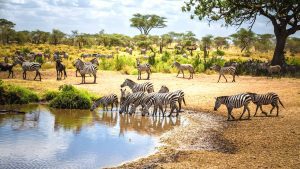
Serengeti National Park: The ultimate safari destination, famous for the Great Migration of over 1.5 million wildebeest and zebras. The best time to see river crossings is from July to October, while January to March is prime for calving in the southern Ndutu plains.
Ngorongoro Crater: A massive collapsed volcano that acts as a natural enclosure for "The Big Five" (lion, leopard, elephant, rhino, and buffalo). It features lush forests, sweeping grasslands, and a central soda lake.
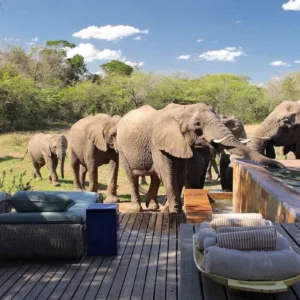
Tarangire National Park: Known as the "Elephant Capital" of Tanzania, it hosts a migration of up to 3,000 elephants. It is most spectacular from July to October (the dry season), when wildlife congregates along the Tarangire River amid dramatic, ancient baobab trees.
Lake Manyara National Park: Ideal for birders and photographers, this park is nestled against the Rift Valley escarpment and is famous for its flamingos and unique tree-climbing lions.
For a more remote, off-the-beaten-path experience, you can explore Tanzania's Southern Circuit, which includes Nyerere National Park (formerly Selous) and Ruaha National Park. These parks are much less crowded and offer incredible walking safaris and boat excursions along the Rufiji River.If you are trying to plan a short excursion, consider booking quick fly-in day safaris from Zanzibar to Mikumi National Park.
To explore customized multi-day itineraries and compare top-rated safari packages, browse our private Tanzania safaris or read the Foot Slopes Tours and Safaris Tanzania guide.
safari do’s and don’ts: FAQs
Is yellow fever vaccination required for Tanzania?
A yellow fever vaccination certificate may be required if you arrive from, or have transited through, a country with a risk of yellow fever transmission. Requirements can change, so check official guidance before travel and speak to a travel health professional about this and other recommended vaccinations several weeks before departure.
Which airport should I fly into for a Tanzania safari?
For the northern safari parks and Kilimanjaro, fly into Kilimanjaro International Airport (JRO), located between Moshi and Arusha. For southern Tanzania, Julius Nyerere International Airport in Dar es Salaam is the main gateway, and Zanzibar has its own international airport. Your safari operator can arrange airport transfers and connecting flights.
Is travel insurance necessary for a safari?
Yes, comprehensive travel insurance is strongly recommended for any African safari. Choose a policy that covers medical treatment, emergency evacuation, trip cancellation and baggage, and check that it includes any activities you plan, such as Kilimanjaro trekking or balloon flights. Carry your policy details and emergency numbers with you.
How do I stay healthy on safari?
Consult a travel health professional before departure about vaccinations and malaria prevention. On safari, drink bottled or treated water, use insect repellent, wear long sleeves in the evening, protect yourself from the sun and wash or sanitise your hands regularly. Carry personal medication in your hand luggage, along with a small first-aid kit.
Do I need a visa for Tanzania?
Most visitors need a visa to enter Tanzania. Many nationalities can apply online through the official Tanzania immigration e-visa portal before travel, and some can obtain a visa on arrival. Requirements depend on your nationality and can change, so check official guidance well before departure and allow enough time for processing.
How long must my passport be valid for Tanzania?
Your passport should be valid for at least six months beyond your date of entry and have blank pages for entry stamps. Keep digital and printed copies of your passport, visa, insurance and booking documents separately from the originals, and store important documents securely throughout your trip.
What is the Great Migration?
The Great Migration is the year-round movement of more than a million wildebeest, with zebras and gazelles, around the Serengeti ecosystem in search of fresh grazing. Calving takes place in the southern Serengeti from January to March, the herds move west around June and July, and dramatic Mara River crossings occur in the north from about August to October.
What is the best time to go on safari in Tanzania?
The dry season from June to October is the most popular time, with excellent wildlife viewing as animals gather near water. January and February are ideal for the Serengeti calving season, while the green season from March to May brings lush scenery, fewer visitors and lower prices. Tanzania offers rewarding safaris all year, so plan around the experiences you value most.
Travel to Tanzania With Confidence
Our local team handles airport transfers, itineraries and practical advice, so you can focus on enjoying a private tailor-made safari.