A Guide to Planning Your First Tanzania Safari
A Guide to Planning Your First Tanzania Safari
A Tanzania safari is one of the most unforgettable wildlife adventures in Africa, attracting travelers seeking the ultimate African safari experience. From the endless plains of the Serengeti National Park to the breathtaking beauty of the Ngorongoro Crater, Tanzania offers world-class game drives, luxury safari lodges, cultural encounters, and spectacular landscapes. First-time visitors can witness the Great Migration, spot the Big Five, explore remote wilderness areas, and relax on Zanzibar’s white-sand beaches after safari adventures. Planning your first Tanzania safari involves choosing the best safari parks, selecting accommodations, understanding safari costs, deciding travel seasons, and finding trusted safari tour operators. Whether you dream of a luxury Tanzania safari, a family safari holiday, a honeymoon safari, or a budget African safari package, this guide helps you plan the perfect Tanzania safari vacation filled with unforgettable wildlife encounters and authentic African experiences.
Why Tanzania Is One of Africa’s Best Safari Destinations
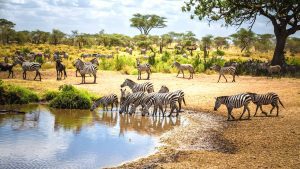
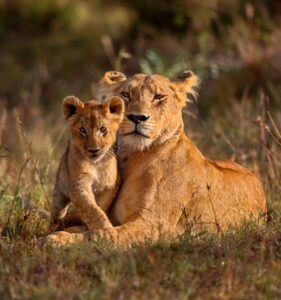
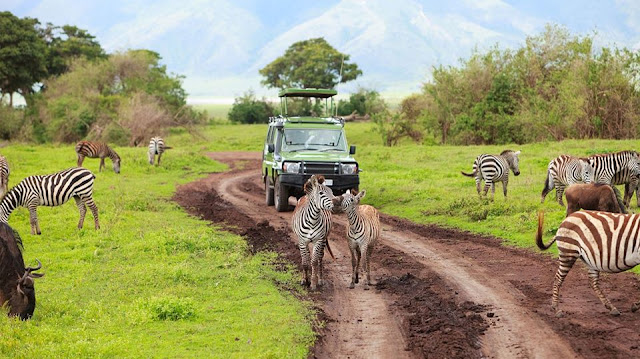
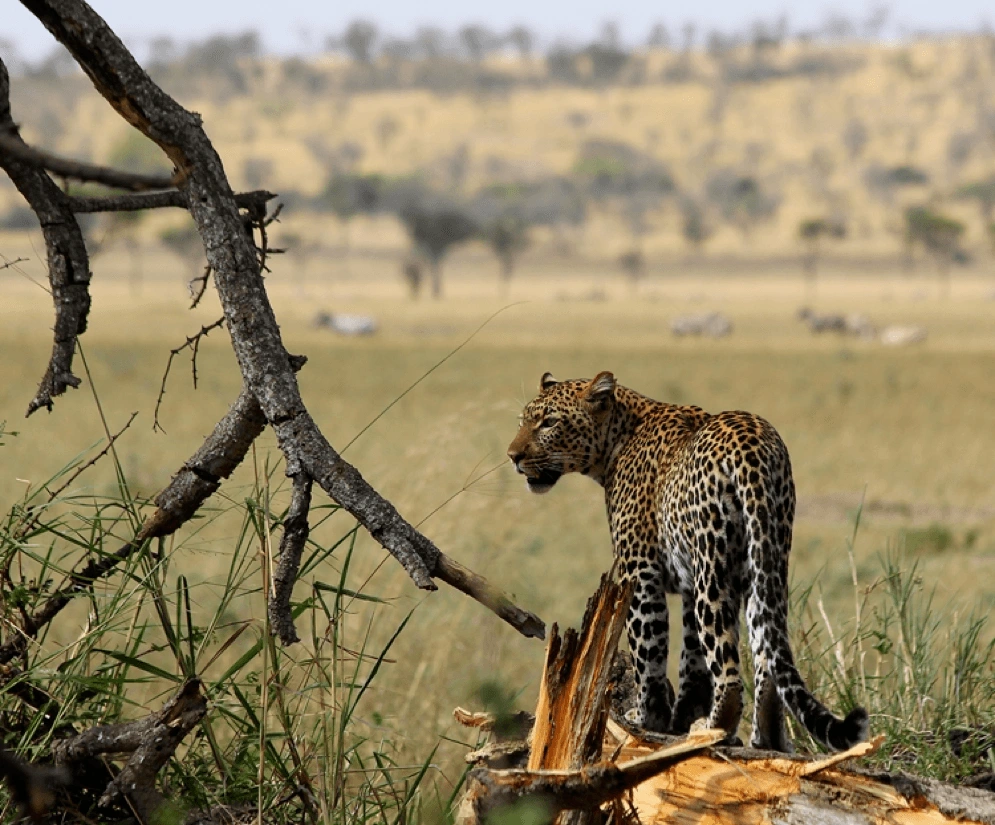
Tanzania is widely considered one of the best safari destinations in Africa because of its exceptional wildlife diversity, iconic national parks, and authentic safari experiences. The country is home to legendary destinations such as Tarangire National Park, Lake Manyara National Park, and Ruaha National Park. Tanzania offers unmatched opportunities to see lions, elephants, leopards, buffaloes, rhinos, cheetahs, giraffes, zebras, and wildebeest in their natural habitats. The annual Great Wildebeest Migration in the Serengeti is among the world’s greatest wildlife spectacles and attracts photographers and safari enthusiasts from across the globe. Visitors can enjoy luxury safaris, fly-in safaris, private game drives, walking safaris, and cultural tours with Maasai communities. Tanzania also combines safari adventures with tropical beach holidays in Zanzibar, creating the perfect African safari and beach vacation for first-time travelers.
- ArushaGateway
- TarangireElephants
- NgorongoroCrater
- SerengetiBig Five
- ZanzibarBeach
Choosing the Best Time to Visit Tanzania
The best time to visit Tanzania depends on your safari goals, wildlife interests, and travel budget. The dry season from June to October is the most popular period for Tanzania safari tours because wildlife gathers near rivers and waterholes, making animals easier to spot during game drives. This season also offers pleasant weather, clear skies, and excellent photography opportunities. The Great Migration river crossings in the northern Serengeti usually occur between July and September. The green season from November to May provides lush landscapes, fewer crowds, and lower safari prices, making it ideal for budget travelers and birdwatchers. January to March is particularly good for witnessing the wildebeest calving season in the southern Serengeti. First-time safari travelers should consider weather conditions, Tanzania safari costs, accommodation availability, and wildlife movement patterns when planning their dream Tanzania safari holiday itinerary.
Selecting the Right Tanzania Safari Parks
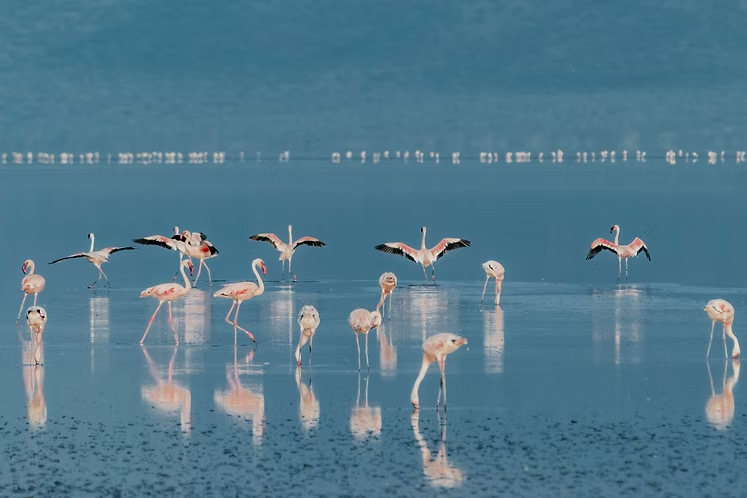
Choosing the right national parks is essential when planning your first Tanzania safari adventure. The Serengeti National Park is famous for the Great Migration, abundant predators, and endless savannah landscapes. The Ngorongoro Crater offers one of the best chances to see the Big Five within a single day because of its dense wildlife population. Tarangire National Park is known for giant elephant herds, ancient baobab trees, and seasonal wildlife migrations. Lake Manyara National Park features tree-climbing lions, flamingos, and beautiful groundwater forests. Travelers seeking remote safari experiences often visit southern Tanzania destinations like Nyerere National Park and Ruaha National Park. Combining several parks in one itinerary creates a more diverse safari experience and allows first-time visitors to enjoy different landscapes, wildlife encounters, and safari activities across Tanzania.
Understanding Tanzania Safari Costs and Budgets
Tanzania safari costs vary depending on accommodation style, travel season, safari duration, transportation, and group size. Budget safaris often include shared game drives, camping accommodations, and affordable safari lodges, making them ideal for travelers seeking lower safari prices. Mid-range Tanzania safaris offer comfortable lodges, tented camps, and personalized services at moderate rates. Luxury Tanzania safari packages feature private guides, exclusive lodges, fly-in safaris, gourmet dining, and premium wildlife experiences. Safari costs also increase during peak seasons when demand for lodges and camps is highest. Additional expenses may include international flights, park fees, travel insurance, visas, tipping, and optional activities such as hot air balloon safaris in the Serengeti. Planning your safari budget early helps avoid unexpected costs and allows travelers to compare Tanzania safari packages carefully. Many safari tour operators also offer customized itineraries tailored to honeymooners, families, solo travelers, and luxury safari seekers.
- Accommodation
- Meals
- Park fees
- Vehicle & guide
- Transfers
- International flights
- Visas
- Travel insurance
- Tips
- Premium drinks
Choosing Between Luxury, Mid-Range, and Budget Safaris
Tanzania offers safari experiences for every travel style, from luxury African safaris to affordable camping adventures. Luxury Tanzania safaris include elegant safari lodges, exclusive tented camps, private game drives, fine dining, spa services, and personalized attention. These safaris are popular with honeymoon couples, VIP travelers, and families seeking premium comfort. Mid-range safaris balance affordability and comfort by offering quality lodges, experienced safari guides, and well-planned itineraries. Budget Tanzania safaris often involve public campsites, shared vehicles, and group tours, making them ideal for backpackers and adventurous travelers. Fly-in safaris reduce driving times and provide breathtaking aerial views of Tanzania’s wilderness areas, while overland safaris offer more immersive road-trip experiences. Choosing the right safari style depends on your budget, comfort preferences, travel goals, and desired safari activities. Regardless of budget level, Tanzania provides unforgettable wildlife experiences, spectacular scenery, and authentic African safari memories for every traveler.
- Private vehicle & guide
- Intimate tented camps
- Gourmet dining
- Fly-in transfers
- Bush dinners
- Spa treatments
Finding a Trusted Tanzania Safari Tour Operator
Choosing a reliable safari company is one of the most important steps when planning your first Tanzania safari. Experienced Tanzania safari tour operators provide knowledgeable guides, well-maintained safari vehicles, quality accommodations, and safe travel arrangements. Before booking, travelers should read safari reviews, compare itineraries, verify licenses, and ask about guide experience. Trusted safari companies often offer customized Tanzania safari packages for honeymooners, photographers, families, seniors, solo travelers, and luxury safari guests. Good safari operators also prioritize ethical tourism, wildlife conservation, and responsible travel practices. Many travelers prefer locally owned Tanzania safari companies because they offer authentic experiences and support local communities. It is important to ask what is included in safari prices, such as park fees, meals, airport transfers, and accommodation. A professional safari operator helps first-time travelers navigate logistics smoothly while ensuring an enjoyable, safe, and unforgettable Tanzania safari holiday from arrival to departure.
What to Pack for Your First Tanzania Safari
Packing properly can greatly improve your Tanzania safari experience. Neutral-colored clothing, such as khaki, green, brown, and beige, helps travelers blend into natural environments while avoiding attracting insects. Lightweight, breathable clothes are recommended because Tanzania can be warm during daytime game drives. Essential Tanzania safari packing list items include binoculars, sunglasses, sunscreen, insect repellent, a wide-brim hat, comfortable walking shoes, and a quality camera for wildlife photography. Early morning and evening game drives can be cold, especially in the Ngorongoro Highlands, so warm layers and a light jacket are useful. Travelers should also pack medications, reusable water bottles, power banks, and travel documents. Soft-sided bags are preferred for fly-in safaris because of luggage weight restrictions on small aircraft. Proper Tanzania safari packing ensures comfort, convenience, and preparedness while exploring Tanzania’s national parks, luxury safari camps, and remote wildlife areas during unforgettable African safari adventures.
Understanding Tanzania Safari Accommodation Options
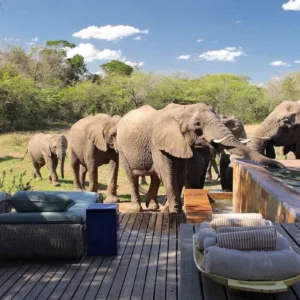
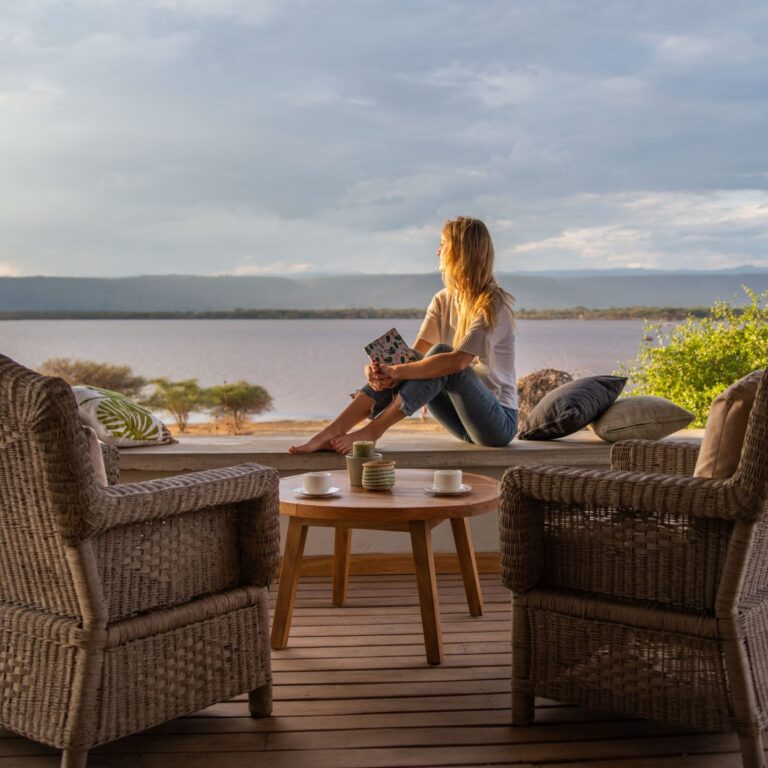
Tanzania offers a wide range of safari accommodations suitable for every type of traveler. Luxury safari lodges provide spacious suites, infinity pools, gourmet cuisine, and stunning views overlooking wildlife-rich landscapes. Tented Tanzania safari camps deliver authentic bush experiences while still offering modern comforts such as private bathrooms and comfortable beds. Mid-range Tanzania safari lodges combine affordability and comfort, making them popular with families and couples. Budget Tanzania camping safaris allow adventurous travelers to sleep close to nature under African skies while enjoying guided wildlife experiences. Some mobile camps move seasonally to follow the Great Migration in the Serengeti, offering exceptional wildlife viewing opportunities. Eco-friendly Tanzania safari lodges and sustainable camps are increasingly popular among environmentally conscious travelers. Accommodation location is also important because staying inside or near national parks reduces travel time during game drives. Choosing suitable accommodations enhances comfort, convenience, and the overall quality of a Tanzania safari holiday experience.
Experiencing the Great Wildebeest Migration
The Great Wildebeest Migration is one of Africa’s most extraordinary wildlife events and a major highlight of Tanzania safari tours. Every year, millions of wildebeest, zebras, and gazelles travel across the Serengeti ecosystem searching for fresh grazing lands and water sources. Predator encounters involving lions, crocodiles, cheetahs, and hyenas make this migration a thrilling safari spectacle for wildlife enthusiasts and photographers. River crossings in northern Serengeti attract global attention because of dramatic survival scenes along the Mara River. From January to March, visitors can witness the calving season in southern Serengeti, where thousands of wildebeest calves are born daily. Timing your Tanzania safari carefully increases your chances of experiencing different migration stages. Professional safari guides track wildlife movements and help travelers locate the best viewing areas. Witnessing the Great Migration is often considered the ultimate African safari bucket-list experience for first-time Tanzania visitors.
Combining Tanzania Safari Adventures with Zanzibar Beach Holidays
Many travelers combine their Tanzania safari with a relaxing beach holiday in Zanzibar for the perfect African vacation. After exciting game drives in the Serengeti and Ngorongoro Crater, Zanzibar offers white-sand beaches, turquoise waters, luxury resorts, and rich Swahili culture. Popular beach destinations include Nungwi, Kendwa, Paje, and Matemwe, where visitors can enjoy snorkeling, scuba diving, dhow cruises, and romantic sunsets over the Indian Ocean. Stone Town, a UNESCO World Heritage Site, showcases historic architecture, spice tours, and vibrant cultural heritage. Tanzania safari and Zanzibar beach packages are especially popular for honeymoon safaris, family vacations, and luxury travel experiences. Fly-in connections between safari parks and Zanzibar make travel convenient and time-efficient. Combining wildlife adventures with tropical relaxation allows travelers to experience the best of Tanzania, creating unforgettable memories filled with safari excitement, cultural discovery, and coastal beauty.
Tanzania Safari Safety Tips for First-Time Travelers
Tanzania is considered one of Africa’s safest safari destinations, but following basic safety guidelines ensures a smooth and enjoyable safari experience. Always listen carefully to your safari guide because they understand wildlife behavior and park safety regulations. Travelers should avoid standing up during game drives unless instructed and never attempt to approach wild animals on foot. Staying hydrated, using sunscreen, and wearing insect repellent help protect against heat and mosquito bites. Travel insurance covering medical emergencies, trip cancellations, and evacuation services is strongly recommended for all safari travelers. Visitors should also carry copies of passports, visas, and important travel documents. Respecting local cultures, especially during Maasai village visits, enhances positive interactions with communities. Reputable safari tour operators maintain safety standards, experienced guides, and reliable vehicles. By preparing properly and following expert guidance, first-time travelers can safely enjoy unforgettable Tanzania wildlife safaris and African adventures.
Cultural Experiences Beyond Tanzania Wildlife Safaris
A Tanzania safari is more than wildlife viewing because the country also offers rich cultural experiences and meaningful local interactions. Many safari itineraries include visits to Maasai villages, where travelers learn about traditional customs, dances, crafts, and pastoral lifestyles. In areas around Arusha and Lake Eyasi, visitors can meet indigenous communities such as the Hadzabe and Datoga people. Cultural tourism programs allow travelers to experience traditional food, storytelling, farming activities, and Swahili hospitality. Exploring local markets and artisan shops also supports Tanzanian communities and promotes sustainable tourism. These cultural encounters create deeper connections with Tanzania beyond game drives and safari lodges. Many travelers describe cultural experiences as some of the most memorable parts of their African safari journey because they provide authentic insights into Tanzania’s diverse traditions, heritage, and welcoming people.
Tips for Planning the Perfect Tanzania Safari Itinerary
Planning the perfect Tanzania safari itinerary requires balancing wildlife experiences, travel time, accommodations, and personal interests. First-time visitors often choose northern circuit safaris that include Serengeti National Park, Ngorongoro Crater, Tarangire National Park, and Lake Manyara National Park. A safari lasting at least five to seven days allows enough time for wildlife viewing without rushing between parks. Travelers interested in photography, birdwatching, or the Great Migration may prefer longer itineraries with specialized guides. Fly-in safaris are ideal for luxury travelers seeking convenience and access to remote wilderness areas. Booking safari tours several months in advance helps secure the best lodges during peak travel seasons. Travelers should also consider adding cultural tours, walking safaris, hot air balloon experiences, or Zanzibar beach extensions. A carefully planned itinerary maximizes wildlife encounters, comfort, and overall safari enjoyment while creating unforgettable memories throughout Tanzania’s spectacular landscapes.
Final Thought
Planning your first Tanzania safari is an exciting journey filled with endless possibilities for adventure, wildlife encounters, and cultural discovery. From witnessing the Great Wildebeest Migration in the Serengeti to exploring the breathtaking Ngorongoro Crater and relaxing on Zanzibar’s tropical beaches, Tanzania delivers one of the world’s greatest travel experiences. Choosing the right safari season, parks, accommodations, and tour operator ensures a smooth and rewarding adventure tailored to your travel style and budget. Whether you seek a luxury African safari, family wildlife holiday, romantic honeymoon safari, or budget-friendly adventure, Tanzania offers unforgettable moments in every corner of the country. With proper planning, trusted safari guides, and an adventurous spirit, your first Tanzania safari can become a life-changing experience filled with incredible landscapes, iconic wildlife, authentic cultural encounters, and lifelong African safari memories.
A Guide to Planning Your First Tanzania Safari: FAQs
Top Tanzania Safari Destinations for First-Time Travelers
First-time travelers to Tanzania should explore the country’s famous northern safari circuit, home to some of Africa’s most iconic wildlife destinations. Serengeti National Park is the top choice for witnessing the Great Wildebeest Migration, Big Five safaris, and endless savannah landscapes. Ngorongoro Crater offers incredible wildlife density and breathtaking scenery within a UNESCO World Heritage Site.
What a Day on a Tanzania Safari Really Feels Like?
A typical day on a Tanzania safari begins before sunrise with an early morning game drive when wildlife is most active. Travelers often wake to the sounds of birds, lions roaring in the distance, and fresh African air surrounding the safari camp. After coffee or tea, guests head into the wilderness searching for elephants, giraffes, lions, leopards, and other incredible animals.
Tips for Planning Your First Tanzania Safari
Planning your first Tanzania safari becomes easier with proper preparation and expert guidance. Start by deciding the best time to visit based on wildlife interests, weather, and safari budget. The dry season from June to October offers excellent wildlife viewing, while the green season provides fewer crowds and lower safari costs. Choose a trusted Tanzania safari tour operator with experienced guides and positive reviews.
Best Things to Do in Tanzania for First-Time Travelers
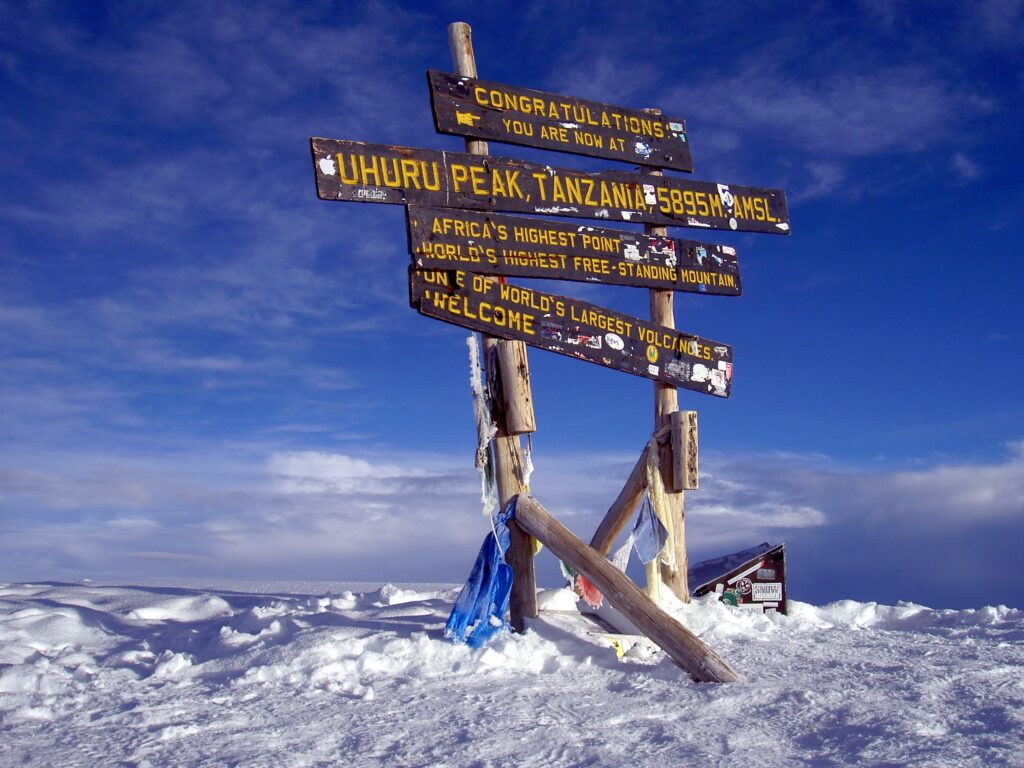
Tanzania offers countless unforgettable experiences for first-time visitors seeking wildlife, adventure, culture, and relaxation. Going on a safari in Serengeti National Park and Ngorongoro Crater is the country’s top attraction, allowing travelers to witness the Big Five and the Great Migration. Climbing Mount Kilimanjaro is another bucket-list adventure for trekking enthusiasts. Visitors can relax on Zanzibar’s tropical beaches, enjoy snorkeling and diving, or explore historic Stone Town.
Complete Tanzania Travel Guide for First-Time Visitors
A complete Tanzania travel guide helps first-time visitors prepare for an unforgettable African adventure. Tanzania is famous for luxury safaris, national parks, tropical beaches, cultural experiences, and Mount Kilimanjaro trekking. Most safari itineraries begin in Arusha, the gateway to northern Tanzania safari parks. Travelers should arrange visas, vaccinations, travel insurance, and safari bookings before arrival. The local currency is the Tanzanian Shilling, though US dollars are widely accepted in tourist areas.
What is the best time to go on a Tanzania safari?
The best time for a Tanzania safari is during the dry season from June to October, when wildlife gathers around rivers and waterholes, making game viewing easier. This period is also ideal for witnessing the Great Migration river crossings in Serengeti National Park. Travelers looking for fewer crowds and greener landscapes may prefer the rainy or “green” season from November to May.
How much does a Tanzania safari cost?
Tanzania safari prices vary depending on accommodation type, safari duration, travel season, and level of luxury. Budget Tanzania safaris typically range from USD 200 to USD 390 per person per day using camping or basic lodges, while mid-range Tanzania safaris (USD 550 to USD 990+ per person per day) provide comfortable tented camps and quality lodges.
Which parks should first-time visitors include in their Tanzania safari itinerary?
First-time safari travelers usually visit Tanzania’s famous northern safari circuit. The Serengeti National Park is known for the Great Migration and abundant predators, while the Ngorongoro Crater offers incredible Big Five wildlife viewing in a compact area. Tarangire National Park is famous for elephant herds and giant baobab trees, while Lake Manyara National Park features tree-climbing lions and flamingos.
What should I pack for my first Tanzania safari?
Packing properly improves comfort and convenience during a Tanzania safari. Travelers should bring lightweight, neutral-colored clothing, comfortable walking shoes, sunglasses, sunscreen, insect repellent, and a wide-brim hat. Morning and evening game drives can be cool, especially near the Ngorongoro Crater, so warm layers or jackets are recommended. Binoculars and cameras are essential for wildlife viewing and photography.
Is Tanzania safe for safari travelers?
Tanzania is generally considered one of Africa’s safest safari destinations, especially when traveling with reputable safari operators and experienced guides. National parks and safari lodges follow strict safety regulations to protect visitors during game drives and wildlife encounters. Travelers should always listen to safari guides, remain inside vehicles unless instructed otherwise, and avoid approaching wild animals.
Can I combine a Tanzania safari with Zanzibar beach holidays?
Yes, many travelers combine a Tanzania safari with a beach holiday in Zanzibar for the ultimate African travel experience. After exciting wildlife adventures in the Serengeti and Ngorongoro Crater, Zanzibar offers beautiful beaches, turquoise waters, luxury resorts, and rich Swahili culture. Popular beach areas include Nungwi, Kendwa, and Paje, where visitors enjoy snorkeling, scuba diving, dhow cruises, and relaxing ocean views. Stone Town provides cultural attractions, spice tours, and historical landmarks.
How many days are ideal for a Tanzania safari?
A Tanzania safari typically lasts between five and ten days, depending on the parks visited and travel interests. A five-day Tanzania safari allows travelers to explore highlights such as Serengeti National Park, Ngorongoro Crater, and Tarangire National Park comfortably. Longer Tanzania safari itineraries provide more opportunities for wildlife viewing, cultural experiences, photography, and slower-paced travel. Travelers interested in the Great Migration, walking safaris, or remote parks may prefer seven to ten-day adventures.
What animals can I see on a Tanzania safari?
Tanzania is famous for incredible wildlife diversity and offers some of Africa’s best game viewing opportunities. Visitors commonly see the Big Five — lions, elephants, leopards, rhinos, and buffaloes — in parks such as the Ngorongoro Crater and Serengeti National Park. Other frequently spotted animals include cheetahs, giraffes, zebras, wildebeest, hippos, crocodiles, hyenas, gazelles, and baboons.
Do I need a visa to visit Tanzania for safari?
Most international travelers require a visa to enter Tanzania for safari holidays and tourism activities. Visitors can usually apply online through the Tanzania e-visa system or obtain a visa on arrival at major airports such as Julius Nyerere International Airport and Kilimanjaro International Airport. Passport validity should typically extend at least six months beyond the travel date. Travelers should also confirm vaccination requirements and health regulations before departure.
Are Tanzania safaris suitable for families with children?
Yes, Tanzania safaris are excellent for families and provide unforgettable educational adventures for children and adults alike. Many safari lodges and camps offer family-friendly accommodations, child-focused activities, and experienced guides who help young travelers learn about African wildlife and conservation. Parks such as Tarangire National Park and Lake Manyara National Park are particularly suitable for family safaris because of shorter driving distances and excellent wildlife viewing.
What is the Great Wildebeest Migration?
The Great Wildebeest Migration is one of the world’s most spectacular wildlife events, involving millions of wildebeest, zebras, and gazelles moving across the Serengeti National Park ecosystem in search of fresh grazing and water. This continuous migration includes dramatic river crossings, predator encounters, and seasonal calving events. River crossings in northern Serengeti between July and September are especially famous for thrilling crocodile attacks and intense wildlife action.
What cultural experiences can I enjoy during a Tanzania safari?
Cultural tourism is an important part of many Tanzania safari experiences. Travelers often visit Maasai villages to learn about traditional customs, dances, beadwork, and pastoral lifestyles. Near Lake Eyasi, visitors can meet Hadzabe hunter-gatherers and Datoga blacksmith communities, gaining insight into ancient traditions and survival skills. Exploring local markets, coffee farms, and Swahili coastal culture also enriches safari adventures.
How far in advance should I book a Tanzania safari?
Booking a Tanzania safari at least six to twelve months in advance is highly recommended, especially for travel during peak safari seasons from June to October and during the Great Migration months. Early booking helps secure preferred safari lodges, luxury tented camps, domestic flights, and experienced safari guides before availability becomes limited. Popular destinations such as Serengeti National Park and Ngorongoro Crater can become fully booked during high-demand periods.
Why is Tanzania considered one of the best safari destinations in Africa?
Tanzania is considered one of Africa’s top safari destinations because of its incredible wildlife density, iconic landscapes, and authentic safari experiences. The country is home to world-famous parks such as Serengeti National Park, Ngorongoro Crater, and Tarangire National Park, which offer exceptional opportunities to see the Big Five and the Great Wildebeest Migration.
Plan Your Private Tanzania Safari
Tell us your travel dates, interests and budget, and our local team will design a private tailor-made safari around you.