Northern Serengeti: Everything You Need to Know
Northern Serengeti: Everything You Need to Know
Northern Serengeti, located within the world-famous Serengeti National Park in northern Tanzania, is one of Africa’s most iconic safari regions. Known for the Great Wildebeest Migration river crossings at the Mara River, this remote wilderness offers unmatched wildlife viewing, luxury safari lodges, and untouched natural beauty. The area is less crowded compared to central Serengeti, making it ideal for exclusive safari experiences, honeymoon safaris, family adventures, and photographic tours. Visitors come here to witness dramatic predator-prey interactions, Big Five sightings, and vast savannah landscapes. Northern Serengeti is also a top destination for luxury safari packages, fly-in safaris, and seasonal migration tracking. With high search demand for “Northern Serengeti safari,” “Great Migration river crossing,” and “Tanzania safari tours,” this region remains a bucket-list destination for travelers seeking authentic African wildlife experiences in 2026 and beyond.
Location and Geography of Northern Serengeti
Northern Serengeti lies in the remote northern corridor of Serengeti National Park, bordering Kenya’s Maasai Mara ecosystem. This strategic location makes it the primary stage for the Great Migration river crossings at the Mara River. The landscape features rolling savannahs, acacia woodlands, river valleys, and rocky kopjes that provide shelter for predators like lions and leopards. Its geography supports year-round wildlife, especially during the peak migration season from July to October. The region is accessible via Kogatende and Lamai airstrips, making fly-in safaris the most convenient option. Its remote location ensures fewer crowds, offering a more exclusive and immersive safari experience compared to central Serengeti zones.
The Great Wildebeest Migration Experience
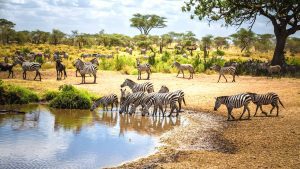
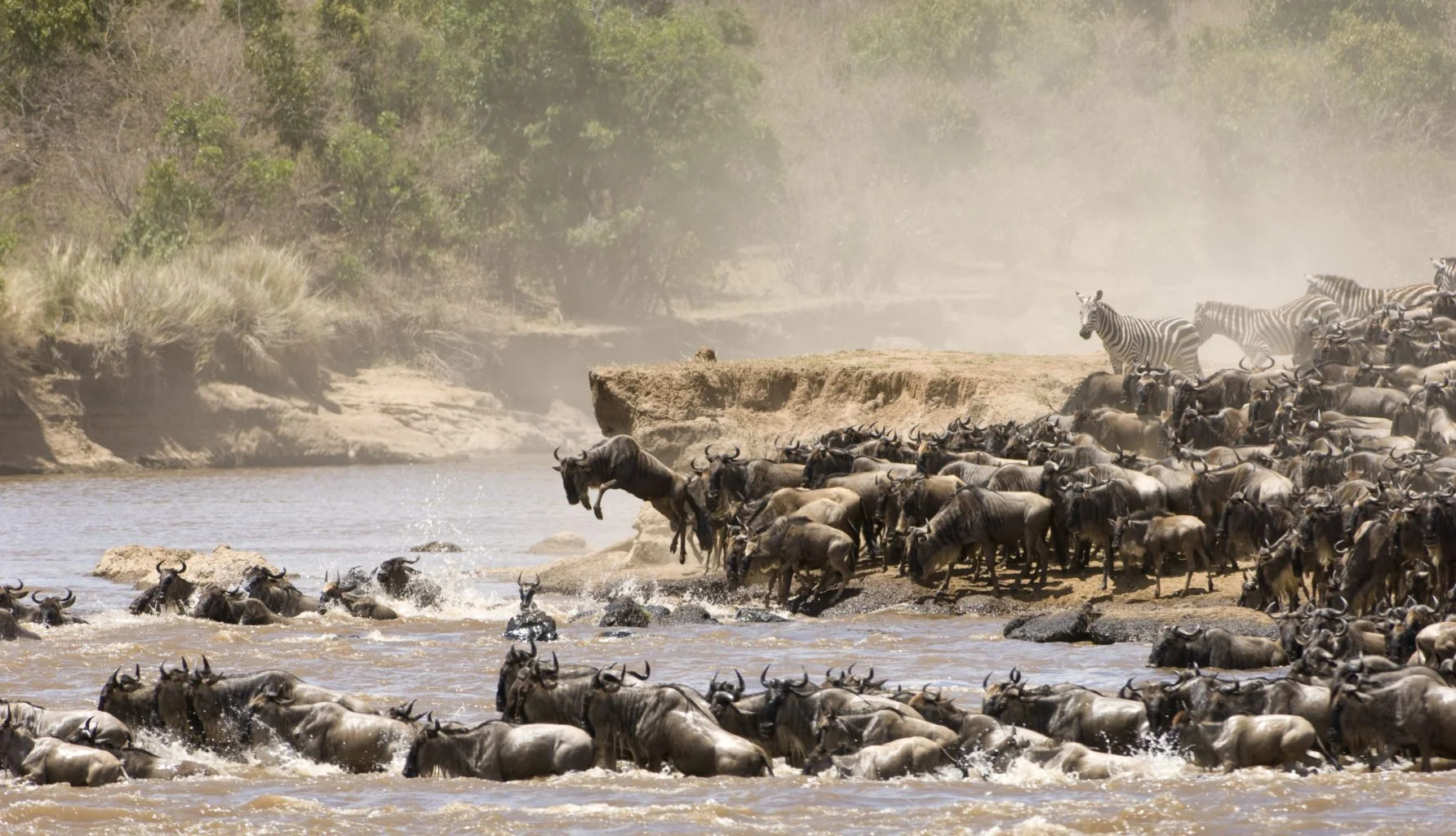
Northern Serengeti is globally famous for hosting the dramatic Mara River crossings of the Great Wildebeest Migration inside Serengeti National Park. Millions of wildebeest, zebras, and gazelles move north between July and October, facing crocodile-infested waters and predators waiting on the banks.” Tourists from around the world visit to witness heart-pounding moments as herds plunge into the river. The migration attracts lions, hyenas, cheetahs, and Nile crocodiles, creating intense wildlife action. Safari lodges and mobile camps in Northern Serengeti are strategically positioned to maximize viewing opportunities. This seasonal event makes the region one of Africa’s top wildlife photography destinations and a must-visit for bucket-list safari travelers.
A general guide: the herds follow the rains.
Wildlife Diversity in Northern Serengeti
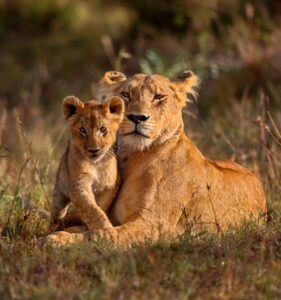
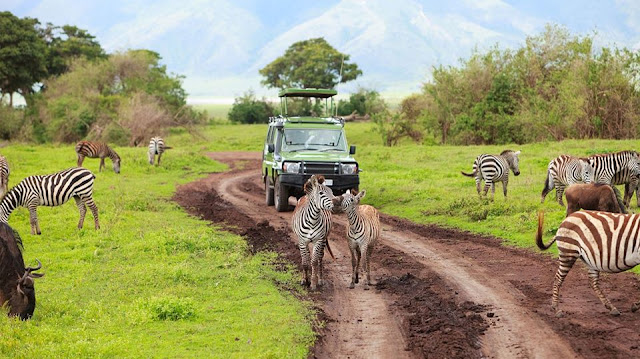
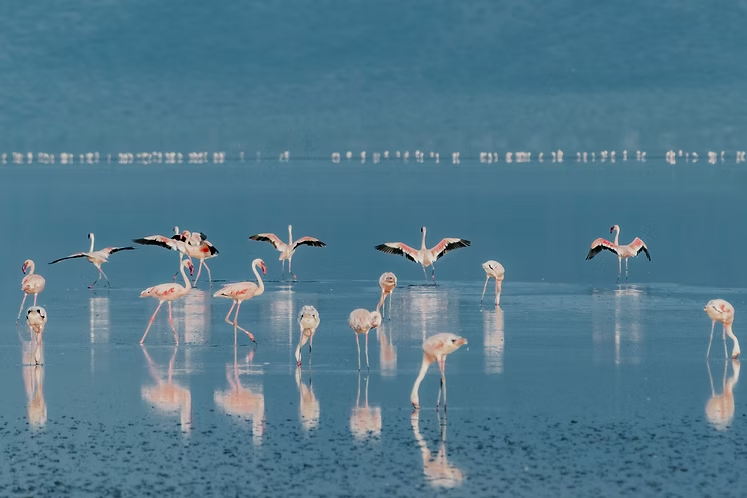
Northern Serengeti offers some of the richest biodiversity in Serengeti National Park, making it a top destination for “Big Five safari Tanzania” and “African wildlife safari tours.” Apart from the Great Migration, the region is home to lions, leopards, elephants, buffalo, and rhinos, along with cheetahs, giraffes, hippos, and over 500 bird species. The Mara River ecosystem supports crocodiles and hippos, while open plains attract large herbivore populations. Predators are highly active due to abundant prey, creating excellent game viewing year-round. Travelers often enjoy game drives where sightings happen within minutes of entering the park. The combination of predator action and migratory herds makes Northern Serengeti one of the most wildlife-dense safari regions in Africa, ideal for photography, filming, and luxury safari experiences.
Best Time to Visit Northern Serengeti
The best time to visit Northern Serengeti inside Serengeti National Park is between July and October, when the Great Migration crosses the Mara River.” During these months, wildlife activity peaks, and dramatic river crossings attract global attention. However, the region is also rewarding during the dry season (June–October) for general game viewing and predator sightings. The green season (November–May) offers fewer crowds, lush landscapes, and excellent birdwatching opportunities. Each season provides unique safari experiences depending on the traveler's interests. Luxury safari planners often recommend booking early for peak migration months due to high demand for lodges and camps. Weather conditions remain generally warm with occasional rain in the off-season.
Safari Activities in Northern Serengeti
Northern Serengeti offers diverse safari activities within Serengeti National Park, making it a top choice for “things to do in Serengeti safari.” Game drives are the primary activity, offering close encounters with wildlife and migration herds. Hot air balloon safaris provide breathtaking aerial views of the plains and river crossings. Walking safaris with expert guides allow visitors to explore nature up close. Birdwatching is also popular due to the rich avian population. Photographic safaris are highly recommended, especially during migration season. Many luxury camps offer bush dining experiences and sundowners overlooking the savannah. Night game drives in nearby concessions provide sightings of nocturnal predators. These immersive activities make Northern Serengeti one of the most versatile safari destinations in East Africa.
Luxury Safari Lodges and Camps
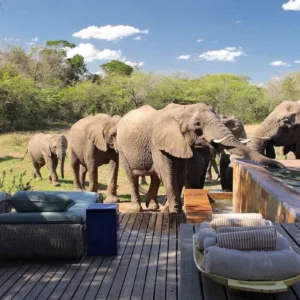
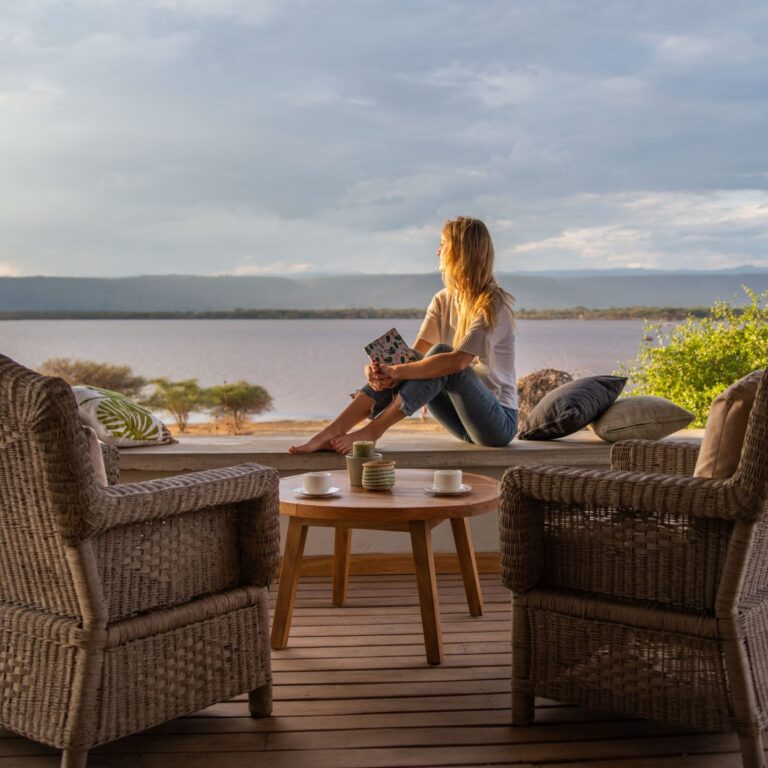
Northern Serengeti is home to some of the most exclusive safari lodges in Serengeti National Park, attracting high-end travelers searching for “luxury Serengeti safari camps” and “5-star Tanzania safari lodges.” These accommodations include mobile tented camps that follow the migration and permanent luxury lodges overlooking the Mara River. Guests enjoy en-suite tents, fine dining, private game drives, and personalized service. Many lodges are strategically located near river crossing points for front-row wildlife viewing. Eco-friendly designs ensure minimal environmental impact while maintaining comfort. Popular amenities include swimming pools, spa services, and private safari guides. Luxury safari packages often combine the Northern Serengeti with Ngorongoro Crater and Zanzibar beach holidays. This blend of wilderness and comfort makes the region a top choice for honeymooners and VIP safari travelers.
Budget camping & lodges
Affordable, adventurous and close to nature.
Mid-range lodges & tented camps
Comfort, good food and convenient locations.
Luxury tented camps & lodges
Spacious suites, personal service and prime wildlife areas.
Exclusive-use camps & villas
Complete privacy, private guides and bespoke experiences.
Accessibility and How to Get There
Access to Northern Serengeti inside Serengeti National Park is primarily through domestic flights from Arusha, Kilimanjaro, or Dar es Salaam. The main airstrips serving the region are Kogatende and Lamai, which connect directly to nearby safari camps. Road access is possible but involves long travel hours through central Serengeti, making it less preferred for luxury travelers. Fly-in safaris are the fastest and most comfortable option, offering aerial views of the vast plains. Tour operators often include transfers, park fees, and guided game drives in packages. Accessibility improvements have made Northern Serengeti more reachable, boosting its popularity among international safari tourists.
- Kilimanjaro Airport (JRO)Arrival
- MoshiAbout 45 min
- ArushaAbout 1 hour
- Safari parksNorthern Circuit
Safari Costs and Budget Planning
Safari costs in Northern Serengeti within Serengeti National Park vary depending on travel style, with high searches like “Serengeti safari cost,” “Tanzania safari prices,” and “luxury safari budget.” Budget safaris may start from mid-range camping options, while luxury lodges can cost significantly more per night, especially during migration season. East African Safari prices typically include accommodation, park fees, game drives, and meals. Fly-in safaris increase overall costs but offer convenience and time savings. Group safaris are more affordable, while private safaris provide personalized experiences. Seasonal demand affects pricing, with peak months (July–October) being the most expensive. Travelers are advised to book early for better deals. Despite varying costs, Northern Serengeti offers value for money due to its unmatched wildlife experiences and exclusive safari atmosphere.
- Accommodation
- Meals
- Park fees
- Vehicle & guide
- Transfers
- International flights
- Visas
- Travel insurance
- Tips
- Premium drinks
Photography Opportunities
Northern Serengeti is a paradise for wildlife photographers visiting Serengeti National Park, like “Serengeti photography safari” and “wildlife photography in Africa.” The Mara River crossings provide dramatic action shots of wildebeest and crocodiles. Golden savannah lighting during sunrise and sunset enhances landscape photography. Predators such as lions and cheetahs offer close-up action scenes in natural habitats. Many safari lodges provide specialized photography vehicles and guides. The open terrain allows unobstructed views, making it ideal for both amateur and professional photographers. Seasonal changes create different visual moods, from lush green plains to dusty golden landscapes. Northern Serengeti remains one of the top global destinations for nature photography and documentary filmmaking.
Culture and Maasai Influence
The Northern Serengeti region near Serengeti National Park is influenced by the Maasai people, known for their rich cultural heritage, such as “Maasai culture Tanzania safari” and “Serengeti cultural tours,” which attract many visitors. The Maasai are semi-nomadic pastoralists who live alongside wildlife in harmony. Visitors can experience traditional dances, village visits, and cultural storytelling. Their bright clothing, beadwork, and customs add cultural depth to safari experiences. Many safari itineraries include community visits to support local livelihoods. Understanding Maasai traditions enhances the overall safari journey, combining wildlife adventure with cultural immersion. This unique cultural-wildlife coexistence makes Northern Serengeti a holistic travel destination.
Accommodation Types
Accommodation in Northern Serengeti within Serengeti National Park ranges from budget camps to ultra-luxury lodges, including “Serengeti tented camps,” “luxury safari lodges in Tanzania,” and “mobile safari camps.” Budget travelers can choose basic campsites with essential facilities. Mid-range tented camps offer comfort and guided safari experiences. Luxury mobile camps follow the migration, ensuring guests are always close to wildlife action. High-end lodges provide private suites, gourmet dining, and panoramic river views. Most accommodations focus on eco-tourism and sustainability. Personalized services, expert guides, and exclusive locations define the Northern Serengeti stay experience, making it ideal for all types of travelers.
Safety and Travel Tips
Traveling to the Northern Serengeti inside Serengeti National Park is generally safe when guided by professional operators. Visitors should follow park rules, stay inside vehicles during game drives, and respect wildlife boundaries. It is recommended to pack light clothing, sunscreen, binoculars, and cameras. Malaria precautions and travel insurance are advised. Booking with licensed tour operators ensures safe and well-organized safaris. Guides provide expert knowledge on wildlife behavior and safety protocols. Responsible tourism helps protect both wildlife and local communities.
Why Choose Northern Serengeti
Northern Serengeti within Serengeti National Park stands out as one of Africa’s most exclusive safari regions, including “best safari in Tanzania,” “Great Migration safari,” and “African bucket list safari.” It offers fewer crowds, dramatic river crossings, and high wildlife density. Luxury camps and fly-in access enhance comfort and exclusivity. The region is ideal for honeymooners, photographers, and adventure seekers. Its untouched landscapes and seasonal migration make every visit unique. Compared to other safari destinations, Northern Serengeti provides unmatched natural drama and authentic wilderness experiences.
Conservation and Sustainability
Conservation efforts in Northern Serengeti within Serengeti National Park are crucial for protecting wildlife and ecosystems, and discovering “sustainable safari Tanzania” and “eco-tourism Serengeti” are increasingly popular. Anti-poaching programs, community partnerships, and eco-lodges help preserve biodiversity. Tourism revenue supports conservation and local development. Responsible travel ensures that future generations can experience the Great Migration and the African wilderness. Many safari operators follow eco-friendly practices, including reduced plastic use and carbon offset programs. Conservation remains central to maintaining the ecological balance of this world-famous safari destination.
Weather and Climate in Northern Serengeti
Northern Serengeti, located within the vast ecosystem of Serengeti National Park, experiences a warm tropical savannah climate that supports year-round wildlife viewing. The region is characterized by distinct wet and dry seasons, making it one of the most dynamic safari environments in Africa. Daytime temperatures typically range from warm to hot, while nights remain cooler, especially in higher elevations. The dry season offers clear skies and excellent game viewing, while the wet season transforms the landscape into lush green plains. Weather patterns directly influence the movement of wildlife, especially the Great Migration. This seasonal rhythm makes Northern Serengeti a top global destination for safari travelers seeking both predictable weather windows and dramatic natural changes throughout the year.
Final Thought
Northern Serengeti is more than a safari destination—it is one of the last remaining true wilderness areas on Earth. Inside Serengeti National Park, travelers witness nature in its purest form, from dramatic river crossings to endless predator-prey interactions. With its luxury lodges, rich wildlife, cultural depth, and world-famous Great Migration, it remains a top-ranking global safari destination. For anyone seeking an unforgettable African adventure, Northern Serengeti delivers a once-in-a-lifetime experience that defines the essence of Tanzania safari tourism.
Northern Serengeti: Everything You Need to Know: FAQs
What should you know about location and geography of northern Serengeti?
Northern Serengeti lies in the remote northern corridor of Serengeti National Park, bordering Kenya’s Maasai Mara ecosystem. This strategic location makes it the primary stage for the Great Migration river crossings at the Mara River. The landscape features rolling savannahs, acacia woodlands, river valleys, and rocky kopjes that provide shelter for predators like lions and leopards.
What is the the Great wildebeest migration experience for northern Serengeti like?
Northern Serengeti is globally famous for hosting the dramatic Mara River crossings of the Great Wildebeest Migration inside Serengeti National Park. Millions of wildebeest, zebras, and gazelles move north between July and October, facing crocodile-infested waters and predators waiting on the banks.” Tourists from around the world visit to witness heart-pounding moments as herds plunge into the river.
What can you expect from wildlife Diversity in northern Serengeti?
Northern Serengeti offers some of the richest biodiversity in Serengeti National Park, making it a top destination for “Big Five safari Tanzania” and “African wildlife safari tours.” Apart from the Great Migration, the region is home to lions, leopards, elephants, buffalo, and rhinos, along with cheetahs, giraffes, hippos, and over 500 bird species.
What are the best time to visit northern Serengeti?
The best time to visit Northern Serengeti inside Serengeti National Park is between July and October, when the Great Migration crosses the Mara River.” During these months, wildlife activity peaks, and dramatic river crossings attract global attention. However, the region is also rewarding during the dry season (June–October) for general game viewing and predator sightings.
What are the safari activities in northern Serengeti?
Northern Serengeti offers diverse safari activities within Serengeti National Park, making it a top choice for “things to do in Serengeti safari.” Game drives are the primary activity, offering close encounters with wildlife and migration herds. Hot air balloon safaris provide breathtaking aerial views of the plains and river crossings.
What is Luxury Safari Lodges and Camps like?
Northern Serengeti is home to some of the most exclusive safari lodges in Serengeti National Park, attracting high-end travelers searching for “luxury Serengeti safari camps” and “5-star Tanzania safari lodges.” These accommodations include mobile tented camps that follow the migration and permanent luxury lodges overlooking the Mara River.
What should you know about accessibility and How to Get There for northern Serengeti?
Access to Northern Serengeti inside Serengeti National Park is primarily through domestic flights from Arusha, Kilimanjaro, or Dar es Salaam. The main airstrips serving the region are Kogatende and Lamai, which connect directly to nearby safari camps. Road access is possible but involves long travel hours through central Serengeti, making it less preferred for luxury travelers.
How much should you budget for safari costs and budget Planning for northern Serengeti?
Safari costs in Northern Serengeti within Serengeti National Park vary depending on travel style, with high searches like “Serengeti safari cost,” “ Tanzania safari prices ,” and “luxury safari budget.” Budget safaris may start from mid-range camping options, while luxury lodges can cost sign i ficantly more per night, especially during migrat i on season.
Plan Your Private Tanzania Safari
Tell us your travel dates, interests and budget, and our local team will design a private tailor-made safari around you.