Northern Circuit Route Cost
Northern Circuit Route Cost
Planning a Northern Circuit Kilimanjaro climb requires careful budgeting to ensure a safe, enjoyable, and realistic trekking experience. Unlike shorter routes, the Northern Circuit spans 8–9 days, providing better acclimatization and panoramic views. However, extended days increase expenses, including park fees, permits, guides, porters, accommodation, meals, and travel. A detailed budget Kilimanjaro plan helps climbers avoid unexpected costs while maximizing comfort and safety. Understanding the breakdown of Kilimanjaro trekking costs, including high-altitude gear, tips, and optional extras, is critical. By planning effectively, climbers can secure affordable Kilimanjaro trekking packages, choose reliable tour operators, and ensure they experience the Northern Circuit fully without financial stress, making their Mount Kilimanjaro adventure both memorable and manageable.
Understanding Northern Circuit Costs
The Northern Circuit Kilimanjaro is the longest and most scenic route, lasting 8–9 days, which directly impacts the overall cost. Budgeting begins with understanding permit fees, which are mandatory and can vary depending on nationality. Hiring experienced guides and porters is essential for safety and support, adding to the total Kilimanjaro trekking costs. Accommodation along the trail can range from camping tents to luxury camping, influencing the budget. Food and snacks during the trek are also a critical consideration. Transport to and from Kilimanjaro International Airport (JRO) and transfers to the trailhead should be included. By calculating each component carefully, climbers can create a realistic budget plan for an unforgettable Northern Circuit adventure.
- Accommodation
- Meals
- Park fees
- Vehicle & guide
- Transfers
- International flights
- Visas
- Travel insurance
- Tips
- Premium drinks
Choosing the Right Kilimanjaro Tour Operator
Selecting a trusted Kilimanjaro tour operator directly impacts your budget and climbing experience. Reputable operators provide all-inclusive packages covering permits, guides, porters, accommodation, meals, and equipment. Comparing affordable Kilimanjaro trekking packages allows climbers to balance cost and quality. Look for operators with high reviews and safety ratings, ensuring ethical treatment of porters and guides. Some companies also include extras like sleeping bags, trekking poles, or acclimatization tips. Understanding the difference between budget, mid-range, and luxury packages helps climbers avoid overspending while still accessing professional support. A reliable operator simplifies logistics, reduces unforeseen expenses, and ensures climbers focus on the Northern Circuit Kilimanjaro adventure rather than managing costs on the trail.
Breaking Down Permit Fees
One of the largest components of a Northern Circuit Kilimanjaro budget is park and permit fees. Kilimanjaro National Park charges per day and per climber, with higher fees for longer routes like the Northern Circuit. Additional costs include rescue fees, camping fees, and conservation levies. Permits vary for adults, children, and foreign nationals, so climbers must confirm current rates. While fees may seem high, they fund trail maintenance, safety measures, and wildlife conservation. Understanding Kilimanjaro trekking costs in advance prevents budget surprises. Some tour operators include permits in their package, while others separate them, making it vital to clarify before booking. Accurate planning ensures climbers meet financial requirements without compromising their trekking experience.
Guide and Porter Expenses
Hiring experienced guides and porters is mandatory on Kilimanjaro climbs for safety, navigation, and support. Northern Circuit climbs require at least one guide, one cook, and multiple porters for equipment and camp setup. Compensation, tips, and daily allowances are part of the budget. Ethical operators follow Tanzanian labor standards, ensuring fair wages and sustainable practices. While hiring fewer staff may reduce costs, it can increase risk. Including these fees in the realistic Kilimanjaro budget ensures climbers respect local regulations and support the trekking community. Planning allows for proper allocation of funds for tips and bonuses, enhancing the experience and contributing to the ethical and safe operation of Northern Circuit Kilimanjaro treks.
Accommodation Options Along the Trail
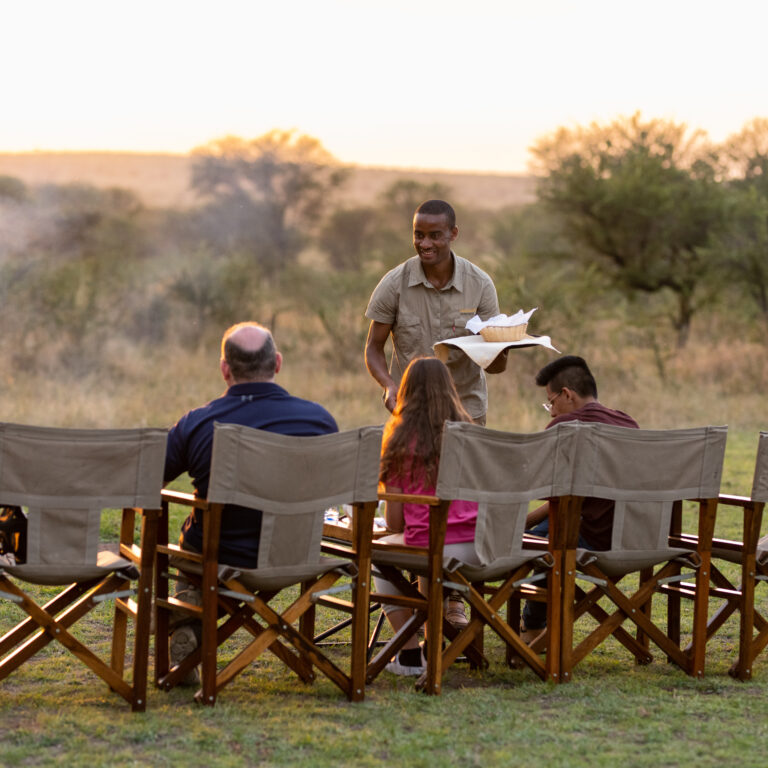
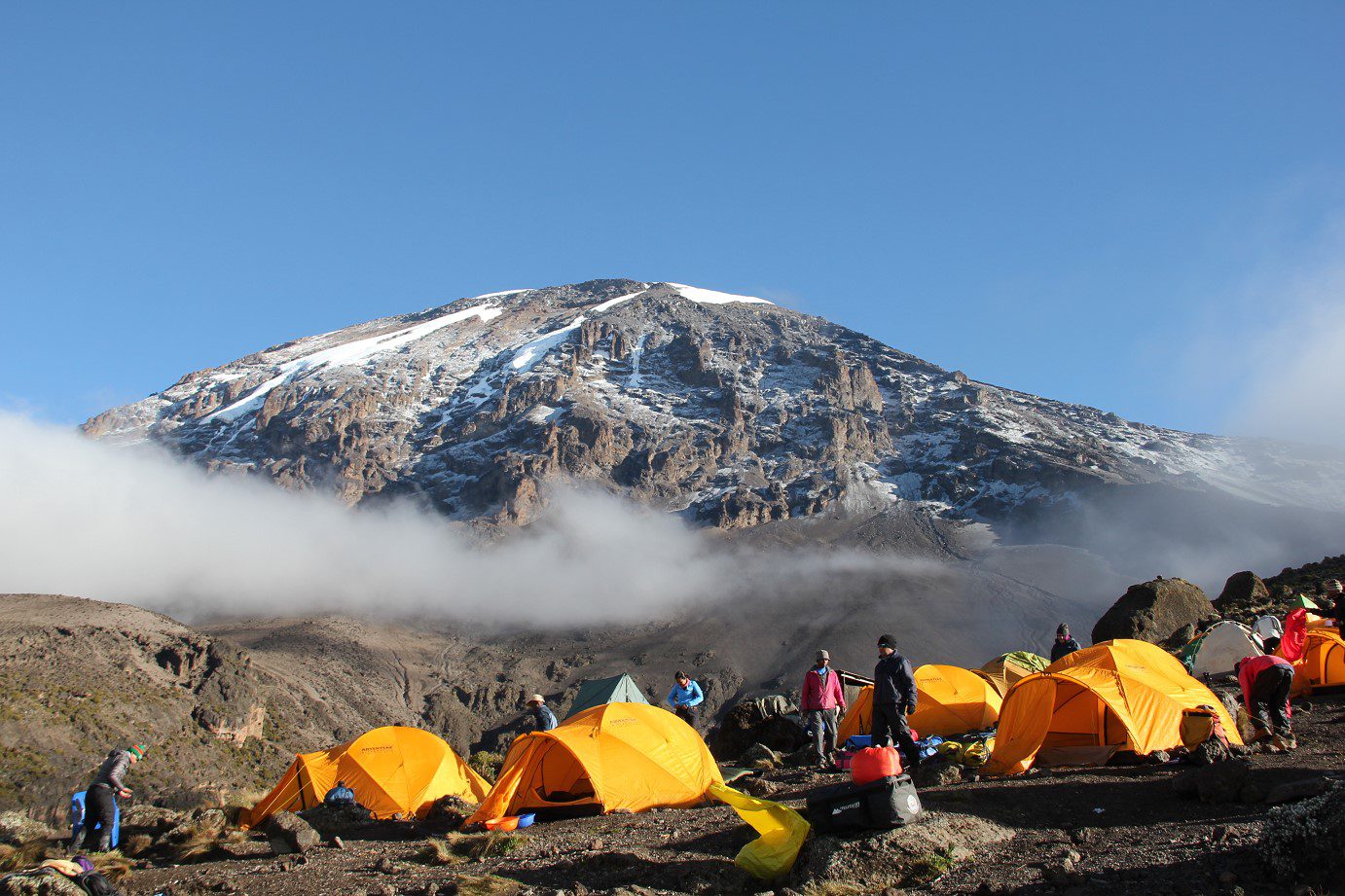
The Northern Circuit Kilimanjaro offers camping accommodations, ranging from basic tents to luxury glamping. Budget climbers can choose standard camping, providing essential shelter and shared facilities. Mid-range or premium packages may include larger tents, meals cooked by trained chefs, and thicker sleeping mats or camp cots. Lodges at trail entry points or nearby villages provide alternatives for pre- and post-trek accommodation. Factoring these costs into the Kilimanjaro climbing budget helps maintain comfort without overspending. Choosing the right accommodation balances affordable Kilimanjaro trekking with safety, warmth, and rest. By planning, climbers can enjoy a well-supported trek, stay energized for daily ascents, and avoid last-minute expensive alternatives near the trailheads.
Food and Meal Planning
Nutrition is critical during a Northern Circuit climb, and meals affect the overall Kilimanjaro budget. Most tour operators provide three meals per day, plus snacks and hydration. Meals are usually included in trekking packages, but climbers should plan for extra energy bars, bottled water, and occasional treats. Some prefer carrying lightweight snacks for summit day. High-altitude nutrition is essential for stamina, so allocating sufficient budget for quality meals ensures health and energy. Pre- and post-trek meals at local lodges or Arusha restaurants should also be considered. By including food costs in the budget, climbers ensure proper nutrition, contributing to a successful Northern Circuit Kilimanjaro ascent without unexpected financial strain.
Travel and Airport Transfers
Transport to Kilimanjaro International Airport (JRO) and transfers to the trailhead are key parts of a realistic Kilimanjaro budget. Flights from Dar es Salaam, Nairobi, or international hubs vary seasonally. Road transfers to the trailhead at Londorossi Gate, where the Northern Circuit begins, are usually included in tour packages but may require private arrangements for independent climbers. Considering taxi costs, shuttle services, or car rentals prevents overspending. Timing transfers efficiently also reduces fatigue before trekking. Accurate travel budgeting ensures climbers arrive safely and comfortably. Including these costs in the Northern Circuit Kilimanjaro budget plan avoids last-minute logistics issues and allows a smooth transition from flight to mountain adventure.
- Kilimanjaro Airport (JRO)Arrival
- MoshiAbout 45 min
- ArushaAbout 1 hour
- Safari parksNorthern Circuit
Trekking Gear and Equipment
High-quality trekking gear is essential for safety and comfort on the Northern Circuit. Items include insulated jackets, hiking boots, gloves, hats, sleeping bags, trekking poles, and waterproof layers. While some gear can be rented through operators, purchasing personal essentials ensures proper fit and hygiene. Budgeting for gear upfront prevents costly last-minute purchases or low-quality alternatives. Specialized equipment like headlamps, thermal socks, and hydration packs also contribute to the Kilimanjaro climbing budget. Preparing gear in advance reduces stress and increases summit success probability. A well-planned budget accounts for clothing, technical equipment, and optional items, ensuring climbers are fully prepared for varying Northern Circuit Kilimanjaro weather conditions.
Health and Safety Considerations
Health expenses are often overlooked, but crucial for a Northern Circuit Kilimanjaro climb. Budget for pre-trek medical checks, vaccinations, altitude sickness medications, and travel insurance covering evacuation and rescue. Some climbers also allocate funds for oxygen cylinders or portable pulse oximeters. Health and safety preparation ensures climbers are financially and physically ready for high-altitude challenges. Including these costs in the realistic Kilimanjaro budget prevents surprises and supports a safe ascent. Choosing a package with experienced guides trained in first aid is essential. Prioritizing medical and safety-related expenditures contributes to a responsible trekking plan, aligning with affordable Kilimanjaro climbing strategies.
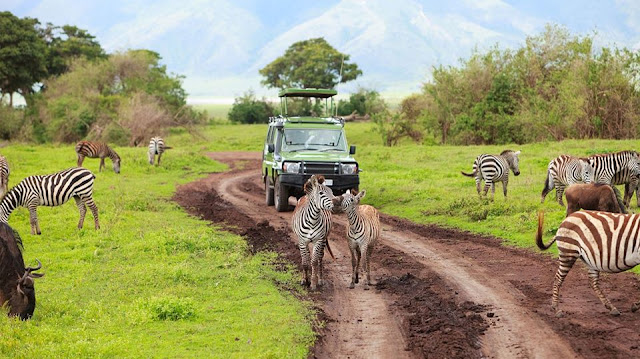
Approach, feed or disturb wildlife, or leave the vehicle unless your guide says it is safe.
Follow your guide, carry travel insurance and check current health and travel advice.
Travel Insurance and Emergency Funds
Comprehensive travel insurance is strongly recommended for Kilimanjaro climbers (and required by most operators) and should cover medical emergencies, trip cancellations, lost baggage, and rescue operations. Allocate an emergency fund for unforeseen situations, including extra trekking days due to weather or altitude-related delays. Insurance premiums vary based on age, trek length, and coverage levels. Including insurance in your Northern Circuit Kilimanjaro budget protects both climbers and their investment. It ensures peace of mind, allowing focus on the experience rather than risks. A realistic budget anticipates unexpected events, making your affordable Kilimanjaro trekking plan both practical and stress-free while safeguarding health, safety, and finances throughout the journey.
Summit Day Preparation
Summit day is the most demanding and critical part of the Northern Circuit trek. Budget for additional energy supplements, snacks, extra water, and gear replacements like gloves or headlamps. Some climbers choose private guides or supplemental oxygen, which increases costs but enhances safety and summit success. Planning summit day expenses ensures climbers are fully equipped for the challenging Kilimanjaro Northern Circuit summit, avoiding last-minute purchases. Accurate budgeting for this day guarantees physical readiness, mental focus, and resource availability. Incorporating summit-specific costs into the realistic Kilimanjaro budget enhances the likelihood of reaching Uhuru Peak without compromising safety or comfort.
Tipping Guides and Porters
Tipping is customary for Kilimanjaro guides and porters, forming part of ethical trekking practices. Allocate 10–15% of total trekking costs for tips, divided among guides, porters, and cooks. Proper tipping reflects gratitude and supports local communities. Budgeting for gratuities ensures climbers are prepared financially and socially for the Northern Circuit Kilimanjaro experience. Failing to include tips can create awkward situations or disappointment. Many tour operators provide recommended tip guidelines, simplifying planning. Including tipping in the realistic Kilimanjaro budget is essential for respecting local labor standards and sustaining ethical trekking tourism, ensuring climbers contribute responsibly to the Kilimanjaro economy.
Optional Extras and Activities
Some climbers add optional extras to enhance their Northern Circuit trek. These may include hot springs visits, photography sessions, cultural village tours, or helicopter rescue insurance. Allocating funds for extras allows flexibility without disrupting the core trekking budget. Pre-planning ensures climbers enjoy affordable Kilimanjaro trekking while adding memorable experiences. Optional activities should align with schedule and stamina, especially given the Northern Circuit’s long duration. Incorporating extras into the realistic Kilimanjaro budget prevents overspending and supports a balanced, enriching trek. Thoughtful planning ensures climbers can enjoy additional adventures while maintaining financial and physical preparedness throughout the Kilimanjaro journey.
Currency Exchange and Local Expenses
Currency exchange rates affect total Kilimanjaro costs. Most trail expenses are included in packages, but climbers may need cash for local markets, tips, souvenirs, or snacks. Using local currency (Tanzanian Shillings) avoids unfavorable conversion rates and transaction fees. Budgeting for minor expenses ensures convenience and comfort on the Northern Circuit trek. Planning for cash needs contributes to a realistic Kilimanjaro climbing budget, allowing climbers to focus on the trail without financial stress. Understanding daily costs and local pricing habits enables smarter spending and aligns with ethical and practical trekking strategies, enhancing the overall Northern Circuit Kilimanjaro experience.
Seasonal Considerations and Cost Variations
Costs for the Northern Circuit vary depending on the season. High season (June–October, December–January) increases flight and package prices, while low season offers discounts but may involve wet or slippery trails. Choosing the right timing balances affordability and trekking conditions. Seasonal planning affects permit costs, guide availability, and accommodation prices. Including seasonality in the Kilimanjaro budget plan ensures climbers maximize value while maintaining safety. Considering high-altitude weather patterns also prevents last-minute gear purchases or extended stays, keeping the trek on schedule and within the realistic Northern Circuit Kilimanjaro budget.
Creating a Final Budget Spreadsheet
The best way to manage finances is by creating a detailed budget spreadsheet for the Northern Circuit climb. Include permits, guides, porters, accommodation, food, travel, gear, insurance, tipping, optional activities, and emergency funds. Categorize costs as fixed, variable, and optional. Review and adjust according to personal comfort level and package deals. Tracking expenses ensures a realistic Kilimanjaro climbing budget and prevents overspending. A spreadsheet also allows easy comparisons of different tour operators, routes, and accommodation options. By planning thoroughly, climbers can enjoy an affordable Northern Circuit Kilimanjaro adventure with peace of mind, focusing entirely on the climb and the breathtaking scenery.
How Much Does the Northern Circuit Route Cost?
Climbing Mount Kilimanjaro via the Northern Circuit Route is a premium trekking experience, and its cost reflects its longer duration, superior acclimatization, and high summit success rate. In 2026, the Northern Circuit Route typically costs between $2,500 and $4,000 per person, with most standard packages averaging around $3,100–$3,400 for a 9-day climb. This price usually includes park fees, camping accommodation, professional guides, porters, meals, and transfers, while excluding international flights, visas, tips, and personal gear. As the longest route on Kilimanjaro, the Northern Circuit is slightly more expensive due to extra days on the mountain, higher park fees, and extended logistical support. However, it offers excellent value with 90–95% success rates, breathtaking scenery, and fewer crowds, making it a top choice for serious climbers seeking safety, comfort, and an unforgettable adventure.
Final Thought
A successful Northern Circuit Kilimanjaro trek combines preparation, budgeting, and realistic expectations. By breaking down Kilimanjaro trekking costs, choosing trusted operators, and accounting for permits, guides, food, gear, and insurance, climbers can craft a practical, realistic budget. Planning for seasonal variations, tipping, optional extras, and emergency funds ensures safety and enjoyment. A detailed budget allows climbers to focus on the journey, fully immersing themselves in the unforgettable Northern Circuit Kilimanjaro experience while avoiding financial surprises. With careful planning, even budget-conscious climbers can summit Kilimanjaro successfully, creating lifelong memories and ethical, rewarding trekking experiences.
Northern Circuit Route Cost: FAQs
How long does it take to climb Kilimanjaro?
Most Kilimanjaro climbs take six to nine days, depending on the route. Marangu can be done in five or six days, Machame and Rongai in six or seven, Lemosho in seven or eight, and the Northern Circuit in around nine. Longer itineraries improve acclimatization and summit success.
When is the best time to climb Kilimanjaro?
The drier months from January to early March and June to October are the best times to climb Kilimanjaro, offering clearer skies and better trail conditions. April and May bring the long rains and November the short rains, making trails wetter. Summit night is cold all year, so warm layers are essential.
Do I need a guide to climb Kilimanjaro?
Yes, all climbers must trek with a licensed guide and an authorised crew; independent climbing is not permitted. Guides manage the route, pace, safety and altitude monitoring, while porters and cooks carry equipment and prepare meals. Choosing a reputable operator with responsible porter practices is essential for a safe climb.
How can I avoid altitude sickness on Kilimanjaro?
Choose a longer itinerary, walk slowly or pole pole, drink plenty of water, eat well and follow the climb-high, sleep-low principle. Tell your guide immediately about headaches, nausea or dizziness. Consult a doctor before your trip about altitude medication, and remember that descending is the most effective treatment if symptoms worsen.
What should I pack for Kilimanjaro?
Pack layered clothing, a warm down jacket, waterproof jacket and trousers, broken-in hiking boots, warm gloves, a hat, a sleeping bag rated for sub-zero nights, a headlamp and trekking poles. Add sunscreen, sunglasses, water bottles, snacks and personal medication. Porters carry your main bag, so keep your daypack light.
Is there a minimum age to climb Kilimanjaro?
Kilimanjaro National Park generally requires climbers to be at least ten years old to attempt the summit, and there is no strict upper age limit. Every climber should be in good health and fitness. Older trekkers and anyone with medical conditions should consult a healthcare professional before booking and choose a longer, gradual route.
Which Kilimanjaro route is best for beginners?
Longer routes such as Lemosho on an eight-day itinerary and Machame on seven days are excellent for beginners because they allow gradual acclimatization. Marangu offers hut accommodation but is shorter, so adding an extra day is wise. The Northern Circuit is the longest and most gradual option for those with more time.
Can I combine a safari with Zanzibar?
Yes, a Tanzania safari followed by Zanzibar is one of Africa’s most popular holidays. After game drives in the Serengeti, Ngorongoro or Tarangire, a short flight takes you to Zanzibar for white-sand beaches, snorkelling, dhow cruises, spice tours and historic Stone Town. Plan three to five nights on the island to relax after your safari.
Climb Kilimanjaro With Confidence
Tell us your dates and fitness, and our experienced mountain team will plan a safe, well-acclimatized private climb.