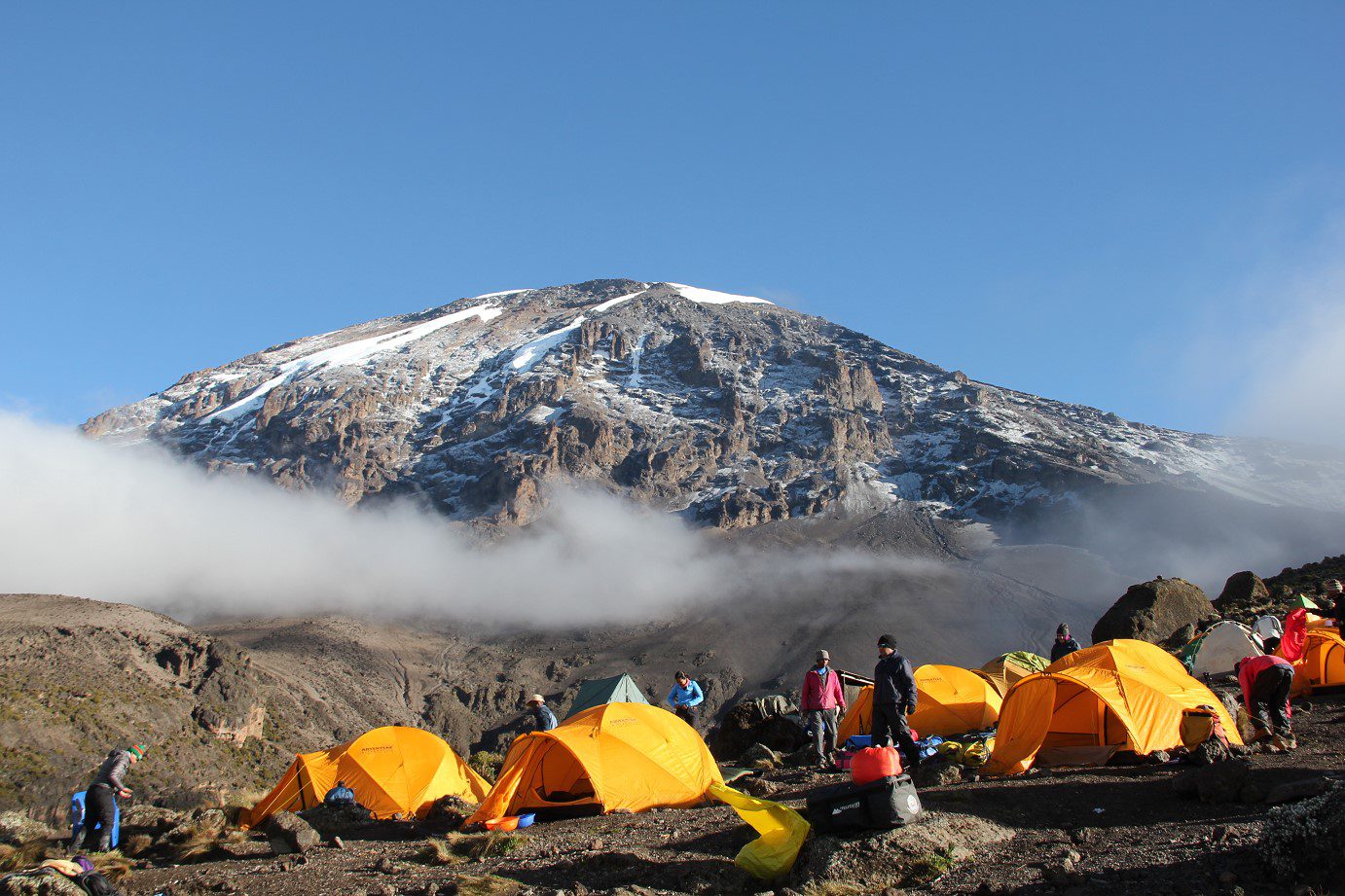
Natural foods and supplements for altitude acclimatization
Natural foods and supplements for altitude acclimatization
Discover incredible Natural foods and supplements for altitude acclimatization, which play a crucial role in helping the body adapt to high elevations where oxygen levels are lower. Whether you are trekking Mount Kilimanjaro hiking the Andes, or exploring highland safari destinations, proper nutrition supports oxygen efficiency, energy production, and overall endurance. At altitude, the body experiences reduced oxygen saturation, increased fatigue, and dehydration risk. Choosing the right altitude sickness prevention diet rich in iron, antioxidants, complex carbohydrates, and hydration-supporting nutrients can significantly improve performance and recovery. Popular high-altitude nutrition strategies include natural superfoods, electrolyte balance, and herbal supplements. This guide explores the best natural foods and supplements for altitude acclimatization, helping travelers, climbers, and adventurers reduce symptoms of altitude sickness and enhance stamina safely and effectively for better high-altitude performance and endurance.
Iron-Rich Foods for Oxygen Support
Iron-rich foods are essential for altitude acclimatization because iron supports hemoglobin production, which carries oxygen in the blood. At high elevations, oxygen levels are lower, so the body needs more efficient oxygen transport. Foods like spinach, kale, lentils, beans, red meat, liver, and pumpkin seeds help boost iron intake naturally. Combining iron-rich foods with vitamin C sources like oranges, lemons, and tomatoes enhances absorption. This improves energy levels, reduces fatigue, and helps prevent altitude sickness symptoms such as dizziness and weakness. Many climbers and trekkers include iron-rich diets before ascending mountains like Kilimanjaro. Maintaining proper iron levels ensures better stamina, improved endurance, and faster adaptation to thin air, making it one of the most important natural nutrition strategies for high-altitude travel and adventure activities.
Complex Carbohydrates for Sustained Energy
Complex carbohydrates are a primary energy source for altitude acclimatization because they provide slow-releasing fuel needed in low-oxygen environments. Foods such as whole grains, brown rice, oats, quinoa, sweet potatoes, and whole wheat bread help maintain stable blood sugar levels. At high altitude, the body burns more calories due to increased metabolic demand, making carbohydrate intake essential for endurance and stamina. Unlike simple sugars, complex carbs provide long-lasting energy without sudden crashes. Trekking diets often prioritize carbohydrate-rich meals to support long climbs and physical exertion. They also help reduce fatigue and improve oxygen efficiency during strenuous activity. Including complex carbohydrates in daily meals before and during altitude exposure ensures better performance, reduced exhaustion, and improved acclimatization for hikers, climbers, and high-altitude travelers.
Hydration and Electrolyte Balance
Proper hydration and electrolyte balance are vital for altitude acclimatization because dehydration worsens altitude sickness symptoms. At high elevations, the body loses fluids faster due to dry air, increased breathing rate, and physical exertion. Drinking plenty of water, herbal teas, and natural electrolyte drinks helps maintain fluid balance. Foods like bananas, coconut water, oranges, and cucumbers restore essential minerals such as potassium, magnesium, and sodium. Electrolytes support nerve function, muscle performance, and oxygen delivery throughout the body. Without proper hydration, climbers may experience headaches, dizziness, and fatigue. Many trekking experts recommend drinking small amounts of water frequently rather than large quantities at once. Maintaining hydration and electrolyte balance ensures smoother acclimatization, better endurance, and reduced risk of altitude-related illness during mountain trekking and high-altitude adventures.
Antioxidant-Rich Fruits and Vegetables
Antioxidant-rich fruits and vegetables help the body fight oxidative stress caused by reduced oxygen levels at high altitude. When oxygen availability decreases, the body produces more free radicals, which can lead to fatigue and cellular stress. Foods such as blueberries, strawberries, oranges, carrots, bell peppers, and leafy greens provide powerful antioxidants like vitamin C, vitamin A, and flavonoids. These nutrients strengthen the immune system and support faster recovery during altitude exposure. Antioxidants also improve blood circulation and oxygen efficiency, which are crucial for acclimatization. Including fresh fruits and vegetables in a high-altitude diet helps reduce inflammation and improve overall energy levels. Regular intake before and during trekking expeditions enhances endurance, supports lung function, and promotes better adaptation to challenging mountain environments.
- ArushaGateway
- TarangireElephants
- NgorongoroCrater
- SerengetiBig Five
- ZanzibarBeach
Beetroot for Natural Nitric Oxide Boost
Beetroot is widely recognized as a powerful natural food for altitude acclimatization due to its ability to increase nitric oxide levels in the body. Nitric oxide improves blood flow and oxygen delivery to muscles and tissues, which is essential in low-oxygen environments. Drinking beetroot juice or consuming fresh beetroot helps enhance stamina, reduce fatigue, and improve physical performance during trekking or climbing. It is especially beneficial for endurance activities like hiking Mount Kilimanjaro or high-altitude cycling. Beetroot also supports cardiovascular health and helps the body use oxygen more efficiently. Many athletes and climbers include beetroot supplements or juice in their pre-altitude nutrition plan. This natural superfood is a safe and effective way to improve oxygen utilization and support faster acclimatization at high elevations.
Ginger for Nausea and Digestion Support
Ginger is a natural remedy widely used for altitude sickness symptoms such as nausea, dizziness, and digestive discomfort. At high elevations, changes in pressure and oxygen levels can disrupt digestion and appetite. Ginger helps soothe the stomach, reduce inflammation, and improve circulation, making it an excellent food for acclimatization. It can be consumed as fresh root, tea, or added to meals. Ginger also supports immune function and helps the body adapt to physical stress during trekking or climbing. Many high-altitude travelers carry ginger tea bags or chew ginger candies for quick relief. It's natural warming effect improves blood flow and energy levels. Including ginger in a high-altitude diet supports overall comfort, reduces gastrointestinal issues, and enhances the body’s ability to adapt to challenging mountain environments effectively.
Garlic for Circulation and Immune Support
Garlic is a powerful natural food that supports altitude acclimatization by improving blood circulation and strengthening the immune system. It helps widen blood vessels, allowing better oxygen delivery throughout the body, which is crucial in low-oxygen environments. Regular consumption of garlic may reduce fatigue and improve stamina during high-altitude trekking. It also contains antimicrobial properties that help protect the body from infections, which can be more common when the immune system is under stress at altitude. Garlic can be consumed raw, cooked, or added to soups and meals. Many climbers include garlic in their pre-expedition diet to enhance cardiovascular efficiency. Its natural compounds support respiratory health and help the body adjust more effectively to altitude changes, making it a valuable addition to any high-altitude nutrition plan.
Nuts and Seeds for Healthy Fats and Energy
Nuts and seeds are excellent sources of healthy fats, protein, and essential minerals needed for altitude acclimatization. Foods like almonds, walnuts, chia seeds, flaxseeds, and sunflower seeds provide long-lasting energy, which is crucial in high-altitude environments where calorie demand increases. These nutrient-dense foods help maintain stamina, support brain function, and stabilize energy levels during trekking or climbing. They are also rich in magnesium and omega-3 fatty acids, which reduce inflammation and support cardiovascular health. Portable and easy to carry, nuts and seeds are ideal snacks for mountain expeditions. Regular intake helps prevent fatigue and supports oxygen efficiency in the body. Including them in a high-altitude diet ensures sustained energy release, better endurance, and improved physical performance in challenging conditions.
Approach, feed or disturb wildlife, or leave the vehicle unless your guide says it is safe.
Follow your guide, carry travel insurance and check current health and travel advice.
Bananas for Potassium and Muscle Function
Bananas are a highly recommended natural food for altitude acclimatization due to their rich potassium content and quick energy supply. Potassium helps regulate muscle function, nerve signals, and fluid balance, all of which are essential at high elevations. As the body loses electrolytes faster during trekking, bananas help restore balance and reduce muscle cramps and fatigue. They also provide natural sugars and carbohydrates that offer quick but steady energy. Bananas are easy to digest, making them ideal for climbers experiencing reduced appetite at altitude. Many trekking guides recommend eating bananas during breakfast or as a snack on the trail. Their combination of hydration support, energy boost, and electrolyte replenishment makes bananas a simple yet powerful food for improving endurance and preventing altitude-related weakness.
Herbal Teas for Oxygen Efficiency and Relaxation
Herbal teas play an important role in altitude acclimatization by supporting hydration, relaxation, and oxygen efficiency. Teas made from peppermint, chamomile, green tea, and rooibos help soothe the body and reduce stress caused by high-altitude conditions. Green tea, in particular, contains antioxidants that support circulation and energy metabolism. Herbal teas also help maintain fluid intake, which is critical in dry mountain environments. Drinking warm liquids improves blood flow and helps the body adjust to cold temperatures at altitude. Many climbers use herbal teas to reduce headaches, improve sleep quality, and support digestion. These natural beverages are caffeine-controlled alternatives to strong stimulants, helping maintain balance during ascent. Including herbal teas in a high-altitude routine enhances recovery, comfort, and overall acclimatization efficiency.
Omega-3 Rich Foods for Anti-Inflammatory Support
Omega-3-rich foods are essential for reducing inflammation and supporting cardiovascular health during altitude acclimatization. At high elevations, the body experiences increased physical stress, which can lead to inflammation and fatigue. Foods such as salmon, sardines, chia seeds, flaxseeds, and walnuts provide essential omega-3 fatty acids that support oxygen flow and brain function. These healthy fats improve blood circulation and help the body adapt more efficiently to reduced oxygen levels. Omega-3s also support lung health and reduce the risk of altitude-related discomfort. Including these foods in a pre-trek diet enhances endurance and recovery. They are especially beneficial for long expeditions where sustained energy and inflammation control are crucial for performance and safety in high-altitude environments.
Dark Chocolate for Energy and Mood Boost
Dark chocolate is a beneficial natural food for altitude acclimatization due to its antioxidant content and quick energy release. It contains flavonoids that improve blood circulation and support oxygen delivery throughout the body. At high altitude, where fatigue and low energy are common, dark chocolate provides a quick mood and energy boost. It also contains magnesium, which helps reduce muscle cramps and supports nerve function. Small amounts of dark chocolate can improve mental alertness and reduce stress during trekking or climbing. Many adventurers carry it as a lightweight energy snack. Choosing chocolate with high cocoa content ensures better health benefits and less sugar intake. This simple superfood supports stamina, emotional well-being, and overall performance in challenging mountain conditions.
Honey for Natural Energy and Immunity
Honey is a powerful natural supplement for altitude acclimatization because it provides quick energy and supports immune function. It contains natural sugars such as glucose and fructose, which offer immediate fuel for physical activity in low-oxygen environments. Honey also has antibacterial and antioxidant properties that help protect the body from infections and oxidative stress. It can be consumed in warm water, tea, or directly as a natural energy booster during trekking. Many climbers use honey to relieve sore throats and support respiratory health at high altitude. Its natural composition makes it easy to digest and highly effective for maintaining energy levels. Including honey in a high-altitude diet enhances endurance, improves recovery, and supports overall adaptation to challenging environmental conditions.
Magnesium-Rich Foods for Muscle Recovery
Magnesium-rich foods are essential for altitude acclimatization because they support muscle recovery, nerve function, and energy production. At high elevations, physical exertion increases, leading to muscle fatigue and cramps. Foods such as spinach, almonds, cashews, pumpkin seeds, avocados, and whole grains provide natural magnesium that helps the body relax and recover efficiently. Magnesium also plays a role in oxygen utilization and cardiovascular health, both critical for high-altitude adaptation. Proper magnesium intake helps reduce headaches, improve sleep quality, and maintain energy balance during trekking or climbing. Many high-altitude nutrition plans include magnesium-rich diets or supplements to enhance endurance. Including these foods ensures better physical performance, faster recovery, and reduced discomfort in challenging mountain environments.
Final Thought
Natural foods and supplements for altitude acclimatization are essential tools for safe and successful high-altitude travel and trekking experiences. A balanced diet rich in iron, complex carbohydrates, antioxidants, healthy fats, and electrolytes helps the body adapt efficiently to reduced oxygen levels. Foods like beetroot, bananas, nuts, ginger, and honey provide natural energy, improve circulation, and reduce symptoms of altitude sickness. Proper hydration and herbal teas further support recovery and oxygen efficiency. While supplements can enhance performance, natural whole foods remain the foundation of effective acclimatization. Whether climbing Mount Kilimanjaro or exploring other high-altitude destinations, proper nutrition ensures endurance, comfort, and safety. Combining these dietary strategies allows travelers to enjoy breathtaking mountain landscapes while maintaining optimal health and performance throughout their journey.
Natural foods and supplements for altitude acclimatization: FAQs
What should you know about iron-rich foods for oxygen support ?
Iron-rich foods are essential for altitude acclimatization because iron supports hemoglobin production, which carries oxygen in the blood. At high elevations, oxygen levels are lower, so the body needs more efficient oxygen transport. Foods like spinach, kale, lentils, beans, red meat, liver, and pumpkin seeds help boost iron intake naturally.
What can you expect from complex carbohydrates for sustained energy for natural foods and supplements for altitude acclimatization?
Complex carbohydrates are a primary energy source for altitude acclimatization because they provide slow-releasing fuel needed in low-oxygen environments. Foods such as whole grains, brown rice, oats, quinoa, sweet potatoes, and whole wheat bread help maintain stable blood sugar levels. At high altitude, the body burns more calories due to increased metabolic demand, making carbohydrate intake essential for endurance and stamina.
What should you know about hydration and electrolyte balance for natural foods and supplements for altitude acclimatization?
Proper hydration and electrolyte balance are vital for altitude acclimatization because dehydration worsens altitude sickness symptoms. At high elevations, the body loses fluids faster due to dry air, increased breathing rate, and physical exertion. Drinking plenty of water, herbal teas, and natural electrolyte drinks helps maintain fluid balance.
What can you expect from antioxidant-rich fruits and vegetables for natural foods and supplements for altitude acclimatization?
Antioxidant-rich fruits and vegetables help the body fight oxidative stress caused by reduced oxygen levels at high altitude. When oxygen availability decreases, the body produces more free radicals, which can lead to fatigue and cellular stress. Foods such as blueberries, strawberries, oranges, carrots, bell peppers, and leafy greens provide powerful antioxidants like vitamin C, vitamin A, and flavonoids.
What should you know about beetroot for natural nitric oxide boost?
Beetroot is widely recognized as a powerful natural food for altitude acclimatization due to its ability to increase nitric oxide levels in the body. Nitric oxide improves blood flow and oxygen delivery to muscles and tissues, which is essential in low-oxygen environments. Drinking beetroot juice or consuming fresh beetroot helps enhance stamina, reduce fatigue, and improve physical performance during trekking or climbing.
What can you expect from ginger for nausea and digestion support for natural foods and supplements for altitude acclimatization?
Ginger is a natural remedy widely used for altitude sickness symptoms such as nausea, dizziness, and digestive discomfort. At high elevations, changes in pressure and oxygen levels can disrupt digestion and appetite. Ginger helps soothe the stomach, reduce inflammation, and improve circulation, making it an excellent food for acclimatization.
What should you know about garlic for circulation and immune support for natural foods and supplements for altitude acclimatization?
Garlic is a powerful natural food that supports altitude acclimatization by improving blood circulation and strengthening the immune system. It helps widen blood vessels, allowing better oxygen delivery throughout the body, which is crucial in low-oxygen environments. Regular consumption of garlic may reduce fatigue and improve stamina during high-altitude trekking.
What can you expect from nuts and seeds for healthy fats and energy for natural foods and supplements for altitude acclimatization?
Nuts and seeds are excellent sources of healthy fats, protein, and essential minerals needed for altitude acclimatization. Foods like almonds, walnuts, chia seeds, flaxseeds, and sunflower seeds provide long-lasting energy, which is crucial in high-altitude environments where calorie demand increases. These nutrient-dense foods help maintain stamina, support brain function, and stabilize energy levels during trekking or climbing.
Plan Your Private Tanzania Safari
Tell us your travel dates, interests and budget, and our local team will design a private tailor-made safari around you.