
Mountain Guides on Mount Kilimanjaro
Mountain Guides on Mount Kilimanjaro
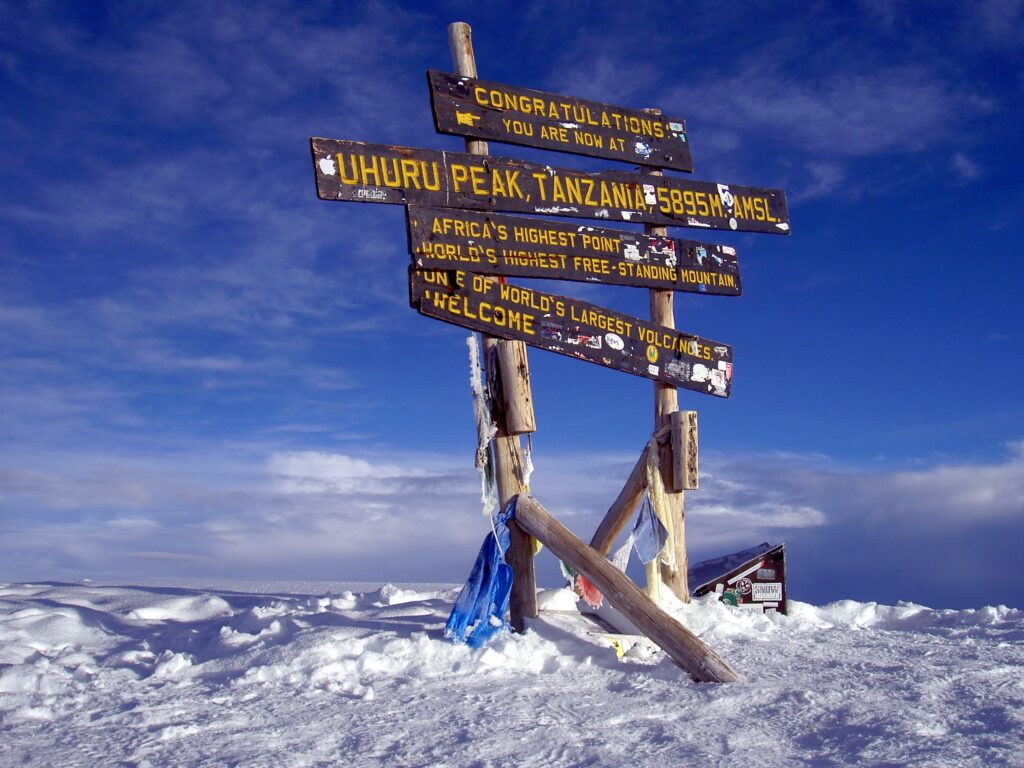
Climbing Mount Kilimanjaro is one of Africa’s greatest adventure travel experiences, attracting trekkers from around the world seeking the ultimate Tanzania safari and trekking holiday. While the snow-capped summit of Uhuru Peak inspires thousands every year, the true heroes behind successful climbs are the experienced mountain guides on Mount Kilimanjaro. These professional Kilimanjaro guides play a vital role in safety, acclimatization, route planning, motivation, wildlife interpretation, and cultural storytelling. Whether you choose the Machame Route, Lemosho Route, Marangu Route, Rongai Route, or Northern Circuit, expert mountain guides increase summit success rates and ensure a safe Kilimanjaro climbing experience. From luxury Kilimanjaro trekking tours to budget hiking adventures, guides help climbers navigate changing weather, altitude sickness risks, and difficult terrain while creating unforgettable memories on Africa’s highest mountain.
The Importance of Mountain Guides on Kilimanjaro
Mountain guides on Mount Kilimanjaro are essential for a safe and successful trekking expedition. Kilimanjaro is not a technical climb, but altitude sickness, unpredictable mountain weather, and physical exhaustion make professional guidance extremely important. Certified Kilimanjaro guides monitor climbers’ health, oxygen levels, hydration, and pace throughout the journey. They understand every route, campsite, and acclimatization strategy required to help travelers reach Uhuru Peak safely. Experienced guides also educate climbers about local Chagga culture, mountain ecology, and the history of Kilimanjaro National Park. Their encouragement becomes especially valuable during summit night when temperatures fall below freezing and exhaustion sets in. Many travelers say their guides transformed a difficult climb into an inspiring personal achievement. Choosing highly trained mountain guides greatly improves safety, confidence, enjoyment, and overall summit success rates on Mount Kilimanjaro.
Training and Certification of Kilimanjaro Guides
Professional Kilimanjaro mountain guides undergo extensive training before leading climbers to the summit of Mount Kilimanjaro. Most licensed guides receive wilderness first aid training, altitude sickness management education, rescue procedure instruction, and environmental conservation awareness. Reputable Kilimanjaro tour operators ensure their guides are certified through Tanzania National Parks regulations and mountain rescue programs. These guides are trained to recognize Acute Mountain Sickness symptoms early, helping prevent dangerous situations during high-altitude trekking. Many experienced guides have climbed Kilimanjaro hundreds of times, giving them exceptional knowledge of weather conditions, trail challenges, and acclimatization techniques. English-speaking guides are widely available, while some companies also offer guides fluent in French, German, Spanish, Italian, and other languages. Their professional skills, leadership, and communication abilities help climbers feel secure while exploring Africa’s most iconic mountain destination.
How Guides Improve Summit Success Rates
One of the biggest reasons climbers hire professional mountain guides on Mount Kilimanjaro is the significant increase in summit success rates. Experienced guides understand how to manage altitude acclimatization by maintaining a slow and steady hiking pace known as “pole pole,” a famous Swahili phrase meaning “slowly slowly.” They carefully monitor each climber’s condition, encouraging hydration, proper nutrition, and rest throughout the trek. Guides know when to adjust pace or provide additional support to struggling hikers. Routes such as the Lemosho Route and Northern Circuit often have higher success rates because guides use longer itineraries that allow better acclimatization. During summit night, guides motivate exhausted climbers through freezing temperatures, steep slopes, and low oxygen conditions. Their expertise, encouragement, and emergency preparedness dramatically improve the chances of standing successfully at Uhuru Peak.
Safety Responsibilities of Kilimanjaro Mountain Guides
Safety is the top priority for every professional mountain guide leading expeditions on Mount Kilimanjaro. Guides perform daily health checks, monitor oxygen saturation levels, and watch for symptoms of altitude sickness, including headaches, nausea, dizziness, and fatigue. They carry emergency oxygen cylinders, first aid kits, radios, and evacuation equipment during climbs. In difficult situations, guides make critical decisions about whether climbers should descend immediately for medical safety. Their knowledge of mountain weather patterns helps avoid dangerous exposure to storms, heavy rain, snow, or freezing summit conditions. Guides also ensure climbers follow park regulations and environmental protection practices. Reputable Kilimanjaro trekking companies prioritize guide training because a quick emergency response can save lives on high-altitude expeditions. With professional mountain guides managing risks, trekkers can focus on enjoying the adventure while climbing Africa’s tallest mountain safely.
Approach, feed or disturb wildlife, or leave the vehicle unless your guide says it is safe.
Follow your guide, carry travel insurance and check current health and travel advice.
The Role of Porters and Assistant Guides
Successful Kilimanjaro expeditions depend not only on lead mountain guides but also on assistant guides and hardworking porters. On Mount Kilimanjaro, porters carry camping equipment, food supplies, tents, water, and climbers’ duffel bags through challenging terrain and changing weather conditions. Assistant guides help monitor trekkers, provide encouragement, and manage camp operations during the climb. Together, this mountain crew creates a safe and organized trekking environment for visitors from around the world. Ethical Kilimanjaro tour companies ensure fair porter wages, proper meals, adequate gear, and humane working conditions through responsible tourism practices. Many travelers form close friendships with their mountain team because of the kindness, dedication, and support provided throughout the expedition. The teamwork between guides, cooks, and porters is one of the defining features of a successful and unforgettable Mount Kilimanjaro climbing experience.
Choosing the Best Kilimanjaro Mountain Guides
Selecting the best mountain guides for climbing Mount Kilimanjaro is one of the most important decisions travelers make when planning a Tanzania trekking adventure. Reputable Kilimanjaro tour operators employ certified, experienced, and English-speaking guides with strong safety records and excellent client reviews. Travelers should research summit success rates, guide qualifications, emergency procedures, and ethical porter treatment policies before booking a climb. Luxury Kilimanjaro tours often provide highly experienced lead guides, advanced safety equipment, and smaller climbing groups for personalized attention. Budget climbs can also offer excellent guidance when booked with trustworthy local operators. Reading online reviews, comparing itineraries, and asking detailed questions about the guide's experience helps climbers choose reliable trekking companies. Great mountain guides inspire confidence, maintain team morale, and transform the challenging Kilimanjaro journey into a rewarding, life-changing adventure.
Daily Life of a Kilimanjaro Mountain Guide
The daily routine of a mountain guide on Mount Kilimanjaro is physically demanding yet deeply rewarding. Guides wake early to organize the climbing team, review weather conditions, and ensure all trekkers are prepared for the day’s journey. Throughout the trek, they set the hiking pace, monitor climbers’ health, and provide constant encouragement during difficult sections of the mountain. After reaching camp, guides conduct health checks, coordinate meals with cooks, and brief climbers about the next day’s route. Summit night is especially exhausting because guides often assist tired hikers through freezing temperatures and steep volcanic slopes. Despite the challenges, many Kilimanjaro guides take great pride in helping visitors achieve their dream of reaching Uhuru Peak. Their dedication, resilience, and leadership make every Kilimanjaro expedition possible for travelers from across the globe.
Luxury and Private Guided Kilimanjaro Climbs
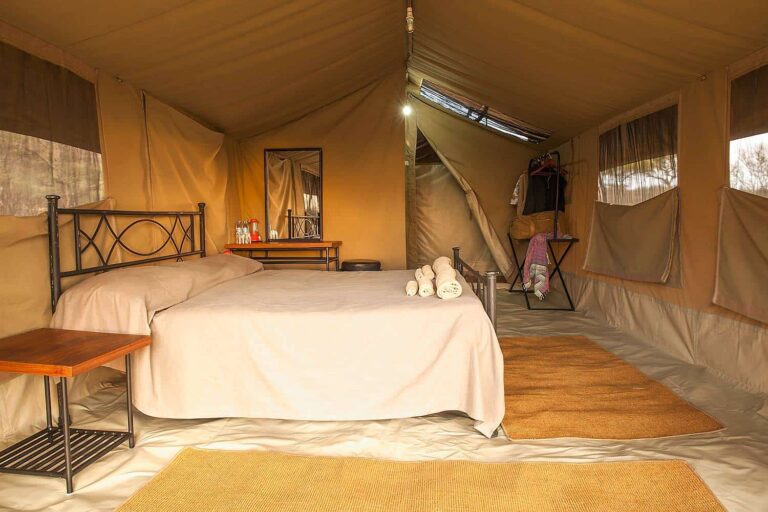
Luxury guided climbs on Mount Kilimanjaro have become increasingly popular among travelers seeking comfort, personalized service, and high summit success rates. Private Kilimanjaro expeditions often include experienced senior guides, premium camping equipment, portable toilets, spacious tents, gourmet meals, and customized trekking schedules. Luxury mountain guides provide one-on-one attention, closely monitor health conditions, and adapt daily hiking plans based on climbers’ needs and acclimatization progress. These premium climbing experiences are ideal for honeymoon travelers, families, seniors, photographers, and VIP adventure seekers wanting an exclusive Mount Kilimanjaro journey. Many luxury operators also combine Kilimanjaro trekking with Tanzania wildlife safaris in the Serengeti and beach holidays in Zanzibar. Professional guides remain central to these high-end experiences, ensuring safety, comfort, motivation, and unforgettable service while leading travelers toward the Roof of Africa in style and confidence.
Sustainable Tourism and Kilimanjaro Guides
Sustainable tourism on Mount Kilimanjaro depends heavily on responsible mountain guides and ethical trekking companies. Professional guides educate climbers about environmental conservation, waste management, and respecting fragile alpine ecosystems during Kilimanjaro expeditions. They encourage Leave No Trace principles, proper trail behavior, and eco-friendly travel practices that help preserve the mountain for future generations. Ethical guides also support local employment by creating jobs for porters, cooks, drivers, and village communities surrounding Kilimanjaro National Park. Responsible tourism improves education, healthcare, and economic opportunities in nearby Tanzanian communities. Many guides actively participate in environmental cleanup campaigns and mountain conservation projects. By choosing ethical Kilimanjaro operators with well-trained guides and fair porter treatment policies, travelers contribute positively to sustainable tourism while enjoying one of Africa’s most extraordinary trekking adventures and wildlife travel destinations.
Final Thought
Mountain guides are the heart and soul of every successful climb on Mount Kilimanjaro. Their expertise, leadership, safety knowledge, and cultural storytelling transform a demanding high-altitude trek into a meaningful and unforgettable adventure. From managing acclimatization and emergency response to motivating climbers during the difficult summit ascent, professional Kilimanjaro guides play an irreplaceable role in every expedition. They also introduce travelers to Tanzania’s rich culture, breathtaking landscapes, and welcoming mountain communities. Whether choosing a luxury Kilimanjaro climbing package, budget trekking tour, private expedition, or family adventure, selecting experienced guides greatly improves safety, comfort, and summit success rates. For many travelers, the friendships formed with guides, porters, and mountain crews become the most treasured part of the journey, making Mount Kilimanjaro not only a climb but a truly life-changing African experience.
Mountain Guides on Mount Kilimanjaro: FAQs
What should you know about the Importance of mountain guides on Kilimanjaro?
Mountain guides on Mount Kilimanjaro are essential for a safe and successful trekking expedition. Kilimanjaro is not a technical climb, but altitude sickness, unpredictable mountain weather, and physical exhaustion make professional guidance extremely important. Certified Kilimanjaro guides monitor climbers’ health, oxygen levels, hydration, and pace throughout the journey.
What should you know about training and Certification of Kilimanjaro guides?
Professional Kilimanjaro mountain guides undergo extensive training before leading climbers to the summit of Mount Kilimanjaro. Most licensed guides receive wilderness first aid training, altitude sickness management education, rescue procedure instruction, and environmental conservation awareness. Reputable Kilimanjaro tour operators ensure their guides are certified through Tanzania National Parks regulations and mountain rescue programs.
How Guides Improve Summit Success Rates?
One of the biggest reasons climbers hire professional mountain guides on Mount Kilimanjaro is the significant increase in summit success rates. Experienced guides understand how to manage altitude acclimatization by maintaining a slow and steady hiking pace known as “pole pole,” a famous Swahili phrase meaning “slowly slowly.” They carefully monitor each climber’s condition, encouraging hydration, proper nutrition, and rest throughout the trek.
What should you know about safety Responsibilities of Kilimanjaro mountain guides?
Safety is the top priority for every professional mountain guide leading expeditions on Mount Kilimanjaro. Guides perform daily health checks, monitor oxygen saturation levels, and watch for symptoms of altitude sickness, including headaches, nausea, dizziness, and fatigue. They carry emergency oxygen cylinders, first aid kits, radios, and evacuation equipment during climbs.
What can you expect from cultural knowledge Shared by Kilimanjaro guides?
Mountain guides on Mount Kilimanjaro provide far more than hiking assistance because they also share rich Tanzanian culture and local traditions. Many guides belong to the Chagga community living around Kilimanjaro’s fertile slopes, giving visitors authentic insight into regional customs, farming practices, legends, and mountain history.
What should you know about the role of porters and assistant guides?
Successful Kilimanjaro expeditions depend not only on lead mountain guides but also on assistant guides and hardworking porters. On Mount Kilimanjaro, porters carry camping equipment, food supplies, tents, water, and climbers’ duffel bags through challenging terrain and changing weather conditions. Assistant guides help monitor trekkers, provide encouragement, and manage camp operations during the climb.
What should you know about choosing the best Kilimanjaro mountain guides?
Selecting the best mountain guides for climbing Mount Kilimanjaro is one of the most important decisions travelers make when planning a Tanzania trekking adventure. Reputable Kilimanjaro tour operators employ certified, experienced, and English-speaking guides with strong safety records and excellent client reviews. Travelers should research summit success rates, guide qualifications, emergency procedures, and ethical porter treatment policies before booking a climb.
What should you know about daily life of a Kilimanjaro mountain guide?
The daily routine of a mountain guide on Mount Kilimanjaro is physically demanding yet deeply rewarding. Guides wake early to organize the climbing team, review weather conditions, and ensure all trekkers are prepared for the day’s journey. Throughout the trek, they set the hiking pace, monitor climbers’ health, and provide constant encouragement during difficult sections of the mountain.
Climb Kilimanjaro With Confidence
Tell us your dates and fitness, and our experienced mountain team will plan a safe, well-acclimatized private climb.