Mount Kilimanjaro Amazing Range of Climates
Mount Kilimanjaro Amazing Range of Climates
Mount Kilimanjaro, Africa’s highest peak and the world’s tallest free-standing mountain, is more than just a climbing destination—it’s a living showcase of diverse ecosystems. Rising majestically from Tanzania’s plains, Kilimanjaro presents climbers with a rare journey through distinct climate zones in just a few days. From lush bushlands and dense rainforests to alpine deserts and icy Arctic summits, each zone offers unique landscapes, wildlife, and challenges. Understanding Kilimanjaro’s climatic range helps trekkers prepare for the changing temperatures, terrain, and weather conditions, ensuring a safer and more rewarding climb. Whether you’re planning a Kilimanjaro trekking adventure, a Mount Kilimanjaro hike, or an expedition to Uhuru Peak, knowing what to expect in each ecological zone is essential. This guide explores each of Kilimanjaro’s climate zones in detail, giving you insights into the flora, fauna, temperatures, and experiences awaiting every climber.
The Bushland/Cultivated Zone of Mount Kilimanjaro – What You’ll See
The lower slopes of Mount Kilimanjaro are dominated by the Bushland and Cultivated Zone, ranging from 800 to 1,800 meters above sea level. This zone is characterized by rolling farmland, small villages, and fertile plains. Trekkers will notice banana plantations, coffee farms, and maize fields interspersed with local Maasai settlements, offering a glimpse of Tanzanian rural life. Wildlife in this zone includes baboons, colobus monkeys, and a variety of birds, making it a delight for nature enthusiasts. The climate here is warm and humid, perfect for growing crops, but temperatures can drop in the evening. Trekking through this area provides a gradual acclimatization to higher altitudes. For those seeking cultural experiences, this zone offers interactions with local communities and the chance to witness traditional farming techniques. Starting your Kilimanjaro trek here allows your body to adjust gently before entering the mountain’s more challenging and cooler climate zones.
The Rainforest Zone of Kilimanjaro – What’s it Like?
As climbers ascend to approximately 1,800–2,800 meters, Kilimanjaro’s lush Rainforest Zone unfolds. This zone is renowned for dense tropical forests, moss-covered trees, and cascading waterfalls. Frequent mist and high humidity create a mystical atmosphere, perfect for spotting colobus monkeys, duikers, and vibrant bird species. The rainforest is often damp, with temperatures ranging from 10–20°C, so trekkers should be prepared with waterproof gear. Trails here are shaded, winding along streams and dramatic ridges, providing both a serene and challenging trekking experience. This zone plays a crucial role in acclimatization, as the gradual increase in altitude allows climbers to adapt to thinner air. Photography enthusiasts will find endless opportunities to capture Kilimanjaro’s unique flora, from giant tree ferns to orchids. Entering this rainforest feels like stepping into a tropical paradise, blending wildlife encounters, adventure trekking, and natural beauty in one unforgettable segment of the climb.
The Heath/Moorland Zone of Mount Kilimanjaro – What’s it Like?
Above 2,800 meters, Mount Kilimanjaro transitions into the Heath and Moorland Zone, offering a striking contrast to the dense rainforest below. This semi-arid region features giant lobelias, heathers, and ground-hugging shrubs, creating surreal landscapes that appear almost otherworldly. Temperatures vary widely, from chilly nights to mild daytime warmth, often ranging between 5–15°C. Trekkers may encounter rock hyraxes and endemic bird species, while the trails become steeper and more exposed. The zone’s dramatic scenery includes deep valleys, ridges, and panoramic views of the lower forests and plains, providing breathtaking photo opportunities. Hiking here requires careful attention to hydration and sun protection, as the altitude and sun exposure can be deceptive. For climbers aiming for Uhuru Peak, this zone is crucial for acclimatization, helping the body adjust before tackling the harsher Alpine Desert and Arctic Zones. It’s a surreal stage of the climb, blending adventure with unique high-altitude ecology.
The Alpine Desert Zone of Kilimanjaro – What to Expect
Rising between 4,000 and 5,000 meters, the Alpine Desert Zone marks Kilimanjaro’s high-altitude extremes. Vegetation becomes sparse, replaced by barren volcanic rocks, gravel plains, and occasional hardy shrubs. Temperatures can swing dramatically from below freezing at night to sunny warmth during the day. Oxygen levels decrease significantly, making breathing more difficult and increasing the risk of altitude sickness. Trekkers must move carefully, pacing themselves while carrying essential gear such as layered clothing, gloves, and hats. The stark beauty of this zone, with wide-open vistas, lava formations, and dramatic skies, contrasts sharply with the lower forested zones. Visibility often stretches for miles, offering views of Tanzania’s plains and even distant Mount Meru. Successful navigation through this challenging climate is vital for reaching the final Arctic Zone. For adventure travelers and Kilimanjaro climbers, this desert-like environment tests endurance while rewarding with unforgettable landscapes and a profound sense of isolation at high altitudes.
The Arctic Zone of Kilimanjaro – How to Tackle Africa’s Ice Cap
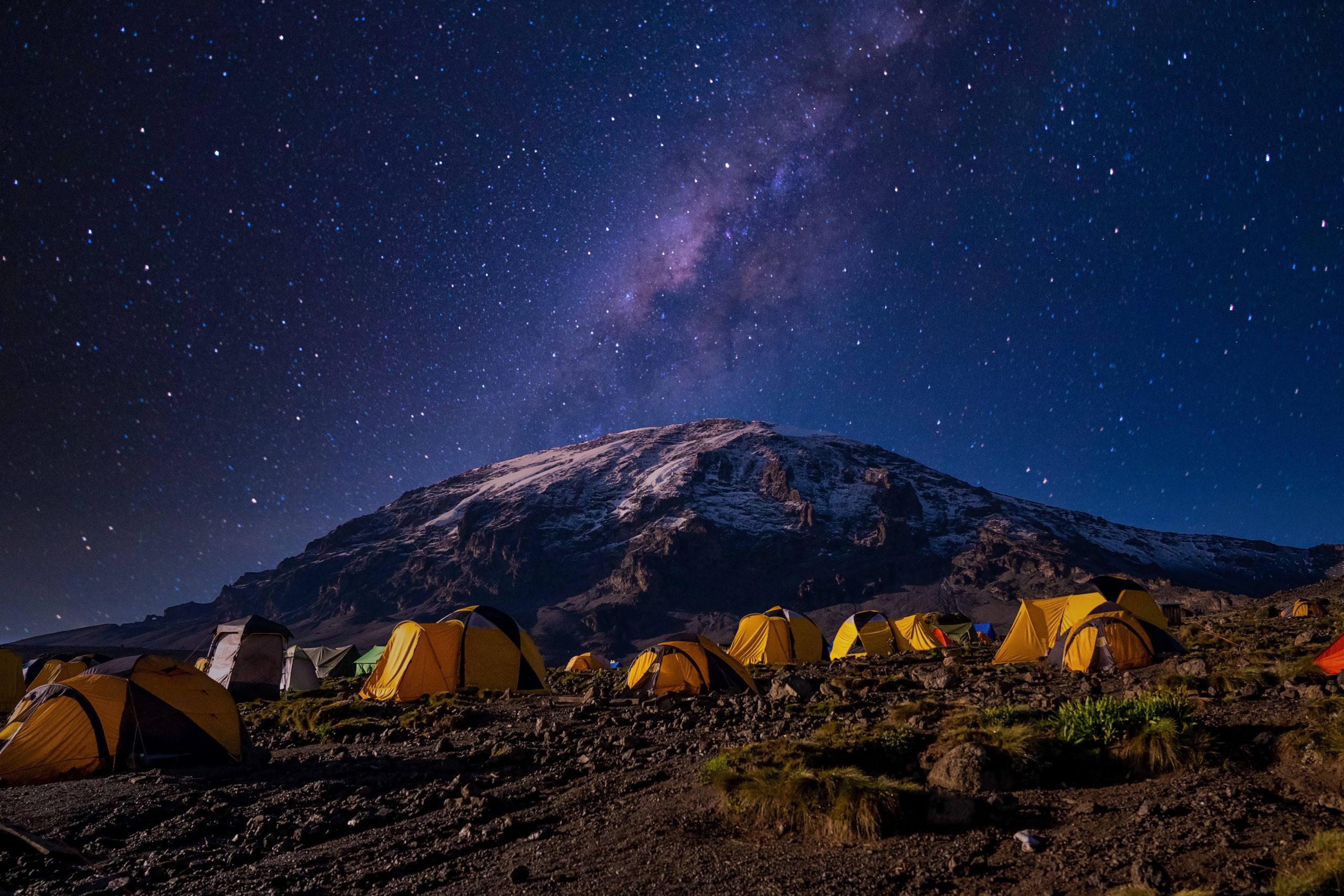
The Arctic Zone, above 5,000 meters, crowns Kilimanjaro with snow, glaciers, and ice fields—the highest point being Uhuru Peak at 5,895 meters. Temperatures often drop well below freezing, and climbers face strong winds, snow, and icy terrain. This zone demands careful preparation, including insulated clothing, crampons, and trekking poles. Acclimatization is critical to prevent altitude sickness, and climbers often tackle the summit in a pre-dawn push to witness the sunrise over Africa. The glacial landscapes, deep crevasses, and dramatic ridges offer a surreal, almost lunar environment. Despite the extreme conditions, reaching the summit provides unmatched panoramic views, a sense of triumph, and a true bucket-list experience. This Arctic Zone represents the pinnacle of adventure trekking on Kilimanjaro, combining technical climbing challenges with the awe-inspiring beauty of Africa’s highest ice cap, making it a once-in-a-lifetime expedition for serious climbers.
Final Thought
Mount Kilimanjaro’s diverse climate zones—from fertile bushlands and rainforests to alpine deserts and icy summits—offer trekkers a unique ecological journey. Each zone presents its own beauty, wildlife, and challenges, making the climb an adventure that tests endurance, resilience, and appreciation for nature. Understanding these climatic shifts is key to planning a successful Kilimanjaro trek. Whether you’re a first-time climber, a solo adventurer, or a seasoned mountaineer, experiencing Kilimanjaro’s range of climates promises an unforgettable encounter with Africa’s highest peak. Proper preparation, awareness of altitude changes, and respect for each ecological zone ensure climbers not only reach Uhuru Peak but also fully immerse themselves in the natural wonders and extraordinary landscapes of this legendary mountain.
Mount Kilimanjaro Amazing Range of Climates: FAQs
How many climate zones are on Mount Kilimanjaro?
Mount Kilimanjaro boasts six distinct climate zones, ranging from lush tropical forests at its base to icy Arctic conditions at the summit. These zones—Cultivation, Rainforest, Heath/Moorland, Alpine Desert, Arctic, and Summit Icecap—each feature unique temperatures, vegetation, and weather patterns. Understanding the Kilimanjaro climate zones is essential for trekkers, as each zone affects altitude acclimatization, gear selection, and overall trekking experience.
What is the warmest climate zone on Kilimanjaro?
The Cultivation Zone, at the base of Kilimanjaro, is the warmest climate zone, with temperatures ranging from 20–30°C (68–86°F). This zone features banana, coffee, and maize plantations, vibrant flora, and frequent sunshine. Trekkers start their journey here, adjusting to moderate heat and humidity. Staying hydrated and wearing light, breathable clothing is crucial.
Which zone is the wettest on Mount Kilimanjaro?
The Rainforest Zone is the wettest climate zone on Kilimanjaro, receiving heavy rainfall, often exceeding 2,500 mm annually. Lush greenery, moss-covered trees, and diverse wildlife thrive here. Trekking through this zone involves muddy paths, dripping foliage, and cooler, humid air, requiring waterproof gear and sturdy boots. The wettest zone supports unique species like colobus monkeys and exotic birds, offering unforgettable wildlife encounters.
What makes the Heath/Moorland Zone unique?
The Heath/Moorland Zone on Kilimanjaro, found above the rainforest, is characterized by giant heathers, lobelias, and unique alpine plants. Temperatures drop significantly, and mornings often feature frost. This zone bridges tropical and alpine environments, presenting a stark contrast between lush forests and barren highlands. Trekkers witness dramatic landscapes with rock formations, scattered shrubs, and rare wildlife.
How extreme is the Alpine Desert Zone?
The Alpine Desert Zone on Kilimanjaro is extreme, with intense sunlight, strong winds, and minimal vegetation. Temperatures fluctuate between warm days and freezing nights, creating harsh trekking conditions. Oxygen levels drop significantly, increasing fatigue and altitude sickness risk. The terrain is rocky, dry, and almost barren, testing climbers’ endurance and resilience.
What is the Arctic Zone like on Kilimanjaro?
The Arctic Zone, near Kilimanjaro’s summit, features sub-zero temperatures, strong winds, and icy terrain. Snow and glaciers dominate, while oxygen levels drop to less than half of sea level, making breathing difficult. Trekkers face extreme conditions that demand specialized cold-weather gear, crampons, and layered clothing. The zone’s stark beauty, including views of glaciers, icefields, and summit ridges, contrasts sharply with lower tropical zones.
How should I prepare for the different Kilimanjaro climates?
Preparing for Kilimanjaro’s six climate zones requires strategic planning. Layered clothing, waterproof jackets, sun protection, and sturdy boots are essential. Hydration, balanced nutrition, and acclimatization schedules help prevent altitude sickness. Trekking poles aid stability across uneven terrain, while gloves and thermal layers protect against Alpine Desert and Arctic cold. Knowing each zone’s weather patterns ensures climbers adapt efficiently, enjoy the diverse landscapes, and complete the climb safely.
Can I see wildlife in all zones of Kilimanjaro?
Wildlife is most abundant in Kilimanjaro’s lower zones, including the Rainforest and Heath/Moorland, where colobus monkeys, elephants, bushbucks, and exotic birds thrive. As altitude increases, animal sightings decline, but rare highland species like rock hyraxes and alpine birds can still be observed. Trekking through all zones offers a complete wildlife experience, highlighting Africa’s ecological diversity.
How do the climate zones affect trekking difficulty?
Kilimanjaro’s climate zones influence trekking difficulty through temperature shifts, oxygen levels, and terrain variation. Warm, humid lower zones are easier for acclimatization, while the Alpine Desert and Arctic zones pose extreme challenges. Weather can change rapidly, requiring flexible clothing and mental resilience. Each zone demands different physical preparation, pacing, and gear.
Why is understanding Kilimanjaro’s climate zones important?
Understanding Kilimanjaro’s climate zones is vital for trekking safety, gear selection, and acclimatization planning. Each zone presents unique weather, temperature, and altitude challenges. Knowledge of these zones helps prevent altitude sickness, ensures proper clothing and equipment, and enhances wildlife and landscape observation. It also allows climbers to strategically pace their ascent, maximize comfort, and fully enjoy the diverse ecosystems.
Climb Kilimanjaro With Confidence
Tell us your dates and fitness, and our experienced mountain team will plan a safe, well-acclimatized private climb.