Fun Facts for Kids about Mount Kilimanjaro
Fun Facts for Kids about Mount Kilimanjaro
Mount Kilimanjaro is one of the most famous mountains in the world and one of Africa’s greatest natural wonders. Rising high above the plains of Tanzania, this giant mountain attracts thousands of climbers, adventurers, wildlife lovers, and nature photographers every year. Mount Kilimanjaro is a dream destination for family safaris, educational tours, school geography projects, and African adventure holidays. Kids love learning about Kilimanjaro because it is full of exciting stories, incredible wildlife, snowy peaks, volcanoes, glaciers, forests, and amazing world records. From the tallest mountain in Africa to its ancient glaciers and fascinating climbing routes, Kilimanjaro offers endless fun facts for children and adults alike. Whether you are planning a Tanzania safari, climbing adventure, or simply learning about world geography, these Mount Kilimanjaro facts for kids will inspire curiosity and excitement about Africa’s tallest mountain.
Mount Kilimanjaro Is the Highest Freestanding Mountain in the World
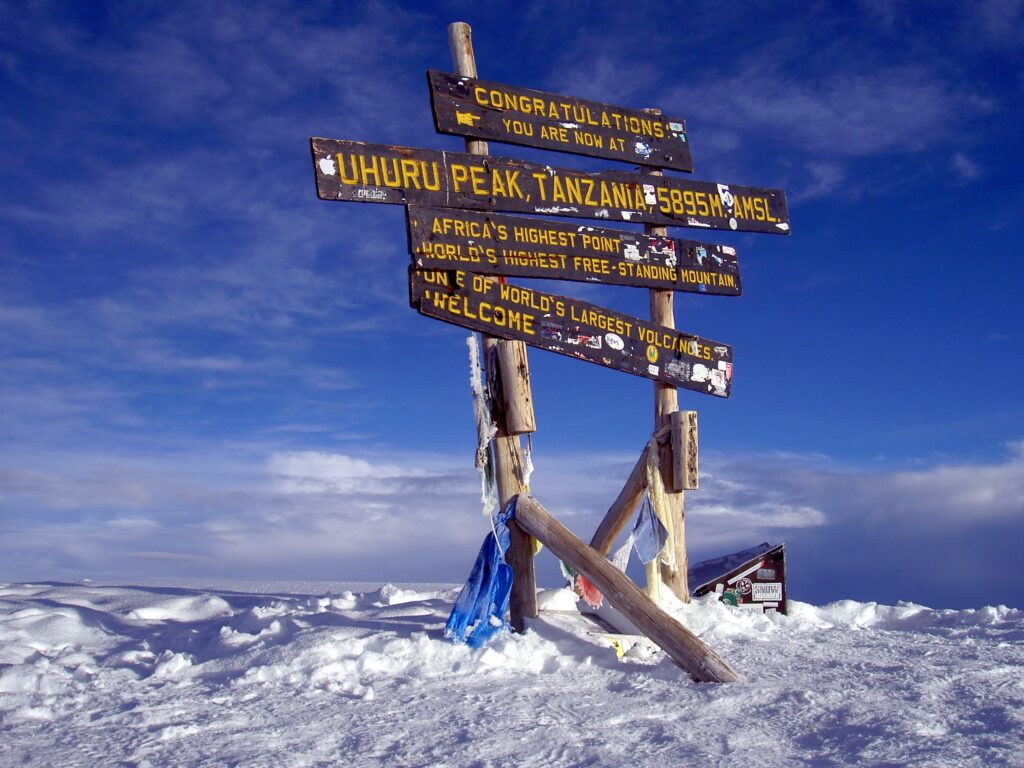
One of the most amazing facts about Mount Kilimanjaro is that it is the tallest freestanding mountain on Earth. Unlike many mountains that are connected to large mountain ranges, Kilimanjaro stands completely alone. It rises dramatically from the flat African plains to an incredible height of 5,895 meters (19,341 feet). This makes it not only Africa’s tallest mountain but also the world’s highest freestanding mountain. Kids often imagine Kilimanjaro as a giant island rising above the clouds. Because the mountain stands by itself, it can be seen from many miles away during clear weather. Climbers from all over the world travel to Tanzania to reach Uhuru Peak, the mountain’s highest point. Kilimanjaro is also one of the most photographed mountains in Africa because of its breathtaking beauty, snowy summit, and stunning landscapes filled with elephants, giraffes, and acacia trees.
Kibo’s Last Eruption Was 360,000 Years Ago
Kibo Peak is the tallest of Kilimanjaro’s three volcanic cones. Scientists believe Kibo last erupted around 360,000 years ago, making it an ancient volcano with a fascinating geological history. Although it no longer erupts today, visitors can still see signs of volcanic activity near the summit. Some climbers notice sulfur smells and steaming vents inside the Ash Pit near Kibo’s crater. Kids are often amazed to learn that Mount Kilimanjaro was formed by powerful volcanic eruptions millions of years ago. The mountain was created from lava, ash, and molten rock pushing upward from deep inside the Earth. Over time, the eruptions stopped, allowing plants, forests, animals, and glaciers to develop on the mountain. Learning about Kibo helps children understand volcanoes, Earth science, and how mountains are formed. Kilimanjaro is like a giant outdoor classroom for geography and nature lovers.
Mount Kilimanjaro Is One of the Seven Summits
Mount Kilimanjaro is part of the famous Seven Summits challenge, which includes the tallest mountain on each continent. Adventurers from around the world dream of climbing all seven mountains. Kilimanjaro represents Africa in this exciting global challenge. The Seven Summits include mountains in Asia, Europe, North America, South America, Antarctica, Australia, and Africa. Kilimanjaro is considered one of the easier summits because climbers do not need technical mountaineering equipment like ropes or ice axes on most routes. This makes it popular for beginners and families seeking adventure travel experiences. Kids love hearing that ordinary people from many countries climb Kilimanjaro every year. The mountain teaches climbers about perseverance, teamwork, and determination. Reaching the summit of Kilimanjaro is a major achievement and often becomes one of the greatest adventures of a person’s life.
There Are 5 Major Climate Zones on Kilimanjaro
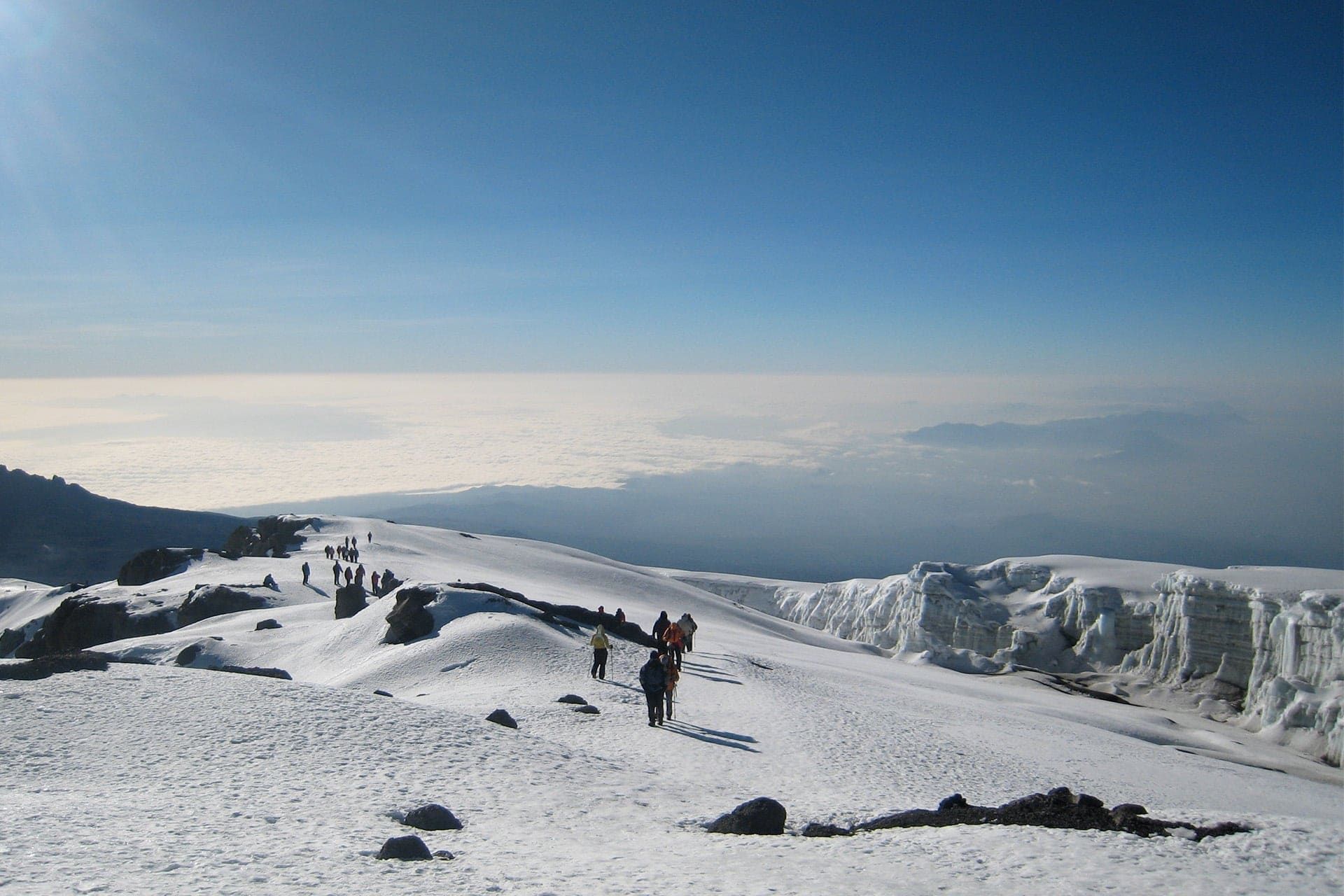
One of the coolest facts about Mount Kilimanjaro is that climbers pass through five different climate zones while hiking to the summit. It feels like traveling from the equator to the Arctic in just a few days. The journey starts in warm farmland and rainforest filled with monkeys, birds, and giant trees. Higher up, climbers enter heath and moorland areas with unusual plants and cooler temperatures. Above that lies the alpine desert, where the land becomes dry and rocky. Finally, the summit zone is icy and freezing with snow and glaciers. These changing environments make Kilimanjaro one of the most unique mountains on Earth. Children enjoy learning how plants, animals, and temperatures change as climbers go higher. This amazing mountain provides a real-life lesson about ecosystems, weather, geography, and climate zones found across the planet.
Mount Kilimanjaro Is a Dormant Volcano
Mount Kilimanjaro is actually a giant dormant volcano made up of three volcanic cones called Kibo, Mawenzi, and Shira. A dormant volcano means it is currently inactive but could possibly erupt again someday in the distant future. Scientists still detect small amounts of volcanic activity beneath the mountain, especially around Kibo’s crater area. Millions of years ago, lava eruptions helped build Kilimanjaro into the enormous mountain seen today. Kids are often fascinated to discover that Africa’s tallest mountain was created by fire and molten rock. Even though Kilimanjaro is peaceful now, its volcanic history shaped its dramatic landscapes, rich soils, and unique ecosystems. The mountain’s volcanic origins also help explain why plants grow so well on its lower slopes. Farmers living near Kilimanjaro benefit from fertile volcanic soil that supports coffee, bananas, and many other crops.
The First Written Mention of Kilimanjaro Dates Back to the 2nd Century
The earliest known written mention of Mount Kilimanjaro dates back nearly 2,000 years. Ancient geographers from the Roman Empire wrote about a mysterious snow-covered mountain in Africa near the equator. This was surprising because many people believed snow could not exist in hot Africa. Greek geographer Ptolemy is often connected with these early descriptions of Kilimanjaro. For centuries, travelers and traders shared stories about a giant white mountain rising above East Africa. Some explorers even doubted such a mountain existed until European expeditions confirmed it during the 19th century. Children enjoy imagining ancient travelers seeing Kilimanjaro from far away and wondering how snow could survive so close to the equator. These historical stories make Kilimanjaro even more magical and mysterious. The mountain has inspired explorers, scientists, storytellers, and adventurers for thousands of years across many cultures.
The Youngest Person to Summit Mount Kilimanjaro Was 6 Years Old
One incredible record connected to Mount Kilimanjaro is that the youngest recorded climber to reach the summit was only 6 years old. Although Tanzania now has age restrictions for safety reasons, this achievement amazed people worldwide. Climbing Kilimanjaro is challenging because the air becomes thinner at high altitude, making breathing harder. Young climbers must train carefully and climb slowly with experienced guides. Kids are inspired by stories of children reaching Africa’s highest peak through determination and teamwork. Climbing Kilimanjaro teaches important lessons about patience, courage, and perseverance. Many families travel to Tanzania together to experience parts of the mountain, even if they do not reach the summit. Seeing the snowy peak from nearby national parks is already an unforgettable adventure. Kilimanjaro continues to motivate young explorers to dream big and believe in themselves.
It’s Home to Africa’s Tallest Tree
The forests surrounding Mount Kilimanjaro contain some of Africa’s most extraordinary plants and trees. Scientists discovered one of Africa’s tallest trees growing on Kilimanjaro’s slopes. This giant tree reaches astonishing heights due to the mountain’s rich volcanic soil, rainfall, and favorable climate. Kilimanjaro’s rainforest zone is filled with towering trees, colorful birds, monkeys, and unique flowers. Children love learning that the mountain supports both icy glaciers and lush tropical forests at the same time. The rainforest also helps protect water sources used by nearby communities and wildlife. Many animals, including elephants and colobus monkeys, depend on these forests for survival. Exploring Kilimanjaro’s forests feels like stepping into a magical jungle filled with adventure and discovery. The mountain’s biodiversity makes it one of Tanzania’s most important natural treasures and conservation areas for future generations.
The First Recorded Successful Summit of Mount Kilimanjaro Was in 1889
The first officially recorded successful climb of Mount Kilimanjaro happened in 1889. German geographer Hans Meyer and Austrian climber Ludwig Purtscheller reached the summit after several difficult attempts. At the time, climbing Kilimanjaro was extremely challenging because explorers lacked modern hiking equipment, weather forecasts, and proper mountain gear. The climbers faced freezing temperatures, exhaustion, and dangerous conditions before finally standing on Africa’s highest point. Their successful expedition became famous worldwide and helped introduce Kilimanjaro to international travelers. Kids enjoy hearing these adventure stories because they show how determination and teamwork can overcome huge obstacles. Today, thousands of climbers follow in their footsteps every year using improved trails and experienced guides. Kilimanjaro remains one of the world’s greatest adventure destinations for hikers, explorers, and nature lovers.
30,000 People Attempt to Climb Kilimanjaro Each Year
Every year, around 30,000 people travel to Tanzania to climb Mount Kilimanjaro. Visitors come from nearly every corner of the world to experience Africa’s tallest mountain. Some climb for adventure, others for charity, fitness, personal goals, or educational experiences. Climbers spend several days hiking through forests, moorlands, deserts, and icy summit zones before reaching Uhuru Peak. Kids are often surprised to learn how many people dream about climbing Kilimanjaro. The mountain has become one of the most popular trekking destinations on Earth because it does not require technical climbing skills. Local guides, cooks, and porters help visitors safely complete their journeys. Tourism around Kilimanjaro supports thousands of Tanzanian families and businesses. The mountain also teaches travelers about environmental conservation, African culture, wildlife protection, and the importance of respecting nature during outdoor adventures and safaris.
There Are 7 Official Routes to the Summit
Climbers can reach the summit of Mount Kilimanjaro using seven official routes. These routes include Machame, Marangu, Lemosho, Rongai, Shira, Umbwe, and the Northern Circuit. Each route offers different scenery, challenges, and climbing experiences. Some routes pass through dense rainforest while others provide spectacular views of glaciers and volcanic landscapes. Kids often compare the routes to different adventure paths leading toward the same magical destination. The Marangu Route is famous for its mountain huts, while the Machame Route is known for its beautiful scenery. The Northern Circuit is the longest route and offers excellent wildlife and panoramic views. Choosing the right route depends on fitness level, climbing experience, and available time. These routes help climbers safely explore Kilimanjaro’s incredible ecosystems while enjoying one of the world’s most unforgettable trekking experiences in the heart of East Africa.
Sheila MacDonald Was the First Woman Recorded to Summit Mt Kilimanjaro
Sheila MacDonald became one of the first recorded women to successfully climb Mount Kilimanjaro. Her achievement inspired women and girls around the world to pursue adventure travel and mountain climbing. During earlier times, many people believed mountain climbing was only for men, but courageous female climbers helped change those ideas forever. Sheila MacDonald’s success showed that determination, preparation, and bravery matter more than gender. Today, thousands of women climb Kilimanjaro every year from countries across the globe. Many young girls become inspired after hearing stories about female adventurers reaching Africa’s highest summit. Kilimanjaro now welcomes climbers of different ages, cultures, and backgrounds. The mountain represents equality, perseverance, and the belief that anyone can achieve extraordinary goals. Adventure stories like these encourage children to dream confidently and challenge limitations.
The Oldest Person to Summit Mount Kilimanjaro Was 89 Years Old
One of the most inspiring Mount Kilimanjaro records belongs to an 89-year-old climber who successfully reached the summit. This incredible achievement proves that determination and proper preparation can help people accomplish amazing goals at almost any age. Many children are surprised to learn that older adventurers continue climbing mountains and exploring the world. Reaching the summit of Mount Kilimanjaro requires mental strength, patience, and physical endurance. Climbers move slowly to allow their bodies to adjust to high altitude conditions. The success of older climbers inspires families, schools, and travelers around the world. Kilimanjaro is not just about reaching the top; it is about challenging yourself and enjoying the journey. Stories like these teach kids valuable lessons about healthy living, persistence, and never giving up on dreams, regardless of age or obstacles along the way.
It Hosts the Highest Cricket and Rugby Matches in the World
Mount Kilimanjaro is famous for some unusual world records, including the highest cricket and rugby matches ever played. Adventurous athletes carried sports equipment high up the mountain to organize games at extreme altitude. Playing sports on Kilimanjaro is much harder because the air contains less oxygen near the summit. Even running short distances can feel exhausting. These record-breaking matches were organized to raise awareness for charities and celebrate teamwork, adventure, and global friendship. Kids love imagining people playing cricket or rugby surrounded by snow and glaciers high above Africa. These events show how creative and adventurous humans can be. Kilimanjaro continues attracting athletes, explorers, filmmakers, scientists, and travelers seeking extraordinary experiences. The mountain’s unique environment makes it one of the most exciting and inspiring locations for world records and unforgettable outdoor adventures.
The Fastest Summit Attempt Record Is 4-Hours and 56-Minutes
Most climbers spend five to eight days reaching the summit of Mount Kilimanjaro, but elite athletes have climbed it incredibly fast. One record-breaking ascent reached the summit in only 4 hours and 56 minutes. This astonishing achievement required intense training, endurance, and experience with high-altitude running. Kids are often amazed that someone could move from tropical forest to an icy summit so quickly. However, most visitors climb slowly to safely adjust to altitude changes. Rushing too fast can cause altitude sickness and other health problems. Fast climbs are usually attempted only by highly trained professionals. Kilimanjaro races and endurance events attract athletes from around the world who want to test their limits. The mountain continues inspiring people to push boundaries, stay active, and develop strong determination while respecting the power and challenges of nature.
Bernard Goosen Climbed Kilimanjaro in a Wheelchair Twice
Bernard Goosen achieved something truly extraordinary by climbing Mount Kilimanjaro in a wheelchair not once, but twice. His inspiring journeys demonstrated incredible courage, determination, and teamwork. Bernard faced difficult terrain, cold temperatures, steep trails, and high altitude conditions during his climbs. With support from a dedicated team, he proved that physical disabilities do not stop people from achieving amazing dreams. Children often feel inspired by stories like Bernard’s because they teach perseverance and hope. His successful climbs encouraged greater awareness about accessibility and inclusion in outdoor adventures. Kilimanjaro has become a symbol of human determination and resilience for people worldwide. Stories like Bernard Goosen’s remind everyone that challenges can be overcome with courage, support, and belief in oneself. His accomplishments continue to motivate adventurers of all ages and abilities.
The Glaciers on Mount Kilimanjaro Are 11,700 Years Old
The beautiful glaciers on top of Mount Kilimanjaro are believed to be around 11,700 years old. These ancient ice formations developed during the last Ice Age and have survived for thousands of years near the equator. Kids are often amazed that snow and ice exist in Africa because many people think Africa is only hot and dry. Kilimanjaro’s glaciers sparkle brilliantly under sunlight and create breathtaking scenery near the summit. Scientists study these glaciers to learn about Earth’s climate history and environmental changes over time. Unfortunately, the glaciers are shrinking because of climate change and rising temperatures. Many experts believe some glaciers could disappear completely within future generations. Learning about Kilimanjaro’s glaciers helps children understand the importance of protecting the environment, reducing pollution, and preserving natural wonders for people and wildlife around the world.
Kilimanjaro Is on the Equator
One fascinating fact about Mount Kilimanjaro is that it stands very close to the equator, the imaginary line dividing the Earth into northern and southern halves. Areas near the equator are usually hot and tropical, which makes Kilimanjaro’s snowy summit even more surprising. Children often wonder how snow can exist so close to warm African savannas filled with elephants and lions. The answer lies in the mountain’s great height. Temperatures become colder as altitude increases, allowing snow and glaciers to form at the summit. Kilimanjaro is one of the few places on Earth where climbers can experience tropical rainforests and icy conditions during the same journey. This unique location makes the mountain a favorite topic in geography lessons and educational travel programs. Kilimanjaro perfectly demonstrates how altitude affects weather, climate, and ecosystems across the planet.
The Mountain’s Snow Caps Are Diminishing
The famous snow caps of Mount Kilimanjaro are slowly disappearing because of climate change and warming global temperatures. Scientists studying the mountain have noticed that the glaciers and snow fields are much smaller today than they were over 100 years ago. This environmental change concerns researchers, conservationists, and local communities. Children learning about Kilimanjaro often discover how human activities can affect nature worldwide. Rising temperatures, changing weather patterns, and reduced snowfall all contribute to shrinking glaciers. Many experts encourage environmental conservation to help protect mountains, forests, rivers, and wildlife habitats. Kilimanjaro serves as an important reminder about caring for Earth’s ecosystems. Despite these challenges, the mountain remains one of Africa’s most spectacular natural landmarks. Visitors continue traveling from around the world to admire its snowy peak, stunning landscapes, and extraordinary biodiversity before further changes occur.
The Real Origin of the Name “Kilimanjaro” Is Unknown
Even today, nobody knows the exact origin of the name “Kilimanjaro.” Many historians, linguists, and local communities have shared different theories over the years. Some believe the name combines Swahili and Chagga language words related to mountains, caravans, or greatness. Others think it may mean “Mountain of Whiteness” because of the snowy summit. The mystery surrounding the name makes Mount Kilimanjaro even more fascinating for children and travelers. Throughout history, the mountain has inspired legends, stories, exploration, and scientific discovery. Local communities living near Kilimanjaro have their own cultural traditions and stories connected to the mountain. Learning about these traditions helps children appreciate African history, languages, and cultural diversity. The mystery of Kilimanjaro’s name reminds us that some parts of history remain unsolved, adding wonder and excitement to one of Africa’s greatest natural treasures.
Final Thought
Mount Kilimanjaro is far more than Africa’s tallest mountain. It is a place filled with adventure, world records, ancient glaciers, volcanic history, wildlife, forests, and inspiring human achievements. From young climbers and elderly adventurers to scientists and athletes, Kilimanjaro continues capturing the imagination of people worldwide. Kids especially enjoy learning about its snowy summit near the equator, giant trees, climate zones, mysterious name, and incredible climbing stories. The mountain also teaches important lessons about environmental conservation, courage, perseverance, teamwork, and cultural diversity. Whether you dream of climbing Kilimanjaro someday or simply want to explore fascinating geography facts, this magnificent Tanzanian landmark remains one of the most extraordinary places on Earth. Mount Kilimanjaro truly represents the spirit of exploration, discovery, and natural beauty that makes Africa so unforgettable for children and adults alike.
Fun Facts for Kids about Mount Kilimanjaro: FAQs
What should you know about Mount Kilimanjaro is the highest freestanding mountain in the world?
One of the most amazing facts about Mount Kilimanjaro is that it is the tallest freestanding mountain on Earth. Unlike many mountains that are connected to large mountain ranges, Kilimanjaro stands completely alone. It rises dramatically from the flat African plains to an incredible height of 5,895 meters (19,341 feet).
What can you expect from Mount Kilimanjaro is one of the seven summits?
Mount Kilimanjaro is part of the famous Seven Summits challenge, which includes the tallest mountain on each continent. Adventurers from around the world dream of climbing all seven mountains. Kilimanjaro represents Africa in this exciting global challenge. The Seven Summits include mountains in Asia, Europe, North America, South America, Antarctica, Australia, and Africa.
What should you know about Mount Kilimanjaro is a dormant volcano?
Mount Kilimanjaro is actually a giant dormant volcano made up of three volcanic cones called Kibo, Mawenzi, and Shira. A dormant volcano means it is currently inactive but could possibly erupt again someday in the distant future. Scientists still detect small amounts of volcanic activity beneath the mountain, especially around Kibo’s crater area.
What can you expect from the youngest person to summit Mount Kilimanjaro was 6 years old?
One incredible record connected to Mount Kilimanjaro is that the youngest recorded climber to reach the summit was only 6 years old. Although Tanzania now has age restrictions for safety reasons, this achievement amazed people worldwide. Climbing Kilimanjaro is challenging because the air becomes thinner at high altitude, making breathing harder.
What should you know about the first recorded successful summit of Mount Kilimanjaro was in 1889?
The first officially recorded successful climb of Mount Kilimanjaro happened in 1889. German geographer Hans Meyer and Austrian climber Ludwig Purtscheller reached the summit after several difficult attempts. At the time, climbing Kilimanjaro was extremely challenging because explorers lacked modern hiking equipment, weather forecasts, and proper mountain gear.
What can you expect from there are 7 official routes to the summit for fun facts for kids about Mount Kilimanjaro?
Climbers can reach the summit of Mount Kilimanjaro using seven official routes. These routes include Machame, Marangu, Lemosho, Rongai, Shira, Umbwe, and the Northern Circuit. Each route offers different scenery, challenges, and climbing experiences. Some routes pass through dense rainforest while others provide spectacular views of glaciers and volcanic landscapes.
What should you know about the Oldest person to summit Mount Kilimanjaro was 89 years old?
One of the most inspiring Mount Kilimanjaro records belongs to an 89-year-old climber who successfully reached the summit. This incredible achievement proves that determination and proper preparation can help people accomplish amazing goals at almost any age. Many children are surprised to learn that older adventurers continue climbing mountains and exploring the world.
What can you expect from the Fastest summit Attempt record is 4-hours and 56-minutes for fun facts for kids about Mount Kilimanjaro?
Most climbers spend five to eight days reaching the summit of Mount Kilimanjaro, but elite athletes have climbed it incredibly fast. One record-breaking ascent reached the summit in only 4 hours and 56 minutes. This astonishing achievement required intense training, endurance, and experience with high-altitude running. Kids are often amazed that someone could move from tropical forest to an icy summit so quickly.
Climb Kilimanjaro With Confidence
Tell us your dates and fitness, and our experienced mountain team will plan a safe, well-acclimatized private climb.