Kilimanjaro Trails
Kilimanjaro Trails
Mount Kilimanjaro, Africa's highest peak, has captivated adventurers, nature enthusiasts, and cultural historians for decades. Known for its stunning landscapes and challenging trails, the mountain offers a variety of routes catering to every skill level. Choosing the right trail on Mount Kilimanjaro can be the difference between a rewarding experience and a challenging adventure. Known for its stunning scenery and diverse ecosystems, Kilimanjaro attracts thousands of trekkers each year. But Mount Kilimanjaro Climbing Tours with several routes, how do you decide which one to take? Let us explore how the climbing of Kilimanjaro began, the challenges, and which trail might be perfect for you.
How Did the Climbing Mount Kilimanjaro Trails Begin?
The journey to the summit of Mount Kilimanjaro has its roots in history. The first recorded ascent was by German geographer Hans Meyer and Austrian mountaineer Ludwig Purtscheller in 1889. They paved the way for modern climbers by mapping the paths and overcoming the harsh conditions of the mountain's unique climate zones. Since then, Kilimanjaro's trails have evolved to accommodate growing interest, ranging from novice trekkers to seasoned climbers.
Seven Established Trails
Mount Kilimanjaro has seven established trails to the summit: Marangu, Machame, Lemosho, Shira, Rongai, Umbwe and the Northern Circuit. Each begins in a different environment, ranging from lush rainforest on the southern slopes to drier woodland near the Kenyan border on the northern side, ensuring very different experiences for hikers. The routes vary in length, difficulty, crowd levels and scenery, and most of them converge near the summit for the final ascent. Choosing the right trail is one of the most important decisions you will make when planning your Kilimanjaro climb. We can help you compare them in detail.
Marangu Route
The Marangu Route, known as the Coca-Cola Route, is one of the most popular trails on Kilimanjaro and the only one that offers hut accommodation, with dormitory-style beds at Mandara, Horombo and Kibo huts. Its gentle gradients and comfortable huts make it a favourite among beginners and climbers who prefer not to camp. However, the shorter five-day itinerary allows less acclimatization, so adding an extra day at Horombo is highly recommended. The route ascends and descends the same path through rainforest, moorland and alpine desert, offering a classic, well-supported Kilimanjaro experience. Bring a warm sleeping bag for the huts.
Machame Route – Dubbed the "Whiskey Route," Machame is scenic but challenging, with a steeper incline and longer itinerary.
Lemosho Route – A picturesque and less crowded option, ideal for acclimatization with its gradual ascent.
Rongai Route – The only route starting from the northern side, providing drier conditions and stunning views of Kenya.
Shira Route – Similar to Lemosho but begins at a higher altitude, requiring good acclimatization.
Umbwe Route – The shortest and steepest trail, recommended for seasoned climbers due to its difficulty.
Northern Circuit – The longest route, offering unparalleled acclimatization and a 360-degree view of Kilimanjaro.
Kilimanjaro Trails Records
Kilimanjaro trails hold remarkable records, from the fastest ascent and descent to unique achievements like summiting in wheelchairs or barefoot. These feats highlight the mountain's global appeal and the diverse challenges climbers embrace. Each record showcases not only human endurance and determination but also the allure of Africa's highest peak. Over the years, climbers have set numerous records on Kilimanjaro, showcasing human endurance and determination. These records inspire climbers to push their boundaries while respecting their physical limits.
Kilimanjaro Trails Difficulty
Each trail offers a unique set of challenges and scenic beauty. Here are the most popular routes ranked by difficulty:
Marangu Route: Often referred to as the "Coca-Cola Route," it is the easiest and most direct path for Climbing Mount Kilimanjaro. However, its quick ascent makes altitude sickness a risk.
Machame Route: Known as the "Whiskey Route," it is slightly more challenging but offers breathtaking views and a higher success rate due to its gradual acclimatization.
Lemosho Route: Ideal for those seeking adventure and solitude, this route is longer but highly rewarding.
Rongai Route: Approaching from the north, this trail is less crowded and moderately challenging.
Umbwe Route: The steepest and most demanding trail, recommended only for experienced climbers.
Deaths on Mount Kilimanjaro
Despite its allure, Kilimanjaro is not without risks. Each year, around 10 climbers lose their lives due to altitude sickness, weather conditions, or pre-existing health issues. Proper preparation, acclimatization, and choosing the right guide are crucial for a safe journey.
Kilimanjaro Trails Comparison Chart
| Trail Name | Difficulty | Duration | Success Rate | Highlights |
|---|---|---|---|---|
| Marangu Route | Easy | 5-6 days | ~50% | Shortest, Hut Accommodations |
| Machame Route | Moderate | 6-7 days | ~70% | Scenic Views |
| Lemosho Route | Moderate | 7-8 days | ~90% | Remote Wilderness |
| Rongai Route | Moderate | 6-7 days | ~65% | Unique Northern View |
| Umbwe Route | Hard | 5-7 days | ~40% | Steep and Direct |
| Northern Circuit | Moderate | 8–9 | Exceptional | Best | Very Low |
Effect of Climate Change on Kilimanjaro
Kilimanjaro’s iconic glaciers are rapidly retreating due to climate change. Studies suggest that the mountain may lose all its ice within a few decades. This alarming trend affects not only the ecosystem but also the experience of climbers. Reduced snow cover diminishes the striking beauty that attracts visitors worldwide.
Reducing Ecological Footprint on Kilimanjaro Trails
Sustainable tourism is crucial to preserve Kilimanjaro for future generations Mt Kilimanjaro Trails. Here are some measures we encourage: We advise prioritizing your Kilimanjaro safety when selecting a tour operator. Reputable companies, such as Foot Slopes Tours and Safaris, focus on sustainable climbs, ensuring a higher success rate, which can also influence the overall cost of your Kilimanjaro expedition.
- Stick to Designated Paths: Avoid damaging the fragile ecosystem by staying on trails.
- Pack Out All Waste: Carry your trash down to maintain the pristine environment.
- Support Ethical Tour Operators: Choose companies committed to fair wages for guides and porters.
Changing Biodiversity on Kilimanjaro
The mountain’s five ecological zones—from lush rainforest to arctic desert—are home to diverse flora and fauna during Climbing Mount Kilimanjaro. However, climate change and human activity threaten this biodiversity. Species such as the Kilimanjaro tree hyrax and Abbot’s duiker face declining populations, making conservation efforts vital.
Kilimanjaro Flora and Fauna
- Rainforest Zone: Home to blue monkeys, colobus monkeys, and exotic birds like the turaco.
- Heath and Moorland Zone: Dominated by giant groundsels and lobelias.
- Alpine Desert Zone: Sparse vegetation but unique, resilient plants.
- Summit Zone: Characterized by ice and rocks, with minimal life.
So Which Kilimanjaro Trail Should You Choose?
Choosing the right trail depends on your fitness level, experience, and personal goals:
- Beginner: Marangu Route for a shorter, hut-based climb.
- Moderate: Machame or Lemosho for scenic views and better acclimatization.
- Advanced: Umbwe for a steep challenge.
Experience Various Kilimanjaro Trails
Each trail provides unique experiences—from the crowded camaraderie of Marangu to the secluded beauty of Lemosho. Climbing to top – guide to select the best Kilimanjaro Routes. Exploring different routes can reveal Kilimanjaro’s multifaceted charm, making each ascent unforgettable. More than 40.000 novice and expert hikers attempt the summit each year a guide to selecting the best Kilimanaro Route. The success rate on Kilimanjaro is about 75%. Everything you need to know about choosing the perfect route for your Kilimanjaro adventure seven main Kilimanjaro routes climb to the summit of the “roof of Africa”. Those are: Lemosho (Shira route), Machame, Marangu, Rongai, Northern Circuit, Umbwe,
Also Exprience Mount Kilimanjaro climbing Trails
Kilimanjaro Trails FAQs
I’ve added the Kilimanjaro Trails FAQ section to your document and ensured it’s detailed and informative. Let me know if there’s anything else you’d like to adjust! Climbing Kilimanjaro routes, difficulty, packing List, success rate, reviews, packages, map, travel guide, everything you need to know, distance, how to prepare, training, elevation and More
Which Kilimanjaro Trail Should You Choose?
How to Choose the Best Kilimanjaro Route
Choosing the best route to climb Kilimanjaro can feel overwhelming, as every trail has its own appeal. Several factors help you decide. Crowd levels vary, with some trails offering a quieter, more serene experience. Acclimatization matters most, since routes allowing gradual altitude adjustment improve your chances of success. Scenic beauty differs from one route to another, from rainforest and moorland to dramatic views of Kibo and Mawenzi. Finally, success rates tend to be higher on longer routes. Weigh these factors carefully against your fitness, budget and schedule to find your perfect route. Our team can guide your final choice.
Recommended Kilimanjaro Routes
Among the most highly recommended routes are the Lemosho Route and the Northern Circuit Route. Both are longer, providing ample time for acclimatization and increasing the likelihood of reaching the summit, while also offering beautiful scenery and fewer crowds. The Machame, Marangu and Rongai routes are also popular choices, each offering a different experience: Machame is scenic and challenging, Marangu offers huts, and Rongai approaches quietly from the north. Carefully considering these options will help ensure you choose a route that matches your goals, abilities and the time you have available. Our experienced team will help you decide confidently.
Which Kilimanjaro Trails Have the Highest Success Rate?
Routes with the Highest Success Rates
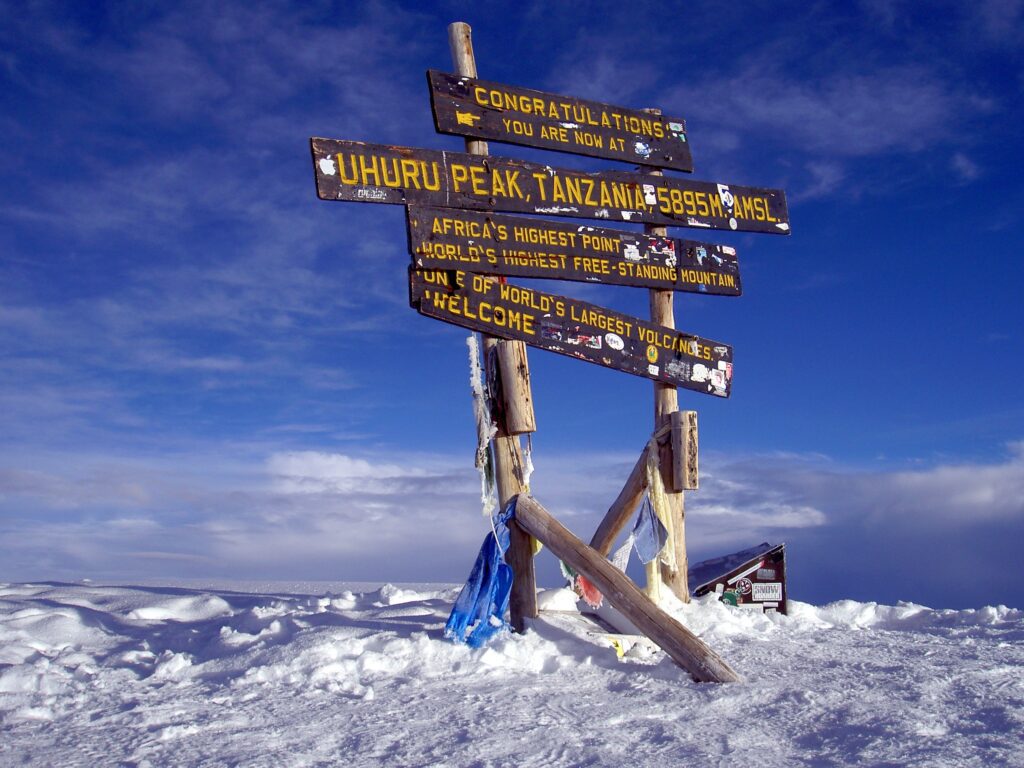
The Lemosho Route and the Northern Circuit Route have the highest success rates on Mount Kilimanjaro, often quoted at above 90 percent with experienced operators. These trails are favoured for their longer itineraries, typically eight or nine days, which give climbers more time to acclimatize to the altitude. Extra days on the mountain allow your body to adapt gradually, reducing the risk of altitude sickness and helping you feel stronger on summit night. If reaching Uhuru Peak is your top priority, choosing one of these longer routes is one of the smartest decisions you can make. Plan your climb accordingly.
Why Longer Itineraries Work
Longer itineraries give you the advantage of climbing high during the day and sleeping at lower elevations, which enhances recovery and minimizes altitude-related problems. They also mean more time on the mountain to enjoy the changing landscapes, rest when needed and walk at a comfortable pace. Each additional acclimatization day measurably increases your chances of a successful summit, while reducing headaches, fatigue and other symptoms. For many climbers, the extra cost of one or two more days is small compared with the benefit of arriving at Uhuru Peak feeling strong and safe. Extra days are a very wise investment.
Camp Accommodation on the Trails
Accommodation on these trails is campsite-based, with your operator providing everything needed for comfort. Typical camp facilities include quality mountain tents, sleeping mats, a dining tent with tables and chairs, and often a private portable toilet tent, while warm washing water is brought to your tent each morning and evening. Sleeping bags can usually be rented if you do not bring your own. Your crew also treats and supplies drinking water at every camp, ensuring you stay well hydrated even at higher altitudes, which contributes to a safer and more enjoyable ascent. Everything is set up before you arrive.
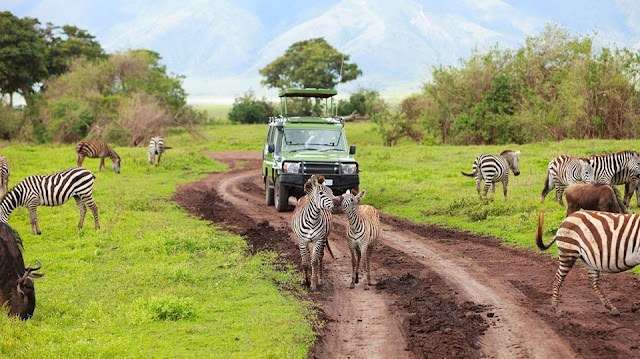
Approach, feed or disturb wildlife, or leave the vehicle unless your guide says it is safe.
Follow your guide, carry travel insurance and check current health and travel advice.
Kilimanjaro Trails: FAQs
Which Trail Is Best for Climbing Kilimanjaro?
The Lemosho Route and the Northern Circuit Route are widely regarded as the top choices for climbing Mount Kilimanjaro. The Lemosho Route is celebrated as the most scenic trail, offering breathtaking views and diverse landscapes throughout the journey routes For Hiking Mount Kilimanjaro. Meanwhile, the Northern Circuit Route stands out as the longest route, providing an extended itinerary that maximizes acclimatization opportunities and significantly boosts the success rate.
What Is the Easiest Trail Up Kilimanjaro?
The Marangu Route, often referred to as the "Coca-Cola" route, considered the easiest path on Mount Kilimanjaro. One of the choosen the best route to climb Mount Kilimanjaro. As the oldest and most established trail, it favored by many climbers for its gradual slope, making it less physically demanding compared to other routes.
Which Kilimanjaro Trail Route Is Best?
The Lemosho Route and Northern Circuit Route regarded as the best routes for climbing Mount Kilimanjaro. The Lemosho Route known for its stunning scenery, while the Northern Circuit offers the longest trek, providing ample time for acclimatization and increasing the chance of a successful summit. Book Mount Kilimanjaro Routes, Prices, Trekking Package Tours. There are best trails and hikes in Kilimanjaro camping trails in Kilimanjaro and the most popular is Mount Kilimanjaro.
Which Kilimanjaro Traiil Route Has the Highest Success Rate?
The Northern Circuit Route and Lemosho Route have the highest success rates, exceeding 95%. These routes offer extended itineraries, allowing climbers more time to acclimatize and improve their likelihood of reaching the summit.
What Is the Easiest Route Up Kilimanjaro Trail?
The Marangu Route, often called the "Coca-Cola" route, considered the easiest trail due to its gradual incline and well-established paths. It is the only route with hut accommodations, adding a level of comfort for climbers.
What Is the Hardest Route on Kilimanjaro Trail?
The Umbwe Route widely regarded as the most challenging trail. Its steep and direct ascent leaves little room for gradual acclimatization, making it suitable only for experienced climbers seeking a strenuous adventure.
Which Kilimanjaro Trail Route Is Least Crowded?
The Northern Circuit Route the least crowded path on Kilimanjaro. Its remote and longer itinerary attracts fewer climbers, offering a quieter and more serene trekking experience. Choosing the Mount Kilimanjaro Rongai route or the Mount Kilimanjaro Machame, Lemosho, Marangu route as climb Kilimanjaro adventure alternative.
What Are the Trail Conditions on Kilimanjaro?
Trail conditions on Kilimanjaro vary by route and altitude, offering diverse terrain. Expect well-trodden forest paths at lower elevations, transitioning to rocky trails and volcanic scree as you ascend. Some sections, like the Barranco Wall, require light scrambling, while summit approaches are steep and challenging, often with loose gravel. Trails are generally well-maintained but can become muddy during rainy seasons.
How Many People Fail KilimanjaroTrail?
Approximately 30% to 40% of climbers fail to reach the summit of Mount Kilimanjaro. Success rates vary depending on the route chosen, acclimatization time, and individual preparation. Longer routes generally have higher success rates due to better acclimatization opportunities.
Climb Kilimanjaro With Confidence
Tell us your dates and fitness, and our experienced mountain team will plan a safe, well-acclimatized private climb.