
Kilimanjaro Summits
Kilimanjaro Summits
Reaching the summit of Mount Kilimanjaro is the ultimate African adventure and a bucket-list dream for trekkers worldwide. Known as the “Roof of Africa,” Kilimanjaro offers three iconic summit points: Stella Point, Gilman’s Point, and Uhuru Peak. Each marks a significant milestone on your Kilimanjaro climbing journey, blending breathtaking landscapes, high-altitude challenge, and unforgettable sunrise views. Whether you choose the Machame, Marangu, Lemosho, or Rongai route, understanding these summit points enhances your trekking success and safety. From glacier views to volcanic crater rims, these destinations define your Kilimanjaro summit experience. With expert guides, proper acclimatization, and determination, climbers achieve one of the world’s most rewarding hiking accomplishments—standing atop Africa’s tallest mountain.
Stella Point on Mount Kilimanjaro
Stella Point (5,756m) is one of the first major summit milestones on Mount Kilimanjaro, located on the crater rim of Kibo. Reached via the popular Machame and Lemosho routes, Stella Point rewards climbers with dramatic sunrise views over Mawenzi Peak and vast cloud seas. Though not the highest point, it represents a true summit achievement for many trekkers facing altitude challenges. The steep ascent to Stella Point is physically demanding, often completed during the final ноч summit push. Its strategic location offers a psychological boost, signaling that Uhuru Peak is within reach. Trekkers capture stunning photos here, making it a memorable highlight of Kilimanjaro trekking tours, hiking expeditions, and guided climbs.
Gilman's Point Kilimanjaro – Gateway to Kilimanjaro's Sunrise
Gilman’s Point (5,685m) sits on the eastern rim of Kibo Crater and is typically reached via the Marangu Route. As one of the official Kilimanjaro summit points, it offers trekkers their first glimpse of the spectacular African sunrise above the clouds. Although slightly lower than Stella Point, reaching Gilman’s Point is still considered a successful summit by many climbers. The ascent is steep and challenging due to altitude and loose volcanic scree, testing endurance and mental strength. From here, trekkers enjoy views of glaciers and the crater interior. For many, Gilman’s Point marks a life-changing achievement and a gateway to continuing toward Uhuru Peak, the true summit of Kilimanjaro.
Kilimanjaro Summit Points – Uhuru Peak
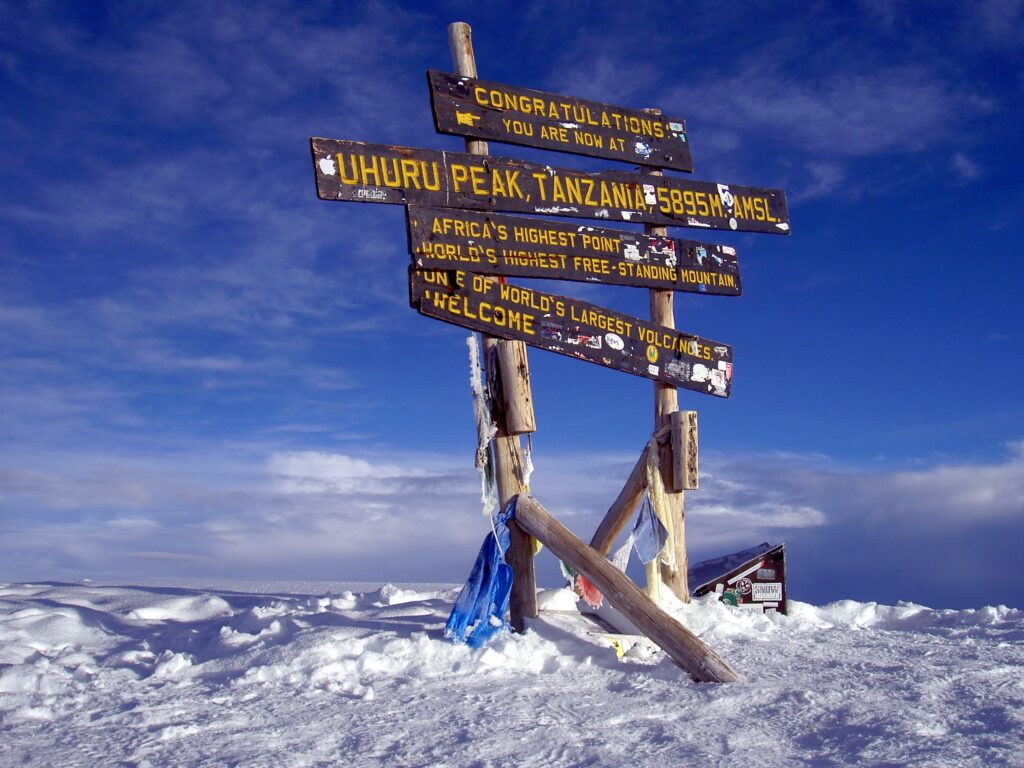
Uhuru Peak (5,895m) is the highest point on Mount Kilimanjaro and the ultimate goal for every climber. Located on the Kibo Crater rim, Uhuru Peak represents the pinnacle of African trekking adventures and is one of the Seven Summits achievements. Reaching Uhuru Peak means standing at the highest point in Africa, surrounded by glaciers, ice fields, and panoramic views stretching across Tanzania. The final trek from Stella or Gilman’s Point to Uhuru Peak is gradual but demanding due to extreme altitude. Celebrated worldwide, this summit is a symbol of endurance, determination, and adventure travel success, attracting hikers, photographers, and mountaineers from across the globe.
Stella Point to Uhuru Peak Distance
The distance from Stella Point to Uhuru Peak on Mount Kilimanjaro is approximately 1.9 kilometers (1.2 miles). This final stretch is often considered the most challenging due to steep inclines, thin air, and high altitude. Trekkers typically take 1–2 hours to reach Uhuru Peak from Stella Point. Proper acclimatization, pacing, and hydration are essential. This section is a highlight for Kilimanjaro summit experiences, offering panoramic views of the Kibo crater rim, glaciers, and the African plains below, making it a bucket-list adventure.
Distance from Gilman's Point to Uhuru Peak
From Gilman’s Point to Uhuru Peak, trekkers face a distance of about 2 kilometers (1.2 miles) along the crater rim. This iconic climb is part of the stunning final ascent on the Marangu or Machame routes, where altitude and oxygen levels make it challenging. The journey rewards hikers with breathtaking views of Kilimanjaro’s glaciers, snowfields, and surrounding landscapes. Expert guides ensure safety and pacing, making it one of the most memorable sections for anyone aiming to conquer Mount Kilimanjaro’s ultimate summit.
Uhuru Peak vs. Stella Point vs. Gilman's Point
Uhuru Peak, Stella Point, and Gilman’s Point are the main summit points of Mount Kilimanjaro. Gilman’s Point (5,685 m) marks the crater rim, Stella Point (5,756 m) is the key stepping point, and Uhuru Peak (5,895 m) is Africa’s highest point. Each offers unique views and challenges. Trekkers experience varying altitudes, terrain, and difficulty, with Uhuru Peak providing the ultimate reward of standing at the continent’s roof. Choosing the right route ensures the best chance of reaching all three.
The Best Gilman's Point Tours and Excursions
The best Gilman’s Point tours combine expert guides, proper acclimatization, and well-planned routes like Machame, Marangu, or Lemosho. These excursions offer breathtaking rim views, glacier photography opportunities, and close encounters with Kilimanjaro’s unique high-altitude ecosystems. Guided tours provide safety tips, oxygen management, and pacing strategies, ensuring a successful ascent. Many operators offer 3–8 day treks with camping or hut accommodations. Gilman’s Point is ideal for trekkers seeking a dramatic summit experience without pushing straight to Uhuru Peak.
Uhuru Peak Elevation
Uhuru Peak stands at an impressive 5,895 meters (19,341 feet) above sea level, making it the highest point in Africa. The elevation presents challenges such as thin air, potential altitude sickness, and colder temperatures, but it rewards climbers with panoramic views of Kilimanjaro’s glaciers, crater, and the Tanzanian plains. Reaching Uhuru Peak is the ultimate goal for any Mount Kilimanjaro trek, offering a once-in-a-lifetime experience. Expert guides, proper acclimatization, and the right climbing gear are crucial for safely summiting this iconic peak.
Stella Point Elevation
Stella Point, an essential milestone on Kilimanjaro, sits at 5,756 meters (18,875 feet) above sea level. It lies on the rim of the Kibo crater and serves as the gateway to the ultimate summit, Uhuru Peak. Trekkers often pause here to acclimatize and enjoy stunning sunrise views over the crater. Stella Point is featured on routes like Machame, Lemosho, and Marangu, providing a strategic point to gauge energy and oxygen levels before the final ascent to Uhuru Peak.
Kilimanjaro Summit Altitude
Mount Kilimanjaro’s summit altitude reaches 5,895 meters (19,341 feet) at Uhuru Peak, making it the tallest free-standing mountain in the world. The climb encompasses diverse ecosystems, from lush rainforest to alpine desert, before reaching the snow-capped summit. High altitude presents a challenge, requiring acclimatization and careful planning. Climbers on popular routes like Machame, Marangu, and Lemosho experience a mix of trekking difficulty and spectacular views, with Uhuru Peak offering the ultimate reward: standing at Africa’s roof and witnessing breathtaking panoramic landscapes.
What's at the top of Mount Kilimanjaro?
At the top of Mount Kilimanjaro, trekkers find Uhuru Peak, snowfields, glaciers, and the Kibo crater rim. The summit offers unmatched panoramic views of the Tanzanian plains, volcanic landscapes, and alpine desert. Climbers often experience low oxygen levels, freezing temperatures, and intense wind. Unique geological formations, including volcanic rocks and ice fields, make it a climber’s paradise. The summit is the culmination of routes like Machame, Marangu, and Lemosho, providing a sense of accomplishment and making it a bucket-list adventure for trekkers worldwide.
How High is Stella Point on Kilimanjaro
Stella Point rises to 5,756 meters (18,875 feet), making it one of Kilimanjaro’s key summit landmarks. It is located on the Kibo crater rim and is the last major checkpoint before Uhuru Peak. Trekkers pause to acclimatize and take in stunning sunrise vistas across the crater. Popular trekking routes such as Machame, Lemosho, and Marangu reach Stella Point before pushing the final 1–2 km to Uhuru Peak. Proper pacing and altitude management are essential to safely complete this iconic climb.
What Are the Summit Points of Kilimanjaro?
Kilimanjaro’s main summit points include Gilman’s Point (5,685 m), Stella Point (5,756 m), and Uhuru Peak (5,895 m). Each offers unique climbing challenges and spectacular views. Gilman’s Point is the crater rim, Stella Point is the strategic ascent milestone, and Uhuru Peak is Africa’s highest point. Trekkers can experience all three on popular routes like Machame, Lemosho, Marangu, and Rongai. Reaching these points requires acclimatization, pacing, and proper equipment. They are iconic markers that define a successful Kilimanjaro summit adventure.
What Is It Like to Summit Mount Kilimanjaro, Uhuru Peak
Summiting Uhuru Peak is a life-changing experience, standing at 5,895 meters above sea level. Trekkers witness breathtaking sunrise views, snow-capped glaciers, and panoramic vistas of Tanzania’s plains. The final ascent challenges climbers with thin air, icy trails, and steep inclines. Achieving the summit brings intense satisfaction, a sense of accomplishment, and photo opportunities at Africa’s highest point. Experienced guides, careful pacing, and proper gear make this adventure both safe and unforgettable for hikers of all levels.
Kilimanjaro Base Camp Secrets: Best Routes to Conquer the Summit
Kilimanjaro base camps, like Machame, Lemosho, and Marangu, are strategically located for acclimatization and summit success. Each route offers unique ecosystems, from rainforest to alpine desert, before reaching Stella and Uhuru Peak. Secrets to conquering the summit include pacing, hydration, rest, and using expert guides. Base camps are equipped for camping or huts, providing warmth and meals. Selecting the best route depends on fitness, experience, and scenery preferences, making your Kilimanjaro summit experience safe, rewarding, and unforgettable.
How Challenging Is It to Reach Uhuru Peak?
Reaching Uhuru Peak at 5,895 meters is physically and mentally demanding. Challenges include steep terrain, low oxygen, altitude sickness, and extreme weather. Proper acclimatization, pacing, and expert guidance are essential. Routes like Machame, Lemosho, and Marangu vary in difficulty, but all require preparation and stamina. Climbers must also manage cold, wind, and dehydration. Despite challenges, the reward of standing atop Africa’s highest peak, experiencing panoramic sunrise views, glaciers, and the Kibo crater, makes the journey an unforgettable adventure.
What Routes Lead to the Kilimanjaro Summits?
Kilimanjaro summits can be reached via popular routes: Machame, Lemosho, Marangu, Rongai, Umbwe, and Shira. Machame offers scenic trails and higher success rates, Lemosho combines beauty and acclimatization, Marangu features hut accommodations, Rongai is less crowded, Umbwe is steep and challenging, and Shira offers wilderness trekking. All routes converge near Stella Point and Uhuru Peak. Expert guides, acclimatization, and route selection are key to safely reaching the summit. Choosing the right trail ensures a rewarding Kilimanjaro trekking experience.
What Should I Pack for a Kilimanjaro Climb?
Packing for Kilimanjaro requires essentials for high-altitude trekking: layered clothing, waterproof jackets, thermal wear, gloves, hats, trekking boots, sleeping bags, and oxygen tablets. Include hydration packs, snacks, sunscreen, sunglasses, trekking poles, and a headlamp for night ascents. Cameras, maps, and first-aid kits are recommended. Packing strategically ensures comfort and safety on routes like Machame, Lemosho, and Marangu. Proper gear management, light backpacks, and high-quality clothing help trekkers endure cold, altitude, and weather changes during the journey to Uhuru Peak.
Can I Climb Kilimanjaro Without Prior Experience?
Yes, Kilimanjaro can be climbed without prior experience if you prepare physically and mentally. Beginner-friendly routes like Marangu, Rongai, and Machame provide guided support, acclimatization days, and moderate trails. Fitness, hydration, and pacing are essential. Trekking with expert guides ensures safety, route navigation, and altitude management. Many first-time climbers successfully summit Uhuru Peak by following professional advice, using proper gear, and choosing the right route. With preparation, even novice hikers can experience Africa’s highest peak safely and memorably.
What Is the Best Time of Year to Climb Kilimanjaro?
The best time to climb Kilimanjaro is during the dry seasons: January–March and June–October. Weather conditions are favorable, trails are less slippery, and views of glaciers, crater rims, and African plains are optimal. Rainy seasons, April–May and November, present muddy paths and higher summit risks. Early bookings with professional operators ensure guide availability, accommodations, and logistics. Trekking during dry months increases summit success rates and provides safer, more enjoyable experiences for climbers on routes like Machame, Lemosho, Marangu, and Rongai.
Kilimanjaro Trekking Routes: Easiest to Hardest
Kilimanjaro trekking routes range from easiest to hardest: Marangu (easiest), Rongai, Shira, Lemosho, Machame, Umbwe (hardest). Difficulty depends on terrain, altitude gain, route length, and acclimatization. Marangu offers hut accommodations, while Machame and Lemosho provide scenic, longer treks with higher success rates. Umbwe is steep and physically demanding. Choosing a route depends on experience, fitness, and preferred scenery. Expert guides and proper pacing improve summit chances, ensuring a safe and rewarding journey to Stella Point, Gilman’s Point, and Uhuru Peak.
Five Common Mistakes to Avoid When Climbing Kilimanjaro
Climbers often make mistakes like overpacking, under-acclimatizing, rushing the ascent, ignoring altitude symptoms, and poor hydration. These can lead to exhaustion, altitude sickness, or failed summit attempts. Proper preparation, route selection, and trekking with experienced guides are crucial. Using suitable gear, pacing yourself, and monitoring health ensures safety. Avoiding these pitfalls increases the chances of reaching Uhuru Peak. Knowledge of Kilimanjaro’s unique high-altitude conditions, weather patterns, and summit points like Stella and Gilman’s Point is essential for a successful climb.
How Hard Is It to Climb Mount Kilimanjaro?
Climbing Mount Kilimanjaro is moderately challenging, requiring physical fitness, mental endurance, and high-altitude adaptation. Trekkers face steep ascents, cold temperatures, and low oxygen. Routes like Machame and Lemosho are scenic but demanding, while Marangu is beginner-friendly. Proper pacing, hydration, and acclimatization are essential to avoid altitude sickness. Despite physical challenges, guided climbs with experienced operators make the summit achievable for many. Reaching Uhuru Peak offers a life-changing reward: breathtaking views, glaciers, and the sense of conquering Africa’s highest point.
Things No One Tells You About Hiking Mount Kilimanjaro
Few hikers know that Kilimanjaro’s climb involves high-altitude deserts, glacier encounters, extreme temperature shifts, and early-morning summit treks. Pacing and acclimatization are critical, as altitude sickness can strike unexpectedly. Nights are freezing, requiring warm gear, while trails can be slippery or rocky. Guides manage oxygen and safety, and mental endurance is key. The journey offers diverse ecosystems, wildlife, and panoramic vistas from Stella Point and Uhuru Peak. Proper preparation and realistic expectations are essential for an unforgettable Kilimanjaro summit adventure.
Where Do You Sleep on Kilimanjaro?
On Kilimanjaro, sleeping arrangements depend on the route. Marangu offers huts, while Machame, Lemosho, and Umbwe use tents at designated campsites. Camps provide basic shelter, meals, and rest areas, though temperatures drop significantly at night. Sleeping bags rated for sub-zero conditions, insulated mats, and layered clothing are essential. Guides and porters set up camps, ensuring safety and comfort. Proper sleep is crucial for acclimatization and energy conservation during the climb, increasing the chances of successfully reaching Stella Point, Gilman’s Point, and Uhuru Peak.
Final Thought
Climbing Mount Kilimanjaro is more than a hike—it’s a transformative journey defined by Stella Point, Gilman’s Point, and Uhuru Peak. Each summit stage offers unique views, challenges, and achievements, making the experience unforgettable. With proper preparation, expert guides, and the right route, reaching the Roof of Africa becomes a life-changing milestone and a top-ranking adventure travel experience.
Kilimanjaro Summits: FAQs
What should you know about Stella point on Mount Kilimanjaro?
Stella Point (5,756m) is one of the first major summit milestones on Mount Kilimanjaro, located on the crater rim of Kibo. Reached via the popular Machame and Lemosho routes, Stella Point rewards climbers with dramatic sunrise views over Mawenzi Peak and vast cloud seas. Though not the highest point, it represents a true summit achievement for many trekkers facing altitude challenges.
What is Stella Point to Uhuru Peak Distance like?
The distance from Stella Point to Uhuru Peak on Mount Kilimanjaro is approximately 1.9 kilometers (1.2 miles). This final stretch is often considered the most challenging due to steep inclines, thin air, and high altitude. Trekkers typically take 1–2 hours to reach Uhuru Peak from Stella Point. Proper acclimatization, pacing, and hydration are essential.
What can you expect from the best Gilman's point tours and excursions for Kilimanjaro summits?
The best Gilman’s Point tours combine expert guides, proper acclimatization, and well-planned routes like Machame, Marangu, or Lemosho. These excursions offer breathtaking rim views, glacier photography opportunities, and close encounters with Kilimanjaro’s unique high-altitude ecosystems. Guided tours provide safety tips, oxygen management, and pacing strategies, ensuring a successful ascent.
What should you know about Kilimanjaro summit altitude?
Mount Kilimanjaro’s summit altitude reaches 5,895 meters (19,341 feet) at Uhuru Peak, making it the tallest free-standing mountain in the world. The climb encompasses diverse ecosystems, from lush rainforest to alpine desert, before reaching the snow-capped summit. High altitude presents a challenge, requiring acclimatization and careful planning.
What Are the Summit Points of Kilimanjaro?
Kilimanjaro’s main summit points include Gilman’s Point (5,685 m), Stella Point (5,756 m), and Uhuru Peak (5,895 m). Each offers unique climbing challenges and spectacular views. Gilman’s Point is the crater rim, Stella Point is the strategic ascent milestone, and Uhuru Peak is Africa’s highest point.
How Challenging Is It to Reach Uhuru Peak?
Reaching Uhuru Peak at 5,895 meters is physically and mentally demanding. Challenges include steep terrain, low oxygen, altitude sickness, and extreme weather. Proper acclimatization, pacing, and expert guidance are essential. Routes like Machame, Lemosho, and Marangu vary in difficulty, but all require preparation and stamina. Climbers must also manage cold, wind, and dehydration.
Can I Climb Kilimanjaro Without Prior Experience?
Yes, Kilimanjaro can be climbed without prior experience if you prepare physically and mentally. Beginner-friendly routes like Marangu, Rongai, and Machame provide guided support, acclimatization days, and moderate trails. Fitness, hydration, and pacing are essential. Trekking with expert guides ensures safety, route navigation, and altitude management.
What can you expect from Five Common mistakes to avoid When climbing Kilimanjaro?
Climbers often make mistakes like overpacking, under-acclimatizing, rushing the ascent, ignoring altitude symptoms, and poor hydration. These can lead to exhaustion, altitude sickness, or failed summit attempts. Proper preparation, route selection, and trekking with experienced guides are crucial. Using suitable gear, pacing yourself, and monitoring health ensures safety.
Climb Kilimanjaro With Confidence
Tell us your dates and fitness, and our experienced mountain team will plan a safe, well-acclimatized private climb.