Kilimanjaro Northern Circuit Route
The Northern Circuit is the longest and quietest route up Mount Kilimanjaro, usually climbed over nine days and about 90 kilometres. It starts at Londorossi Gate in the west, crosses the Shira Plateau, then circles the remote northern slopes before summiting Uhuru Peak (5,895 m) from School Hut and descending via the Mweka Route. Its slow, gradual ascent gives the best acclimatisation of any Kilimanjaro route, so it suits climbers who want the strongest chance of reaching the summit.
The Kilimanjaro Northern Circuit Route is the newest, longest and least crowded way to climb Africa's highest mountain, and many experienced guides consider it the finest. Starting on the western Lemosho trail, it crosses the Shira Plateau and then circles almost the whole mountain along the wild northern slopes, with views over the Kenyan plains, before the summit push to Uhuru Peak. This guide covers the full nine-day itinerary with altitudes and walking times, the altitude profile, pros and cons, how it compares with other routes, the best time to climb, park fees and who the Northern Circuit suits best.
Northern Circuit Route Overview
The Northern Circuit approaches Kilimanjaro from the west and spends more time on the mountain than any other route, which is why it offers such strong acclimatisation. After the Shira Plateau and Lava Tower, it leaves the busy southern trails at Moir Hut and traverses the remote northern slopes, joining the Rongai trail before the summit. The descent follows the Mweka Route down the forested southern side of the mountain. The table below summarises the key facts you need when planning your climb, from the starting gate and total distance to accommodation, difficulty, crowds and park fees per person.
| Key fact | Northern Circuit Route |
|---|---|
| Starting point | Londorossi Gate, about 2,360 m (Lemosho trailhead) |
| Finishing point | Mweka Gate, about 1,640 m |
| Duration | 9 days on the mountain (8 days possible) |
| Distance | About 90 km |
| Highest point | Uhuru Peak, 5,895 m |
| Summit approach | From School Hut on the eastern side |
| Accommodation | Mountain tents (fully supported camping) |
| Difficulty | Moderate; no technical climbing |
| Crowds | Very low; quietest route on the mountain |
| Park fees (9 days) | About US$1,050 per person before 18% VAT |
9-Day Northern Circuit Itinerary
The nine-day Northern Circuit itinerary below follows the route our Arusha mountain team uses on private climbs. Each tab shows the day's start and finish camps, the altitude, the approximate distance, the walking time and the vegetation zone you pass through. Distances and walking times are typical only and vary with your pace, the weather and conditions on the trail. Notice how the route climbs high and then sleeps lower on several days, especially around Lava Tower and the northern traverse, and this is the main reason the Northern Circuit gives such excellent acclimatisation before the summit night.
Londorossi Gate to Mti Mkubwa Camp
2,360 m to 2,820 m
After registering at Londorossi Gate, a short drive takes you to the Lemosho trailhead. The first walk is gentle, winding through lush montane rainforest where black-and-white colobus monkeys and forest birds are often seen. You arrive at Mti Mkubwa, meaning big tree, in the late afternoon, where your crew has your tents ready and a hot dinner waiting.
Mti Mkubwa to Shira Camp 1
2,820 m to 3,500 m
The trail climbs steadily out of the forest into giant heather and open moorland, then up onto the Shira Ridge. As the trees fall away, you get your first clear views of Kibo, Kilimanjaro's summit cone. You descend gently onto the edge of the vast Shira Plateau, an ancient collapsed volcano, and camp at Shira Camp 1 for the night.
Shira Camp 1 to Shira Camp 2
3,500 m to 3,850 m
A shorter, easier day across the wide Shira Plateau gives your body valuable time to adjust to the altitude. You walk eastwards towards Kibo over open moorland dotted with volcanic rock, with an optional detour to Shira Cathedral for wonderful views. Arriving early at Shira Camp 2 leaves the afternoon free to rest, hydrate and enjoy the sunset.
Shira Camp 2 to Moir Hut via Lava Tower
3,850 m to 4,200 m (Lava Tower 4,600 m)
Today follows the climb high, sleep low principle. You climb through alpine desert to the dramatic Lava Tower at about 4,600 metres for lunch, then leave the busy southern trails and descend north to the quiet, sheltered Moir Hut camp. Spending time high and sleeping lower is one of the best ways to prepare your body for the summit.
Moir Hut to Buffalo Camp
4,200 m to 4,020 m
The true Northern Circuit begins as you traverse the remote northern slopes, where very few climbers walk. The trail rises and falls over ridges and valleys, with wide views north across the plains towards Kenya. Walking at a similar altitude all day continues your acclimatisation, and Buffalo Camp offers a peaceful, uncrowded place to rest overnight.
Buffalo Camp to Third Cave
4,020 m to 3,870 m
A shorter traverse continues around the northern side of Kibo to Third Cave, where the Northern Circuit joins the Rongai Route. The walking is steady and the altitude drops slightly, giving your body more time to adapt. Afternoons here are quiet and relaxed, with excellent views of Kibo and the jagged peaks of Mawenzi to the east.
Third Cave to School Hut
3,870 m to 4,750 m
You climb steadily across the saddle between Kibo and Mawenzi to School Hut, your high camp for the summit attempt. The landscape is stark, rocky and beautiful. After an early dinner, your guide gives a full summit briefing and checks your equipment, then you rest for a few hours before waking around midnight for the final push.
Summit Day: School Hut to Uhuru Peak and Millennium Camp
4,750 m to 5,895 m, down to 3,800 m
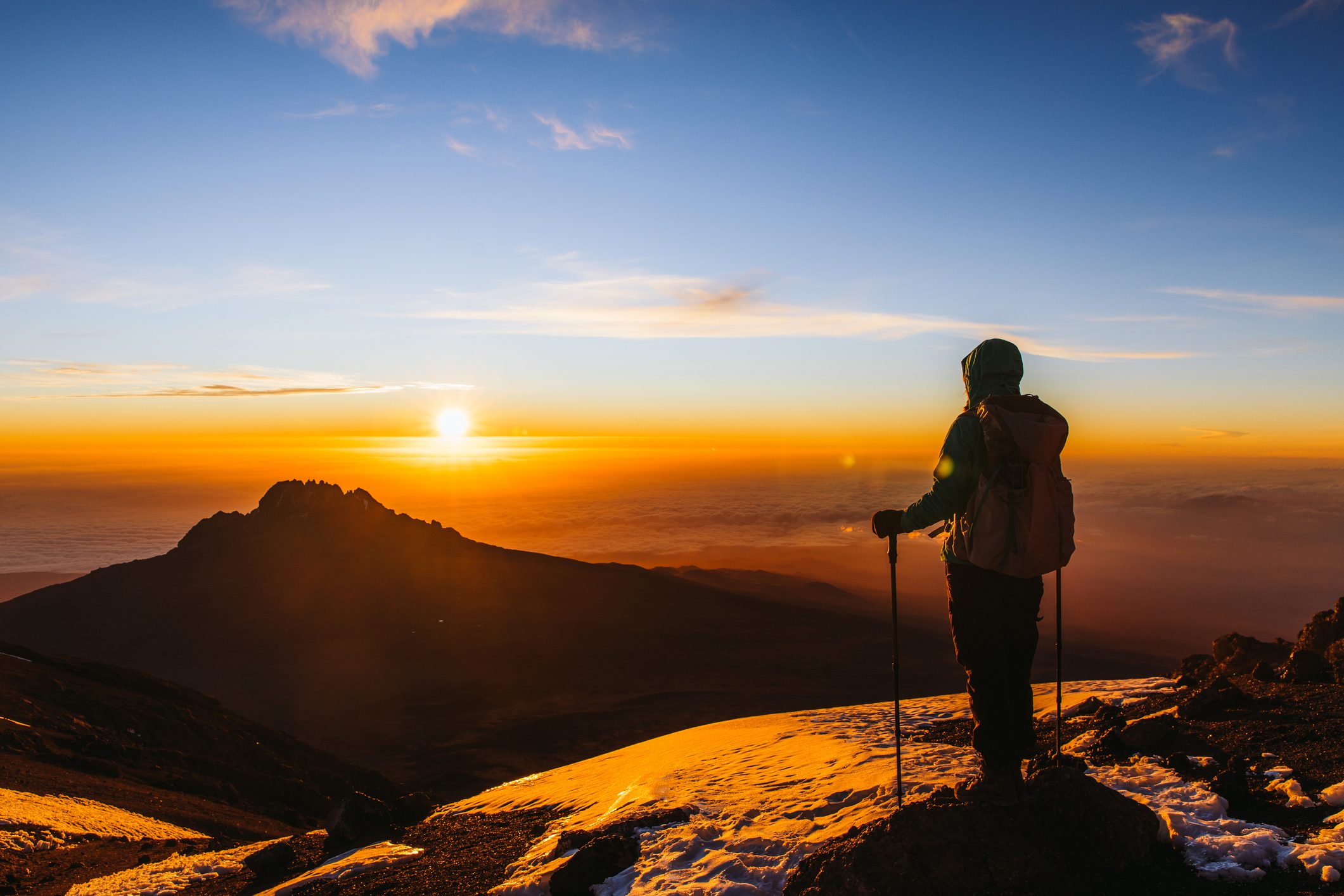
Starting around midnight, you climb slowly by headlamp to Gilman's Point on the crater rim, then follow the rim past glaciers to Uhuru Peak, the roof of Africa, ideally at sunrise. After photos and celebration, you descend via Stella Point and Barafu to Millennium Camp, where thicker air, a warm meal and a well-earned rest await.
Millennium Camp to Mweka Gate
3,800 m to 1,640 m
Your final morning descends through moorland and back into lush rainforest to Mweka Gate. Here you sign out of the park and collect your summit certificate, green for Stella Point and gold for Uhuru Peak. You then say farewell to your mountain crew, often with singing and celebration, before transferring back to your hotel for a hot shower and rest.
Northern Circuit altitude at a glance
- 2,360 mLondorossi Gate
- 3,850 mShira Camp 2
- 4,600 mLava Tower
- 4,750 mSchool Hut
- 5,895 mUhuru Peak
Northern Circuit Route Planning Guide
Before you book the Northern Circuit, it really helps to understand exactly what the climb involves beyond the daily itinerary. The eight tabs below answer the questions climbers ask most often about this route: how hard it is and how fit you need to be, what it costs, which wildlife you may see, how quiet the trails are, what to pack, how your safety is managed, what you eat on the mountain and how you reach the starting gate. Each tab gives the key point, a useful tip and a link to a more detailed guide on our website.
Northern Circuit Difficulty Level and Fitness Requirements
Moderate trek; no technical climbing skills needed
The main challenge is the altitude, not the terrain
The Northern Circuit is a long but manageable trek. Most days involve four to seven hours of steady walking on good trails, and the long itinerary gives your body time to adapt. Summit night is the hardest part. Prepare with regular long hikes, stair climbing and cardio training for several months, and walk slowly on the mountain, as guides advise.
Fitness Guide →Northern Circuit Cost and Pricing
Park fees about US$1,050 per person before 18% VAT
The package price depends on your comfort level
Because you spend nine days in Kilimanjaro National Park, the Northern Circuit has the highest park fees of any route, at about US$1,050 per person before VAT. The rest of the price covers your guides, cook, porters, food, tents, safety equipment, transfers and hotels. We send every climber a clear, itemised quote for a private, tailor-made climb.
Cost Guide →Northern Circuit Wildlife and Nature Encounters
Colobus monkeys and forest birds in the rainforest
Large animals are rare high on the mountain
Wildlife is most visible on the first two days in the montane rainforest, where black-and-white colobus monkeys, blue monkeys and colourful forest birds such as turacos are often seen. Higher up, look for white-necked ravens, small rodents and unique plants like giant groundsels and lobelias. The remote northern slopes also offer wide views over the plains towards Kenya.
Wildlife Guide →Northern Circuit Traffic and Crowds
The quietest route on Kilimanjaro
It meets other routes only near the summit and on the descent
Solitude is one of the Northern Circuit's greatest rewards. After Lava Tower it leaves the busy southern trails, and from Moir Hut to Third Cave you may see very few other climbers. Campsites are peaceful and the views are uninterrupted. You only meet climbers from other routes again on the crater rim at the summit and during the Mweka descent.
Avoid the Crowds →Northern Circuit Packing List Essentials
Layers for rainforest heat and freezing summit nights
A warm sleeping bag rated well below freezing is essential
Pack for every climate zone, from warm rainforest to freezing summit nights. Essentials include base layers, a fleece, an insulated down jacket, waterproof jacket and trousers, broken-in hiking boots, warm gloves, a hat, sunglasses, a headlamp, trekking poles and water bottles. Porters carry your duffel bag, while you carry a small daypack with water, snacks and spare layers.
Packing List →Northern Circuit Safety and Support
Twice-daily health checks with a pulse oximeter
Emergency oxygen and a first-aid kit on every climb
The long, gradual itinerary already makes the Northern Circuit one of the safest routes. On top of that, our guides check your oxygen level and pulse twice a day, watch for symptoms of altitude sickness and carry emergency oxygen and a full first-aid kit. If you feel unwell, a guide escorts you down and park rescue can be called.
How We Keep You Safe →Northern Circuit Food and Nutrition on the Mountain
Three freshly cooked, hot meals every day
Vegetarian and other diets can be catered for
Good food keeps your energy up on long walking days. Your mountain cook prepares three hot meals a day, such as porridge, eggs and toast for breakfast, and soups, rice, pasta, stews and vegetables for dinner, with fresh fruit when possible. Hot drinks and snacks are served at camp, and drinking water is treated or boiled for safety every day.
Food on Kilimanjaro →Northern Circuit Starting Point and Access
Londorossi Gate on the western side, about 2,360 m
Transfers from Arusha or Moshi are arranged for you
The Northern Circuit starts at Londorossi Gate on Kilimanjaro's western side, where you register and meet your crew before a short drive to the Lemosho trailhead. The drive from Arusha takes about two to three hours. The climb ends at Mweka Gate in the south, where your driver collects you and takes you back to your hotel to rest.
Kilimanjaro Gates →Northern Circuit Pros and Cons
Like every Kilimanjaro route, the Northern Circuit has clear strengths and a few trade-offs, and it helps to weigh them honestly before you decide which route to book. Its biggest advantages are the long, gradual acclimatisation profile, quiet trails and views of almost every side of the mountain. The main drawbacks are the extra time it needs and the higher cost that comes with nine days of park fees, crew and food. The two lists below set out the pros and cons side by side, so you can judge whether the Northern Circuit fits your schedule, budget and goals.
Pros
- Best acclimatisation of any Kilimanjaro route
- Generally the highest summit success rates
- Quietest route, with very few other climbers
- 360-degree views of Kilimanjaro and the plains
- Drier northern slopes in the wetter months
- Passes through every climate zone of the mountain
Cons
- Needs nine days on the mountain
- Higher cost, with more days of park fees and crew
- Longer drive to the remote Londorossi Gate
- Long summit night from School Hut
- More time away from home and work
Northern Circuit vs Other Kilimanjaro Routes
If you are still deciding between Kilimanjaro routes, it helps to see how the Northern Circuit compares with the other popular route options. The table below compares it with Lemosho, Machame and Rongai side by side on typical length, crowd levels, acclimatisation, scenery and the side of the mountain each route uses. Lemosho shares the same western start, while Rongai shares its final approach to the summit, so the Northern Circuit combines the best features of both. Use this comparison together with your fitness level, travel dates and budget to choose the Kilimanjaro route that suits you best.
| Route | Days | Crowds | Acclimatisation | Side of mountain |
|---|---|---|---|---|
| Northern Circuit | 8–9 days | Very low | Excellent | Western, northern and eastern slopes |
| Lemosho | 7–8 days | Low to moderate | Very good | Western and southern slopes |
| Machame | 6–7 days | High | Good | Southern slopes |
| Rongai | 6–7 days | Low | Good | Northern slopes |
Best Time to Climb the Northern Circuit
You can climb the Northern Circuit all year, but the dry seasons give the best trail conditions, clearer skies and the most reliable summit views. Because the route spends several days on the northern side, which receives less rain than the southern slopes, it is also a good choice in the shoulder months. The table below clearly summarises the typical conditions on Kilimanjaro through the year. The busiest months overall are January to February and June to October, yet the Northern Circuit usually stays quiet even then, so it is still worth booking your preferred dates well in advance.
| Months | Conditions | Climbing |
|---|---|---|
| January – early March | Dry, clear and cold at night | Excellent; quiet on the Northern Circuit |
| Mid-March – May | Long rains, cloud and mud | Possible but wet; the northern side is drier |
| June – October | Dry, clear and colder | Excellent; peak season |
| November | Short rains | Good, with afternoon showers |
| December | Mostly dry and warmer | Very good; festive season |
Who Should Choose the Northern Circuit
The Northern Circuit is a wonderful choice for many climbers, but it naturally suits some travellers better than others. Its long itinerary and gentle acclimatisation make it ideal if you want the strongest chance of reaching Uhuru Peak, if you are worried about the altitude, or if you love quiet trails and photography. The cards below show who benefits most from the route and how easily the route combines with a private safari or Zanzibar beach stay. Our experienced Arusha mountain team can tailor the itinerary, comfort level and pace of your private climb to suit you perfectly.
The slow ascent gives first-timers the best chance of reaching the summit safely.
Nine days and climb-high, sleep-low days help your body adjust gradually.
Quiet camps, wide northern views and sunrise on the crater rim.
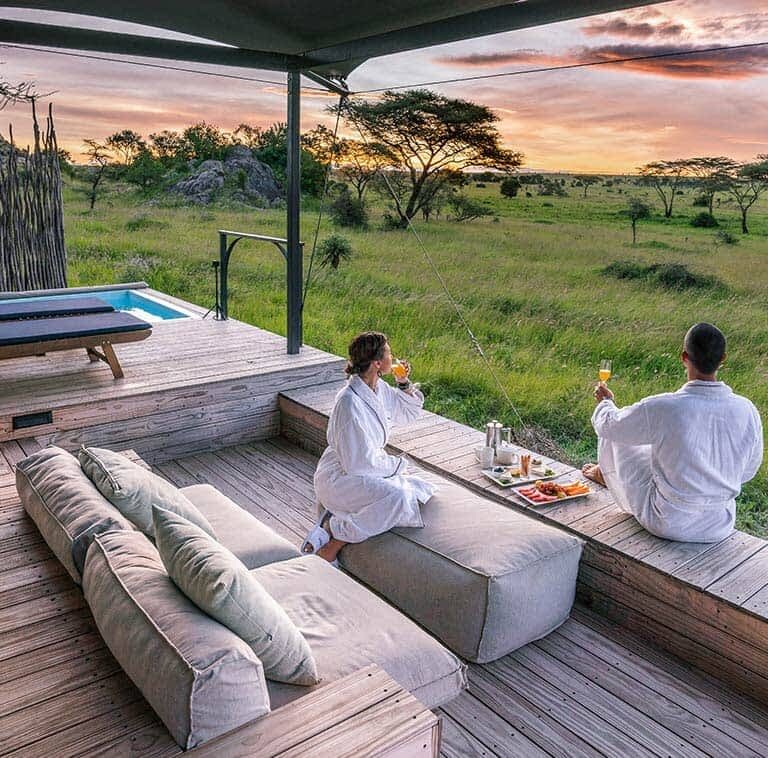
A private, peaceful climb with time to enjoy the mountain together.
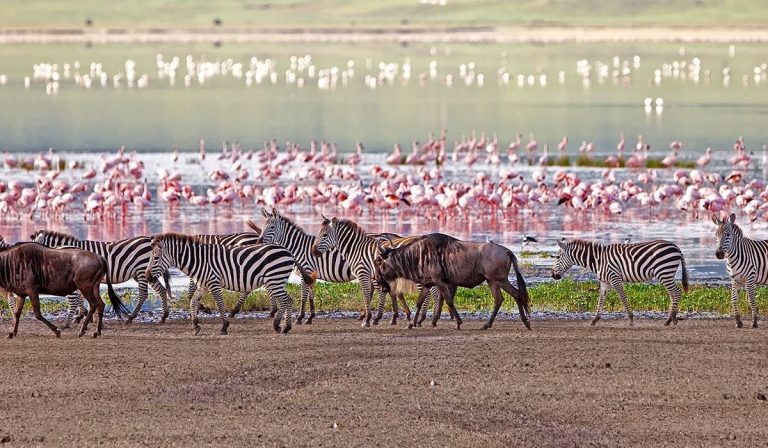
Add a private Serengeti and Ngorongoro safari after the climb.
Finish with a relaxing Zanzibar beach stay to rest tired legs.
Kilimanjaro Northern Circuit Route: FAQs
How long is the Kilimanjaro Northern Circuit Route?
The Northern Circuit is usually climbed over nine days on the mountain and covers about 90 kilometres from Londorossi Gate to Mweka Gate. It is the longest route on Kilimanjaro. An eight-day version is possible, but the nine-day itinerary gives the best acclimatisation and the most relaxed pace.
Where does the Northern Circuit start and finish?
The route starts at Londorossi Gate on the western side of Kilimanjaro and follows the Lemosho trail to the Shira Plateau. It then circles the northern slopes, joins the Rongai trail at Third Cave and summits from School Hut. The descent follows the Mweka Route to Mweka Gate on the southern side.
Is the Northern Circuit the best route on Kilimanjaro?
For many climbers it is, because its long, gradual ascent gives the best acclimatisation of any route and generally the highest summit success rates. It is also the quietest route, with wide views of almost every side of the mountain. The trade-off is that it takes more time and costs more than shorter routes.
How difficult is the Northern Circuit Route?
The Northern Circuit is moderately difficult. No technical climbing is needed, and most days involve four to seven hours of steady walking. The main challenges are the altitude and the long summit night from School Hut. Good cardio fitness, regular long hikes before your trip and a slow pace on the mountain make a big difference.
What is the summit success rate on the Northern Circuit?
Summit success depends on each climber's health, fitness and the weather, but longer itineraries consistently show higher success rates than short ones. Because the Northern Circuit spends nine days on the mountain and includes several climb-high, sleep-low days, it generally has the highest success rate of any Kilimanjaro route.
How much does the Northern Circuit Route cost?
Kilimanjaro National Park fees for a nine-day Northern Circuit climb come to about US$1,050 per person before 18% VAT, or about US$1,239 including VAT. The total package price then depends on your comfort level, crew, equipment, transfers and hotel nights. We send every climber a clear, itemised quote for a private climb.
Is the Northern Circuit crowded?
No. The Northern Circuit is the least crowded route on Kilimanjaro. After Lava Tower it leaves the busy southern trails and spends several days on the remote northern slopes, where you may see very few other climbers. It only meets other routes again near the summit and on the Mweka descent.
When is the best time to climb the Northern Circuit?
The best months are January to early March and June to October, when the weather is dry and the skies are clearer. December is also good. Because the route spends several days on the drier northern side, it is a sensible option in the wetter shoulder months, although the long rains from mid-March to May bring mud and cloud.
What is the difference between the Northern Circuit and Lemosho?
Both routes start at Londorossi Gate and cross the Shira Plateau. Lemosho then follows the southern circuit via the Barranco Wall and summits from Barafu Camp, usually over seven or eight days. The Northern Circuit instead circles the quiet northern slopes and summits from School Hut, adding time, solitude and acclimatisation.
Can I combine the Northern Circuit with a safari?
Yes. Many climbers rest for a night in Arusha and then enjoy a private safari in the Serengeti, Ngorongoro Crater or Tarangire, or relax on a Zanzibar beach. Foot Slopes Tours and Safaris arranges your climb and safari as one tailor-made private trip, with transfers and hotels planned for you.
More Kilimanjaro Guides
Climb the Northern Circuit With Us
Tell us your dates, fitness and comfort level, and our Arusha mountain team will plan a safe, well-acclimatised private Northern Circuit climb with a clear itemised quote.
Start Planning