Kilimanjaro Height
Kilimanjaro Height
Rising dramatically above the plains of East Africa, Mount Kilimanjaro stands as the tallest free-standing mountain in the world and the highest peak in Africa. Its official height—5,895 meters (19,341 feet) above sea level—draws thousands of climbers, trekkers, and adventure travelers every year. For those planning a Kilimanjaro climb, understanding its elevation, geography, and altitude challenges is essential for success. This iconic UNESCO World Heritage Site is not just about height; it’s about the journey through diverse ecosystems, from tropical rainforest to alpine desert and icy summit. Whether you’re researching Kilimanjaro height, elevation gain, or summit facts, this guide offers a comprehensive, optimized overview of everything you need to know before conquering Africa’s rooftop.
What Is the Exact Height of Mount Kilimanjaro?
The official height of Mount Kilimanjaro is 5,895 meters (19,341 feet) above sea level, measured at Uhuru Peak, the highest point on the Kibo volcanic cone. This measurement was confirmed using modern GPS and satellite technology, replacing earlier estimates that were slightly lower. The height makes Kilimanjaro the tallest mountain in Africa and one of the famous Seven Summits, attracting climbers worldwide. Unlike many mountains that are part of a range, Kilimanjaro stands alone, which enhances its prominence and visual dominance. The elevation is not just a number—it represents a significant physical challenge due to reduced oxygen levels at higher altitudes. Understanding the exact height is crucial for trekkers preparing for altitude sickness, acclimatization schedules, and overall climbing success on this iconic African peak.
How Does Kilimanjaro Compare to Other Mountains?
Mount Kilimanjaro’s height of 5,895 meters places it well below giants like Mount Everest, but still makes it one of the most accessible high-altitude climbs in the world. Compared to Mount Everest at 8,848 meters, Kilimanjaro does not require technical climbing skills, making it popular among beginners. However, its altitude still presents serious physiological challenges. Kilimanjaro is taller than Europe’s Mont Blanc and North America’s Mount Whitney, emphasizing its global significance. Its unique status as the tallest free-standing mountain means it rises abruptly from surrounding plains rather than forming part of a range. This comparison highlights Kilimanjaro’s appeal: a high-altitude adventure that is achievable yet demanding, making it a top destination for trekking enthusiasts and bucket-list travelers.
The Three Volcanic Cones of Kilimanjaro
Mount Kilimanjaro is composed of three volcanic cones: Kibo, Mawenzi, and Shira. Kibo is the highest and hosts Uhuru Peak, the summit point at 5,895 meters. Mawenzi, the second-highest at 5,149 meters, features rugged, jagged peaks and is more technical to climb. Shira, the oldest and lowest cone, stands at about 4,005 meters and has largely eroded into a plateau. These three cones tell the geological story of Kilimanjaro’s volcanic origins, dating back millions of years. While Kibo remains dormant, it is not extinct, adding an element of intrigue to the climb. Understanding these cones helps trekkers appreciate the mountain’s structure and choose routes that pass through different landscapes, offering varied views and experiences during the ascent.
What Is Uhuru Peak?
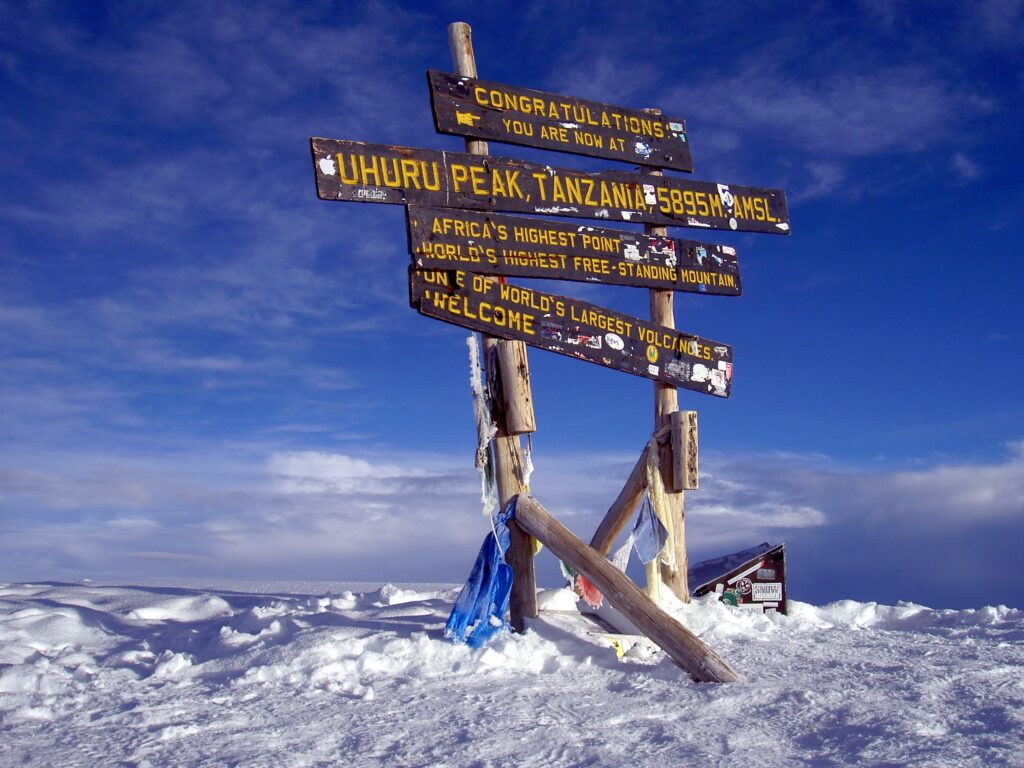
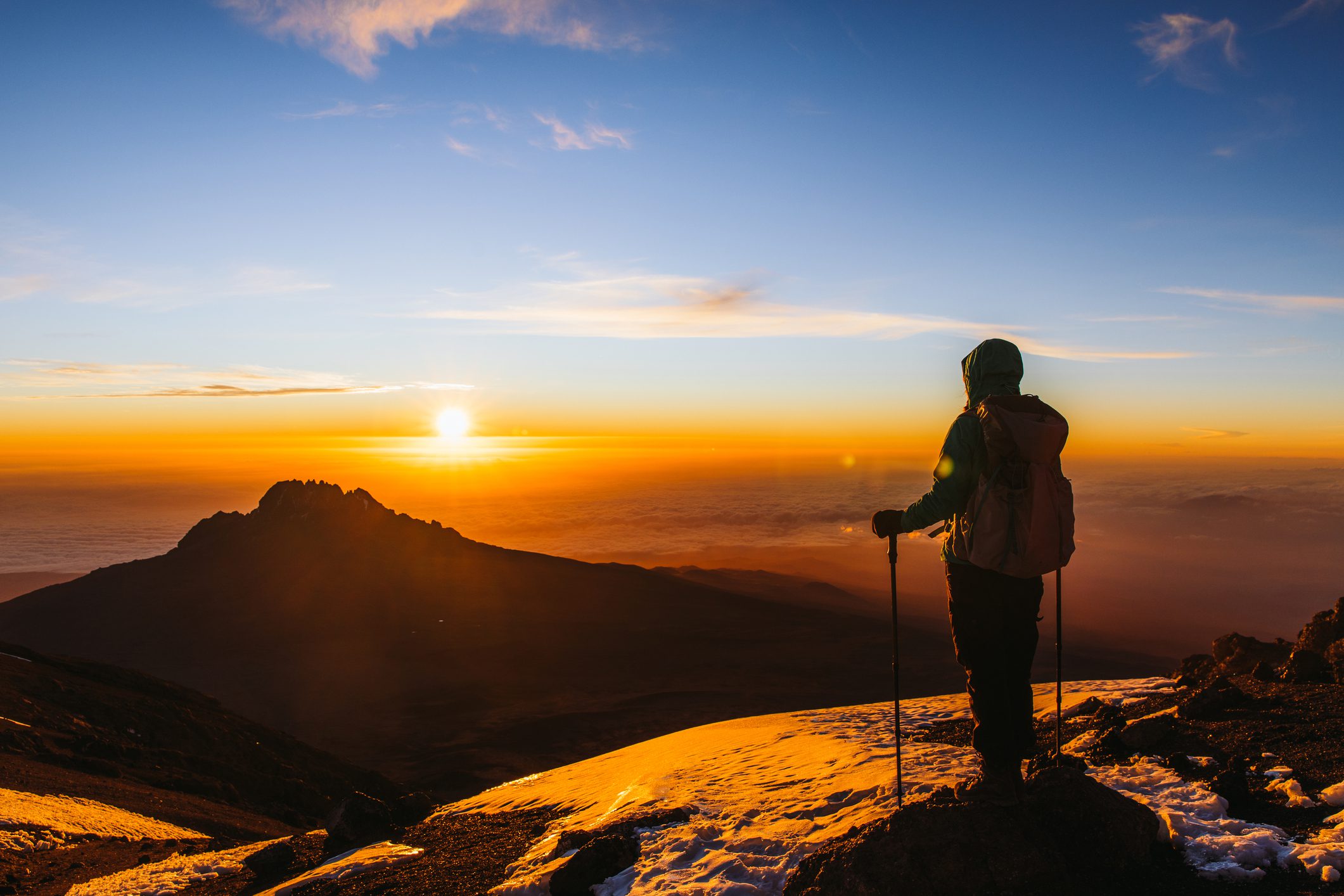
Uhuru Peak is the highest point on Mount Kilimanjaro and marks the ultimate goal for climbers. Located on the Kibo cone, it reaches an elevation of 5,895 meters (19,341 feet). The name “Uhuru” means “freedom” in Swahili, symbolizing Tanzania’s independence. Standing at Uhuru Peak offers breathtaking views above the clouds, glaciers, and vast African plains below. Reaching this point requires determination, acclimatization, and endurance due to the thin air and cold temperatures. The summit sign at Uhuru Peak has become one of the most photographed landmarks in Africa. For many climbers, reaching this height is a life-changing achievement, combining physical challenge with emotional reward. It represents not just the highest point in Africa but also a personal triumph over altitude and perseverance.
Elevation Gain During the Climb
Climbing Mount Kilimanjaro involves significant elevation gain, typically starting from around 1,800 meters and ascending to 5,895 meters. This means trekkers gain over 4,000 meters in altitude within a few days. The rapid ascent is one of the main reasons climbers experience altitude sickness. Proper acclimatization is essential, often achieved by following routes that allow gradual elevation gain. The phrase “pole pole” (slowly, slowly) is commonly used by guides to encourage a steady pace. Elevation gain varies depending on the chosen route, with longer routes offering better acclimatization. Understanding elevation gain helps climbers prepare physically and mentally for the journey. It also highlights why Kilimanjaro, despite being non-technical, remains a challenging high-altitude trek requiring careful planning and preparation.
Altitude Zones on Kilimanjaro
Mount Kilimanjaro features five distinct ecological zones, each corresponding to different altitude levels. These include the rainforest zone (800–3,000 meters), heath and moorland (3,000–4,000 meters), alpine desert (4,000–5,000 meters), and arctic summit zone (above 5,000 meters). As climbers ascend, they experience dramatic changes in temperature, vegetation, and oxygen levels. The higher the altitude, the thinner the air, making breathing more difficult. These zones make Kilimanjaro unique, offering a diverse trekking experience in a single climb. Understanding altitude zones helps trekkers pack appropriately and prepare for environmental changes. It also emphasizes the importance of acclimatization as the body adjusts to decreasing oxygen levels. This diversity is one reason Kilimanjaro is considered one of the most scenic treks in the world.
Why Altitude Matters on Kilimanjaro
Altitude is the biggest challenge when climbing Mount Kilimanjaro. At 5,895 meters, oxygen levels are about 50% lower than at sea level. This can lead to altitude sickness, which affects many climbers regardless of fitness level. Symptoms include headaches, nausea, dizziness, and fatigue. Proper acclimatization, hydration, and pacing are crucial to minimizing risks. Unlike technical climbs, Kilimanjaro’s difficulty lies in its height rather than terrain. Understanding altitude helps climbers prepare mentally and physically for the journey. It also highlights the importance of choosing longer routes with better acclimatization profiles. Successfully managing altitude is the key to reaching Uhuru Peak and enjoying the experience safely.
Location of Mount Kilimanjaro
Mount Kilimanjaro is located in northern Tanzania, East Africa, within the Kilimanjaro Region near the Kenya border. Mount Kilimanjaro rises from the savannah plains of Amboseli and Tsavo landscapes, dominating the African skyline as the highest free-standing mountain in the world and the tallest peak in Africa at 5,895 meters. It is situated inside Kilimanjaro National Park, a UNESCO World Heritage Site known for glaciers, rainforest, and alpine desert zones. The mountain is accessed from Arusha and Moshi safari gateway towns. Kilimanjaro location, where is Mount Kilimanjaro, Tanzania mountains, African highest peak, Kilimanjaro map. Its volcanic origin includes three cones, Kibo, Mawenzi, and Shira, making it a famous trekking destination in East Africa tourism globally recognized for its tourism.
Ranking of Mount Kilimanjaro in the Seven Summits
Mount Kilimanjaro is the highest peak in Africa and ranks among the Seven Summits, the highest mountains on each continent. It is the fourth most prominent peak in the world and the highest free-standing mountain, attracting climbers seeking to reach the Kilimanjaro summit and complete the Seven Summits challenge. Kilimanjaro is part of the elite mountaineering list, including Everest, Aconcagua, Denali, Elbrus, Vinson Massif, Carstensz Pyramid, and is an iconic trekking goal in the tourism industry. Seven Summits ranking, Kilimanjaro difficulty, highest African mountain, Seven Summits list, and mountaineering challenge. It remains a bucket-list climb for adventurers and hikers worldwide, visited annually.
Is Kilimanjaro the Tallest Free-Standing Mountain?
Yes, Mount Kilimanjaro is the tallest free-standing mountain in the world. This means it rises independently from the surrounding landscape rather than being part of a mountain range. Its base sits at around 900 meters, making its vertical rise over 4,900 meters. This unique feature contributes to its dramatic appearance and global recognition. Unlike mountains in ranges like the Himalayas or Andes, Kilimanjaro stands alone, dominating the skyline. This distinction adds to its appeal for climbers and photographers. The concept of a free-standing mountain also emphasizes its geological uniqueness. It is one of the reasons Kilimanjaro is often included in travel bucket lists and considered a must-climb peak for adventure seekers.
How Was Kilimanjaro’s Height Measured?
The height of Mount Kilimanjaro has been measured using various methods over time. Early explorers relied on barometric pressure readings, which were less accurate. Modern measurements use GPS and satellite technology, providing precise data. The current official height of 5,895 meters was confirmed in 2008 using advanced surveying techniques. These measurements account for changes in the mountain’s glaciers and geological shifts. Accurate height data is important for mapping, tourism, and scientific research. It also ensures consistency in global mountain rankings. Understanding how Kilimanjaro’s height is measured highlights the role of technology in modern exploration and the importance of accurate geographical data.
Kilimanjaro’s Glaciers and Ice Fields
Despite being near the equator, Mount Kilimanjaro is famous for its glaciers and ice fields. These are found near the summit, particularly on the Kibo cone. However, climate change has significantly reduced their size over the past century. The glaciers add to the mountain’s beauty and uniqueness, contrasting with the warm African plains below. Scientists study these ice fields to understand climate patterns and environmental changes. For climbers, seeing glaciers at such an altitude is a surreal experience. However, experts predict that these glaciers may disappear within decades if current trends continue. This makes climbing Kilimanjaro not just an adventure but also an opportunity to witness a changing natural wonder.
How Long Does It Take to Reach the Summit?
Reaching the summit of Mount Kilimanjaro typically takes between 5 and 9 days, depending on the route chosen. Longer routes like Lemosho and Northern Circuit offer better acclimatization and higher success rates. Shorter routes may be more challenging due to rapid altitude gain. Summit night usually begins at midnight, with climbers trekking for several hours to reach Uhuru Peak at sunrise. The journey requires endurance, patience, and mental strength. The duration of the climb is closely linked to altitude adaptation, making it a critical factor in success. Choosing the right itinerary is essential for a safe and enjoyable experience on Africa’s highest mountain.
Best Time to Climb Kilimanjaro
The best time to climb Mount Kilimanjaro is during the dry seasons: January to March and June to October. These months offer clearer skies, stable weather, and better trekking conditions. During the rainy seasons, trails can become slippery, and visibility is reduced. However, some climbers prefer quieter months for fewer crowds. Weather conditions at high altitude remain cold year-round, especially near the summit. Choosing the right time impacts your overall experience and success rate. Understanding seasonal variations helps climbers plan effectively and prepare for different conditions. Timing your climb well can make a significant difference in achieving your goal.
Kilimanjaro Climbing Routes and Elevation Profiles
Mount Kilimanjaro offers several routes, each with unique elevation profiles and scenery. Popular routes include Machame, Marangu, Lemosho, and Rongai. Each route varies in length, difficulty, and acclimatization opportunities. For example, the Machame route is known for its scenic beauty and gradual ascent, while Marangu is shorter but less effective for acclimatization. The Northern Circuit is the longest and offers the highest success rate. Understanding elevation profiles helps climbers choose the best route based on fitness level and experience. It also highlights the importance of gradual ascent in preventing altitude sickness. Selecting the right route is a key factor in reaching the summit successfully.
Physical Preparation for Kilimanjaro Height
Climbing Mount Kilimanjaro requires physical preparation, even though it is a non-technical climb. Training should focus on cardiovascular endurance, strength, and stamina. Activities like hiking, running, and cycling are ideal for building fitness. Practicing with weighted backpacks can simulate trekking conditions. Mental preparation is equally important, as the climb can be physically and emotionally demanding. Understanding the mountain’s height helps climbers set realistic expectations and training goals. Proper preparation increases the chances of reaching Uhuru Peak and enjoying the experience. It also reduces the risk of injury and altitude-related issues during the climb.
Success Rates on Kilimanjaro
Success rates for climbing Mount Kilimanjaro vary depending on the route and duration. On average, about 65% of climbers reach the summit. Longer routes with better acclimatization have higher success rates, sometimes exceeding 85%. Factors affecting success include fitness level, altitude adaptation, weather conditions, and guide support. Choosing a reputable tour operator can significantly improve your chances. Understanding success rates helps climbers make informed decisions about their itinerary and preparation. It also highlights the importance of pacing and acclimatization. Reaching the summit is achievable with proper planning and determination.
Why Kilimanjaro’s Height Inspires Climbers Worldwide
The height of Mount Kilimanjaro represents more than just a number—it symbolizes adventure, challenge, and achievement. As Africa’s highest peak, it attracts climbers from all over the world seeking a life-changing experience. Its accessibility compared to other high mountains makes it a popular choice for first-time high-altitude trekkers. The journey to 5,895 meters offers breathtaking scenery, cultural encounters, and personal growth. Kilimanjaro’s height inspires people to push their limits and achieve their goals. It is a testament to human determination and the allure of exploration. For many, standing at Uhuru Peak is a dream come true and a moment they will never forget.
Final Thought
Mount Kilimanjaro’s height of 5,895 meters makes it one of the most iconic and sought-after पर्वत climbing destinations in the world. From its towering presence to its diverse ecosystems and challenging altitude, it offers a unique adventure unlike any other. Understanding its height, elevation gain, and environmental conditions is key to a successful climb. Whether you are an experienced trekker or a first-time adventurer, Kilimanjaro promises an unforgettable journey. It is not just about reaching the summit—it is about embracing the challenge, the beauty, and the spirit of Africa’s highest mountain.
Kilimanjaro Height: FAQs
What Is the Exact Height of Mount Kilimanjaro?
The official height of Mount Kilimanjaro is 5,895 meters (19,341 feet) above sea level, measured at Uhuru Peak, the highest point on the Kibo volcanic cone. This measurement was confirmed using modern GPS and satellite technology, replacing earlier estimates that were slightly lower. The height makes Kilimanjaro the tallest mountain in Africa and one of the famous Seven Summits, attracting climbers worldwide.
What can you expect from the three volcanic cones of Kilimanjaro?
Mount Kilimanjaro is composed of three volcanic cones: Kibo, Mawenzi, and Shira. Kibo is the highest and hosts Uhuru Peak, the summit point at 5,895 meters. Mawenzi, the second-highest at 5,149 meters, features rugged, jagged peaks and is more technical to climb. Shira, the oldest and lowest cone, stands at about 4,005 meters and has largely eroded into a plateau.
What should you know about elevation gain during the climb for Kilimanjaro height?
Climbing Mount Kilimanjaro involves significant elevation gain, typically starting from around 1,800 meters and ascending to 5,895 meters. This means trekkers gain over 4,000 meters in altitude within a few days. The rapid ascent is one of the main reasons climbers experience altitude sickness. Proper acclimatization is essential, often achieved by following routes that allow gradual elevation gain.
Why Altitude Matters on Kilimanjaro?
Altitude is the biggest challenge when climbing Mount Kilimanjaro. At 5,895 meters, oxygen levels are about 50% lower than at sea level. This can lead to altitude sickness, which affects many climbers regardless of fitness level. Symptoms include headaches, nausea, dizziness, and fatigue. Proper acclimatization, hydration, and pacing are crucial to minimizing risks.
What should you know about ranking of Mount Kilimanjaro in the Seven Summits?
Mount Kilimanjaro is the highest peak in Africa and ranks among the Seven Summits, the highest mountains on each continent. It is the fourth most prominent peak in the world and the highest free-standing mountain, attracting climbers seeking to reach the Kilimanjaro summit and complete the Seven Summits challenge.
How Was Kilimanjaro’s Height Measured?
The height of Mount Kilimanjaro has been measured using various methods over time. Early explorers relied on barometric pressure readings, which were less accurate. Modern measurements use GPS and satellite technology, providing precise data. The current official height of 5,895 meters was confirmed in 2008 using advanced surveying techniques.
How Long Does It Take to Reach the Summit?
Reaching the summit of Mount Kilimanjaro typically takes between 5 and 9 days, depending on the route chosen. Longer routes like Lemosho and Northern Circuit offer better acclimatization and higher success rates. Shorter routes may be more challenging due to rapid altitude gain. Summit night usually begins at midnight, with climbers trekking for several hours to reach Uhuru Peak at sunrise.
What should you know about Kilimanjaro climbing routes and elevation profiles?
Mount Kilimanjaro offers several routes, each with unique elevation profiles and scenery. Popular routes include Machame, Marangu, Lemosho, and Rongai. Each route varies in length, difficulty, and acclimatization opportunities. For example, the Machame route is known for its scenic beauty and gradual ascent, while Marangu is shorter but less effective for acclimatization.
Climb Kilimanjaro With Confidence
Tell us your dates and fitness, and our experienced mountain team will plan a safe, well-acclimatized private climb.