
Kilimanjaro FAQs
Kilimanjaro FAQs
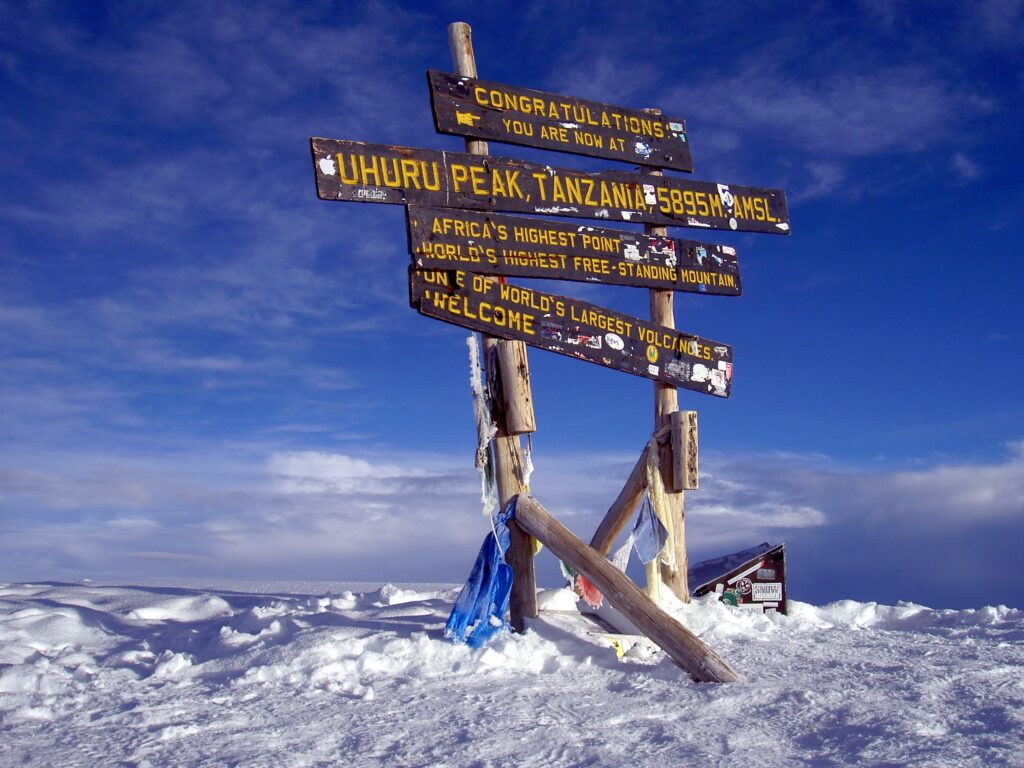
Experience and disicover the ultimate Mount Kilimanjaro, Africa's highest peak at 5,895 meters (19,341 feet), is located in Tanzania. Popular among hikers, it offers several routes, with the Marangu, Machame, and Lemosho being the most frequented. Climbs usually take 5-9 days, with success rates increasing on longer routes due to better acclimatization. No technical climbing skills are required, but physical fitness is essential. The best times to climb are during the dry seasons: January-March and June-October. Altitude sickness is a common challenge, so gradual ascent and hydration are crucial. Permits and a licensed guide are mandatory, with costs varying depending on the route and duration. Accommodations range from huts on the Marangu route to tents on other routes. Below, we address the most frequently asked questions about climbing Kilimanjaro, providing you with the essential information to make your journey both successful and unforgettable.
How Much Does It Cost to Climb Kilimanjaro?
Climbing Mount Kilimanjaro in Tanzania can cost anywhere between $21,50 to $5,000 per person, depending on the route, duration, and type of package. Budget treks often include meals, park fees, guides, and porters, while luxury or private Kilimanjaro tours offer extra comforts, high-end tents, and personalized services. Costs also vary by the number of trekking days, with longer treks increasing success rates. Additional expenses include flights to Kilimanjaro International Airport, travel insurance, tips for guides and porters, and personal gear. Comparing packages online from trusted tour operators ensures you find the best Kilimanjaro trekking cost for your budget.
Is Kilimanjaro Harder Than Everest?
Kilimanjaro is significantly easier to climb than Mount Everest because it does not require technical climbing skills, ice axes, or ropes. Everest presents extreme altitude, treacherous glaciers, and high mortality risks. In contrast, Kilimanjaro is considered a non-technical trek, meaning climbers can hike without mountaineering experience. However, altitude sickness is still a major challenge, as the summit exceeds 5,800 meters. Physical endurance, proper acclimatization, and guided support are key. While Kilimanjaro is challenging, it is achievable for moderately fit hikers, offering breathtaking views of Tanzania’s landscapes and a sense of accomplishment that rivals high-altitude peaks worldwide.
Is Kilimanjaro the Easiest of the 7 Summits?
Among the 7 Summits, Kilimanjaro is often considered the easiest because it involves trekking rather than technical climbing. Peaks like Everest, Denali, and Vinson require specialized mountaineering skills, equipment, and training. Kilimanjaro, in Tanzania, is a high-altitude hike accessible to experienced hikers and determined beginners. Its well-established routes, professional guides, and comfortable camping or lodge options make it less risky compared to other summits. However, altitude sickness, extreme weather, and long trekking days still make it physically demanding. Preparation, pace management, and gradual acclimatization increase the likelihood of summiting Kilimanjaro successfully, making it a popular choice for first-time summit seekers.
Can You Climb Kilimanjaro in Trainers?
Climbing Kilimanjaro in trainers (sneakers) is not recommended due to the mountain’s rough terrain, steep paths, and varying weather conditions. High-quality, waterproof hiking boots with ankle support are essential for safety and comfort. The trail includes rocky sections, muddy paths, and snow near the summit, where proper traction is crucial. Lightweight trekking shoes may be suitable for lower elevations, but summit success depends on sturdy boots. Investing in well-fitted, broken-in hiking boots reduces the risk of blisters, ankle injuries, and slipping. Trekking poles and gaiters further enhance stability and protect your feet, ensuring a smoother Kilimanjaro climb.
What Is the Success Rate of Climbing Kilimanjaro?
The success rate of reaching Kilimanjaro’s summit varies between 60% and 90%, depending on route length, acclimatization, weather, and individual fitness. Longer routes, such as Lemosho or Northern Circuit, offer higher success rates because they provide more days for gradual altitude adaptation. Shorter treks like Machame or Marangu can be more challenging due to rapid elevation gain. Proper training, hydration, pacing, and guided support significantly improve the likelihood of reaching Uhuru Peak. Even experienced hikers may face altitude sickness. Choosing a reputable Kilimanjaro tour operator with professional guides, adequate porters, and high-quality gear is critical for summit success.
Do You Need Oxygen for Kilimanjaro?
Unlike Everest or high-altitude technical climbs, supplemental oxygen is not required to climb Kilimanjaro. Kilimanjaro is considered a non-technical trek, and climbers rely on acclimatization, pacing, and hydration to manage altitude. Most hikers experience mild symptoms of altitude sickness, such as headaches or nausea, which can be mitigated by following “climb high, sleep low” strategies. Trekking with an experienced guide ensures proper monitoring for altitude-related issues and provides medical support if needed. Oxygen may be used in emergencies, but it is not standard. Preparation, fitness, and gradual ascent are the keys to safely summiting Kilimanjaro.
What If I Get Injured or Sick on the Climb?
If injury or illness occurs while climbing Kilimanjaro, guides are trained in first aid and evacuation protocols. Minor injuries, blisters, or altitude sickness can often be managed on the trail with medical kits, rest, and adjustments to pace. Severe illness may require descending to a lower altitude or helicopter evacuation to nearby medical facilities. Trek operators include emergency procedures in their itineraries, and high-quality tours have support staff ready to assist. Travel insurance covering medical evacuation is highly recommended. Climbing with professional guides ensures safety and quick response, minimizing risks during your Kilimanjaro adventure.
What Is Climbing Kilimanjaro Really Like?
Climbing Kilimanjaro is an unforgettable adventure combining physical challenge, cultural experiences, and breathtaking natural scenery. Trekkers pass through multiple ecological zones, from lush rainforests to alpine deserts, with wildlife sightings along the way. Nights are cold and require proper gear, while days offer panoramic views of Tanzania and Mount Meru. Summit day is the ultimate test of endurance, often starting at midnight to reach Uhuru Peak for sunrise. Climbers experience both the physical strain and mental triumph, creating a sense of achievement unlike any other hike. Professional guides enhance the journey with support, safety, and insight.
How Do I Get to Mt Kilimanjaro?
Mount Kilimanjaro is easily accessible via Kilimanjaro International Airport (JRO), located near Moshi and Arusha in northern Tanzania. International flights connect from major hubs like Nairobi, Johannesburg, Istanbul, and Amsterdam. From the airport, travelers can reach nearby towns by taxi, shuttle, or pre-arranged transfers with tour operators. Arusha serves as a popular base for acclimatization, pre-trek shopping, and safari excursions. Roads to trailheads are well-maintained, and professional guides provide transportation and support. Planning arrival 1–2 days before the climb allows adjustment to altitude and final logistics. This convenience makes Kilimanjaro one of Africa’s most accessible high peaks.
How Many People Are in a Typical Group?
Typical Kilimanjaro trekking groups range from 6 to 12 people, though private or small group options are available. Smaller groups allow personalized attention from guides, flexible pacing, and easier management of altitude issues. Larger groups may have more staff, porters, and resources but can be crowded on popular routes. Guides organize the group, monitor health, and ensure safety throughout the climb. Group size affects the trekking experience, social interactions, and logistics, including camping arrangements and meal preparation. Choosing the right group size enhances both safety and enjoyment of your Kilimanjaro adventure while maintaining an intimate trekking atmosphere.
I Don’t Live by a Mountain; How Else Can I Prepare for the Altitude?
Even without mountains nearby, you can train effectively for Kilimanjaro’s altitude. Cardiovascular exercises like running, cycling, stair climbing, and hiking with a weighted backpack improve stamina. High-intensity interval training (HIIT) and strength workouts strengthen leg muscles and core stability. Acclimatization practice, including sleeping at slightly higher elevations if possible, helps the body adjust to lower oxygen levels. Simulated altitude training masks or gyms can mimic reduced oxygen conditions. Consistent training 8–12 weeks before departure prepares the body for long days of trekking. Proper preparation ensures better endurance, reduced altitude sickness, and a higher chance of summit success.
Do I Need to Bring a Water Filter or Anything to Purify Water?
Most Kilimanjaro trekking packages provide safe, boiled, or treated water at campsites, so bringing a personal water filter is not strictly necessary. Many climbers use reusable water bottles or hydration bladders, refilling from provided taps or tanks. If trekking independently or on less-supported routes, portable water purification tablets or filters can add safety. Staying hydrated is essential to prevent altitude sickness, so climbers should drink 3–4 liters per day. Lightweight bottles, collapsible jugs, and purification methods provide convenience and peace of mind. Proper water management ensures health and comfort during the Kilimanjaro climb.
What’s the Weather Like on Kilimanjaro?
Kilimanjaro has diverse weather due to its elevation and ecological zones. Lower slopes feature tropical rainforests with high humidity and rain, while higher altitudes are colder, drier, and windier. Alpine desert zones near the summit have freezing temperatures and snow. Weather can change rapidly, making layering essential. Rain is more frequent during March–May and November, while June–October and January–February offer drier, more stable conditions. Nighttime temperatures drop below freezing above 4,000 meters. Planning around weather ensures safety, comfort, and a higher chance of summit success. Preparedness for sun, wind, rain, and snow is crucial.
When Is the Best Time to Climb Kilimanjaro?
The best times to climb Kilimanjaro are during the dry seasons: January–February and June–October. These months offer clearer skies, stable weather, and minimal rain, enhancing summit success and visibility. Trekking in the wet season increases slippery paths, muddy trails, and potential landslides. Wildlife sightings, scenic photography, and pleasant hiking conditions peak during dry periods. Early morning starts are recommended for summit day regardless of season. Booking in advance ensures availability during high-demand months. Optimal timing maximizes safety, comfort, and enjoyment while hiking Kilimanjaro’s diverse ecological zones from rainforest to alpine desert.
How Do I Dress on Mount Kilimanjaro?
Clothing on Mount Kilimanjaro is all about layering for extreme temperature changes. Climbers should wear moisture-wicking base layers, insulating mid-layers like fleece, and a waterproof, windproof outer shell. Thermal gloves, hats, and neck gaiters protect against cold at high altitudes, while breathable hiking pants and shirts keep you comfortable during the day. Sturdy, broken-in hiking boots with good ankle support are essential. Dressing in layers allows you to adjust for fluctuating temperatures from the warm rainforest zone to the freezing summit, ensuring comfort and safety throughout your Kilimanjaro trekking adventure.
How Do I Train to Climb Kilimanjaro?
Training for Kilimanjaro requires a mix of cardio, strength, and endurance exercises. Hikers should focus on long-distance walking or running, stair climbing, and weighted backpack training to mimic carrying gear. Strengthening leg muscles through squats, lunges, and core exercises improves stability and stamina. Acclimatization hikes at high altitudes can help prepare your body for thinner air. Training consistently for 8–12 weeks before the trek increases your chances of reaching Uhuru Peak. Combining cardio and strength training with mental preparation ensures you’re physically ready for Kilimanjaro’s varying terrains and the challenges of high-altitude trekking.
How Cold Is Kilimanjaro Summit?
The Kilimanjaro summit is extremely cold, with temperatures often dropping to -20°C (-4°F) at night. Wind chill can make it feel even colder, particularly in the crater zone and near Uhuru Peak. Layers, thermal clothing, and insulated jackets are critical to surviving summit night. Despite daytime warmth in lower zones, climbers must be prepared for frostbite and hypothermia risks at the top. The temperature difference between the base in tropical rainforest and the icy summit can be extreme, making proper gear, headwear, gloves, and waterproof boots essential for safety and comfort during your Mount Kilimanjaro climb.
Where Do You Sleep on Kilimanjaro?
Climbers sleep in tents on Kilimanjaro, set up at camps along each trekking route. Each tent typically accommodates 2–3 people and comes with sleeping mats, but climbers need their own sleeping bags rated for extreme cold. Camps are located at strategic altitudes for acclimatization, with basic facilities and hot meals prepared by porters. Lower camps may be surrounded by forest, while higher camps face rocky, exposed terrain. Some luxury treks offer semi-permanent tents or lodge options in lower zones. Proper rest in these camps is crucial to adjust to altitude and prepare for the challenging summit push.
How Fit Do I Need to Be to Climb Mount Kilimanjaro?
Fitness for Kilimanjaro is more about endurance than technical climbing ability. Moderate fitness, regular cardio workouts, and stamina training are sufficient for most healthy adults. Hikers should be able to walk 4–6 hours daily on steep and rocky trails while carrying a light daypack. Leg strength, cardiovascular conditioning, and mental resilience are key. High-altitude acclimatization is vital, so gradual pacing is recommended. Even beginners can succeed with consistent training, proper preparation, and a guided route. Kilimanjaro is non-technical, so physical readiness, mental toughness, and dedication are more important than advanced mountaineering skills
What Type of Food Will I Eat on Mount Kilimanjaro?
Food on Kilimanjaro treks is surprisingly varied and nutritious. Trekkers are served three hot meals daily, often including porridge or eggs for breakfast, sandwiches or rice dishes for lunch, and pasta, stews, or meat with vegetables for dinner. Snacks like energy bars, nuts, and chocolate provide extra calories. Hydration is crucial, so tea, coffee, and boiled water are standard. Special dietary needs like vegetarian or vegan options can usually be arranged with advance notice. Proper nutrition fuels energy for trekking long hours and helps prevent altitude sickness, making meals an essential part of the Kilimanjaro climbing experience.
What Is the Best Route to Climb Kilimanjaro?
The best Kilimanjaro route depends on fitness, time, and experience. Popular choices include Machame (scenic and challenging), Marangu (the “Coca-Cola” route with hut accommodation), Lemosho (long and high-acclimatization success rate), Rongai (easier, northern approach), and Umbwe (short, steep, advanced). Longer routes like Lemosho and Northern Circuit increase summit success through better acclimatization. Machame offers diverse scenery with rainforest, alpine desert, and glacier zones. Marangu is less physically demanding but less scenic. Choosing the right route impacts enjoyment, safety, and summit success. Consulting an experienced guide or safari operator ensures you pick the optimal Kilimanjaro trekking path.
Is Kilimanjaro Safe to Climb?
Climbing Kilimanjaro is generally safe for healthy adults, but altitude sickness is the biggest risk. Choosing a reputable tour operator with experienced guides, proper acclimatization schedules, and sufficient emergency protocols enhances safety. Wearing appropriate clothing, using trekking poles, and maintaining hydration are critical. Most accidents result from weather exposure, fatigue, or dehydration, not technical difficulty, since Kilimanjaro is a non-technical climb. Medical support and communication devices are available on guided treks. With preparation, awareness, and sensible pacing, thousands of hikers safely reach Uhuru Peak each year, making Kilimanjaro a thrilling but manageable adventure.
How Many People Make It to the Top of Kilimanjaro?
Approximately 50–60% of trekkers reach the summit on their first attempt. Success rates depend on route length, acclimatization, fitness, and weather conditions. Longer routes like Lemosho or Northern Circuit often see higher summit rates due to gradual altitude gain. Guides and porters play a crucial role in pacing, morale, and health monitoring. Altitude sickness and exhaustion are the primary reasons climbers turn back. With proper preparation, acclimatization, and persistence, most climbers can make it to Uhuru Peak. Mental determination, teamwork, and trust in your guide significantly increase the likelihood of conquering Mount Kilimanjaro successfully.
Can an Average Person Climb Kilimanjaro?
Yes, an average person can climb Kilimanjaro with preparation and determination. The trek is non-technical, requiring walking endurance rather than mountaineering skills. Fitness training, proper gear, and mental resilience make the climb achievable. Guided treks provide support, meals, and accommodation along the route. Acclimatization strategies reduce the risk of altitude sickness, allowing even beginners to reach the summit safely. Success relies on pacing, hydration, and listening to your body. Many first-time hikers and moderate fitness individuals have summited Kilimanjaro, proving that dedication and preparation, rather than advanced climbing expertise, are the keys to conquering Africa’s tallest peak.
Is It Hard to Climb Mount Kilimanjaro?
Climbing Kilimanjaro is challenging due to altitude and stamina demands, though it’s non-technical. Hikers must endure long daily treks of 4–8 hours on varied terrain, including rainforest, alpine desert, and rocky summit paths. Cold temperatures, strong winds, and thin air make the final ascent difficult. Mental toughness and proper pacing are critical for summit success. Physical training, acclimatization, and nutrition strategies improve endurance. While it doesn’t require ropes or technical climbing skills, the difficulty lies in persistence and adaptation to changing conditions. With preparation, determination, and a knowledgeable guide, climbers can overcome the challenges successfully.
What Should I Wear to Kilimanjaro Summit?
For the summit, layers are essential. A thermal base layer, fleece mid-layer, and insulated waterproof jacket protect against extreme cold. Warm gloves, a hat, neck gaiter, and face mask guard against frostbite. Sturdy trekking boots with good traction and insulated socks are crucial. Sunglasses and sunscreen prevent sunburn at high altitudes. Layering allows adjustment to weather changes and extreme temperature differences from night to day. Carry a lightweight down jacket for summit night, and consider gaiters to keep snow out of boots. Proper clothing ensures comfort, safety, and a successful climb to Uhuru Peak.
Where Is Kilimanjaro?
Mount Kilimanjaro is located in northeastern Tanzania, near the Kenya border. It’s part of Kilimanjaro National Park and rises majestically above the surrounding plains, forming Africa’s highest peak. Kilimanjaro is an iconic stratovolcano with three distinct cones: Kibo, Mawenzi, and Shira. The base begins in tropical rainforest, transitioning through alpine desert to the glaciated summit. Its location makes it accessible via Kilimanjaro International Airport, near Moshi and Arusha. The region is rich in wildlife, culture, and scenic landscapes. Kilimanjaro’s proximity to safari destinations like the Serengeti and Ngorongoro Crater adds to its appeal for adventurous travelers visiting Tanzania.
Is Climbing Kilimanjaro Worth It?
Climbing Kilimanjaro is an unforgettable experience, offering adventure, personal achievement, and incredible scenery. The trek crosses multiple ecosystems, from lush rainforests to barren alpine deserts, ending on a glacial summit. Success brings a sense of accomplishment and breathtaking views at Uhuru Peak. Beyond the climb, it offers cultural insights into the Chagga people and Tanzanian wildlife. Many climbers say it’s life-changing, combining physical challenge with natural beauty. The sense of camaraderie with guides and fellow hikers adds to the adventure. For thrill-seekers and nature lovers, Kilimanjaro is worth every ounce of effort.
How Long Does It Take to Train to Climb Kilimanjaro?
Training for Kilimanjaro typically takes 8–12 weeks, depending on fitness level and trekking goals. Focused cardio exercises like hiking, running, or cycling improve stamina. Strength training for legs, core, and back enhances endurance. Practicing with a weighted backpack simulates trekking conditions. High-altitude hikes help acclimatize the body to thinner air. Consistency and gradual intensity increase ensure readiness for the climb. Even average fitness individuals can train effectively with proper planning. Mental preparation, nutrition, and pacing strategies complement physical training. Adequate preparation dramatically increases the chances of safely reaching Uhuru Peak on Mount Kilimanjaro.
How High Is Mount Kilimanjaro?
Mount Kilimanjaro rises 5,895 meters (19,341 feet) above sea level, making it Africa’s tallest mountain. Its peak, Uhuru Peak, sits atop Kibo’s crater rim. Kilimanjaro is a free-standing stratovolcano, with distinct ecological zones ranging from tropical rainforest at the base to alpine desert and arctic summit conditions. Its height challenges climbers with thinner air and colder temperatures as altitude increases. Despite being non-technical, its sheer elevation makes it a physically demanding trek. Reaching the summit is a significant achievement for hikers and adventurers worldwide, offering unparalleled panoramic views across Tanzania and even into neighboring Kenya.
Can I Shower on Mount Kilimanjaro?
Showering on Kilimanjaro is limited due to camping conditions and water availability. At lower camps, hot water may be available for basic washing. Higher camps rely on cold water for sponge baths or wet wipes. Portable solar showers or trekking hygiene kits are recommended. Personal hygiene items like biodegradable soap, hand sanitizer, and quick-dry towels are essential. Luxury or lodge-style treks may offer more comfortable facilities. While full showers are rare, maintaining hygiene is possible with preparation. Adequate cleaning routines prevent illness and enhance comfort, allowing climbers to focus on energy conservation for summit success.
What Is Included in The Kili Trek Price?
Most Kilimanjaro trek prices include park fees, professional guides, porters, camping equipment, tents, sleeping mats, and meals. Transportation to and from trailheads, permits, and rescue insurance are often included. Luxury treks may add lodge accommodation, private vehicles, or additional gear. Trekking packages usually cover breakfasts, lunches, and dinners, plus porter assistance for luggage. Some operators provide oxygen cylinders or medical kits for emergencies. Flights, visas, tips, or personal equipment are typically extra. Understanding inclusions helps travelers budget effectively. Reputable operators ensure transparency and safety, giving climbers confidence that essential services are covered during their Mount Kilimanjaro adventure.
How Many Days in Advance Should I Arrive in Tanzania Before Starting the Trek?
It’s recommended to arrive in Tanzania at least 1–2 days before your Kilimanjaro trek. This allows for rest, acclimatization, and last-minute preparations such as gear checks, park permits, and briefing with guides. Arriving early also provides flexibility for travel delays, visa processing, or health adjustments. Staying in Moshi or Arusha before the climb helps acclimate to elevation and local climate. Early arrival ensures a smoother start to the trek, reduces travel stress, and improves summit success. Planning buffer days is a crucial part of a responsible and enjoyable Kilimanjaro trekking itinerary.
Do I Need Travel Insurance for Mount Kilimanjaro?
Yes, travel insurance is essential for Kilimanjaro treks. Insurance should cover medical emergencies, altitude sickness, evacuation, trip cancellations, and lost gear. The high-altitude, remote environment increases risk, making coverage crucial. Many tour operators require proof of insurance before climbing. Policies should include helicopter rescue or hospital transfers in case of serious illness or injury. Even experienced hikers benefit from coverage, ensuring peace of mind during unpredictable weather and challenging terrain. Comprehensive travel insurance protects both health and investment, making it a non-negotiable component of any responsible Mount Kilimanjaro adventure.
How Much to Tip Guides and Porters on Kilimanjaro?
Tipping on Kilimanjaro is customary and reflects appreciation for guides, porters, and cooks. Standard amounts are $20–$30 per day for lead guides, $10–$15 per day for assistant guides, and $5–$10 per day for porters. Tips are pooled and distributed fairly to reward hard work in extreme conditions. Porters carry heavy loads, often exceeding 20–25 kg, and guides manage safety and pacing. Adequate tipping motivates staff and acknowledges their crucial role. Budgeting for tips ensures ethical treatment of climbing staff and contributes to a positive trekking experience while supporting local livelihoods in Tanzania.
Why Should I Bring Sunscreen When Climbing Mount Kilimanjaro?
Sunscreen is essential on Kilimanjaro due to high-altitude sun exposure and thin air. UV radiation intensifies with elevation, increasing the risk of sunburn on exposed skin. The combination of snow, glaciers, and bright sun reflects UV rays, making skin protection vital. SPF 30+ broad-spectrum sunscreen, lip balm with UV protection, sunglasses, and a hat minimize sun damage. Regular reapplication throughout the day is necessary, especially during long summit hikes. Sunscreen protects against painful burns, dehydration, and long-term skin damage, ensuring climbers can focus on reaching Uhuru Peak safely and comfortably during their Mount Kilimanjaro adventure.
Final Thought
Climbing Mount Kilimanjaro is an unforgettable adventure that blends physical challenge, natural beauty, and personal accomplishment. Proper preparation, from fitness training and gear selection to acclimatization and safety planning, significantly increases summit success. Knowledge of routes, food, lodging, and essential items ensures a smooth and rewarding experience. With careful planning, support from experienced guides, and attention to health, Kilimanjaro is accessible even for average hikers. This iconic trek offers breathtaking landscapes, cultural insights, and the ultimate sense of achievement standing atop Africa’s highest peak, making it a bucket-list adventure for travelers worldwide.
Kilimanjaro FAQs: FAQs
How Much Does It Cost to Climb Kilimanjaro?
Climbing Mount Kilimanjaro in Tanzania can cost anywhere between $21,50 to $5,000 per person, depending on the route, duration, and type of package. Budget treks often include meals, park fees, guides, and porters, while luxury or private Kilimanjaro tours offer extra comforts, high-end tents, and personalized services.
Is Kilimanjaro Harder Than Everest?
Kilimanjaro is significantly easier to climb than Mount Everest because it does not require technical climbing skills, ice axes, or ropes. Everest presents extreme altitude, treacherous glaciers, and high mortality risks. In contrast, Kilimanjaro is considered a non-technical trek, meaning climbers can hike without mountaineering experience.
Is Kilimanjaro the Easiest of the 7 Summits?
Among the 7 Summits, Kilimanjaro is often considered the easiest because it involves trekking rather than technical climbing. Peaks like Everest, Denali, and Vinson require specialized mountaineering skills, equipment, and training. Kilimanjaro, in Tanzania, is a high-altitude hike accessible to experienced hikers and determined beginners. Its well-established routes, professional guides, and comfortable camping or lodge options make it less risky compared to other summits.
Can You Climb Kilimanjaro in Trainers?
Climbing Kilimanjaro in trainers (sneakers) is not recommended due to the mountain’s rough terrain, steep paths, and varying weather conditions. High-quality, waterproof hiking boots with ankle support are essential for safety and comfort. The trail includes rocky sections, muddy paths, and snow near the summit, where proper traction is crucial.
What Is the Success Rate of Climbing Kilimanjaro?
The success rate of reaching Kilimanjaro’s summit varies between 60% and 90%, depending on route length, acclimatization, weather, and individual fitness. Longer routes, such as Lemosho or Northern Circuit, offer higher success rates because they provide more days for gradual altitude adaptation. Shorter treks like Machame or Marangu can be more challenging due to rapid elevation gain.
Do You Need Oxygen for Kilimanjaro?
Unlike Everest or high-altitude technical climbs, supplemental oxygen is not required to climb Kilimanjaro. Kilimanjaro is considered a non-technical trek, and climbers rely on acclimatization, pacing, and hydration to manage altitude. Most hikers experience mild symptoms of altitude sickness, such as headaches or nausea, which can be mitigated by following “climb high, sleep low” strategies.
What If I Get Injured or Sick on the Climb?
If injury or illness occurs while climbing Kilimanjaro, guides are trained in first aid and evacuation protocols. Minor injuries, blisters, or altitude sickness can often be managed on the trail with medical kits, rest, and adjustments to pace. Severe illness may require descending to a lower altitude or helicopter evacuation to nearby medical facilities.
What Is Climbing Kilimanjaro Really Like?
Climbing Kilimanjaro is an unforgettable adventure combining physical challenge, cultural experiences, and breathtaking natural scenery. Trekkers pass through multiple ecological zones, from lush rainforests to alpine deserts, with wildlife sightings along the way. Nights are cold and require proper gear, while days offer panoramic views of Tanzania and Mount Meru.
Climb Kilimanjaro With Confidence
Tell us your dates and fitness, and our experienced mountain team will plan a safe, well-acclimatized private climb.