Kilimanjaro climbing Age Restrictions
Kilimanjaro climbing Age Restrictions
The official minimum Kilimanjaro climbing Age Restrictions to climb Mount Kilimanjaro are 10 years old, set by the Tanzania National Parks Authority (KINAPA and TANAPA). There is no maximum age limit. Anyone under 18 must be accompanied by a parent or legal guardian. Mount Kilimanjaro, Africa’s highest peak and one of the world’s most iconic trekking destinations, attracts climbers from every corner of the globe. However, many travelers ask an important question: what are the age restrictions on Mount Kilimanjaro? According to Tanzania National Park Authority (TANAPA) regulations and Kilimanjaro National Park guidelines, age limits exist to ensure safety, physical readiness, and responsible trekking. While there is no strict maximum age limit, there is a recommended minimum age requirement. Understanding the Mount Kilimanjaro age limit is essential for families, schools, and adventure travelers planning a safe and successful summit. These rules help protect young climbers and ensure every trekker is physically and mentally prepared for high-altitude conditions and demanding mountain terrain.
Minimum Age Requirement for Climbing Kilimanjaro
The official minimum age to climb Mount Kilimanjaro is generally 10 years old, as set by Kilimanjaro National Park regulations. However, most reputable tour operators recommend a minimum age of 12 to 15 years for better safety and endurance. The high altitude, cold temperatures, and long trekking hours make the climb physically demanding. Young trekkers must demonstrate strong fitness, stamina, and mental readiness before attempting the ascent. Parents considering family trekking in Tanzania should carefully assess their child’s ability to handle altitude sickness risks. Although children under 10 are not permitted, older teenagers often successfully summit with proper preparation, guided support, and gradual acclimatization schedules designed for safe Kilimanjaro climbing experiences.
Why Age Restrictions Exist on Mount Kilimanjaro
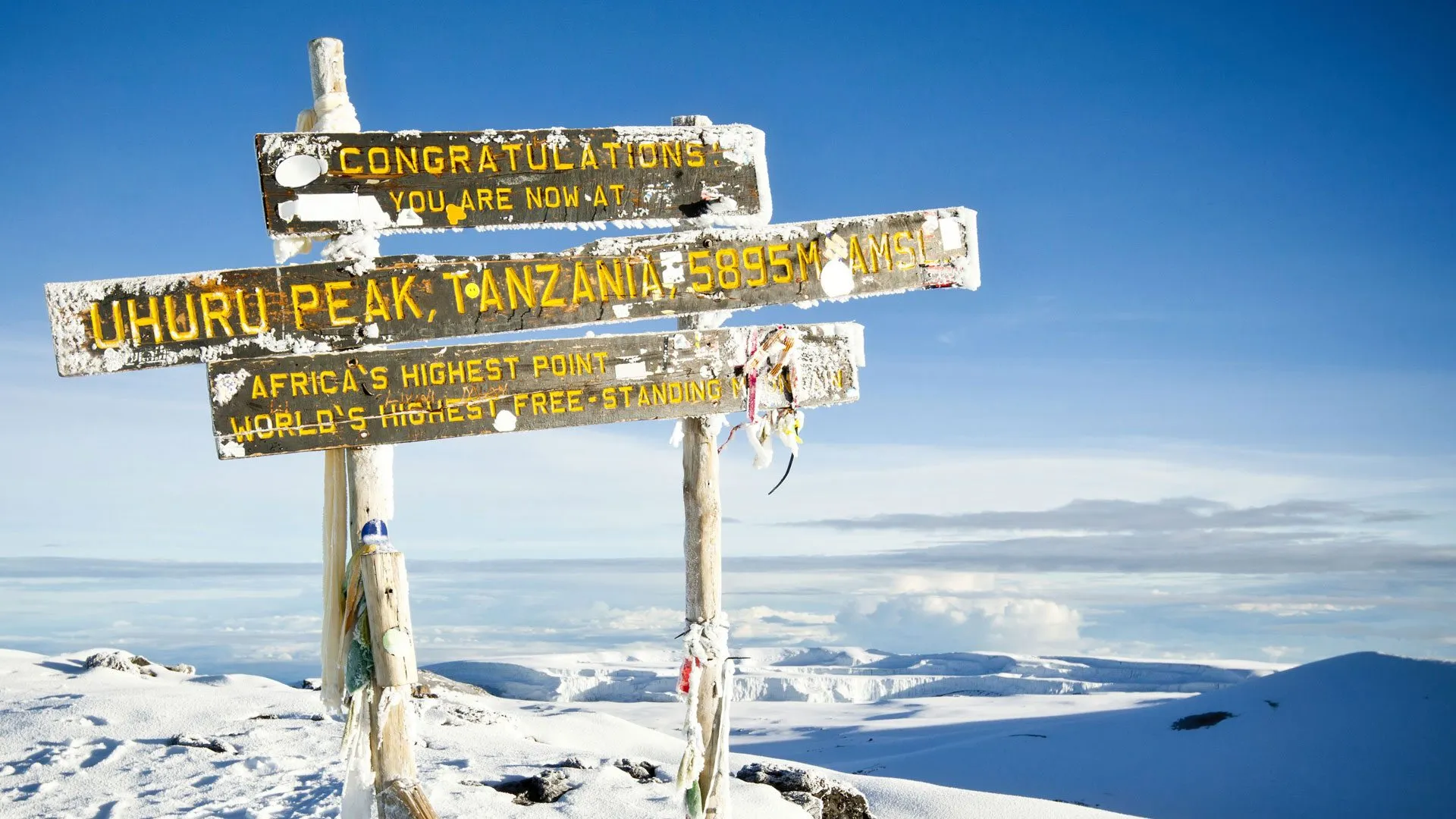
Age restrictions on Mount Kilimanjaro are primarily designed to ensure climber safety and reduce health risks associated with high-altitude trekking. The mountain rises to 5,895 meters, where oxygen levels are significantly lower. Younger children may struggle with altitude sickness, fatigue, and unpredictable weather conditions. The Tanzania National Park Authority enforces these guidelines to maintain safe trekking standards. Additionally, long daily hikes of 5–8 hours require strong physical endurance and mental resilience. By setting a minimum age limit, authorities ensure that climbers can responsibly manage the challenges of Kilimanjaro trekking routes such as Machame, Marangu, and Lemosho. These regulations help reduce emergencies and improve overall summit success rates for all climbers.
Physical Fitness Requirements by Age
While age is an important factor, physical fitness is equally critical for climbing Mount Kilimanjaro. Younger climbers must demonstrate excellent cardiovascular endurance, strength, and hiking experience. Teenagers between 12 and 17 should ideally engage in regular hiking, running, or sports training before the climb. Adults of any age must also be fit enough to handle steep ascents, long walking hours, and changing climates. Fitness preparation helps reduce the risk of altitude sickness and fatigue during the Kilimanjaro trekking. Tour operators often assess participants’ fitness levels regardless of age to ensure safety. Ultimately, whether young or older, climbers must be prepared for one of the most physically demanding hiking experiences in Africa.
Health Considerations for Young Climbers
Health plays a major role in determining whether a young person should climb Mount Kilimanjaro. Children and teenagers are more sensitive to altitude changes, dehydration, and cold temperatures. Medical checks are strongly recommended before planning the trek. Conditions such as asthma or heart issues must be carefully evaluated. Altitude sickness is a major concern on Kilimanjaro, especially above 3,000 meters. Parents should ensure proper hydration, nutrition, and gradual acclimatization for young trekkers. Experienced guides monitor health throughout the journey, checking oxygen levels and overall condition. Responsible Kilimanjaro climbing practices prioritize safety over speed, ensuring that younger climbers are not pushed beyond safe physical limits during the ascent.
Approach, feed or disturb wildlife, or leave the vehicle unless your guide says it is safe.
Follow your guide, carry travel insurance and check current health and travel advice.
Maximum Age Limit for Kilimanjaro Climbing
Interestingly, there is no official maximum age limit for climbing Mount Kilimanjaro. Many climbers in their 60s, 70s, and even 80s have successfully reached Uhuru Peak. However, older trekkers must undergo medical clearance and intensive preparation. Fitness level, rather than age, is the key determining factor. Experienced senior climbers often choose longer trekking routes like Lemosho or Northern Circuit for better acclimatization. With proper pacing, hydration, and professional guiding, older adventurers can safely enjoy the Kilimanjaro trekking experience. The absence of a strict upper age limit reflects the inclusive nature of Tanzania tourism, allowing people of different generations to challenge themselves on Africa’s highest mountain.
Family Trekking on Mount Kilimanjaro
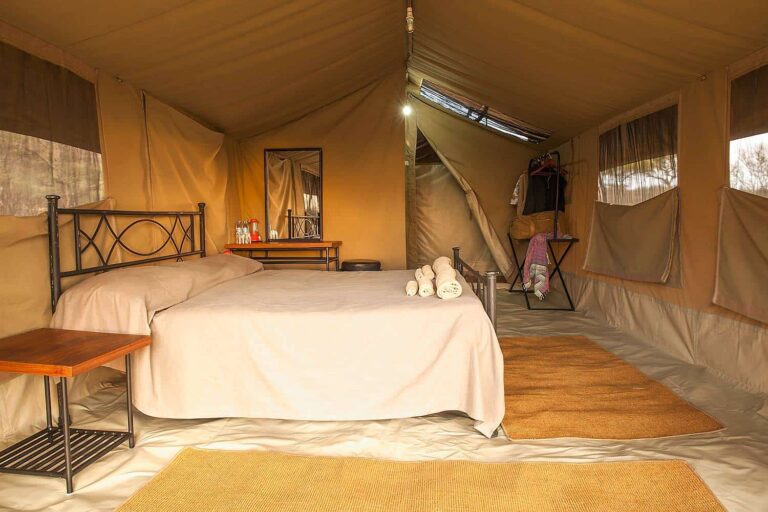
Family trekking on Mount Kilimanjaro is becoming increasingly popular among adventure travelers. Families with teenagers often choose routes such as Marangu or Machame due to their relatively well-established paths and accommodation huts or camps. Traveling together creates unforgettable bonding experiences while exploring one of the world’s most famous mountains. However, careful planning is essential when including younger climbers. Proper training, slow ascent schedules, and professional guides are necessary for safety. Tour operators often customize family-friendly Kilimanjaro climbing packages to match different fitness levels. These experiences allow families to enjoy Tanzania’s natural beauty while ensuring that age-appropriate trekking practices are followed throughout the journey.
Kilimanjaro National Park Rules and Regulations
Kilimanjaro National Park Authority (TANAPA) enforces strict rules to regulate climbers’ safety, including age guidelines. All climbers must register through licensed tour operators and follow approved trekking routes. The minimum age policy is part of broader conservation and safety efforts. Rangers and guides ensure compliance throughout the expedition. These regulations also protect the fragile mountain ecosystem while managing tourist flow. Climbers must adhere to park rules regarding camping, waste disposal, and guided trekking. Understanding these regulations is essential before planning a climb. Following official Kilimanjaro National Park guidelines ensures a safe, environmentally responsible, and well-organized climbing experience for all age groups.
Recommended Age for First-Time Climbers
Although the minimum age is 10, the recommended age for first-time Kilimanjaro climbers is typically 15 and above. At this age, most individuals have developed stronger physical endurance and mental resilience. First-time climbers should also have prior hiking experience before attempting high-altitude trekking. Young adults and teenagers are generally better prepared to handle long trekking days and altitude challenges. First-time climbers, regardless of age, should focus on gradual acclimatization and proper preparation. Training hikes, cardio exercises, and endurance building are essential. Choosing the right age for a first Kilimanjaro expedition significantly increases summit success rates and improves overall trekking safety.
Risks of Climbing Kilimanjaro at a Young Age
Climbing Mount Kilimanjaro at a very young age can present several risks, including altitude sickness, fatigue, and difficulty adapting to cold temperatures. Children may struggle with reduced oxygen levels and long trekking durations. Emotional stress and physical exhaustion are also concerns. While guided support helps reduce risks, young climbers still require careful monitoring. Tour operators strongly advise against pushing children beyond their limits. Proper preparation and medical clearance are essential before any attempt. Understanding these risks ensures that families make informed decisions when planning Kilimanjaro trekking adventures. Safety remains the top priority for all age groups on the mountain.
Training Tips for Different Age Groups
Training for Mount Kilimanjaro varies depending on age. Younger climbers should focus on fun endurance activities such as hiking, cycling, and swimming to build stamina. Teenagers benefit from structured fitness routines including cardio, strength training, and practice hikes. Adults should engage in regular long-distance walking and hill climbing exercises. Older climbers should include medical check-ups and low-impact training to protect joints. Regardless of age, acclimatization practice is important. Training in altitude-like conditions, if possible, helps prepare the body for real trekking challenges. Proper preparation ensures safer and more enjoyable Kilimanjaro climbing experiences for all age categories.
Choosing the Right Kilimanjaro Route by Age
Different Kilimanjaro routes suit different age groups and fitness levels. The Marangu Route is often considered easier due to hut accommodation, making it suitable for younger or less experienced climbers. The Machame Route is more challenging but offers better acclimatization. The Lemosho and Northern Circuit routes are ideal for older climbers due to their gradual ascent profiles. Choosing the right route helps reduce altitude sickness risks and improves summit success rates. Families with children often prefer longer itineraries to allow slower pacing. Selecting an age-appropriate route is one of the most important decisions when planning a Kilimanjaro trekking adventure.
Expert Advice for Age-Safe Kilimanjaro Climbing
Experts recommend that climbers focus more on fitness and preparation than on age alone. While minimum age rules exist, success on Mount Kilimanjaro depends on endurance, acclimatization, and mental strength. Professional guides play a crucial role in ensuring safety for all age groups. They monitor health, adjust pace, and provide emergency support if needed. Travelers should choose reputable tour operators with experience in handling family or senior trips. Adequate rest, hydration, and slow ascent strategies are key to success. Following expert advice ensures that both young and older climbers enjoy a safe and memorable Kilimanjaro experience.
Final Thought
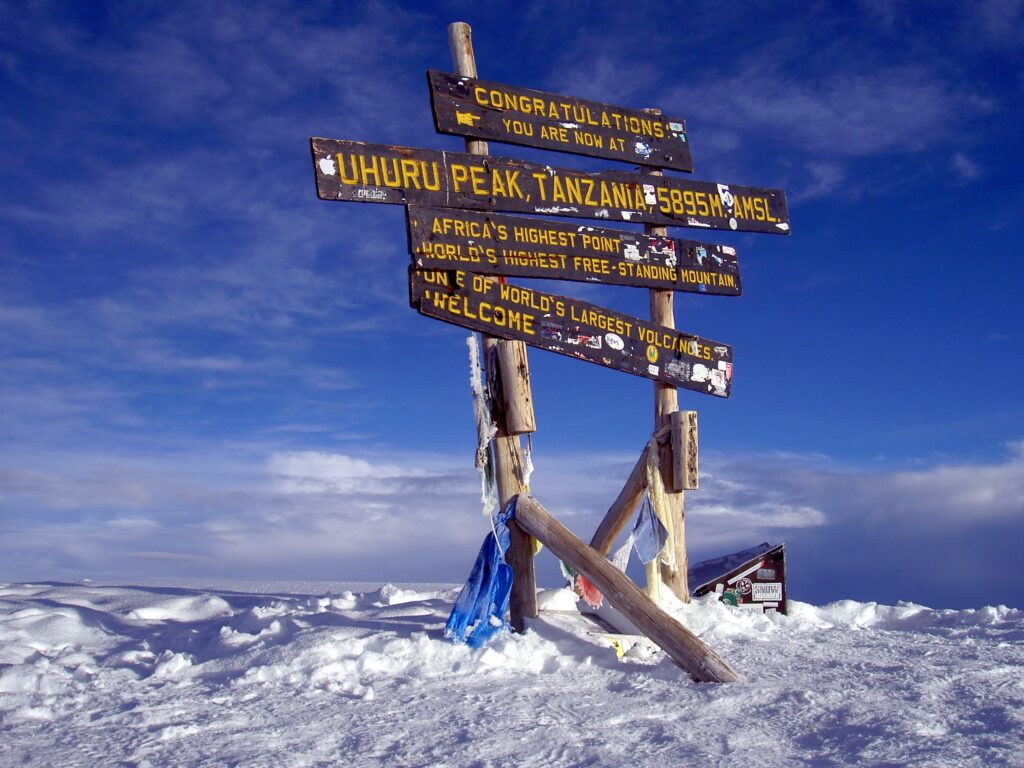
Age restrictions on Mount Kilimanjaro are not barriers but safety measures designed to protect climbers and improve success rates. Whether young adventurers or experienced seniors, every climber must meet physical and health requirements before attempting the summit. With proper preparation, guidance, and respect for Kilimanjaro National Park rules, people of many ages can safely reach Uhuru Peak. Ultimately, the journey matters more than age, and with the right planning, Mount Kilimanjaro remains an achievable and life-changing adventure for responsible trekkers worldwide.
Kilimanjaro climbing Age Restrictions: FAQs
Youngest girl to climb Mount Kilimanjaro
The youngest climbers of Mount Kilimanjaro are typically around 10 years old, aligning with the official minimum age rule. Over the years, both boys and girls have successfully reached Uhuru Peak, the summit of Kilimanjaro. The youngest girl records are not officially fixed globally, but documented cases show young female climbers aged 10–11 completing the ascent under strict supervision.
How many days to climb Kilimanjaro?
Climbing Mount Kilimanjaro usually takes 5 to 9 days, depending on the route and acclimatization plan. Short routes like Marangu take about 5–6 days, but they have lower success rates due to rapid altitude gain. Longer routes such as Lemosho and the Northern Circuit take 7–9 days and are strongly recommended for safety and summit success. More days on the mountain allow your body to adjust to high altitude gradually, reducing the risk of altitude sickness.
What is the minimum age to climb Mount Kilimanjaro?
The official minimum age to climb Mount Kilimanjaro is 10 years old, according to Kilimanjaro National Park regulations under Kilimanjaro National Park. However, most professional tour operators recommend a safer minimum age of 12 to 15 years. This is because high altitude, long trekking hours, and cold temperatures can be challenging for younger children. While 10-year-olds are legally allowed, they must be physically fit and closely supervised by experienced guides.
What Age restrictions are there on Mount Kilimanjaro?
Mount Kilimanjaro has a minimum age limit of 10 years, but no official maximum age restriction. These guidelines are enforced by Tanzanian park authorities to ensure climber safety. The main restriction is based on physical readiness rather than strict age limits. Younger climbers must demonstrate fitness and endurance, while older climbers must be medically fit. The rules also require all climbers to use licensed guides and follow approved routes.
Can a 7 year old climb Kilimanjaro?
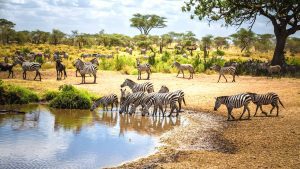
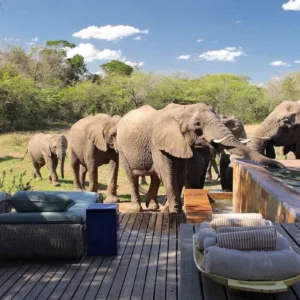
No, a 7-year-old cannot climb Mount Kilimanjaro. The minimum permitted age is 10 years, and even that is considered the absolute lower limit. At 7 years old, children are not physically developed enough to handle high altitude, cold temperatures, and long trekking days. Risks include severe fatigue, dehydration, and altitude sickness. For families with young children, Tanzania offers better alternatives such as wildlife safaris in Serengeti National Park or cultural tours.
Can a 60 year old climb Kilimanjaro?
Yes, a 60-year-old can climb Mount Kilimanjaro successfully. There is no upper age limit. Many climbers in their 60s, 70s, and even 80s have reached the summit. However, older climbers should undergo medical check-ups and choose longer routes like Lemosho or the Northern Circuit for better acclimatization. Fitness, not age, is the most important factor. With proper pacing, hydration, and professional guiding, older adventurers can safely enjoy the Kilimanjaro experience.
Can you climb Kilimanjaro with kids?
Yes, you can climb Kilimanjaro with kids, but only if they are 10 years or older and physically prepared. Family climbs require careful planning, slower pacing, and longer routes to allow acclimatization. Experienced guides are essential for monitoring health and safety. Many families combine trekking with safari experiences in places like Tarangire National Park. However, very young children are better suited for safaris rather than mountain climbing due to altitude challenges.
Who is the youngest person to climb Kilimanjaro?
The youngest climbers recorded on Mount Kilimanjaro are typically around 10 years old, which matches the official minimum age requirement. Both boys and girls have successfully reached Uhuru Peak at this age under strict supervision. While there is no single globally verified youngest record, documented cases show children aged 10–11 completing the climb. These achievements require strong preparation, experienced guides, and carefully planned routes. However, such young-age climbs are exceptions, not the recommended standard.
Is It Safe to Travel with a Child in Tanzania for Safari or Mountain Climbing?
Yes, Tanzania is generally safe for traveling with children, especially for safari tourism. Family-friendly destinations like Serengeti, Ngorongoro, and Tarangire offer excellent wildlife experiences. However, mountain climbing is different. Kilimanjaro is safe for children only if they are at least 10 years old and properly prepared. Safaris are more suitable for younger kids because they involve less physical strain.
Kilimanjaro Climbing Permits & Regulations
All climbers must obtain official permits through licensed tour operators before entering Kilimanjaro National Park. Independent climbing is not allowed. Permits include park entry fees, rescue fees, camping or hut fees, and conservation charges. Guides are mandatory on all routes. Age requirements are checked during registration. These regulations ensure safety, environmental protection, and proper monitoring of climbers. Following the rules is essential for a legal and safe Kilimanjaro trekking experience.
Climb Kilimanjaro With Confidence
Tell us your dates and fitness, and our experienced mountain team will plan a safe, well-acclimatized private climb.