Is Kilimanjaro in the Death Zone?
Is Kilimanjaro in the Death Zone?
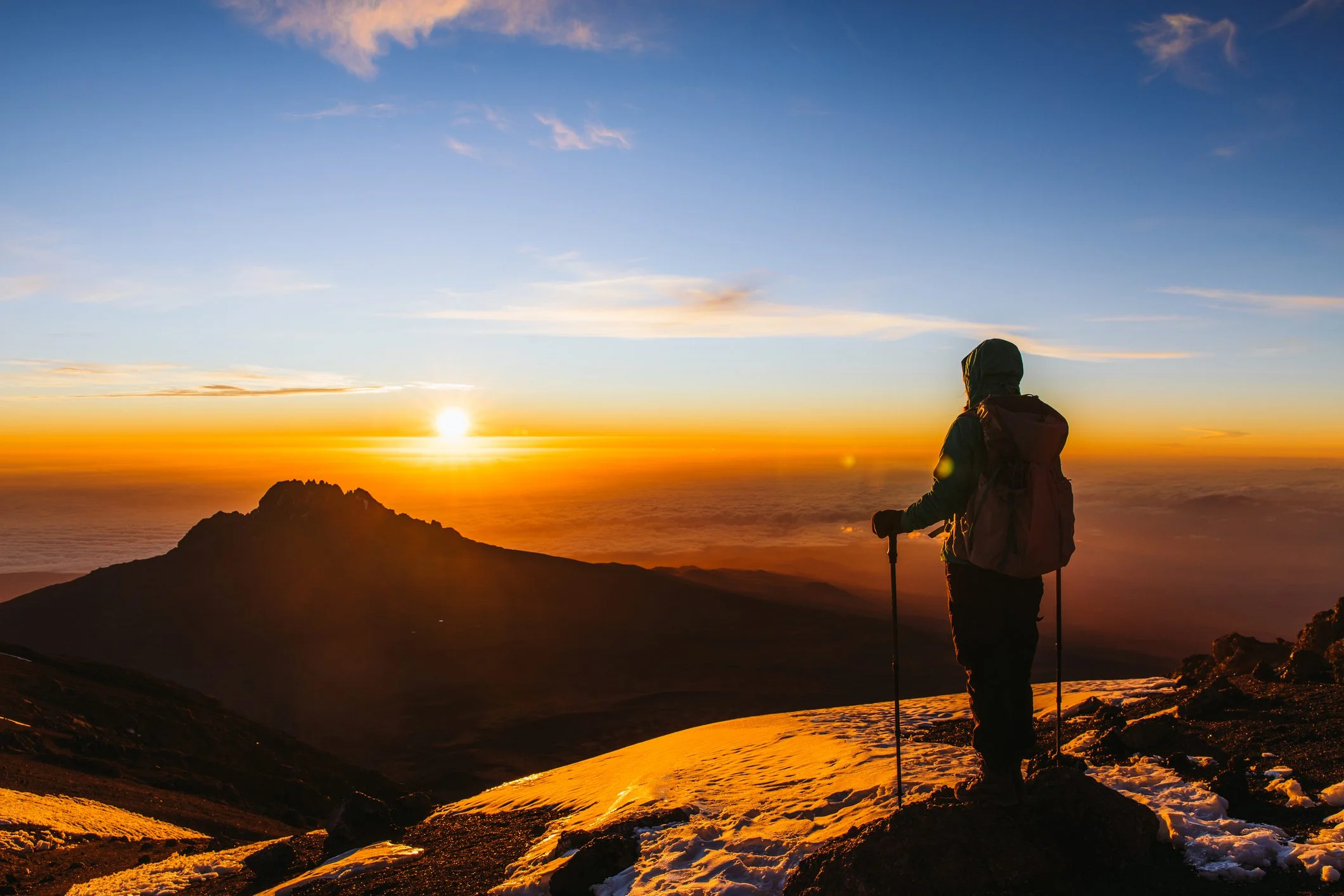
Mount Kilimanjaro does not have a traditional “Death Zone” like those found in high-altitude mountaineering, as its summit falls well below the 8,000-meter mark. The summit of Kilimanjaro stands at 5,895 meters (19,341 feet), which is roughly the same elevation as Mount Everest Base Camp. Unlike Everest, where climbers use oxygen in the so-called “death zone” above 26,000 feet, it’s possible to acclimatize on Kilimanjaro. However, altitude sickness remains a risk, and approximately 3 to 10 people die on the slopes of Kilimanjaro each year due to factors like Acute Mountain Sickness (AMS), HAPE, and HACE. Despite this, Kilimanjaro is considered relatively safe compared to other major mountains, with a mortality rate of around 0.03% for climbers123. So, while it’s not a death trap, proper preparation and precautions are essential for a safe climb.
Altitude Risk
Kilimanjaro’s summit stands just below 6,000 meters, where oxygen levels drop significantly, increasing the risk of altitude sickness. While technically it doesn’t reach the extreme altitudes of the Himalayas, climbers experience symptoms like headaches, nausea, dizziness, and fatigue due to lower oxygen pressure. Acute Mountain Sickness (AMS) is common, and in rare cases, it can progress to high-altitude pulmonary edema (HAPE) or high-altitude cerebral edema (HACE), both potentially fatal. Proper acclimatization through slow ascent is essential, as rapid climbs increase the risk of altitude-related illness. Trekkers are advised to plan longer routes ( Machame, Umbwe, Rongai, Lemosho, and Northern circuit route on Kilimanjaro, take daily rest periods, and maintain hydration. Using supplemental oxygen is generally unnecessary, but monitoring health signs is critical. Understanding altitude risks ensures climbers can differentiate normal fatigue from dangerous conditions before reaching the summit.
Comparison
Unlike Mount Everest or K2, which have “death zones” above 8,000 meters, Kilimanjaro’s summit is below this extreme threshold. Everest climbers face severe oxygen deprivation, extreme weather, and technical climbing challenges, resulting in higher mortality rates. Kilimanjaro, however, is non-technical, allowing trekkers without mountaineering experience to ascend, provided they are adequately prepared. While altitude sickness remains the primary danger, risks from falls, hypothermia, and dehydration are comparatively lower. Trekking routes like Marangu and Machame provide gradual elevation gain, improving acclimatization and reducing fatality risk. Comparatively, Kilimanjaro’s death risk is significantly less than that of the world’s tallest peaks, yet serious conditions can still occur. Understanding these distinctions helps climbers realistically assess personal fitness, route selection, and safety precautions.
Safety
Safety on Kilimanjaro relies heavily on preparation, route choice, and acclimatization. Hiring experienced guides and porters is strongly recommended, as they monitor climbers’ health and provide essential support. Proper equipment, layered clothing, and high-quality footwear reduce hypothermia and injury risk. Monitoring symptoms of AMS, maintaining hydration, and pacing the climb are vital safety strategies. Emergency evacuation plans, available on major routes, add a layer of protection. Seasonal weather patterns also affect safety, with colder months increasing frostbite risk while wet seasons make trails slippery. While fatalities are rare, preventable incidents underscore the importance of informed planning. Following safety protocols ensures climbers can experience the summit while minimizing life-threatening risks associated with Kilimanjaro trekking.
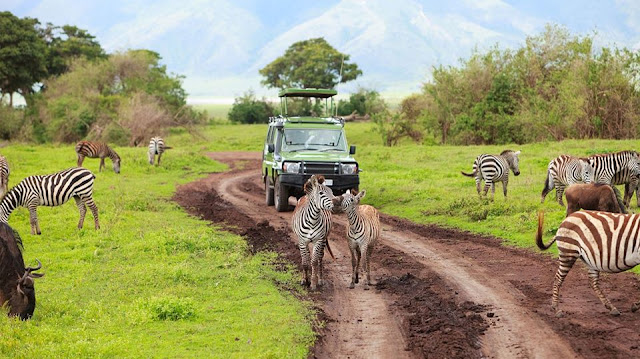
Approach, feed or disturb wildlife, or leave the vehicle unless your guide says it is safe.
Follow your guide, carry travel insurance and check current health and travel advice.
Causes of Death
Deaths on Mount Kilimanjaro are usually linked to altitude-related illnesses rather than technical climbing hazards. High-altitude cerebral edema (HACE) and high-altitude pulmonary edema (HAPE) are the leading causes, often resulting from rapid ascent or poor acclimatization. Secondary causes include dehydration, hypothermia, falls, and pre-existing medical conditions exacerbated by physical exertion. In rare cases, heart attacks have occurred among climbers unprepared for strenuous activity at high elevation. Proper health screening, gradual ascent, and monitoring of warning signs significantly reduce mortality risk. Understanding the primary causes of Kilimanjaro deaths helps climbers adopt preventive strategies, emphasizing acclimatization, hydration, nutrition, and the importance of listening to professional guides during the trek.
Mt Kilimanjaro Map: Location, Facts, Routes
Mount Kilimanjaro is located in northeastern Tanzania near the Kenya border. It is part of Kilimanjaro National Park, a UNESCO World Heritage Site, attracting thousands of trekkers annually. Kilimanjaro consists of three volcanic cones: Kibo, Mawenzi, and Shira. Kibo is the highest and houses the Uhuru Peak summit. Trekking routes include Marangu, Machame, Lemosho, Rongai, and Shira, each offering different difficulty levels, scenery, and acclimatization advantages. Marangu is popular for its hut accommodations, while Machame and Lemosho are favored for scenic variety. Maps show trails crossing rainforests, moorlands, alpine deserts, and glacial zones. Understanding the mountain’s layout and route characteristics is essential for safe planning, altitude acclimatization, and maximizing chances of reaching the summit.
Mt Kilimanjaro Weather
Kilimanjaro’s weather varies by altitude and season. Lower elevations feature tropical rainforest conditions with humidity and rainfall, while mid-altitude moorlands are cooler and drier. Near the summit, temperatures can drop below -7°C (19°F) at night, with strong winds and snow possible year-round. Rainfall peaks during March–May and November, making trails slippery and increasing hypothermia risk. Dry seasons, June–October and December–February, provide the most stable climbing conditions. Rapid weather changes demand layered clothing and waterproof gear. Proper weather awareness is crucial for summit success, safety, and preventing altitude sickness, hypothermia, or frostbite. Guides adjust pacing and equipment use based on these patterns to optimize climbers’ safety and comfort.
Mount Kilimanjaro Deaths: Statistics, Dangers, and Safety
On average, Kilimanjaro records 10–15 deaths annually among thousands of climbers. While fatalities are low compared to high-altitude peaks like Everest, the main risks are AMS, HACE, HAPE, and dehydration. Falls, hypothermia, and heart-related incidents are less common. Statistics show that inexperienced climbers and those attempting rapid ascents face the highest risk. Safety protocols, including hiring licensed guides, monitoring symptoms, and gradual ascent strategies, have significantly reduced mortality. Trekking with reputable operators ensures emergency evacuation plans and medical assistance are available. Awareness of statistics encourages realistic expectations and reinforces the importance of preparation, pacing, and hydration to minimize risks while climbing Africa’s highest mountain.
The Importance of Proper Preparation
Successful Kilimanjaro ascents depend on physical conditioning, mental readiness, and logistical planning. Preparatory steps include cardiovascular and strength training, acclimatization hikes, and consulting medical professionals about altitude risks. Proper gear—insulated clothing, waterproof jackets, hiking boots, and trekking poles—is critical. Planning involves choosing routes that match fitness level, allocating sufficient days for acclimatization, and understanding weather patterns. Hydration, nutrition, and rest schedules significantly influence summit success. Mental preparation for long days of trekking and potential altitude discomfort also enhances performance. Guides and support staff provide essential safety oversight, including monitoring vital signs and assisting in emergencies. Comprehensive preparation reduces mortality risk, prevents altitude-related illness, and ensures a rewarding experience on the Roof of Africa.
Final Thought
Mount Kilimanjaro offers an extraordinary adventure for climbers worldwide, combining stunning landscapes, diverse ecosystems, and cultural experiences. While not technically in a true “death zone,” altitude-related risks remain the primary concern. Awareness of potential hazards, careful preparation, acclimatization, and hiring experienced guides ensure a safe and rewarding climb. Mortality rates are low, and most deaths are preventable with knowledge, pacing, and responsible trekking practices. By respecting the mountain’s challenges and prioritizing safety, climbers of varying ages and experience levels can achieve the unforgettable experience of standing atop the Roof of Africa.
Is Kilimanjaro in the Death Zone?: FAQs
How Dangerous is Mount Kilimanjaro?
Mount Kilimanjaro is less dangerous than the world’s highest peaks due to its non-technical nature, but altitude sickness remains the leading risk. Fatalities are low but occur primarily from HACE, HAPE, dehydration, and falls. Weather, cold, and physical exhaustion contribute to hazards, especially for inexperienced trekkers. Safety depends on route choice, acclimatization pace, proper equipment, and awareness of warning signs.
Is There a "Death Zone" on Kilimanjaro?
Technically, Kilimanjaro does not have a traditional “death zone,” which is typically defined above 8,000 meters, where human survival without supplemental oxygen is limited. Its summit at 5,895 meters places climbers in a high-altitude environment where oxygen levels are lower than at sea level, but not critically so. Risks from altitude sickness still exist, and rapid ascents can cause severe illness or fatalities.
How Many Climbers Lose Their Lives on Kilimanjaro?
Statistics indicate that approximately 10–15 climbers die on Kilimanjaro each year among tens of thousands attempting the summit. While this represents a relatively low mortality rate compared to Himalayan peaks, it underscores the importance of preparation and monitoring for altitude-related illness. Most fatalities are preventable with proper acclimatization, gradual ascent, and prompt recognition of symptoms. Reputable guides, emergency protocols, and informed decision-making dramatically reduce risks.
What are the Main Causes of Mount Kilimanjaro Deaths?
High-altitude cerebral edema (HACE) and pulmonary edema (HAPE) are the leading causes of death on Kilimanjaro. Rapid ascent, dehydration, hypothermia, pre-existing heart conditions, and fatigue contribute to fatal incidents. Less commonly, falls and accidents on slippery terrain or near glaciers result in fatalities. Climbers who ignore warning signs or attempt the summit too quickly are most at risk.
Are There Age Restrictions for Climbing Kilimanjaro?
There are no strict age limits, but climbers under 10 years are generally discouraged from attempting the summit due to altitude risks and physical strain. Older adults can climb if in good health, physically fit, and medically cleared. Age-related precautions include longer acclimatization, slower pacing, and monitoring for heart or respiratory issues. Experienced guides evaluate each climber’s condition daily to ensure safety.
Is Mount Kilimanjaro Easy to Climb?
Kilimanjaro is considered non-technical, meaning no specialized climbing skills are required. However, physical fitness, endurance, and mental preparation are crucial for success. The mountain presents long days of trekking, steep elevation gains, and altitude challenges. Routes vary in difficulty; Machame and Lemosho are longer and provide better acclimatization, while Marangu is shorter but more abrupt in ascent. While not a technical climb, the physical and physiological demands make it moderately challenging.
Are There Dead Bodies on Kilimanjaro?
Unlike Everest, Kilimanjaro does not have a significant history of bodies remaining on the mountain. Fatalities are typically low in number and most often involve descent evacuation. Extreme weather, altitude illness, or accidents can lead to deaths, but recovery of bodies is generally feasible due to accessible trekking routes and rescue operations. Trekkers are encouraged to follow safety protocols and heed guides’ warnings to avoid life-threatening situations.
Has anyone died climbing Kilimanjaro?
Yes, below we have a list of some people who have died climbing Kilimanjaro Gugu Zulu – South African rally driver Scott Dinsmore and his wife -Entrepreneur Ian McKeever – Irish mountaineer, broadcaster, and motivational speaker Kristian Ferguson – Physicists Mary Lou Sammis – Physicist Jack Delleport Zhu Yush Jon Clarke, 60, was a longtime veteran of the newspaper business in Australia Mr.
Climb Kilimanjaro With Confidence
Tell us your dates and fitness, and our experienced mountain team will plan a safe, well-acclimatized private climb.