
Fascinating Facts About the Caracal
Fascinating Facts About the Caracal
The caracal is a fascinating medium-sized wild cat native to Africa, the Middle East, and parts of Central Asia, widely known as the desert lynx for its striking ear tufts and powerful hunting abilities. This elusive nocturnal predator is one of the most admired African wild cats, often seen in safari wildlife discussions and caracal facts, caracal behavior, and African wildlife species. With its incredible agility, silent movement, and unmatched jumping power, the caracal plays a vital role in maintaining ecosystem balance. Travelers on African safari tours often hope to spot this rare cat in the wild. Its secretive nature, combined with its adaptability to diverse habitats such as savannas, deserts, and scrublands, makes it one of the most mysterious and captivating predators in the wild cat family.
Fact 1. Extraordinary Jumping Ability
One of the most fascinating facts about the caracal is its extraordinary jumping ability, which allows it to leap over three meters into the air to catch birds in flight. This incredible skill makes the caracal one of the most efficient hunters among African wild cats and a popular topic in wildlife safari Africa content. Known for its muscular hind legs and explosive speed, the caracal uses stealth and precision to ambush prey such as rodents, hares, and small antelopes. Its hunting technique is a combination of patience, timing, and power, making it a true apex predator in its habitat. Wildlife enthusiasts and readers searching for caracal facts often admire this unique behavior, which highlights the adaptability and survival skills of this elusive desert lynx across diverse ecosystems.
Fact 2. Distinctive Ear Tufts
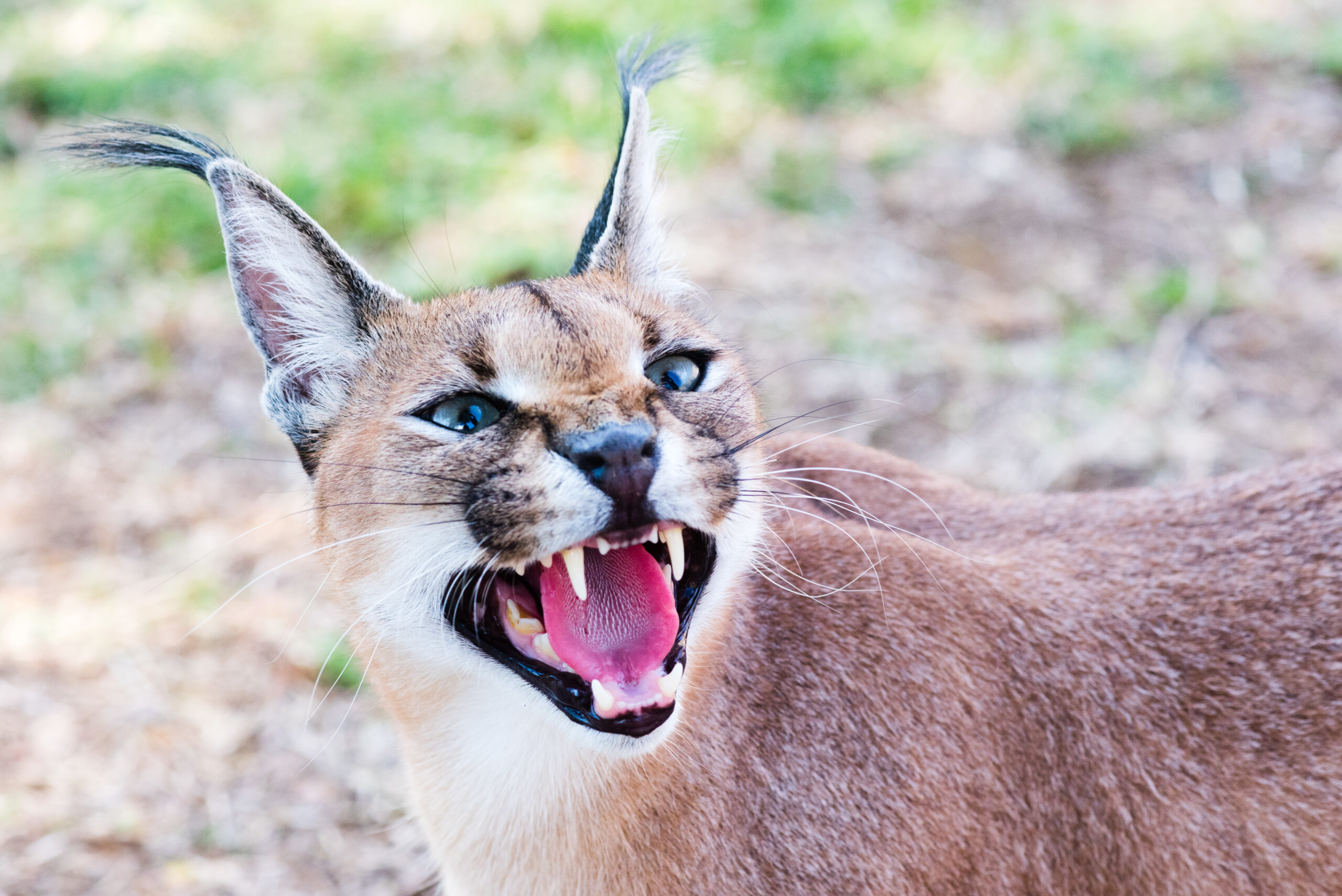
The caracal is easily recognized by its long black ear tufts, which are not just decorative but play an important role in communication and environmental awareness. These sensitive tufts help the caracal detect subtle sounds in grasslands and deserts, making it a highly efficient nocturnal predator. In African wildlife safari experiences, spotting a caracal often excites travelers due to its rare appearance and mysterious behavior. The ears can rotate independently, allowing precise localization of prey even in complete darkness. This adaptation gives the caracal a significant advantage when hunting small mammals and birds. Its striking appearance also contributes to its popularity among wildlife photographers and researchers studying African wild cats and desert-adapted predators across various ecosystems.
Fact 3. Wide Habitat Range
Caracals are highly adaptable wild cats found across Africa, the Middle East, and parts of Asia, thriving in diverse environments such as savannas, semi-deserts, and scrub forests. This adaptability makes them one of the most widespread yet elusive predators in the wild cat family. Wildlife safari guides often mention caracals when discussing nocturnal African wildlife sightings, as they are rarely seen during daylight hours. Content about caracal facts frequently emphasizes their ability to survive in harsh climates with limited water sources. Their resilience allows them to occupy territories ranging from desert regions to moist woodland edges. Despite their wide distribution, caracals remain secretive, avoiding human interaction whenever possible. This behavior contributes to their mystique and popularity among wildlife enthusiasts and researchers studying desert-adapted carnivores.
Fact 4. Carnivorous Diet
The caracal is a carnivorous predator with a highly varied diet that includes birds, rodents, hares, and small antelopes. Its exceptional hunting skills allow it to take down prey much larger than itself when necessary, showcasing its strength and agility. In African safari wildlife discussions, the caracal is often highlighted as a stealthy nocturnal hunter that relies on surprise attacks rather than long chases. Caracal facts frequently focus on its feeding behavior and role in controlling rodent populations. This wildcat uses sharp claws and powerful jaws to secure its catch quickly and efficiently. Opportunistic by nature, the caracal adapts its diet based on availabthe ility of prey in different ecosystems. This flexibility ensures its survival in both arid deserts and more vegetated savanna regions across its natural range.
- ArushaGateway
- TarangireElephants
- NgorongoroCrater
- SerengetiBig Five
- ZanzibarBeach
Fact 5. Incredible Speed and Agility
Caracals are among the fastest wild cats in Africa, capable of reaching remarkable bursts of speed when chasing prey across open terrain. Their powerful hind legs allow them to accelerate quickly and change direction with precision, making them highly effective hunters. In wildlife safari Africa experiences, the caracal’s agility is often compared to that of a cheetah, though it relies more on stealth than sustained speed. Caracal facts and African wild cat behavior often highlight this predator’s explosive movement. The caracal can sprint briefly to capture prey in grasslands and semi-arid environments, demonstrating incredible athletic ability. This speed, combined with sharp reflexes and keen eyesight, ensures its success as a nocturnal hunter. Its physical adaptations make it one of the most efficient predators.
Fact 6. Lifespan and Survival
In the wild, caracals typically have a lifespan of around twelve years, though individuals in protected environments such as wildlife reserves or zoos can live significantly longer. Their survival in harsh African ecosystems depends on their ability to avoid predators, secure food, and adapt to changing environmental conditions. Caracal facts often emphasize their resilience and survival strategies in the wild. These medium-sized wild cats face threats from habitat loss and human-wildlife conflict, which can impact their population in certain regions. Despite these challenges, caracals remain widespread and relatively stable compared to other wild cat species. Their ability to thrive in diverse habitats, from deserts to savannas, contributes to their longevity as a species across Africa and parts of Asia over vast natural ranges worldwide today.
Fact 7. High Intelligence and Adaptability
Caracals are considered highly intelligent wild cats, capable of strategic thinking when hunting and surviving in challenging environments. Their ability to analyze prey movement and adapt hunting techniques makes them one of the most efficient nocturnal predators in African wildlife ecosystems. Caracal facts often highlight their problem-solving skills and adaptability. These cats can modify their hunting strategy depending on terrain, prey type, and environmental conditions. Their intelligence also helps them avoid human settlements and potential threats. In safari wildlife observations, caracals demonstrate patience and precision, waiting for the perfect moment to strike. This cognitive ability contributes to their success across deserts, savannas, and semi arid regions. As adaptable carnivores, they continue to fascinate researchers studying African wild cats and predator behavior in natural wilderness environments worldwide.
Fact 8. Habitat Threats and Conservation
Despite their adaptability, caracals face increasing threats from habitat destruction, human encroachment, and retaliatory killings in regions where they are sometimes seen as livestock predators. These pressures have led to localized population declines in certain parts of their range. Caracal facts often discusses conservation concerns and the importance of protecting African wild cats. Caracals play a crucial role in maintaining ecological balance by controlling rodent and small mammal populations. However, loss of natural habitat reduces their hunting grounds and increases human wildlife conflict. Wildlife conservation efforts aim to preserve these elusive predators through protected areas and awareness programs. In African safari ecosystems, caracals symbolize the importance of biodiversity and coexistence between humans and wildlife across savannas, deserts, and semi arid landscapes in protected natural conservation wildlife areas today.
Fact 9. Striking Physical Appearance
The caracal’s sleek reddish golden coat, muscular build, and striking facial markings make it one of the most beautiful wild cats in Africa. Its appearance is often compared to that of a lynx, earning it the nickname desert lynx. The black ear tufts and expressive eyes give it a distinctive and mysterious look that fascinates travelers on African safari adventures. Its coat provides excellent camouflage in dry grasslands and desert environments, helping it remain hidden from both prey and predators. This physical adaptation enhances its survival across diverse ecosystems. Wildlife photographers and researchers studying African wild cats often regard the caracal as one of the most photogenic and iconic species in its habitat.
Fact 10. Nocturnal Hunting Behavior
Caracals are primarily nocturnal animals, meaning they are most active during the night when they hunt and patrol their territories. This behavior helps them avoid extreme daytime heat in African deserts and savannas while increasing their hunting success. Caracal facts often highlight their night vision and stealth movement as key survival traits. Their eyes are adapted to low-light conditions, allowing them to detect even the smallest movements of prey in darkness. In wildlife safari Africa discussions, the caracal is often described as a silent and efficient nighttime predator. Its ability to move quietly through grasslands gives it a significant advantage over unsuspecting prey. This nocturnal lifestyle contributes to its mysterious reputation among African wild cats and desert adapted carnivores in moonlit African wilderness hunting grounds today.
Fact 11. Conservation Status
Caracals are currently listed as a species of least concern, meaning their populations are relatively stable across much of their natural range. However, localized threats such as habitat loss, hunting, and human-wildlife conflict continue to affect certain populations. Caracal facts often explore conservation status and environmental challenges facing African wild cats. Conservation organizations monitor their populations to ensure long-term survival and ecological balance. These predators are important for controlling rodent and small mammal numbers, contributing to healthy ecosystems. In African safari regions, caracals serve as indicators of environmental health and biodiversity. Despite pressures, their adaptability allows them to persist in diverse habitats from deserts to savannas. Continued conservation awareness is essential to maintaining stable populations across their distribution range for future African wildlife generations today.
Fact 12. Symbolism in African Culture
In many African cultures, the caracal is admired as a symbol of agility, independence, and stealth. Its ability to survive in harsh environments and remain unseen has made it a powerful representation of resilience in the wild. Caracal facts often highlight its symbolic importance in wildlife storytelling and cultural narratives. This elusive predator embodies the spirit of survival in deserts, savannas, and semi-arid ecosystems. Its graceful movements and silent hunting style inspire admiration among wildlife enthusiasts and safari travelers. The caracal’s presence in African folklore and modern wildlife discussions reflects its significance beyond just being a wild cat species. It stands as a reminder of the delicate balance between nature, survival, and adaptation in diverse ecosystems across Africa for ecological harmony and balance worldwide.
Fact 13. Hunting Strategy
The caracal’s hunting strategy is a blend of stealth, patience, and explosive power, making it one of the most effective mid sized predators in African ecosystems. It relies on stalking prey silently before launching a rapid and precise attack. Caracal facts often emphasize its unique combination of agility and strength. Unlike long distance chasers, the caracal prefers short bursts of speed to secure its prey quickly. This strategy is highly effective in grasslands and semi arid environments where cover is available. Its sharp senses, powerful limbs, and adaptability ensure consistent hunting success across diverse habitats. Wildlife safari Africa enthusiasts often admire this predator for its elegance and efficiency in action, making it a standout species among African wild cats and desert adapted carnivores across African wilderness.
Final Thought
The caracal remains one of the most fascinating and mysterious wild cats in Africa, admired for its agility, intelligence, and powerful hunting abilities. From its iconic ear tufts to its extraordinary jumping skills, this desert lynx continues to captivate wildlife enthusiasts and safari travelers worldwide. Caracal facts consistently highlight its importance in African ecosystems and its adaptability to harsh environments. As a nocturnal predator, it plays a vital role in maintaining ecological balance by controlling prey populations. Despite challenges such as habitat loss and human wildlife conflict, the caracal continues to thrive across diverse landscapes. Its survival story reflects the resilience of African wildlife and the importance of conservation efforts. Truly, the caracal stands as a remarkable symbol of nature’s beauty, strength, and balance today worldwide.
Fascinating Facts About the Caracal: FAQs
What can you expect from fact 1. extraordinary jumping ability for fascinating facts about the caracal?
One of the most fascinating facts about the caracal is its extraordinary jumping ability, which allows it to leap over three meters into the air to catch birds in flight. This incredible skill makes the caracal one of the most efficient hunters among African wild cats and a popular topic in wildlife safari Africa content.
What should you know about fact 2. distinctive ear tufts for fascinating facts about the caracal?
The caracal is easily recognized by its long black ear tufts, which are not just decorative but play an important role in communication and environmental awareness. These sensitive tufts help the caracal detect subtle sounds in grasslands and deserts, making it a highly efficient nocturnal predator.
What can you expect from fact 3. wide habitat range for fascinating facts about the caracal?
Caracals are highly adaptable wild cats found across Africa, the Middle East, and parts of Asia, thriving in diverse environments such as savannas, semi-deserts, and scrub forests. This adaptability makes them one of the most widespread yet elusive predators in the wild cat family. Wildlife safari guides often mention caracals when discussing nocturnal African wildlife sightings, as they are rarely seen during daylight hours.
What should you know about fact 4. carnivorous diet for fascinating facts about the caracal?
The caracal is a carnivorous predator with a highly varied diet that includes birds, rodents, hares, and small antelopes. Its exceptional hunting skills allow it to take down prey much larger than itself when necessary, showcasing its strength and agility. In African safari wildlife discussions, the caracal is often highlighted as a stealthy nocturnal hunter that relies on surprise attacks rather than long chases.
What can you expect from fact 5. incredible speed and agility for fascinating facts about the caracal?
Caracals are among the fastest wild cats in Africa, capable of reaching remarkable bursts of speed when chasing prey across open terrain. Their powerful hind legs allow them to accelerate quickly and change direction with precision, making them highly effective hunters. In wildlife safari Africa experiences, the caracal’s agility is often compared to that of a cheetah, though it relies more on stealth than sustained speed.
What should you know about fact 6. lifespan and survival for fascinating facts about the caracal?
In the wild, caracals typically have a lifespan of around twelve years, though individuals in protected environments such as wildlife reserves or zoos can live significantly longer. Their survival in harsh African ecosystems depends on their ability to avoid predators, secure food, and adapt to changing environmental conditions.
What can you expect from fact 7. High intelligence and adaptability for fascinating facts about the caracal?
Caracals are considered highly intelligent wild cats, capable of strategic thinking when hunting and surviving in challenging environments. Their ability to analyze prey movement and adapt hunting techniques makes them one of the most efficient nocturnal predators in African wildlife ecosystems. Caracal facts often highlight their problem-solving skills and adaptability.
What should you know about fact 8. habitat threats and conservation for fascinating facts about the caracal?
Despite their adaptability, caracals face increasing threats from habitat destruction, human encroachment, and retaliatory killings in regions where they are sometimes seen as livestock predators. These pressures have led to localized population declines in certain parts of their range. Caracal facts often discusses conservation concerns and the importance of protecting African wild cats.
Plan Your Private Tanzania Safari
Tell us your travel dates, interests and budget, and our local team will design a private tailor-made safari around you.