20 interesting facts about Mount Kilimanjaro, the Roof of Africa
Interesting Facts About Mount Kilimanjaro
Mount Kilimanjaro, a name that resonates with adventure and awe, a geological masterpiece and the undisputed monarch of the African continent. Rising majestically from the vast plains of Tanzania. This iconic peak is not just a physical challenge but a testament to nature's grandeur and a living laboratory of diverse ecosystems. Its unique characteristics and compelling history make it a subject of endless fascination. Mount Kilimanjaro, situated in Tanzania, is a dormant volcano and the continent's highest peak, renowned for its impressive height and diverse ecosystems. It's also one of the "Seven Summits" and a UNESCO World Heritage site. It's the world's tallest free-standing mountain, meaning it's not part of a mountain range.
Kilimanjaro Fact or Fiction?
1. Mount Kilimanjaro lies partly in Kenya.
False: Kilimanjaro is located entirely in Tanzania.
2. Kilimanjaro is a dormant volcano.
True: it is dormant, not extinct.
3. The first recorded summit was in 1889.
True: on October 6, 1889.
4. Kilimanjaro is part of a mountain range.
False: it is the world's tallest free-standing mountain.
5. Africa's tallest tree grows on Kilimanjaro.
True: a mahogany about 81.5 m tall.
6. You need ropes and ice axes to summit.
False: it is a non-technical climb.
Mount Kilimanjaro is one of the seven summits
For mountaineers around the globe, the Seven Summits represent the ultimate climbing challenge. The highest peak on each of the world's seven continents. Kilimanjaro proudly stands as Africa's representative on this elite list. It draws thousands of aspiring climbers each year. While it may not demand the technical climbing prowess of Everest or the extreme cold of Vinson Massif. Its sheer altitude and the physical endurance required make it a significant accomplishment in the world of high-altitude trekking. Mount Kilimanjaro is the tallest mountain in Africa, making it one of the seven summits. Here are the seven summits in order from highest to lowest.
- EverestAsia8,850 m29,035 ft
- AconcaguaSouth America6,960 m22,834 ft
- DenaliNorth America6,190 m20,310 ft
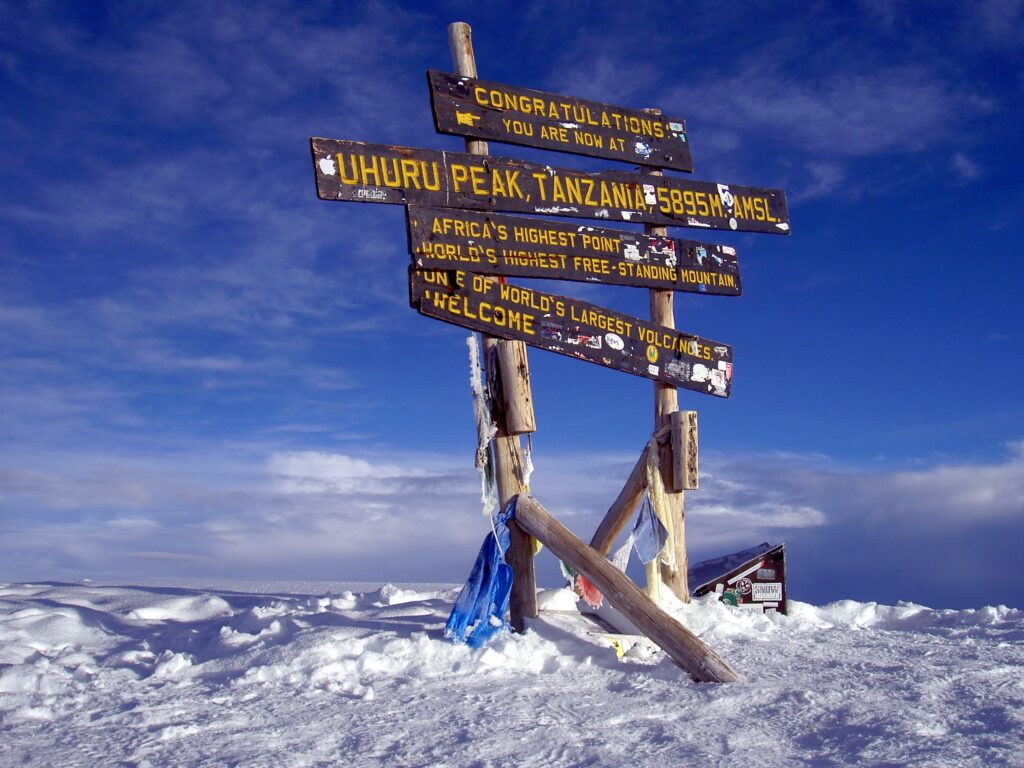
- KilimanjaroAfrica5,895 m19,340 ft
- ElbrusEurope5,642 m18,513 ft
- VinsonAntarctica4,892 m16,050 ft
- Carstensz PyramidOceania4,884 m16,023 ft
Mount Kilimanjaro Stands on Its Own
Unlike most towering peaks that part of extensive mountain ranges. Kilimanjaro a free-standing mountain. This geological peculiarity means it rises in magnificent isolation, a solitary sentinel dominating the horizon. This distinct feature contributes to its breathtaking visual appeal. Allowing its colossal form to be admired from hundreds of kilometers across the plains of Tanzania and even Kenya. Its stand-alone nature also influences the unique weather patterns and distinct ecological zones that define its slopes.
The Mountain is on the Equator
Perhaps one of the most surprising facts about Kilimanjaro its location. It lies just south of the equator, approximately three degrees latitude. This geographical placement, typically associated with hot, humid climates, makes the existence of Kilimanjaro's permanent ice cap and glaciers a remarkable paradox. It is the mountain's immense altitude that defies the tropical norm, creating a temperature gradient that supports an arctic environment at its summit. Truly extraordinary phenomenon so close to the Earth's thermal heart.
Three Volcanic Cones Created It
Kilimanjaro its not a single, uniform peak but a colossal stratovolcano forged by the union of three distinct volcanic cones. Kibo, Mawenzi, and Shira. Kibo, the youngest and most dominant, houses Uhuru Peak, the mountain's highest point and the ultimate goal for climbers. To the east, Mawenzi presents a rugged, eroded profile, while Shira, the oldest and largely collapsed caldera, forms the western shoulder of the massif. Over millennia, eruptions from these three vents built up the massive structure that now commands the Tanzanian skyline.
Kilimanjaro Isn’t Dead; It’s Dormant
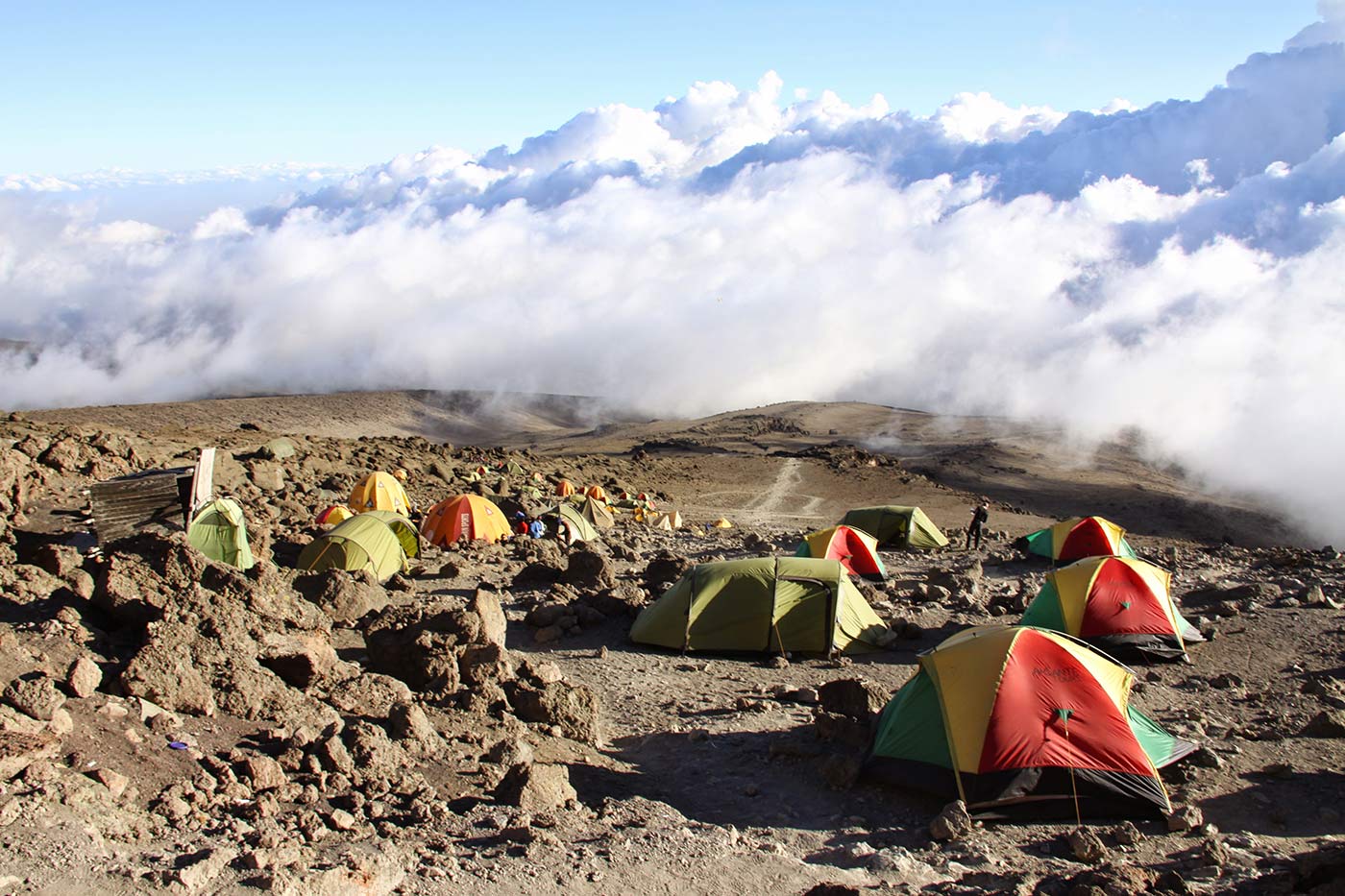
While its last major eruption, estimated to have occurred between 150,000 and 200,000 years ago, Kilimanjaro is classified as a dormant volcano, not extinct. This means it is merely in a deep slumber and retains the potential for future activity, though no immediate signs suggest an impending eruption. Evidence of its volcanic nature can still be observed in the form of fumaroles – vents releasing steam and gases – within Kibo's crater, a subtle reminder of the immense forces simmering beneath its icy crown.
No One Knows the Real Meaning of ‘Kilimanjaro’
The very name "Kilimanjaro", steeped in mystery, its precise meaning lost to the mists of time and linguistic debate. Various theories exist, often combining words from local languages such as Swahili and Kichagga. Some popular interpretations suggest "Mountain of Greatness" or "Mountain of Light." Another intriguing theory proposes a fusion of "Kilima" (Swahili for hill/mountain) and "Njaro" (Kichagga for whiteness or shining), referring to its distinctive snow-capped peak. Regardless of its true etymology, the name itself adds to the mountain's allure and mystique.
The First Mount Kilimanjaro Ascent Was More Than a Century Ago
The summit of Kilimanjaro was first officially reached on October 6, 1889. The pioneering team comprised German geographer Hans Meyer, Austrian mountaineer Ludwig Purtscheller, and a local guide named Yohanas Kinyala Lauwo. Their arduous and persistent efforts marked a significant chapter in the history of exploration and mountaineering, dispelling earlier doubts about the possibility of reaching the peak and opening the way for countless adventurers who would follow in their footsteps.
Half of the People Who Attempt Kilimanjaro Fail
Despite being a non-technical climb that doesn't require specialized mountaineering equipment, such as ropes or ice axes, Kilimanjaro is by no means an easy feat. A significant challenge is its immense altitude, which leads to altitude sickness, inadequate acclimatization, and poor physical preparation are significant factors contributing to failed attempts. Statistics show that approximately half of all individuals who attempt to summit Kilimanjaro do not reach the top. Symptoms can range from headaches and nausea to more severe conditions. Success largely hinges on slow and steady ascent, allowing the body ample time to acclimatize, coupled with proper physical preparation.
The fastest time to climb Kilimanjaro was only 4 hours and 56 minutes
While the average climb to Kilimanjaro's summit spans 5 to 9 days, a few extraordinary athletes have pushed the limits of speed and endurance. The current record for the fastest ascent and descent is held by Swiss-Ecuadorian mountaineer Karl Egloff, who achieved the incredible feat in just 6 hours and 42 minutes in 2014. These astonishing records showcase the peak physical conditioning and mental fortitude required to conquer the mountain at such an extreme pace.
The Young and the Old Have Conquered Kilimanjaro
Kilimanjaro's magnetic draw knows no age limits. The youngest person reported to have summited is Ognjen Živković, a remarkably determined 5-year-old from Serbia, in August 2023. At the other end of the spectrum, the record for the oldest climber is held by American Anne Lorimor, who reached Uhuru Peak at the age of 89 in 2019. These inspiring achievements underscore that with adequate preparation, perseverance, and excellent support, Kilimanjaro is conquerable across a wide spectrum of ages.
Climbing Kilimanjaro is a journey from tropical rainforest to Arctic desert
A great way to describe the experience of climbing Mount Kilimanjaro. The trek takes you through a diverse range of climate zones, from the lush tropical rainforest at the base to the Arctic conditions found at the summit. This unique characteristic makes Kilimanjaro a fascinating journey through different ecosystems over a relatively short distance. One of Kilimanjaro's most captivating aspects is its dramatic ecological diversity. As climbers ascend from the warm, cultivated plains at its base to the frigid summit, they traverse five distinct climate zones, each mirroring a journey through different global biomes:
- Cultivation Zone800m – 1,800mLush farmlands and local villages.
- Rainforest Zone1,800m – 2,800mDense, humid montane forest teeming with biodiversity.
- Heath/Moorland Zone2,800m – 4,000mOpen moorland characterized by giant heathers and tussock grasses.
- Alpine Desert Zone4,000m – 5,000mA stark, arid landscape with minimal vegetation, resembling a high-altitude desert.
- Arctic Summit Zone5,000m – 5,895mThe barren, icy peak, with glaciers, snow, and extreme cold, akin to a polar region.
This transition from equatorial warmth to arctic conditions within a few days' trek is a truly unique experience.

Kilimanjaro’s Ice Cap is Destined to Disappear
Perhaps the most somber fact about Kilimanjaro is the looming fate of its majestic ice cap. Decades of scientific observation show a dramatic and continuous retreat of its glaciers, largely attributed to climate change. Projections indicate that these iconic ice formations could vanish entirely within a few decades. This serves as a powerful and visible symbol of global warming's impact, urging greater action on environmental conservation. Kilimanjaro's glaciers are the poster child of global climate change. It's icecap has shrunk 82% since 1912. Scientists estimate the glaciers may be completely gone in 50 years. The cause of this is thought to be due to deforestation, and not necessarily global warming.
Kilimanjaro is Located Entirely in Tanzania
While Kilimanjaro's imposing presence is visible from both Tanzania and Kenya, it is important to clarify that Mount Kilimanjaro is located entirely within the borders of Tanzania. It forms the centerpiece of Kilimanjaro National Park, a protected area crucial for the conservation of its unique ecosystems and wildlife. The mountain stands as a proud national symbol and a cornerstone of Tanzania's thriving tourism sector.
Kilimanjaro is a UNESCO World Heritage Site
In recognition of its outstanding universal value, Kilimanjaro National Park was inscribed as a UNESCO World Heritage Site in 1987. This prestigious designation underscores the mountain's exceptional natural beauty, its significant geological and ecological processes, and its role as a vital habitat for a diverse array of flora and fauna. This status ensures its protection and preservation for future generations, highlighting its global importance.
You Can Spot Wildlife Around Mount Kilimanjaro
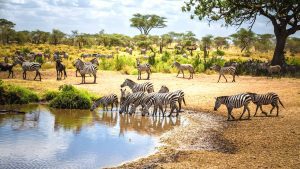
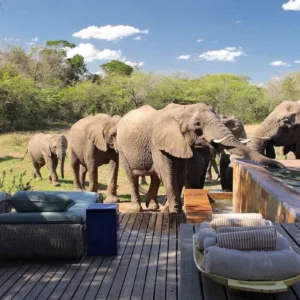
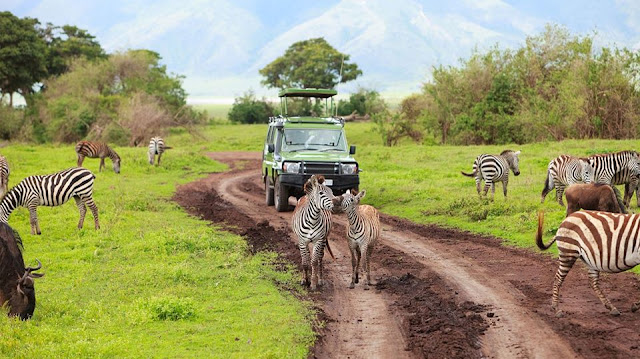
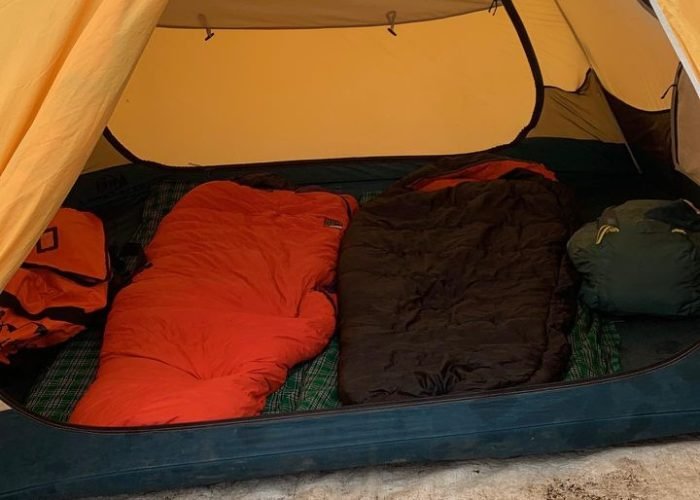
While the harsh conditions of Kilimanjaro's higher altitudes limit larger animal life, the lower slopes and surrounding national park are vibrant with wildlife. Trekkers often encounter playful blue monkeys and the striking black-and-white colobus monkeys in the lush rainforest zone. Though more elusive, larger mammals such as elephants, buffalo, elands, and even leopards inhabit the lower forests. The diverse birdlife adds a symphony of calls and colors, enriching the experience of trekking on this magnificent African giant.
The Tallest Tree in Africa Grows on Kilimanjaro
Adding another layer to its incredible biodiversity, Mount Kilimanjaro is home to a truly remarkable botanical specimen: the tallest tree in Africa. Towering within the mountain's cloud forest, this specific tree is an Entandrophragma excelsum, a species of mahogany. Discovered and accurately measured in 2016, this colossal tree stands at an astonishing height of approximately 81.5 meters (267 feet). Its existence further highlights the rich and often surprising ecosystems nurtured by Kilimanjaro's slopes, underscoring its importance as a natural heritage site.
Dendrosenecio kilimanjari—an Amazing Endemic Plant Found Only on Kilimanjaro
Venturing into Kilimanjaro's unique alpine and moorland zones, climbers encounter a plant species that seems almost otherworldly: Dendrosenecio kilimanjari, also known as the giant groundsel. This remarkable plant is endemic to Kilimanjaro, meaning it grows nowhere else on Earth. Standing like bizarre, prehistoric sentinels, these tree-like plants can reach heights of up to 10 meters (32 feet), with thick, woody stems topped by rosettes of large, cabbage-like leaves. They have evolved incredible adaptations to survive the harsh high-altitude conditions, including storing water in their pith, insulating themselves with dead leaves, and even closing their leaves at night to conserve heat. Their slow growth rate (just a few centimeters per year) means that many of the giant groundsels seen today might be centuries old, adding a profound sense of ancient wonder to Kilimanjaro's already captivating landscape.
Deaths on Kilimanjaro
While Kilimanjaro is often considered a "walk-up" mountain, the risks of high altitude are very real. Annually, between 3 to 10 fatalities are recorded out of the 30,000 to 50,000 climbers who attempt the summit. The leading cause of death is severe altitude sickness, specifically High Altitude Pulmonary Edema (HAPE) and High Altitude Cerebral Edema (HACE), which can rapidly become life-threatening if not addressed by immediate descent. Other contributing factors include pre-existing health conditions (like heart issues), hypothermia due to extreme cold, and accidents such as slips or falls on challenging terrain. Responsible operators prioritize safety through experienced guides, proper acclimatization schedules, and emergency protocols.
Mount Kilimanjaro Routes to the Summit
Kilimanjaro offers a variety of routes to its summit, each with its own characteristics in terms of scenery, difficulty, and success rates. Choosing the right route, often with the guidance of experienced operators, is crucial for both safety and enjoyment. The most popular and well-established routes include: Machame Route (Whiskey Route). Known for its stunning scenery and good acclimatization profile due to its "climb high, sleep low" strategy. Typically 6-7 days. Lemosho Route. Considered the most scenic and a longer route (7-8 days), offering excellent acclimatization and quieter trails, especially in its initial days.
Rongai Route. The only route approaching from the north, it's generally drier and offers a different perspective of the mountain. It's often favored during the wet season. Typically 6-7 days. Marangu Route (Coca-Cola Route). The oldest and most traditional route, famous for its hut accommodation instead of tents. It's perceived as easier, but its shorter itinerary often leads to lower success rates due to less acclimatization time. Typically 5-6 days. Umbwe Route. The shortest, steepest, and most direct route, known for its challenging nature and lower success rates due to rapid ascent. Recommended for experienced trekkers. Typically 5-6 days. Northern Circuit Route. The newest and longest route (9-10 days), offering the highest success rates due to superior acclimatization and panoramic 360-degree views as it circles Kibo.
- Marangu5–6 days
- Umbwe5–6 days
- Machame6–7 days
- Rongai6–7 days
- Lemosho7–8 days
- Northern Circuit9–10 days
Climbing Kilimanjaro, Oxygen and Altitude
As climbers ascend Kilimanjaro, the most significant physiological challenge is the decreasing availability of oxygen. At sea level, the air contains about 20.9% oxygen, but it's the barometric pressure that changes with altitude. At the summit of Kilimanjaro (5,895 meters or 19,341 feet), the air pressure is roughly 50% less than at sea level, meaning each breath taken delivers significantly fewer oxygen molecules to the lungs. This reduced oxygen availability is what triggers altitude sickness.
The human body attempts to acclimatize by producing more red blood cells to carry oxygen more efficiently, increasing breathing and heart rates, and altering blood chemistry. However, this process takes time. Guides strictly enforce a slow pace ("pole pole" in Swahili) and encourage high fluid intake to aid acclimatization. While supplemental oxygen is carried by reputable operators for emergencies, it is not used to facilitate the climb itself, as true acclimatization is paramount for safety and success. Daily pulse oximeter readings and symptom checks are standard practice to monitor climbers' health.
Questions About Mount Kilimanjaro
How tall is Mount Kilimanjaro?
Mount Kilimanjaro rises to 5,895 meters (19,341 feet) at Uhuru Peak on the Kibo cone, making it the highest mountain in Africa and the world’s tallest free-standing mountain. It is one of the Seven Summits, the highest peaks on each continent. Because it stands alone rather than in a range, Kilimanjaro can be seen from far across the plains of Tanzania and Kenya.
Where is Mount Kilimanjaro located?
Mount Kilimanjaro is located entirely in northeastern Tanzania, close to the Kenyan border, about three degrees south of the equator. It is the centerpiece of Kilimanjaro National Park, a UNESCO World Heritage Site since 1987. The nearest towns are Moshi and Arusha, and most climbers fly into Kilimanjaro International Airport, which makes the mountain easy to combine with a Tanzania safari.
Is Mount Kilimanjaro an active volcano?
No, Mount Kilimanjaro is a dormant volcano, not an active or extinct one. Its last major eruption is estimated to have occurred between 150,000 and 200,000 years ago. Kilimanjaro was formed by three volcanic cones, Kibo, Mawenzi and Shira, and fumaroles releasing gases can still be found in Kibo’s crater, but there are no signs of an imminent eruption.
Who first climbed Mount Kilimanjaro?
The first recorded ascent of Mount Kilimanjaro was on October 6, 1889, by German geographer Hans Meyer and Austrian mountaineer Ludwig Purtscheller, guided by local guide Yohanas Kinyala Lauwo. Their achievement opened the way for countless climbers. Today, tens of thousands of people attempt the climb each year, supported by experienced local guides, porters and cooks on several well-established routes.
How long does it take to climb Kilimanjaro?
Climbing Mount Kilimanjaro usually takes five to nine days, depending on the route. The Marangu and Umbwe routes take about five to six days, Machame and Rongai six to seven days, Lemosho seven to eight days and the Northern Circuit nine to ten days. Longer routes allow better acclimatization and higher summit success, making the climb safer and more enjoyable.
Can beginners climb Mount Kilimanjaro?
Yes, beginners can climb Mount Kilimanjaro because it is a non-technical trek that needs no ropes or ice axes. However, the altitude is a real challenge, so good fitness, a longer route, a slow pole pole pace and proper acclimatization are essential. Climbing with an experienced, reputable operator whose guides check your health daily greatly improves safety and your chances of reaching Uhuru Peak.
Will Kilimanjaro’s glaciers disappear?
Kilimanjaro’s glaciers have retreated dramatically, with the ice cap shrinking by around 82% since 1912. Scientists estimate the remaining glaciers could disappear within a few decades. Changes in climate and local factors such as deforestation and reduced cloud cover are linked to the loss. Seeing the summit glaciers today is a powerful reminder of the importance of conservation and protecting Kilimanjaro’s environment.
What wildlife and plants live on Kilimanjaro?
Kilimanjaro’s lower rainforest is home to blue monkeys and black-and-white colobus monkeys, while elephants, buffalo, elands and leopards occasionally roam the lower forests. Birdlife is rich and colorful. Higher up, the moorland hosts the endemic giant groundsel, Dendrosenecio kilimanjari, found nowhere else on Earth, and the mountain’s cloud forest holds Africa’s tallest known tree, a mahogany about 81.5 meters tall.
Which is the best route to climb Kilimanjaro?
The best Kilimanjaro route depends on your fitness and time, but the Lemosho Route and Northern Circuit are excellent choices for their scenery, quieter trails and superior acclimatization. The Machame Route offers stunning views and a climb high, sleep low profile, while Rongai is drier and approaches from the north. Marangu offers huts, but its shorter itinerary means lower success rates.
See the Roof of Africa for Yourself
Tell us your dates and preferred route, and we will plan a private Kilimanjaro climb with experienced guides and ethical crews.