Planning your first African safari adventure is an exciting journey into the heart of wild Africa, where breathtaking landscapes, iconic wildlife, and unforgettable cultural experiences await. From luxury African safari packages to budget-friendly tours, choosing the right destination, timing, and safari style is key to a successful trip. Popular destinations like Serengeti, Ngorongoro Crater, Tarangire, and Lake Manyara National Park offer incredible African Big Five safari adventure sightings and world-class safari experiences. Whether you’re dreaming of an African honeymoon safari, family safari, solo travel, or a luxury fly-in safari, proper planning ensures a seamless experience. This ultimate guide covers everything from safari costs, the best time to visit Africa, accommodation options, packing lists, safety tips, and booking strategies. With the right African safari itinerary and trusted tour operators, your first safari can become a once-in-a-lifetime bucket list adventure filled with wildlife photography, game drives, and authentic African moments.
Where to Go on an African Safari?
Choosing where to go on an African safari is one of the most important decisions for first-time travelers. Top safari destinations include Tanzania’s Serengeti National Park and Ngorongoro Crater. Each offers unique wildlife safari experiences, from the Great Migration to Big Five game viewing. Tanzania is ideal for classic safaris, combining Tarangire, Lake Manyara, and Serengeti for a diverse ecosystem that offers dramatic river crossings, with exclusive luxury safaris and pristine wilderness. South Africa is perfect for first-time safari travelers seeking easy access and malaria-free options. Zanzibar is a great add-on for beach relaxation after a safari. Consider your budget, travel style, and wildlife interests when choosing. Whether you want a luxury safari, a comfort safari experience, a mid-range tour, or a budget camping safari, Africa offers endless possibilities for unforgettable safari adventures.
When Is the Best Time to Go on an African Safari?
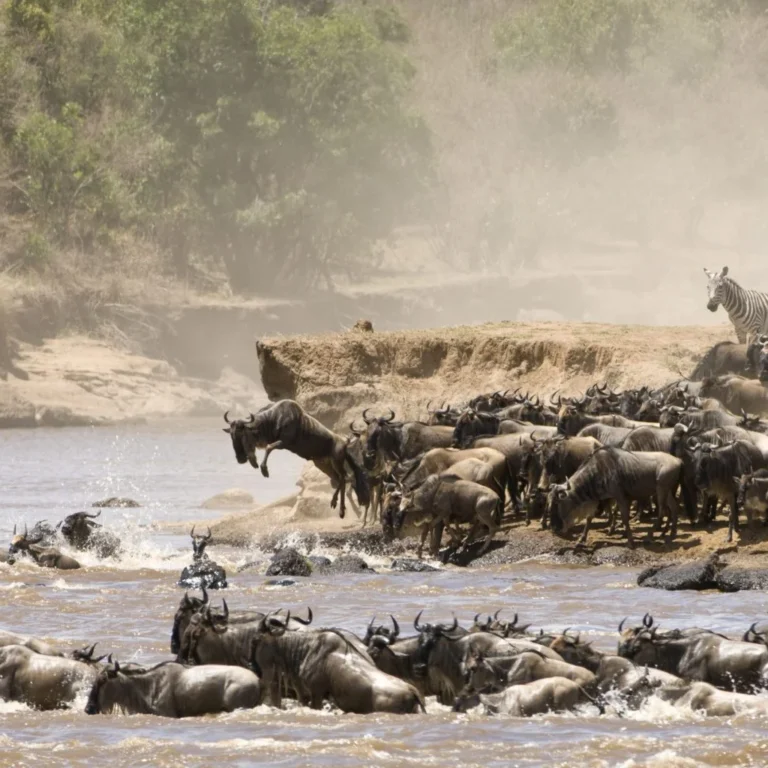
The best time to go on an African safari depends on wildlife movements, weather, and travel preferences. Generally, the dry season (June to October) is considered the best time for wildlife viewing in destinations like Tanzania, Kenya, and Botswana. During this period, animals gather around water sources, making game drives more rewarding. The Great Migration in Serengeti and Maasai Mara peaks between July and October, offering spectacular river crossings. The green season (November to May) is ideal for birdwatching, with fewer crowds and lower safari costs, and lush landscapes perfect for photography. Calving season in the Serengeti (January to March) provides incredible predator action. South Africa offers year-round safaris, while some areas like Botswana are best in the dry season. Choosing the right time ensures the best African safari experience based on your interests, budget, and desired wildlife encounters.
How Long Should a First African Safari Be?
For a first African safari, the ideal duration is typically 5 to 10 days, allowing enough time to explore multiple national parks and experience diverse wildlife ecosystems. A shorter 3–4 day safari can work for travelers with limited time, focusing on one or two parks such as Tarangire and Ngorongoro Crater. However, a longer itinerary including Serengeti National Park offers a more immersive safari experience, increasing chances of spotting the Big Five and witnessing unique wildlife behaviors. Multi-destination safaris provide varied landscapes, from savannah plains to volcanic craters and river systems. Adding extra days allows for relaxation, cultural visits, and optional activities like hot air balloon safaris. Combining a safari with a Zanzibar beach holiday creates a perfect balance. Ultimately, your safari length should match your budget, travel goals, and desire for a comprehensive African wildlife adventure.
Decide on the Type of African Safari
Choosing the right type of African safari is essential for tailoring your experience. Options range from luxury safaris with high-end lodges and fly-in transfers to budget camping safaris offering adventure and affordability. Mid-range safaris provide comfort and value, often in tented camps or boutique lodges. Private safaris are ideal for families, honeymooners, and VIP travelers seeking personalized itineraries, while group safaris suit solo travelers and budget-conscious visitors. Specialized safaris include photographic safaris, walking safaris, and wildlife-focused Big Five tours. Fly-in safaris save time and provide scenic aerial views, while overland safaris offer a more immersive journey. Honeymoon safaris emphasize romance and exclusivity, while family safaris include kid-friendly activities. Understanding your preferences, comfort level, and budget helps you choose the best African safari package that matches your dream wildlife experience.
How Much Does It Cost to Go on an African Safari?
The cost of an African safari varies widely depending on destination, duration, accommodation, and travel style. Budget safaris can start from $150–$300 per person per day, while mid-range safaris range between $300–$600 per day. Luxury African safaris can exceed $700–$1500+ per person per day, offering premium lodges, private guides, and exclusive experiences. Key cost factors include park fees, accommodation, transportation, meals, and guided game drives. Tanzania and Kenya offer competitive pricing, while Botswana and South Africa tend to be more expensive for luxury safaris. Fly-in safaris and private tours increase costs but enhance convenience and comfort. Booking during the low season can reduce prices, while peak season offers the best wildlife viewing. Understanding safari pricing helps travelers plan a realistic budget and choose the best value African safari package for their needs.
What Does a Typical African Safari Day Look Like?
A typical African safari day begins early with a sunrise game drive, the best time to spot active wildlife such as lions, elephants, and leopards. After a few hours of exploring, guests return to the lodge or camp for breakfast and relaxation. Midday is often spent enjoying lodge facilities, swimming pools, or scenic views of the savannah. Afternoon game drives resume around 3–4 PM, continuing into sunset for incredible wildlife sightings and photography opportunities. Some safaris include night drives or guided walking safaris for a different perspective. Evenings are spent enjoying dinner under the stars, storytelling around the campfire, and listening to the sounds of the African wilderness. This daily rhythm ensures maximum wildlife encounters while balancing comfort and relaxation, making it a truly immersive African safari experience.
How Far in Advance Is Needed to Plan an African Safari?
Planning an African safari is crucial for securing the best lodges, camps, and guides. It is recommended to book at least 6 to 12 months in advance, especially for peak seasons such as the Great Migration in Serengeti and Maasai Mara. Luxury lodges and exclusive camps fill up quickly, particularly during high-demand periods. Last-minute bookings are possible during the low season, but may limit choices and availability. Early planning allows better flight options, competitive pricing, and customized itineraries. It also provides time to arrange visas, vaccinations, travel insurance, and packing essentials. Travelers planning honeymoon safaris, family trips, or large group tours should book even earlier. Proper planning ensures a smooth and stress-free safari experience with access to the best destinations, accommodations, and wildlife viewing opportunities in Africa.
Is It Necessary to Book with a Local African Safari Tour Operator?
Booking with a local African safari tour operator is highly recommended for a seamless and authentic experience. Local operators have in-depth knowledge of destinations, wildlife movements, and the best safari routes. They provide expert guides, customized itineraries, and reliable logistics, ensuring a smooth journey. Booking directly with local companies often offers better pricing compared to international agents, as it eliminates middleman costs. Trusted tour operators also ensure safety, quality accommodations, and compliance with park regulations. They can tailor safaris for families, honeymooners, solo travelers, and luxury clients. Additionally, local operators support sustainable tourism and community development. Reading reviews, checking certifications, and comparing safari packages help in choosing a reputable company. A reliable African safari tour operator enhances your overall experience, making your first safari stress-free and unforgettable.
How to Book Your First African Safari Adventure
Booking your first African safari involves several important steps to ensure a successful trip. Start by researching destinations, safari types, and travel seasons. Choose a trusted safari tour operator with excellent reviews and transparent pricing. Request detailed safari itineraries, including accommodation options, park fees, and inclusions. Compare quotes from multiple operators to find the best value. Once you select a package, confirm availability and deposit to secure your booking. Ensure travel insurance is included and review cancellation policies. Book international and domestic flights early for better rates. Prepare necessary documents such as passports, visas, and vaccination certificates. Communicate dietary preferences and special requests in advance. A well-planned booking process guarantees a smooth and enjoyable African safari adventure tailored to your expectations and budget.
Where to Stay on an African Safari
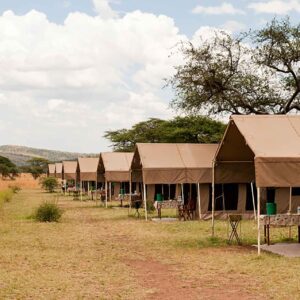
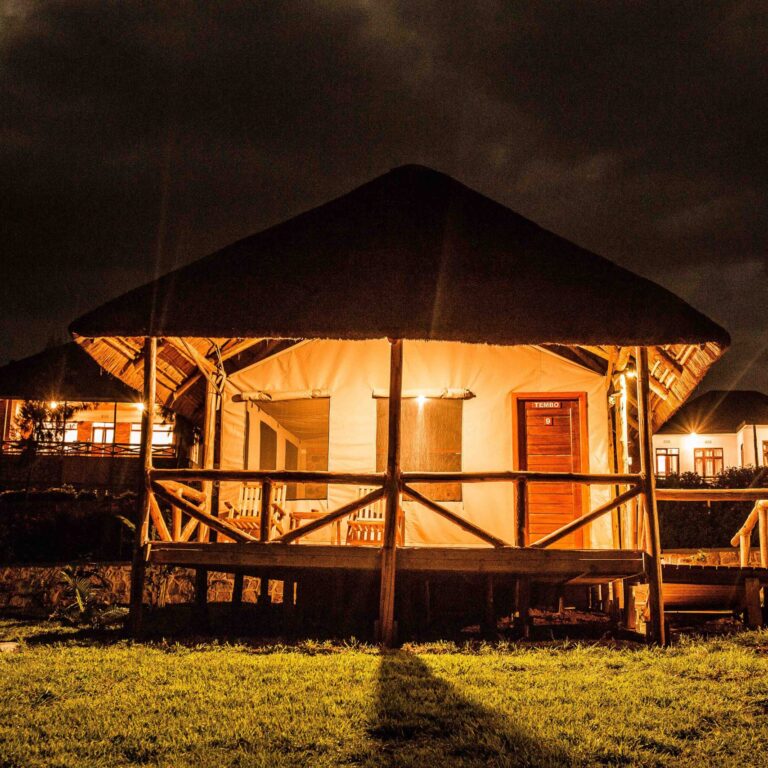
Accommodation plays a major role in your African safari experience, ranging from luxury lodges to budget camps. Luxury safari lodges offer premium amenities such as private pools, fine dining, and panoramic views of wildlife areas. Tented camps provide an authentic bush experience with comfort and style, often located inside national parks. Mid-range lodges balance affordability and comfort, ideal for most travelers. Budget camping safaris offer basic facilities but bring you closer to nature. Some accommodations are eco-friendly, promoting sustainable tourism practices. Location is key—staying inside parks like Serengeti or Ngorongoro increases wildlife viewing opportunities. Mobile camps follow the Great Migration for optimal sightings. Whether you prefer high-end luxury or adventure camping, choosing the right safari accommodation enhances your overall African safari journey and ensures unforgettable moments in the wild.
What to Pack for an African Safari?
Packing for an African safari requires careful planning to ensure comfort and practicality. Essential items include lightweight, neutral-colored clothing, comfortable walking shoes, a wide-brim hat, sunglasses, and sunscreen. A good camera with a zoom lens is crucial for wildlife photography, along with binoculars for better game viewing. Pack layers for varying temperatures, especially during early morning and evening game drives. Include insect repellent, personal medications, and a basic first aid kit. Travel documents such as passports, visas, and insurance papers are essential. Soft-sided luggage is recommended for small safari vehicles and bush flights. Avoid bright colors and heavy luggage. A well-prepared packing list enhances your safari experience, ensuring you are ready for diverse weather conditions and unforgettable wildlife encounters across Africa.
Plan for African Safari Safety & Precautions
Safety is a top priority when planning an African safari. Always follow the guidance of professional safari guides, especially during game drives and walking safaris. Avoid getting too close to wildlife and remain inside the vehicle unless instructed otherwise. Choose reputable safari operators with strong safety records and experienced guides. Health precautions include vaccinations, malaria prevention, and travel insurance. Stay hydrated and protect yourself from the sun with appropriate clothing and sunscreen. Keep valuables secure and follow lodge safety guidelines. Understanding local customs and respecting wildlife ensures a safe and enjoyable safari experience. Africa is generally safe for tourists, especially in well-managed national parks and reserves. Proper preparation and awareness allow travelers to fully enjoy their safari adventure with confidence and peace of mind.
What Else to Consider Before Booking?
Before booking your African safari, consider important factors such as travel insurance, visa requirements, and flight connections. Check passport validity and ensure it meets entry requirements. Review cancellation policies and payment terms carefully. Consider combining your safari with other experiences like Zanzibar beach holidays or cultural tours. Think about your travel style, group size, and special interests such as photography or birdwatching. Research weather conditions and seasonal variations. Budget for additional expenses such as tips, souvenirs, and optional activities. Choose eco-friendly safari operators that support conservation and local communities. Reading reviews and testimonials helps ensure quality and reliability. Taking time to evaluate these factors ensures a well-planned, enjoyable, and stress-free African safari experience tailored to your preferences.
What Vaccines and Visas Are Required for an African Safari?
Vaccination and visa requirements vary depending on your destination in Africa. Common recommended vaccines include yellow fever, hepatitis A and B, typhoid, and routine immunizations. Some countries require proof of yellow fever vaccination for entry, especially when traveling between African nations. Malaria prevention is advised in many safari regions, including Tanzania and Kenya. Consult a travel clinic at least 4–8 weeks before departure for personalized advice. Visa requirements depend on your nationality, with many countries offering e-visas or visa-on-arrival options. Ensure your passport is valid for at least six months beyond your travel dates. Carry printed copies of important documents. Being well-prepared with the necessary vaccinations and visas ensures a smooth and hassle-free African safari journey.
What Is the Tipping on African Safari Guidance?
Tipping is an important part of African safari culture and contributes to the livelihood of guides and staff. While not mandatory, it is highly appreciated and often expected. Typical tipping guidelines include $10–$20 per person per day for safari guides, $5–$10 for camp staff, and smaller amounts for porters and drivers. In luxury lodges, tipping boxes are often provided for convenience. Tips are usually given in US dollars or local currency. The amount may vary depending on service quality and safari type. Group safaris may share tips, while private safaris allow more flexibility. Understanding tipping etiquette helps travelers show appreciation for excellent service and enhances relationships with guides and staff during the safari experience.
How can I capture memorable photos during my African safari?
Capturing incredible wildlife photographs during your African safari requires some planning and preparation. Firstly, invest in a good-quality camera with a zoom lens to capture wildlife from a distance. Familiarize yourself with the camera settings and practice using it before your trip. Be patient and observant, as wildlife sightings can be unpredictable. Consider hiring a professional wildlife photographer or joining a photography-focused safari for expert guidance and tips on capturing stunning images.
What is the best mode of transportation for an African Safari?
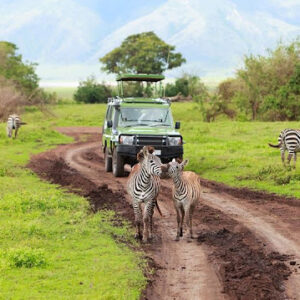
The mode of transportation during your safari depends on the destination and the type of safari experience you seek. In many cases, game drives in specially equipped safari vehicles, 4X4 4WD open-roof Toyota Land Cruiser, are the primary mode of transport within wildlife reserves and national parks. Some destinations also offer options such as walking safaris, boat safaris, or even hot air balloon rides. It’s advisable to consult with your tour operator to determine the most suitable transportation options for your safari.
- All You Need to Know to Climb Mt Kilimanjaro
- 15 Best Tanzania Safari Lodges & Camps
- Ultimate 2-Week Tanzania & Zanzibar Safari Itinerary & Costs
- How Much Does It Cost to Climb Kilimanjaro?
- 10 Best Tanzania Luxury Safari Lodges And Camps
Final Thought
Your first African safari is more than just a trip—it’s a life-changing adventure filled with extraordinary wildlife, stunning landscapes, and cultural richness. With proper planning, the right destination, and a trusted safari operator, you can create unforgettable memories that last a lifetime. From the Serengeti plains to the Ngorongoro Crater and beyond, Africa offers endless opportunities for exploration. Whether you choose a luxury safari, mid-range tour, or budget adventure, every safari is unique. By considering costs, timing, safety, and travel logistics, you ensure a smooth journey. Embrace the magic of Africa, capture incredible moments, and let the wild inspire you. Your ultimate African safari adventure awaits—start planning today and turn your dream into reality.