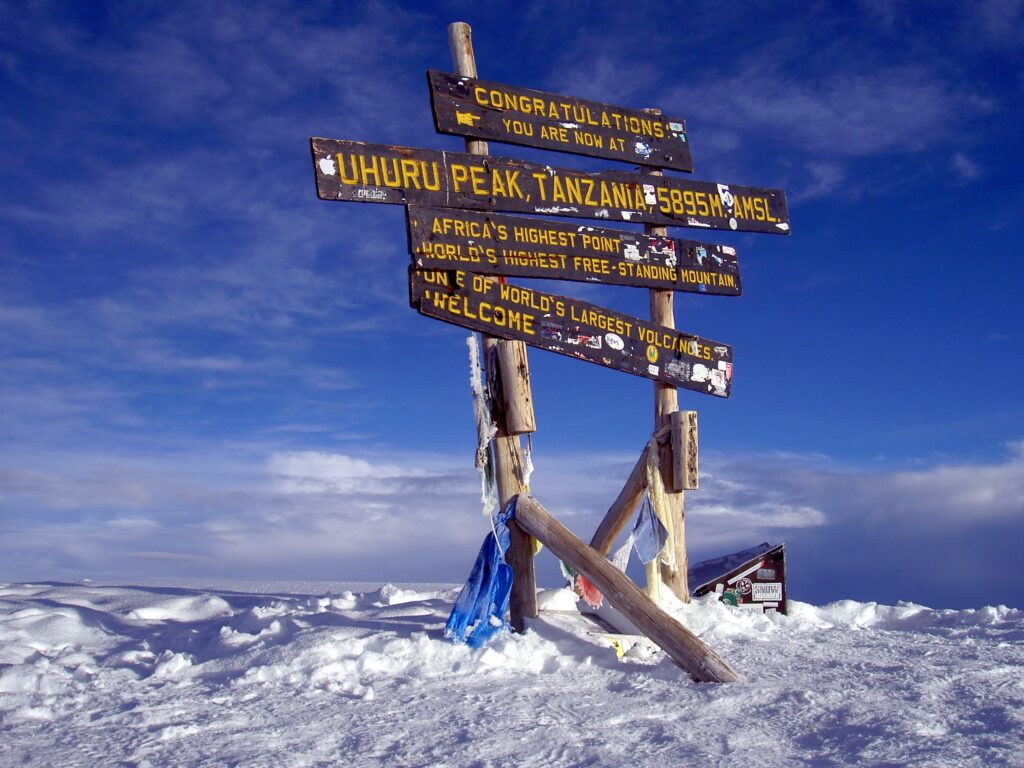
Climbing Kilimanjaro, Africa’s highest peak, is a life-changing adventure, offering panoramic views, diverse ecosystems, and a sense of accomplishment few treks provide. Many travelers dream of standing atop Uhuru Peak, but the experience can be grueling without proper planning. Enjoying your Kilimanjaro climb requires more than determination—it demands smart choices, physical preparation, mental resilience, and strategic pacing. From selecting the right route to staying hydrated and connecting with fellow trekkers, each decision impacts your journey. Whether you’re a first-time climber or an experienced trekker, following practical strategies ensures your Kilimanjaro adventure is both memorable and enjoyable. With the right approach, your Mount Kilimanjaro trekking experience can be a bucket-list moment of a lifetime.
1. Select a Longer Route
Choosing the right Kilimanjaro route is essential for both success and enjoyment. Longer Kilimanjaro routes, such as the Lemosho or Northern Circuit, offer gradual acclimatization, increasing your chances of reaching the summit without altitude sickness. These routes also traverse diverse landscapes—from lush rainforest to the alpine desert and the iconic summit zone—allowing climbers to absorb the full Kilimanjaro experience. Shorter Mount Kilimanjaro routes, like Marangu, are faster but offer less scenery and higher summit pressure. When planning your Kilimanjaro trek, consider time, physical readiness, and the desire to explore. A longer route not only enhances your safety but also allows for rest, photography, and savoring each stage. Prioritize the best Kilimanjaro routes that balance challenge with enjoyment to maximize your Kilimanjaro adventure.
2. Prioritize Physical Training
Preparing physically for the Mount Kilimanjaro trek is non-negotiable for a successful climb. Cardiovascular endurance, leg strength, and core stability are vital, as the trek involves sustained hiking at high altitudes. Hiking, stair climbing, and strength training for at least 8–12 weeks before departure enhances stamina and reduces fatigue. Consider training with weighted backpacks to simulate carrying gear on the trail. Physical preparation also supports mental resilience; knowing your body is ready boosts confidence during difficult sections. Even moderate preparation—consistent cardio and leg workouts—can make a substantial difference. Treat Kilimanjaro climbing not just as a test of willpower, but as a fitness challenge. A strong body ensures you fully enjoy Kilimanjaro tips, beginner mountaineering, the Kilimanjaro summit, and each stage of your Kilimanjaro adventure.
3. Hire Quality Guides
Experienced Kilimanjaro guides are the unsung heroes of a successful climb. Professional guides provide safety, encouragement, and expert knowledge about altitude, trail conditions, and local flora and fauna. They monitor health signs, pace your group, and adapt plans when necessary. Hiring reputable, certified Kilimanjaro guides ensures you follow established safety protocols while enhancing your trekking experience. Guides can share stories about Tanzanian culture, wildlife, and the mountain’s history, turning your trek into a rich, educational journey. Additionally, high-quality guides improve your chances of summiting while reducing stress and uncertainty. Investing in professional guidance isn’t just about reaching the top—it’s about enjoying Mount Kilimanjaro’s adventure safely, confidently, and fully.
4. “Pole, Pole” (Slow Down)
“Pole, pole,” Swahili for “slowly, slowly,” is the mantra of successful Kilimanjaro climbers. Ascending too quickly increases the risk of Kilimanjaro altitude sickness and fatigue, while pacing yourself allows your body to acclimate gradually. Take small steps, breathe steadily, and embrace the slower rhythm of high-altitude trekking. Pausing to admire the forest, volcanic rocks, or distant glaciers helps you connect with the mountain and enjoy each stage. Remember, Kilimanjaro is a journey, not a race—the summit is only part of the experience. By moving intentionally and slowly, you conserve energy, protect your health, and truly savor the spectacular landscapes and wildlife that make Mount Kilimanjaro a world-renowned trekking adventure.
5. Invest in Gear & Comfort
High-quality gear transforms a Kilimanjaro climb from challenging to enjoyable. Layered clothing, thermal jackets, sturdy boots, trekking poles, and weatherproof equipment ensure safety and comfort at high altitudes. Sleeping bags rated for sub-zero temperatures, gloves, hats, and moisture-wicking base layers reduce fatigue and exposure risks. Investing in lightweight, durable gear allows you to move efficiently while staying protected against wind, rain, and cold summit conditions. Comfortable equipment not only improves your physical endurance but also boosts morale, making each stage of the trek more pleasant. Remember, Mount Kilimanjaro’s environment is unpredictable—preparing with reliable gear ensures your adventure is safe, enjoyable, and free from unnecessary discomfort or distraction.
6. Stay Hydrated & Nourished
Proper hydration and nutrition are crucial for a successful Kilimanjaro climb. At high altitudes, the body loses fluids more quickly, increasing the risk of dehydration and fatigue. Drinking at least 3–4 liters of water daily, combined with electrolyte replacement, maintains energy and mental focus. Consuming balanced meals, snacks, and energy bars ensures a steady supply of calories for endurance. Avoid alcohol and excessive caffeine, which can worsen dehydration. Eating small, frequent portions helps sustain energy without overloading your stomach. Hydration and nutrition directly influence your mood, performance, and ability to enjoy the trek. By fueling your body adequately, you maximize your Kilimanjaro experience, making every step toward the summit more manageable and rewarding.
7. Mental Preparation
Climbing Mount Kilimanjaro is as much a mental challenge as a physical one. Visualization, goal setting, and positive self-talk help you navigate tough moments, altitude discomfort, and fatigue. Anticipate difficult sections, prepare for early mornings, and embrace flexibility in case of delays. Mental resilience allows climbers to appreciate each stage without succumbing to stress or frustration. Journaling or setting small daily goals on the trek keeps motivation high. Meditation, breathing exercises, and mindfulness techniques enhance focus and endurance. Remember, enjoying your Kilimanjaro adventure is about mindset as much as movement—embracing challenges, staying present, and celebrating achievements enrich the journey and make the summit even more rewarding.
8. Take a Break from the Group Whenever You Need One
While camaraderie is valuable, personal space during a Kilimanjaro trek is essential. Taking a short break to breathe, stretch, or reflect allows your body and mind to recover. Small pauses help prevent fatigue and reduce altitude stress, giving you more energy for later sections. Walking alone briefly can deepen your connection with the mountain, allowing you to observe wildlife, marvel at volcanic landscapes, or capture photos without distractions. Communicate with your guide before splitting temporarily to maintain safety. These intentional breaks create a personalized rhythm, ensuring you enjoy the trek at your own pace while still participating in group dynamics and shared experiences.
9. Cherish the Moments
Mount Kilimanjaro offers moments of awe—sunrises over the alpine desert, glacial peaks, and starry nights above the clouds. Take time to appreciate these experiences rather than rushing toward the summit. Capture photos, journal reflections, or simply absorb the natural beauty and silence. Savoring each stage strengthens your emotional connection to the trek and builds lasting memories. Every small accomplishment—reaching a camp, crossing a ridge, or spotting wildlife—deserves recognition. By cherishing the journey, not just the summit, you enrich your Kilimanjaro adventure and ensure the experience remains vivid long after descent. Presence and mindfulness transform a physical challenge into a truly transformative life experience.
10. Stay Social
Interacting with fellow trekkers, porters, and guides adds richness to your Kilimanjaro experience. Sharing stories, celebrating achievements, and supporting each other fosters a sense of community and motivation. Social engagement enhances climbing Kilimanjaro enjoyment, reduces stress, and can even help manage fears or fatigue. Learn about the culture, traditions, and history of Tanzania through conversations with locals, and exchange hiking tips with peers. Being social also provides emotional resilience during challenging moments, making the climb more memorable and fulfilling. Strong social bonds create shared memories, laughter, and camaraderie that remain long after the Mount Kilimanjaro trek. Your Kilimanjaro adventure becomes not only a personal triumph but also a collective journey.
What is it actually like to climb Mount Kilimanjaro as a complete beginner with no mountaineering experience?
Climbing Mount Kilimanjaro as a complete beginner is an exhilarating mix of challenge and adventure. Even without prior mountaineering experience, thousands of first-timers successfully summit each year, guided by professional Kilimanjaro trekking companies. The trek combines varied terrain—from lush rainforest on the lower slopes to alpine deserts near the summit—and requires physical endurance and mental focus. Beginners quickly learn the importance of acclimatization to prevent altitude sickness. With proper preparation, daily hikes become manageable, and every step brings stunning panoramas of Tanzania’s landscapes. Experienced guides and porters provide safety, encouragement, and support, making the trek approachable. The journey is transformative, blending personal achievement, wildlife spotting, and unforgettable sunrise views above the clouds.
Lessons Learned Climbing Kilimanjaro
Climbing Kilimanjaro teaches lessons beyond physical endurance. Preparation is essential: proper gear, layered clothing, and understanding altitude sickness can make or break your trek. Mental resilience matters as much as fitness; maintaining a steady pace, staying hydrated, and listening to your body are crucial. I learned the value of teamwork—guides, porters, and fellow trekkers become key allies. Patience is vital; rushing increases the risk of altitude sickness and exhaustion. Every stage offers unique scenery, teaching you to appreciate each moment rather than focus solely on the summit. Ultimately, Kilimanjaro teaches humility, determination, and the joy of achieving a seemingly impossible goal, while reminding you that preparation, mindset, and support are the keys to success.
How to plan your Kilimanjaro trek
Planning a Kilimanjaro trek begins with choosing the right route: Marangu, Machame, Lemosho, Rongai, or Northern Circuit, each offering unique scenery, difficulty, and duration. Next, select the best season—June to October or January to March—for clear skies and dry conditions. Physical preparation is key, with cardiovascular training, strength exercises, and hiking practice. Budget wisely: guided treks, park fees, flights, gear, and tips for porters add up. Pack essential items like layered clothing, waterproof jackets, trekking poles, and sturdy boots. Consider altitude acclimatization and insurance. Research reputable Kilimanjaro trekking companies with positive reviews for safety and support. Early booking ensures your preferred route, dates, and accommodations. Proper planning maximizes your chances of a safe, enjoyable, and successful climb.
Things I wish I knew before climbing Kilimanjaro
Before climbing Kilimanjaro, I wish I had known how demanding high-altitude trekking truly is. Even moderate slopes feel strenuous at 3,000–5,000 meters, and acclimatization is essential to prevent altitude sickness. Layered clothing is crucial; temperatures vary from tropical warmth to freezing nights. Hydration and nutrition can make a big difference in energy levels. Trekking poles and sturdy boots dramatically improve comfort and reduce fatigue. Mental preparation matters as much as physical fitness; staying patient and positive during tough moments is vital. I also underestimated the beauty along the trail—the forests, moorlands, and glaciers are as rewarding as the summit. Finally, hiring an experienced guide and respecting their advice can be the difference between struggle and success.
What climbing Mt Kilimanjaro is really like
Climbing Mount Kilimanjaro is a journey of contrasts and breathtaking scenery. Trekkers start in lush rainforests, transitioning through alpine moorlands to the barren summit desert. Each stage tests endurance, adaptability, and mental focus. Altitude sickness can impact anyone, making slow, steady progress essential. Despite the physical challenge, the trek is deeply rewarding, offering moments of quiet reflection, sunrise vistas, and wildlife encounters. Night hikes to the summit are magical, with stars stretching across the Tanzanian sky and the final sunrise revealing breathtaking panoramas. The camaraderie among trekkers, porters, and guides enriches the experience. Ultimately, climbing Kilimanjaro combines adventure, personal growth, and awe-inspiring natural beauty into a once-in-a-lifetime journey.
Can I Climb Kilimanjaro with No Training?
Yes, you can climb Kilimanjaro with no formal mountaineering training, but preparation improves safety and success. Kilimanjaro treks are non-technical, meaning no climbing gear is needed, but fitness matters. Walking for hours daily, sometimes in steep and high-altitude conditions, challenges beginners. Cardiovascular fitness, leg strength, and stamina help reduce fatigue and altitude-related issues. Even short practice hikes, stair climbing, and endurance walks build endurance. Mental preparedness is equally critical; maintaining patience, steady pacing, and focus keeps you safe. Experienced guides and porters provide support, carrying equipment and assisting with logistics. Many first-time trekkers reach the summit by combining determination, proper acclimatization, and strategic preparation with professional guidance.
A Beginner’s Guide to Climbing Mount Kilimanjaro – Is Climbing Kilimanjaro Worth It?
Climbing Kilimanjaro as a beginner is challenging yet rewarding. The trek requires no technical mountaineering skills but demands endurance, planning, and proper acclimatization. Choosing the right route—Marangu for comfort, Machame for scenery, or Lemosho for longer acclimatization—affects difficulty and success. Layered clothing, trekking poles, hydration, and nutrition are crucial. The journey offers diverse landscapes, wildlife, and unparalleled sunrise and sunset views. For first-timers, the sense of achievement upon reaching Uhuru Peak is transformative, providing a lasting sense of accomplishment. The experience combines adventure, personal growth, and awe-inspiring scenery, making it more than just a climb. For beginners, Kilimanjaro is absolutely worth the effort, offering memories that last a lifetime.
How Hard Is it to Climb Kilimanjaro?
Climbing Kilimanjaro is challenging but achievable for most healthy adults. Difficulty varies by route, altitude, and fitness level. Trekking begins in warm forests, rising to arid alpine deserts with cold nights and thin air. Physical endurance, mental stamina, and acclimatization are critical. Altitude sickness is the most common challenge, so slow pacing and hydration are essential. Steep slopes, long trekking days, and fluctuating weather can test determination. Despite the challenges, supportive guides, experienced porters, and proper preparation make the climb feasible. Trekkers find the sense of accomplishment, unique landscapes, and sunrise at the summit to be unparalleled rewards. With planning, patience, and perseverance, climbing Kilimanjaro is hard but achievable.
How to visit Tanzania’s Mount Kilimanjaro without climbing to the summit
Visiting Kilimanjaro doesn’t require reaching the summit. Scenic day hikes around Kilimanjaro National Park, visits to coffee plantations, and exploring the lower rainforest and moorland zones provide incredible photo opportunities. Guided cultural tours in nearby Moshi or Arusha allow interaction with local communities and Maasai traditions. Safari options in the surrounding national parks, such as Arusha National Park or Lake Chala, complement your Kilimanjaro experience. Cable cars or scenic drives near the base let travelers enjoy the mountain’s grandeur without trekking. This approach suits families, seniors, or those avoiding high-altitude challenges. You can experience Tanzania’s wildlife, landscapes, and cultural richness while still marveling at Africa’s highest peak.
Things They Don’t Tell You About Climbing Kilimanjaro – Everything You Need to Know Before Climbing Mount Kilimanjaro
Many surprises await Kilimanjaro trekkers. High-altitude challenges, extreme temperature shifts, and mental fatigue are common yet often underestimated. Even fit hikers may struggle with altitude sickness or cold night conditions. Trekking requires patience, proper pacing, and acclimatization strategies. Porters and guides handle heavy loads, allowing you to focus on the hike. Layered clothing, headlamps, and hydration packs are essential. Expect beautiful landscapes, wildlife encounters, and camaraderie among trekkers. Preparation, from physical training to route selection, affects success. Choosing reputable trekking companies ensures safety, meals, and logistical support. Understanding these realities helps first-timers manage expectations, making the journey safer, enjoyable, and memorable. Climbing Kilimanjaro is a test of endurance, spirit, and awe-inspiring scenery.
Final Thought
Climbing Kilimanjaro is an unforgettable adventure, but fully enjoying it requires preparation, patience, and mindfulness. Choosing the right route, training physically, hiring quality guides, and pacing yourself set the stage for success. Pair this with proper gear, hydration, nutrition, mental resilience, and social engagement, and the experience becomes more than a summit—it becomes a journey of discovery, wonder, and personal growth. Mount Kilimanjaro challenges and rewards equally, offering a once-in-a-lifetime opportunity to connect with nature, culture, and your own inner strength. By embracing these strategies, you transform the climb from a grueling challenge into a cherished adventure you’ll remember forever.