How Hard is it to Climb Kilimanjaro
How Hard is it to Climb Kilimanjaro
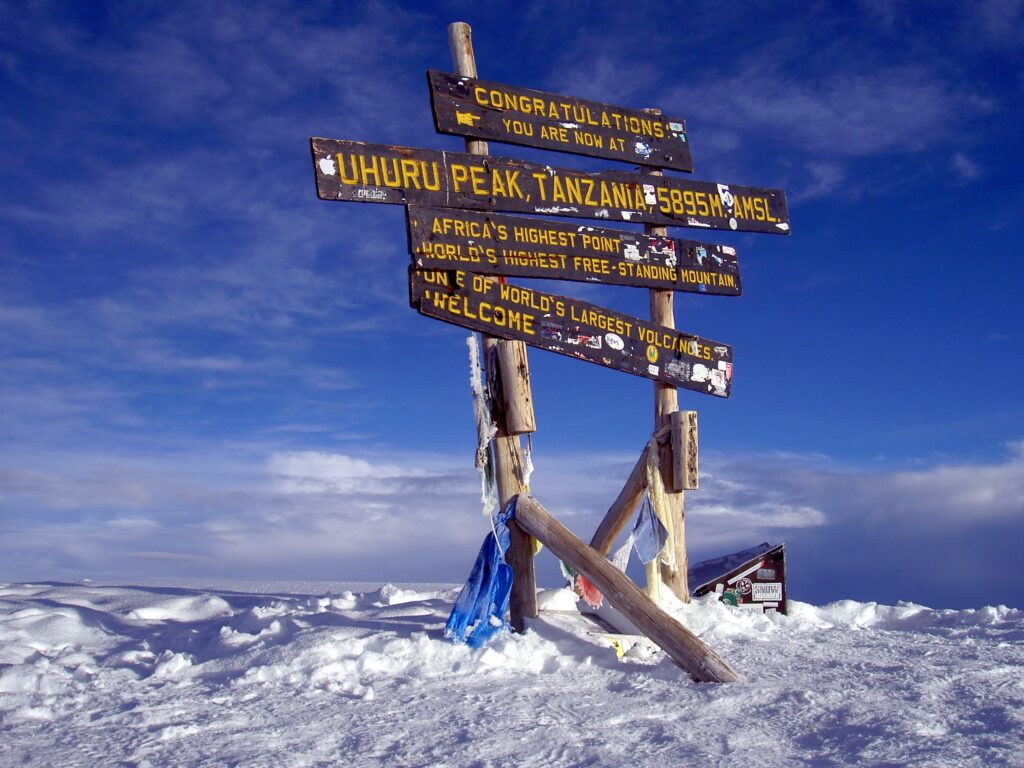
Climbing Mount Kilimanjaro is one of the most rewarding yet challenging adventure travel experiences in Africa. Known as the highest mountain in Africa and the tallest free-standing mountain in the world, Kilimanjaro rises to 5,895 meters (19,341 feet) above sea level. Many travelers ask, “How hard is it to climb Kilimanjaro?” The answer depends on your fitness level, mental strength, altitude adaptation, and preparation. Unlike technical mountain climbs, Kilimanjaro trekking does not require ropes or climbing experience, but the high altitude and changing weather make the trek physically demanding. Thousands attempt the summit of Kilimanjaro every year to reach Uhuru Peak, yet only well-prepared climbers succeed comfortably. Proper training, experienced guides, quality gear, hydration, and acclimatization are the keys to safely and successfully conquering this iconic Tanzania safari and trekking destination.
Dealing with Altitude Difficulty on Kilimanjaro
The greatest challenge when climbing Mount Kilimanjaro is altitude sickness. As you climb higher toward Uhuru Peak, oxygen levels decrease significantly, making breathing more difficult. Even fit hikers can struggle with acute mountain sickness during a Kilimanjaro trekking expedition. Symptoms may include headaches, nausea, dizziness, fatigue, and shortness of breath. This is why acclimatization is extremely important for Kilimanjaro summit success. Choosing longer Kilimanjaro routes, such as the Lemosho Route or Northern Circuit, improves your body’s ability to adapt gradually. Professional Kilimanjaro guides encourage climbers to walk slowly using the famous Swahili phrase “pole pole,” meaning slowly, slowly. Drinking enough water, eating properly, and maintaining a steady pace help reduce altitude-related difficulties. Many trekkers discover that altitude, rather than steep terrain, is what truly makes Mount Kilimanjaro difficult and unforgettable.
Kilimanjaro Training: Your Fitness
Good physical preparation greatly improves your chances of reaching the summit of Mount Kilimanjaro successfully. Although Kilimanjaro is considered a non-technical climb, it still requires endurance, stamina, and determination. Training for Kilimanjaro should ideally begin several months before your Tanzania trekking adventure. Cardiovascular exercises such as hiking, running, cycling, swimming, and stair climbing help strengthen your lungs and heart for high-altitude trekking. Strength training also prepares your legs, back, and core muscles for long hiking days carrying a daypack. Practice hikes on hills or mountains with elevation gain are highly recommended because they simulate real Kilimanjaro conditions. Consistency is more important than extreme fitness levels. Even beginner hikers can climb Kilimanjaro successfully if they train properly and maintain a steady pace. A strong fitness foundation helps reduce fatigue and makes the overall mountain climbing experience more enjoyable.
Camping & Sleeping on the Trail Difficulty
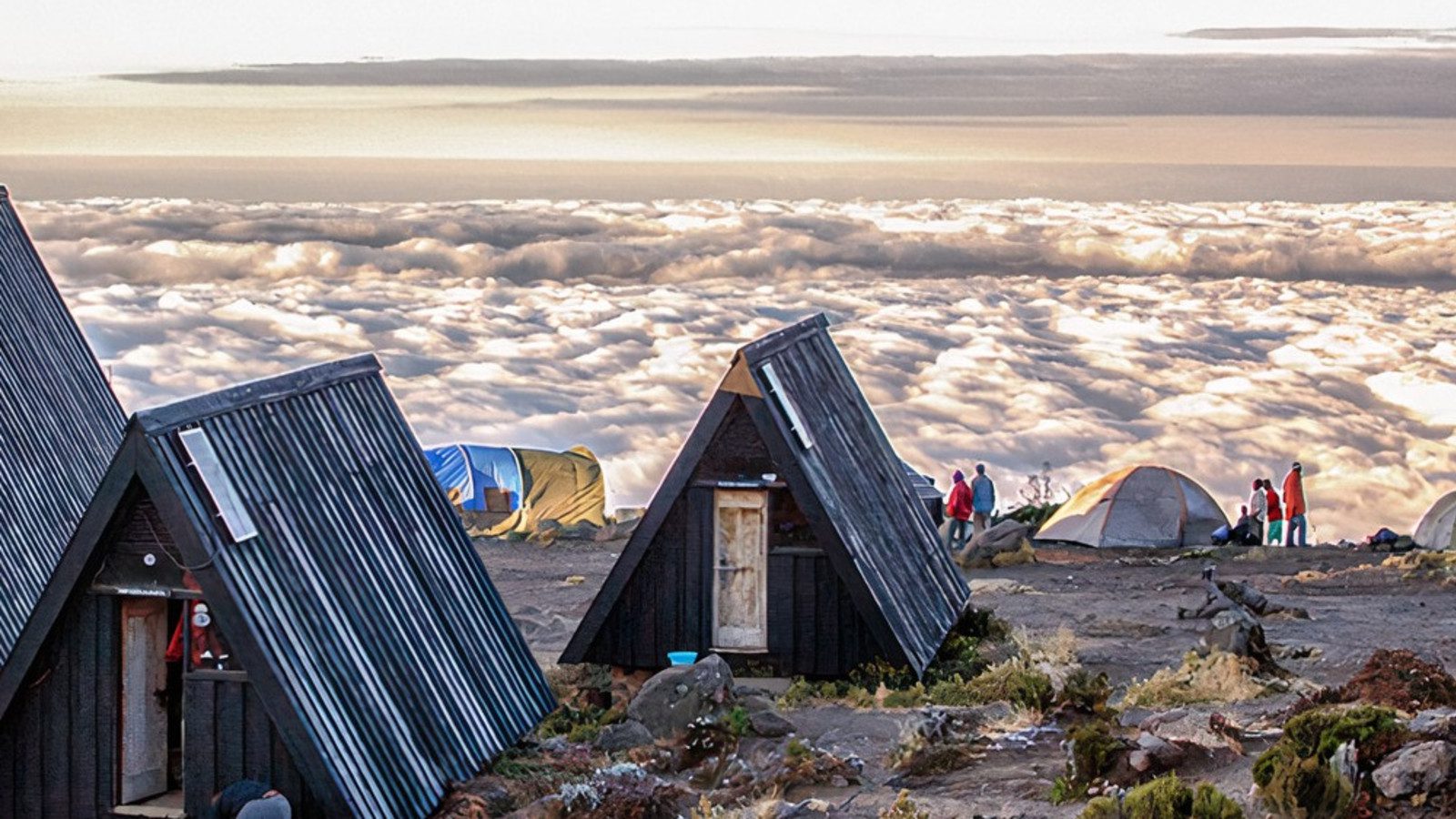
Camping on Mount Kilimanjaro can be physically and mentally challenging, especially for first-time trekkers. Most Kilimanjaro routes involve sleeping in mountain tents for several nights while temperatures become colder at higher elevations. Sleeping at altitude is often difficult because thinner air affects breathing and sleep quality. Many climbers experience restless nights before summit day. Campsites on Kilimanjaro are basic but offer incredible scenery and unforgettable sunrise and sunset views. Porters usually carry tents, sleeping equipment, and food, making the trekking experience more manageable. A high-quality sleeping bag rated for cold temperatures is essential for comfort during the expedition. Despite the camping challenges, many trekkers enjoy the sense of adventure and connection with nature. Sharing stories around camp, enjoying mountain meals, and waking beneath Africa’s highest peak become memorable highlights of every Kilimanjaro climbing journey.
Mount Kilimanjaro Temperature & Weather
Weather conditions on Mount Kilimanjaro change dramatically from rainforest to arctic summit zones. Climbers experience multiple climate zones during the trek, which makes Kilimanjaro's weather one of the mountain’s biggest challenges. Lower slopes are warm and humid, while higher elevations become freezing, windy, and snowy. Summit night temperatures near Uhuru Peak can drop well below freezing, especially during windy conditions. Rain, cold air, and sudden weather changes may increase trekking difficulty if climbers are unprepared. The best time to climb Kilimanjaro is during the dry seasons from January to March and June to October when trails are more stable, and visibility is excellent. Proper layering is essential for staying comfortable throughout the climb. Waterproof jackets, insulated clothing, gloves, and thermal wear help protect trekkers against extreme mountain weather while improving overall safety and summit success rates.
Climbing Mount Kilimanjaro for Your Health
Climbing Mount Kilimanjaro requires careful attention to physical health and wellness before and during the trek. Most healthy individuals can climb Kilimanjaro successfully with proper preparation and guidance. However, the mountain’s high altitude places stress on the heart, lungs, and overall body. Staying hydrated is extremely important because dehydration increases the risk of altitude sickness. Eating nutritious meals and maintaining energy levels also help climbers remain strong during long trekking days. Before booking a Kilimanjaro climb, travelers with medical conditions should consult healthcare professionals for safety advice. Guides often monitor oxygen levels and general health throughout the expedition to ensure climbers remain safe. Good sleep, slow hiking pace, and acclimatization days greatly improve physical adaptation. Many climbers describe the Kilimanjaro journey as physically demanding but also life-changing, inspiring confidence, resilience, and personal achievement after reaching the summit.
Approach, feed or disturb wildlife, or leave the vehicle unless your guide says it is safe.
Follow your guide, carry travel insurance and check current health and travel advice.
Your Mt Kilimanjaro Guide
An experienced Kilimanjaro guide plays a major role in determining how difficult your climb feels. Professional mountain guides provide leadership, motivation, safety monitoring, and expert knowledge throughout the trekking adventure. On Mount Kilimanjaro, guides help climbers maintain the correct pace, recognize altitude sickness symptoms, and stay mentally focused during difficult moments. Reputable Kilimanjaro tour operators employ trained guides, cooks, and porters who work together to support climbers on the mountain. Guides also share fascinating information about Kilimanjaro’s ecosystems, culture, and history, making the journey more educational and enjoyable. Choosing a trusted Tanzania trekking company with high safety standards is essential for a successful expedition. A skilled guide can transform a challenging climb into an achievable dream. Many climbers say the encouragement from their guides during summit night was the key factor that helped them finally reach Uhuru Peak successfully.
Kilimanjaro Hiking Mental Fitness
Mental strength is just as important as physical fitness when climbing Mount Kilimanjaro. Long hiking days, cold temperatures, altitude discomfort, and exhaustion can test even experienced trekkers emotionally. Summit night is often considered the hardest part of the Kilimanjaro climb because hikers begin walking around midnight in freezing conditions while battling fatigue and thin air. Maintaining a positive mindset helps climbers push through these difficult moments. Setting realistic expectations and staying patient during slow progress are important mental strategies for success. Many trekkers discover that determination and persistence matter more than athletic ability. Encouragement from guides, porters, and fellow climbers also creates motivation during challenging stages of the journey. Visualization, preparation, and confidence-building exercises before the trek can improve mental resilience. Reaching the summit of Kilimanjaro becomes a powerful emotional achievement that many travelers remember as one of the greatest accomplishments of their lives.
Mt Kilimanjaro Gear Packing List
Having the correct Kilimanjaro gear packing list can make the climb safer, warmer, and far more comfortable. Because Mount Kilimanjaro includes multiple climate zones, climbers need layered clothing for changing weather conditions. Essential Kilimanjaro trekking gear includes waterproof hiking boots, thermal base layers, insulated jackets, gloves, trekking poles, warm hats, sunglasses, and a quality sleeping bag. A durable daypack helps carry water, snacks, and personal items during daily hikes. Proper rain gear is critical because the weather on the mountain can change suddenly. Headlamps are especially important for summit night when climbers hike in darkness toward Uhuru Peak. Poor-quality equipment may increase discomfort and make the climb more difficult physically and mentally. Renting gear in Tanzania is possible, but testing equipment before travel is recommended. Smart packing improves safety, confidence, and overall enjoyment during the unforgettable Kilimanjaro climbing adventure.
Kilimanjaro Food & Drink
Nutrition and hydration are extremely important when climbing Mount Kilimanjaro. During the trek, your body burns large amounts of energy while adapting to altitude and colder temperatures. Kilimanjaro meals are usually prepared by mountain cooks and include soups, vegetables, rice, pasta, potatoes, fruits, eggs, and protein-rich foods designed to provide strength and recovery. Drinking enough water is one of the best ways to reduce altitude sickness risk and maintain energy levels. Many climbers aim to drink several liters of water daily during the expedition. Hot tea, coffee, and cocoa are commonly served at campsites to help trekkers stay warm and hydrated. Appetite sometimes decreases at high altitude, but eating consistently remains important for physical performance. Proper food and hydration can significantly improve comfort, stamina, and summit success during a challenging Kilimanjaro trekking experience in Tanzania’s breathtaking mountain wilderness.
Final Thought
Climbing Mount Kilimanjaro is undoubtedly challenging, but it is achievable for many travelers with the right preparation, mindset, and support team. The difficulty of Kilimanjaro comes mainly from altitude, changing weather, physical endurance, and mental determination rather than technical climbing skills. With proper training, quality gear, experienced guides, and enough acclimatization time, thousands of trekkers successfully reach Uhuru Peak every year. The journey through rainforests, alpine deserts, and icy summit landscapes creates one of Africa’s most unforgettable travel experiences. Whether you are an experienced hiker or a first-time adventurer, Kilimanjaro offers an incredible opportunity for personal growth and achievement. Standing on the Roof of Africa at sunrise is a powerful reward that makes every difficult step worthwhile, leaving climbers with lifelong memories, confidence, and a deep appreciation for Tanzania’s natural beauty.
How Hard is it to Climb Kilimanjaro: FAQs
How Difficult is it to Climb Kilimanjaro?
Climbing Mount Kilimanjaro is physically demanding but achievable for many travelers with proper preparation. Unlike technical mountain expeditions, Kilimanjaro does not require ropes, ice axes, or advanced climbing skills. However, altitude sickness, cold temperatures, long hiking days, and mental endurance make the trek challenging. Most climbers struggle more with thin oxygen levels near the summit than with steep terrain.
Is Mount Kilimanjaro Suitable for Beginners?
Yes, Mount Kilimanjaro is suitable for beginners with reasonable fitness and commitment. Many first-time hikers successfully reach the summit every year. The climb does not involve technical rock climbing or mountaineering skills, making it accessible to adventurous travelers. However, beginners should understand that altitude is the biggest challenge. Choosing beginner-friendly routes such as the Marangu Route or Lemosho Route increases your chances of success because they provide better acclimatization opportunities.
What Are the Physical Challenges of the Mount Kilimanjaro Climb?
The physical challenges of climbing Mount Kilimanjaro include altitude sickness, fatigue, muscle soreness, cold weather, and long trekking hours. Climbers often hike for six to eight hours daily over steep and uneven terrain. Higher elevations contain less oxygen, making breathing more difficult as you approach Uhuru Peak. Summit night is the hardest section because trekkers climb in freezing temperatures and darkness while battling exhaustion.
How Many Days to Climb Mount Kilimanjaro?
Most climbers spend between five and nine days climbing Mount Kilimanjaro depending on the chosen route. Shorter routes like Marangu and Rongai may take five or six days, while longer routes such as Lemosho and Northern Circuit can take seven to nine days. Longer itineraries are strongly recommended because they allow better acclimatization to altitude and improve summit success rates.
How Long Should I Train for Mount Kilimanjaro?
Most trekking experts recommend training for Mount Kilimanjaro for at least eight to twelve weeks before your climb. Training should focus on cardiovascular endurance, leg strength, stamina, and hiking practice. Activities such as running, cycling, swimming, stair climbing, and long-distance hiking are excellent preparation exercises. Practicing hikes with a backpack on hills or mountains helps simulate Kilimanjaro conditions. Strength training for the legs, core, and back also improves trekking performance.
What Are the Main Mount Kilimanjaro Routes Available and Their Difficulty Levels?
The main routes on Mount Kilimanjaro include Marangu, Machame, Lemosho, Rongai, Shira, Umbwe, and Northern Circuit. The Marangu Route is considered the easiest because it has hut accommodations and a gradual trail, although its shorter duration reduces acclimatization success. Machame Route is more scenic and moderately difficult with steeper sections. Lemosho Route is highly recommended because it combines beautiful scenery with excellent acclimatization.
Do I Need Special Mount Kilimanjaro Climbing Equipment?
Yes, proper trekking equipment is essential for climbing Mount Kilimanjaro safely and comfortably. Although technical climbing gear is unnecessary, you still need high-quality hiking equipment for cold temperatures and changing weather conditions. Essential Kilimanjaro gear includes waterproof hiking boots, thermal clothing, insulated jackets, gloves, trekking poles, warm hats, sunglasses, and a four-season sleeping bag. Layered clothing is important because the mountain passes through rainforest, alpine desert, and arctic conditions.
What About Mount Kilimanjaro’s Mental Challenges?
The mental challenges of climbing Mount Kilimanjaro are often underestimated. Long hiking days, freezing summit temperatures, altitude discomfort, and exhaustion can test emotional resilience. Summit night is especially difficult because climbers walk slowly in darkness for many hours while fighting fatigue and low oxygen levels. Self-doubt and frustration are common during the final ascent to Uhuru Peak.
Is There a Risk of Getting Lost When Climbing Mount Kilimanjaro?
The risk of getting lost on Mount Kilimanjaro is extremely low because Tanzanian law requires all climbers to use licensed guides. Kilimanjaro routes are well-established and frequently traveled by trekking groups. Guides lead climbers safely through forest trails, alpine terrain, and summit paths while monitoring weather and altitude conditions. Most camps are organized and clearly recognized by trekking crews.
What Is the Minimum Age to Climb Kilimanjaro?
The official minimum age to climb Mount Kilimanjaro is 10 years old according to Kilimanjaro National Park regulations. However, many tour operators recommend climbers be at least 12 years old because of the physical and mental demands of the trek. High altitude can affect children differently, and younger climbers may struggle with long hiking days, cold weather, and summit night exhaustion.
Climb Kilimanjaro With Confidence
Tell us your dates and fitness, and our experienced mountain team will plan a safe, well-acclimatized private climb.