
How Do You Mentally Prepare for Climbing Kilimanjaro
How Do You Mentally Prepare for Climbing Kilimanjaro
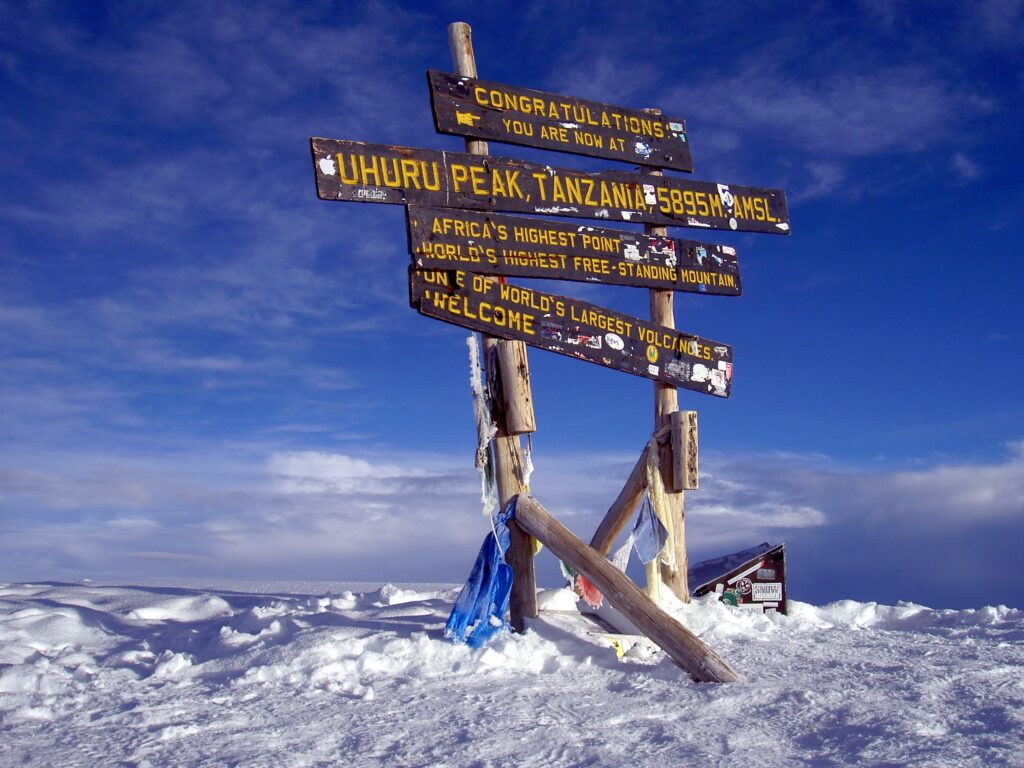
Climbing Mount Kilimanjaro is more than a physical adventure; it is a powerful mental journey that tests determination, patience, resilience, and focus. Africa’s highest mountain rises above the clouds at 5,895 meters, attracting trekkers from around the world seeking the ultimate Tanzania trekking experience. While fitness and proper gear are important, mental preparation for climbing Kilimanjaro often determines summit success. High altitude, changing weather, long hiking days, and exhaustion can challenge even experienced climbers. A positive mindset, realistic expectations, and emotional readiness help hikers stay motivated during difficult moments. Whether you are planning a Machame Route trek, Lemosho Route climb, or Rongai Route adventure, preparing your mind is essential for reaching Uhuru Peak successfully. Strong mental endurance transforms a difficult Kilimanjaro climb into an unforgettable and rewarding life-changing experience.
Understand the Challenge Ahead
Mental preparation for climbing Kilimanjaro begins with understanding the realities of the trek. Many climbers underestimate the effects of altitude sickness, cold temperatures, fatigue, and long walking hours. Researching Kilimanjaro routes, summit night conditions, and trekking difficulties helps reduce fear and anxiety before departure. Knowing what to expect allows your brain to adapt mentally to challenges before they occur on the mountain. Read travel guides, watch documentaries, and learn from successful climbers who reached Uhuru Peak. Accept that the climb will push your comfort zone physically and emotionally. Once you recognize the mountain’s demands, you can create a realistic mindset focused on endurance instead of perfection. Preparation builds confidence and removes uncertainty. Climbers who mentally accept the difficulty of Mount Kilimanjaro often remain calmer, stronger, and more motivated during challenging moments on Africa’s tallest mountain.
Build a Positive Mindset
A positive mindset is one of the most powerful tools during a Kilimanjaro trek. Negative thoughts can quickly drain energy and reduce motivation, especially during difficult hiking days or freezing summit night conditions. Train your mind to focus on encouragement, progress, and personal achievement instead of fear or discomfort. Replace thoughts like “I cannot do this” with “I am getting stronger every step.” Positive thinking helps improve mental stamina and emotional resilience at high altitude. Many successful climbers use affirmations, visualization, and motivational reminders throughout the journey. Mental strength often matters more than physical fitness when climbing Mount Kilimanjaro. Staying optimistic also improves teamwork and group morale on the trail. A hopeful attitude helps trekkers adapt to unpredictable weather, exhaustion, and altitude challenges while maintaining the determination needed to successfully reach Uhuru Peak and complete the adventure.
Set Realistic Expectations
Setting realistic expectations is essential for mental success on Mount Kilimanjaro. The climb is not a luxury vacation or an easy hike; it is a demanding high-altitude expedition requiring patience and determination. Some days feel exciting and energizing, while others may feel exhausting and uncomfortable. Understanding that challenges are normal helps reduce frustration during the trek. Many climbers experience headaches, slow walking speeds, cold temperatures, and moments of self-doubt. Accepting these experiences as part of the Kilimanjaro journey helps maintain emotional balance. Avoid comparing yourself to other trekkers because everyone responds differently to altitude and physical stress. Focus on steady progress rather than speed or competition. Realistic expectations help climbers stay mentally calm, motivated, and adaptable. By preparing for both good and difficult moments, you increase your chances of enjoying the adventure and successfully reaching the summit.
Practice Patience and Slow Progress
Climbing Kilimanjaro teaches patience better than almost any adventure travel experience in Africa. The famous trekking phrase “pole pole,” meaning “slowly slowly” in Swahili, is essential for altitude acclimatization and mental endurance. Many first-time climbers struggle because they want quick progress instead of steady movement. Learning to embrace slow hiking speeds helps conserve energy and reduce stress during the climb. Patience becomes especially important during summit night, when exhaustion and freezing temperatures can make every step difficult. Mentally accepting slow progress prevents frustration and improves focus. Kilimanjaro is not a race; it is a journey requiring consistent effort over several days. Trekkers who stay patient often acclimatize better and maintain stronger emotional control at high altitude. By practicing calmness and steady determination, climbers build the mental resilience needed to successfully reach Uhuru Peak and enjoy the experience fully.
Train Your Mind Through Visualization
Visualization is a powerful mental preparation technique used by many successful Kilimanjaro climbers and athletes worldwide. Before your Tanzania trekking adventure begins, imagine yourself hiking through rainforest trails, crossing alpine deserts, and finally standing proudly at Uhuru Peak. Visualizing difficult moments is equally important because it prepares your mind for challenges before they happen. Picture yourself overcoming exhaustion, cold weather, and steep summit climbs with confidence and determination. Mental rehearsal reduces fear and builds emotional readiness for high-altitude trekking. Many climbers use visualization during training hikes and daily exercise routines to strengthen focus. The brain responds positively when success is imagined repeatedly. Visualization also helps maintain motivation during difficult sections of the mountain. By mentally experiencing the journey before arriving in Tanzania, trekkers develop confidence, emotional stability, and a stronger connection to their goal of conquering Mount Kilimanjaro successfully.
Learn to Manage Fear and Doubt
Fear and self-doubt are common emotions during a Mount Kilimanjaro climb, especially for first-time trekkers attempting Africa’s highest mountain. Fear of altitude sickness, physical exhaustion, or failure can create anxiety before and during the expedition. Mental preparation involves learning how to control these emotions instead of allowing them to dominate your thoughts. Accept that nervousness is normal and part of every major adventure travel experience. Focus on preparation, training, and positive action rather than imagined worst-case scenarios. Breathing exercises, mindfulness, and positive self-talk help calm the mind during stressful moments. Many climbers discover that doubt disappears once they continue moving forward step by step. Confidence grows through persistence and resilience. By managing fear effectively, trekkers stay mentally strong, emotionally balanced, and determined throughout the Kilimanjaro journey, increasing their chances of reaching Uhuru Peak successfully and safely.
Prepare for Summit Night Mentally
Summit night on Mount Kilimanjaro is often the most mentally demanding part of the climb. Trekkers begin hiking around midnight in freezing temperatures, darkness, and thin air while battling exhaustion and altitude effects. Mental preparation for this challenge is extremely important because the body may feel weak and uncomfortable. Understanding what summit night involves helps reduce shock and emotional stress during the ascent. Focus on taking one step at a time instead of worrying about the entire climb ahead. Many climbers succeed by concentrating only on reaching the next checkpoint or resting point. Encouragement from guides and fellow trekkers also provides emotional strength during difficult moments. Remember that thousands of climbers reach Uhuru Peak every year despite similar struggles. Staying calm, patient, and determined during summit night greatly improves your confidence, resilience, and chances of standing successfully on Africa’s highest point.
Develop Emotional Resilience
Emotional resilience is essential when climbing Mount Kilimanjaro because conditions on the mountain constantly change. Weather shifts rapidly, energy levels fluctuate, and altitude can affect mood and motivation unexpectedly. Trekkers who adapt emotionally to discomfort often perform better than those who panic or become discouraged easily. Building resilience means accepting challenges calmly while remaining focused on the final goal. During difficult hiking days, remind yourself why you chose this incredible Tanzania adventure. Strong emotional control helps climbers manage fatigue, homesickness, stress, and uncertainty more effectively. Support from guides, porters, and fellow trekkers also strengthens morale on the mountain. Every challenge overcome increases confidence and mental endurance. Resilient climbers learn to stay positive even when conditions become uncomfortable. This emotional strength becomes one of the greatest rewards of the Kilimanjaro experience, lasting long after the trek ends successfully.
Focus on One Step at a Time
One of the best mental strategies for climbing Kilimanjaro is focusing on one step at a time. Looking too far ahead can make the mountain feel overwhelming, especially during steep climbs or difficult summit night conditions. Breaking the journey into smaller goals helps the mind stay calm and motivated throughout the trek. Instead of worrying about reaching Uhuru Peak immediately, focus on reaching the next camp, checkpoint, or rest stop. Small achievements create momentum and improve confidence daily. This approach also helps manage stress, fatigue, and altitude discomfort more effectively. Many experienced Kilimanjaro guides encourage climbers to remain present and avoid overthinking the journey ahead. Mental focus on immediate progress strengthens endurance and emotional balance. By concentrating on each step instead of the entire mountain, trekkers develop patience, determination, and the mental resilience necessary for a successful Kilimanjaro summit experience.
Stay Motivated With a Purpose
Having a strong personal reason for climbing Mount Kilimanjaro can provide powerful motivation during difficult moments. Some trekkers climb to celebrate achievements, support charities, overcome fears, or fulfill lifelong travel dreams. Others seek personal transformation, adventure, or connection with nature. Whatever your reason may be, keeping it in mind helps strengthen mental endurance throughout the expedition. During exhausting sections of the trek, remembering your purpose can renew determination and emotional energy. Many climbers write motivational notes, carry meaningful photographs, or repeat inspiring phrases during challenging moments. Purpose creates emotional strength when physical energy becomes limited. Climbing Kilimanjaro is not only about reaching Uhuru Peak; it is also about discovering inner resilience and personal growth. Trekkers who connect emotionally to their goal often remain more focused, positive, and mentally strong during the climb, improving their overall mountain experience significantly.
Prepare for Altitude Mentally
Altitude is one of the biggest mental and physical challenges when climbing Mount Kilimanjaro. As elevation increases, oxygen levels decrease, making breathing more difficult and causing symptoms like headaches, nausea, fatigue, or dizziness. Mental preparation helps climbers remain calm if these symptoms appear during the trek. Panic and anxiety can worsen discomfort, while patience and positive thinking improve emotional stability. Learn about altitude sickness before your Tanzania climbing adventure so you understand what is normal and when guides may recommend rest. Trusting your guides and following acclimatization advice helps reduce stress on the mountain. Hydration, slow walking, and proper rest also improve adaptation to high altitude conditions. Climbers who mentally prepare for altitude challenges are more likely to stay focused and determined throughout the expedition. Calmness, patience, and confidence play an important role in achieving Kilimanjaro summit success safely.
Build Confidence Through Preparation
Confidence grows when climbers feel physically and mentally prepared before arriving in Tanzania. Training hikes, cardio workouts, and healthy routines improve physical endurance, but preparation also strengthens mental resilience. Every practice session reminds your mind that you are becoming stronger and more capable of climbing Mount Kilimanjaro successfully. Learning about trekking gear, altitude acclimatization, and mountain safety also reduces uncertainty before the expedition. Confidence comes from preparation, not luck. Many successful climbers spend months building healthy habits and positive routines before attempting the summit. Preparing carefully allows trekkers to trust themselves during difficult moments on the mountain. Confidence improves emotional control, decision-making, and motivation throughout the journey. Even small achievements during training can increase self-belief significantly. By investing time in preparation, climbers arrive mentally ready to face challenges calmly and pursue their dream of reaching Uhuru Peak with determination.
Trust Your Guides and Team
A Kilimanjaro climb is never a solo journey because guides, porters, cooks, and fellow trekkers play a major role in your success. Trusting your mountain team helps reduce stress and improves mental confidence throughout the expedition. Experienced Kilimanjaro guides understand altitude, weather conditions, safety procedures, and trekking pace better than most climbers. Listening to their advice and following instructions helps create a smoother and safer experience on the mountain. Team support also becomes emotionally important during difficult moments, especially on summit night. Encouragement from guides and fellow climbers can restore motivation when exhaustion appears overwhelming. Building positive relationships with your trekking group improves morale and creates unforgettable memories during the adventure. The spirit of teamwork is one of the most rewarding parts of climbing Mount Kilimanjaro. Trust, communication, and shared determination help trekkers overcome challenges and achieve successful summit experiences together.
Embrace the Journey, Not Just the Summit
Many climbers focus only on reaching Uhuru Peak, but true mental preparation involves appreciating the entire Kilimanjaro experience. The mountain offers breathtaking scenery, diverse ecosystems, cultural encounters, and personal transformation long before summit day arrives. From rainforest trails to alpine deserts and glaciers, every stage of the climb creates unforgettable memories. Focusing only on the summit can increase pressure and disappointment if challenges arise. Instead, enjoy the process of trekking through Tanzania’s incredible landscapes while connecting with nature and fellow adventurers. Celebrate daily achievements, beautiful sunrises, and moments of personal growth along the trail. Even difficult experiences often become meaningful memories after the expedition ends. Climbers who embrace the journey usually feel more emotionally fulfilled and mentally balanced throughout the trek. Kilimanjaro is not simply about standing on Africa’s highest point; it is about the life-changing adventure experienced along the way.
Final Thought
Mental preparation is one of the most important factors for successfully climbing Mount Kilimanjaro. Physical fitness helps the body, but emotional resilience, patience, confidence, and determination help climbers continue when conditions become difficult. Every step toward Uhuru Peak teaches valuable lessons about perseverance, focus, and personal strength. By preparing your mind for altitude, fatigue, slow progress, and unpredictable weather, you greatly improve your chances of enjoying the journey and reaching the summit successfully. Stay positive, trust your guides, embrace the “pole pole” philosophy, and remember why you started the adventure. Climbing Kilimanjaro is not only one of the best Tanzania travel experiences but also a powerful journey of self-discovery. The mountain challenges your limits, rewards your courage, and leaves you with unforgettable memories that last a lifetime.
How Do You Mentally Prepare for Climbing Kilimanjaro: FAQs
How Long Does It Take to Mentally Prepare for Climbing Kilimanjaro?
Mental preparation for climbing Mount Kilimanjaro usually begins several weeks or even months before the trek. Most successful climbers spend about two to six months building confidence, learning about altitude trekking, improving fitness, and preparing emotionally for the challenge ahead. Mental readiness develops gradually through research, training hikes, visualization, and understanding what to expect on the mountain.
What Are Some Common Mental Challenges When Climbing Kilimanjaro?
Climbing Mount Kilimanjaro presents several mental challenges that can test even determined trekkers. Common difficulties include fear of altitude sickness, physical exhaustion, freezing temperatures, lack of sleep, and long hiking days. Many climbers also struggle with self-doubt, anxiety, homesickness, or frustration when progress feels slow. Summit night is especially challenging because trekkers hike in darkness while battling cold weather and thin oxygen levels.
How Can I Manage Fear and Anxiety Before Climbing Kilimanjaro?
Managing fear and anxiety before climbing Mount Kilimanjaro begins with preparation and knowledge. Fear often comes from uncertainty, so learning about Kilimanjaro routes, altitude acclimatization, trekking conditions, and safety procedures can help reduce stress significantly. Focus on training, healthy habits, and gradual preparation instead of imagining worst-case scenarios. Visualization techniques can also help by allowing you to picture yourself hiking confidently and successfully reaching Uhuru Peak.
What Strategies Can I Use to Stay Motivated During the Climb?
Staying motivated during a Mount Kilimanjaro climb requires mental focus, patience, and a strong personal purpose. One of the best strategies is concentrating on small goals instead of thinking about the entire mountain. Focus on reaching the next camp, checkpoint, or rest stop rather than the summit itself. Positive self-talk and encouraging phrases can also help maintain emotional strength during difficult moments.
How Do I Deal With Setbacks and Challenges During the Climb?
Setbacks and challenges are a normal part of climbing Mount Kilimanjaro, so the key is learning how to respond calmly and positively. Fatigue, headaches, cold weather, altitude discomfort, or slow progress can happen during the trek. Instead of becoming discouraged, focus on adapting step by step. Accept that difficult moments are temporary and part of the mountain experience.
Is It Normal to Feel Overwhelmed or Doubt Myself During the Climb?
Yes, it is completely normal to feel overwhelmed, emotional, or doubtful while climbing Mount Kilimanjaro. High altitude, physical exhaustion, cold temperatures, and long trekking days can affect both the body and the mind. Many climbers experience moments where they question whether they can continue, especially during summit night. These feelings do not mean you are weak or unprepared; they are common reactions to a demanding adventure.
What should you know about understand the challenge ahead on Kilimanjaro?
Mental preparation for climbing Kilimanjaro begins with understanding the realities of the trek. Many climbers underestimate the effects of altitude sickness, cold temperatures, fatigue, and long walking hours. Researching Kilimanjaro routes, summit night conditions, and trekking difficulties helps reduce fear and anxiety before departure. Knowing what to expect allows your brain to adapt mentally to challenges before they occur on the mountain.
What can you expect from build a positive mindset on Kilimanjaro?
A positive mindset is one of the most powerful tools during a Kilimanjaro trek. Negative thoughts can quickly drain energy and reduce motivation, especially during difficult hiking days or freezing summit night conditions. Train your mind to focus on encouragement, progress, and personal achievement instead of fear or discomfort.
Climb Kilimanjaro With Confidence
Tell us your dates and fitness, and our experienced mountain team will plan a safe, well-acclimatized private climb.