How dangerous is climbing Kilimanjaro
How dangerous is climbing Kilimanjaro
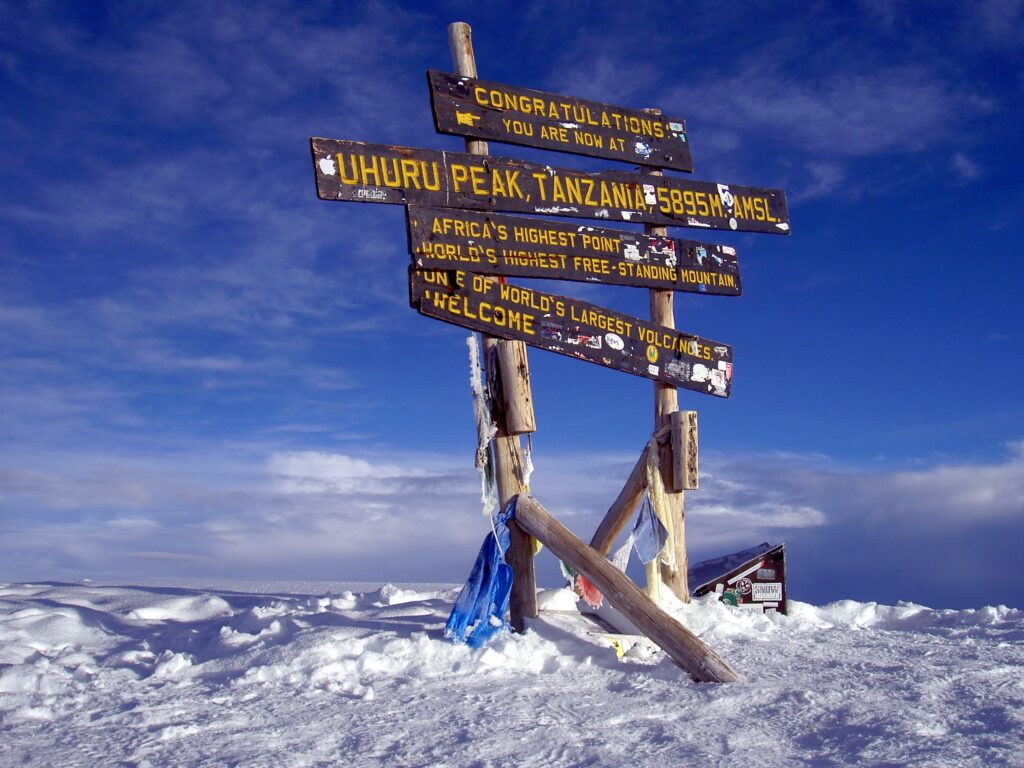
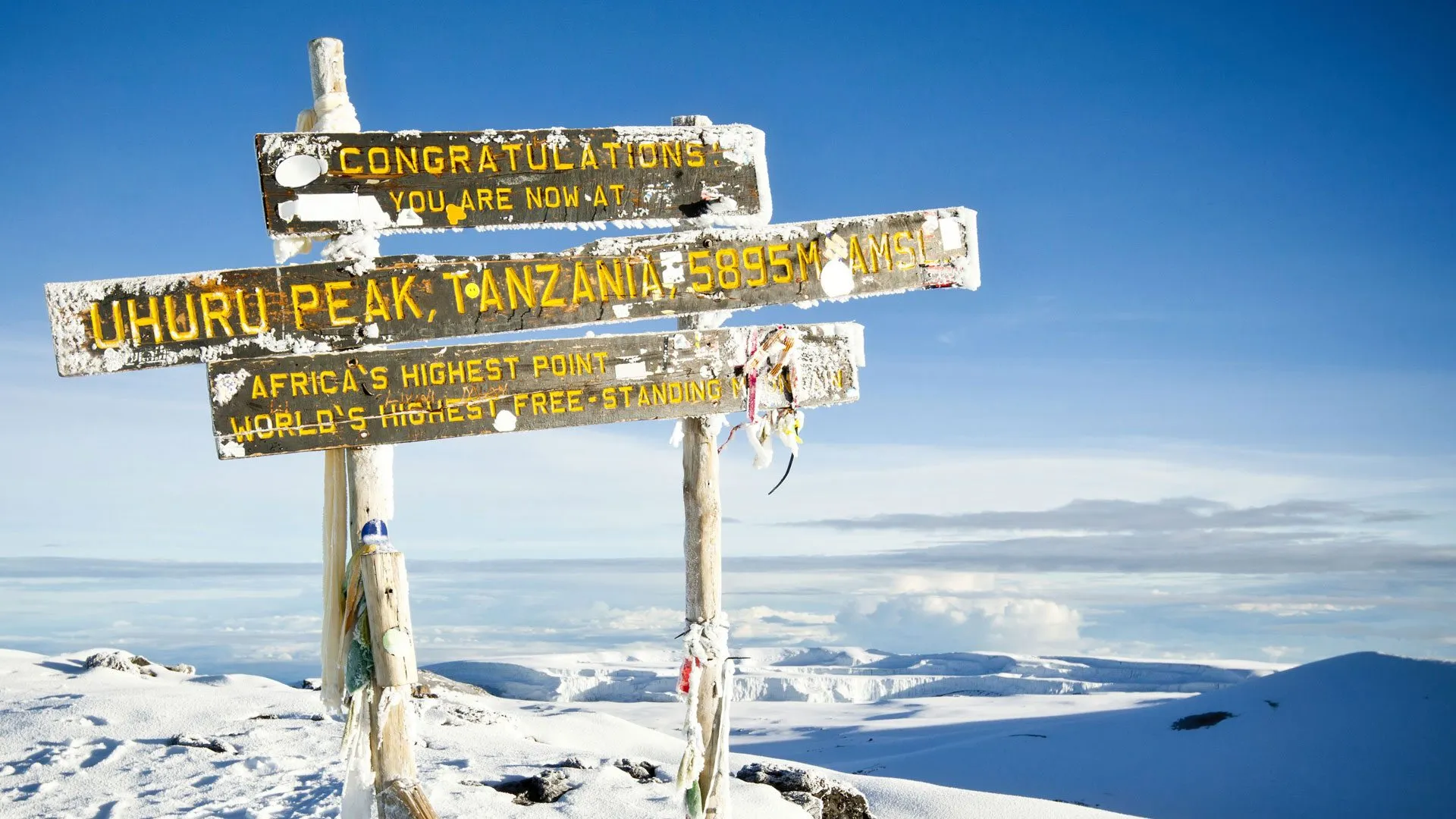
Climbing Mount Kilimanjaro is one of Africa’s greatest adventures, attracting thousands of trekkers seeking the ultimate Tanzania safari and mountain climbing experience. Many travelers ask, “How dangerous is climbing Kilimanjaro?” The truth is that Kilimanjaro is considered a non-technical mountain, meaning no ropes or advanced climbing skills are required. However, the trek still presents serious challenges, especially altitude sickness, cold temperatures, exhaustion, and unpredictable weather. Standing at 5,895 meters above sea level, Kilimanjaro is the highest mountain in Africa and can affect even physically fit hikers. Proper preparation, experienced mountain guides, gradual acclimatization, and choosing the best Kilimanjaro routes greatly reduce risks. With the right planning, safety measures, travel insurance, and quality tour operators, most climbers successfully reach Uhuru Peak while enjoying one of the world’s most unforgettable trekking adventures.
Kilimanjaro Altitude Sickness Is the Biggest Danger
The greatest danger when climbing Mount Kilimanjaro is altitude sickness, also called Acute Mountain Sickness (AMS). As climbers ascend toward Uhuru Peak, oxygen levels decrease dramatically, making breathing harder. Symptoms include headaches, nausea, dizziness, fatigue, and shortness of breath. Severe forms such as HAPE and HACE can become life-threatening if ignored. Many trekkers underestimate the effects of high altitude because Kilimanjaro does not require technical climbing skills. Proper acclimatization is essential for a safe Kilimanjaro climb. Choosing longer routes like the Lemosho Route or Northern Circuit increases summit success rates and reduces altitude risks. Professional Kilimanjaro guides monitor oxygen saturation and health daily during the trek. Drinking enough water, hiking slowly using the “pole pole” approach, and listening to your guides significantly improve safety while climbing Africa’s tallest mountain.
Kilimanjaro Weather Conditions Can Change Rapidly
The weather on Mount Kilimanjaro changes quickly and can become dangerous without proper preparation. Climbers experience multiple climate zones during the trek, ranging from tropical rainforest to alpine desert and arctic summit conditions. Temperatures at Uhuru Peak often fall below freezing, especially during nighttime summit attempts. Strong winds, rain, snow, and icy trails can increase the difficulty of climbing Kilimanjaro. Hypothermia is a serious risk for trekkers lacking warm clothing and quality hiking gear. The best time to climb Kilimanjaro is during the dry seasons from January to March and June to October, when weather conditions are generally more stable. Layered clothing, waterproof jackets, insulated gloves, and proper hiking boots are essential for safety. Experienced Kilimanjaro tour operators provide guidance on packing lists and weather preparation before beginning the trek.
Kilimanjaro Physical Fitness Plays a Major Role
Although climbing Mount Kilimanjaro does not require technical mountaineering skills, physical fitness is extremely important. The trek involves long hiking days, steep terrain, rocky paths, and high-altitude endurance. Poor fitness levels can increase exhaustion, muscle strain, dehydration, and difficulty adjusting to altitude. Preparing several months before your Kilimanjaro adventure improves your chances of reaching the summit safely. Cardio training, hiking practice, strength exercises, and endurance workouts are highly recommended. Trekkers should also prepare mentally because summit night can be physically and emotionally demanding. Walking for hours in freezing temperatures while battling thin air is challenging even for experienced hikers. However, many people of different ages successfully climb Kilimanjaro every year through proper preparation and determination. Choosing a slower itinerary allows your body to recover better and adapt gradually to high elevations.
Kilimanjaro Summit Night Is the Toughest Part
Summit night is widely considered the most difficult and dangerous stage of climbing Mount Kilimanjaro. Climbers usually begin the ascent around midnight in freezing temperatures and strong winds while hiking in darkness for several hours. Fatigue, altitude sickness, and emotional stress become more intense during this phase. Many trekkers struggle because oxygen levels near Uhuru Peak are significantly lower than at sea level. Slippery trails, icy paths, and exhaustion can also increase risks. Guides closely monitor climbers during summit night and may recommend descending if symptoms become severe. Wearing proper thermal layers, staying hydrated, eating energy-rich snacks, and maintaining a slow pace are essential for safety. Despite the challenge, reaching the summit at sunrise is an unforgettable experience that rewards trekkers with breathtaking views across Tanzania and the African wilderness below.
Choosing the Right Kilimanjaro Route Improves Safety
Selecting the best Kilimanjaro route greatly affects safety and summit success rates. Some routes are shorter and steeper, increasing the likelihood of altitude sickness and exhaustion. Routes such as Marangu and Machame are popular, but longer routes like Lemosho and Northern Circuit offer better acclimatization opportunities. More acclimatization days allow climbers to adapt slowly to high altitude, reducing dangerous health complications. The Northern Circuit Route is often recommended because of its high summit success rate and scenic landscapes. Route difficulty, weather exposure, and camping conditions should all be considered before booking a Kilimanjaro tour. Experienced tour operators help climbers choose the safest option based on fitness level, hiking experience, and travel goals. Investing in a longer itinerary may cost more, but it significantly improves comfort, safety, and the chances of standing successfully on Uhuru Peak.
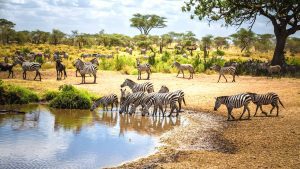
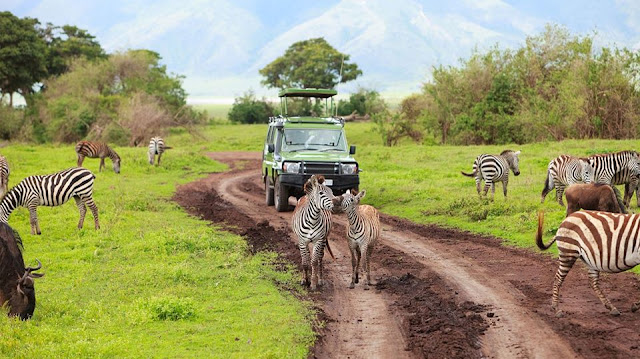
Approach, feed or disturb wildlife, or leave the vehicle unless your guide says it is safe.
Follow your guide, carry travel insurance and check current health and travel advice.
Professional Kilimanjaro Mountain Guides Increase Climber Safety
Professional Kilimanjaro mountain guides play a vital role in keeping climbers safe on Mount Kilimanjaro. Certified Kilimanjaro guides are trained to recognize symptoms of altitude sickness, dehydration, hypothermia, and fatigue. They monitor trekkers daily using health checks and pulse oximeters to ensure everyone remains stable at high altitude. Guides also control trekking pace using the famous Swahili phrase “pole pole,” meaning slowly slowly. This steady approach helps the body acclimatize naturally during the climb. Reputable Kilimanjaro tour companies provide emergency oxygen, first aid equipment, and evacuation procedures if needed. Porters and cooks also contribute significantly to climbers' comfort and success by carrying equipment and preparing nutritious meals. Hiring experienced local guides not only improves safety but also enhances the cultural experience. Their knowledge of Kilimanjaro’s environment, weather, and trails makes the expedition safer and more enjoyable.
Dehydration and Exhaustion Are Common Risks
Dehydration and physical exhaustion are common dangers while climbing Mount Kilimanjaro. High altitude causes the body to lose fluids more rapidly through breathing and physical exertion. Many trekkers fail to drink enough water because cold temperatures reduce thirst sensations. Dehydration can worsen altitude sickness symptoms, leading to headaches, dizziness, weakness, and poor concentration. Climbers are usually advised to drink at least three to four liters of water daily during the trek. Eating nutritious meals is equally important because the body burns significant energy at high elevations. Lack of proper nutrition can cause severe fatigue and reduce climbing performance. Resting adequately between hiking days also helps recovery. Professional guides encourage trekkers to maintain hydration and energy levels throughout the expedition. Proper self-care greatly reduces health risks and improves the overall Kilimanjaro climbing experience.
Proper Mount Kilimanjaro Gear Is Essential for Safety
Having the correct hiking gear is crucial for a safe Kilimanjaro climb. Inadequate equipment can expose trekkers to freezing temperatures, rain, strong winds, and physical discomfort. Essential Kilimanjaro gear includes waterproof hiking boots, insulated jackets, thermal clothing, gloves, trekking poles, sleeping bags, and headlamps. Layering clothing helps climbers adjust to rapidly changing weather conditions across different altitude zones. Good boots prevent blisters, slips, and foot injuries on rocky terrain. Summit night temperatures can fall well below zero, making warm clothing especially important. Many climbers rent equipment in Tanzania if they cannot bring everything from home. Reliable Kilimanjaro tour operators provide detailed packing lists to help trekkers prepare effectively. Investing in high-quality gear improves comfort, reduces risks, and increases the likelihood of successfully reaching Uhuru Peak while enjoying the remarkable landscapes of Africa’s highest mountain.
Medical Emergencies Can Happen
Although most climbers complete the trek safely, medical emergencies can occur on Mount Kilimanjaro. Severe altitude sickness, breathing difficulties, hypothermia, and injuries occasionally require emergency evacuation. Helicopter rescues are limited due to weather and altitude conditions, so rapid descent is often the primary emergency response. This is why climbers should always purchase comprehensive travel insurance that covers high-altitude trekking and medical evacuation. Informing guides about pre-existing health conditions before the climb is also important for safety planning. Trekkers with asthma, heart conditions, or respiratory issues should consult medical professionals before attempting Kilimanjaro. Reputable tour companies maintain emergency protocols and trained staff to respond quickly during crises. While fatalities on Kilimanjaro are relatively rare, ignoring symptoms or attempting the climb without preparation can increase risks significantly. Safety should always remain the top priority during the expedition.
Mental Strength Is Just as Important
Mental determination is a major factor in successfully climbing Mount Kilimanjaro. Many trekkers discover that the challenge is not only physical but also psychological. Long hiking days, cold weather, thin air, and fatigue can affect motivation during the climb. Summit night especially tests emotional resilience as climbers push through darkness and exhaustion toward Uhuru Peak. Staying positive and focused helps trekkers overcome difficult moments on the mountain. Experienced guides provide encouragement and emotional support throughout the journey. Climbers who remain patient and maintain a slow pace often perform better than those who rush. Preparing mentally before the expedition can significantly improve confidence and endurance. Visualizing success, understanding the challenges ahead, and maintaining realistic expectations help reduce stress during the climb. Strong mental preparation contributes greatly to a safe and rewarding Kilimanjaro adventure.
The Death Rate on Kilimanjaro Is Relatively Low
Despite its challenges, Mount Kilimanjaro is generally considered safe compared to many other high mountains worldwide. Kilimanjaro is a trekking mountain rather than a technical climbing peak, meaning ropes, ice axes, and advanced mountaineering skills are usually unnecessary. Thousands of climbers reach Uhuru Peak successfully every year. Fatalities are relatively rare and are often linked to severe altitude sickness or poor preparation. Choosing reputable Kilimanjaro operators, allowing enough acclimatization days, and following the guide's instructions greatly improve safety. Modern trekking practices, trained mountain crews, and improved emergency awareness have reduced many risks associated with the climb. Travelers should still respect the mountain because high altitude can affect anyone, regardless of age or fitness level. Responsible planning and realistic expectations make Kilimanjaro one of the safest high-altitude adventures in Africa and the world.
Kilimanjaro Travel Insurance Is Extremely Important
Travel insurance is one of the most important safety requirements for climbing Mount Kilimanjaro. Many standard insurance plans do not automatically cover high-altitude trekking or mountain evacuation services. Climbers should choose insurance policies specifically designed for adventure travel and trekking above 5,000 meters. Proper insurance provides financial protection for medical emergencies, evacuation costs, trip cancellations, and unexpected travel interruptions. Emergency rescues on Kilimanjaro can be expensive, especially if transportation and medical treatment are required. Reliable Kilimanjaro tour operators often recommend trusted insurance providers before arrival in Tanzania. Carrying insurance documents during the climb is also advisable. Besides medical coverage, travelers should prepare for delayed flights, lost luggage, or equipment problems. Adequate insurance gives climbers peace of mind, allowing them to focus fully on enjoying the remarkable journey to Africa’s highest summit and breathtaking wilderness landscapes.
Kilimanjaro Preparation Greatly Reduces the Risks
Good preparation is the key to reducing dangers while climbing Mount Kilimanjaro. Trekkers who train properly, pack suitable gear, and understand altitude risks are far more likely to enjoy a successful summit experience. Preparing physically through hiking, running, and endurance exercises improves strength and stamina for long trekking days. Researching the best Kilimanjaro routes and choosing experienced guides also improves safety significantly. Travelers should arrive in Tanzania well-rested and hydrated before beginning the climb. Learning basic altitude sickness symptoms helps climbers recognize warning signs early. Mental preparation is equally important because summit attempts require patience and determination. A carefully planned itinerary with extra acclimatization days provides the safest approach. Many climbers who fail to reach Uhuru Peak do so because they underestimate the mountain’s challenges. Respecting Kilimanjaro and preparing thoroughly creates a safer and more rewarding adventure.
Kilimanjaro Is Challenging but Achievable
Climbing Mount Kilimanjaro is undeniably challenging, but it remains achievable for many travelers with proper preparation and guidance. The mountain’s dangers mainly involve altitude, weather, and physical endurance rather than technical climbing hazards. Thousands of beginners successfully summit Kilimanjaro each year by choosing the right route, pacing themselves carefully, and following experienced guides. Proper acclimatization, hydration, quality gear, and mental determination greatly improve safety and success rates. While the trek demands effort and resilience, it rewards climbers with breathtaking scenery, unforgettable sunrises, and the incredible achievement of standing on Africa’s highest point. Responsible planning transforms Kilimanjaro from a dangerous challenge into a life-changing adventure. Travelers who respect the mountain, prepare thoroughly, and prioritize safety can experience one of the world’s most iconic trekking expeditions with confidence and lasting memories.
Final Thought
For many adventurers, climbing Mount Kilimanjaro is a dream journey filled with excitement, challenge, and breathtaking beauty. While the mountain does present real dangers such as altitude sickness, extreme weather, exhaustion, and dehydration, these risks can be managed successfully through proper preparation and experienced guidance. Kilimanjaro is not considered one of the world’s most dangerous mountains, but it should never be underestimated. Choosing reputable Kilimanjaro tour operators, selecting longer acclimatization routes, training before the trek, and carrying the right gear all contribute to a safer experience. Thousands of climbers from around the world reach Uhuru Peak every year and return home with unforgettable memories. With respect for the mountain, careful planning, and a positive mindset, climbing Kilimanjaro can become one of the safest and most rewarding adventure travel experiences in Africa.
How dangerous is climbing Kilimanjaro: FAQs
Kilimanjaro Dangerous Animals
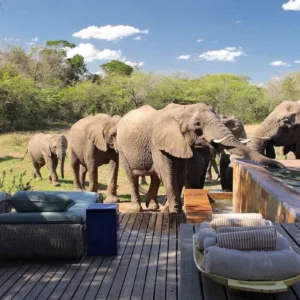
Kilimanjaro dangerous animals exist mainly in the lower rainforest zones of Mount Kilimanjaro, but serious encounters are rare for trekkers following established routes with professional guides. Wildlife such as elephants, buffalo, colobus monkeys, and leopards may inhabit forested areas, although sightings on climbing trails are uncommon due to human activity and regulated park protection.
Is Climbing Kilimanjaro Hard?
Is climbing Kilimanjaro hard is one of the most common questions about Mount Kilimanjaro trekking, and the answer depends on fitness, preparation, and altitude adaptation. While it is not a technical climb requiring ropes or mountaineering skills, the long hiking distances, steep trails, and high altitude make it physically demanding for most trekkers.
Is Climbing Kilimanjaro Worth It?
Is climbing Kilimanjaro worth it is a question many travelers ask when planning a Tanzania safari and trekking adventure, and the answer is overwhelmingly yes for most climbers. Standing on Uhuru Peak, the highest point of Mount Kilimanjaro and Africa, provides breathtaking views, personal achievement, and a once-in-a-lifetime experience.
Are There Dead Bodies on Kilimanjaro?
Are there dead bodies on Kilimanjaro is a sensitive question often asked by climbers researching Mount Kilimanjaro safety and risks, especially regarding high altitude expeditions. Due to the extreme altitude and harsh conditions near Uhuru Peak, fatalities have occurred historically, although they are relatively rare compared to the number of successful summit attempts.
How Much Training to Climb Kilimanjaro?
How much training to climb Kilimanjaro depends on your current fitness level, but most experts recommend at least 8 to 12 weeks of preparation before the trek. Training should include cardio exercises such as running, hiking, cycling, and stair climbing to build endurance for long trekking days on the mountain. Strength training for legs, core, and back is also important to handle steep terrain and carrying a daypack during Kilimanjaro trekking routes.
What to Do After Climbing Kilimanjaro?
What to do after climbing Kilimanjaro includes recovery, relaxation, and exploring Tanzania safari destinations after your successful summit of Mount Kilimanjaro. Most climbers spend a few days resting in Arusha or Moshi to allow their bodies to recover from altitude fatigue and long trekking days. This recovery period is ideal for enjoying cultural tours, visiting coffee plantations, waterfalls like Materuni Waterfall, or exploring local Maasai communities in northern Tanzania.
What can you expect from Kilimanjaro altitude sickness is the Biggest danger?
The greatest danger when climbing Mount Kilimanjaro is altitude sickness, also called Acute Mountain Sickness (AMS). As climbers ascend toward Uhuru Peak, oxygen levels decrease dramatically, making breathing harder. Symptoms include headaches, nausea, dizziness, fatigue, and shortness of breath. Severe forms such as HAPE and HACE can become life-threatening if ignored.
What is the Kilimanjaro weather conditions can Change rapidly like?
The weather on Mount Kilimanjaro changes quickly and can become dangerous without proper preparation. Climbers experience multiple climate zones during the trek, ranging from tropical rainforest to alpine desert and arctic summit conditions. Temperatures at Uhuru Peak often fall below freezing, especially during nighttime summit attempts.
Climb Kilimanjaro With Confidence
Tell us your dates and fitness, and our experienced mountain team will plan a safe, well-acclimatized private climb.