
Height, Prominence, And Altitude Gain When Climbing Kilimanjaro
Height, Prominence, And Altitude Gain When Climbing Kilimanjaro
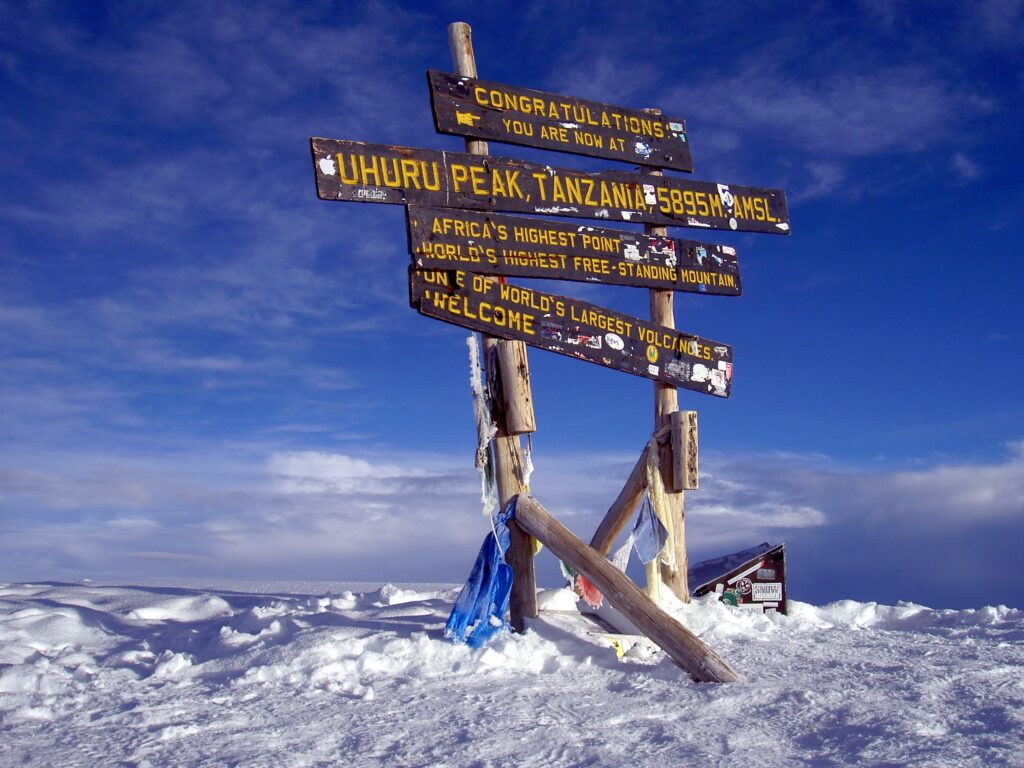
Fabulous climbing Mount Kilimanjaro in Tanzania is one of the most iconic high altitude trekking experiences in the world, attracting adventurers seeking to reach Uhuru Peak, the highest point in Africa at 5,895 meters above sea level. Understanding height, prominence, and altitude gain is essential for successful acclimatization and summit success rates. Kilimanjaro is a free-standing mountain with extreme vertical gain from base to summit, making it a unique challenge among the Seven Summits. Hikers must prepare for rapid elevation changes across multiple ecological zones. This guide explains Kilimanjaro's elevation, trekking routes, altitude sickness risks, and how prominence impacts climbing difficulty and overall trekking performance on Africa’s highest mountain adventure. Proper preparation improves safety, endurance, and summit success on Kilimanjaro’s extreme altitude gain journey for all trekkers worldwide always plan.
Height of Mount Kilimanjaro
The height of Mount Kilimanjaro, located in Tanzania, reaches 5,895 meters above sea level at Uhuru Peak, making it the highest mountain in Africa and a global trekking landmark. This impressive elevation attracts climbers worldwide seeking high-altitude trekking experiences and challenging mountain climbing adventures in East Africa. Kilimanjaro’s height is often described as a vertical ecosystem journey, passing through multiple climate zones from rainforest to arctic summit conditions. Because of its prominence and isolation, Kilimanjaro offers one of the greatest vertical gains of any free-standing mountain in the world. Proper acclimatization is essential to handle the altitude increase and reduce the risks of altitude sickness during ascent. Trekkers should train adequately, choose the right Kilimanjaro route, and understand elevation gain to improve summit success probability, always safely and efficiently.
Prominence of Kilimanjaro
Prominence refers to Kilimanjaro’s isolation from surrounding terrain, making it one of the most prominent free-standing mountains in the world. This geological prominence contributes to its dramatic rise from base plains to the summit of Uhuru Peak. It enhances the mountain’s visual impact and creates a unique trekking experience across multiple altitude zones. Unlike many peaks in ranges, Kilimanjaro stands alone, increasing its prominence measurement significantly compared to nearby landscapes. This isolation results in rapid elevation gain, requiring careful acclimatization and pacing for successful summit attempts. Kilimanjaro’s prominence affects weather patterns, oxygen levels, and perceived difficulty for climbers, as the mountain rises from surrounding savannah landscapes in Tanzania, demanding physical preparation, mental endurance, strategic ascent planning for safe and successful high altitude trekking expeditions on Africa’s iconic peak safe successful high altitude trekking expeditions on Africa’s iconic peak safely always.
Altitude Gain on Kilimanjaro
Altitude gain on Mount Kilimanjaro is one of the most significant trekking challenges, rising from base gate elevations to Uhuru Peak at 5,895 meters above sea level. This extreme vertical ascent contributes to high altitude exposure, requiring acclimatization strategies and gradual climbing pace. Trekkers experience continuous elevation gain across different ecological zones, including rainforest, moorland, alpine desert, and arctic summit conditions. Understanding altitude gain is crucial for preventing altitude sickness and improving summit success rates. It also influences trekking duration, route selection, and physical endurance required for Kilimanjaro expeditions. Proper training, hydration, and pacing help climbers manage Kilimanjaro's altitude gain effectively, improving oxygen adaptation, reducing fatigue, and increasing chances of reaching Uhuru Peak successfully while navigating the mountain’s extreme elevation changes across diverse climatic and ecological trekking environments in Tanzania.
• Lemosho Route: 4,600 meters (15,100 feet) gain
• Machame Route: 4,800 meters (15,700 feet) gain
• Marangu Route: 3,900 meters (12,800 feet) gain
• Shira Route: 4,700 meters (15,400 feet) gain
• Northern Circuit Route: 4,300 meters (14,100 feet) gain
• Rongai Route: 4,400 meters (14,400 feet) gain
• Umbwe Route: 4,800 meters (15,700 feet) gain
Elevation Zones of Kilimanjaro
Mount Kilimanjaro features distinct elevation zones that change dramatically with altitude gain, creating unique ecological transitions for climbers. These zones include cultivated farmland, rainforest, heath, moorland, alpine desert, and Arctic summit conditions. Each zone reflects decreasing oxygen levels and increasing altitude challenges for trekkers. Understanding elevation zones helps climbers prepare physically and mentally for ascent. Proper acclimatization improves performance and reduces altitude sickness risk across all zones. Kilimanjaro’s elevation zones are essential for understanding altitude gain, summit success, and trekking safety. They influence climbing speed, oxygen adaptation, and route difficulty across the mountain from base forests to alpine deserts and arctic summit conditions at Uhuru Peak, requiring careful acclimatization, physical preparation, hydration, and strategic pacing for safe ascent on Africa’s highest mountain expedition experience in Tanzania Kilimanjaro climbs safely always.
Route Length and Elevation Gain
Kilimanjaro routes vary in length and altitude gain, influencing acclimatization success and summit rates. Popular routes include Marangu, Machame, Lemosho, Rongai, and Northern Circuit. Each route offers different elevation profiles and trekking durations. Longer routes improve acclimatization and reduce altitude sickness risk, while shorter routes increase difficulty due to rapid altitude gain. Choosing the right Kilimanjaro route is critical for managing altitude gain, elevation exposure, and overall trekking success on Africa’s highest mountain. Lemosho and Northern Circuit provide gradual ascent profiles ideal for acclimatization, while Machame and Marangu offer shorter itineraries with faster elevation gain challenges affecting oxygen levels, stamina, and summit success probability for climbers requiring careful preparation, pacing, hydration, and acclimatization strategies to safely reach Uhuru Peak despite extreme elevation changes on Kilimanjaro in Tanzania successfully always climb peak.
• Lemosho Route: 1,400 meters (4,600 feet)
• Machame Route: 1,800 meters (5,900 feet)
• Marangu Route: 1,800 meters (5,900 feet)
• Shira Route: 2,600 meters (8,500 feet)
• Northern Circuit Route: 2,700 meters (8,900 feet)
• Rongai Route: 2,000 meters (6,600 feet)
• Umbwe Route: 1,600 meters (5,200 feet)
Altitude Sickness and Elevation Impact
Altitude sickness is one of the biggest challenges caused by Kilimanjaro’s extreme height, prominence, and rapid altitude gain. As climbers ascend above 3,000 meters, oxygen levels drop significantly, affecting physical performance and mental focus. Symptoms may include headache, nausea, dizziness, and fatigue, especially on faster ascent routes. Understanding elevation impact is crucial for safe trekking on Mount Kilimanjaro. Proper acclimatization, hydration, and slow ascent strategies reduce risks and improve summit success rates. The mountain’s free standing prominence increases exposure to changing atmospheric pressure and thin air conditions. Trekkers are advised to choose longer routes and follow “climb high, sleep low” principles. Training before the expedition improves oxygen efficiency and endurance. Managing altitude sickness is essential for reaching Uhuru Peak safely while enjoying the world-class trekking experience across Kilimanjaro’s diverse ecological and elevation zones.
Oxygen Levels and Elevation Pressure
Oxygen levels on Mount Kilimanjaro decrease steadily as elevation increases, directly affecting trekking performance and endurance. At sea level, oxygen concentration is stable, but at Uhuru Peak, climbers experience significantly reduced oxygen pressure due to extreme altitude gain. This makes breathing more difficult and slows physical movement. The mountain’s prominence contributes to rapid atmospheric change, requiring careful acclimatization. Trekkers must understand how height impacts oxygen absorption and energy levels during ascent. Slow pacing, hydration, and proper rest are essential for adapting to low oxygen environments. Guided climbs often include monitoring for altitude sickness symptoms to ensure safety. Kilimanjaro’s elevation zones create progressive oxygen reduction challenges, testing human endurance at every stage. Successful climbers train for aerobic capacity and mental resilience to handle reduced oxygen conditions while aiming for summit success on Africa’s highest free-standing mountain peak.
Vertical Gain from Base to Summit
The vertical gain on Kilimanjaro is one of the most dramatic in global trekking, rising from approximately 800 meters at the base to 5,895 meters at Uhuru Peak. This extreme elevation difference creates a powerful physical challenge for climbers. Unlike many mountain ranges, Kilimanjaro’s prominence means hikers ascend continuously through multiple ecological zones. The steep altitude gain requires strong endurance and gradual acclimatization to prevent altitude sickness. Each trekking route presents different vertical gain profiles, affecting difficulty and summit timing. The mountain’s isolated structure increases exposure to changing oxygen levels and temperature shifts. Proper preparation, including fitness training and route selection, improves performance during ascent. Understanding vertical gain is essential for planning successful Kilimanjaro expeditions and achieving safe summit success while navigating Africa’s most iconic free standing mountain and its challenging high-altitude environment.
Climatic Changes with Elevation
Kilimanjaro’s height and altitude gain create dramatic climatic changes as climbers ascend through multiple ecological zones. Starting from warm rainforest conditions, temperatures gradually drop into cold moorlands, dry alpine deserts, and freezing arctic summit environments. This transition is directly influenced by elevation and mountain prominence. Each climate zone presents unique challenges for trekkers, including oxygen reduction and weather variability. Understanding these climatic shifts is essential for proper gear selection and acclimatization planning. The rapid change in temperature and humidity across altitude zones affects stamina and trekking speed. Climbers must prepare for both heat and cold within the same expedition. Kilimanjaro’s elevation-driven climate diversity makes it one of the most unique trekking experiences in the world, requiring careful planning, physical endurance, and awareness of altitude gain effects on weather and human performance at every stage of ascent.
Acclimatization Strategies on Kilimanjaro
Acclimatization is essential when dealing with Kilimanjaro’s height, prominence, and extreme altitude gain. Proper strategies help climbers adjust to reduced oxygen levels and changing elevation zones. Gradual ascent, hydration, and rest days improve adaptation and reduce altitude sickness risk. The “climb high, sleep low” technique is commonly used on longer routes such as Lemosho and Northern Circuit. Training before the trek enhances cardiovascular strength and oxygen efficiency. Guides monitor climbers for early symptoms of altitude stress to ensure safety. Kilimanjaro’s rapid vertical gain makes acclimatization one of the most important success factors. Without proper adaptation, summit attempts may fail due to fatigue or illness. Understanding elevation impact helps trekkers prepare mentally and physically. Successful acclimatization increases endurance, improves breathing efficiency, and significantly raises summit success probability on Africa’s tallest free-standing mountain expedition experience.
Trekking Difficulty and Elevation Gain
Trekking difficulty on Kilimanjaro is strongly influenced by height, prominence, and altitude gain rather than technical climbing skills. The mountain is non-technical but physically demanding due to rapid elevation changes. Climbers must endure long hiking days, steep ascents, and thin air conditions. As altitude increases, stamina decreases, making each step more challenging. Route selection plays a major role in managing difficulty levels. Longer routes reduce stress from rapid altitude gain, while shorter routes increase fatigue risk. Proper fitness training improves endurance and oxygen utilization. The mountain’s isolated prominence exposes trekkers to extreme weather and oxygen variation. Understanding elevation gain is key to preparing for summit success. Kilimanjaro’s difficulty lies in its altitude, not terrain, making it a unique high-altitude trekking challenge requiring preparation, patience, and resilience to reach Uhuru Peak successfully.
Summit Success and Altitude Factors
Summit success on Mount Kilimanjaro depends heavily on managing height, prominence, and altitude gain effectively. Climbers who understand elevation challenges have higher success rates reaching Uhuru Peak. Proper acclimatization, slow ascent, and hydration significantly improve performance at high altitude. The mountain’s free-standing nature increases exposure to rapid atmospheric changes, making preparation essential. Oxygen levels drop dramatically near the summit, requiring strong mental and physical endurance. Choosing longer trekking routes increases adaptation time and reduces altitude sickness risk. Guided expeditions ensure safety monitoring and pacing strategies. Fitness training before the climb enhances stamina and breathing efficiency. Kilimanjaro’s elevation profile demands both physical strength and mental determination. Successful climbers respect altitude gain and adapt accordingly, ensuring safe arrival at Africa’s highest point while experiencing one of the world’s most iconic trekking adventures.
Altitudes of Kilimanjaro’s Three Cones
Mount Kilimanjaro consists of three volcanic cones: Kibo, Mawenzi, and Shira, each with distinct altitudes and geological significance. Kibo is the highest cone, reaching 5,895 meters at Uhuru Peak, and is the only one with permanent ice fields and the main summit used by climbers. Mawenzi rises to about 5,149 meters and is highly rugged, steep, and rarely climbed due to its technical difficulty. Shira, the oldest cone, stands at approximately 3,962 meters and has largely eroded into a plateau. These cones reflect Kilimanjaro’s volcanic origin and contribute to its overall prominence and elevation structure. Understanding the altitude differences between the cones helps trekkers appreciate the mountain’s geological history and vertical complexity. The variation in height also influences trekking routes, acclimatization patterns, and the overall experience of climbing Africa’s highest free standing mountain in Tanzania safely and successfully.
Kilimanjaro’s Position Among the Seven Summits
Mount Kilimanjaro holds a prestigious position as one of the Seven Summits, representing the highest peak in Africa and one of the most accessible high altitude climbs in the world. At 5,895 meters, it is the tallest free standing mountain globally, making it unique among continental summits. Compared to other Seven Summits like Mount Everest or Denali, Kilimanjaro requires no technical climbing skills, yet its altitude gain and prominence make it physically demanding. Its rapid elevation change challenges climbers with reduced oxygen levels and acclimatization needs. Kilimanjaro’s status attracts trekkers seeking a non-technical high altitude adventure with global significance. It is often considered the best entry point into extreme altitude trekking. Its inclusion in the Seven Summits highlights its geographical importance, trekking popularity, and iconic status within global mountaineering achievements across Africa and the world.
Final Thought
Climbing Mount Kilimanjaro is a powerful journey defined by height, prominence, and extreme altitude gain that challenges both body and mind. As Africa’s highest free-standing mountain, it offers a unique trekking experience through diverse ecological and climatic zones. Understanding elevation changes is essential for safe and successful summit attempts. Proper preparation, route selection, and acclimatization strategies greatly increase the chances of reaching Uhuru Peak. Kilimanjaro’s prominence creates dramatic vertical rise and rapid oxygen variation, making it one of the most iconic high-altitude trekking destinations in the world. Trekkers who respect the mountain’s elevation challenges enjoy safer and more rewarding experiences. Ultimately, Kilimanjaro is not just about reaching the summit, but about understanding altitude, endurance, and personal resilience across every stage of ascent on Tanzania’s legendary mountain adventure experience.
Height, Prominence, And Altitude Gain When Climbing Kilimanjaro: FAQs
What can you expect from height of Mount Kilimanjaro?
The height of Mount Kilimanjaro, located in Tanzania, reaches 5,895 meters above sea level at Uhuru Peak, making it the highest mountain in Africa and a global trekking landmark. This impressive elevation attracts climbers worldwide seeking high-altitude trekking experiences and challenging mountain climbing adventures in East Africa.
What should you know about prominence of Kilimanjaro?
Prominence refers to Kilimanjaro’s isolation from surrounding terrain, making it one of the most prominent free-standing mountains in the world. This geological prominence contributes to its dramatic rise from base plains to the summit of Uhuru Peak. It enhances the mountain’s visual impact and creates a unique trekking experience across multiple altitude zones.
What can you expect from altitude gain on Kilimanjaro ?
Altitude gain on Mount Kilimanjaro is one of the most significant trekking challenges, rising from base gate elevations to Uhuru Peak at 5,895 meters above sea level. This extreme vertical ascent contributes to high altitude exposure, requiring acclimatization strategies and gradual climbing pace. Trekkers experience continuous elevation gain across different ecological zones, including rainforest, moorland, alpine desert, and arctic summit conditions.
What should you know about elevation zones of Kilimanjaro?
Mount Kilimanjaro features distinct elevation zones that change dramatically with altitude gain, creating unique ecological transitions for climbers. These zones include cultivated farmland, rainforest, heath, moorland, alpine desert, and Arctic summit conditions. Each zone reflects decreasing oxygen levels and increasing altitude challenges for trekkers. Understanding elevation zones helps climbers prepare physically and mentally for ascent.
What is Route Length and Elevation Gain like?
Kilimanjaro routes vary in length and altitude gain, influencing acclimatization success and summit rates. Popular routes include Marangu, Machame, Lemosho, Rongai, and Northern Circuit. Each route offers different elevation profiles and trekking durations. Longer routes improve acclimatization and reduce altitude sickness risk, while shorter routes increase difficulty due to rapid altitude gain.
What can you expect from altitude sickness and elevation impact?
Altitude sickness is one of the biggest challenges caused by Kilimanjaro’s extreme height, prominence, and rapid altitude gain. As climbers ascend above 3,000 meters, oxygen levels drop significantly, affecting physical performance and mental focus. Symptoms may include headache, nausea, dizziness, and fatigue, especially on faster ascent routes.
What should you know about oxygen levels and elevation pressure for height, prominence, and altitude gain when climbing Kilimanjaro?
Oxygen levels on Mount Kilimanjaro decrease steadily as elevation increases, directly affecting trekking performance and endurance. At sea level, oxygen concentration is stable, but at Uhuru Peak, climbers experience significantly reduced oxygen pressure due to extreme altitude gain. This makes breathing more difficult and slows physical movement.
What can you expect from vertical gain from base to summit?
The vertical gain on Kilimanjaro is one of the most dramatic in global trekking, rising from approximately 800 meters at the base to 5,895 meters at Uhuru Peak. This extreme elevation difference creates a powerful physical challenge for climbers. Unlike many mountain ranges, Kilimanjaro’s prominence means hikers ascend continuously through multiple ecological zones.
Climb Kilimanjaro With Confidence
Tell us your dates and fitness, and our experienced mountain team will plan a safe, well-acclimatized private climb.