14 Essential Gadgets for the Independent Solo Traveller
The 14 essential gadgets for independent solo travellers are a power bank, universal adapter, noise-cancelling headphones, luggage scale, personal safety alarm, first-aid kit, reusable water bottle, packing cubes, waterproof phone case, compression daypack, RFID-blocking passport holder, a good camera, a headlamp and a local SIM or eSIM. It adds real peace of mind. Most solo travellers find it invaluable.
Which gadgets should independent solo travellers pack? Travelling alone means you rely on yourself for safety, power, navigation and organisation, so a few smart gadgets make a big difference. The 14 essentials include a power bank, universal adapter, noise-cancelling headphones, luggage scale, personal safety alarm, first-aid kit, reusable water bottle, packing cubes, waterproof phone case, compression daypack, RFID-blocking passport holder, a good camera, a headlamp and a local SIM or eSIM. This guide explains why each gadget matters and how to use them on a solo safari or trip in Tanzania. Test it before you travel. Lightweight options are best.
Solo Travel Gadgets at a Glance
Solo travel offers freedom, flexibility and personal growth, but it also means carrying everything you need to stay safe, connected and organised. The best gadgets are lightweight, reliable and solve real problems on the road, from charging devices to protecting documents. Choosing the right kit lets you travel confidently and focus on the experience. This overview summarises the key categories of gadgets for solo travellers, with practical recommendations for trips and private safaris in Tanzania and East Africa. It saves time and stress. Keep it within easy reach. Quality matters for reliability. Small items make a big difference.
| Key fact | Details |
|---|---|
| Power | Power bank, universal adapter |
| Safety | Personal alarm, first-aid kit, RFID holder |
| Comfort | Noise-cancelling headphones |
| Organisation | Packing cubes, luggage scale |
| Protection | Waterproof phone case |
| Daily carry | Compression daypack, water bottle |
| Memories | Good camera or smartphone |
| Connection | Local SIM or eSIM |
14 Essential Gadgets for Solo Travellers
Each of these fourteen gadgets solves a common challenge for solo travellers, from flat batteries and lost luggage to long flights and unexpected rain. Together they create a compact, practical kit that helps you stay safe, connected and comfortable wherever you go. Most are small and lightweight, making them easy to pack for flights and safari vehicles. These essential gadgets explain what to bring, why each item matters and how it helps on solo adventures in Tanzania and beyond. Our team can advise further. It is worth the space. Test it before you travel. Lightweight options are best.
A power bank of at least 10,000 mAh keeps your phone, camera and other devices charged on long travel days, game drives and in camps with limited power. For solo travellers, a charged phone is essential for navigation, communication and safety. Carry it in hand luggage, as airlines usually require this. Test it before you travel.
A universal adapter with USB ports lets you charge several devices from one socket. Tanzania mainly uses type G sockets, the same three-pin style used in the United Kingdom. Choosing an adapter with surge protection helps protect your electronics from power fluctuations in remote areas and older buildings. Test it before you travel. It adds real peace of mind.
Noise-cancelling headphones make long flights, airport waits and bus journeys far more comfortable, reducing engine noise and helping you rest. They are also useful for listening to podcasts, music or language lessons while travelling alone. Choose a lightweight, foldable pair with long battery life and a protective case. Test it before you travel. It adds real peace of mind.
A small digital luggage scale helps you avoid excess baggage fees, especially on light aircraft flights to safari parks, where limits are often around 15 kilograms in soft bags. Weighing your bag before travel and after shopping keeps you within limits and avoids stressful repacking at the airport. Test it before you travel. It adds real peace of mind.
A compact personal safety alarm produces a loud sound when activated, helping attract attention if you feel unsafe. It is small enough to clip onto a bag or keyring. While most destinations are safe for solo travellers, carrying an alarm adds peace of mind, especially when walking in unfamiliar towns. Test it before you travel.
A compact first-aid kit with plasters, blister treatment, pain relief, antiseptic, rehydration salts and any personal medicines is essential for solo travellers. It lets you handle minor problems quickly without searching for a pharmacy. Ask your doctor about specific medicines, such as malaria prevention, before travelling to Tanzania. Test it before you travel. It adds real peace of mind.
A reusable insulated or filter water bottle reduces plastic waste and keeps you hydrated in hot climates. Many lodges and safari vehicles provide refills of safe drinking water. Tanzania has banned single-use plastic bags, and many travellers also prefer to avoid single-use bottles to support sustainable tourism. Test it before you travel. It adds real peace of mind.
Packing cubes keep your clothes and accessories organised, making it easier to find items quickly in tents, hotel rooms and vehicles. They also compress clothing, saving space in soft-sided bags. For solo travellers moving frequently between places, packing cubes make packing and unpacking much faster and more efficient. Test it before you travel. It adds real peace of mind.
A waterproof phone case or pouch protects your phone from rain, dust, sand and splashes on boat trips, beaches and game drives. It is especially useful in Zanzibar and on safari during the green season. Many cases still allow you to use the touchscreen and camera, so you never miss a moment. Test it before you travel.
A lightweight, packable daypack folds into a small pouch when not in use and expands for day trips, game drives and city walks. It holds water, snacks, a jacket, sunscreen and your camera. Choose one with padded straps and a secure zip pocket for valuables when exploring busy markets. Test it before you travel. It adds real peace of mind.
An RFID-blocking passport holder or wallet helps protect cards and passports with contactless chips from electronic skimming. It also keeps important documents, cards and cash organised in one secure place. For solo travellers, keeping documents safe and easy to access at airports and borders is especially important. Test it before you travel. It adds real peace of mind.
A good camera or smartphone lets you capture memories of your journey. For safari, a camera with a zoom lens of around 100–400 mm is ideal for wildlife. A modern smartphone works well for landscapes, people and city scenes. Bring spare memory cards and back up your photos regularly. Test it before you travel. It adds real peace of mind.
A headlamp is essential for walking around camps at night, finding items in your tent and early morning starts. It keeps your hands free and is safer than using a phone light. Choose a lightweight model with a red light mode, which is less disruptive to wildlife and other guests. Test it before you travel.
A local SIM card or eSIM with a data bundle keeps you connected for maps, messages, ride bookings and emergencies at a much lower cost than roaming. In Tanzania, local SIM cards can be bought in towns such as Arusha and Moshi with your passport. Connectivity varies in remote parks. Test it before you travel.
Gadgets for Different Solo Trips
The right gadgets depend on the type of solo trip you are taking. A safari, a mountain climb, a beach holiday and a city break each have different needs for power, protection and organisation. Thinking about your activities helps you pack only what you will really use and keep weight low. These five solo trip types explain which gadgets matter most, helping you build a practical kit for a solo safari, Kilimanjaro climb or Zanzibar escape with our team. Test it before you travel. It adds real peace of mind. Lightweight options are best. It saves time and stress.
Solo Safari
Camera, binoculars, power bank
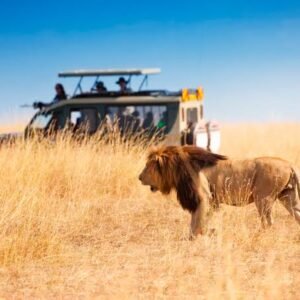
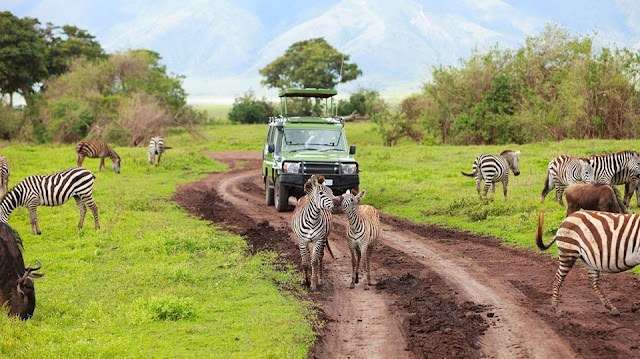
On a solo safari, prioritise a camera with a zoom lens, binoculars, a power bank, a universal adapter and a headlamp for camps. A luggage scale helps with light aircraft limits. A private safari gives you your own vehicle and guide, so you can focus on photography and wildlife at your own pace. Test it before you travel.
Solo safari guide →Solo Kilimanjaro Climb
Headlamp, power bank, water bottle
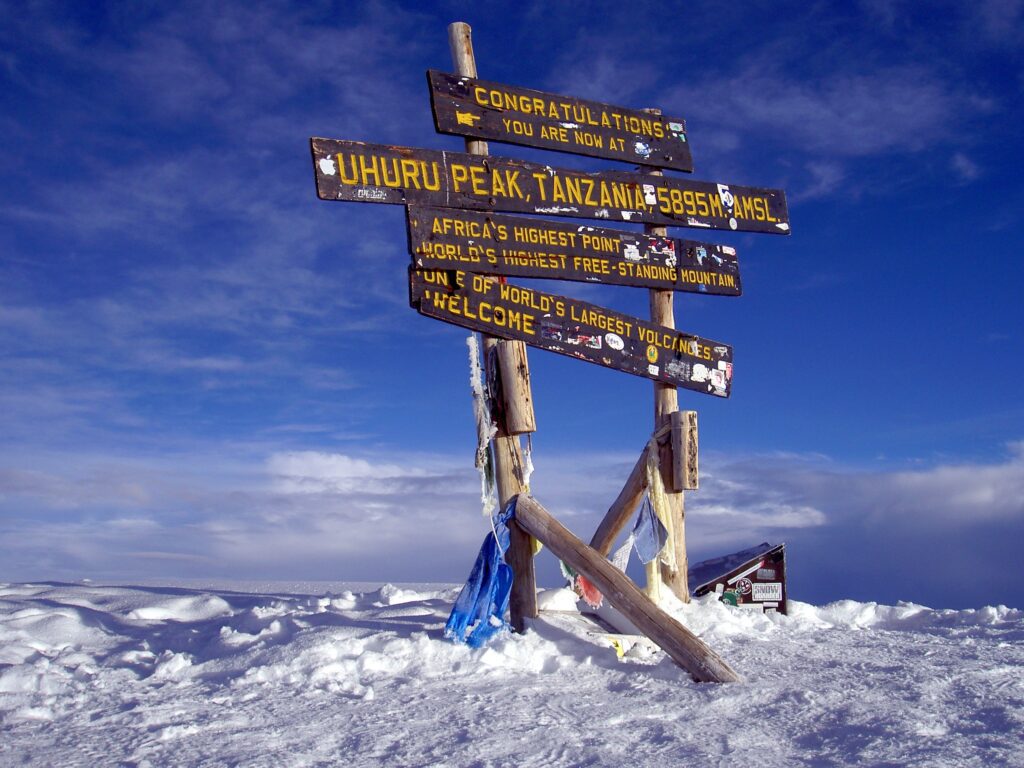
For a solo Kilimanjaro climb, a reliable headlamp, large power bank, insulated water bottle and first-aid kit are essential. Keep batteries warm in cold temperatures. Packing cubes help organise gear in your duffel, while a waterproof phone case protects your phone from rain and dust along the route. Test it before you travel. It adds real peace of mind.
Kilimanjaro internet →Solo Beach Escape
Waterproof case, daypack, water bottle
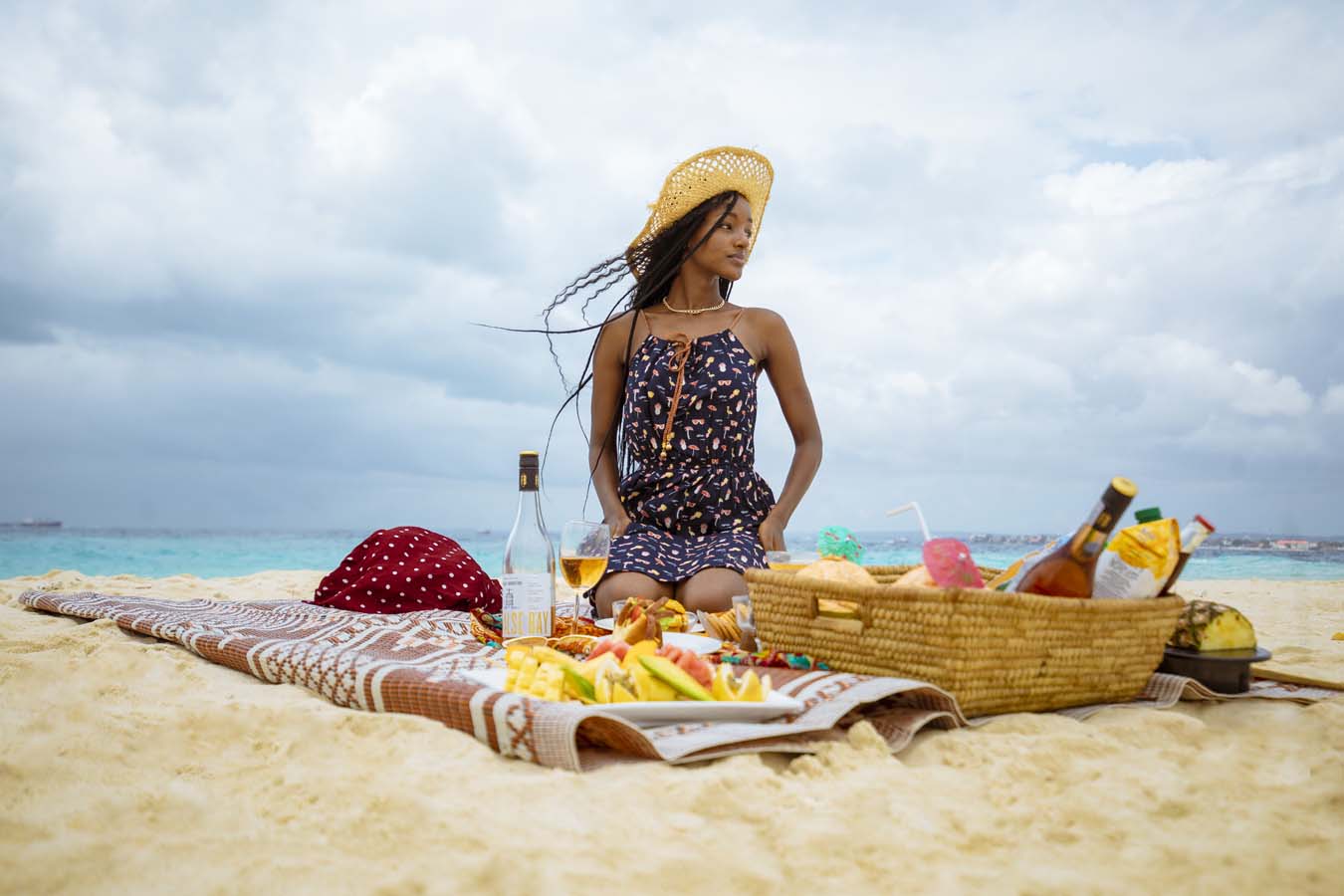
On a solo beach trip to Zanzibar, a waterproof phone case, compression daypack, reusable water bottle and sun-safe essentials are most useful. A personal safety alarm and RFID holder add peace of mind in busy areas such as Stone Town. Noise-cancelling headphones help you relax on flights and transfers. Test it before you travel. It adds real peace of mind.
Stone Town tours →Solo City Exploring
Local SIM, RFID holder, safety alarm
When exploring towns such as Arusha, Moshi or Dar es Salaam alone, a local SIM or eSIM for maps and ride bookings, an RFID-blocking holder for documents and a personal safety alarm are especially useful. A compact daypack with a secure pocket keeps valuables close in markets and busy streets. Test it before you travel.
Arusha guide →Long-Haul Travel Days
Headphones, power bank, packing cubes
On long travel days, noise-cancelling headphones, a power bank, packing cubes and a luggage scale make journeys smoother and more relaxing. Keep essentials such as medicines, documents and chargers in your hand luggage. Downloading entertainment, maps and travel documents before you leave helps when connectivity is limited. Test it before you travel. It adds real peace of mind.
Top safari gadgets →Solo Travel Gadget Dos and Don'ts
Gadgets help solo travellers stay safe and organised, but how you use them matters just as much as what you pack. Simple habits, such as charging devices each evening and keeping copies of important documents, prevent problems later. Being discreet with expensive electronics in busy places also reduces risk. These dos and don'ts explain how to use your gadgets wisely as a solo traveller, helping you enjoy a confident, connected and stress-free journey in Tanzania and across East Africa. Test it before you travel. It adds real peace of mind. Lightweight options are best. It saves time and stress.
Do
- Charge devices every evening
- Keep digital copies of documents
- Download offline maps before you travel
- Tell someone your plans each day
- Keep valuables in a secure pocket
Don't
- Displaying expensive gear in busy areas
- Relying on one charging device only
- Packing power banks in checked luggage
- Ignoring light aircraft weight limits
- Spending the whole trip on screens
Solo Travel Gadgets: FAQs
What gadgets should solo travellers bring?
Solo travellers should bring a power bank, universal adapter, noise-cancelling headphones, luggage scale, personal safety alarm, first-aid kit, reusable water bottle, packing cubes, waterproof phone case, compression daypack, RFID-blocking passport holder, a good camera, a headlamp and a local SIM or eSIM for reliable connectivity. Test it before you travel. It adds real peace of mind.
What is the most important gadget for solo travel?
A power bank is often the most important gadget for solo travel, as a charged phone is essential for navigation, communication, bookings and safety. Pair it with a universal adapter and a local SIM or eSIM. Together, these keep you connected and in control throughout your journey. Test it before you travel. It adds real peace of mind.
Is Tanzania safe for solo travellers?
Tanzania is generally safe for solo travellers who use reputable operators and follow sensible precautions. Safari areas are very safe with professional guides. In towns, avoid walking alone at night, use licensed taxis and keep valuables secure. Check your government's travel advice before you travel and arrange travel insurance. Test it before you travel. It adds real peace of mind.
Do I need a personal safety alarm?
A personal safety alarm is not essential, but many solo travellers carry one for peace of mind. It is small, lightweight and easy to use, producing a loud sound to attract attention if needed. It is most useful in towns and cities rather than on guided safaris or climbs. Test it before you travel. It adds real peace of mind.
What plug adapter do I need for Tanzania?
Tanzania mainly uses type G sockets, the same three-pin style used in the United Kingdom, with a standard voltage of 230 volts. A universal adapter with USB ports and surge protection is the most practical choice, letting you charge several devices at once in lodges, hotels and camps. Test it before you travel. It adds real peace of mind.
Should I buy a local SIM card in Tanzania?
Yes. A local SIM card or eSIM with a data bundle is usually far cheaper than international roaming. You can buy SIM cards in towns such as Arusha and Moshi with your passport. Coverage is good in towns but varies in remote parks and on mountains, so download offline maps. Test it before you travel.
Why do I need a luggage scale?
A luggage scale helps you avoid excess baggage fees and stay within limits, especially on light aircraft flights to safari parks, which often allow around 15 kilograms per person in soft bags. Weighing your bag before flying and after shopping prevents stressful repacking at airports and airstrips. Test it before you travel. It adds real peace of mind.
Are RFID-blocking wallets worth it?
RFID-blocking wallets and passport holders add an extra layer of protection against electronic skimming of contactless cards and passports. They also keep documents organised in one secure place. While the risk of skimming is relatively low, many solo travellers appreciate the extra peace of mind they provide. Test it before you travel. It adds real peace of mind.
Can I go on safari alone in Tanzania?
Yes. Many solo travellers enjoy private safaris in Tanzania, with their own vehicle and experienced guide. This gives full flexibility over pace and activities and a more personal experience. Our team designs private safaris for solo travellers, including lodges that welcome single guests and offer social dining areas. Test it before you travel. It adds real peace of mind.
What first-aid items should solo travellers carry?
Carry plasters, blister treatment, antiseptic wipes, pain relief, antihistamines, rehydration salts, insect repellent and any personal medicines. Ask your doctor about malaria prevention and other health advice before travelling to Tanzania. Keep medicines in their original packaging with copies of prescriptions in your hand luggage. Test it before you travel. It adds real peace of mind.
How do I keep my phone charged while travelling alone?
Carry a power bank, charge devices every evening and use airplane mode or low-power mode when you do not need signal. A universal adapter helps you use any socket. On safari, many vehicles have charging points, while remote camps may have limited solar power, so plan ahead. Test it before you travel. It adds real peace of mind.
Should I bring a camera or use my smartphone?
A modern smartphone is great for landscapes, people and city scenes. For safari wildlife, a camera with a zoom lens of around 100–400 mm gives much better results. Many solo travellers bring both, using the smartphone for quick moments and the camera for wildlife and special sightings. Test it before you travel. It adds real peace of mind.
Do lodges in Tanzania have Wi-Fi?
Many lodges and camps in Tanzania offer Wi-Fi in common areas, though speeds may be slow and coverage limited in remote parks. Some offer Wi-Fi in rooms. A local SIM or eSIM provides backup connectivity in towns and some parks. Download important documents and entertainment before you travel. Test it before you travel. It adds real peace of mind.
How do I plan a solo trip to Tanzania with you?
Contact our Arusha-based team with your dates and interests. We will design a private, tailor-made solo safari, Kilimanjaro climb or Zanzibar escape, recommend welcoming lodges and send a detailed packing list, including gadgets, so you can travel alone with confidence and complete peace of mind. Test it before you travel. It adds real peace of mind.
More Travel Gear Guides
Travel Solo With Confidence
Tell us your dates and interests, and our Arusha-based team will design a private, tailor-made solo safari, climb or beach escape, with welcoming lodges, an experienced guide and a detailed packing list for your trip.
Start Planning