Climbing Mount Kilimanjaro is a bucket-list adventure for hikers and mountaineers worldwide, but high-altitude challenges demand careful preparation. One of the most common concerns is altitude sickness, which can affect climbers even on well-planned treks. Many adventurers ask, “Do you need Diamox to climb Kilimanjaro?” This guide explores the role of Diamox (acetazolamide) in preventing and managing altitude sickness, how it works, its benefits, potential side effects, and safe usage. We also cover alternatives for acclimatization, the use of other medications like Ibuprofen, and tips for malaria prevention with Malarone. Understanding these factors ensures climbers can safely enjoy a Kilimanjaro trek while minimizing risks associated with high-altitude exposure.
What is Diamox?
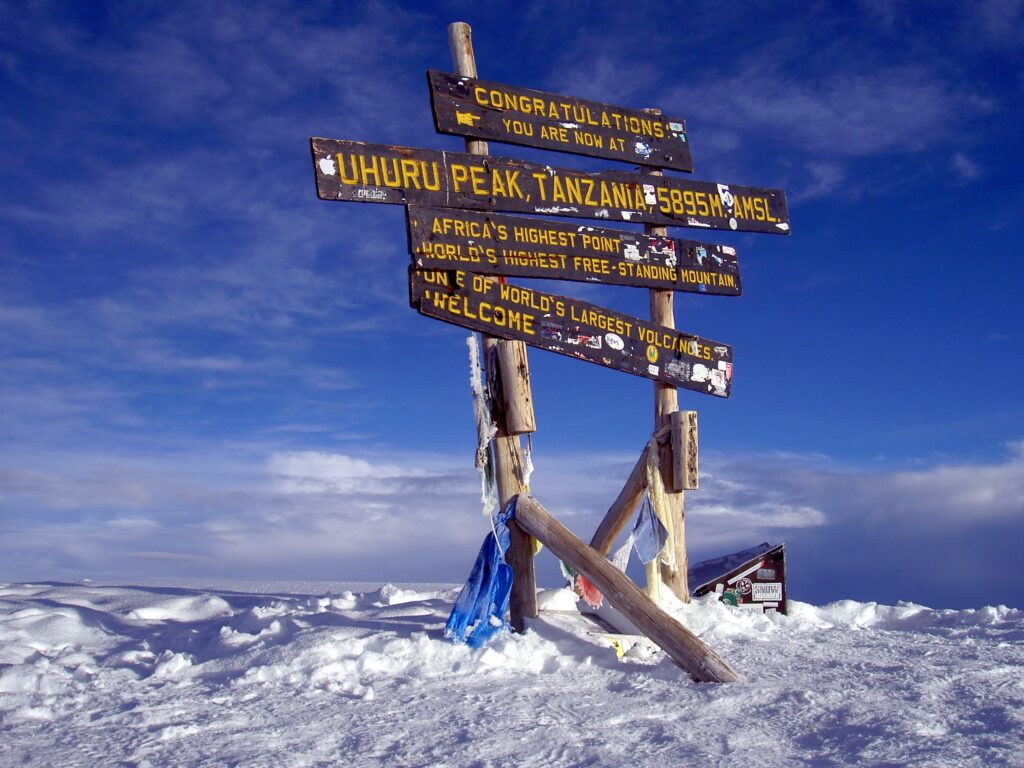
Diamox, scientifically known as acetazolamide, is a prescription medication commonly used by climbers to prevent and treat acute mountain sickness (AMS). It works as a diuretic and carbonic anhydrase inhibitor, helping the body adjust to lower oxygen levels encountered at high altitudes. On Mount Kilimanjaro, where altitudes can reach 5,895 meters (19,341 feet), AMS symptoms like headache, nausea, dizziness, and fatigue can develop rapidly. Diamox is often recommended for trekkers who are ascending faster than their bodies can naturally acclimatize. While not mandatory, many professional guides include it in their medical kits, and some climbers take it prophylactically. Choosing whether to use Diamox involves considering your health history, pace of ascent, and personal tolerance to high-altitude conditions.
How Does Diamox Work?
Diamox works by helping your body adapt to high altitudes more efficiently. At elevations above 3,000 meters, the air contains less oxygen, causing hypoxia and triggering acute mountain sickness. Diamox stimulates breathing by increasing carbon dioxide excretion through urine, which leads to faster oxygenation of the blood. It also balances the body’s acid-base levels to reduce AMS symptoms such as headaches, nausea, and shortness of breath. By enhancing acclimatization, Diamox allows climbers to ascend more comfortably and safely, reducing the likelihood of severe altitude-related complications. While effective, it is not a substitute for proper acclimatization, hydration, and gradual ascent—critical strategies for a successful Kilimanjaro climb. Always consult a healthcare provider before using Diamox to ensure suitability for your health.
Benefits of Using Diamox
The primary benefit of Diamox for Kilimanjaro climbers is reducing the severity and risk of altitude sickness. It can significantly ease symptoms like headaches, nausea, fatigue, and sleep disturbances, allowing trekkers to maintain energy and morale. Diamox also supports faster acclimatization, making higher camps more accessible without severe discomfort. Many guides report improved summit success rates among climbers who take Diamox, especially on shorter treks like the Marangu or Machame routes. For travelers planning a Kilimanjaro climb with limited acclimatization time, Diamox offers a safety net while promoting better oxygen uptake. However, its effectiveness is enhanced when combined with gradual ascent, hydration, and proper nutrition. Overall, Diamox provides peace of mind and increased physical resilience in high-altitude conditions.
Potential Side Effects of Diamox
While Diamox offers substantial benefits, it can cause side effects, ranging from mild to moderate. Common reactions include frequent urination, tingling sensations in fingers or toes, taste alterations, and mild nausea. Some climbers experience fatigue or headache, paradoxically similar to altitude sickness symptoms. Rarely, severe allergic reactions, skin rashes, or electrolyte imbalances may occur, emphasizing the importance of medical consultation before use. Individuals with kidney or liver disease, sulfa allergies, or respiratory conditions must be particularly cautious. Monitoring hydration is critical since Diamox’s diuretic effect increases fluid loss. Awareness and preparation allow climbers to manage minor side effects effectively, ensuring a safer Kilimanjaro ascent while benefiting from the medication’s preventive properties.
Dosage and Administration
For altitude sickness prevention on Mount Kilimanjaro, Diamox is typically taken at 125–250 mg twice daily, starting 24–48 hours before ascent. Some guides adjust dosing based on age, health status, and climbing pace. It is essential to maintain proper hydration, as increased urination can lead to dehydration. Diamox can be taken with or without food, but consistent timing helps maintain steady blood levels. Duration usually continues until climbers reach lower altitudes or complete the trek. Always follow a physician’s prescription and avoid self-adjusting doses. Proper administration, combined with gradual ascent and acclimatization, maximizes effectiveness while minimizing potential side effects. Carry extra medication for emergencies when climbing Kilimanjaro.
Is Diamox Right for YOU?
Deciding whether to take Diamox depends on your health, trekking plan, and susceptibility to altitude sickness. Individuals with a history of severe AMS may benefit more from prophylactic use, while healthy climbers on slower routes may not need it. A pre-climb consultation with a healthcare provider is essential, particularly for those with kidney, liver, or heart conditions or sulfa allergies. Consider the route’s elevation gain, daily hiking distance, and your acclimatization schedule. Diamox can enhance safety and comfort but is not a replacement for proper pacing, hydration, and rest. Personal experience with high-altitude trekking, combined with medical advice, ensures a balanced approach for a successful Kilimanjaro climb.
Alternatives to Help Acclimatization
Beyond Diamox, climbers can reduce altitude sickness risk with natural acclimatization strategies. Gradual ascent is key—spending extra nights at intermediate camps allows the body to adjust to lower oxygen levels. Hydration, balanced meals, and limiting alcohol or caffeine intake support optimal physiological function. Regular rest, controlled hiking pace, and monitoring symptoms are essential. Breathing exercises and “climb high, sleep low” techniques enhance acclimatization. Portable oxygen and altitude tents offer supplemental support for sensitive individuals. While these methods do not replace medication for severe AMS, combining lifestyle strategies with professional guidance significantly increases summit success rates on Kilimanjaro while minimizing the need for pharmacological interventions like Diamox.
A Note about Ibuprofen
Ibuprofen is a nonsteroidal anti-inflammatory drug (NSAID) often used alongside acclimatization strategies for Kilimanjaro climbs. It helps relieve headaches, muscle soreness, and minor inflammation associated with altitude sickness or strenuous trekking. While it does not prevent AMS like Diamox, it can improve comfort during early symptoms. Climbers should adhere to recommended dosages and avoid combining NSAIDs with other medications that affect kidney function or hydration status. Staying well-hydrated is crucial, as both Ibuprofen and high-altitude exertion can strain the kidneys. Used responsibly, Ibuprofen is a practical adjunct for symptom management, making challenging Kilimanjaro routes more tolerable without replacing primary preventive strategies like proper acclimatization or Diamox.
A Note about Malarone and Malaria on Kilimanjaro
Although Mount Kilimanjaro itself is not a high-risk area for malaria due to elevation, climbers often travel through lowland regions such as Moshi or Arusha before ascent. Malarone (atovaquone-proguanil) is a widely recommended prophylactic to prevent malaria in these areas. Starting the medication 1–2 days before entering a malaria zone, continuing daily during exposure, and after leaving, ensures protection. Combining Malarone with insect precautions, such as repellent and nets, reduces infection risk. Understanding regional health requirements and consulting a travel physician ensures a safe Kilimanjaro expedition from base to summit while addressing both altitude sickness and malaria risks effectively.
Myths About Diamox
Common myths about Diamox (Acetazolamide) include the false beliefs that it masks severe altitude sickness symptoms, prevents all Acute Mountain Sickness (AMS), or causes immediate illness if stopped. In reality, Diamox accelerates natural acclimatization by stimulating breathing and increasing oxygen intake. Kilimanjaro AMS prevention drugs, High altitude medication for mountain climbing, Best ways to prevent altitude sickness Kilimanjaro, Do climbers summit Kilimanjaro without Diamox, Acetazolamide altitude sickness Kilimanjaro tips.
Myth 1: Diamox Completely Prevents Altitude Sickness
Many climbers assume that taking Diamox guarantees they won’t suffer from altitude sickness. In reality, Diamox, also known as acetazolamide, helps prevent and reduce symptoms like headaches, nausea, and dizziness, but does not eliminate the risk. Successful high-altitude climbing depends on gradual acclimatization, hydration, and proper pacing. Friendly keywords include altitude sickness prevention, Diamox for climbing, and high-altitude safety. Understanding that Diamox is a supportive tool rather than a magic cure helps climbers plan responsibly, reducing the chances of severe altitude sickness while optimizing performance on peaks like Mount Kilimanjaro or Andes expeditions.
Myth 2: Diamox is Unsafe
A common misconception is that Diamox is dangerous. However, medical studies confirm that Diamox is generally safe for most healthy adults when taken as prescribed. Side effects are usually mild, including tingling sensations, frequent urination, or taste changes, and serious reactions are rare. Keywords: Diamox safety, altitude medication, side effects of Diamox. Climbers with pre-existing kidney, liver, or sulfa allergies should consult a doctor. Overall, Diamox remains a trusted medication for altitude acclimatization, helping prevent life-threatening conditions like acute mountain sickness (AMS) without compromising health when monitored properly. Explore Diamox Kilimanjaro altitude sickness, Diamox for Mount Kilimanjaro climb, Kilimanjaro altitude sickness medicine Diamox, Climbing Kilimanjaro with Diamox.
Myth 3: You Should Only Take Diamox Once Symptoms Appear
Some believe Diamox should only be used after altitude sickness symptoms begin. In truth, Diamox is most effective as a preventative. Taking it before ascent helps the body acclimatize faster, reducing headaches, nausea, and fatigue. SEO keywords: prevent altitude sickness, proactive Diamox use, climb high altitude safely. Waiting until symptoms appear may reduce its effectiveness, increasing the risk of AMS. Climbers planning trips to high-altitude destinations benefit from a structured dosing schedule that starts 24–48 hours before ascent, combined with gradual elevation gain and hydration, maximizing safety and comfort on challenging treks. Discover if Diamox is necessary for Kilimanjaro hiking, Does Diamox help altitude sickness on Kilimanjaro, Should I take Diamox for Kilimanjaro altitude sickness, Kilimanjaro altitude sickness prevention medication, How Diamox works for altitude sickness, Diamox dosage for Kilimanjaro climbers.
Myth 4: Diamox Is Only for People Who Have Experienced Altitude Sickness Before
Another myth is that Diamox is only necessary for climbers with previous AMS episodes. In reality, anyone ascending above 2,500 meters can develop altitude sickness regardless of history. Keywords: Diamox for first-time climbers, altitude sickness prevention, high-altitude medicine. Using Diamox proactively is a preventative strategy for all climbers, whether it’s Mount Kilimanjaro, Everest Base Camp, or the Andes, ensuring safer climbs. Relying solely on experience is risky, as AMS symptoms can appear unexpectedly, even in seasoned trekkers. Therefore, Diamox should be considered part of a comprehensive altitude safety plan for all high-altitude adventurers.
Myth 5: Natural Remedies Are Better Than Diamox
Some climbers favor natural remedies like ginger, garlic, or herbal teas over Diamox. While these may alleviate minor symptoms, they cannot match the clinically proven benefits of Diamox. Keywords: natural altitude remedies, Diamox vs herbs, altitude sickness medication effectiveness. Diamox accelerates breathing adaptation and oxygenation, reducing the risk of AMS. Combining natural remedies with Diamox can enhance comfort, but relying solely on herbs is risky at high altitudes. Climbers seeking Mount Kilimanjaro, Andes, or Himalayan expeditions should prioritize medically recommended treatments while using supportive natural methods, ensuring safety and successful ascents.
Myth 6: Diamox Dehydrates the Body
A common concern is that Diamox causes dangerous dehydration. While it increases urination slightly, proper hydration during climbs prevents dehydration. Keywords: Diamox hydration, altitude safety tips, drinking water at high altitude. Drinking plenty of water offsets minor fluid loss, making Diamox safe for maintaining electrolyte balance. In fact, Diamox can improve oxygen efficiency and acclimatization, outweighing the mild diuretic effect. Climbers on high-altitude treks should monitor hydration, combining water intake with Diamox use for optimal performance and safety, dispelling myths that the medication inherently dehydrates or harms the body during climbs.
Myth 7: Diamox Causes Severe Allergic Reactions in Most People
Many fear allergic reactions from Diamox, but serious allergies are extremely rare, affecting only individuals with sulfa drug sensitivity. Keywords: Diamox allergies, acetazolamide reactions, sulfa drug precautions. Most users experience mild effects like tingling fingers or altered taste. Climbers with known sulfa allergies should consult a physician and explore alternatives like dexamethasone. Overall, Diamox is widely safe and effective, making it a cornerstone in altitude sickness prevention for Mount Kilimanjaro, Himalayan, and Andean expeditions, rather than posing severe allergy risks for the general climbing population.
Myth 8: You Can Only Get Diamox with a Prescription in All Countries
While Diamox typically requires a prescription in many regions, regulations vary. In some countries, it may be available over-the-counter or through travel clinics. Keywords: Diamox prescription rules, buy Diamox legally, altitude medicine availability. Climbers should check local regulations before travel, ensuring compliance with laws in Tanzania, Nepal, or South America. Consulting a doctor is recommended to determine dosage and safety, making it both legal and medically appropriate, dispelling myths that it is universally prescription-only. Proper planning ensures climbers have access to this vital high-altitude medication.
Myth 9: Diamox is Only for High-Altitude Climbers
Some assume Diamox is relevant only for mountaineers. In reality, any high-altitude traveler—including trekkers, skiers, or pilots—can benefit. Keywords: Diamox for travelers, altitude sickness for tourists, preventive medication. Diamox reduces the risk of headaches, nausea, and fatigue for anyone ascending rapidly above 2,500 meters. Whether visiting Lake Titicaca, Everest Base Camp, or Kilimanjaro, Diamox can support safe acclimatization. Its use is not limited to professional climbers but extends to anyone exposed to significant elevation changes, making high-altitude journeys safer for all participants.
Myth 10: You Can Stop Taking Diamox Once You Feel Acclimatized
Some climbers stop Diamox prematurely, believing acclimatization eliminates the need. However, the body may still be vulnerable to AMS during ascent, and symptoms can appear suddenly. Keywords: continue Diamox, altitude sickness prevention, safe climb tips. Following the full recommended course ensures maximum protection until the highest altitude is reached. Proper dosing, hydration, and gradual ascent are key. Climbers on Mount Kilimanjaro, the Andes, or Himalayan expeditions should continue Diamox until descending to lower elevations, preventing unexpected symptoms and ensuring a safe, successful high-altitude experience.
Final Thought
Deciding whether to use Diamox for a Kilimanjaro climb requires balancing benefits, side effects, and personal health factors. Diamox can reduce altitude sickness symptoms, improve acclimatization, and increase summit success, particularly for faster itineraries or climbers prone to AMS. However, careful hydration, gradual ascent, proper nutrition, and symptom monitoring remain essential. Alternatives like “climb high, sleep low,” Ibuprofen for headaches, and malaria prevention with Malarone complement a comprehensive safety plan. Consulting a healthcare professional before departure ensures the right approach for your body and trekking style. When combined with preparation, knowledge, and professional guidance, Diamox can be a valuable tool for safely conquering Kilimanjaro’s majestic summit.