Complete Guide to Safaris for Teenagers
Complete Guide to Safaris for Teenagers
Planning a safari for teenagers can be one of the most rewarding travel experiences. Teenagers thrive on adventure, exploration, and learning opportunities, making African safaris the perfect family trip. From witnessing the Big Five in the wild to engaging in interactive cultural experiences, a safari ignites curiosity, encourages teamwork, and fosters independence. This complete guide covers everything you need to know to plan a safe, fun, and unforgettable safari experience for teenagers. Safaris for teenagers are best designed as active, engaging, and Instagram-worthy adventures, mixing wildlife viewing with activities like walking, canoeing, or conservation projects. Top destinations like Tanzania offer adrenaline-pumping experiences such as rafting, hot air ballooning, and biking to keep them engaged, ideally paired with beach relaxation in Zanzibar.
Why a Safari Is Perfect for Teenagers
A safari offers teenagers an immersive adventure unlike any other. With opportunities to witness Africa’s Big Five, explore breathtaking landscapes, and engage with wildlife, a safari fuels curiosity and independence. Teenagers benefit from hands-on learning experiences, from tracking animals in the wild to understanding conservation efforts. Safari trips encourage physical activity, outdoor exploration, and problem-solving skills, making them ideal for young adventurers. Families seeking unique vacations can combine education and excitement, allowing teens to connect with nature while developing an appreciation for global ecosystems. With options for luxury, mid-range, and budget safaris, teenagers can enjoy a customized experience tailored to their energy, interests, and adventurous spirit, making safari travel unforgettable.
Plan for Your Teenagers' Interests
When planning a safari for teenagers, consider activities that spark their curiosity and excitement. Many teens love wildlife photography, hiking, or birdwatching, while others may enjoy cultural encounters with local Maasai or Hadzabe communities. Adventure-focused teenagers may prefer game drives, hot-air balloon safaris, or kayaking excursions. Planning also involves balancing free time with structured activities to avoid fatigue. Choosing accommodations with teen-friendly amenities like Wi-Fi, swimming pools, or adventure camps can make the trip more appealing. Engaging teens in the planning process allows them to take ownership of the experience, ensuring higher participation and enthusiasm. Personalizing safaris around interests boosts learning, adventure, and family satisfaction.
- ArushaGateway
- TarangireElephants
- NgorongoroCrater
- SerengetiBig Five
- ZanzibarBeach
Best Safari Destinations for Teenagers
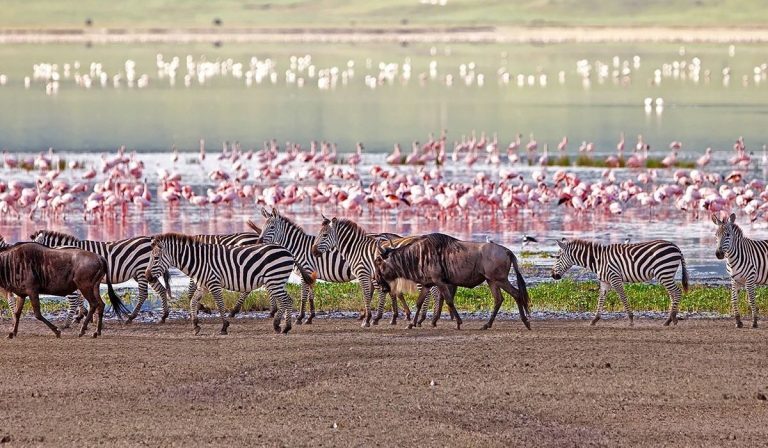
Tanzania is ideal for teenage safari adventures. Serengeti National Park offers thrilling sightings of lions, cheetahs, and the Great Migration. Ngorongoro Crater is perfect for spotting rhinos, buffalo, and elephants in a stunning natural amphitheater. Tarangire National Park captivates teens with large elephant herds and baobab landscapes. Lake Manyara National Park combines wildlife viewing with birdwatching opportunities, while Arusha National Park offers hiking and canoeing experiences. For active teens, Mount Meru hikes and cultural visits to Maasai villages provide unique adventures. Tanzania’s diversity of landscapes, wildlife, and cultural experiences ensures teenagers encounter excitement, education, and adventure in a single trip. It’s a top choice for memorable African safaris.
Best Types of Safari Activities for Teenagers
Teenagers thrive on interactive and adventurous safari activities. Classic game drives are a must, offering sightings of lions, elephants, and giraffes. Walking safaris introduce teens to animal tracking, plants, and ecosystems in a hands-on way. For thrill-seekers, hot-air balloon safaris over the Serengeti or kayaking in the Okavango Delta create lasting memories. Cultural tours with local tribes teach history, traditions, and sustainable living practices. Photography safaris develop creative skills while encouraging mindfulness. Night safaris reveal nocturnal wildlife, adding excitement and learning. Combining these activities allows teenagers to explore, learn, and challenge themselves while staying engaged. Tailoring activities to energy levels ensures the experience is safe and enjoyable.
How to Plan the Perfect Safari for Teenagers
Planning the perfect safari for teenagers involves careful research, preparation, and personalization. Start by selecting a destination that offers diverse wildlife and age-appropriate adventure activities. Involve teens in choosing lodges, excursions, and photography opportunities to boost excitement. Check seasonal wildlife patterns to maximize sightings and plan around school schedules. Consider combining safari tours with educational programs or eco-adventures for added value. Make reservations with reputable tour operators who offer teen-friendly guides and experiences. Budget planning, vaccinations, travel insurance, and packing lists are essential. By balancing structured activities with downtime, the safari becomes both educational and entertaining, creating lifelong memories for teens and the entire family.
Safety Tips for Teenagers on Safari
Safety is a top priority for teenagers on safari. Always follow the guidance of trained safari guides during game drives and walking excursions. Avoid approaching or feeding wildlife, and maintain a safe distance at all times. Teach teens to stay within sight of adults and never wander alone. Carry necessary items such as sunblock, water, hats, and insect repellent. Ensure all accommodations are secure, and use seatbelts in safari vehicles. Emergency contact numbers, local medical facilities, and a first-aid kit are essential. Educating teenagers about wildlife behavior and local regulations enhances awareness, preventing accidents and ensuring that the adventure remains thrilling yet safe throughout the trip.
Approach, feed or disturb wildlife, or leave the vehicle unless your guide says it is safe.
Follow your guide, carry travel insurance and check current health and travel advice.
Health Tips for Teenagers on Safari
Maintaining health on safari is essential for teenagers’ comfort and enjoyment. Ensure vaccinations are up to date, including travel-related shots like yellow fever and typhoid, depending on the destination. Encourage teens to stay hydrated during game drives and outdoor activities. Balanced meals at lodges, snacks, and avoiding unsafe water help prevent illness. Sunscreen, hats, and lightweight clothing protect against sunburn and heat exhaustion. Insect repellent and mosquito nets reduce the risk of malaria and other vector-borne diseases. Rest and sleep schedules should be maintained, especially during long drives. Proper preparation and health awareness ensure teenagers remain energetic, safe, and ready to fully experience safari adventures.
What Teenagers Should Pack for Safari
Packing for a safari requires thoughtful preparation for teenagers. Essential items include lightweight, breathable clothing in neutral colors, comfortable hiking shoes, a wide-brimmed hat, and sunglasses. Binoculars and cameras encourage wildlife observation and photography. A reusable water bottle, sunscreen, and insect repellent are must-haves. Layered clothing prepares teens for variable weather, especially early morning and evening drives. Personal hygiene items, medications, and a small first-aid kit ensure health and comfort. Entertainment items like journals, sketchbooks, or e-readers can fill downtime. By packing thoughtfully, teenagers can stay comfortable, safe, and engaged, enhancing their overall safari experience while minimizing stress or inconvenience during travel and excursions.
How to Keep Teenagers Engaged on Safari
Keeping teenagers engaged during safari requires balancing adventure, education, and downtime. Encourage wildlife photography challenges, journaling, and scavenger hunts to stimulate curiosity. Interactive activities like tracking animals, cultural encounters with local tribes, and participating in conservation projects maintain interest. Involve teens in planning daily excursions and choosing activities. Use technology mindfully: educational apps or offline maps can enhance learning without distractions. Offer breaks at lodges for swimming or sports, providing energy release between game drives. Celebrating wildlife sightings or achievement milestones keeps teens motivated. Engagement thrives when teenagers feel involved, challenged, and entertained, transforming the safari from a passive observation trip into an active, memorable adventure.
Typical Daily Schedule on a Safari
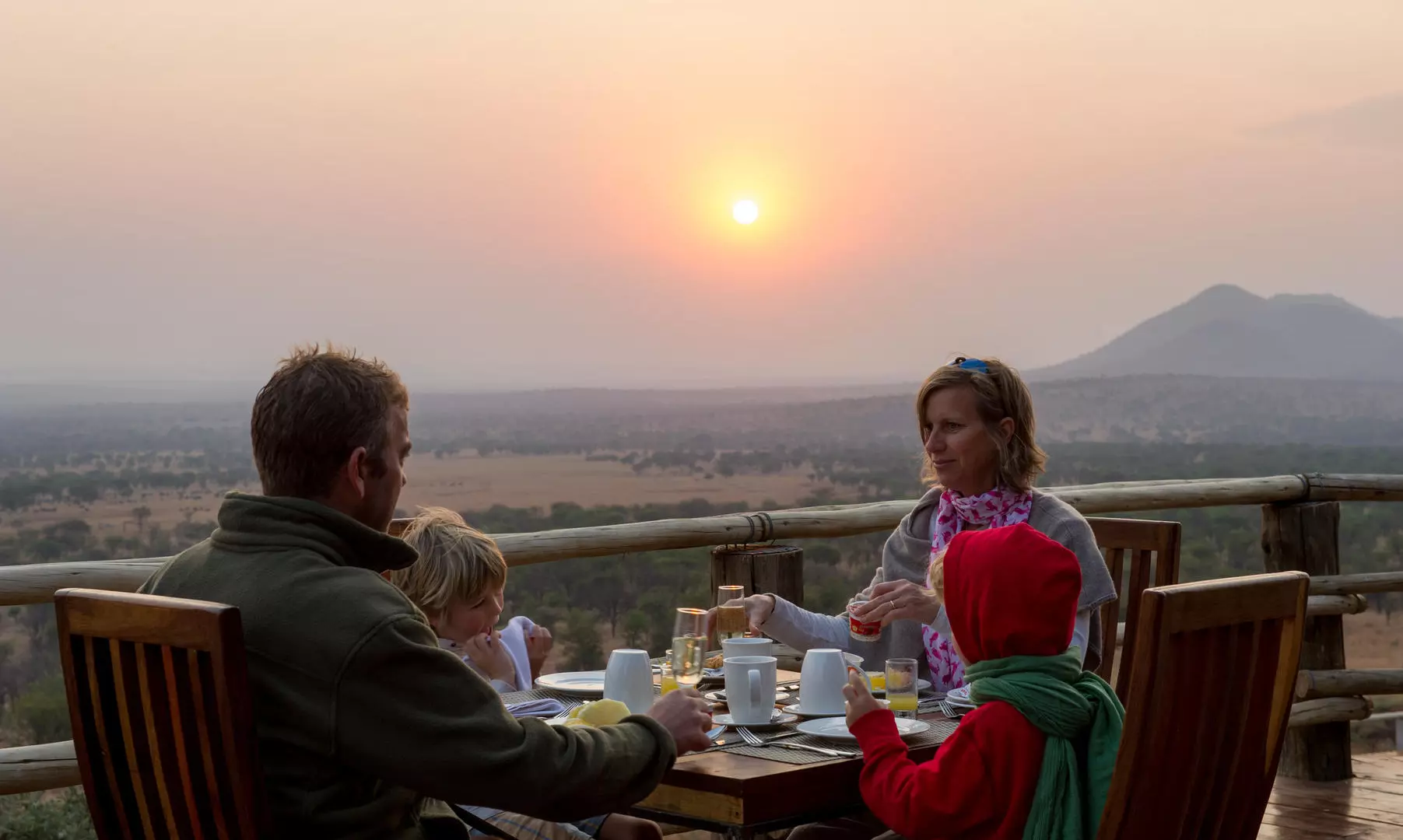
A typical safari day for teenagers starts early, around sunrise, with morning game drives when wildlife is most active. Breakfast follows, often with stunning views of the savannah. Mid-morning or early afternoon may include rest, swimming, or educational sessions about wildlife and ecosystems. Late afternoon excursions or walking safaris allow close encounters with animals and photo opportunities. Dinner at the lodge is a chance to socialize and share highlights of the day. Optional night safaris or stargazing adventures add excitement. Structured yet flexible schedules keep teenagers energized, engaged, and safe, ensuring a balance of adventure, learning, and downtime throughout the safari experience.
Combining Safari with Other Destinations
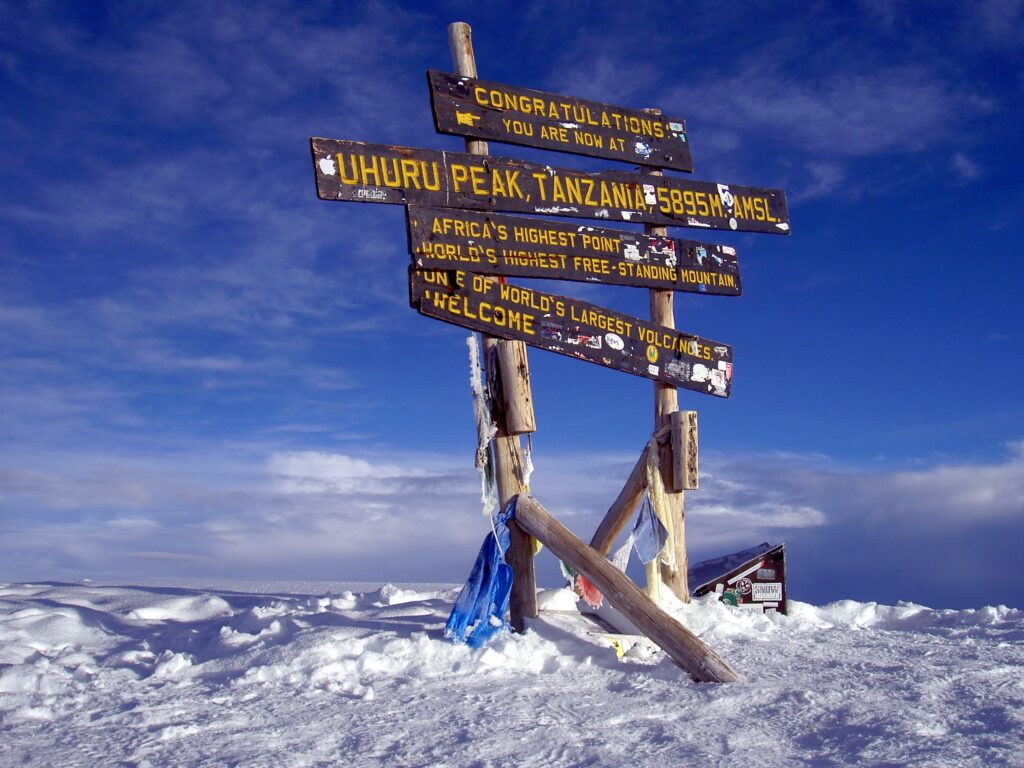
Teenagers often enjoy safaris more when combined with other destinations and activities. Pair wildlife adventures with beach holidays in Zanzibar or Mauritius for relaxation and water sports. Cultural tours in nearby towns or villages provide hands-on learning and social experiences. Hiking or climbing nearby mountains adds thrill and physical challenge. City excursions, markets, and museums balance nature with urban exploration. Combining a safari with other destinations allows teens to experience diverse landscapes, wildlife, and cultures in one trip. Thoughtful planning ensures smooth transitions, appropriate travel pace, and variety, keeping teenagers engaged and excited. This approach maximizes the value and appeal of family safari vacations.
Benefits of Safari Travel for Teenagers
Safari travel offers teenagers unique educational, emotional, and physical benefits. Experiencing wildlife in natural habitats fosters appreciation for conservation and environmental stewardship. Outdoor adventure builds resilience, confidence, and problem-solving skills. Exposure to different cultures enhances empathy, communication, and global awareness. Physical activity from walking safaris, game drives, and adventure excursions improves health and endurance. Teenagers develop creativity through photography, journaling, and observation. Shared experiences with family or peers strengthen bonds and social skills. These benefits create lifelong memories, encourage responsible travel, and inspire curiosity about the natural world. Safaris for teenagers are transformative, combining fun, learning, and personal growth in a way few vacations can match.
Best Time to Go
The best time for teen safari trips depends on wildlife activity and weather. Tanzania and Kenya offer dry seasons from June to October, ideal for game viewing as animals gather around water sources. The Great Migration peaks between July and September, providing dramatic wildlife encounters perfect for teens seeking excitement. Birdwatching and lush landscapes are best during the rainy season, March–May, for teens interested in nature photography. Consider regional climates, school schedules, and teen energy levels when planning. Choosing the optimal season ensures maximum wildlife visibility, comfort, and engagement, guaranteeing that teen travelers enjoy an adventurous, safe, and memorable safari experience in Africa.
What to Expect on a Safari with Teenagers
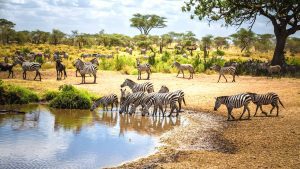
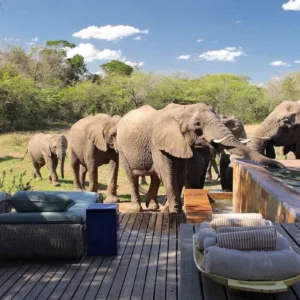
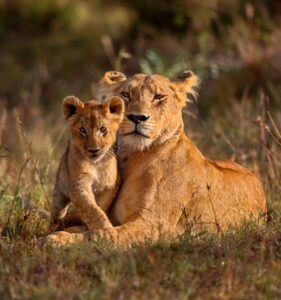
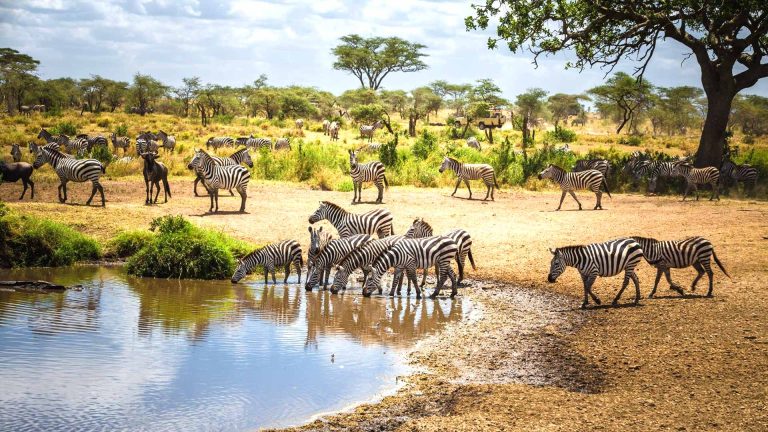
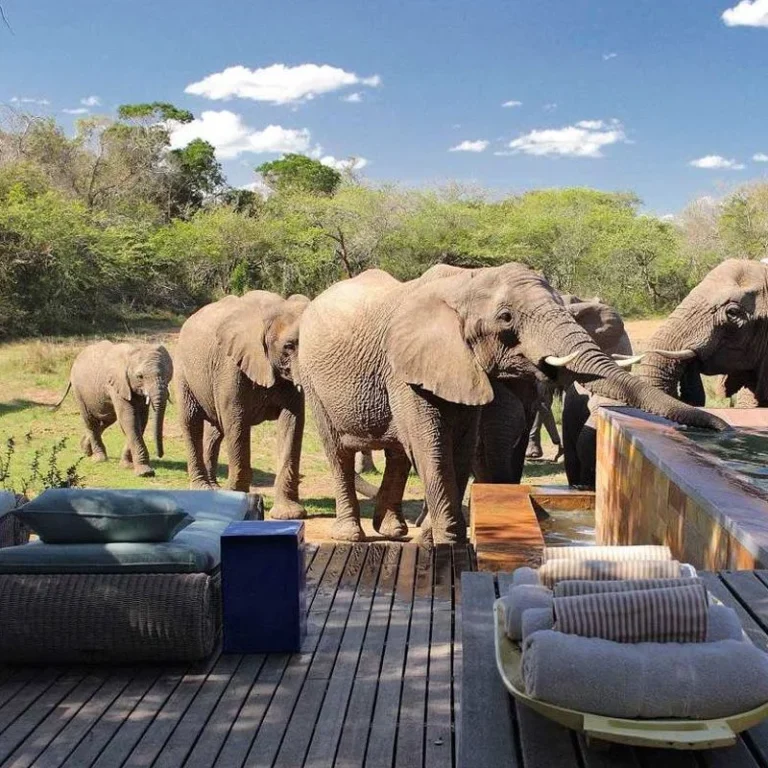
Teenagers can expect a mix of excitement, learning, and adventure on safari. Wildlife sightings include elephants, lions, giraffes, zebras, and hippos in their natural habitats. Guided game drives teach animal behavior, tracking, and conservation. Cultural visits provide insight into local traditions, crafts, and lifestyles. Accommodations range from luxury lodges to eco-camps, often with pools and recreational facilities. Expect early mornings, breathtaking landscapes, and opportunities for photography and journaling. Teens should anticipate physical activity, outdoor exposure, and interactive learning. Safaris combine observation, exploration, and adventure, offering teens a well-rounded travel experience full of discovery, engagement, and memorable wildlife encounters.
What to Know Before You Go
Before embarking on a teen-focused safari, research destination-specific requirements, including visas, vaccinations, and travel insurance. Choose reputable tour operators experienced in family and teen safaris. Prepare teens for early mornings, long drives, and outdoor conditions. Discuss wildlife safety rules, cultural etiquette, and environmental responsibility. Pack practical clothing, sun protection, and personal essentials. Set expectations about digital access and encourage offline engagement with nature. Understanding terrain, climate, and wildlife behavior improves preparedness. Being informed about costs, tipping customs, and optional activities ensures a smooth experience. Proper preparation guarantees that teenagers enjoy a safe, educational, and adventurous safari while fully embracing Africa’s wildlife and culture.
Are safaris safe for teenagers and young travelers?
Safaris are generally very safe for teenagers when planned with reputable tour operators. Experienced guides provide professional supervision during game drives, walking safaris, and other wildlife encounters. Most parks and lodges have strict safety protocols, including emergency communication systems, first-aid facilities, and wildlife safety briefings. Choosing teen-friendly accommodations and family-oriented safari programs further ensures a secure environment. Parents can also prepare teens by explaining safety rules, respecting wildlife distances, and staying with guides during excursions. By combining preparation, reputable operators, and guided adventures, safaris offer a thrilling yet secure experience for teenagers, allowing them to enjoy Africa’s wildlife without unnecessary risks or concerns.
How much does a safari for teenagers typically cost?
The cost of a teenager-friendly safari varies based on destination, duration, and accommodation style. Budget safaris in Kenya or Tanzania can start at around $150–$250 per day, including meals and game drives. Mid-range packages with private guides, family lodges, and educational programs often range from $300–$500 per day. Luxury safaris, featuring premium lodges, private vehicles, and exclusive experiences like balloon safaris or gorilla trekking, may cost $600–$1,000+ per day. Additional expenses can include park fees, tips, and optional activities. Planning early, booking with trusted operators, and choosing all-inclusive packages can help families manage costs. Despite the price, the unforgettable wildlife encounters and teen engagement make safaris a valuable adventure investment.
- Accommodation
- Meals
- Park fees
- Vehicle & guide
- Transfers
- International flights
- Visas
- Travel insurance
- Tips
- Premium drinks
Can teenagers enjoy wildlife photography on safari?
Wildlife photography is a perfect activity for teenagers on safari. Teens can capture elephants, lions, zebras, and other wildlife while learning about photography techniques, such as composition, lighting, and patience in nature. Many lodges and guides provide photography tips and even dedicated sessions for teens, enhancing their engagement. DSLR cameras, smartphones, or compact cameras all work, while binoculars help spot distant animals before photographing. Wildlife photography also fosters observation skills, patience, and environmental awareness. Sharing photos with family, friends, or on social media adds a fun dimension to the safari. For creative and adventurous teens, photography transforms a safari into a personal wildlife storytelling adventure.
How to make a safari experience educational and fun for teenagers?
Combining learning with fun is key to teen-friendly safaris. Parents and guides can incorporate wildlife tracking, conservation workshops, and cultural village visits to engage teens intellectually. Interactive activities like nature scavenger hunts, photography challenges, or guided bush walks make education hands-on and exciting. Storytelling about African ecosystems, predator-prey dynamics, and endangered species creates awareness while keeping teens entertained. Incorporating games, quizzes, and peer interactions further encourages engagement. Choosing lodges with teen programs or educational camps adds structure and excitement. By blending adventure, creativity, and knowledge, safaris become an immersive, memorable, and educational experience for teenagers, nurturing curiosity and fostering a lifelong love for wildlife and conservation.
The Ultimate Guide to an African Safari for Teenagers
An African safari for teenagers offers an unforgettable blend of wildlife adventure, cultural experiences, and family bonding. Teens love up‑close encounters with lions, elephants, giraffes, and zebras in iconic parks like the Serengeti, Maasai Mara, and Kruger National Park. Choosing the right teenager‑friendly safari includes guided game drives, fun educational experiences, and safe accommodations. From photography opportunities to learning about conservation and ecosystems, this ultimate guide helps parents plan the best safari adventure that keeps teens excited, curious, and engaged.
Best Tanzania Safari for Families with Teenagers
A Tanzania safari for families with teenagers is one of the most rewarding travel experiences in East Africa. With world‑class wildlife viewing in Serengeti National Park, the vast Ngorongoro Crater, and unique buffalo herds at Tarangire National Park, teens are thrilled by dramatic landscapes and wildlife encounters. Choose comfortable lodges, fun walking tours, and optional hot air balloon rides for older teens. Activities like junior ranger programs, cultural visits, and photography safaris help teenagers learn, explore, and connect with African nature.
Complete Guide to Safaris for Teenagers in Tanzania
The complete guide to safaris for teenagers in Tanzania focuses on adventure, safety, and learning. Tanzania is perfect for teens who want close wildlife sightings, exciting game drives, and cultural immersion. Start with planning logistics, choosing gear like binoculars and cameras, and building a teen‑friendly itinerary. Must‑visit parks include Lake Manyara for tree‑climbing lions, Ngorongoro Crater for big‑five viewing, and Serengeti National Park for wildebeest migration. With expert guides and flexible schedules, teens gain confidence, respect for wildlife, and memories to last a lifetime.
Conclusion
Planning a safari for teenagers combines excitement, education, and adventure. With the right destinations, activities, and preparation, teens can experience Africa in a way that ignites curiosity, fosters independence, and builds unforgettable memories. From the thrilling wildlife encounters in Serengeti and Kruger to cultural village visits and conservation experiences, safaris provide teenagers with a once-in-a-lifetime opportunity to explore, learn, and grow. By considering their interests, ensuring safety, and keeping them engaged, families can create the ultimate African safari experience for teenagers. teen safari guide, African safaris for teenagers, family safari travel, wildlife adventure for teens, planning safari for teens.
Complete Guide to Safaris for Teenagers: FAQs
Why a Safari Is Perfect for Teenagers?
A safari offers teenagers an immersive adventure unlike any other. With opportunities to witness Africa’s Big Five, explore breathtaking landscapes, and engage with wildlife, a safari fuels curiosity and independence. Teenagers benefit from hands-on learning experiences, from tracking animals in the wild to understanding conservation efforts.
What are the best safari destinations for teenagers?
Tanzania is ideal for teenage safari adventures. Serengeti National Park offers thrilling sightings of lions, cheetahs, and the Great Migration. Ngorongoro Crater is perfect for spotting rhinos, buffalo, and elephants in a stunning natural amphitheater. Tarangire National Park captivates teens with large elephant herds and baobab landscapes.
How to Plan the Perfect Safari for Teenagers?
Planning the perfect safari for teenagers involves careful research, preparation, and personalization. Start by selecting a destination that offers diverse wildlife and age-appropriate adventure activities. Involve teens in choosing lodges, excursions, and photography opportunities to boost excitement. Check seasonal wildlife patterns to maximize sightings and plan around school schedules.
What are the health tips for teenagers on safari?
Maintaining health on safari is essential for teenagers’ comfort and enjoyment. Ensure vaccinations are up to date, including travel-related shots like yellow fever and typhoid, depending on the destination. Encourage teens to stay hydrated during game drives and outdoor activities. Balanced meals at lodges, snacks, and avoiding unsafe water help prevent illness.
How to Keep Teenagers Engaged on Safari?
Keeping teenagers engaged during safari requires balancing adventure, education, and downtime. Encourage wildlife photography challenges, journaling, and scavenger hunts to stimulate curiosity. Interactive activities like tracking animals, cultural encounters with local tribes, and participating in conservation projects maintain interest. Involve teens in planning daily excursions and choosing activities.
What should you know about combining safari with other destinations on a Tanzania safari?
Teenagers often enjoy safaris more when combined with other destinations and activities. Pair wildlife adventures with beach holidays in Zanzibar or Mauritius for relaxation and water sports. Cultural tours in nearby towns or villages provide hands-on learning and social experiences. Hiking or climbing nearby mountains adds thrill and physical challenge.
What are the best time to Go on a Tanzania safari?
The best time for teen safari trips depends on wildlife activity and weather. Tanzania and Kenya offer dry seasons from June to October, ideal for game viewing as animals gather around water sources. The Great Migration peaks between July and September, providing dramatic wildlife encounters perfect for teens seeking excitement.
What to Know Before You Go?
Before embarking on a teen-focused safari, research destination-specific requirements, including visas, vaccinations, and travel insurance. Choose reputable tour operators experienced in family and teen safaris. Prepare teens for early mornings, long drives, and outdoor conditions. Discuss wildlife safety rules, cultural etiquette, and environmental responsibility. Pack practical clothing, sun protection, and personal essentials.
Plan Your Private Tanzania Safari
Tell us your travel dates, interests and budget, and our local team will design a private tailor-made safari around you.