Discover the ultimate guide to Climbing Kilimanjaro in March, which is one of the most rewarding experiences for adventure seekers looking for a unique African safari and trekking challenge. March falls within the long rainy season, yet it offers lush green landscapes, fewer crowds, and lower Kilimanjaro climbing costs compared to peak months. Mount Kilimanjaro, located in Kilimanjaro National Park in Tanzania, remains the highest free-standing mountain in the world and a top global trekking destination. This month provides a quieter and more authentic climbing experience, ideal for photographers and experienced hikers. Although weather conditions can be unpredictable, with occasional rain and mist, trekkers who prepare properly enjoy a magical journey through rainforest, moorland, and alpine desert zones. Climbing Kilimanjaro in March is perfect for those seeking solitude, affordability, and dramatic scenery in East Africa, Tanzania.
Weather Conditions on Kilimanjaro in March
Weather conditions on Kilimanjaro in March are influenced by the long rainy season, making the mountain lush, green, and atmospheric. Trekkers can expect frequent afternoon showers, misty mornings, and occasional heavy rainfall, especially in the rainforest zone. However, higher elevations may experience clearer skies and cooler, stable temperatures. Despite the rain, climbing Kilimanjaro in March offers excellent visibility of waterfalls, vegetation, and dramatic cloud formations. The trails are less crowded, allowing a more peaceful trekking experience. Proper waterproof gear, layered clothing, and trekking boots are essential for comfort and safety. While summit attempts can be more challenging due to wet and slippery paths, determined climbers are rewarded with breathtaking scenery. Kilimanjaro National Park remains open year-round, and March provides a unique, atmospheric adventure for prepared trekkers.
Crowd Levels and Tourist Season
March is considered a low tourist season for Kilimanjaro climbing, which makes it ideal for trekkers seeking solitude and a more personal adventure. Unlike peak months such as July to October, the trails are quieter, allowing climbers to enjoy uninterrupted views and peaceful ascents. Fewer climbers also mean better attention from guides and porters, improving overall safety and service quality. Kilimanjaro National Park feels more remote and untouched during this time, enhancing the sense of wilderness. Accommodation in Arusha and Moshi is more readily available, and trekking groups are smaller. This reduced traffic creates a more authentic connection with nature and local culture. For travelers who prefer less crowded routes and a calm atmosphere, climbing Kilimanjaro in March is a highly rewarding choice in Tanzania.
Scenic Beauty and Landscape Changes
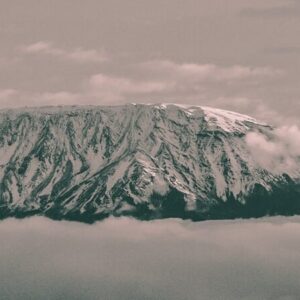
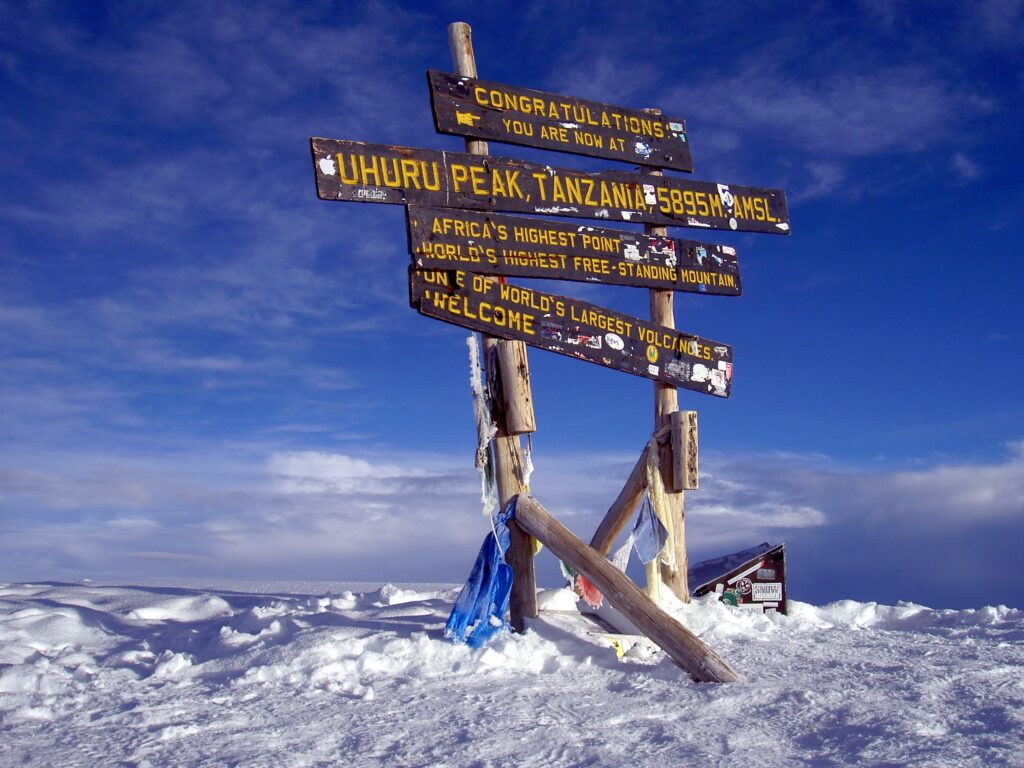
Climbing Kilimanjaro in March reveals some of the most dramatic and vibrant landscapes of the year. The long rains transform the lower rainforest zones into lush green jungles filled with moss-covered trees, wildflowers, and flowing streams. Waterfalls are at their most powerful, creating breathtaking scenery for photographers and nature lovers. As climbers ascend, the moorland and alpine desert zones appear more dramatic due to mist and cloud cover, adding a mystical atmosphere. The snow-capped summit of Uhuru Peak often contrasts beautifully with the darker skies, creating iconic views. Kilimanjaro National Park showcases its ecological diversity more vividly during this season. Although trails can be muddy, the natural beauty is unmatched. March offers one of the most visually stunning trekking experiences on Mount Kilimanjaro.
Difficulty Level of Climbing in March
Climbing Kilimanjaro in March is considered moderately more challenging due to wet and slippery trails caused by the rainy season. The rainforest and lower slopes often become muddy, requiring careful footing and good-quality waterproof hiking boots. Visibility can also be reduced in some sections due to mist and cloud cover. However, the overall technical difficulty of the climb remains unchanged, as Kilimanjaro is a non-technical trekking mountain. The main challenge lies in endurance, weather adaptation, and mental preparation. With proper acclimatization and a well-planned itinerary, most climbers can successfully reach Uhuru Peak. Experienced guides from Kilimanjaro National Park ensure safety and support throughout the journey. March is ideal for trekkers who are physically fit and prepared for variable conditions.
Best Kilimanjaro Routes in March
Choosing the right route is essential when climbing Kilimanjaro in March. The Machame Route and Lemosho Route are highly recommended due to their scenic diversity and better acclimatization profiles. These routes pass through multiple ecological zones, including rainforest, heath, and alpine desert, offering stunning views despite rainy conditions. The Rongai Route is another good option because it lies on the drier northern side of the mountain, receiving less rainfall. Marangu Route, while easier, may be less scenic during the wet season. Experienced trekking companies in Tanzania often recommend longer itineraries in March to improve summit success rates. Kilimanjaro National Park routes remain open year-round, ensuring flexibility for climbers. Selecting the right path greatly enhances the overall trekking experience.
Accommodation and Camping Conditions
Accommodation during Kilimanjaro climbs in March mainly involves mountain huts or camping, depending on the chosen route. The Marangu Route offers basic hut accommodations, while other routes such as Machame and Lemosho rely on well-equipped tented camps. Due to the rainy season, camps can be wet and muddy, so high-quality waterproof tents and sleeping gear are essential. Professional trekking operators ensure that camps are properly set up and maintained for comfort and safety. Inside Kilimanjaro National Park, porters assist in carrying equipment and setting up shelters. Despite the weather challenges, camping in March provides a unique experience surrounded by misty forests and dramatic mountain scenery. Proper preparation ensures a warm, dry, and safe resting environment each night.
Packing List for March Climb
Packing for climbing Kilimanjaro in March requires careful preparation for wet and variable weather conditions. Essential items include waterproof jackets, rain pants, insulated layers, and sturdy hiking boots with strong grip for muddy trails. A high-quality sleeping bag rated for cold temperatures is crucial, especially at higher altitudes. Trekking poles help maintain balance on slippery terrain. Daypacks should include rain covers, snacks, sunscreen, and hydration systems. Gloves, thermal hats, and quick-dry clothing are also recommended. Since Kilimanjaro National Park experiences frequent rainfall in March, dry bags for electronics and clothing are highly important. Proper gear ensures comfort, safety, and endurance throughout the climb. Packing smart significantly increases the chances of a successful summit.
Health and Altitude Considerations
Altitude is one of the most important factors when climbing Kilimanjaro in March. As climbers ascend through Kilimanjaro National Park, oxygen levels decrease, increasing the risk of altitude sickness. Symptoms may include headache, fatigue, and nausea. Proper acclimatization is essential, and longer trekking routes are highly recommended. Hydration, slow pacing, and rest days significantly improve summit success rates. March weather, while rainy, does not directly affect altitude but can increase physical strain due to cold and wet conditions. Professional guides monitor climbers closely for safety. Carrying altitude medication such as Diamox may be advised by doctors. With proper preparation, most climbers safely adjust and reach Uhuru Peak.
Cost of Climbing Kilimanjaro in March
Climbing Kilimanjaro in March is generally more affordable compared to peak trekking seasons. Many tour operators in Tanzania offer discounted prices due to lower demand during the rainy season. Costs typically include park fees, guides, porters, camping equipment, meals, and transportation within Kilimanjaro National Park. Prices vary depending on the route and number of days, with longer treks costing more. Budget and mid-range packages are widely available, making March attractive for cost-conscious travelers. Luxury climbs with premium services are also offered. Despite lower prices, safety and quality services remain high due to strict park regulations. Travelers benefit from excellent value while enjoying fewer crowds and personalized service.
Photography Opportunities
March is an excellent month for photography on Mount Kilimanjaro due to its dramatic landscapes and atmospheric lighting. The rainy season creates lush greenery, mist-covered forests, and flowing waterfalls in Kilimanjaro National Park. Clouds often wrap around the mountain, producing cinematic and moody shots ideal for professional and amateur photographers. Wildlife sightings in lower slopes are also enhanced by vibrant vegetation. Sunlight breaking through clouds creates stunning contrast images at higher altitudes. Although rain can be challenging for equipment, waterproof protection ensures safe shooting conditions. Fewer tourists also mean unobstructed photo opportunities. Climbing Kilimanjaro in March provides some of the most artistic and unique trekking photography conditions of the year.
Safety Tips for March Climbing
Safety is a top priority when climbing Kilimanjaro in March due to wet and slippery conditions. Trekkers should wear proper hiking boots with strong traction and use trekking poles for stability. Waterproof clothing is essential to prevent hypothermia and discomfort. Following the guide’s instructions at all times is critical, especially within Kilimanjaro National Park where weather can change rapidly. Slow and steady climbing helps reduce altitude sickness risks. It is also important to stay hydrated and eat regularly. Emergency protocols are managed by certified guides and rescue teams if needed. Choosing a reputable tour operator ensures safety standards are met. With proper preparation, climbing in March remains a safe and rewarding adventure.
Wildlife and Nature Experience
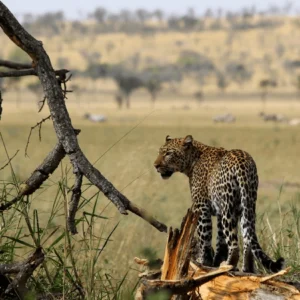
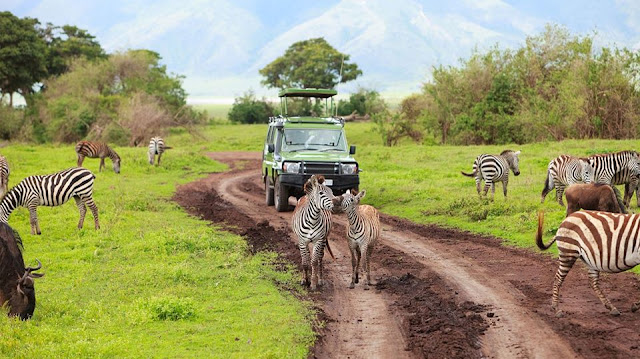
Although Kilimanjaro is primarily a trekking mountain, March offers a rich nature experience within Kilimanjaro National Park. The lower rainforest zones are alive with birds, monkeys, and diverse plant species thriving due to the rainy season. Colobus monkeys and blue monkeys are often spotted along the trails. Birdwatchers enjoy excellent sightings due to increased activity in lush habitats. The vibrant ecosystem becomes more pronounced, offering a deeper connection with nature. As climbers ascend, vegetation changes dramatically, showcasing Africa’s unique ecological zones. Rainfall enhances waterfalls and rivers, making the environment more dynamic. This natural diversity makes March a special month for eco-tourism and trekking enthusiasts.
Why Choose March for Kilimanjaro
Choosing to climb Kilimanjaro in March offers several unique advantages for adventurous travelers. The low tourist season ensures fewer crowds, lower prices, and a more peaceful trekking experience. The mountain’s landscapes are at their greenest, providing exceptional scenery and photography opportunities. While weather conditions include rain, they also create dramatic and memorable environments within Kilimanjaro National Park. Trekkers benefit from personalized guide attention and a more authentic wilderness experience. For those seeking solitude, affordability, and natural beauty, March is an excellent choice. With proper preparation, climbers can enjoy a rewarding and less commercialized journey to Africa’s highest peak.
Final Thought
Climbing Kilimanjaro in March is a unique adventure that combines challenge, beauty, and solitude in one of the world’s most iconic trekking destinations. Although the rainy season brings wet conditions, it also transforms Mount Kilimanjaro into a lush, green paradise filled with misty forests and dramatic landscapes. Kilimanjaro National Park offers fewer crowds, making the experience more personal and immersive. With proper gear, preparation, and guidance, climbers can successfully reach Uhuru Peak while enjoying breathtaking scenery along the way. March is ideal for travelers seeking affordable, less crowded, and visually stunning trekking conditions. For those ready to embrace adventure and unpredictable weather, Kilimanjaro in March delivers an unforgettable African experience that blends endurance, nature, and achievement at the roof of Africa.