Benefits of Guided Kilimanjaro Hikes
Guided Kilimanjaro Hikes at a Glance
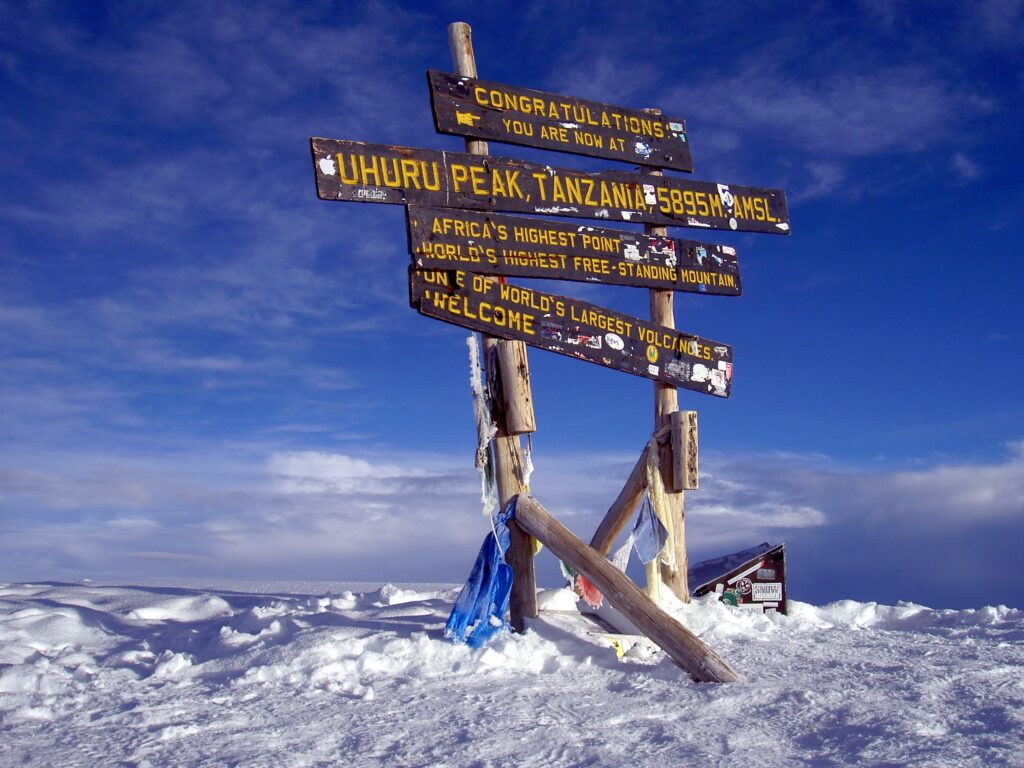
The fabulous climbing of Mount Kilimanjaro in Tanzania is one of the world’s most iconic trekking adventures, attracting thousands of travelers seeking the highest free-standing mountain in Africa and the ultimate bucket list experience. Choosing guided Kilimanjaro hikes offers unmatched safety, expert navigation, and high summit success rates compared to unguided attempts, which are not permitted in Kilimanjaro National Park. Professional certified mountain guides, experienced porters, and structured itineraries ensure proper acclimatization, physical support, and emergency assistance throughout the journey. Whether you select the Machame Route, the Marangu Route, the Lemosho Route, or the Rongai Route, guided expeditions enhance your chances of reaching Uhuru Peak while enjoying breathtaking landscapes, diverse ecosystems, and glacier views. This article explores the top benefits of guided Kilimanjaro trekking tours, including safety, logistics, cultural experience, and overall adventure value for climbers worldwide.
Enhanced Safety on Kilimanjaro
Primary benefits of guided Kilimanjaro hikes include enhanced safety throughout the entire climbing experience on Mount Kilimanjaro in Tanzania. Professional guides are trained in high altitude mountain safety, first aid response, and altitude sickness management, ensuring climbers are closely monitored during ascent to Uhuru Peak. Kilimanjaro trekking tours are regulated within Kilimanjaro National Park, where solo climbing is not allowed, making certified guides mandatory for all expeditions. These experts assess weather conditions, terrain challenges, and individual health status to reduce risks on routes such as Machame, Marangu, Lemosho, and Rongai. With structured pacing and safety protocols, climbers avoid dangerous altitude related complications while enjoying a secure adventure. Guided expeditions significantly increase summit success rates while providing peace of mind for beginners and experienced trekkers seeking a safe African mountain climbing experience.
Better Acclimatization Support
Guided Kilimanjaro hikes provide essential acclimatization support, one of the most important factors for reaching Uhuru Peak successfully. Professional mountain guides design itineraries that follow the climb high, sleep low principle, helping trekkers adapt gradually to high altitude conditions on Mount Kilimanjaro in Tanzania. Proper acclimatization reduces the risk of acute mountain sickness, headaches, nausea, and fatigue, which are common challenges during Kilimanjaro trekking tours. Routes such as Machame Route, Lemosho Route, and Rongai Route are carefully selected for their gradual ascent profiles. Guides monitor climbers daily, adjusting pace and rest stops to optimize oxygen intake and physical performance. With structured acclimatization strategies, climbers significantly improve summit success rates while maintaining energy and endurance throughout the expedition, making guided climbs the safest, most effective way to experience Africa’s highest peak.
- 1Climb high: hike to a higher point during the day.
- 2Sleep low: descend to camp at a lower altitude for the night.
- 3Pole pole: walk slowly and steadily, as your guide advises.
- 4Drink plenty of water and report any symptoms to your guide.
Professional Route Planning
Guided Kilimanjaro hikes offer expert route selection and logistical planning that significantly improve the overall trekking experience on Mount Kilimanjaro in Tanzania. Professional operators help climbers choose the best path among Machame, Marangu, Lemosho, and Rongai routes based on fitness level, time availability, and acclimatization needs. Each route presents unique landscapes, from rainforest zones to alpine deserts and icy summit glaciers. Guided teams handle all camping equipment, permits within Kilimanjaro National Park, meals, and navigation, allowing climbers to focus entirely on the ascent. Experienced guides anticipate weather changes and terrain challenges, ensuring safe passage through steep sections and variable climates. This structured support system reduces stress and increases summit success rates, making guided Kilimanjaro trekking tours the most reliable and enjoyable way to conquer Africa’s highest mountain with expert guidance.
Full Logistics and Permit Management
Guided Kilimanjaro hikes provide seamless logistics and permit management within Kilimanjaro National Park, ensuring climbers experience a stress free expedition from start to finish. Professional tour operators organize all climbing permits, park fees, accommodation in mountain huts or tents, and transportation from Moshi or Arusha to trailheads. Experienced porters carry heavy equipment, food supplies, and camping gear, allowing trekkers to focus on the physical and mental challenge of reaching Uhuru Peak. This full support system is a key advantage of guided Kilimanjaro trekking tours, especially for international travelers unfamiliar with Tanzania’s mountain regulations. Guides also coordinate meal planning, hydration schedules, and daily camp setup to maintain climber energy levels. By handling complex logistics, guided teams significantly increase comfort, efficiency, and summit success rates, making the Kilimanjaro climbing experience more enjoyable, organized, and accessible for beginners and seasoned adventurers alike.
- Permits and park fees
- Transfers from Moshi or Arusha
- Tents, huts, meals and water
- Porters for heavy equipment
- Walking at a steady pace
- Staying hydrated
- Personal gear and layers
- Enjoying the views
Weather Monitoring and Emergency Support
Guided Kilimanjaro hikes provide critical weather monitoring and emergency support that greatly enhance climber safety on Mount Kilimanjaro in Tanzania. Professional guides continuously assess changing weather conditions, including temperature drops, snowfall, and high altitude winds, ensuring climbers are prepared for extreme mountain environments. Kilimanjaro trekking tours operate across diverse ecological zones, requiring expert navigation through rainforest, moorland, alpine desert, and arctic summit conditions. In case of emergencies such as altitude sickness or injury, trained guides are equipped with first aid kits, oxygen systems, and evacuation procedures coordinated with Kilimanjaro National Park rescue teams. This immediate response capability significantly reduces risks and improves survival outcomes. Guided expeditions ensure climbers are never alone in unpredictable conditions, making the journey safer, more controlled, and more successful for reaching Uhuru Peak with expert guides.
Higher Summit Success Rates
Guided Kilimanjaro hikes significantly improve summit success rates, making them the preferred choice for climbers aiming to reach Uhuru Peak on Mount Kilimanjaro in Tanzania. Professional guides use proven acclimatization strategies, pacing techniques, and altitude monitoring to ensure climbers progress safely and steadily. Kilimanjaro trekking tours led by experienced teams report higher success rates compared to independent attempts due to structured planning and continuous support. Guides motivate climbers during difficult sections, especially at high altitude zones like Stella Point and Gilman’s Point. They also manage hydration, nutrition, and rest schedules to maintain physical endurance throughout the ascent. This consistent support system helps trekkers overcome fatigue and altitude challenges, ultimately increasing the likelihood of standing on Africa’s highest summit and completing a once in a lifetime adventure with strong guidance support.
Expert Guidance and Motivation
Guided Kilimanjaro hikes provide continuous expert guidance and motivation that help climbers push through physical and mental challenges on Mount Kilimanjaro in Tanzania. Professional guides are trained to encourage trekkers during steep ascents, cold nights, and low oxygen conditions experienced on Kilimanjaro trekking tours. Their experience allows them to read climber conditions and provide personalized pacing strategies for reaching Uhuru Peak safely. Guides also offer technical advice on walking techniques, breathing rhythm, and energy conservation during long trekking days. Motivation becomes critical on summit night when fatigue is highest, and guides ensure climbers stay focused and determined. This emotional and physical support significantly improves endurance and confidence, making guided Kilimanjaro climbs not only safer but also more achievable for beginners and experienced adventurers aiming for Africa’s highest summit.
Cultural Experience with Local Guides
Guided Kilimanjaro hikes also enrich climbers with cultural experiences that enhance the overall trekking adventure on Mount Kilimanjaro in Tanzania. Professional guides often come from local communities such as the Chagga people, offering valuable insights into Tanzanian traditions, mountain folklore, and indigenous knowledge of the region. Kilimanjaro trekking tours allow climbers to learn about local farming practices, history, and conservation efforts surrounding Kilimanjaro National Park. Guides act as cultural ambassadors, translating languages, explaining customs, and facilitating respectful interactions with porters and local staff. This cultural immersion adds depth and meaning to the physical challenge of climbing Africa’s highest peak. By combining adventure with education, guided expeditions create a more rewarding and memorable experience that goes beyond reaching Uhuru Peak, connecting travelers with the people and heritage of Tanzania.
Equipment and Gear Support
Guided Kilimanjaro hikes provide essential equipment and gear support that ensures climbers are fully prepared for extreme conditions on Mount Kilimanjaro in Tanzania. Professional operators supply high quality camping equipment, including tents, sleeping mats, cooking gear, and dining facilities for all Kilimanjaro trekking tours. Porters assist in carrying heavy loads, allowing climbers to conserve energy for the ascent to Uhuru Peak. Guides also offer advice on personal gear such as waterproof clothing, insulated jackets, trekking boots, and altitude suitable accessories. Proper gear management is critical for adapting to changing weather zones, from tropical rainforest to icy summit conditions. This professional support reduces the risk of inadequate preparation and increases comfort during the climb. With expert equipment handling, guided expeditions ensure a safer, warmer, and more organized journey to Africa’s highest mountain summit.
Physical and Mental Preparation Support
Guided Kilimanjaro hikes provide structured physical and mental preparation support that helps climbers succeed on Mount Kilimanjaro in Tanzania. Before and during Kilimanjaro trekking tours, guides educate climbers on fitness expectations, pacing strategies, and endurance techniques required for high altitude climbing. They help trekkers build mental resilience for long hiking days, cold summit nights, and reduced oxygen levels. Guided teams encourage a steady rhythm that prevents exhaustion and improves stamina throughout the ascent to Uhuru Peak. Regular check ins ensure climbers remain physically stable and mentally focused during challenging sections. This preparation support reduces anxiety and increases confidence, especially for first time climbers. With professional guidance, trekkers develop the strength and mindset needed to complete one of the world’s most challenging yet rewarding mountain climbing experiences.
Kilimanjaro Guides, Costs and Ethics
Tap a question to learn more about guides, prices, safety and responsible climbing on Kilimanjaro.
Climbing Kilimanjaro Guide
A professional Climbing Kilimanjaro guide is essential for a safe and successful ascent of Mount Kilimanjaro. Guides provide navigation, altitude monitoring, and daily trekking support. They ensure climbers follow proper pacing strategies to prevent altitude sickness. Experienced guides also educate trekkers about weather changes, terrain, and cultural insights. During guided Kilimanjaro hikes, they handle emergencies and coordinate with porters for logistics. Most Kilimanjaro tour operators include certified mountain guides trained in first aid and rescue procedures. Their expertise significantly increases summit success rates while ensuring safety, comfort, and a more enjoyable trekking experience for all climbers on the mountain.
Climbing Kilimanjaro Prices
Climbing Kilimanjaro prices vary depending on route, duration, and Kilimanjaro tour operators. Guided Kilimanjaro hikes range from budget to luxury Kilimanjaro packages, typically including permits, guides, porters, meals, and camping equipment. On Mount Kilimanjaro, longer routes like Lemosho are more expensive but offer higher success rates. Kilimanjaro hiking prices also reflect park fees and ethical porter wages. Many travelers choose local operators for affordable packages without compromising safety. Understanding Kilimanjaro climbing costs helps climbers plan effectively and avoid hidden fees. Investing in a reputable guided expedition increases safety, comfort, and summit success probability significantly for all trekkers.
Advantages of Hiring a Local Guide for Kilimanjaro
Hiring a local guide for Kilimanjaro offers safety, cultural insight, and higher summit success rates. Local guides understand the terrain, weather, and altitude challenges of Mount Kilimanjaro better than anyone. They provide real-time health monitoring and ensure proper acclimatization during guided Kilimanjaro hikes. Local Kilimanjaro tour operators also support community employment and fair porter treatment. Their experience improves navigation and emergency response. Travelers benefit from authentic storytelling, motivation, and personalized trekking support. Choosing local experts enhances both ethical tourism and overall climbing experience, making the journey safer, more meaningful, and environmentally responsible for all climbers.
Do I Need a Guide to Climb Mount Kilimanjaro
Yes, all climbers are required to hire a licensed guide to climb Mount Kilimanjaro. Independent trekking is not permitted by park authorities. Guided Kilimanjaro hikes ensure safety, route compliance, and environmental protection. Kilimanjaro tour operators provide trained guides who manage altitude risks and navigation challenges. Guides also coordinate porters, food, and emergency procedures. Without a guide, climbers cannot legally access the mountain. This regulation increases safety and summit success rates for beginners and experienced trekkers alike. Hiring a guide ensures a structured, supported, and well managed climbing experience from base to Uhuru Peak.
What are the dangers of climbing Kilimanjaro
Climbing Kilimanjaro involves risks such as altitude sickness, cold weather, dehydration, and fatigue on Mount Kilimanjaro. Guided Kilimanjaro hikes reduce these dangers through monitoring and proper pacing. Sudden weather changes and low oxygen levels are major challenges. Kilimanjaro tour operators train guides to recognize early symptoms of altitude illness. Slips, falls, and exhaustion can also occur during steep sections. However, fatalities are rare with proper preparation. Using experienced guides significantly improves safety, making risk manageable. Understanding dangers before climbing helps trekkers prepare mentally and physically for a safe and successful summit journey.
Is it ethical to climb Kilimanjaro
Climbing Kilimanjaro is ethical when done responsibly through licensed Kilimanjaro tour operators. Ethical trekking ensures fair wages for porters, environmental protection, and sustainable tourism practices. Guided Kilimanjaro hikes support local communities by providing employment and training. Responsible operators follow strict park regulations and minimize ecological impact. Choosing ethical Kilimanjaro companies helps preserve the mountain for future generations. Travelers should avoid exploitative or unlicensed operators. Ethical climbing enhances both cultural respect and conservation efforts, making the journey meaningful while contributing positively to Tanzania’s tourism industry and mountain ecosystem preservation.
Is Kilimanjaro worth it
Yes, climbing Kilimanjaro is widely considered worth it due to its breathtaking scenery, personal achievement, and adventure experience on Mount Kilimanjaro. Guided Kilimanjaro hikes offer sunrise views above the clouds and diverse ecological zones. Kilimanjaro tour operators ensure safety and maximize summit success rates. The journey challenges physical and mental endurance, making the summit highly rewarding. Many climbers describe it as a life changing experience. The combination of wildlife, landscapes, and cultural exposure adds value. Despite challenges, most trekkers agree the experience justifies the effort, cost, and preparation required for the climb.
Can You Climb Mount Kilimanjaro Without a Guide?
No, climbing Mount Kilimanjaro without a guide is not allowed by national park regulations. All climbers must join guided Kilimanjaro hikes organized by licensed Kilimanjaro tour operators. This rule ensures safety, environmental protection, and proper trekking management. Guides assist with navigation, altitude sickness prevention, and emergency response. Independent climbing is prohibited to protect both climbers and the mountain ecosystem. This regulation significantly improves summit success rates and reduces risks. Therefore, hiring a professional guide is mandatory and beneficial for a safe, structured, and successful Kilimanjaro climbing experience.
Planning Your Guided Kilimanjaro Climb
Tap a question for practical advice on preparing for, and experiencing, a guided climb to Uhuru Peak.
An Amateur's Guide to Climbing Mount Kilimanjaro
An amateur’s guide to climbing Mount Kilimanjaro focuses on preparation, training, and choosing the right Kilimanjaro tour operators. Beginners should select longer routes for better acclimatization. Guided Kilimanjaro hikes provide structured support, safety briefings, and pacing strategies. Fitness training, mental preparation, and proper gear are essential. Beginners should understand altitude sickness and hydration needs. Local guides play a vital role in ensuring safety and motivation. With proper preparation and guidance, even first-time climbers can reach Uhuru Peak successfully. Kilimanjaro is challenging but achievable for amateurs with the right support system.
What I Wish I Knew Before Climbing Mount Kilimanjaro
Before climbing Mount Kilimanjaro, many trekkers wish they understood altitude effects, pacing, and weather conditions. Guided Kilimanjaro hikes help avoid common mistakes such as rushing ascent or underestimating cold temperatures. Kilimanjaro tour operators recommend proper gear and longer acclimatization routes. Many climbers regret insufficient training and hydration planning. Understanding costs, terrain, and summit difficulty improves preparation. Experienced guides provide valuable advice during the trek. Knowing these factors beforehand increases confidence, safety, and enjoyment, making the climbing experience more successful and less physically overwhelming for first-time trekkers.
What It's Like to Hike Mount Kilimanjaro
Hiking Mount Kilimanjaro is a journey through five ecological zones, from rainforest to arctic summit. Guided Kilimanjaro hikes offer structured pacing, scenic views, and cultural experiences. Climbers experience changing landscapes, wildlife sightings, and challenging altitude conditions. Kilimanjaro tour operators ensure safety, meals, and camping logistics. Nights are cold, and days involve long trekking hours. The final summit push is physically demanding but deeply rewarding. Many trekkers describe emotional fulfillment upon reaching Uhuru Peak. The experience combines adventure, endurance, and natural beauty, making it one of the world’s most iconic trekking experiences.
Everything to know about climbing Mount Kilimanjaro
Everything to know about climbing Mount Kilimanjaro includes routes, costs, preparation, and safety. Guided Kilimanjaro hikes are mandatory and provided by licensed Kilimanjaro tour operators. Climbers should train physically, understand altitude sickness, and choose appropriate routes. Proper gear, hydration, and acclimatization are critical. The mountain offers diverse climates and landscapes. Guides play a key role in safety and summit success. Understanding logistics, weather, and difficulty improves planning. Kilimanjaro is non-technical but physically demanding. With proper preparation and support, climbers can successfully reach Africa’s highest peak and enjoy a safe and unforgettable adventure experience.
How Hard is it to climb Mount Kilimanjaro?
Climbing Mount Kilimanjaro is moderately to highly challenging due to altitude rather than technical difficulty. Guided Kilimanjaro hikes help manage pacing and safety. Kilimanjaro tour operators emphasize acclimatization to reduce altitude sickness risks. Climbers face long trekking days, cold temperatures, and thin air at high elevations. Physical fitness improves success but is not the only requirement. Mental endurance is equally important. While no climbing equipment is needed, the summit push is tough. With preparation and guidance, most healthy individuals can complete the trek successfully and experience one of the world’s greatest trekking adventures.
What I Learned From Climbing Mount Kilimanjaro
Climbing Mount Kilimanjaro teaches resilience, patience, and respect for nature. Guided Kilimanjaro hikes reveal the importance of pacing and teamwork. Kilimanjaro tour operators ensure safety and structure throughout the journey. Climbers learn that altitude is the biggest challenge, not distance. Proper preparation, hydration, and mindset are essential for success. Many trekkers discover personal strength and mental endurance they did not expect. The experience builds confidence and appreciation for guided support systems. Reaching the summit provides lifelong memories and valuable lessons about preparation, determination, and the importance of professional guidance in extreme environments.
When is the Best Time to Climb Mount Kilimanjaro
The best time to climb Mount Kilimanjaro is during Tanzania’s dry seasons, from January to March and June to October. These months offer clear skies, excellent visibility, and safer trekking conditions for hikers choosing guided Kilimanjaro hikes or luxury Kilimanjaro trekking packages. January and February are warmer with fewer crowds, while June through October delivers cooler temperatures and spectacular summit views from Uhuru Peak. Professional Kilimanjaro guides help climbers navigate changing mountain weather, altitude challenges, and route conditions. Booking a guided Mount Kilimanjaro tour during peak climbing seasons improves summit success rates, safety, comfort, wildlife viewing, and overall unforgettable Tanzania adventure travel experiences for trekkers.
What to Expect on Mount Kilimanjaro
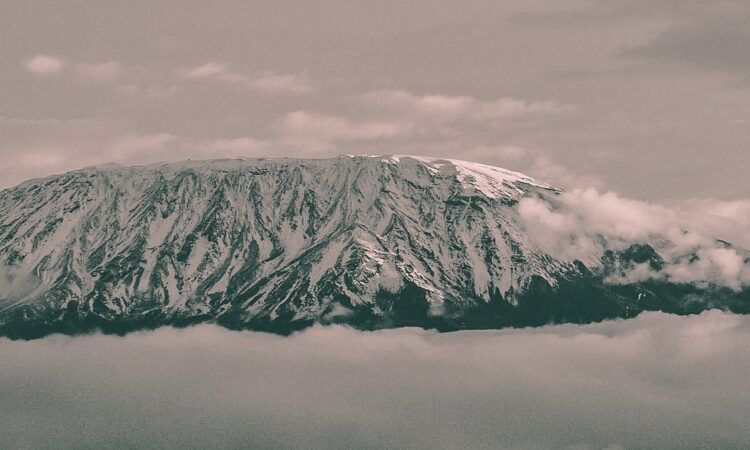
Climbing Mount Kilimanjaro offers breathtaking landscapes, diverse ecosystems, and one of Africa’s greatest adventure travel experiences. Guided Kilimanjaro hikes lead trekkers through lush rainforest, moorland, alpine desert, and snowy summit zones before reaching Uhuru Peak, Africa’s highest point. Expect changing temperatures, long hiking days, high-altitude trekking, and incredible sunrise views above the clouds. Experienced Kilimanjaro guides provide safety monitoring, altitude management, camping support, and motivation throughout the expedition. Trekkers also enjoy cultural encounters, delicious mountain meals, and professional porter services. A guided Mount Kilimanjaro climbing tour ensures better acclimatization, higher summit success rates, and a safer, more rewarding Tanzania trekking adventure overall.
What to Pack for Mount Kilimanjaro
Packing properly for Mount Kilimanjaro is essential for a successful and comfortable trekking adventure. Important Kilimanjaro packing list items include waterproof hiking boots, thermal clothing, insulated jackets, gloves, trekking poles, moisture-wicking layers, sunglasses, and a warm sleeping bag. Guided Kilimanjaro hikes often provide detailed equipment checklists to help climbers prepare for varying mountain climates and high-altitude conditions. A quality daypack, hydration system, sunscreen, and headlamp are also highly recommended for summit night. Professional Kilimanjaro guides and porters assist with carrying gear, safety checks, and mountain logistics. Proper preparation improves comfort, reduces risks, and increases summit success on Mount Kilimanjaro expeditions in Tanzania.
How Physically Fit Do You Need to Be to Climb Mount Kilimanjaro?
Climbing Mount Kilimanjaro does not require technical mountaineering skills, but good physical fitness greatly improves your trekking experience and summit success. Guided Kilimanjaro hikes are suitable for beginners, active travelers, and experienced hikers who can handle several hours of walking daily at high altitude. Training before your Kilimanjaro trekking adventure should include cardio workouts, hiking, strength exercises, and endurance activities. Professional Kilimanjaro guides monitor climbers carefully, helping manage altitude sickness and pacing throughout the journey. Mental determination, proper acclimatization, hydration, and expert support are equally important for reaching Uhuru Peak. Preparing physically increases safety, confidence, stamina, and enjoyment during your Tanzania mountain climbing expedition.
How Long Does it Take to Climb Mount Kilimanjaro?
Most guided Kilimanjaro hikes take between five and nine days, depending on the chosen trekking route and acclimatization schedule. Popular routes like Machame, Lemosho, Rongai, and Marangu offer different scenery, difficulty levels, and summit success rates for climbers visiting Tanzania. Longer Kilimanjaro climbing itineraries are highly recommended because they allow better altitude adjustment and increase the chances of reaching Uhuru Peak successfully. Professional Kilimanjaro guides carefully plan hiking distances, rest stops, meals, and overnight camps to maximize safety and comfort. Choosing a longer guided Mount Kilimanjaro trekking tour provides a more enjoyable experience, stunning landscapes, and a safer journey to Africa’s highest mountain summit.
Final Thought: Climb Kilimanjaro With Expert Guides
Guided Kilimanjaro hikes remain the safest, most efficient, and most rewarding way to experience Mount Kilimanjaro in Tanzania. From expert safety management and acclimatization support to cultural immersion and logistical organization, professional guides transform Kilimanjaro trekking tours into a well structured and successful adventure. Climbers benefit from higher summit success rates, reliable emergency support, and complete logistical assistance from start to finish. Whether choosing Machame, Marangu, Lemosho, or Rongai routes, guided expeditions ensure every step toward Uhuru Peak is carefully managed and fully supported. Beyond the physical achievement, travelers gain deeper understanding of Tanzania’s landscapes, people, and conservation efforts. For beginners and experienced climbers alike, guided Kilimanjaro climbs offer the perfect balance of safety, education, and adventure, making them the ultimate choice for reaching Africa’s highest summit.
Guided Kilimanjaro Hikes: Frequently Asked Questions
Are guided Kilimanjaro hikes safer?
Yes. Guides are trained in first aid, high-altitude safety and altitude sickness management. They monitor your health, assess weather and terrain, and set a safe pace. Solo climbing is not permitted in Kilimanjaro National Park.
How do guides help with acclimatisation on Kilimanjaro?
Guides design itineraries using the climb high, sleep low principle, choose routes with gradual ascent profiles such as Machame, Lemosho and Rongai, and adjust your pace and rest stops daily to reduce acute mountain sickness.
How do guides help choose a Kilimanjaro route?
Guides and operators match routes such as Machame, Marangu, Lemosho and Rongai to your fitness, time and acclimatisation needs, and handle equipment, permits, meals and navigation so you can focus on the climb.
Do guided Kilimanjaro climbs include permits and logistics?
Yes. Operators arrange climbing permits, park fees, huts or tents, meals and transfers from Moshi or Arusha, while porters carry heavy equipment and camping gear.
What happens in an emergency on Kilimanjaro?
Trained guides carry first aid kits and oxygen and follow evacuation procedures coordinated with Kilimanjaro National Park rescue teams. They also watch weather changes so you are prepared for cold, snow and wind.
Do guided climbs have higher summit success rates?
Yes. Guided climbs use proven acclimatisation, pacing and altitude monitoring, and guides manage hydration, nutrition and rest. Their support through tough sections near Stella Point and Gilman's Point helps more climbers reach Uhuru Peak.
How do guides motivate climbers on summit night?
Guides read each climber's condition, set personal pacing, advise on breathing and walking technique and keep you focused and determined when fatigue is highest on the final push to Uhuru Peak.
Will I learn about local culture on a guided climb?
Yes. Many guides come from local communities such as the Chagga people and share Tanzanian traditions, mountain folklore, farming history and conservation knowledge, making the climb more meaningful.
What equipment does a guided Kilimanjaro climb provide?
Operators typically supply tents, sleeping mats, cooking gear and dining facilities, while porters carry heavy loads. Guides advise on personal gear such as waterproof clothing, insulated jackets and trekking boots.
How do guides help me prepare physically and mentally?
Guides explain fitness expectations, pacing and endurance techniques, check on you regularly and encourage a steady rhythm. This builds confidence and mental resilience, especially for first-time climbers.
Do I need a guide to climb Kilimanjaro?
Yes. Park regulations require every climber to hire a licensed guide, and independent climbing is not permitted. Ethical, licensed operators also ensure fair porter wages and responsible, sustainable climbing.
How long does a guided Kilimanjaro climb take?
Most guided climbs take five to nine days. Longer itineraries on routes such as Lemosho or Machame are recommended because they allow better acclimatisation and higher summit success. The best times to climb are January to March and June to October.
Climb Kilimanjaro With Expert Guides
Tell us your dates and fitness, and our experienced local mountain team will plan a safe, well-acclimatised private Kilimanjaro climb.