All Kilimanjaro Routes Ranked by Acclimatisation
Ranked from best to most limited acclimatisation, the Kilimanjaro routes are: 1 Northern Circuit, 2 Lemosho, 3 Machame on seven days, 4 Rongai, 5 Shira, 6 Marangu and 7 Umbwe. Routes with more days, a gradual altitude gain and a climb-high, sleep-low profile give your body the most time to adjust to thin air. Adding an extra day to any route improves acclimatisation and makes summit night safer and more enjoyable.
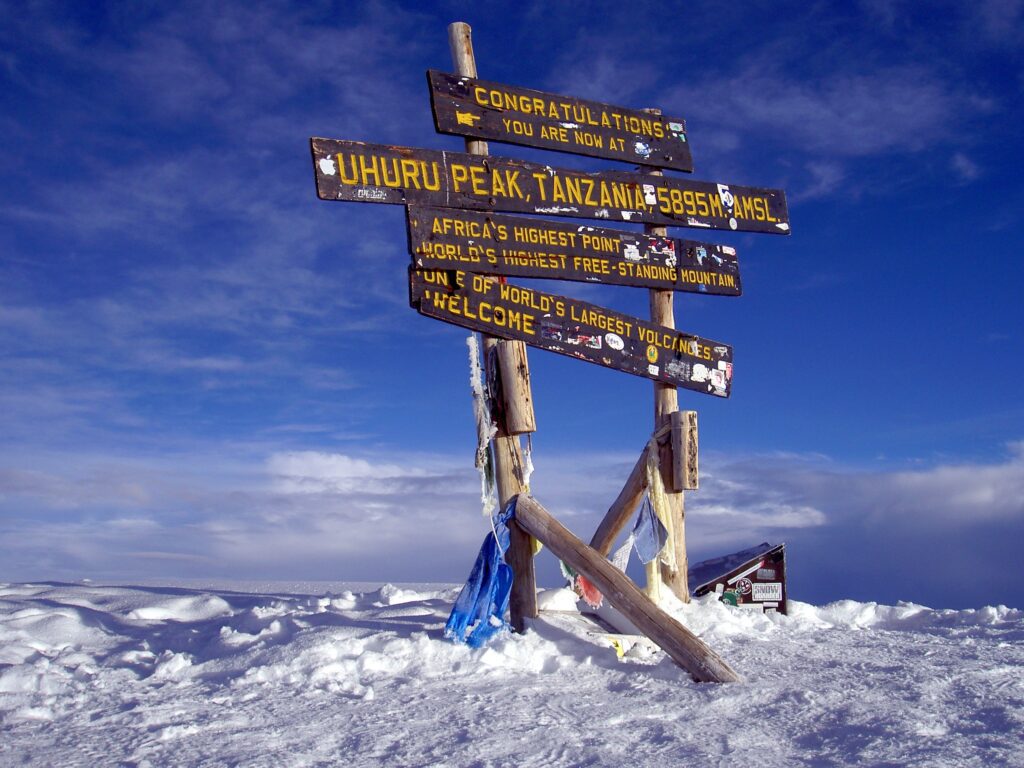
Altitude, not fitness, is the main reason climbers turn back on Kilimanjaro, so acclimatisation should always be at the very heart of choosing your Kilimanjaro route. Every route reaches the same summit, Uhuru Peak at 5,895 metres, but some routes give your body far more time to adjust than others. This guide explains why acclimatisation matters, ranks all seven Kilimanjaro routes from best to most limited, describes each route's altitude profile, shares proven ways to acclimatise better on any route and lists the warning signs of altitude sickness, so you can confidently plan a safer, more enjoyable private, tailor-made climb.
Why Acclimatisation Matters
Acclimatisation is the process of your body adapting to the lower air pressure and reduced oxygen at high altitude. On the summit of Kilimanjaro, each breath contains roughly half the oxygen available at sea level, so your body needs time to adjust its breathing, heart rate and blood chemistry. The six cards below explain the key ideas behind acclimatisation and exactly why route length and altitude profile matter so much for every climber. Understanding them helps you choose the right route, walk at the right pace and recognise when your body needs more time to adjust on the mountain.
At the summit, air pressure is about half that at sea level.
Your body adjusts over days, not hours.
Walking higher by day and sleeping lower helps adaptation.
A gentle pace, pole pole, reduces strain at altitude.
More nights on the mountain mean more time to adjust.
Even very fit climbers can suffer altitude sickness.
Kilimanjaro Routes Ranked
The ranking below compares all seven Kilimanjaro routes purely on acclimatisation, based on their usual itineraries, total number of days and overall altitude profile. It does not rank scenery, comfort or difficulty, although longer routes with good acclimatisation are often the most beautiful too. Recommended lengths shown are the minimum we suggest for a comfortable climb, and most routes can easily be extended by an extra day if you wish. Use the table to shortlist the routes that give you the best chance of a safe, enjoyable summit night, then explore each route in detail in the tabs below.
| Rank | Route | Recommended | Altitude profile | Acclimatisation |
|---|---|---|---|---|
| 1 | Northern Circuit | 8–9 days | Longest route, very gradual gain | Excellent |
| 2 | Lemosho | 8 days | Long approach, climb high and sleep low | Very good |
| 3 | Machame | 7 days | Climb high, sleep low via Lava Tower | Good |
| 4 | Rongai | 7 days | Gradual northern ascent, Mawenzi Tarn night | Good |
| 5 | Shira | 7 days | High vehicle start at about 3,600 m | Fair |
| 6 | Marangu | 6 days | Same path up and down; extra Horombo night | Fair |
| 7 | Umbwe | 7 days | Steep, fast altitude gain from day one | Limited |
Acclimatisation Route by Route
Each Kilimanjaro route has a different altitude profile, which explains its place in the ranking. Some routes climb very gradually over many days, while others gain height quickly or start high on the mountain. The seven tabs below explain how each route acclimatises, why it ranks where it does and how to improve acclimatisation on it, with a link to the full, detailed route guide. Our experienced mountain team can adjust any itinerary, for example by adding an extra acclimatisation night, to give you the best possible chance of reaching Uhuru Peak safely and enjoying your private climb.
Northern Circuit Route
8–9 days
The Northern Circuit has the best acclimatisation on Kilimanjaro. After starting in the western forest and crossing the Shira Plateau, it circles the quiet northern slopes at a fairly steady altitude for several days. This long, gradual approach gives your body plenty of time to adapt before the high camp, making summit night more comfortable and safer.
Northern Circuit Guide →Lemosho Route
7–8 days
The Lemosho Route starts low in western rainforest and climbs gradually across the Shira Plateau before joining the southern circuit. Days at Lava Tower and Barranco follow the climb-high, sleep-low principle, which helps your body adjust. On eight days it offers acclimatisation close to the Northern Circuit, combined with outstanding scenery and quieter early days.
Lemosho Route Guide →Machame Route
6–7 days
The Machame Route climbs steadily from southern rainforest to the Shira Plateau, then walks up to Lava Tower at about 4,600 metres before descending to sleep at Barranco. This classic climb-high, sleep-low day supports acclimatisation well. On seven days it gives good results, but the six-day version gains altitude faster and gives your body less time.
Machame Route Guide →Rongai Route
6–7 days
The Rongai Route climbs gradually from the north with gentle gradients and quiet camps. Its acclimatisation improves considerably on seven days, which usually includes an extra night at Mawenzi Tarn below the jagged Mawenzi peak. The route has fewer climb-high, sleep-low days than Machame or Lemosho, so a steady pace and the longer itinerary are important.
Rongai Route Guide →Shira Route
6–7 days
The Shira Route reaches a trailhead at about 3,600 metres by vehicle, so climbers skip the lower rainforest and start high. This sudden gain gives your body little time to adjust in the first days, which is why it ranks lower. It later follows the same southern route as Lemosho, so a seven-day itinerary is strongly recommended for acclimatisation.
Shira Route Guide →Marangu Route
5–6 days
The Marangu Route uses the same path for ascent and descent, so it has few climb-high, sleep-low opportunities. The five-day itinerary gains altitude quickly and gives limited time to adjust. Choosing six days adds an acclimatisation night at Horombo Hut, with a short walk higher towards Zebra Rocks, which makes a real difference before the final ascent.
Marangu Route Guide →Umbwe Route
6–7 days
The Umbwe Route is the steepest and most direct way up Kilimanjaro, gaining altitude rapidly through forest ridges in the first two days. This fast ascent gives very little time to adjust, so it has the most limited acclimatisation. It is best suited to experienced climbers who have recently spent time at high altitude, ideally on a seven-day itinerary.
Umbwe Route Guide →How to Acclimatise Better
Whichever route you choose, there are simple, proven ways to help your body acclimatise better on Kilimanjaro. Most of them cost nothing at all and are a natural part of the daily routine on a well-run climb, while others, such as adding an extra day or climbing a smaller peak first, are worth planning carefully before you book. The six steps below are the most effective ways to improve acclimatisation. Your guide will remind you every day, and following them carefully always gives you the best possible chance of reaching the summit safely and feeling well on the mountain.
- Choose a longer itinerarySeven to nine days give your body far more time to adjust.
- Walk slowly, pole poleA gentle pace keeps your breathing and heart rate steady.
- Climb high, sleep lowJoin acclimatisation walks above camp each afternoon.
- Drink plenty of waterAbout three to four litres a day, including tea and soup.
- Eat well every dayCarbohydrate-rich meals fuel your body at altitude.
- Consider pre-acclimatisingClimbing Mount Meru first helps your body adapt.
Altitude Sickness Warning Signs
Some altitude symptoms are very common and usually quite mild, while others are serious warning signs that need immediate action. Your experienced guide checks your health carefully every day, often including your pulse and oxygen levels, but you should also know what to look for yourself. The two lists below show mild symptoms that often improve with rest and water, and the serious signs that mean you must tell your guide straight away. Descending is always the most effective treatment for serious altitude sickness, and no summit is ever worth risking your health, safety or life on the mountain.
Common, usually mild
- Mild headache that eases with rest
- Slightly reduced appetite
- Tiredness after walking
- Light, broken sleep
- Breathlessness when walking uphill
Serious: tell your guide now
- Severe headache not eased by painkillers
- Vomiting or inability to eat
- Breathlessness while resting
- Confusion or unusual behaviour
- Unsteady walking or loss of balance
Kilimanjaro Acclimatisation: FAQs
Which Kilimanjaro route has the best acclimatisation?
The Northern Circuit has the best acclimatisation, thanks to its eight or nine days and gradual altitude gain. The Lemosho Route on eight days is a close second, and Machame on seven days also offers good acclimatisation.
Which Kilimanjaro route has the worst acclimatisation?
The Umbwe Route has the most limited acclimatisation because it gains altitude very quickly. The five-day Marangu itinerary and the Shira Route, which starts at about 3,600 metres, also give less time to adjust.
How many days do I need to acclimatise on Kilimanjaro?
Most climbers should allow at least seven days on the mountain, and eight or nine days is better. Longer itineraries give your body more time to adapt and make summit night safer and more enjoyable.
What does climb high, sleep low mean?
It means walking to a higher altitude during the day and then descending to sleep at a lower camp. This gently exposes your body to greater altitude and helps it adapt. Lava Tower on the Machame and Lemosho routes is a classic example.
Does fitness help with acclimatisation?
Good fitness makes walking easier and helps you enjoy the climb, but it does not prevent altitude sickness. Even very fit climbers can be affected, so route length, a slow pace and good hydration matter more for acclimatisation.
Should I add an extra day to my Kilimanjaro climb?
Yes, if possible. Adding an extra acclimatisation day is one of the simplest and most effective ways to improve your chances of reaching the summit safely. It is especially valuable on Machame, Marangu and Rongai.
Does climbing Mount Meru help with Kilimanjaro acclimatisation?
Yes. Climbing Mount Meru, at about 4,566 metres, before Kilimanjaro gives your body valuable time at altitude and is one of the best ways to pre-acclimatise, especially before shorter or steeper routes.
Should I take Diamox for Kilimanjaro?
Some climbers use Diamox to help acclimatisation, but it is a prescription medicine with side effects. Speak to a doctor experienced in travel or altitude medicine before your climb to decide whether it is right for you.
What are the signs of altitude sickness on Kilimanjaro?
Mild symptoms include headache, tiredness and reduced appetite. Serious signs include a severe headache not eased by painkillers, vomiting, breathlessness at rest, confusion and unsteady walking. Tell your guide straight away about any serious symptoms.
Which Kilimanjaro route is best for first-time climbers?
For most first-time climbers, the Lemosho Route on eight days or the Northern Circuit on nine days is best, because they combine excellent acclimatisation with beautiful scenery. Machame on seven days is a good alternative.
More Kilimanjaro Guides
Choose a Route That Lets You Acclimatise
Tell us your dates, fitness and experience, and our Arusha mountain team will recommend the route and number of days that give you the best chance of a safe summit.
Start Planning