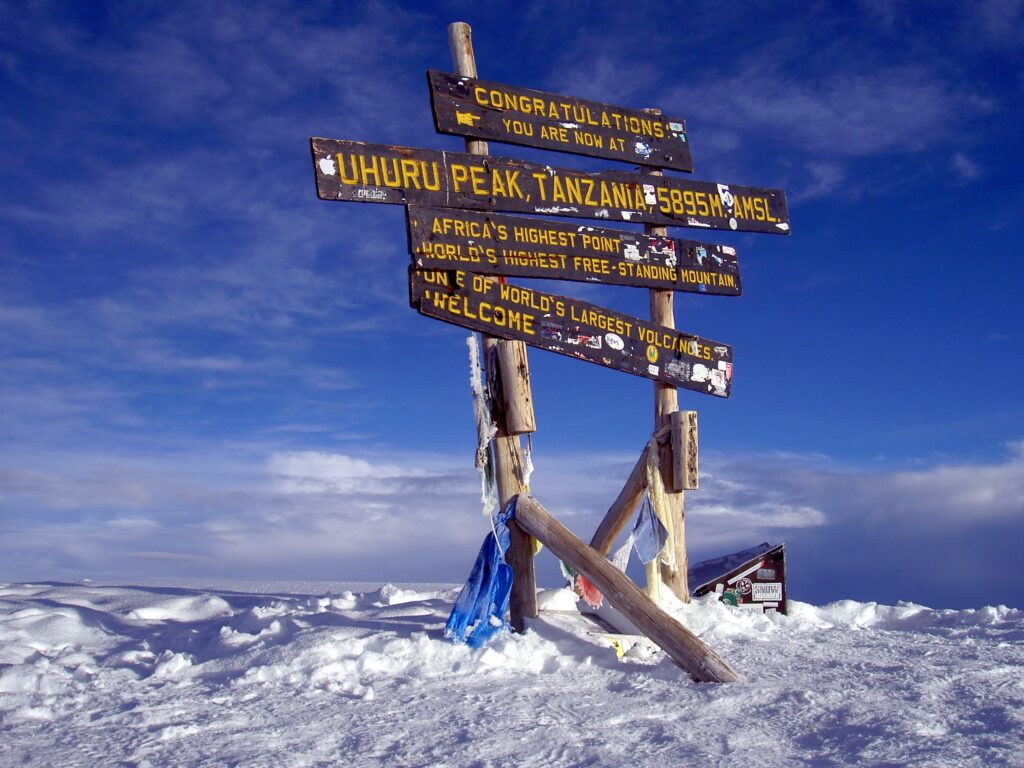
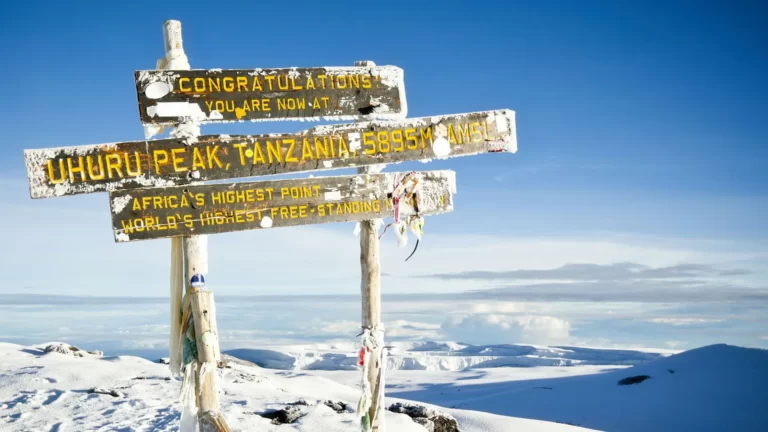
Discover the ultimate Climbing Mount Kilimanjaro (Mount Kilimanjaro) is one of the most iconic African adventure travel experiences and a true bucket list safari adventure. Known as the highest mountain in Africa and the tallest free-standing peak in the world, Kilimanjaro attracts thousands of climbers seeking a Kilimanjaro trekking experience each year. Before you begin your Kilimanjaro climb, it’s essential to understand key factors like Kilimanjaro routes, altitude sickness, the best time to climb Kilimanjaro, and Kilimanjaro climbing costs. Whether you’re planning a luxury Kilimanjaro climb, a budget Kilimanjaro trek, or a guided Kilimanjaro tour, preparation is everything. This guide covers all Kilimanjaro travel tips, helping you plan a safe, successful, and unforgettable Kilimanjaro summit journey to Uhuru Peak.
1: Kilimanjaro Is Not a Technical Climb
One of the most important Kilimanjaro facts is that it is a non-technical climb, meaning no ropes, harnesses, or mountaineering skills are required. This makes climbing Kilimanjaro for beginners achievable with proper preparation. However, don’t underestimate it—this is still a high-altitude trek reaching 5,895 meters. Success depends more on endurance hiking, altitude acclimatization, and mental strength than technical skills. Many travelers choose guided Kilimanjaro tours for safety and support. Even though it’s often described as a “walkable mountain,” the challenge comes from the thin air and long trekking days. Choosing the right pace and understanding your body is crucial for a successful Kilimanjaro summit attempt. With determination and preparation, almost anyone can achieve this incredible African trekking adventure.
2: Choosing the Right Route is Essential
Selecting the best Kilimanjaro route is one of the most important decisions for a successful climb. Popular routes like the Machame Route, Marangu Route, Lemosho Route, and Rongai Route vary in scenery, duration, and success rates. For higher Kilimanjaro summit success rates, longer routes like Lemosho or Northern Circuit are ideal due to better altitude acclimatization. The Marangu Route, often called the “Coca-Cola route,” offers hut accommodation, while Machame is known for its scenic beauty. Your choice should depend on your fitness level, budget, and time. Many Kilimanjaro trekking packages offer customized itineraries. Choosing wisely improves your chances of reaching Uhuru Peak and enhances your overall Kilimanjaro hiking experience.
3: The Weather on Kilimanjaro Can Be Unpredictable
The Kilimanjaro weather is highly unpredictable due to its unique ecological zones, ranging from rainforest to alpine desert and arctic summit. Climbers may experience sunshine, rain, wind, and freezing temperatures all in one trek. Understanding the best time to climb Kilimanjaro—typically January–March and June–October—can improve your experience. Even during peak seasons, conditions can change rapidly, making layered clothing for Kilimanjaro essential. Proper gear ensures comfort and safety throughout your Kilimanjaro trekking adventure. Always prepare for cold nights and potential rain. Weather plays a major role in your success and enjoyment, so flexibility and preparation are key for a safe Kilimanjaro climb.
4: Training for the Key to Kilimanjaro Climbing Success
Proper Kilimanjaro training significantly increases your chances of success. While technical skills aren’t required, physical fitness for Kilimanjaro is essential. Focus on cardio endurance, hiking practice, and strength training. Long walks, hill climbs, and carrying a daypack will prepare your body for the trek. Many climbers underestimate the importance of preparation, but consistent training improves stamina and reduces fatigue. Combining fitness with proper altitude acclimatization strategies ensures better performance. Training also builds confidence for the summit night. Preparing your body is one of the most effective Kilimanjaro climbing tips for reaching Uhuru Peak successfully.
5: Budget Wisely: Hidden Costs Add Up
Understanding Kilimanjaro climbing costs is crucial for planning your trip. Prices vary depending on route, duration, and operator, ranging from budget Kilimanjaro climbs to luxury Kilimanjaro tours. Hidden costs include tips for guides and porters, gear rental, travel insurance, and park fees. Choosing cheap operators may compromise safety, so always prioritize reputable Kilimanjaro tour companies. A well-organized climb ensures better support, meals, and equipment. Budgeting properly helps avoid surprises and ensures a smoother Kilimanjaro trekking experience. Investing in quality services increases your chances of success and overall enjoyment.
6: Packing Strategically is Key
A well-prepared Kilimanjaro packing list is essential for a comfortable and safe climb. Key items include layered clothing, thermal wear, waterproof gear, and sturdy hiking boots for Kilimanjaro. Temperatures vary drastically, so packing smartly is crucial. Don’t forget essentials like a headlamp, gloves, and a sleeping bag. Many Kilimanjaro trekking tours provide equipment, but personal items should be carefully selected. Overpacking can be a burden, so balance is key. Proper gear enhances your experience and helps you adapt to changing conditions during your Kilimanjaro hike.
7: Hiring a Reputable Guide Service
Climbing Kilimanjaro requires booking through a licensed Kilimanjaro tour operator. Choosing a reputable Kilimanjaro guide service ensures safety, professionalism, and ethical treatment of porters. Experienced guides monitor your health, pace, and altitude sickness symptoms. Look for operators with good reviews, proper certifications, and strong safety records. Many travelers opt for all-inclusive Kilimanjaro packages for convenience. A reliable team makes a huge difference in your success and overall experience. This is one of the most important Kilimanjaro travel tips to consider.
8: Hydration and Nutrition Matter More Than You Think
Climbing Mount Kilimanjaro demands consistent hydration on Kilimanjaro and proper fueling. Drinking 3–4 liters daily helps prevent altitude sickness on Kilimanjaro, boosts trekking performance, and supports high altitude climbing success. Meals on a Kilimanjaro climb are energy-rich, including carbs, proteins, and snacks to sustain long trekking days. Reliable Kilimanjaro trekking guides ensure safe food preparation and clean water. Many Kilimanjaro tour operators provide balanced menus, but bringing your own best snacks for hiking is wise. Proper nutrition for mountain climbing enhances endurance, speeds recovery, and improves your Kilimanjaro summit success rate. Never underestimate how vital eating well and staying hydrated is for a safe, enjoyable Kilimanjaro trekking experience.
9: Altitude Sickness on Kilimanjaro Is a Thing
Understanding altitude sickness on Kilimanjaro is essential before attempting to climb Mount Kilimanjaro. Even fit trekkers can experience acute mountain sickness (AMS) due to rapid elevation gain. Common symptoms include headaches, nausea, and fatigue during your Kilimanjaro trekking tour. Choosing the best Kilimanjaro routes, like Lemosho or Machame, improves acclimatization on Kilimanjaro and reduces risks. Trusted Kilimanjaro guides and porters monitor your health and may use pulse oximeters. Booking with Foot Slopes Tours and Safaris, experienced Kilimanjaro tour operators, ensures safety protocols are followed. Preventive measures include slow pacing, hydration, and possibly medication. Awareness of high altitude trekking dangers is key to achieving a safe and successful Kilimanjaro summit climb.
10: Summit Night Is the Hardest Part
The final push to Uhuru Peak on Mount Kilimanjaro is widely known as the toughest stage of any Kilimanjaro climb. Starting at midnight, summit night on Kilimanjaro involves freezing temperatures, darkness, and extreme fatigue. This is where mental strength in climbing meets physical endurance. A proper Kilimanjaro gear list, including insulated layers, headlamps, and gloves, is crucial. Experienced Kilimanjaro trekking guides lead the pace slowly (“pole pole”) to improve your summit success rate on Kilimanjaro. Despite the challenge, reaching Uhuru Peak rewards you with breathtaking views and an unforgettable African mountain adventure. Preparation and determination are key to conquering this iconic Kilimanjaro summit trek.
11: Sleeping on Kilimanjaro
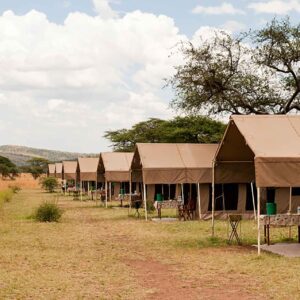
Sleeping during a Kilimanjaro trek can be challenging due to altitude, cold, and unfamiliar conditions. Proper Kilimanjaro camping gear, including a high-quality sleeping bag rated for sub-zero temperatures, is essential. Most Kilimanjaro routes involve tented camps, though Marangu offers hut accommodations. Quality rest improves acclimatization on Kilimanjaro and boosts energy for daily trekking. Reputable Kilimanjaro tour operators provide comfortable tents and sleeping mats, but personal gear matters. Expect lighter sleep due to altitude, making high-altitude trekking preparation important. Despite the challenges, resting well supports your Kilimanjaro climb success and enhances your overall mountain trekking experience in Tanzania.
12: Respect the Environment and Porters
Climbing Mount Kilimanjaro comes with responsibility. Practicing sustainable tourism in Kilimanjaro and respecting local communities is essential. Follow Leave No Trace principles, dispose of waste properly, and protect fragile ecosystems. Ethical Kilimanjaro tour operators ensure fair wages and proper treatment for Kilimanjaro porters, who play a vital role in your journey. Supporting companies affiliated with the Kilimanjaro Porters Assistance Project promotes responsible travel. Respecting guides and porters enhances your authentic Kilimanjaro trekking experience. Choosing ethical climbing Kilimanjaro practices not only preserves the mountain but also ensures a positive impact on local livelihoods and future trekkers.
13: Mental Toughness is Just as Important as Physical Fitness
Success in climbing Mount Kilimanjaro depends heavily on mindset. While physical fitness for Kilimanjaro is important, mental toughness in trekking often determines whether you reach the summit. Long trekking days, altitude challenges, and changing weather test your resilience. Staying positive, focused, and motivated is key during your Kilimanjaro summit climb. Experienced Kilimanjaro guides provide encouragement and pacing strategies. Preparing mentally for discomfort enhances your Kilimanjaro success rate. Visualization, patience, and determination are powerful tools for overcoming obstacles on this iconic African trekking adventure.
14: Getting to Kilimanjaro
Planning your journey to Mount Kilimanjaro starts with booking flights to Kilimanjaro International Airport. Most Kilimanjaro trekking tours begin in Arusha or Moshi, where top Kilimanjaro tour operators are based. Travelers can also arrive via Dar es Salaam and connect domestically. Choosing reliable transfers ensures a smooth start to your Kilimanjaro climbing adventure. Many packages include airport pickups and hotel stays. Understanding how to get to Kilimanjaro helps streamline your itinerary and reduces travel stress before beginning your Tanzania mountain trekking experience.
15: Limited Access to Cell and WiFi
During your Kilimanjaro trekking tour, expect limited cell service on Kilimanjaro and almost no WiFi on Kilimanjaro. Connectivity is available at lower altitudes but becomes unreliable as you ascend. This digital detox enhances your immersion in the Kilimanjaro climbing experience and the natural beauty of Tanzania. Inform family beforehand and plan accordingly. Some Kilimanjaro tour operators offer satellite communication for emergencies. Disconnecting allows you to fully embrace the journey and focus on your summit climb of Kilimanjaro. It’s a rare opportunity to unplug and enjoy a true African wilderness adventure.
16: Acclimatization is Key
Proper acclimatization on Kilimanjaro is the most important factor for summit success. Choosing longer Kilimanjaro routes like Lemosho or Northern Circuit improves your body’s ability to adapt to altitude. The “climb high, sleep low” strategy used by Kilimanjaro trekking guides reduces the risk of altitude sickness. Booking with experienced Kilimanjaro tour operators ensures a well-paced itinerary. Rushing your Kilimanjaro climb significantly lowers your summit success rate. Gradual ascent, hydration, and rest are essential for safe high-altitude trekking in Tanzania. Prioritizing acclimatization makes your Kilimanjaro summit trek more achievable and enjoyable.
17. Physical Fitness Matters
Preparing physically for climbing Mount Kilimanjaro increases your chances of success and enjoyment. Focus on the Kilimanjaro training program routines such as hiking, cardio, and strength training. Building endurance helps you handle long trekking days and steep ascents. While the difficulty of climbing Kilimanjaro is manageable for many, good fitness improves your trekking performance and reduces fatigue. Experienced Kilimanjaro guides assist with pacing, but preparation is key. Combining fitness with proper gear and acclimatization ensures a successful Kilimanjaro summit climb. Being well-prepared transforms your journey into a rewarding and unforgettable Tanzania adventure travel experience.
18. Toilet on Kilimanjaro
When planning a Kilimanjaro climbing tour, understanding toilet conditions is crucial. Public toilets along the mountain are basic, often long-drop latrines, which may not meet expectations for travelers used to modern facilities. On popular Kilimanjaro routes like Machame and Marangu, these facilities vary in cleanliness depending on traffic and weather conditions. For those booking luxury Kilimanjaro safaris or premium trekking packages, portable toilets are often provided, offering a more hygienic experience. Budget climbers should be prepared with essentials like toilet paper, hand sanitizer, and wet wipes. Maintaining hygiene is important for health during your high-altitude trekking adventure. Choosing a reputable operator ensures better sanitation standards. Ultimately, being mentally prepared for simple facilities is part of the authentic Mount Kilimanjaro trekking experience.
19. No Electricity
Climbing Mount Kilimanjaro means leaving modern conveniences behind. Most Kilimanjaro trekking campsites have limited or no electricity, so you must plan for charging devices, headlamps, and camera equipment in advance. Many climbers rely on portable power banks or solar chargers, especially for summit night photos. While some luxury Kilimanjaro camps provide electricity, most budget and mid-range treks do not. This requires a careful packing strategy and preparation for minimal digital connectivity. Remember, Kilimanjaro climbs are about immersing yourself in nature, embracing the wilderness experience, and focusing on your physical and mental preparation rather than relying on electronics. Knowing this in advance ensures your Kilimanjaro adventure is smooth and stress-free, avoiding unnecessary surprises.
- All You Need to Know to Climb Mt Kilimanjaro
- 15 Best Tanzania Safari Lodges & Camps
- Ultimate 2-Week Tanzania & Zanzibar Safari Itinerary & Costs
- How Much Does It Cost to Climb Kilimanjaro?
- 10 Best Tanzania Luxury Safari Lodges And Camps
Final Thought
Climbing Mount Kilimanjaro is a life-changing African adventure travel experience that combines challenge, beauty, and personal achievement. With proper planning, training, and the right mindset, anyone can conquer this iconic peak. From choosing the best Kilimanjaro routes to understanding altitude sickness, every detail matters. Whether you opt for a luxury Kilimanjaro climb or a budget trekking tour, preparation is key. Follow these essential Kilimanjaro travel tips to maximize your success and enjoyment. Reaching Uhuru Peak is not just about the summit—it’s about the journey, resilience, and unforgettable memories along the way.