Items For Climbing Kilimanjaro That Aren’t on the Gear List
Items For Climbing Kilimanjaro That Aren’t on the Gear List
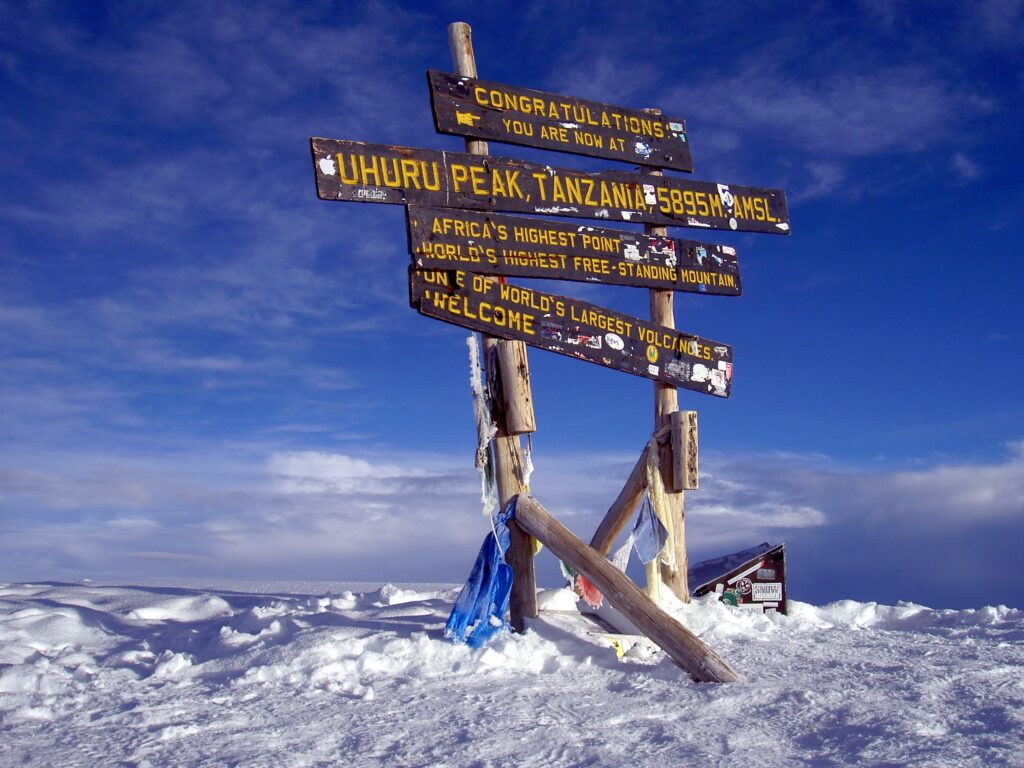
Marvelous climbing Mount Kilimanjaro in Kilimanjaro National Park is one of the most iconic high-altitude trekking adventures in Africa, attracting thousands of climbers searching for the best Kilimanjaro packing list, trekking gear checklist, and summit success tips. While most guides focus on boots, jackets, and sleeping bags, many climbers overlook essential “hidden” items that dramatically improve comfort, safety, and summit success rate. These underrated Kilimanjaro trekking essentials help manage altitude sickness, cold nights, hygiene, and morale during the demanding multi-day hike. From hydration boosters to mental wellness tools, these extra items can make a big difference between a difficult climb and a successful Uhuru Peak summit. This guide reveals the most important items for climbing Kilimanjaro that are not usually included in standard gear lists but are highly recommended by experienced guides and climbers.
Camp Shoes
Camp shoes are one of the most overlooked items in any Kilimanjaro packing list, yet they are essential for comfort after long trekking days. After hours of hiking in heavy boots, your feet need to breathe and recover at camp. Lightweight sandals or slip-on shoes help reduce swelling, prevent blisters, and improve circulation at high altitude in Kilimanjaro trekking zones. Many climbers underestimate how important foot recovery is during multi-day hikes in Kilimanjaro National Park. Camp shoes also make midnight bathroom trips easier in freezing temperatures. Choose waterproof, lightweight, and packable options that fit easily in your backpack. This small item significantly increases comfort, hygiene, and overall trekking experience, making it a must-have for anyone aiming for a successful Kilimanjaro summit adventure.
Eye Drops
Eye drops are a surprisingly important addition to your Kilimanjaro gear checklist, especially due to dust, wind, and dry mountain air. During your trek in Kilimanjaro National Park, conditions can irritate your eyes, leading to redness, dryness, and discomfort that may slow your progress. Artificial tears or lubricating eye drops help maintain eye moisture and reduce irritation caused by altitude and cold winds. They are especially useful on exposed ridges where wind is strong and visibility is crucial for safety. Many climbers focus on clothing and boots but forget eye protection beyond sunglasses. Carrying small, travel-sized eye drops ensures comfort and clear vision throughout your Kilimanjaro climbing journey. This simple item can significantly improve your trekking experience and prevent unnecessary discomfort during long summit days.
Electrolyte Tablets/Powder
Electrolyte tablets or powder are essential for maintaining hydration balance during your Kilimanjaro trekking adventure. At high altitude in Kilimanjaro National Park, your body loses fluids faster due to increased breathing rate and physical exertion. Plain water alone is not enough; electrolytes replace lost sodium, potassium, and minerals, helping prevent fatigue, cramps, and altitude sickness symptoms. Many climbers underestimate hydration strategy, which is critical for summit success. Adding electrolyte solutions to your water bottles improves absorption and keeps energy levels stable during long hiking days. Lightweight and easy to pack, these supplements are a must-have in any Kilimanjaro packing list. They also encourage better water intake, which is vital for acclimatization and performance on challenging sections of the mountain trail.
Hand Warmers
Hand warmers are a small but powerful item for your Kilimanjaro gear checklist, especially during summit night when temperatures can drop below freezing. In Kilimanjaro National Park, climbers face extreme cold conditions that can affect finger mobility, grip strength, and overall comfort. Disposable or reusable hand warmers provide instant heat inside gloves and pockets, helping maintain circulation and prevent numbness. Many trekkers focus on jackets and boots but forget extremities like hands, which are highly vulnerable to cold exposure. Hand warmers also improve safety by allowing better handling of trekking poles and equipment in low temperatures. Lightweight and easy to carry, they are an essential comfort booster for high-altitude hiking. Including them in your Kilimanjaro packing list ensures a safer and more comfortable summit experience.
Blister Balm/Tape
Blister balm and tape are essential items for preventing and managing foot injuries during your Kilimanjaro climb. Long trekking hours in Kilimanjaro National Park often lead to friction, moisture buildup, and painful blisters that can slow or even stop your ascent. Applying blister balm before hiking reduces friction, while athletic tape or moleskin protects sensitive areas. Many climbers underestimate foot care, but it is one of the most important factors in reaching the summit successfully. A small blister can become a major problem at high altitude if not treated early. Carrying these items in your Kilimanjaro packing list ensures quick response to foot discomfort, maintaining mobility and comfort. Proper blister prevention is a key part of safe and successful high-altitude trekking.
Packing Cubes
Packing cubes are a game-changing organizational tool for your Kilimanjaro trekking gear. In Kilimanjaro National Park, where porters carry your duffel bag, efficient packing makes access to clothing and essentials much easier at camp. Packing cubes help separate layers such as thermal wear, hiking clothes, and summit gear, ensuring quick retrieval in cold and stressful conditions. Many climbers overlook organization, but it reduces stress and saves time during daily camp setup. They also help compress clothing, maximizing space in your duffel bag. Lightweight and durable, packing cubes are a must-have for any Kilimanjaro packing list. They improve hygiene, efficiency, and overall trekking comfort, especially during multi-day climbs where weather and temperature conditions change dramatically between rainforest, moorland, and alpine desert zones.
Deck of Cards/Small Travel Game
A deck of cards or a small travel game is an underrated but valuable addition to your Kilimanjaro climbing experience. During evenings in Kilimanjaro National Park, climbers often spend time in tents waiting for dinner or resting before early summit attempts. Having a simple game helps boost morale, reduce stress, and build camaraderie among trekking groups. Mental wellness is just as important as physical preparation on high-altitude expeditions. Games provide a distraction from fatigue, cold weather, and altitude discomfort. Lightweight and easy to carry, they require no power or internet connection, making them ideal for remote mountain environments. Including entertainment in your Kilimanjaro packing list enhances the overall trekking experience and helps maintain positive energy throughout the challenging journey to Uhuru Peak.
Noise-Cancelling Headphones/Earplugs
Noise-cancelling headphones or earplugs are essential for improving sleep quality during your Kilimanjaro trek. In Kilimanjaro National Park, camp environments can be noisy due to wind, fellow climbers, and early morning preparations. Good rest is crucial for acclimatization and energy recovery at high altitude. Earplugs help block out disturbances, while lightweight headphones can provide calming music or white noise before sleep. Many climbers underestimate how important quality rest is for summit success. Poor sleep can increase fatigue and reduce performance on summit night. Including these items in your Kilimanjaro packing list ensures better recovery, mental relaxation, and improved focus during long trekking days. They are small, lightweight, and highly effective for enhancing overall expedition comfort.
Headlamp Diffuser or Frosted Ziploc Bag
A headlamp diffuser or frosted Ziploc bag is a clever item that improves visibility and comfort during nighttime trekking on Kilimanjaro. In Kilimanjaro National Park, summit attempts often begin before dawn in complete darkness. A harsh headlamp beam can strain your eyes and reduce group visibility. Using a diffuser softens the light, creating a wider and more comfortable glow that helps you see the trail clearly without blinding others. Many climbers overlook this simple hack, but it significantly improves safety and coordination during night ascents. Lightweight and easy to improvise, it fits perfectly into any Kilimanjaro packing list. This small adjustment enhances visibility, reduces fatigue, and improves overall trekking experience during the most critical part of the climb.
Gratitude Journal
A gratitude journal is a powerful yet often forgotten item for mental strength during your Kilimanjaro climb. While trekking in Kilimanjaro National Park, climbers face physical exhaustion, altitude challenges, and emotional highs and lows. Writing daily reflections helps maintain a positive mindset, reduce stress, and increase motivation toward reaching Uhuru Peak. Documenting your journey also creates lasting memories of this once-in-a-lifetime adventure. Many trekkers focus only on physical gear, but mental resilience is equally important for summit success. A small notebook is lightweight and easy to carry, making it ideal for your Kilimanjaro packing list. Gratitude journaling enhances emotional balance, encourages mindfulness, and helps climbers appreciate the breathtaking landscapes and personal achievement throughout the expedition.
Book or Small Games
A lightweight book or small portable game is a valuable companion during downtime on Kilimanjaro. In Kilimanjaro National Park, evenings in camp can feel long as climbers rest and prepare for the next day’s ascent. Reading or simple games help pass time, reduce anxiety, and maintain mental relaxation in high-altitude conditions. Many climbers underestimate the psychological challenge of multi-day trekking, where boredom and fatigue can affect morale. A good book or puzzle provides mental escape and keeps your mind engaged without technology. These items are lightweight, easy to pack, and require no power, making them ideal for remote environments. Including entertainment in your Kilimanjaro packing list improves overall trekking experience and supports mental well-being throughout the journey.
Headlamp with Extra Batteries
A reliable headlamp with extra batteries is one of the most critical safety items for climbing Kilimanjaro. In Kilimanjaro National Park, summit night begins in complete darkness, requiring strong and consistent lighting for navigation. A headlamp allows hands-free movement while trekking steep and rocky terrain. Extra batteries are essential because cold temperatures can drain power quickly at high altitudes. Many climbers make the mistake of underestimating battery consumption, which can lead to dangerous situations. A backup light source is also recommended for emergencies. This essential item ensures safety, visibility, and confidence during the most challenging part of the ascent. Including a high-quality headlamp in your Kilimanjaro packing list is non-negotiable for a successful and safe summit experience.
Small First-Aid Kit
A compact first-aid kit is an essential addition to your Kilimanjaro climbing gear. In Kilimanjaro National Park, minor injuries such as cuts, blisters, headaches, and stomach issues are common due to altitude and physical strain. A basic kit should include painkillers, antiseptic wipes, bandages, blister care, and altitude sickness medication if prescribed. While guides carry medical supplies, personal kits ensure an immediate response to small issues before they worsen. Many climbers overlook this essential, focusing only on major gear. However, quick treatment can prevent discomfort and keep you moving toward the summit. Lightweight and easy to pack, a first-aid kit is a must-have in any Kilimanjaro packing list, ensuring safety, preparedness, and peace of mind during your expedition.
Hand Sanitizer
Hand sanitizer is a vital hygiene item for climbing Kilimanjaro. In Kilimanjaro National Park, access to running water is limited during trekking, making sanitation a challenge. Using hand sanitizer helps prevent stomach infections and illness caused by bacteria on hands before eating or drinking. Many climbers underestimate hygiene at high altitude, but staying healthy is crucial for summit success. Compact and lightweight, sanitizer is easy to carry in your pocket or daypack. It should be used regularly, especially after restroom breaks or before meals. Including this item in your Kilimanjaro packing list supports overall health, reduces the risk of illness, and ensures uninterrupted trekking progress. Clean hands are a simple but powerful way to maintain strength and endurance on the mountain.
Wet Wipes
Wet wipes are an essential hygiene solution for multi-day trekking on Kilimanjaro. In Kilimanjaro National Park, water for washing is limited, especially at higher camps. Wet wipes help maintain cleanliness, refresh the body, and improve comfort after long hiking days. They are especially useful for quick cleaning of hands, face, and body when showers are not available. Many climbers underestimate how much hygiene affects morale and overall trekking experience. Staying clean reduces discomfort, prevents irritation, and boosts mental well-being. Lightweight and disposable, wet wipes are a must-have in any Kilimanjaro packing list. They provide a simple but effective way to maintain personal hygiene in harsh mountain conditions, ensuring climbers stay fresh and motivated throughout their journey to the summit.
Sunscreen and Lip Balm
Sunscreen and lip balm are essential protection items for climbing Kilimanjaro. In Kilimanjaro National Park, climbers are exposed to strong UV radiation due to the high altitude and thin atmosphere. Sunburn and dry, cracked lips are common problems that can affect comfort and performance. High-SPF sunscreen protects exposed skin during long trekking hours, while lip balm prevents painful chapping caused by cold wind and sun exposure. Many climbers underestimate sun protection in cold environments, but UV intensity increases with elevation. These small items are lightweight yet crucial for health and comfort. Including them in your Kilimanjaro packing list ensures better skin protection, prevents injury, and improves overall trekking experience throughout the diverse climate zones of the mountain.
Sunburn Protection Awareness
Sunburn protection awareness is a crucial but often ignored aspect of climbing Kilimanjaro. In Kilimanjaro National Park, climbers experience intense UV exposure even in cold temperatures due to high altitude conditions. Without proper protection, sunburn can occur quickly and lead to pain, dehydration, and reduced performance. Wearing protective clothing, sunglasses, hats, and applying sunscreen regularly are essential preventive measures. Many trekkers assume cold weather eliminates sun risk, but this is a dangerous misconception. Awareness of sunburn risks ensures better preparation and safer trekking practices. Including sun protection strategies in your Kilimanjaro packing list improves comfort and health throughout the climb. Proper prevention helps climbers maintain energy levels and focus on reaching the summit successfully without avoidable skin damage.
Cash for Tips
Carrying cash for tips is an important practical consideration when climbing Kilimanjaro. In Kilimanjaro National Park, porters, guides, and support staff play a vital role in ensuring a safe and successful summit experience. Tipping is a customary way to show appreciation for their hard work, dedication, and support throughout the trek. Many climbers overlook this detail in their Kilimanjaro packing list, but it is highly recommended to carry small denominations of cash for convenience. Proper budgeting for tips ensures smooth interactions and supports the local trekking community. It also reflects respect and gratitude for the challenging work done on the mountain. Planning ahead for tipping enhances your overall Kilimanjaro experience and contributes positively to responsible tourism practices.
Plug Adaptor
A plug adaptor is a useful but often forgotten item for international climbers heading to Kilimanjaro. In Kilimanjaro National Park, charging opportunities may be limited and require specific plug types depending on your devices. A universal travel adaptor ensures that you can charge your phone, camera, or power bank when electricity is available in lodges or base accommodations. Many climbers focus on trekking gear but forget electronic essentials needed for navigation, photography, and communication. Including a plug adaptor in your Kilimanjaro packing list ensures your devices remain powered throughout your journey. This small item adds convenience, reduces stress, and supports documentation of your adventure from start to summit, making it an essential part of modern trekking preparation.
Final Thought
Climbing Mount Kilimanjaro in Kilimanjaro National Park is not just about standard gear like boots, jackets, and sleeping bags—it is also about the small, often forgotten items that significantly enhance comfort, safety, and summit success. These overlooked essentials, from electrolyte tablets and blister care to gratitude journals and camp shoes, can make the difference between a difficult climb and a memorable achievement. Proper preparation improves physical endurance, mental resilience, and overall trekking experience on Africa’s highest peak. By carefully adding these underrated items to your Kilimanjaro packing list, climbers increase their chances of reaching Uhuru Peak successfully. Every detail matters on this challenging journey, and thoughtful packing ensures a safer, more enjoyable, and truly unforgettable adventure on Mount Kilimanjaro.
Items For Climbing Kilimanjaro That Aren’t on the Gear List: FAQs
What is Camp Shoes like?
Camp shoes are one of the most overlooked items in any Kilimanjaro packing list, yet they are essential for comfort after long trekking days. After hours of hiking in heavy boots, your feet need to breathe and recover at camp. Lightweight sandals or slip-on shoes help reduce swelling, prevent blisters, and improve circulation at high altitude in Kilimanjaro trekking zones.
What should you know about electrolyte tablets/powder for items for climbing Kilimanjaro that Aren’t on the gear list?
Electrolyte tablets or powder are essential for maintaining hydration balance during your Kilimanjaro trekking adventure. At high altitude in Kilimanjaro National Park, your body loses fluids faster due to increased breathing rate and physical exertion. Plain water alone is not enough; electrolytes replace lost sodium, potassium, and minerals, helping prevent fatigue, cramps, and altitude sickness symptoms.
What can you expect from blister balm/tape ?
Blister balm and tape are essential items for preventing and managing foot injuries during your Kilimanjaro climb. Long trekking hours in Kilimanjaro National Park often lead to friction, moisture buildup, and painful blisters that can slow or even stop your ascent. Applying blister balm before hiking reduces friction, while athletic tape or moleskin protects sensitive areas.
What should you know about deck of cards/small travel game for items for climbing Kilimanjaro that Aren’t on the gear list?
A deck of cards or a small travel game is an underrated but valuable addition to your Kilimanjaro climbing experience. During evenings in Kilimanjaro National Park, climbers often spend time in tents waiting for dinner or resting before early summit attempts. Having a simple game helps boost morale, reduce stress, and build camaraderie among trekking groups.
What can you expect from headlamp diffuser or frosted Ziploc bag for items for climbing Kilimanjaro that Aren’t on the gear list?
A headlamp diffuser or frosted Ziploc bag is a clever item that improves visibility and comfort during nighttime trekking on Kilimanjaro. In Kilimanjaro National Park, summit attempts often begin before dawn in complete darkness. A harsh headlamp beam can strain your eyes and reduce group visibility.
What should you know about book or small games for items for climbing Kilimanjaro that Aren’t on the gear list?
A lightweight book or small portable game is a valuable companion during downtime on Kilimanjaro. In Kilimanjaro National Park, evenings in camp can feel long as climbers rest and prepare for the next day’s ascent. Reading or simple games help pass time, reduce anxiety, and maintain mental relaxation in high-altitude conditions.
What can you expect from small first-aid kit for items for climbing Kilimanjaro that Aren’t on the gear list?
A compact first-aid kit is an essential addition to your Kilimanjaro climbing gear. In Kilimanjaro National Park, minor injuries such as cuts, blisters, headaches, and stomach issues are common due to altitude and physical strain. A basic kit should include painkillers, antiseptic wipes, bandages, blister care, and altitude sickness medication if prescribed.
What should you know about wet wipes for items for climbing Kilimanjaro that Aren’t on the gear list?
Wet wipes are an essential hygiene solution for multi-day trekking on Kilimanjaro. In Kilimanjaro National Park, water for washing is limited, especially at higher camps. Wet wipes help maintain cleanliness, refresh the body, and improve comfort after long hiking days. They are especially useful for quick cleaning of hands, face, and body when showers are not available.
Climb Kilimanjaro With Confidence
Tell us your dates and fitness, and our experienced mountain team will plan a safe, well-acclimatized private climb.