The Serengeti National Park. The name itself evokes images of endless plains, dramatic wildlife encounters, and the raw beauty of untamed Africa. Located in northern Tanzania, this legendary park is far more than just a famous safari destination; it is a living, breathing ecosystem of unparalleled ecological significance and breathtaking natural wonder. Its vastness holds secrets and stories that continue to captivate researchers, conservationists, and travelers alike. The name “Serengeti” comes from the Maasai word “Siringet,” meaning “endless plains,” aptly describing the park’s vast grasslands. While its role as the stage for the Great Migration is widely known, the Serengeti’s true marvel lies in its intricate details, its ancient history, and the sheer diversity of life it supports. Here are 10 interesting facts that highlight why the Serengeti is truly the heartbeat of Africa.
1. Home to the World’s Greatest Animal Migration
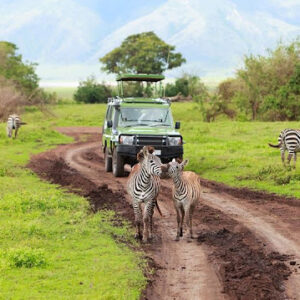
This is undoubtedly the most famous fact, but its scale is truly mind-boggling. The Great Wildebeest Migration sees over 2 million wildebeest, zebras, and gazelles embark on a perilous, continuous journey across the Serengeti and into Kenya’s Maasai Mara. It’s a relentless search for fresh grazing and water, driven by instinct and the seasons. The spectacle includes dramatic river crossings (especially the Mara River), intense calving seasons where hundreds of thousands of wildebeest are born within weeks, and the constant threat of predators shadowing the herds. This cyclical movement is not merely a sight; it’s a profound natural phenomenon, a raw display of survival, and the largest terrestrial mammal migration on Earth.
2. Beyond the Big Five: A Biodiversity Hotspot
While the Serengeti is a prime location to spot Africa’s iconic Big Five (lion, leopard, elephant, rhino, buffalo), its biodiversity extends far beyond these magnificent creatures. The park boasts an astonishing array of wildlife, making it one of the richest ecosystems in the world. Beyond the headliners, you can find cheetahs, wild dogs (though rare), giraffes, zebras, various antelope species (impala, topi, eland, gazelle), hippos, crocodiles, and numerous smaller predators and herbivores. This incredible diversity underscores the health and complexity of the Serengeti ecosystem. Offering endless opportunities for unique sightings and a deeper appreciation for African wildlife. Serengeti National Park, a UNESCO World Heritage Site, is renowned for its vast biodiversity and the Great Migration, one of the largest animal migrations on Earth. It’s also famous for its high density of predators, including lions and cheetahs. Here are 10 interesting facts: Serengeti National Park is home to Extraordinary Biodiversity around 2 million ungulates, 4000 lions, 1000 leopards, 550 cheetahs, and 500 bird species.
3. A UNESCO World Heritage Site
The international significance of the Serengeti is formally recognized by its designation as a UNESCO World Heritage Site. Inscribed in 1981, this status acknowledges its outstanding universal value as one of the few places in Africa where vast wildlife populations still exist in their natural, unaltered habitats. The UNESCO designation highlights its unique ecological processes, its crucial role in conservation, and its importance as a natural phenomenon of extraordinary beauty. This recognition helps ensure its protection and sustainable management for future generations.
4. Maasai Influence: An Ancient Coexistence
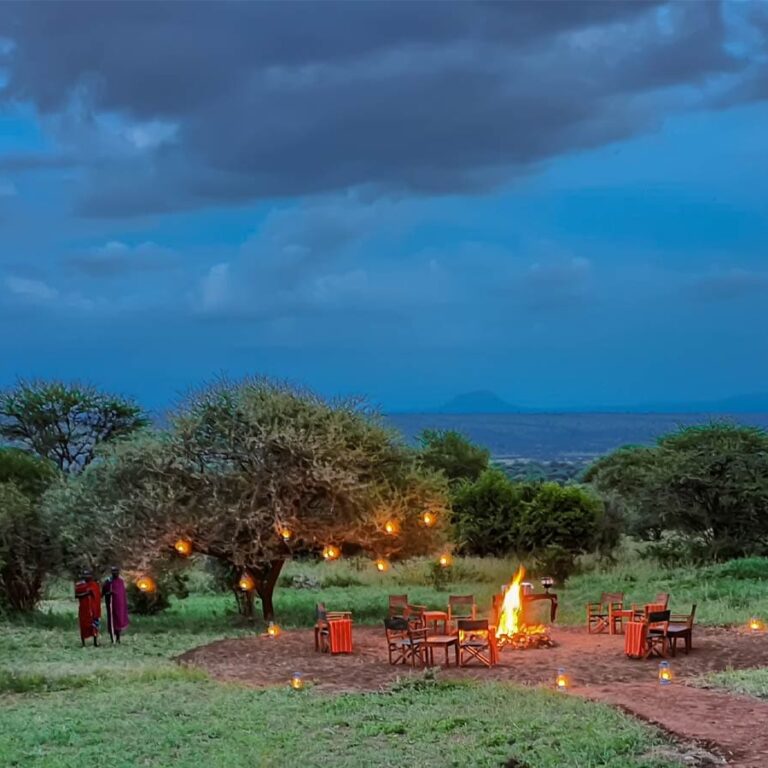
The name “Serengeti” itself is derived from the Maasai word “Siringet,” meaning “the place where the land runs on forever” or “endless plains” – a perfectly apt description. For centuries, the semi-nomadic Maasai people have coexisted with the wildlife in parts of the Serengeti ecosystem, including areas of the Ngorongoro Conservation Area. While the Maasai no longer reside within the boundaries of the national park, their historical and cultural influence is undeniable. Their traditional way of life, centered around cattle herding and a deep respect for nature, is an integral part of the region’s heritage. Many safari experiences offer respectful cultural visits to Maasai villages on the fringes of the park.
5. Lion Population: A Thriving Kingdom
The Serengeti is home to arguably the largest and healthiest lion population in Africa. It’s one of the best places on the continent to observe these magnificent predators in their natural glory, whether hunting, resting, or interacting with their prides. The vast plains and abundant prey, especially during the migration, provide an ideal habitat for lions to thrive. Researchers have studied the Serengeti’s lion population for decades. Contributing significantly to our understanding of lion behavior, ecology, and conservation challenges. Seeing a large pride up close is a quintessential Serengeti experience.
6. Kopjes: Islands of Life in the Plains
Scattered across the vast grasslands of the Serengeti are unique geological formations known as kopjes (pronounced “ko-pees”). These ancient, weathered granite outcrops are like islands in the sea of grass, each with its micro-ecosystem. Ecological Significance. Kopjes provide vital vantage points for predators like lions, cheetahs, and leopards, offering shade, shelter, and den sites. They also support unique plant life and act as refuges for smaller animals like rock hyraxes and various reptiles. Visual Impact. They add dramatic visual interest to the flat plains and are often featured in iconic safari photographs. Their presence allows for different types of wildlife viewing and unique animal behaviors.
7. Rich Birdlife: A Birder’s Paradise
Beyond the large mammals, the Serengeti is a birder’s paradise, boasting over 500 species of birds. From colorful migratory birds to impressive raptors and unique ground-dwelling species, the avian diversity is astounding. Keep an eye out for ostriches, Kori Bustards (the heaviest flying bird), Secretary Birds (famous for hunting snakes), various eagles, vultures, and a dazzling array of smaller, brightly colored species like sunbirds and rollers. The changing habitats within the park support different bird communities, offering endless opportunities for birdwatching enthusiasts.
8. Diverse Habitats: More Than Just Grasslands
While the image of “endless plains” is dominant, the Serengeti encompasses a surprising variety of diverse habitats. This ecological mosaic contributes to its incredible biodiversity. Vast Grasslands. The iconic endless plains, particularly in the south and central regions, are crucial for supporting grazing herds. Riverine Forests. Along major rivers like the Grumeti and Mara, dense riverine forests provide vital water sources, shade, and habitat for large mammals and diverse birdlife.
Woodlands & Savanna. Areas dotted with acacia trees and other bush provide different foraging opportunities and cover. Kopjes. As mentioned, these rocky outcrops create unique micro-environments. This habitat diversity allows for a greater range of species to coexist within the park.
9. Vital Role in Conservation: A Protected Ecosystem
The Serengeti National Park plays a vital role in conservation efforts for a significant portion of Africa’s wildlife. Top Interesting Facts About the Serengeti National Park. It is part of the larger Serengeti ecosystem, which also includes the Ngorongoro Conservation Area. Maasai Mara National Reserve (Kenya), and various game reserves and controlled areas. The park’s protected status is crucial for safeguarding the Great Migration and its associated predators, as well as numerous endangered species. Ongoing research. Anti-poaching initiatives and sustainable tourism practices are central to its conservation mission, highlighting the global importance of preserving such an intact and functioning ecosystem.
10. Covers Nearly 15,000 Square Kilometers: A Truly Vast Wilderness
The sheer scale of the Serengeti National Park is impressive. It covers an expansive area of approximately 14,763 square kilometers (5,700 square miles) amazing and interesting Facts About the Serengeti National Park. To put that into perspective, it’s roughly the size of Northern Ireland or Connecticut. This immense size allows the Great Migration to occur naturally. Provides vast ranges for large mammal populations, and offers a true sense of untamed wilderness. Interesting Facts About the Serengeti National Park. Exploring even a fraction of it requires multiple days, and its vastness ensures that despite its popularity. You can still find moments of profound solitude amidst its wild beauty.
- Serengeti in May: A Spectacular Wilderness Experience
- 10 Reasons Why You Should Visit the Serengeti National Park
- Interesting fact about Tanzania Safari
- Camping Safari Vs Lodge Safari: Which to Choose
- Types of Safaris – Tailor-Made African Safari Vacations
What is the main attraction of the Serengeti National Park?
The main attraction of the Serengeti National Park is its unparalleled wildlife and the Great Migration, where millions of wildebeest, zebras, and gazelles move across the plains. Visitors can enjoy thrilling game drives, spotting predators like lions and cheetahs hunting. The park also offers birdwatching, stunning landscapes, and authentic safari experiences. Famous for its ecosystem diversity, the Serengeti attracts travelers seeking luxury safaris, photographic adventures, family safaris, and honeymoon wildlife experiences in Tanzania’s iconic safari destination.
Can I see the Big Five in the Serengeti?
Yes, the Serengeti National Park is one of the best places in Tanzania to see the Big Five: lions, leopards, elephants, buffalo, and rhinoceros. While lions are abundant, spotting leopards and rhinos may require patience and expert guides. Safari travelers often choose private, luxury, or mid-range lodges for the best Big Five experiences. Game drives, guided tours, and fly-in safaris increase chances of sightings, making the Serengeti a top destination for bucket-list wildlife adventures in Africa.
What does “Serengeti” mean?
The name “Serengeti” comes from the Maasai word Siringet, meaning “endless plains.” This name reflects the park’s vast savannah landscapes, stretching across 14,750 km² of northern Tanzania. The Serengeti’s plains support large herbivore herds, iconic predators, and diverse ecosystems. Its endless scenery is perfect for photography, wildlife observation, and safari adventures. Understanding the meaning emphasizes cultural connections with the Maasai people while highlighting the park’s natural grandeur, making it one of Africa’s most famous and SEO-friendly safari destinations.
Are the Maasai people living inside the Serengeti National Park?
The Maasai people traditionally live near the edges of the Serengeti National Park rather than inside it. Their semi-nomadic lifestyle includes cattle herding and cultural rituals, which are visible in villages bordering the park. Tourists can visit Maasai communities to learn about their traditions, dress, and customs. While the Serengeti protects wildlife, the Maasai coexist with the environment through sustainable grazing and conservation awareness. Safari experiences often include cultural visits alongside wildlife viewing for a complete Tanzania adventure.
What are “kopjes” in the Serengeti?
Kopjes are rocky outcrops scattered across the Serengeti plains, formed over millions of years. They provide shelter for wildlife such as lions, leopards, hyenas, and small mammals, creating natural hunting and resting spots. Kopjes also serve as landmarks for safari navigation. These formations offer stunning photography opportunities and panoramic views of the vast savannah. Visitors can explore kopjes during guided tours or game drives, experiencing unique geological features that contribute to the Serengeti’s biodiversity and iconic landscapes, making them a must-see attraction.
Is the Serengeti only famous for mammals?
While the Serengeti is renowned for its large mammals, it is also home to over 500 bird species, reptiles, and unique plant life. Birdwatchers can spot ostriches, vultures, and Secretary Birds, while wetlands and rivers support hippos, crocodiles, and fish species. Its diverse flora includes acacia trees, baobabs, and savannah grasses. This biodiversity supports complex predator-prey interactions, making it a complete ecosystem. Visitors enjoy luxury, mid-range, or budget safaris that highlight mammals, birds, and habitats, reinforcing the Serengeti’s global wildlife fame.
How big is the Serengeti National Park?
The Serengeti National Park spans approximately 14,750 km² (5,700 square miles) in northern Tanzania, forming part of the larger Serengeti ecosystem. It connects to Ngorongoro Conservation Area, Maswa Game Reserve, and Grumeti Reserve. Its size allows the Great Migration to occur uninterrupted, supporting vast herbivore populations and predator species. The park’s extensive area accommodates luxury lodges, tented camps, and photographic safari routes. Its enormous scale makes it one of Africa’s largest and most important safari destinations, perfect for bucket-list wildlife tours.
What is the Serengeti’s conservation status?
The Serengeti National Park is a UNESCO World Heritage Site and a protected area under Tanzanian law. Its conservation status safeguards biodiversity, endangered species, and critical habitats. Anti-poaching measures, community programs, and scientific research help maintain wildlife populations. Sustainable tourism practices, including eco-friendly lodges and guided safaris, contribute to long-term preservation. The Serengeti’s global recognition highlights its ecological importance, attracting travelers interested in ethical wildlife experiences, family safaris, and luxury adventures while supporting one of the world’s most iconic conservation landscapes.
What types of habitats are found in the Serengeti?
The Serengeti contains diverse habitats, including open savannahs, riverine forests, wetlands, woodlands, and kopjes. Savannah plains dominate, hosting migratory herbivores and predators. Riverine forests provide shelter for primates and birds, while wetlands support hippos, crocodiles, and aquatic species. Woodland areas offer shade and nesting sites, and rocky kopjes serve as hunting grounds. This variety allows high biodiversity and supports iconic species like lions, elephants, and cheetahs. Safari tours explore multiple habitats, enhancing wildlife viewing and photography opportunities across Tanzania’s Serengeti National Park.
Why is the lion population particularly noteworthy in the Serengeti?
The Serengeti has one of the largest and most studied lion populations in Africa. Its open plains and abundant prey, including wildebeest and zebras, support healthy prides. Long-term research, such as the Serengeti Lion Project, provides insights into social structure, hunting behavior, and conservation strategies. Lions here are key predators maintaining ecosystem balance, making the park essential for wildlife studies. Safari travelers can witness lion prides hunting, resting on kopjes, and raising cubs, making it a prime destination for luxury, family, and photographic safari experiences.