The Best Base Layers & Hiking Shirts for Climbing Kilimanjaro
The Best Base Layers & Hiking Shirts for Climbing Kilimanjaro
Book an incredible Climbing Mount Kilimanjaro in Tanzania requires the best base layers and hiking shirts for changing alpine weather conditions. Proper Kilimanjaro clothing is essential for comfort, warmth, and summit success on Africa’s highest mountain. Moisture-wicking base layers, merino wool shirts, and synthetic hiking gear help regulate body temperature during ascent. This guide highlights top Kilimanjaro base layers, layering systems, and breathable trekking shirts for high altitude climbing. Choosing the right hiking shirts improves performance on routes like Machame, Lemosho, and Marangu. Good layering reduces cold risks, increases endurance, and supports a safe summit night trekking experience. Understanding Kilimanjaro hiking gear helps climbers prepare for unpredictable mountain weather conditions. Expert advice ensures the best base layer system for safe, successful Kilimanjaro climb summit success.
Top Base Layer & Hiking Shirt Recommendations
The best base layers for Kilimanjaro must be lightweight, moisture-wicking, and completely cotton-free. High-performance merino wool (such as Smartwool or Icebreaker) or quick-drying synthetics (such as Patagonia Capilene) will regulate your temperature and prevent chafing through five distinct climate zones.
Best Merino Wool (Tops):
The best merino wool base layer tops for Kilimanjaro climbing include premium options designed for warmth, breathability, and odor resistance. Top-rated choices include Icebreaker 200 Oasis Merino Wool Long Sleeve, Smartwool Classic Thermal Merino Base Layer, and Mons Royale Icon Merino Crew. These hiking shirts are ideal for high altitude trekking in Tanzania because they regulate body temperature in both cold summit conditions and warmer rainforest zones. Merino wool naturally wicks moisture, dries relatively fast, and provides excellent insulation even when damp. Lightweight and soft against the skin, these Kilimanjaro base layers reduce chafing during long trekking days. Perfect for layering systems on Mount Kilimanjaro expeditions and recommended for all climbers seeking comfort and summit success performance.
Best Synthetic (Tops):
The best synthetic base layer tops for Kilimanjaro offer fast-drying performance, durability, and excellent moisture management for intense trekking conditions. Highly recommended options include Patagonia Capilene Midweight Crew, Under Armour HeatGear Compression Shirt, Arc'teryx Rho LT Base Layer, and Columbia Omni-Wick Long Sleeve Shirt. These synthetic hiking shirts are ideal for sweaty ascents on Mount Kilimanjaro due to their superior breathability and quick-dry technology. Unlike cotton, they wick moisture away from the skin to prevent chilling during altitude changes. Lightweight and affordable, synthetic base layers are perfect for active trekking days and layering systems. They are especially useful in variable Kilimanjaro weather conditions, ensuring climbers stay dry, comfortable, and performance-ready during summit climbs in Tanzania.
Best Sun Protection (Hiking Shirts):
The best sun protection hiking shirts for Kilimanjaro are designed with UPF-rated fabrics to protect climbers from intense equatorial sun exposure at high altitude. Top options include Columbia PFG Tamiami II UPF 40 Shirt, Patagonia Sun Stretch Shirt, REI Co-op Sahara Shade Hoodie, and Simms SolarFlex UPF Shirt. These lightweight trekking shirts provide excellent breathability, moisture control, and long-sleeve UV protection for daytime hikes in Tanzania. Sun protection base layers are essential for preventing sunburn, overheating, and fatigue during long summit approaches. Quick-drying and ventilated, they are ideal for Kilimanjaro’s changing climate zones. These hiking shirts enhance comfort, safety, and endurance while supporting effective layering systems for successful high altitude trekking and summit performance.
Why Base Layers Matter on Kilimanjaro
Base layers are the foundation of Kilimanjaro climbing clothing, providing insulation, moisture control, and comfort in extreme altitude conditions. On Mount Kilimanjaro, temperatures shift dramatically from tropical forest to freezing summit zones, making proper hiking shirts essential. Moisture-wicking base layers help regulate sweat, preventing chills and maintaining body heat during long trekking days. They reduce friction, improve breathability, and enhance overall performance for high-altitude trekking in Tanzania. Merino wool and synthetic fabrics are widely recommended for Kilimanjaro base layers due to durability. Without proper layering, climbers risk hypothermia, overheating, and reduced endurance on summit night climbs. Choosing quality base layers improves safety, comfort, and success rate on Kilimanjaro expeditions. Smart clothing choices ensure safe and successful summit performance every time.
Best Materials for Kilimanjaro Base Layers (Merino Wool vs Synthetic)
Choosing the best materials for Kilimanjaro base layers is crucial for warmth, breathability, and moisture management in extreme mountain conditions. Merino wool base layers are highly popular for Mount Kilimanjaro trekking due to their natural insulation and odor resistance. They remain warm even when wet and provide excellent temperature regulation during high altitude climbs in Tanzania. Synthetic hiking shirts dry quickly, making them ideal for sweaty ascents and unpredictable Kilimanjaro weather conditions. They are lightweight, durable, and often more affordable than merino wool base layer options. Merino wool is preferred for long treks, while synthetic fabrics excel in fast drying performance. Both materials are effective depending on weather conditions, trekking style, and personal comfort needs. Best Kilimanjaro performance guaranteed every time.
Top-Rated Hiking Shirts for High Altitude Climbing
A proper layering system is essential for adapting to Kilimanjaro’s rapidly changing weather conditions from base to summit. The standard Mount Kilimanjaro clothing system includes base layers, mid layers, and outer shell protection. Base layers manage moisture, while mid layers provide insulation, and outer layers block wind and rain. Proper layering ensures comfort during warm rainforest sections and freezing alpine summit nights. Layering also helps regulate body temperature and prevent hypothermia at high altitude zones. Hikers should adjust clothing throughout the climb to match temperature changes and exertion levels. This system improves safety, endurance, and overall performance on Mount Kilimanjaro expeditions. A correct layering strategy ensures climbers stay warm, dry, and safe during challenging summit night conditions on Kilimanjaro climbs.
Layering System for Mount Kilimanjaro Weather Conditions
Breathability, moisture control, and temperature regulation are critical factors when selecting Kilimanjaro base layers and hiking shirts. High altitude trekking in Tanzania exposes climbers to intense sun, cold winds, and rapid weather changes. Moisture-wicking fabrics keep sweat away from the skin, preventing overheating during long ascents. Good hiking shirts improve airflow and reduce discomfort during strenuous mountain climbing. Merino wool naturally regulates temperature, while synthetic fabrics enhance quick-drying performance. Proper ventilation reduces fatigue and improves endurance on long Kilimanjaro trekking days. Choosing breathable clothing ensures comfort and safety during summit night climbs. Climbers who prioritize breathability and moisture control experience better temperature balance, reduced sweat buildup, improved performance, and safer acclimatization during Kilimanjaro ascent and summit success, and overall safety gains.
Breathability, Moisture Control & Temperature Regulation
Choosing the best men’s and women’s base layers for Kilimanjaro is essential for comfort, warmth, and performance. Gender-specific hiking shirts and base layers are designed to fit different body shapes and improve mobility. Men’s base layers often focus on durability and heat retention during cold summit nights. Women’s hiking shirts prioritize comfort, flexibility, and moisture control for long trekking days. Merino wool base layers are popular for both men and women on Kilimanjaro expeditions. Synthetic options offer lightweight performance and quick-drying benefits for all climbers. Proper fit reduces chafing and improves overall comfort during high-altitude trekking. Selecting the right base layers ensures better insulation, temperature regulation, and summit readiness for Kilimanjaro climbers in all weather conditions on mountain ascent.
Best Men’s and Women’s Base Layers for Kilimanjaro
Avoiding common mistakes when choosing Kilimanjaro base layers and hiking shirts is essential for a safe and successful climb. Many climbers underestimate the importance of moisture-wicking fabrics and end up uncomfortable during long trekking days. Wearing cotton clothing is a major mistake because it retains moisture and increases the risk of hypothermia. Climbers often choose style over function, leading to poor temperature regulation and fatigue. Incorrect layering can cause overheating during ascent and freezing conditions at the summit. Not adjusting clothing during the climb reduces comfort and increases safety risks. Poor-quality hiking shirts fail to provide adequate breathability and insulation. Understanding proper Kilimanjaro clothing selection helps climbers avoid mistakes and improve safety, comfort, and summit success rates on expedition climbs.
Common Mistakes to Avoid When Choosing Hiking Shirts
In conclusion, choosing the best base layers and hiking shirts for Kilimanjaro is vital for a successful climbing experience. The right Kilimanjaro clothing system improves comfort, regulates body temperature, and enhances summit performance. Merino wool and synthetic base layers both play important roles in high-altitude trekking in Tanzania. Proper layering ensures safety and efficiency during changing Kilimanjaro weather conditions. Climbers who invest in quality hiking gear increase their chances of reaching the summit successfully. Temperature regulation, breathability, and moisture control are key to endurance on Kilimanjaro expeditions. Always prioritize functional clothing over appearance when preparing for mountain climbing adventures. Investing in proper base layers and hiking shirts guarantees comfort, warmth, safety, and success on Mount Kilimanjaro every single climb.
Essential Layering Strategies
- Prioritize Lightweight: Avoid heavy, expedition-weight base layers.
- They trap too much heat while hiking, causing you to sweat. It is better to use a lightweight base layer and add warmer mid-layers when you stop moving.
- Sun & Wind Protection: Long-sleeve hooded base layers are highly recommended at high altitudes to protect your neck and head from the penetrating sun and wind.
- Summit Night: For the midnight ascent, you will want a reliable, thermal baselayer bottom (like Icebreaker 200 Oasis Leggings) worn under your trekking pants to handle sub-zero temperatures.
Final Thought
Choosing the best base layers and hiking shirts for climbing Mount Kilimanjaro is one of the most important decisions for a successful summit experience. High-quality merino wool and synthetic base layers ensure proper temperature regulation, moisture control, and comfort across all climate zones of Tanzania’s highest mountain. Sun protection hiking shirts add extra safety during long daytime treks under strong equatorial UV exposure. A smart layering system helps climbers adapt to rainforest heat, alpine winds, and freezing summit nights. Avoiding cotton and low-quality fabrics greatly improves endurance and safety. With the right Kilimanjaro clothing, trekkers enhance performance, reduce fatigue, and increase summit success chances. Proper gear selection ultimately transforms a challenging climb into a safer, more enjoyable, and unforgettable African adventure experience.
The Best Base Layers & Hiking Shirts for Climbing Kilimanjaro: FAQs
Why are base layers and hiking shirts important for Kilimanjaro?
Base layers and hiking shirts are essential for Kilimanjaro because the mountain has extreme climate changes—from hot rainforest to freezing summit temperatures. Proper Kilimanjaro clothing provides moisture control, temperature regulation, and comfort during long trekking days. Good hiking shirts prevent sweat buildup, reduce chills, and improve endurance at high altitude. Without proper base layers, climbers risk overheating, hypothermia, and fatigue. Quality fabrics also reduce odor and skin irritation on multi-day expeditions.
What material should I choose for base layers?
The best materials for Kilimanjaro base layers are merino wool and synthetic fabrics. Merino wool is warm, breathable, odor-resistant, and performs well in both wet and cold conditions. Synthetic materials like polyester blends dry faster, are lightweight, and are more affordable. For most climbers, a combination works best: merino wool for summit night warmth and synthetic for active daytime trekking.
What weight base layer should I get?
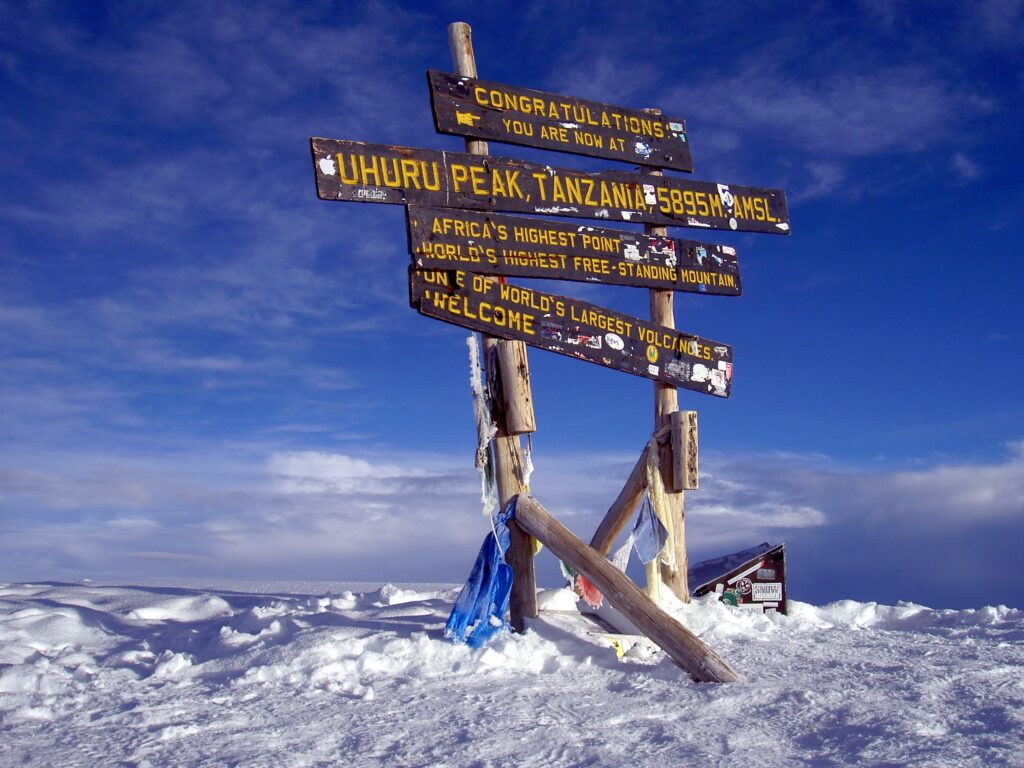
For Kilimanjaro, medium-weight base layers are the most versatile choice. Lightweight base layers are ideal for warm trekking sections, while midweight merino wool works best for colder zones and summit night. Some climbers also bring a heavyweight option for extreme cold at Uhuru Peak. A flexible layering system is recommended: light for hiking, mid for insulation, and fleece or down for outer warmth. This ensures comfort across all Kilimanjaro climate zones.
What features are important for hiking shirts?
Important features include moisture-wicking fabric, breathability, UV protection (UPF rating), quick-drying capability, and odor resistance. Stretch fabric improves movement on steep terrain, while flat seams reduce chafing. Ventilation panels and lightweight construction are also key for long trekking days. Hiking shirts should handle sweat efficiently and keep you comfortable in both hot and cold conditions. Durability is essential for multi-day Kilimanjaro expeditions.
Are long sleeves better than short sleeves?
Long sleeves are generally better for Kilimanjaro due to sun protection, temperature control, and versatility. They protect against strong equatorial UV rays and help regulate body temperature in cold and windy sections. Short sleeves can be used in the lower rainforest zone where it is warm and humid. However, most climbers prefer long sleeve hiking shirts as the main base layer for better overall protection and layering flexibility.
Can you recommend specific brands or models?
Top recommended brands for Kilimanjaro base layers include Icebreaker (200 Oasis Merino Wool), Smartwool Classic Thermal Merino, and Mons Royale Merino Tops. For synthetic layers, consider Patagonia Capilene Midweight, Arc’teryx Rho LT, and Under Armour HeatGear. For hiking shirts, excellent options include Columbia Tamiami II UPF Shirt, REI Sahara Shade Hoodie, and Patagonia Sun Stretch Shirt. These are widely trusted for high-altitude trekking performance.
Should I buy or rent base layers and hiking shirts?
You should always buy your own base layers and hiking shirts for Kilimanjaro. Personal clothing ensures proper fit, comfort, hygiene, and performance. Base layers are worn directly against the skin, so renting is not recommended. High-quality gear also improves safety and summit success rates. Investing in your own merino wool or synthetic layers is essential for long-term trekking comfort and future adventures.
Any other tips for choosing base layers and hiking shirts
Avoid cotton completely, prioritize moisture-wicking fabrics, and always test your gear before the climb. Choose fitted but not tight clothing for better insulation and movement. Pack at least two base layers for rotation and layering flexibility. Focus on comfort over style, and ensure your gear works well in both hot and freezing conditions. Always consider Kilimanjaro’s unpredictable weather when selecting clothing.
How to Layer for Kilimanjaro?
A proper Kilimanjaro layering system includes three levels: base layer, mid layer, and outer shell. The base layer manages sweat, the mid layer (fleece or insulated jacket) provides warmth, and the outer layer protects from wind, rain, and snow. Climbers adjust layers throughout the day depending on temperature changes. This system ensures comfort, safety, and energy efficiency during summit attempts.
What Do I Wear to Climb Kilimanjaro?
Climbers wear moisture-wicking base layers, hiking shirts, trekking pants, fleece jackets, insulated down jackets, waterproof shells, gloves, thermal hats, and hiking boots. Clothing varies by altitude zone, from warm rainforest to freezing summit conditions. Layering is key to adapting to Kilimanjaro’s changing weather. Proper gear ensures safety, warmth, and successful summit performance.
Climb Kilimanjaro With Confidence
Tell us your dates and fitness, and our experienced mountain team will plan a safe, well-acclimatized private climb.