
Is Kilimanjaro Evil
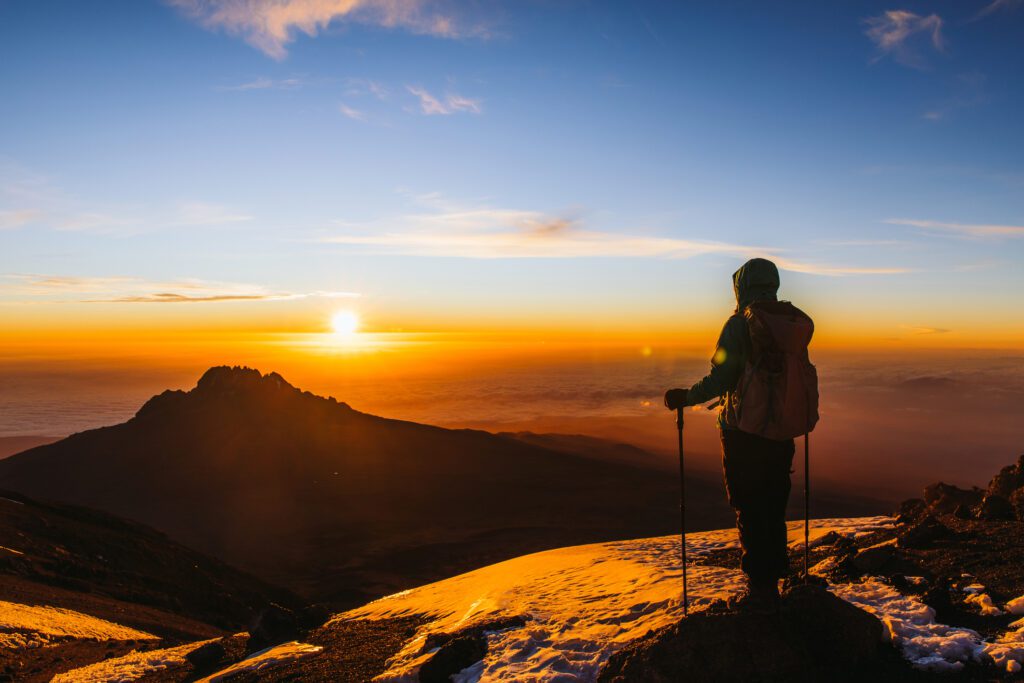
Mount Kilimanjaro, Africa’s tallest mountain, is a breathtaking natural wonder, attracting adventurers, dreamers, and spiritual seekers from across the globe. Rising majestically to 5,895 meters, its snow-capped peaks are a symbol of natural grandeur and resilience. Yet, for all its beauty, Kilimanjaro is also shrouded in myths and legends that question whether it harbors malevolent forces or serves as a divine sanctuary. Is Kilimanjaro “evil,” or is this imposing mountain merely misunderstood? Is Mount Kilimanjaro evil? No, Mount Kilimanjaro is not evil, but it is a place of spiritual significance for many Tanzanians. Kilimanjaro Mountain is home to spirits and deities that believed to protect the balance between nature and humans. However, some believe that the mountain is home to an evil spirit named Njaro who causes sickness and death to those who climb the mountain. To answer this question, is Mount Kilimanjaro evil? We delve into the mountain’s myths, cultural significance, and the experiences of those who live in its shadow. Kilimanjaro in Mythology: A Mountain of Gods and Spirits For the Chagga people, the indigenous community living on Kilimanjaro’s fertile slopes, the mountain is not just a geological formation. It is sacred ground, revered as a home to deities and spirits. According to Chagga mythology, Kilimanjaro is the abode of Ruwa, the creator god, who watches over the land from the mountain’s icy heights. The legend of Ngai, another divine figure associated with Kilimanjaro, paints the mountain as a throne of power. Ngai was believed to control the mountain’s weather, dispensing blessings like rain and sunshine or calamities like storms and droughts. To appease Ngai, the Chagga people hold rituals and offer sacrifices, often of livestock, to ensure harmony between humans and nature. These myths emphasize Kilimanjaro’s dual nature. It is both nurturing and intimidating, a source of life and a reminder of humanity’s smallness before nature’s grandeur. Is Kilimanjaro Evil? The Origins of Fear The perception of Kilimanjaro as “evil” likely stems from its formidable challenges and eerie phenomena. Climbers recount sudden storms, disorienting fogs, palpable sense of being watched. The mountain’s unpredictable weather and dangerous terrain have claimed lives, earning it a reputation as a formidable and, at times, malevolent force. Locals often speak of “phantom voices” carried by the wind and mysterious lights seen near the summit. These occurrences are attributed to spirits, either protective guardians of the mountain or restless souls of those who perished attempting the climb. Such stories fuel the idea that Kilimanjaro may be more than a natural wonder—it may be a domain of the supernatural. Despite these tales, the Chagga people do not view the mountain as inherently evil. Instead, they see it as a place of immense power that demands respect. Disrespect or arrogance towards the mountain is believed to invite misfortune, leading some to interpret its wrathful side as “evil.” The Duality of Kilimanjaro: Creator and Destroyer Like many natural phenomena, Kilimanjaro embodies a duality that transcends simplistic labels like “good” or “evil.” Its towering glaciers provide vital water to the surrounding communities, nourishing farms and ecosystems. Yet, those same glaciers are melting due to climate change, threatening livelihoods and biodiversity. The volcanic origins of Kilimanjaro further illustrate this duality. The mountain was formed by ancient eruptions that both destroyed and created. Its fertile slopes, rich with volcanic soil, now sustain coffee plantations and other crops, making it an essential resource for the region’s economy. This duality mirrors the beliefs of many indigenous cultures that see nature as a balance of opposing forces. Kilimanjaro is not evil; it is a reflection of the world’s complexity, capable of both nurturing and challenging those who encounter it. Rituals and Spiritual Practices Around Kilimanjaro For the Chagga people and other communities, Kilimanjaro is not merely a physical entity but a living, breathing force. Spiritual practices and rituals deeply ingrained in their culture, ensuring a harmonious relationship with the mountain. Offerings and Prayers: Before climbing Kilimanjaro or undertaking significant endeavors, rituals are performed to seek blessings from the mountain’s spirits. These often include offerings of milk, beer, or grains, symbolizing gratitude and respect. Climbers guided by locals are sometimes asked to participate in these ceremonies, fostering a deeper connection to the mountain. The Guardian Spirits: Kilimanjaro is believed to be guarded by ancestral spirits who protect its sacredness. These guardians are said to appear in dreams or visions, offering guidance or warnings. Disrespecting the mountain—through littering, loud behavior, or reckless climbing—is thought to anger these spirits, leading to accidents or misfortune. Seasonal Celebrations: The Chagga people celebrate the mountain’s gifts through seasonal festivals, honoring the gods and spirits for fertile lands and abundant harvests. These events are marked by singing, dancing, and storytelling, reinforcing the cultural and spiritual ties to Kilimanjaro. Legends That Fuel the Mountain’s Mystique Many legends surround Kilimanjaro, each contributing to its enigmatic reputation. One popular tale involves a hidden treasure buried within the mountain. It is said that those who seek this treasure out of greed are met with tragedy, while those with pure intentions are rewarded. Another legend speaks of a divine fire that burns eternally within Kilimanjaro. This fire, often associated with the mountain’s volcanic origins, is believed to represent the life force of the gods. Some climbers report feeling a strange warmth near the summit, even amidst freezing temperatures, attributing it to this mystical flame. These stories, passed down through generations, illustrate how deeply Kilimanjaro is intertwined with the cultural and spiritual identities of those who revere it. Modern Perspectives on Kilimanjaro’s Mysticism In the modern era, Kilimanjaro continues to captivate not only locals but also global adventurers. Climbers often report profound spiritual experiences during their journey, from a heightened sense of self-awareness to moments of awe-inspiring connection with nature. Environmentalists and conservationists, meanwhile, view Kilimanjaro as a symbol of resilience and fragility. The melting glaciers serve as a stark reminder of humanity’s impact on the planet, while the mountain’s enduring presence inspires efforts to protect its ecosystems. For many, the question of whether Kilimanjaro
Machame Day Trip
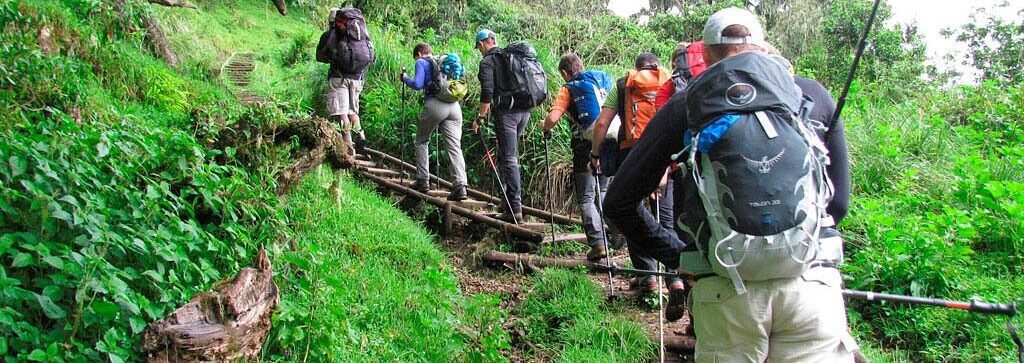
1-Day Kilimanjaro Climb via Machame Route (with Reviews) It involves going up to the first camp, Machame camp, 3000m, and coming back via the same route on the same day – there is a drive about 35km from Moshi, which will take 45 minutes – 1 hour, then at Machame get your registration and payment and get a valid permit. The hiking starts at Machame gate at 1800, and the distance to cover to Machame camp is 11km (22km round trip), which will take 4-5 hours for each direction. The Machame Day Trip is one of the most popular short Kilimanjaro trekking experiences in Tanzania, offering travelers a taste of the legendary Machame Route without committing to a full multi-day climb. Starting from Arusha, this adventure takes you through the lush rainforests of Kilimanjaro National Park, where towering trees, exotic birds, and playful monkeys create a magical hiking atmosphere. It is ideal for travelers seeking a day hike on Mount Kilimanjaro, combining adventure, nature, and photography opportunities in a single experience. Often referred to as the “Whiskey Route,” the Machame Route is famous for its scenic beauty and diverse ecological zones. Even on a short Machame Day Trip Kilimanjaro tour, visitors get a glimpse of the mountain’s lower slopes and the beginning of the world’s highest free-standing mountain. This experience is perfect for safari travelers in Arusha, adventure seekers, and those with limited time but a strong desire to explore Kilimanjaro’s natural beauty. It is also a great introduction to Kilimanjaro hiking tours, blending culture, wilderness, and unforgettable landscapes in one memorable day excursion. Machame Day Trip Itinerary This Machame Day Trip itinerary is designed for travelers looking to experience a short but rewarding Kilimanjaro trekking adventure. The journey begins early in Arusha with a scenic drive to the Machame Gate in Kilimanjaro National Park, followed by a guided forest hike along the lower slopes of Mount Kilimanjaro. Travelers enjoy breathtaking views, fresh mountain air, and rich biodiversity before returning to Arusha in the evening. The trip is suitable for beginners and nature lovers seeking a day hike on the Machame Route. Arrival Day – Kilimanjaro International Airport (JRO) Upon arrival at Kilimanjaro International Airport, you will be warmly welcomed by your professional safari guide. After a short meet-and-greet, you will be transferred to Arusha, the gateway to northern Tanzania safaris and Kilimanjaro trekking tours. The drive offers scenic views of Mount Meru and local villages, giving you a first taste of Tanzanian culture and landscapes. Once in Arusha, you will check in at your lodge or hotel for relaxation. Dinner will be served, followed by an overnight stay, preparing you for your upcoming Machame Day Trip Kilimanjaro adventure. Day 1: Arusha to Machame Gate After breakfast, your journey begins with a drive from Arusha to Machame Gate, the starting point of the famous Machame Route on Mount Kilimanjaro. The road passes through lush coffee plantations and local Chagga communities, offering cultural insight along the way. At the gate, registration is completed before beginning your guided Kilimanjaro rainforest hike. You will walk through dense tropical forest filled with birds, monkeys, and giant trees draped in moss. After several hours of exploration and photography, you descend back to the gate and return to Arusha for dinner and an overnight stay, concluding your Machame Day Trip experience. Departure After breakfast at your hotel in Arusha, you will be transferred to Kilimanjaro International Airport for your departure flight. Depending on your schedule, you may have time for a short city tour or souvenir shopping in Arusha. This marks the end of your Machame Day Trip Kilimanjaro tour, leaving you with unforgettable memories of Tanzania’s natural beauty, rainforest trails, and the iconic slopes of Mount Kilimanjaro. Your adventure may be short, but the experience of the Machame Route day hike will stay with you forever. Packing List for Machame Day Trip For a comfortable and enjoyable Machame Day Trip Kilimanjaro hike, proper preparation is essential. Recommended items include lightweight hiking boots, comfortable trekking clothes, a waterproof jacket, and a warm layer for changing mountain weather. A small backpack is ideal for carrying essentials such as water, snacks, sunscreen, insect repellent, and a camera for capturing the scenic Kilimanjaro rainforest views. Sunglasses and a hat are also important for sun protection. Do not forget personal documents and cash for park fees if required. A walking stick may also help on uneven terrain. Proper gear ensures a safe and enjoyable Mount Kilimanjaro day hiking experience from Arusha. Inclusive & Exclusive Included for Machame Day Trip Private Jeep transfer from Arusha to Kilimanjaro and return Overnight stays in hotel/lodge Areas All park entrances fees Professional English speaking Mountain guide Meals according to the itinerary All mentioned activities Mineral water All government taxes Price. 18% VAT, Government increase entry fees Airport pick up and drop off Excluded for Machame Day Trip International flights (from / to home) Personal items (souvenirs, travel insurance, visa fees, etc.) Tips (tipping guideline 20 USD per person per day). Internal flights What to bring Machame Day Trip Clothes A warm sweater as the nights can be chilly at high altitudes. Comfortable shoes Request Safari Quote Kilimanjaro Climb Price – Packages & Cost Machame Day Trip Machame Day Trip 1 Day Kilimanjaro Climb via Machame Route It involving going up to the first camp Machame … Ngorongoro Crater Day Trip Tours Ngorongoro Crater Day Trip Tours Awe-inspiring 1 Day Ngorongoro Crater Safari: Day Tour from Arusha/Moshi Standing proudly in the Ngorongoro Conservation … 1 2 3 4 Next »
Why Feeding Wildlife Isn’t Advisable
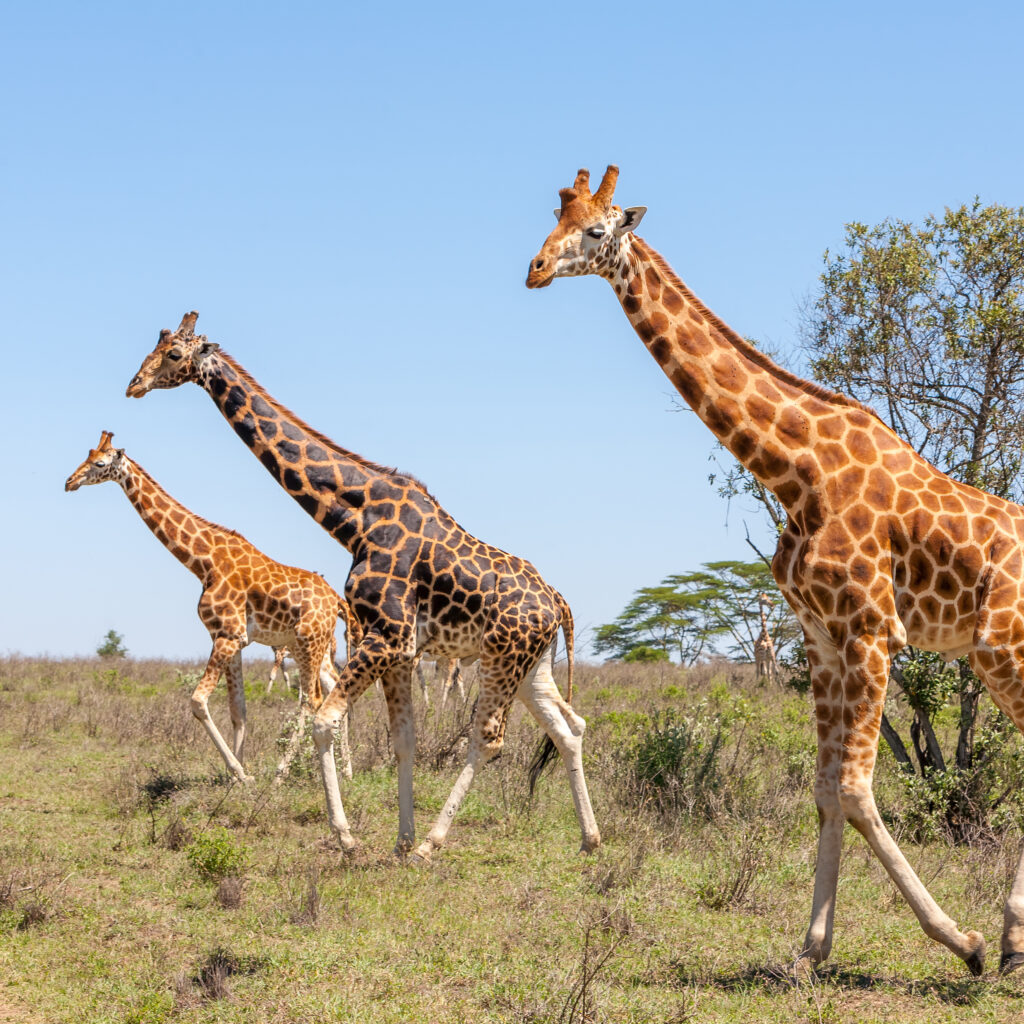
Feeding wildlife may seem like a harmless way to connect with nature, but it poses serious threats to animal health, behavior, and ecosystems. From malnutrition to increased human-wildlife conflicts, the consequences are far-reaching. Wildlife that relies on human-provided food often develops dependence, disrupting natural foraging habits and ecological balance. Wildlife conservation experts warn that even well-intentioned feeding can lead to disease outbreaks, increased vehicle collisions, and aggressive behavior toward humans. Understanding why feeding wild animals is inadvisable is crucial for anyone interested in ethical wildlife tourism, sustainable nature experiences, or responsible outdoor recreation. By keeping wildlife wild, we protect both animals and humans, ensuring safe, healthy, and balanced natural ecosystems for generations to come. 1. Malnutrition and Health Problems Providing food to wild animals can lead to serious malnutrition and dietary deficiencies. Foods like bread, chips, or processed snacks are nutritionally inadequate, causing stunted growth, obesity, and organ damage in animals. Over time, wildlife fed by humans may develop health problems, including weakened immune systems, making them vulnerable to disease and parasites. Natural foods contain the correct vitamins, minerals, and proteins that wild animals need for survival, which human food cannot replicate. Feeding wildlife disrupts natural foraging behavior, reducing animals’ ability to find proper food in the wild. For species like deer, raccoons, and birds, this can translate into long-term population health declines. Experts in wildlife management emphasize that even occasional feeding can have negative consequences, threatening the overall welfare and longevity of the animals. 2. Loss of Natural Foraging Instincts When humans provide food, animals lose their innate foraging instincts and skills essential for survival. This dependency on handouts weakens natural behaviors, making wildlife less capable of finding food independently. Species like squirrels, bears, and monkeys may abandon traditional feeding grounds and become overly reliant on human presence. Over time, young animals fail to learn essential hunting, grazing, or foraging techniques, which affects population sustainability. Loss of natural foraging also impacts ecosystem balance, as animals fail to participate in natural processes like seed dispersal or predator-prey dynamics. Wildlife experts caution that feeding disrupts survival skills and can lead to behavioral abnormalities, making animals less adaptable to changing environments. Encouraging wildlife to feed naturally preserves their instincts, promotes healthy populations, and supports sustainable conservation efforts. 3. Disease Transmission Feeding wildlife increases the risk of disease transmission among animals and between animals and humans. Crowding around food sources facilitates the spread of bacterial infections, parasites, and viruses. Shared feeding areas may expose wildlife to avian flu, rabies, tuberculosis, and mange, which can devastate populations. Humans can also contract zoonotic diseases, making feeding a public health concern. Wildlife congregating unnaturally alters social structures, increasing stress and susceptibility to disease. Experts in wildlife epidemiology highlight that feeding sites act as disease hotspots, especially for species like birds, raccoons, and deer. Avoiding feeding and promoting natural foraging helps prevent epidemics, protects biodiversity, and ensures healthy ecosystems. Responsible wildlife tourism prioritizes observing animals without creating health risks, preserving the delicate balance between humans and nature. 4. Loss of Fear of Humans Wild animals that are fed regularly often lose their natural fear of humans, a behavior critical for self-preservation. Species like bears, monkeys, and deer may approach humans expecting food, increasing human-wildlife interactions. Loss of fear can lead to aggressive behavior, property damage, and attacks, placing both humans and animals at risk. Wildlife habituation reduces natural predator avoidance and alters territorial behavior, disrupting ecosystem balance. Wildlife managers report that animals accustomed to human contact are more likely to be relocated or euthanized for public safety. Maintaining wild animals’ instinctual wariness ensures safer nature experiences and supports responsible conservation practices. Observing wildlife from a distance without feeding preserves their natural behaviors, encouraging healthy animal-human coexistence. 5. Increased Risk to Human Safety Feeding wildlife can significantly increase risks to human safety. Animals drawn to human settlements may become aggressive, steal food, or attack when unsatisfied. Species such as bears, raccoons, monkeys, and wild pigs pose serious threats when they associate humans with food. Incidents can lead to serious injuries, property damage, or the need for emergency wildlife intervention. Tourism operators and national parks emphasize that feeding wildlife can escalate conflicts, requiring costly management measures. By respecting wildlife boundaries and avoiding feeding, humans reduce the chance of attacks, bites, and disease transmission. Responsible eco-tourism ensures that both humans and animals remain safe, preserving the natural balance of ecosystems and promoting sustainable interaction with wildlife. 6. Euthanization of “Problem” Animals Animals habituated to human food often become problem wildlife, creating conflicts that can result in euthanization. Species like bears, monkeys, and deer that approach humans aggressively are often deemed dangerous and may be removed or killed to protect public safety. Feeding wildlife unintentionally creates long-term management issues for wildlife authorities, forcing them to make difficult decisions. Preventing these outcomes relies on respecting natural foraging behavior and avoiding food provision. Conservationists stress that educating the public about feeding consequences is essential for reducing human-animal conflicts. Protecting wildlife from dependence on humans supports ethical wildlife conservation and ensures animals remain part of their natural ecosystems, free from lethal interventions due to preventable behavioral changes. 7. Increased Vehicle Collisions Feeding wildlife near roads or settlements dramatically increases vehicle collisions, posing a threat to both animals and humans. Species such as deer, elk, and wild pigs may cross streets looking for food, leading to roadkill incidents. These accidents can result in human injuries, vehicle damage, and wildlife fatalities. Feeding disrupts animals’ natural movement patterns, making them less cautious and more prone to entering traffic zones. Traffic safety experts and wildlife authorities warn that feeding contributes to predictable but dangerous animal behavior. Avoiding human food ensures animals remain skittish around humans and roads, reducing the likelihood of collisions. Responsible wildlife management and public education about feeding consequences help prevent avoidable accidents and protect biodiversity. 8. Disruption of Natural Ecosystems Feeding wildlife disrupts natural ecosystems, altering predator-prey relationships, plant growth, and population dynamics. Overfed animals may overpopulate areas, depleting vegetation, affecting soil health, and
The Heath & Moorland Zone of Mount Kilimanjaro

The Heath and Moorland Zone of Mount Kilimanjaro is one of the most dramatic and visually striking ecological belts found during a Kilimanjaro trekking expedition. Located roughly between 2,800 meters and 4,000 meters above sea level, this zone represents a major transition from lush rainforest to a harsher alpine environment. Often described as the “moonscape of Kilimanjaro,” it is characterized by open landscapes, giant heathers, lobelias, and surreal volcanic rock formations. For trekkers on popular routes such as Machame, Lemosho, and Shira, this zone marks a critical phase of acclimatization. Thin air, cooler temperatures, and increasing altitude challenges begin to test endurance. Yet, it also offers breathtaking panoramic views of the mountain and surrounding plains, making it a highlight for photographers and adventure seekers. Understanding this zone is essential for successful Kilimanjaro trekking preparation and altitude adaptation strategies. Location and Altitude of the Heath & Moorland Zone The Heath and Moorland Zone on Mount Kilimanjaro typically begins after the dense rainforest belt fades, usually around 2,800 meters, and extends up to about 4,000 meters. This altitude range makes it one of the most important transitional ecosystems on the mountain. Trekkers on routes like Machame and Lemosho first encounter open landscapes after leaving the forest canopy behind. The air becomes noticeably thinner, and temperatures drop significantly, especially at night. This zone is also known for its volcanic ridges and expansive views stretching toward the African plains. From a perspective, it is often searched under terms like “Kilimanjaro altitude zones,” “Heath and Moorland Kilimanjaro elevation,” and “trekking Kilimanjaro climate zones.” Understanding its location helps climbers prepare mentally and physically for the increasing challenges ahead while adjusting to high-altitude trekking conditions effectively. Climate and Weather Conditions The climate in the Heath and Moorland Zone of Mount Kilimanjaro is significantly cooler, drier, and more unpredictable than the lower rainforest region. Daytime temperatures may range from 10°C to 20°C, but at night they can drop close to freezing. Strong winds are common due to the exposed terrain, especially along ridges and open slopes. The reduced humidity and thinner air create a challenging environment for trekkers, making proper layering essential. Weather changes can happen quickly, shifting from clear skies to mist or cold winds within minutes. “Kilimanjaro weather zones,” “mountain climate Kilimanjaro trek,” and “heath zone temperature Kilimanjaro” reflect its importance for climbers. Understanding these conditions helps trekkers prepare with proper gear, hydration strategies, and acclimatization pacing. The unpredictable weather also adds to the raw, wild beauty of this unique ecological zone. Unique Vegetation and Plant Life One of the most fascinating features of the Heath and Moorland Zone is its unique vegetation, adapted to survive harsh high-altitude conditions. This includes giant heathers, everlasting flowers, and iconic giant groundsels and lobelias, which are often used in content targeting “unique Kilimanjaro plants” and “alpine vegetation in Tanzania.” These plants have evolved special water-retention systems to withstand cold nights and intense daytime sunlight. Unlike the dense rainforest below, vegetation here is sparse but visually dramatic, creating surreal landscapes that attract photographers and nature enthusiasts. The plants grow in scattered formations across volcanic soil, giving the area a semi-alien appearance. This biodiversity plays a crucial role in the mountain’s ecological balance and is a key highlight for eco-tourism searches related to Kilimanjaro trekking experiences and African mountain flora exploration. Landscape and Geological Features The landscape of the Heath and Moorland Zone is defined by volcanic rock formations, rolling ridges, and wide-open plains shaped by centuries of volcanic activity from Mount Kilimanjaro. Unlike the dense rainforest below, this zone is exposed and rugged, offering panoramic views of the surrounding valleys and distant savannahs. Lava flows, eroded slopes, and ash deposits are common, reflecting the mountain’s volcanic origins, and often include “Kilimanjaro geology,” “volcanic landscape Kilimanjaro trek,” and “heath zone scenery Tanzania.” The terrain is both beautiful and physically demanding, requiring steady pacing from trekkers. These geological formations not only define the mountain’s character but also provide insight into its ancient volcanic history. For many climbers, this zone represents the first true feeling of being on a high-altitude African volcano. Wildlife in the Heath & Moorland Zone Although wildlife is less abundant than in the rainforest, the Heath and Moorland Zone still hosts several fascinating species adapted to high-altitude survival. Visitors may encounter small mammals such as hyraxes, which are surprisingly related to elephants, as well as various bird species like sunbirds and alpine chat birds. Occasionally, larger animals such as buffalo may be seen in more remote sections. “Kilimanjaro wildlife zones,” “animals on Mount Kilimanjaro trek,” and “heath zone fauna Tanzania.” The reduced vegetation means animals are more scattered and harder to spot, but their presence adds to the ecological richness of the zone. These species play an important role in maintaining the fragile mountain ecosystem and contribute to the overall biodiversity experience for trekkers exploring this unique altitude band. Acclimatization Importance in This Zone The Heath and Moorland Zone is a critical stage for acclimatization during a Kilimanjaro climb. As altitude increases, oxygen levels decrease, making it essential for trekkers to adjust gradually. This zone allows the body to begin adapting to thinner air before reaching higher alpine deserts. Proper acclimatization reduces the risk of altitude sickness, a major concern for climbers. “Kilimanjaro acclimatization tips,” “altitude sickness prevention Kilimanjaro,” and “trekking high altitude safety” are highly relevant here. Many routes, like Lemosho and Machame, incorporate slow ascents and rest days in this zone to improve success rates. Hydration, pacing, and rest are key strategies. Understanding this zone’s role in acclimatization significantly increases the chances of a safe and successful summit attempt. Trekking Routes Passing Through the Zone Several popular trekking routes pass through the Heath and Moorland Zone, including Machame, Lemosho, Shira, and Rongai routes. These paths are designed to give climbers gradual exposure to increasing altitude while showcasing diverse landscapes. The Machame Route is particularly famous for its scenic “Shira Plateau,” which lies within this zone. The best Kilimanjaro routes,” Machame route overview,” and “Lemosho route scenery.”
The Alpine Desert Zone of Kilimanjaro
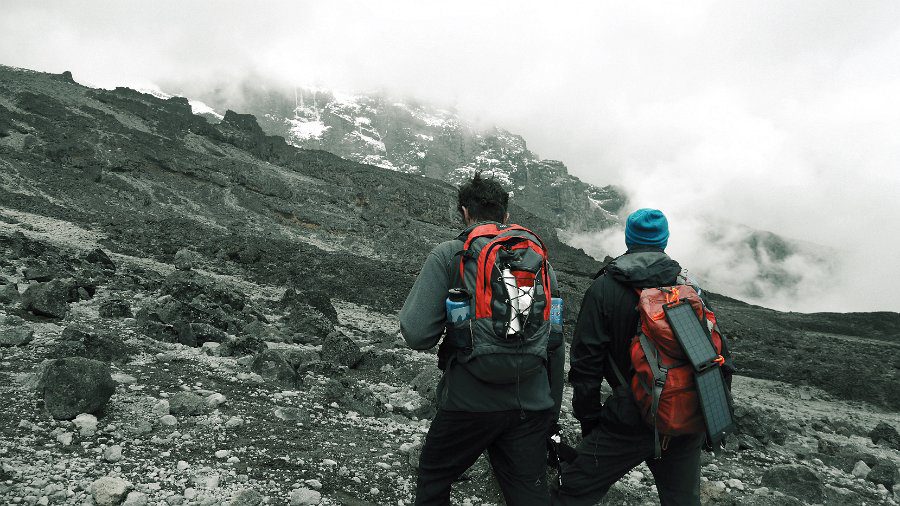
The Alpine Desert Zone of Mount Kilimanjaro is one of the most dramatic and mysterious environments found on any African mountain. Stretching between approximately 4,000 and 5,000 meters above sea level, this unique ecological zone sits between the heath and moorland region and the icy Arctic summit zone. Climbers trekking popular Kilimanjaro routes such as Machame, Lemosho, Rongai, and Northern Circuit experience this harsh yet breathtaking landscape during their ascent. Known for extreme temperature changes, volcanic rock formations, thin air, and sparse vegetation, the Alpine Desert Zone presents both beauty and challenge. Despite its dry conditions, it offers unforgettable views of Mawenzi Peak, Kibo Peak, glaciers, and endless skies. For trekkers seeking adventure, photography, and high-altitude experience, the Alpine Desert Zone remains one of Kilimanjaro’s most iconic highlights. What Is the Alpine Desert Zone The Alpine Desert Zone on Mount Kilimanjaro is a high-altitude ecological region characterized by dry conditions, rocky terrain, intense sunlight, and freezing nighttime temperatures. Located above the heath and moorland zone, this region receives very little rainfall, making it similar to a cold desert environment. During the day, temperatures can rise significantly under direct sunlight, while nights often drop below freezing. Oxygen levels also decrease dramatically, making acclimatization extremely important for climbers. The landscape is dominated by volcanic gravel, giant boulders, ash-covered paths, and unique alpine scenery. Vegetation becomes scarce because only specially adapted plants can survive in this harsh climate. Trekkers crossing this zone often describe it as otherworldly because of its silent beauty and barren appearance. The Alpine Desert Zone is one of the most memorable stages of every Kilimanjaro climbing adventure. Location and Altitude of the Alpine Desert Zone The Alpine Desert Zone lies between approximately 4,000 meters and 5,000 meters on Mount Kilimanjaro. This ecological zone forms a transition between the lush moorland region below and the Arctic summit zone above. Climbers usually encounter this terrain after leaving camps such as Shira Camp, Barranco Camp, or Mawenzi Tarn, depending on the chosen route. Because of the high elevation, the air becomes noticeably thinner, and trekkers may begin experiencing symptoms of altitude sickness if they ascend too quickly. The zone covers wide stretches of volcanic landscape with almost no trees or dense vegetation. Massive rock formations, open valleys, and dusty trails dominate the scenery. The Alpine Desert Zone offers stunning panoramic views of Kibo and Mawenzi peaks while providing a crucial acclimatization stage before summit attempts. Understanding this zone helps climbers prepare physically and mentally for high-altitude trekking challenges. Climate and Weather Conditions The climate in the Alpine Desert Zone of Mount Kilimanjaro is extremely harsh and unpredictable. This high-altitude desert receives little rainfall, experiences intense solar radiation during the day, and freezing temperatures at night. Climbers can face strong winds, dry air, and sudden weather changes throughout the trek. Daytime temperatures may feel warm under direct sunlight, but once the sun sets, the environment becomes bitterly cold. The thin atmosphere at this altitude provides less protection from ultraviolet rays, increasing the risk of sunburn and dehydration. Because humidity is low, many trekkers lose moisture rapidly through breathing and perspiration without noticing it immediately. Proper hydration and layering become essential for survival and comfort. The dry environment also creates crystal-clear skies, offering spectacular sunrise and sunset views. Weather conditions in this zone play a major role in shaping the Kilimanjaro climbing experience. Unique Landscape and Geological Features The Alpine Desert Zone showcases some of the most fascinating geological landscapes on Mount Kilimanjaro. Trekkers encounter volcanic rock fields, ancient lava formations, dusty trails, and giant boulders formed by centuries of volcanic activity. The terrain appears rugged, dry, and almost moon-like, creating a dramatic contrast to the green rainforest below. Many climbers are amazed by the silence and vast openness of this high-altitude environment. Erosion, freezing temperatures, and volcanic history have shaped unusual rock structures that make the area visually stunning for photographers and adventurers. The landscape also offers incredible viewpoints of Mawenzi Peak’s jagged cliffs and Kibo’s snow-capped summit. Open valleys and wide plateaus create unforgettable trekking scenery. This zone highlights Kilimanjaro’s volcanic origins while giving visitors a rare opportunity to explore one of Africa’s most unique alpine desert ecosystems. Plants and Vegetation in the Alpine Desert Zone Although the Alpine Desert Zone on Mount Kilimanjaro appears barren, several hardy plant species survive in this difficult environment. Vegetation becomes sparse because freezing temperatures, dry conditions, and strong winds limit plant growth. However, resilient species such as mosses, lichens, everlasting flowers, and small tussock grasses manage to adapt to the harsh climate. One of the most iconic plants near this zone is the giant groundsel, which survives at high altitudes through special water-storage adaptations. These unique plants play an important role in the fragile mountain ecosystem. Their ability to survive extreme temperature fluctuations fascinates scientists and nature enthusiasts alike. Climbers often notice how the greenery gradually disappears as they ascend into the Alpine Desert Zone. The transition from lush forest to rocky desert highlights Kilimanjaro’s incredible ecological diversity and makes the climb feel like traveling through multiple worlds in one journey. Wildlife Found in the Alpine Desert Zone Wildlife in the Alpine Desert Zone of Mount Kilimanjaro is limited because of the cold temperatures, dry conditions, and lack of vegetation. Unlike the rainforest zone, large mammals are rarely seen at these elevations. However, some birds, insects, and small creatures adapted to high altitudes can survive here. Climbers occasionally spot alpine chat birds, ravens, or hardy insects moving between rocky areas. Certain species migrate temporarily through this zone while searching for food or shelter. Although wildlife sightings are uncommon, the silence and untouched atmosphere create a peaceful natural environment. The lack of animal activity also emphasizes the isolation and extreme conditions of high-altitude trekking. For many climbers, the focus shifts from wildlife viewing to appreciating the dramatic mountain scenery and geological beauty. The Alpine Desert Zone demonstrates how life adapts even in some of Africa’s harshest mountain conditions. Challenges Climbers Face in This Zone The
Fun Facts for Kids about Mount Kilimanjaro
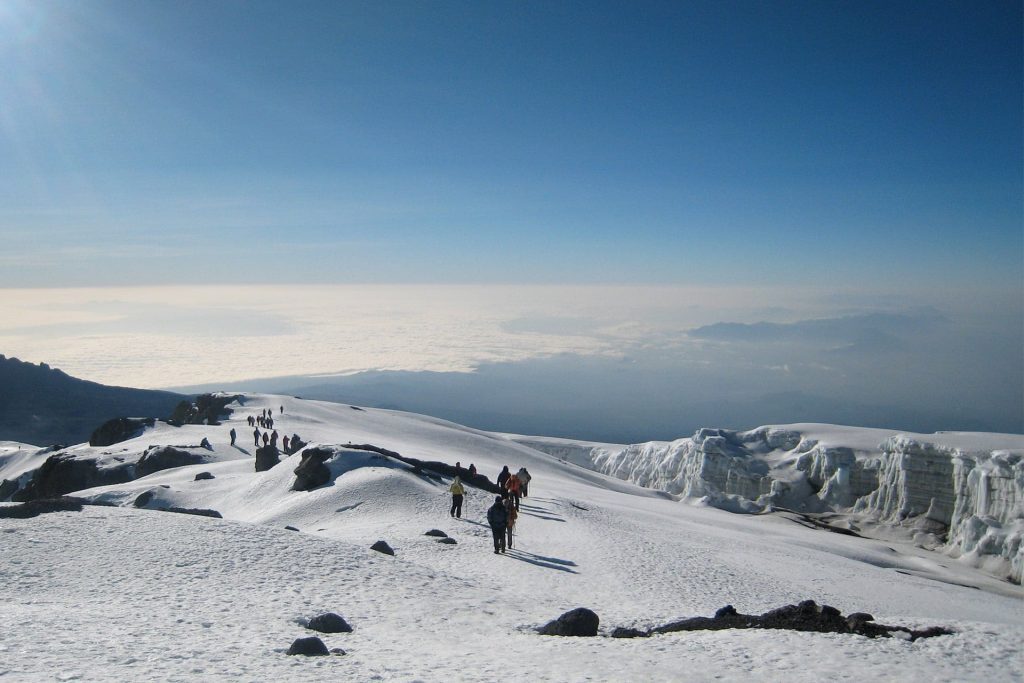
Mount Kilimanjaro is one of the most famous mountains in the world and one of Africa’s greatest natural wonders. Rising high above the plains of Tanzania, this giant mountain attracts thousands of climbers, adventurers, wildlife lovers, and nature photographers every year. Mount Kilimanjaro is a dream destination for family safaris, educational tours, school geography projects, and African adventure holidays. Kids love learning about Kilimanjaro because it is full of exciting stories, incredible wildlife, snowy peaks, volcanoes, glaciers, forests, and amazing world records. From the tallest mountain in Africa to its ancient glaciers and fascinating climbing routes, Kilimanjaro offers endless fun facts for children and adults alike. Whether you are planning a Tanzania safari, climbing adventure, or simply learning about world geography, these Mount Kilimanjaro facts for kids will inspire curiosity and excitement about Africa’s tallest mountain. Mount Kilimanjaro Is the Highest Freestanding Mountain in the World One of the most amazing facts about Mount Kilimanjaro is that it is the tallest freestanding mountain on Earth. Unlike many mountains that are connected to large mountain ranges, Kilimanjaro stands completely alone. It rises dramatically from the flat African plains to an incredible height of 5,895 meters (19,341 feet). This makes it not only Africa’s tallest mountain but also the world’s highest freestanding mountain. Kids often imagine Kilimanjaro as a giant island rising above the clouds. Because the mountain stands by itself, it can be seen from many miles away during clear weather. Climbers from all over the world travel to Tanzania to reach Uhuru Peak, the mountain’s highest point. Kilimanjaro is also one of the most photographed mountains in Africa because of its breathtaking beauty, snowy summit, and stunning landscapes filled with elephants, giraffes, and acacia trees. Kibo’s Last Eruption Was 360,000 Years Ago Kibo Peak is the tallest of Kilimanjaro’s three volcanic cones. Scientists believe Kibo last erupted around 360,000 years ago, making it an ancient volcano with a fascinating geological history. Although it no longer erupts today, visitors can still see signs of volcanic activity near the summit. Some climbers notice sulfur smells and steaming vents inside the Ash Pit near Kibo’s crater. Kids are often amazed to learn that Mount Kilimanjaro was formed by powerful volcanic eruptions millions of years ago. The mountain was created from lava, ash, and molten rock pushing upward from deep inside the Earth. Over time, the eruptions stopped, allowing plants, forests, animals, and glaciers to develop on the mountain. Learning about Kibo helps children understand volcanoes, Earth science, and how mountains are formed. Kilimanjaro is like a giant outdoor classroom for geography and nature lovers. Mount Kilimanjaro Is One of the Seven Summits Mount Kilimanjaro is part of the famous Seven Summits challenge, which includes the tallest mountain on each continent. Adventurers from around the world dream of climbing all seven mountains. Kilimanjaro represents Africa in this exciting global challenge. The Seven Summits include mountains in Asia, Europe, North America, South America, Antarctica, Australia, and Africa. Kilimanjaro is considered one of the easier summits because climbers do not need technical mountaineering equipment like ropes or ice axes on most routes. This makes it popular for beginners and families seeking adventure travel experiences. Kids love hearing that ordinary people from many countries climb Kilimanjaro every year. The mountain teaches climbers about perseverance, teamwork, and determination. Reaching the summit of Kilimanjaro is a major achievement and often becomes one of the greatest adventures of a person’s life. There Are 5 Major Climate Zones on Kilimanjaro One of the coolest facts about Mount Kilimanjaro is that climbers pass through five different climate zones while hiking to the summit. It feels like traveling from the equator to the Arctic in just a few days. The journey starts in warm farmland and rainforest filled with monkeys, birds, and giant trees. Higher up, climbers enter heath and moorland areas with unusual plants and cooler temperatures. Above that lies the alpine desert, where the land becomes dry and rocky. Finally, the summit zone is icy and freezing with snow and glaciers. These changing environments make Kilimanjaro one of the most unique mountains on Earth. Children enjoy learning how plants, animals, and temperatures change as climbers go higher. This amazing mountain provides a real-life lesson about ecosystems, weather, geography, and climate zones found across the planet. Mount Kilimanjaro Is a Dormant Volcano Mount Kilimanjaro is actually a giant dormant volcano made up of three volcanic cones called Kibo, Mawenzi, and Shira. A dormant volcano means it is currently inactive but could possibly erupt again someday in the distant future. Scientists still detect small amounts of volcanic activity beneath the mountain, especially around Kibo’s crater area. Millions of years ago, lava eruptions helped build Kilimanjaro into the enormous mountain seen today. Kids are often fascinated to discover that Africa’s tallest mountain was created by fire and molten rock. Even though Kilimanjaro is peaceful now, its volcanic history shaped its dramatic landscapes, rich soils, and unique ecosystems. The mountain’s volcanic origins also help explain why plants grow so well on its lower slopes. Farmers living near Kilimanjaro benefit from fertile volcanic soil that supports coffee, bananas, and many other crops. The First Written Mention of Kilimanjaro Dates Back to the 2nd Century The earliest known written mention of Mount Kilimanjaro dates back nearly 2,000 years. Ancient geographers from the Roman Empire wrote about a mysterious snow-covered mountain in Africa near the equator. This was surprising because many people believed snow could not exist in hot Africa. Greek geographer Ptolemy is often connected with these early descriptions of Kilimanjaro. For centuries, travelers and traders shared stories about a giant white mountain rising above East Africa. Some explorers even doubted such a mountain existed until European expeditions confirmed it during the 19th century. Children enjoy imagining ancient travelers seeing Kilimanjaro from far away and wondering how snow could survive so close to the equator. These historical stories make Kilimanjaro even more magical and mysterious. The mountain has inspired explorers, scientists, storytellers, and adventurers for thousands
The Bushland and Cultivated Zone of Mount Kilimanjaro
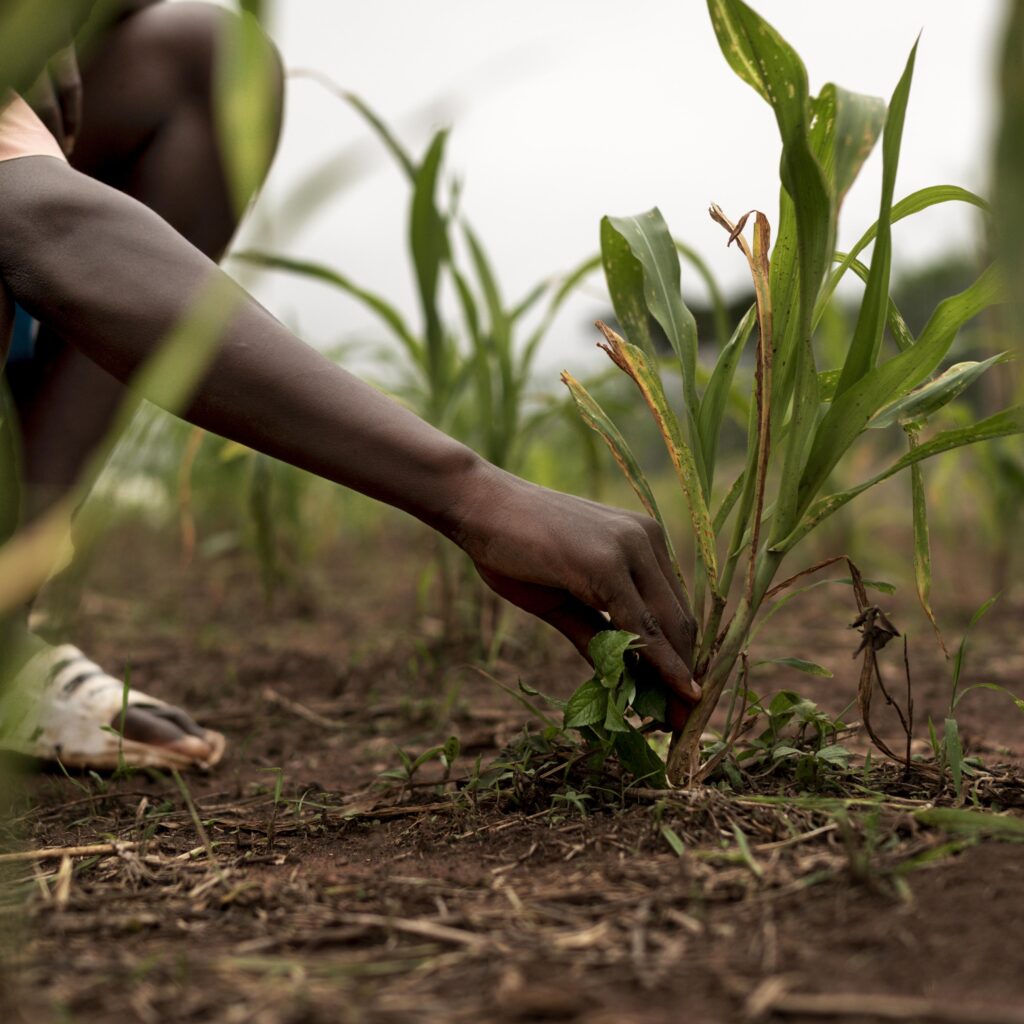
The Bushland and Cultivated Zone of Mount Kilimanjaro forms the vibrant lower slopes of Africa’s highest mountain and serves as the gateway to one of the world’s most famous trekking destinations. This fertile ecological belt stretches between approximately 800 and 1,800 meters above sea level and is rich in biodiversity, agriculture, culture, and breathtaking scenery. Travelers beginning a Kilimanjaro climbing adventure pass through banana farms, coffee plantations, traditional Chagga villages, and lush bushland before entering the montane rainforest zone. The region supports local communities with fertile volcanic soils ideal for farming while also attracting eco-tourists, wildlife enthusiasts, photographers, and cultural travelers. Known for warm temperatures, scenic landscapes, and authentic Tanzanian hospitality, the Bushland and Cultivated Zone is a crucial part of the Mount Kilimanjaro ecosystem and an unforgettable introduction to Tanzania safari tours and Kilimanjaro trekking experiences. Geography and Location of the Bushland Zone The Bushland and Cultivated Zone of Mount Kilimanjaro occupies the mountain’s lower foothills and surrounds many villages near Moshi and Marangu. This ecological region lies below the dense rainforest and is characterized by rolling hills, dry grasslands, scattered acacia trees, volcanic soils, and cultivated farmland. The area receives moderate rainfall, especially on the southern slopes, creating excellent conditions for agriculture and settlement. Travelers arriving for Kilimanjaro climbing tours often first encounter this landscape while driving through rural Tanzania. The zone provides spectacular views of snow-capped Kilimanjaro rising above green farms and open bushland. Rivers descending from higher elevations irrigate the fertile land, helping communities grow bananas, coffee, maize, and beans. Its strategic location makes it an essential transition area between urban centers, traditional villages, and the protected wilderness of Kilimanjaro National Park. Fertile Volcanic Soils and Agriculture One of the defining features of the Bushland and Cultivated Zone is its exceptionally fertile volcanic soil created by centuries of volcanic activity from Mount Kilimanjaro. These nutrient-rich soils support intensive agriculture and have sustained local communities for generations. Farmers cultivate coffee, bananas, avocados, maize, yams, beans, and vegetables throughout the region. Coffee plantations are especially important because Kilimanjaro coffee is internationally recognized for its rich aroma and premium quality. Visitors on cultural tours often explore small organic farms where local families demonstrate traditional farming methods. Irrigation channels built by the Chagga people transport water from mountain streams to farms, showcasing impressive indigenous engineering techniques. Agriculture not only provides food security but also drives the local economy through tourism and exports. The cultivated landscape creates a scenic mosaic of green fields and villages that beautifully contrasts with Kilimanjaro’s towering summit. The Chagga People and Cultural Heritage The Bushland and Cultivated Zone is home to the Chagga people, one of Tanzania’s most well-known ethnic groups. Living on the slopes of Mount Kilimanjaro for centuries, the Chagga have developed a rich cultural heritage deeply connected to agriculture, trade, and mountain life. Traditional Chagga villages feature banana groves, coffee farms, and underground caves once used for protection during tribal conflicts. Visitors on Kilimanjaro cultural tours can experience local cuisine, music, storytelling, and traditional brewing practices. Chagga hospitality is widely admired, and many local guides, porters, and tourism professionals come from these communities. The culture emphasizes respect for nature and sustainable farming, which has helped preserve the mountain environment over generations. Exploring this zone allows travelers to combine Kilimanjaro trekking with authentic cultural experiences, creating a deeper understanding of Tanzanian traditions, local livelihoods, and the human connection to Africa’s tallest mountain. Wildlife Found in the Bushland Area Although most famous wildlife encounters occur during Tanzania safari tours, the Bushland Zone of Mount Kilimanjaro also hosts a variety of fascinating animals and bird species. Small mammals such as bush babies, mongooses, vervet monkeys, and tree hyraxes inhabit the lower slopes and surrounding vegetation. Birdwatchers can spot colorful species, including hornbills, weavers, sunbirds, turacos, and eagles, throughout the cultivated landscape. In some remote bushland sections, travelers may even encounter antelope species and nocturnal wildlife. The diverse ecosystem supports pollinators and insects essential for farming and forest health. Wildlife in this zone has adapted to coexist alongside human settlements and agricultural activities. Eco-tourists and photographers appreciate the opportunity to observe birds and small animals against the dramatic backdrop of Kilimanjaro. This biodiversity highlights the ecological importance of conserving both natural bushland habitats and sustainable agricultural landscapes surrounding the mountain. Climate and Weather Conditions The Bushland and Cultivated Zone experiences a warm and relatively mild climate throughout the year, making it one of the most comfortable areas around Mount Kilimanjaro. Daytime temperatures usually range between 20°C and 30°C depending on altitude and season. Rainfall patterns are influenced by the mountain, with the southern slopes receiving more precipitation than the northern side. The long rainy season typically occurs from March to May, while shorter rains appear during November. Dry months provide excellent conditions for Kilimanjaro trekking, cultural tours, and sightseeing. Morning mist and cool evenings often create refreshing weather ideal for agriculture. The stable climate supports year-round farming and lush vegetation growth across villages and plantations. Travelers beginning a Mount Kilimanjaro climb often enjoy these pleasant lower temperatures before ascending into colder alpine conditions. Understanding the weather helps visitors prepare properly for trekking and outdoor adventures. Coffee Farming and Local Economy Coffee farming is one of the most important economic activities in the Bushland and Cultivated Zone surrounding Mount Kilimanjaro. Arabica coffee thrives in the fertile volcanic soil and cool mountain climate, producing some of Tanzania’s finest coffee beans. Small-scale family farms dominate the region, and many farmers belong to cooperative societies that process and export coffee internationally. Tourists frequently participate in coffee tours where they learn about planting, harvesting, roasting, and brewing traditional Kilimanjaro coffee. These experiences support community-based tourism and generate sustainable income for local families. Besides coffee, tourism connected to Kilimanjaro climbing provides employment opportunities for guides, cooks, porters, artisans, and hotel workers. Markets in Moshi and nearby villages sell fresh produce, handmade crafts, and souvenirs to visitors from around the world. The combination of agriculture and tourism has transformed the region into one
Giant Groundsel
Mount Kilimanjaro, Africa’s highest peak and a UNESCO World Heritage Site, is not only famous for its snow-capped summit and world-class trekking routes but also for its extraordinary alpine flora. Among the most fascinating and iconic plants found here is the Giant Groundsel, scientifically known as Dendrosenecio kilimanjari. This rare plant is one of the most unique examples of high-altitude adaptation in the world. Found in the harsh alpine desert zone of Kilimanjaro, it survives freezing nights, intense sunlight, and low oxygen conditions. For trekkers on Kilimanjaro routes such as Machame, Lemosho, and Marangu, encountering the Giant Groundsel is like stepping into a prehistoric landscape. This article explores its biology, ecological importance, survival strategies, and why it is considered one of the most remarkable plants in Tanzania’s natural heritage and East African mountain ecosystems. What is the Giant Groundsel? The Giant Groundsel (Dendrosenecio kilimanjari) is a towering, tree-like plant native to Mount Kilimanjaro’s alpine and subalpine zones. Unlike ordinary groundsel plants found in gardens, this species has evolved into a giant form that can reach several meters in height. It belongs to the sunflower family (Asteraceae), making it a surprising relative of common daisies. On Kilimanjaro, it is one of the most iconic examples of endemic flora, meaning it exists nowhere else on Earth. Its thick stem, dense rosette of leaves, and unusual structure allow it to store water and resist freezing temperatures. Often described as a “living fossil,” the Giant Groundsel is a must-see highlight for nature lovers exploring Kilimanjaro trekking routes and high-altitude ecosystems in Tanzania. Scientific Classification and Origin The Giant Groundsel is scientifically classified under the genus Dendrosenecio, a group of giant plants that evolved in isolated East African mountains. The Kilimanjaro species, Dendrosenecio kilimanjari, is endemic to this specific mountain. Scientists believe it evolved from smaller groundsel ancestors millions of years ago through a process called adaptive radiation. This allowed it to grow taller and survive in extreme alpine environments. Its origin is closely linked to volcanic soil, high-altitude climate shifts, and long-term isolation. As one of the most studied examples of tropical alpine evolution, it plays a key role in understanding biodiversity on Mount Kilimanjaro. Researchers often compare it with similar species found on Mount Kenya and the Rwenzori Mountains, making it an important subject in African mountain ecology and botanical research. Habitat on Mount Kilimanjaro The Giant Groundsel thrives in Kilimanjaro’s alpine desert and moorland zones, typically between 2,800 and 4,000 meters above sea level. This harsh environment is characterized by intense sunlight during the day and freezing temperatures at night. Despite these extremes, the plant has adapted to survive where few other species can grow. It is commonly seen along trekking routes such as Machame, Lemosho, and Rongai. The soil in these areas is volcanic, well-drained, and nutrient-poor, yet the Giant Groundsel manages to extract enough moisture to survive. It often grows in scattered clusters rather than dense forests. Its presence signals the transition between lush rainforest zones and the barren alpine desert near Kilimanjaro’s summit, making it an important ecological marker for hikers ascending the mountain. Physical Appearance and Structure The Giant Groundsel has a striking and almost surreal appearance, making it one of the most photographed plants on Mount Kilimanjaro. It features a thick, woody stem covered in layers of dead leaves that act as insulation against cold temperatures. At the top, it forms a crown of large, succulent-like leaves arranged in a rosette pattern. These leaves can trap moisture and protect the plant from freezing winds. Some mature specimens develop tall flower stalks that resemble giant candles. The overall structure gives it a tree-like form, although it is technically a succulent herb. Its unique morphology is one of the most distinctive features of Kilimanjaro’s high-altitude flora, often surprising trekkers who expect only rocks and ice in these regions. Adaptations to Extreme Altitude One of the most fascinating aspects of the Giant Groundsel is its ability to survive extreme alpine conditions. At high elevations on Mount Kilimanjaro, temperatures can drop below freezing at night and rise sharply during the day. To cope with this, the plant has developed specialized adaptations. Its thick, insulating stem stores water and protects internal tissues from frost damage. The rosette leaves close at night to reduce heat loss, and the dead leaf layers act as natural insulation. Additionally, its slow growth rate conserves energy in a nutrient-poor environment. These adaptations make it one of the best examples of survival in extreme ecosystems and a key attraction for botanical research and Kilimanjaro eco-tourism. Life Cycle and Growth Patterns The life cycle of the Giant Groundsel is slow and highly adapted to Kilimanjaro’s harsh environment. It can take many years to reach maturity, with growth heavily influenced by altitude and climate conditions. Unlike fast-growing plants, it prioritizes survival over rapid expansion. The plant produces new rosettes at the top while older leaves die and form protective layers along the stem. Flowering occurs infrequently, often after several years, and produces tall stalks that attract pollinators such as insects and birds. After reproduction, the plant continues to survive for many years, sometimes decades. This slow and steady growth pattern reflects the stability required in alpine ecosystems and highlights its resilience in one of the world’s most extreme mountain environments. Ecological Importance in Kilimanjaro The Giant Groundsel plays a vital role in Mount Kilimanjaro’s alpine ecosystem. It provides microhabitats for insects, birds, and small organisms that depend on its structure for shelter and moisture. Its presence also helps stabilize soil in rocky alpine regions, reducing erosion caused by wind and rain. As a key species in the moorland zone, it contributes to biodiversity and ecological balance. Scientists often study it to understand how plants adapt to climate stress and high-altitude conditions. For trekkers, it adds visual diversity to the landscape, breaking the monotony of rocky terrain. Its ecological importance extends beyond aesthetics, making it a crucial component of Kilimanjaro’s fragile mountain ecosystem and conservation efforts in Tanzania. Altitude Zones
Can I take my child on a Kilimanjaro climb with me?
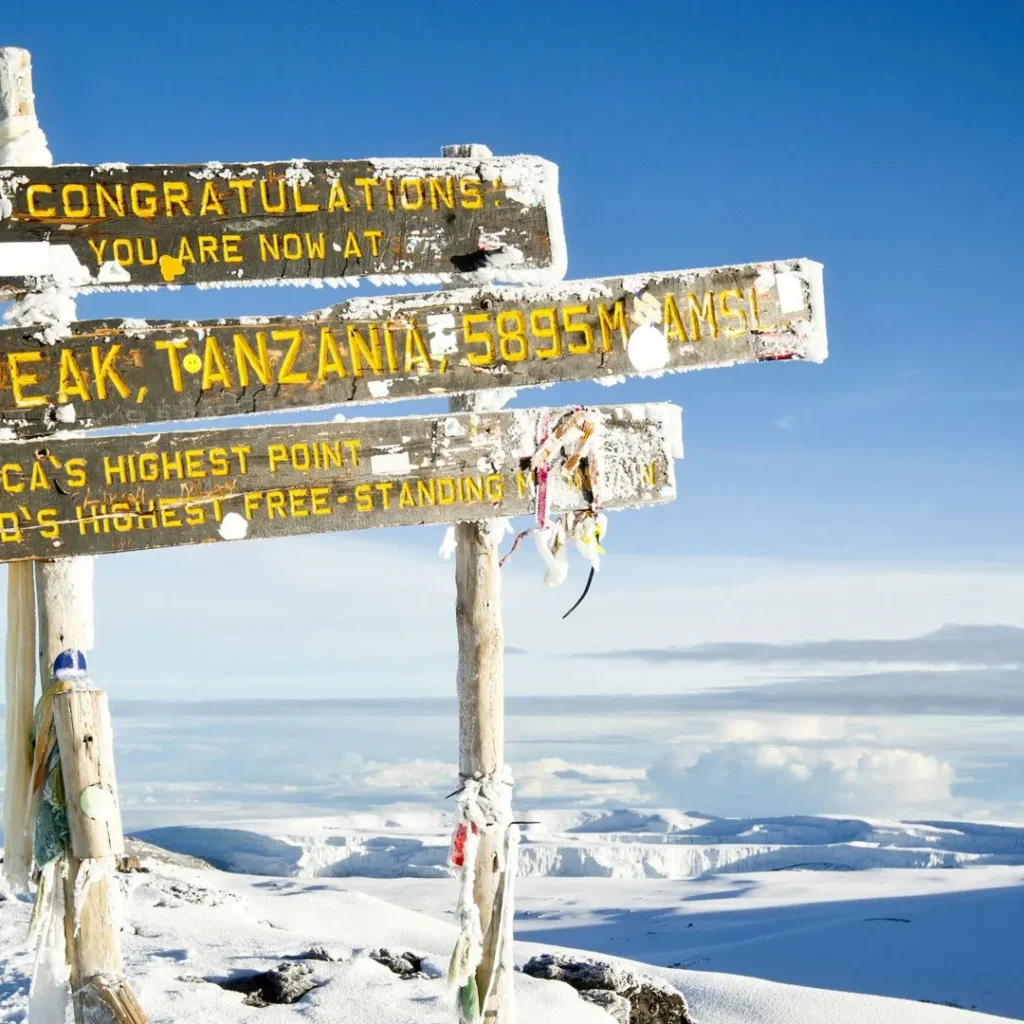
Climbing Mount Kilimanjaro with your child can become one of the most unforgettable family adventures in Africa. Many parents dream of sharing the excitement of standing on the Roof of Africa together while exploring Tanzania’s breathtaking landscapes, unique wildlife, and inspiring mountain culture. However, taking children on a Kilimanjaro climb requires careful planning, realistic expectations, and a strong focus on safety, altitude acclimatization, and physical preparation. Families considering a Kilimanjaro trek often ask about minimum age limits, best routes, success rates, safety measures, and whether children can handle the high altitude. Fortunately, with the right itinerary, experienced mountain guides, and gradual acclimatization, some children successfully summit Uhuru Peak every year. Understanding the challenges, health considerations, and family-friendly climbing strategies is essential before booking your Tanzania Kilimanjaro adventure. Understanding Kilimanjaro’s Minimum Age Rules The minimum official age for climbing Mount Kilimanjaro is generally 10 years old, according to regulations set by the national park authorities. While this may seem young, altitude affects every child differently, making maturity and physical readiness more important than age alone. Some parents assume younger children can easily manage the trek because Kilimanjaro is considered a non-technical climb, but the mountain still presents serious altitude challenges. Most reputable Tanzania tour operators recommend that children be at least 12 to 15 years old for a better chance of summit success and safer acclimatization. Responsible Kilimanjaro guides carefully evaluate a child’s hiking experience, stamina, emotional resilience, and ability to communicate discomfort. Parents should avoid rushing children into a summit attempt simply for adventure goals, because safety and enjoyment are more important than reaching Uhuru Peak. Is Kilimanjaro Safe for Children? Safety is the most important factor when planning a family Kilimanjaro trekking expedition. Although thousands of climbers successfully reach the summit annually, high altitude can affect children more unpredictably than adults. Acute Mountain Sickness can develop quickly, even in fit young hikers, making constant monitoring essential during the climb. Experienced Kilimanjaro guides watch for symptoms such as headaches, nausea, fatigue, dizziness, and unusual behavior changes. Families should choose operators with excellent safety records, certified wilderness first responders, emergency oxygen, pulse oximeters, and detailed evacuation procedures. Slower climbing itineraries significantly improve acclimatization and reduce health risks for children. Parents should also consult a pediatrician before travel, especially if the child has asthma, heart conditions, or respiratory issues. With careful preparation, professional guides, and realistic pacing, many families complete a safe and rewarding Kilimanjaro climbing experience together in Tanzania. Choosing the Best Kilimanjaro Route for Families Selecting the right route is one of the biggest decisions when climbing Mount Kilimanjaro with children. Family groups usually benefit from longer routes with better acclimatization profiles and gentler hiking schedules. The Lemosho Route is widely considered one of the best options because it offers gradual altitude gain, stunning scenery, and higher summit success rates. The Machame Route is scenic but can feel more physically demanding for younger climbers. The Rongai Route provides quieter trails and a more gradual ascent, making it attractive for families seeking a less crowded experience. Shorter routes like Marangu may appear easier due to hut accommodations, but rapid altitude gain often reduces acclimatization success. Families should prioritize slower itineraries of seven to nine days to allow children enough time to adapt. Choosing the correct route can dramatically improve safety, comfort, and summit enjoyment. Physical Fitness Requirements for Children Children preparing for a Kilimanjaro climb should develop strong hiking endurance before traveling to Tanzania. While technical climbing skills are unnecessary, young trekkers must be capable of walking several hours daily on steep and uneven terrain. Physical preparation helps children manage fatigue, altitude stress, and changing weather conditions during the expedition. Parents should encourage regular outdoor activities such as hiking, swimming, cycling, jogging, and long-distance walking several months before the climb. Weekend hikes carrying light backpacks can improve confidence and stamina significantly. Mental preparation is equally important because summit night is cold, dark, and physically exhausting. Children who already enjoy outdoor adventures and camping experiences usually adapt better to mountain life. Parents should avoid pressuring children who dislike hiking or struggle with endurance activities. A well-prepared child is more likely to enjoy the journey, remain motivated, and safely experience the unforgettable adventure of climbing Africa’s highest mountain. Altitude Acclimatization for Young Climbers Altitude acclimatization is the greatest challenge for children climbing Mount Kilimanjaro. Unlike adults, younger climbers may struggle to explain symptoms clearly, making close observation extremely important throughout the trek. Gradual ascent schedules help the body adjust to lower oxygen levels and improve summit success rates. Many experienced guides recommend routes lasting at least seven or eight days for families because slower climbs reduce the risk of altitude sickness. Drinking plenty of water, maintaining energy through nutritious meals, and hiking slowly are essential acclimatization strategies. Guides often use the “pole pole” approach, meaning “slowly slowly” in Swahili, to help climbers conserve energy and adapt naturally. Parents should never ignore symptoms such as severe headaches, vomiting, confusion, or unusual tiredness. Descending immediately is the safest response when serious altitude symptoms appear. Successful acclimatization increases safety, comfort, and confidence for children on the mountain. Mental Readiness and Emotional Preparation A Kilimanjaro family trek tests emotional strength as much as physical endurance. Children must prepare for cold temperatures, basic camping conditions, early morning wake-ups, and long hiking days. Parents should discuss the realities of mountain climbing honestly before the trip rather than creating unrealistic expectations. Young climbers who understand the adventure’s challenges often respond better during difficult moments on the trail. Encouragement, patience, and positive reinforcement play important roles throughout the expedition. Many families find that involving children in planning, gear selection, and training builds excitement and confidence. It is also important to teach children that reaching the summit is not the only measure of success. Enjoying the journey, learning resilience, and experiencing Tanzania’s mountain landscapes can be equally meaningful achievements. Emotionally prepared children often develop stronger confidence, independence, and appreciation for nature through the Kilimanjaro climbing experience. Essential Gear for Children on
What Challenges Do You Face on Mount Kilimanjaro Climbing
Discover enthralling Climbing Mount Kilimanjaro, Africa’s highest peak at 5,895 meters, is a once-in-a-lifetime adventure, attracting hikers, trekkers, and thrill-seekers worldwide. While the breathtaking landscapes—from lush rainforests to alpine deserts—are unforgettable, climbers face numerous challenges that test both physical endurance and mental resilience. From altitude sickness and extreme weather conditions to grueling summit nights and logistical hurdles, understanding these obstacles is essential for a successful Kilimanjaro climb. Trekkers should prepare with proper training, gear, and nutrition, and choose trusted tour operators offering guided Kilimanjaro routes. Whether hiking via the Machame, Marangu, or Lemosho route, climbers encounter unique difficulties that require careful preparation. Awareness of these challenges helps minimize risks, enhance safety, and increase the chances of reaching the Kilimanjaro summit, making the journey both memorable and rewarding. Altitude Sickness (Acute Mountain Sickness – AMS) One of the most common and dangerous challenges on Mount Kilimanjaro is Altitude Sickness, also known as Acute Mountain Sickness (AMS). As climbers ascend above 3,000 meters, the lower oxygen levels can cause headaches, nausea, dizziness, and fatigue. Severe cases may progress to High Altitude Pulmonary Edema (HAPE) or High Altitude Cerebral Edema (HACE), both life-threatening conditions. Proper acclimatization is crucial, which is why many climbers choose longer routes like Lemosho or Northern Circuit for gradual elevation gain. Staying hydrated, pacing your climb, and listening to your body are essential strategies to prevent AMS. Experienced Kilimanjaro guides monitor each climber for early signs, ensuring timely intervention. Understanding the risks and preparing mentally and physically for high-altitude trekking increases your chances of reaching the summit safely, making altitude awareness a top priority for anyone attempting Africa’s tallest mountain. Extreme Temperature Shifts Mount Kilimanjaro presents dramatic temperature variations that challenge climbers at every stage. The trek begins in warm tropical rainforests, where humidity and heat demand light clothing and sun protection. As hikers ascend into the alpine desert zone, temperatures can plummet below -10°C at night, especially during summit attempts. These extreme shifts require climbers to layer clothing effectively, balancing insulation with breathability. Exposure to high winds, frost, and occasional snow increases the risk of hypothermia. Proper gear, including thermal layers, waterproof jackets, gloves, and insulated boots, is essential. Understanding weather patterns on Kilimanjaro and preparing for sudden changes allows trekkers to avoid serious cold-related issues while maintaining comfort. Adjusting to these temperature extremes is as much a mental challenge as a physical one, emphasizing the importance of preparation, awareness, and clothing strategy during the climb. Grueling Summit Night The summit night on Kilimanjaro is the most physically and mentally demanding stage of the trek. Climbers often start around midnight to reach Uhuru Peak by sunrise, facing steep inclines, darkness, and freezing temperatures. The combination of altitude, fatigue, and thin air makes each step exhausting. Mental resilience is crucial, as many hikers question their ability to continue. Trekking poles, headlamps, and careful pacing are essential tools for success. Guides provide motivation and monitor climbers for signs of exhaustion or altitude-related illness. Despite these challenges, summit night offers the incredible reward of witnessing the sunrise over Africa’s highest point, a moment that makes the effort worthwhile. Adequate preparation, proper nutrition, and steady pacing are key strategies for conquering this pivotal and unforgettable part of the Kilimanjaro climb. Physical and Mental Exhaustion Climbing Kilimanjaro is not only a physical test but also a mental battle. Trekkers face long hours of hiking over diverse terrains, from forests to rocky slopes, often carrying heavy backpacks with essential gear. Muscular fatigue, sore joints, and blisters are common, while the continuous mental focus required to navigate steep trails adds to the strain. Endurance training before the climb and a positive mindset are crucial. Mental challenges include maintaining motivation despite slow progress, extreme weather, and unexpected obstacles. Guides play a critical role in boosting morale and helping climbers overcome self-doubt. Recognizing the signs of physical and psychological fatigue ensures timely rest and prevents injuries. Successful climbers combine preparation, determination, and resilience, transforming exhaustion into a personal triumph and making the Kilimanjaro ascent a rewarding adventure. Dehydration and UV Exposure Mount Kilimanjaro climbers are particularly susceptible to dehydration due to altitude, exertion, and dry alpine air. Sweating and increased respiration at higher elevations accelerate fluid loss, making consistent water intake essential. Trekkers should carry hydration packs and drink small amounts frequently. Additionally, UV radiation intensifies with altitude, posing risks of sunburn, eye strain, and skin damage. Sunglasses, sunscreen, and protective clothing are mandatory. Ignoring hydration and sun protection can lead to headaches, fatigue, and heat-related illnesses. Tour operators advise climbers to drink at least 3–4 liters daily, monitor urine color, and adjust activity levels during intense sun exposure. Addressing dehydration and UV risks proactively ensures climbers maintain energy, focus, and safety, enabling them to handle Kilimanjaro’s extreme environments effectively and enjoy the full mountain experience. Logistical and Personal Factors Kilimanjaro climbs involve more than physical challenges—logistical planning and personal preparedness are equally important. Choosing the right route, booking trusted tour operators, and coordinating transportation from Arusha, Moshi, or Kilimanjaro International Airport are key steps. Carrying the right gear, clothing, food, and medication ensures comfort and safety. Personal factors, such as fitness level, prior trekking experience, and mental resilience, strongly influence success. Unexpected delays, weather changes, or illness require adaptability and decision-making. Budgeting for park fees, guides, and equipment is essential for a smooth climb. By addressing these logistical and personal considerations ahead of time, climbers reduce stress, maximize safety, and increase their chances of reaching the summit. Preparation, flexibility, and planning are fundamental for a successful Kilimanjaro adventure. Climbing the Barranco Wall The Barranco Wall, often called the “Kitchen Wall,” is a challenging yet rewarding section of Kilimanjaro. This steep rock face rises about 300 meters and requires both strength and technique to ascend safely. Despite its intimidating appearance, careful use of hands, trekking poles, and ropes allows climbers to tackle the wall without technical climbing experience. Physical stamina, mental focus, and a sense of balance are critical to overcoming this obstacle. Experienced guides provide