
What is the Best Place for a Luxury African Safari

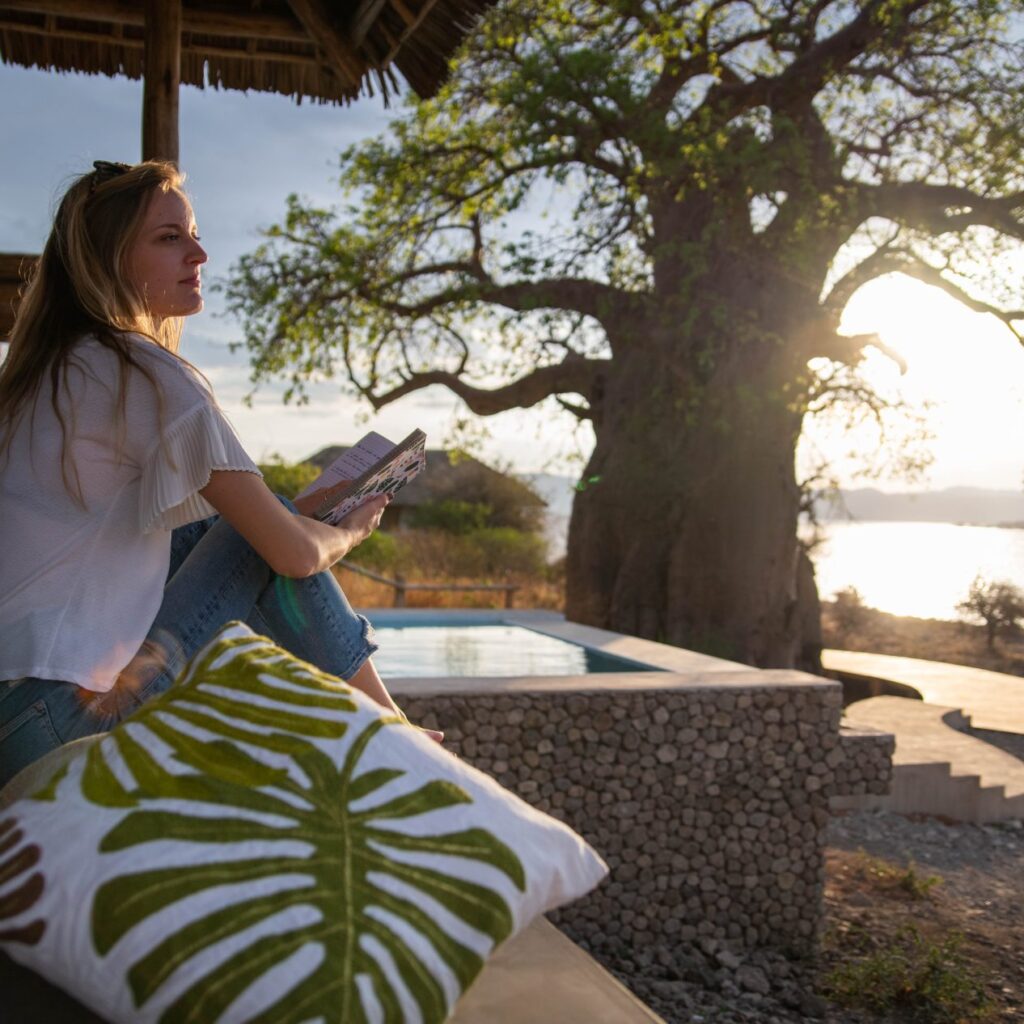
Tanzania is widely regarded as the best place for a luxury African safari, offering unmatched wildlife encounters, world-famous national parks, and exclusive high-end safari experiences. From the endless golden plains of the Serengeti to the dramatic wildlife-rich Ngorongoro Crater, Tanzania delivers some of the most iconic luxury safari destinations in Africa. Travelers seeking premium comfort, private game drives, and world-class lodges will find Tanzania a top-ranked choice for all-inclusive luxury safari packages. The country is also home to the Great Wildebeest Migration, the Big Five, and breathtaking landscapes that define authentic African wilderness. Whether it is a romantic honeymoon safari, a photographic expedition, or a private fly-in adventure, Tanzania combines luxury, adventure, and exclusivity, making it a global leader in high-end African safari tourism and unforgettable wildlife experiences. 1. Serengeti National Park – The Ultimate Luxury Safari Destination Serengeti National Park is the crown jewel of luxury African safaris and one of the most famous wildlife destinations on Earth. Known for its endless plains and extraordinary biodiversity, it offers unmatched Big Five safari experiences in Tanzania. Luxury travelers enjoy exclusive tented camps and private game drives that bring them close to lions, elephants, leopards, buffalo, and rhinos. The Serengeti is also the stage for the world-renowned Great Wildebeest Migration, where millions of wildebeest and zebras move across the savannah in dramatic river crossings. High-end safari lodges provide comfort, gourmet dining, and panoramic views of wildlife-rich landscapes. For photographers and adventure seekers, the Serengeti is the ultimate destination for luxury safari tours in East Africa, offering year-round game viewing and unforgettable safari memories. 2. Tarangire National Park – Elephant Paradise Luxury Safari Tarangire National Park is a hidden gem in Tanzania’s luxury safari circuit, known for its massive elephant herds and ancient baobab trees. It offers a more exclusive and less crowded safari experience compared to other parks, making it ideal for private luxury safaris in Tanzania. During the dry season, wildlife concentrates around the Tarangire River, creating exceptional game viewing opportunities. Visitors can spot lions, giraffes, zebras, and a wide variety of bird species. Luxury lodges in the area provide elegant accommodations, infinity pools, and guided walking safaris for immersive experiences. Tarangire is perfect for travelers seeking a blend of tranquility, wilderness, and upscale comfort. It is often included in luxury safari itineraries in northern Tanzania, offering a peaceful yet highly rewarding wildlife adventure. 3. Lake Manyara National Park – Scenic Luxury Safari Escape Lake Manyara National Park is a compact yet diverse safari destination offering a unique luxury wildlife experience. Famous for its tree-climbing lions and large flocks of flamingos, it provides spectacular scenery along the Great Rift Valley escarpment. Luxury travelers enjoy guided game drives through lush groundwater forests, open plains, and the shimmering lakeshore. The park is ideal for short but high-quality luxury safari extensions in Tanzania, especially for visitors combining Serengeti and Ngorongoro itineraries. High-end lodges nearby offer personalized service, spa treatments, and scenic balconies overlooking wildlife-rich landscapes. Lake Manyara is also known for its rich birdlife, making it a paradise for nature enthusiasts. It adds variety and beauty to any luxury African safari package in Tanzania, blending relaxation with unforgettable wildlife encounters. 4. Arusha National Park Arusha National Park is a serene and scenic destination often used as a starting point for luxury safaris in northern Tanzania. Despite its smaller size, it offers incredible diversity, including Mount Meru, lush forests, crater lakes, and open grasslands. Luxury travelers enjoy walking safaris guided by armed rangers, canoeing experiences, and close encounters with giraffes, colobus monkeys, and buffalo. It is a perfect introduction to Tanzania’s wildlife before heading to larger parks like Serengeti or Ngorongoro. High-end lodges near Arusha provide elegant comfort, spa services, and stunning mountain views. Its proximity to Kilimanjaro International Airport makes it ideal for fly-in luxury safaris in Tanzania. Arusha National Park is a peaceful retreat that combines accessibility, beauty, and exclusive safari experiences. 5. Ngorongoro Crater – A Natural Luxury Safari Wonder Ngorongoro Crater is one of the most spectacular luxury safari destinations in Africa and a UNESCO World Heritage Site. Often called the “Eighth Wonder of the World,” it is a massive volcanic caldera filled with dense wildlife populations, including the Big Five. Luxury safaris here offer private game drives on the crater floor, where elephants, lions, hippos, and flamingos can be seen in a single day. Exclusive lodges perched on the crater rim provide breathtaking views and world-class hospitality. The Ngorongoro experience is ideal for travelers seeking high-end safari adventures in Tanzania combined with dramatic scenery and rich cultural heritage from the Maasai people. Its unique ecosystem makes it one of the best locations for luxury wildlife safaris in Africa, delivering unforgettable, close-range animal encounters. 6. Lake Eyasi Lake Eyasi offers a unique cultural luxury safari experience, different from traditional game drives. Located near the Ngorongoro Highlands, it is home to the Hadzabe hunter-gatherers and Datoga communities, providing authentic cultural interactions. Luxury travelers visit this region for immersive cultural tours combined with scenic landscapes and birdwatching opportunities. The lake itself is seasonal and attracts flamingos and other bird species, creating a peaceful and photogenic environment. Exclusive safari lodges and boutique camps offer personalized service and cultural-guided experiences. Lake Eyasi is perfect for travelers seeking off-the-beaten-path luxury safaris in Tanzania, blending wildlife, culture, and exclusivity. It adds depth to northern safari circuits, making it a meaningful extension to Serengeti or Ngorongoro itineraries for those wanting a richer African experience. 7. Zanzibar – Luxury Safari and Beach Combination Zanzibar is the ultimate luxury safari beach extension, offering pristine white sands, turquoise waters, and world-class resorts. After thrilling wildlife safaris on the mainland, travelers relax in private beachfront villas, enjoying spa treatments and ocean cruises. Zanzibar is famous for its rich Swahili culture, Stone Town heritage, and spice tours. Luxury experiences include dhow sailing, snorkeling, diving, and romantic sunset dinners on the beach. It is a top destination for luxury honeymoon safaris in Tanzania, combining safari adventure with tropical relaxation. High-end resorts provide
Do you need oxygen to Climb Kilimanjaro
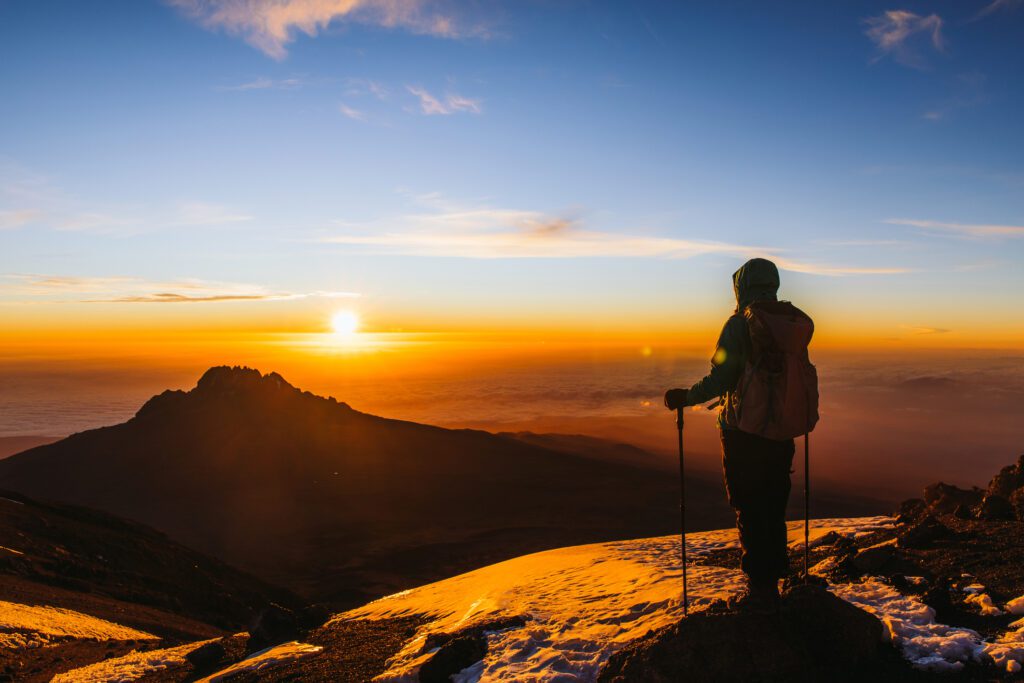
Most climbers do not need supplemental oxygen when climbing Mount Kilimanjaro. Unlike Everest, Kilimanjaro is a non-technical trekking mountain where climbers ascend slowly to allow natural acclimatization. The air at Uhuru Peak is thinner, with about 40% less oxygen than at sea level, but the body can adapt over several days. Tour operators design itineraries specifically for altitude adjustment, especially on routes like Lemosho and Northern Circuit. Supplemental oxygen is typically reserved for emergencies or severe altitude sickness cases. Instead of relying on oxygen tanks, climbers focus on hydration, slow pacing, and proper acclimatization strategies. Understanding that Kilimanjaro is a “walkable mountain” is key to a safe and successful summit without needing artificial oxygen support. Understanding Oxygen Levels at High Altitude As climbers ascend Mount Kilimanjaro, oxygen availability gradually decreases, creating challenges for the body. At base levels like Moshi or Arusha, oxygen saturation is normal, but at higher camps such as Barranco or Barafu, oxygen levels drop significantly. By the time you reach Uhuru Peak, atmospheric pressure is about half of sea level conditions. This reduction leads to symptoms like shortness of breath, fatigue, and headaches. However, the human body can adapt through acclimatization, producing more red blood cells over time. This is why slow ascent routes like Lemosho and Machame are recommended. Understanding altitude physiology helps climbers prepare mentally and physically, reducing fear of oxygen deprivation and ensuring a safer Kilimanjaro trekking experience without supplemental oxygen. Acute Mountain Sickness (AMS) and Oxygen Use Acute Mountain Sickness (AMS) is the most common challenge faced during Kilimanjaro climbing. Symptoms include nausea, dizziness, headache, and fatigue caused by reduced oxygen at high altitude. While supplemental oxygen can temporarily relieve symptoms, it is not a long-term solution. The best prevention is proper acclimatization, slow ascent, and hydration. Most climbers who follow recommended itineraries never require oxygen assistance. Guides trained in high-altitude trekking constantly monitor symptoms using pulse oximeters to ensure safety. If AMS becomes severe, the safest action is descent, not oxygen dependence. Understanding AMS is crucial for anyone planning a Kilimanjaro expedition, as it emphasizes preparation over equipment and highlights why most climbers successfully reach Uhuru Peak without supplemental oxygen. Acclimatization: The Key to Climbing Without Oxygen Acclimatization is the body’s natural adaptation to lower oxygen levels and is the most important factor in climbing Kilimanjaro without supplemental oxygen. Trekking itineraries are designed with gradual altitude gain, allowing climbers to “climb high, sleep low.” Routes like Lemosho and Northern Circuit provide longer acclimatization periods, increasing summit success rates. Proper hydration, slow walking pace, and rest days help the body adjust effectively. Tour guides also monitor climbers for signs of altitude stress. With good acclimatization, the body increases red blood cell production, improving oxygen delivery naturally. This biological adaptation makes supplemental oxygen unnecessary for most trekkers. Successful Kilimanjaro summit experiences depend more on acclimatization strategies than on artificial oxygen support systems. When Supplemental Oxygen Is Actually Used Although rare, supplemental oxygen is available on Mount Kilimanjaro for emergencies. It is typically used for climbers experiencing severe altitude sickness, extreme fatigue, or dangerous drops in oxygen saturation levels. Professional guides carry portable oxygen cylinders for safety, but they are not part of standard climbing equipment. In most cases, oxygen is used temporarily while preparing for evacuation or descent. It is not used to “assist” normal climbing or improve performance. Unlike high-altitude mountaineering expeditions, Kilimanjaro does not require oxygen supplementation for success. Understanding this helps climbers avoid misconceptions and focus on proper training, acclimatization, and mental preparation instead of relying on oxygen as a climbing aid. Kilimanjaro Routes and Their Impact on Oxygen Needs The choice of route significantly affects whether a climber might need supplemental oxygen on Kilimanjaro. Longer routes like Lemosho, Northern Circuit, and Machame provide better acclimatization opportunities, reducing oxygen-related risks. Shorter routes, such as Marangu or Umbwe, have faster ascents, increasing the chance of altitude sickness. Most experienced tour operators recommend longer itineraries because they allow the body to adapt naturally to decreasing oxygen levels. Proper route selection improves summit success rates and reduces dependency on emergency oxygen. Climbers who rush the ascent are more likely to struggle with AMS. Therefore, choosing the right Kilimanjaro route is one of the most important decisions for avoiding supplemental oxygen use and ensuring a safe trekking experience. Physical Fitness vs Oxygen Dependency Physical fitness plays a major role in Kilimanjaro success, but it does not eliminate the need for acclimatization or guarantee immunity from altitude effects. Many climbers assume that being fit means they will not need supplemental oxygen, but this is not entirely true. Even highly trained athletes can experience altitude sickness. Fitness helps with endurance, stamina, and recovery, but oxygen levels at high altitude affect everyone equally. The key advantage of fitness is the ability to maintain a steady pace, which supports acclimatization. Slow and consistent trekking reduces strain on the body and improves oxygen efficiency. Therefore, while fitness is important, it does not replace the need for proper acclimatization or justify reliance on supplemental oxygen. Signs You Might Be Struggling with Low Oxygen Recognizing early signs of oxygen deficiency is essential for safe Kilimanjaro climbing. Common symptoms include persistent headache, dizziness, shortness of breath, nausea, and difficulty sleeping. These signs are typically associated with Acute Mountain Sickness rather than true oxygen deprivation emergencies. Climbers are trained to report symptoms immediately to guides, who assess oxygen saturation levels using pulse oximeters. If symptoms worsen, descent is the safest solution. Supplemental oxygen may be used temporarily, but it is not the primary treatment. Early detection and response are key to preventing complications. Understanding these warning signs helps climbers stay safe and increases the likelihood of reaching Uhuru Peak without requiring oxygen support. Role of Guides in Oxygen Management Professional mountain guides play a critical role in managing altitude and oxygen safety on Kilimanjaro. Certified guides are trained to identify symptoms of AMS and monitor climbers throughout the ascent. They carry emergency oxygen and first-aid kits, ensuring immediate response if needed. However,
Fun Facts About Snow Leopards
Snow leopards are among the most mysterious and beautiful big cats in the world, often searched as “snow leopard facts,” “endangered mountain predators,” and “Himalayan wildlife animals.” Known scientifically as Panthera uncia, they live in some of the harshest and highest mountain regions on Earth. These rare wild cats are native to Central and South Asia, especially the Himalayas, making them one of the most elusive apex predators in the world. With thick fur, powerful limbs, and incredible camouflage, snow leopards are perfectly adapted for survival in freezing alpine environments. This article explores fun facts about snow leopards, including their behavior, habitat, diet, conservation status, and unique traits that make them one of the most fascinating endangered species on the planet. 1. Snow Leopards Are Known as “Ghosts of the Mountains.” Snow leopards are often called the “Ghosts of the Mountains” due to their extremely elusive nature and ability to blend into rocky, snowy landscapes. As a top-searched wildlife topic under “rare big cats” and “Himalayan predators,” they are rarely seen in the wild. Their grey-white spotted fur provides perfect camouflage against cliffs and snowfields. Even experienced wildlife photographers and researchers struggle to capture them in their natural habitat. This mysterious behavior makes snow leopards one of the most iconic animals in wildlife documentaries. Their stealth movement, silent stalking, and hidden lifestyle contribute to their legendary reputation. Unlike other big cats, they avoid human contact, making sightings extremely rare and special. This secrecy is why conservationists call them “phantoms of the Himalayas,” symbolizing both beauty and mystery in the animal kingdom. 2. Snow Leopards Live in Extreme High-Altitude Habitats Snow leopards are adapted to survive in some of the world’s highest and coldest environments, often found at altitudes between 3,000 and 5,500 meters. Popular searches include “snow leopard habitat,” “Himalayan wildlife zones,” and “mountain big cats.” They inhabit regions across Nepal, India, Bhutan, China, Mongolia, and Pakistan. These extreme terrains include cliffs, rocky valleys, and snowy mountain ranges where oxygen is thin, and temperatures drop dramatically. Their strong lungs and large nasal cavities help them breathe in low-oxygen conditions. Unlike many predators, snow leopards thrive in isolation, far from human settlements. This remote lifestyle protects them, but also makes conservation efforts challenging. Their survival in such harsh conditions showcases their extraordinary evolutionary adaptation, making them one of nature’s most resilient and powerful wild cats. 3. Their Thick Fur Keeps Them Warm in Freezing Temperatures One of the most interesting snow leopard facts is their dense, woolly fur, which is one of the thickest among all big cats. Popular keywords include “snow leopard adaptations,” “cold weather animals,” and “Himalayan predators’ survival.” Their fur can grow up to 12 centimeters long, providing insulation against temperatures that drop below -30°C. The smoky grey coat with black rosettes helps them blend perfectly into the Rocky Mountain terrain. Even their belly and tail are covered with thick fur for extra warmth. This natural insulation allows them to survive extreme winters without difficulty. Unlike other predators, snow leopards do not hibernate or migrate; instead, they rely on their specialized fur and body structure to endure harsh climates year-round, making them a true symbol of survival in the wild. 4. Snow Leopards Have Extremely Long Tails for Balance Snow leopards are famous for their incredibly long and thick tails, which can measure almost as long as their body. This is a highly searched topic under “snow leopard anatomy” and “big cat adaptations.” Their tails act as a balancing tool when navigating steep, rocky cliffs and narrow mountain ledges. It also helps them maintain stability during high-speed chases across uneven terrain. In freezing weather, they wrap their tails around their bodies like a blanket to conserve heat. This multifunctional tail is one of their most unique physical features. Unlike other wild cats, snow leopards rely heavily on agility rather than strength alone. Their tail is essential for survival in the rugged Himalayan landscape, making them one of the most perfectly adapted predators in mountainous ecosystems. 5. They Are Powerful but Silent Hunters Snow leopards are apex predators known for their silent and strategic hunting style, a key topic under “snow leopard hunting behavior” and “wild mountain predators.” They rely on stealth rather than speed, stalking prey such as blue sheep, ibex, and Himalayan tahr. Their soft paw pads allow them to move silently across rocky terrain. Instead of long chases, they use surprise attacks from above cliffs. Their powerful hind legs enable them to leap up to 15 meters in a single bound. This makes them one of the most efficient hunters in high-altitude ecosystems. Despite their strength, they are extremely cautious animals, avoiding unnecessary risks. Their hunting success depends on patience, camouflage, and precision rather than aggression. 6. Snow Leopards Are Solitary Animals Snow leopards are naturally solitary creatures, often searched as “snow leopard behavior,” “do snow leopards live in groups,” and “wild cat social structure.” Unlike lions, they do not form prides or social groups. Each snow leopard occupies a large territory that it marks and defends. Males and females only meet briefly during mating season. This solitary lifestyle reduces competition for limited prey in harsh mountain environments. It also helps them remain undetected by humans and other predators. Their independence is a survival strategy in extreme habitats where resources are scarce. This behavior makes them one of the most self-reliant big cats in the animal kingdom, perfectly adapted to survive alone in some of the world’s most challenging ecosystems. 7. Their Diet Depends on Mountain Wildlife Snow leopards are carnivores whose diet mainly includes wild mountain animals such as ibex, blue sheep, marmots, and hares. Popular topics include “snow leopard diet,” “Himalayan prey animals,” and “wild big cat food habits.” They are opportunistic hunters and will also eat smaller mammals when larger prey is unavailable. Due to their habitat’s scarcity of food, they can survive on one large kill for several days. Occasionally, they may prey on livestock, leading to conflicts with local herders.
Fun Facts About Hyenas

Hyenas are among Africa’s most misunderstood yet fascinating wildlife species, often overshadowed by lions and leopards on a classic African safari. Found across iconic destinations like Serengeti National Park and the Ngorongoro Crater, these intelligent carnivores play a crucial role in maintaining ecosystem balance. Despite their reputation as scavengers, hyenas are skilled hunters with complex social systems and remarkable adaptability. From their powerful jaws to their eerie vocalizations, hyenas continue to intrigue wildlife enthusiasts and researchers alike. This guide explores fun facts about hyenas, packed with top-ranking SEO keywords like “hyena behavior,” “spotted hyena facts,” and “African safari animals,” offering a detailed and engaging look into one of Africa’s most iconic predators. 1. Hyenas Are Not Dogs Although hyenas resemble wild dogs, they belong to their own unique family called Hyaenidae. This places them closer to cats than canines in the evolutionary tree. Their muscular build, sloping back, and powerful neck distinguish them from other carnivores on an African safari. Spotted hyenas, the most common species, dominate ecosystems like the Serengeti National Park, where they compete with lions for prey. Unlike dogs, hyenas have retractable claws and a grooming behavior similar to felines. Understanding their classification helps debunk myths and highlights their uniqueness among African wildlife species. These fascinating creatures are a must-see for anyone exploring Tanzania’s top safari destinations, where biodiversity thrives and predator-prey dynamics unfold dramatically. 2. Spotted Hyenas Are Skilled Hunters Contrary to popular belief, spotted hyenas are highly efficient hunters, often catching up to 70% of their prey. In places like the Serengeti National Park, they hunt in coordinated groups, targeting wildebeest, zebras, and antelopes. Their endurance allows them to chase prey over long distances, making them formidable predators in the African savannah. This hunting efficiency rivals even lions, making hyenas key players in the food chain. Their strategic teamwork and communication skills enhance their success rate, showcasing intelligence rarely acknowledged in popular media. For safari-goers, witnessing a hyena hunt is a thrilling experience that reveals the true nature of these misunderstood animals and adds depth to any Tanzania wildlife safari adventure. 3. Female Hyenas Rule the Clan One of the most fascinating hyena facts is their matriarchal society. Female hyenas are larger, stronger, and more dominant than males. In clans that can include up to 80 individuals, leadership is strictly female-led. This social structure is evident in regions like the Ngorongoro Crater, where hyena clans thrive in large numbers. Females inherit their rank from their mothers, creating a powerful lineage system. Males, on the other hand, must earn their place within the group. This unique hierarchy challenges traditional views of animal societies and highlights the complexity of hyena behavior. It’s a compelling reason why hyenas are a favorite subject for wildlife documentaries and African safari enthusiasts alike. 4. Their Laugh Is a Form of Communication Hyenas are famous for their “laugh,” but it’s not a sign of humor. This distinctive vocalization is a sophisticated form of communication used to express excitement, frustration, or submission. In the vast plains of the Serengeti National Park, these sounds can travel long distances, helping clan members coordinate during hunts or alert others to danger. Each hyena has a unique voice, allowing individuals to पहचान one another. This complex communication system underscores their intelligence and social cohesion. For travelers on a Tanzania safari, hearing a hyena’s laugh echo across the savannah is both eerie and unforgettable, adding to the rich sensory experience of African wildlife exploration. 5. Hyenas Have Incredibly Strong Jaws Hyenas possess one of the most powerful bite forces in the animal kingdom, capable of crushing bones with ease. This adaptation allows them to consume every part of their prey, including hooves and horns, leaving almost nothing behind. In ecosystems like the Ngorongoro Crater, this efficiency helps reduce waste and prevents the spread of disease. Their digestive systems are equally robust, capable of processing bone matter and extracting maximum nutrients. This makes hyenas vital scavengers and recyclers in the wild. Their jaw strength is a key reason why they are often seen competing with lions over carcasses, showcasing their resilience and dominance in Africa’s predator hierarchy. 6. They Are Excellent Mothers Female hyenas are highly protective and nurturing mothers. Cubs are born in isolated dens and later introduced to the clan, where they begin learning social behaviors. In regions like the Serengeti National Park, mothers provide milk rich in nutrients, supporting rapid growth and development. Interestingly, hyena milk has a higher protein and fat content than that of most carnivores. Cubs also inherit their mother’s social rank, giving them a strong start in life. This maternal investment ensures the survival and continuity of the clan. Observing hyena cubs on a Tanzania safari offers a rare glimpse into the tender side of these often-feared predators. 7. Hyenas Are Highly Intelligent Hyenas rank among the most intelligent mammals, often compared to primates in problem-solving abilities. Studies have shown that they can recognize patterns, cooperate in groups, and even outsmart other predators. In the dynamic ecosystems of the Ngorongoro Crater, this intelligence is crucial for survival. They use strategic thinking during hunts and display emotional intelligence within their clans. Their brains are large relative to body size, supporting advanced cognitive functions. This intelligence challenges outdated perceptions and positions hyenas as one of the most sophisticated species in the African wilderness. For wildlife enthusiasts, learning about hyena cognition adds a new layer of appreciation during safari adventures. 8. There Are Four Hyena Species Not all hyenas are the same. There are four distinct species: the spotted hyena, striped hyena, brown hyena, and the aardwolf. Each has unique characteristics and habitats. The spotted hyena is the most widespread and commonly seen in places like the Serengeti National Park. The aardwolf, however, feeds primarily on termites and has a completely different lifestyle. Understanding these differences enhances your knowledge of African biodiversity and enriches your safari experience. Each species contributes uniquely to its ecosystem, making hyenas a diverse and essential group within the animal
Kilimanjaro Arctic Zone
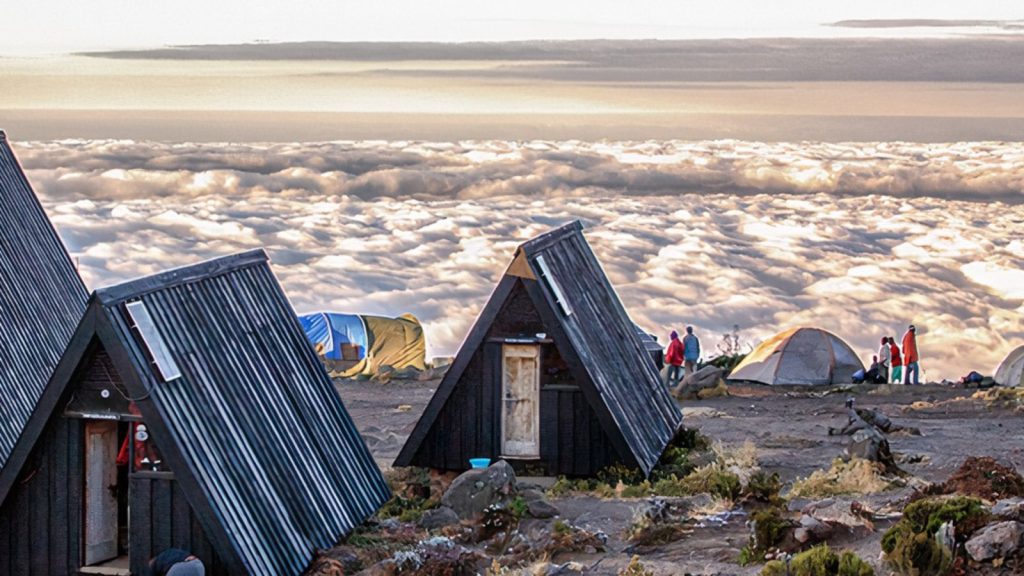
The Kilimanjaro Arctic Zone is the highest and most extreme ecological region on Mount Kilimanjaro, often referred to as the summit zone near Uhuru Peak. Despite being located near the equator, this zone resembles the polar regions due to its freezing temperatures, dry air, and permanent ice and glaciers. It is one of the most dramatic parts of the mountain and represents the final stage of a successful Kilimanjaro climb. Climbers entering this zone experience a completely alien environment compared to the lower rainforest and alpine zones. The Kilimanjaro Arctic Zone is also known as the “summit desert” because of its harsh, barren conditions and lack of visible life. It plays a crucial role in high-altitude trekking experiences, making it one of the most searched topics for Kilimanjaro trekking, summit success, and extreme altitude hiking adventures in Africa. Location on Mount Kilimanjaro The Kilimanjaro Arctic Zone is located at the very top of Mount Kilimanjaro, typically above 5,000 meters (16,400 feet) and extending to the summit at 5,895 meters (19,341 feet). This zone surrounds Uhuru Peak, the highest point in Africa, within Kilimanjaro National Park. It sits above the alpine desert zone and is the final ascent area for climbers attempting to reach the summit. The region is characterized by steep volcanic slopes, icy ridges, and exposed rock formations shaped by ancient volcanic activity. Due to its extreme altitude, the Arctic Zone is isolated from the rest of the mountain’s ecosystems. It is accessible only after passing through multiple climate zones, including rainforest, moorland, and alpine desert. This makes it one of the most challenging and rewarding locations for high-altitude trekking in Tanzania and East Africa. Climate and Extreme Weather Conditions The climate in the Kilimanjaro Arctic Zone is extremely harsh and unpredictable, making it one of the most demanding environments for climbers. Temperatures can drop as low as -20°C (-4°F) at night, even though the mountain is located near the equator. Strong winds, low humidity, and intense solar radiation are common conditions. The air is very thin, and the weather changes rapidly without warning, adding to the difficulty of the final summit push. Snow, ice, and frost are frequently present, especially in the early morning hours. This extreme climate is one of the key reasons why summit attempts are typically made at night, allowing climbers to reach Uhuru Peak at sunrise. The Kilimanjaro Arctic Zone is a major focus for keywords such as “extreme mountain weather,” “Kilimanjaro summit conditions,” and “high altitude cold exposure.” Oxygen Levels and Altitude Effects Oxygen levels in the Kilimanjaro Arctic Zone are significantly reduced, with only about 40% of the oxygen available at sea level. At this extreme altitude on Mount Kilimanjaro, climbers often experience symptoms of altitude sickness, including headaches, dizziness, nausea, and fatigue. The low oxygen environment makes every step physically demanding and slows down body functions. This zone is a critical point where proper acclimatization becomes essential for summit success. Many climbers use slow ascent strategies to adapt gradually to the thinning air. The risk of Acute Mountain Sickness (AMS) is highest here, making it one of the most searched topics under “Kilimanjaro altitude effects” and “oxygen levels on Kilimanjaro summit.” Understanding these conditions is essential for safe trekking and improving summit success rates on Africa’s highest mountain. Landscape and Terrain Features The landscape of the Kilimanjaro Arctic Zone is stark, dramatic, and almost lunar in appearance. It consists mainly of volcanic rock, loose scree, icy patches, and glacial remnants. Unlike the lower zones of Mount Kilimanjaro, there is no vegetation, and the terrain is exposed to strong winds and freezing conditions. The ground is often unstable, requiring careful footing during the final ascent to Uhuru Peak. Glaciers and ice fields, although shrinking due to climate change, remain visible in some areas. This rugged terrain is one of the defining features of the Kilimanjaro Arctic Zone and contributes to its reputation as one of the most challenging summit environments in the world. It is a key keyword area for “Kilimanjaro summit terrain,” “rocky glacier zone,” and “high altitude volcanic landscape.” Flora and Fauna (or Lack of Life) There is virtually no plant or animal life in the Kilimanjaro Arctic Zone due to extreme cold, strong winds, and lack of oxygen. This makes the summit region of Mount Kilimanjaro a true “dead zone” in ecological terms. Unlike the lush rainforest or alpine zones below, this area cannot support biological survival. Only microscopic organisms and occasional hardy lichens may survive in protected rock crevices, but visible flora and fauna are absent. This lifeless environment contributes to the surreal and otherworldly experience of reaching the summit. It is one of the most frequently searched aspects of Kilimanjaro trekking under terms like “Kilimanjaro summit life,” “why no animals on Kilimanjaro peak,” and “Arctic zone ecology.” The absence of life emphasizes the extreme nature of high-altitude climbing on Africa’s tallest mountain. Challenges for Climbers Climbing through the Kilimanjaro Arctic Zone presents some of the toughest challenges on the entire mountain. The combination of low oxygen, freezing temperatures, fatigue, and steep terrain makes the final ascent physically and mentally demanding. On Mount Kilimanjaro, climbers often experience exhaustion, slow movement, and difficulty concentrating. The summit push usually begins at midnight to reach Uhuru Peak by sunrise, adding sleep deprivation to the challenge. Weather conditions such as strong winds and icy trails increase the risk of slipping. Altitude sickness is another major obstacle, often forcing climbers to turn back before reaching the top. These difficulties make keywords like “Kilimanjaro summit challenges,” “Arctic zone difficulty,” and “highest mountain climb in Africa” highly relevant for trekking research and SEO travel content. Required Gear and Preparation Proper gear is essential for surviving the Kilimanjaro Arctic Zone. Climbers on Mount Kilimanjaro must carry insulated clothing, including thermal base layers, down jackets, gloves, and balaclavas to protect against extreme cold. Sturdy waterproof boots with good grip are necessary for icy and rocky terrain. Headlamps are required for night summit attempts, along with trekking
Biggest Mistakes to Avoid When on An African Safari
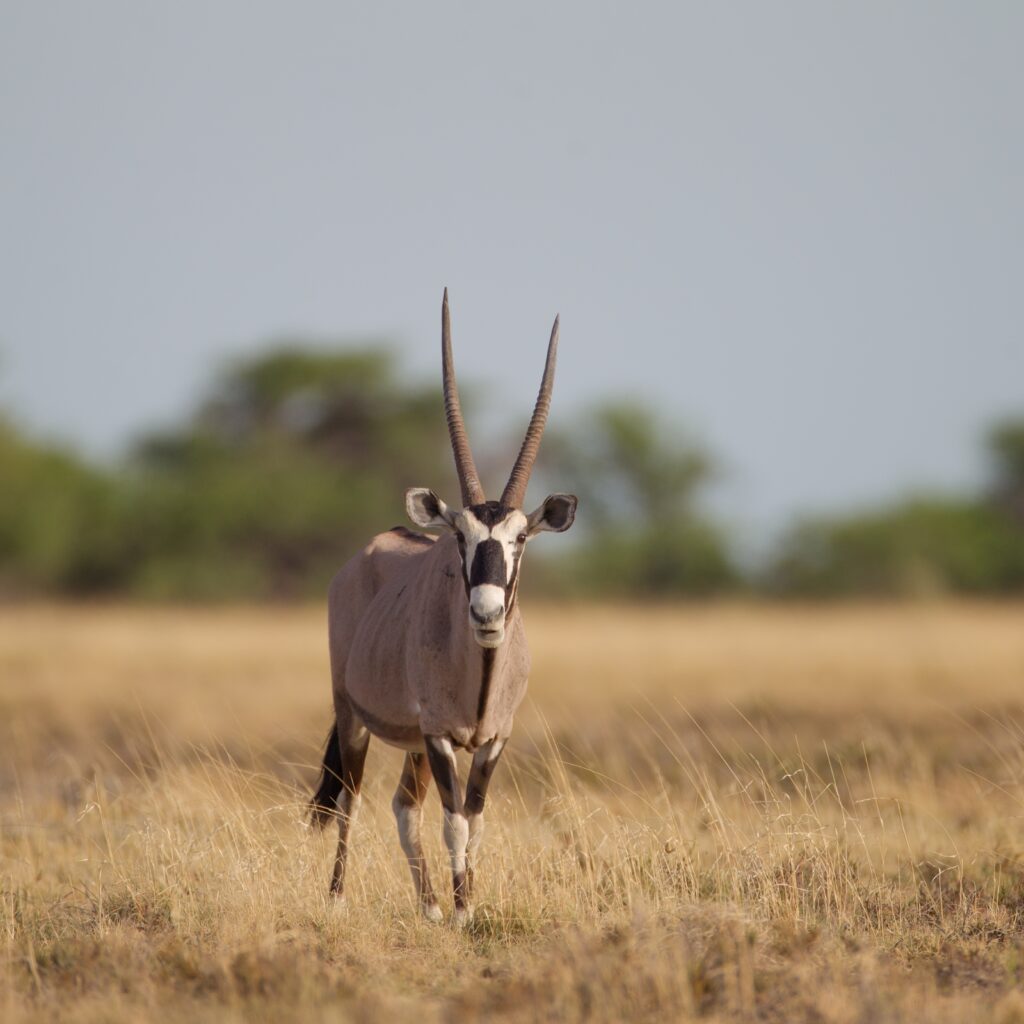
An African safari is one of the most unforgettable wildlife experiences in the world, offering breathtaking landscapes, iconic wildlife encounters, and life-changing adventures across destinations like the Serengeti, Ngorongoro Crater, and Tarangire. However, many travelers make avoidable mistakes that can affect their safari experience, comfort, safety, and even wildlife viewing success. Understanding the biggest mistakes to avoid when on an African safari is essential for every first-time and returning traveler. From poor planning and wrong packing choices to unsafe behavior during game drives, these errors can reduce the magic of your journey. Whether you are planning a Tanzania safari, luxury safari, or budget wildlife tour, proper preparation ensures a smooth, safe, and highly rewarding adventure in the heart of Africa’s wilderness. 1. Not Planning Your Safari in Advance One of the biggest mistakes travelers make when going on an African safari is failing to plan early enough. Safari destinations such as Serengeti National Park and Ngorongoro Crater often require advance bookings, especially during peak season, like the Great Migration period. Many travelers assume they can book everything last-minute, only to find limited lodge availability, higher prices, or missed opportunities for prime wildlife viewing locations. Proper planning helps you secure the best safari lodges, experienced guides, and well-organized itineraries. It also ensures you choose the right safari type, whether luxury, mid-range, or budget safari. Early planning allows you to understand weather conditions, travel logistics, and park entry requirements, all of which significantly improve your African safari experience. 2. Overpacking or Underpacking for the Safari Packing incorrectly is a common mistake that can negatively impact your African safari experience. Some travelers overpack unnecessary items, while others forget essential gear needed for game drives. The key is balance. Lightweight, neutral-colored clothing is ideal for Tanzania safari tours, especially in dusty environments like the Serengeti plains. Essential items include binoculars, sunscreen, a hat, insect repellent, and comfortable walking shoes. Overpacking heavy suitcases can make transportation between lodges difficult, especially on small safari aircraft with strict baggage limits. On the other hand, underpacking can leave you unprepared for changing weather conditions, especially during early morning and evening game drives. Smart safari packing ensures comfort, convenience, and better wildlife viewing without unnecessary stress. 4. Ignoring Safari Safety Rules Ignoring safety guidelines is one of the most dangerous mistakes on an African safari. Wildlife parks such as Serengeti and Ngorongoro Crater are home to wild animals that must be respected at all times. Stepping out of the safari vehicle without permission, making loud noises, or attempting to feed animals can lead to serious risks. Safari guides are highly trained professionals who understand animal behavior, and their instructions should always be followed. Staying inside the vehicle during game drives ensures your safety while allowing animals to behave naturally. Understanding and respecting park rules enhances not only your safety but also the quality of your wildlife experience. Responsible behavior ensures a safe and enjoyable Tanzania safari adventure. 5. Expecting Too Much in a Short Time Many travelers make the mistake of expecting to see all the “Big Five” animals in a single game drive or short safari trip. African wildlife is unpredictable, and sightings depend on nature, timing, and luck. A safari in Tanzania’s Serengeti or Tarangire National Park is about patience and appreciation of the natural environment, not a checklist experience. Rushing through parks can lead to disappointment and missed opportunities to enjoy rare moments such as predator hunts or migration crossings. A well-planned itinerary allows enough time in each park for meaningful wildlife encounters. Slowing down and embracing the unpredictability of nature is key to enjoying a truly rewarding African safari experience. 6. Choosing the Wrong Safari Season Selecting the wrong travel season is another common mistake that affects safari quality. Tanzania safari experiences vary greatly depending on the time of year. For example, visiting during the rainy season may result in muddy roads and limited wildlife visibility, while peak season offers better game viewing but higher costs. The Great Migration in the Serengeti is seasonal, and missing it means missing one of the world’s most spectacular wildlife events. Understanding weather patterns, animal movement, and park accessibility is essential when planning your trip. Choosing the right season ensures better photography opportunities, comfortable travel conditions, and more rewarding wildlife encounters during your African safari adventure. 7. Not Hiring a Professional Safari Guide Trying to explore African national parks without an experienced guide is a major mistake. Professional safari guides possess deep knowledge of animal behavior, migration patterns, and hidden wildlife hotspots. In places like Ngorongoro Crater and Serengeti National Park, guides significantly increase your chances of spotting rare animals such as leopards or rhinos. They also ensure safe navigation through rough terrain and provide valuable insights about ecosystems and conservation. A good guide transforms a simple game drive into an educational and immersive experience. Without one, travelers risk missing key sightings and important interpretations of wildlife behavior. Hiring a certified safari guide is essential for a successful and enriching African safari experience. 8. Making Too Much Noise During Game Drives Noise pollution is often overlooked but can ruin a safari experience. Speaking loudly, playing music, or making sudden sounds during game drives can scare away wildlife and disrupt natural behavior. Animals in parks like Serengeti National Park are highly sensitive to sound and movement. Silence or soft conversation allows you to observe animals in their natural habitat without interference. Respecting the peaceful environment increases your chances of seeing predators hunting or herds migrating. Maintaining quiet also enhances your personal experience, allowing you to connect deeply with nature. A successful African safari depends on patience, observation, and respect for the wild environment. 9. Forgetting Essential Travel Documents Many travelers overlook the importance of proper documentation when planning an African safari. Valid passports, visas, travel insurance, and vaccination certificates are essential for smooth entry into Tanzania and other safari destinations. Missing or expired documents can lead to delays, denied entry, or disrupted itineraries. Travel insurance is especially important as
The Rainforest Zone of Kilimanjaro
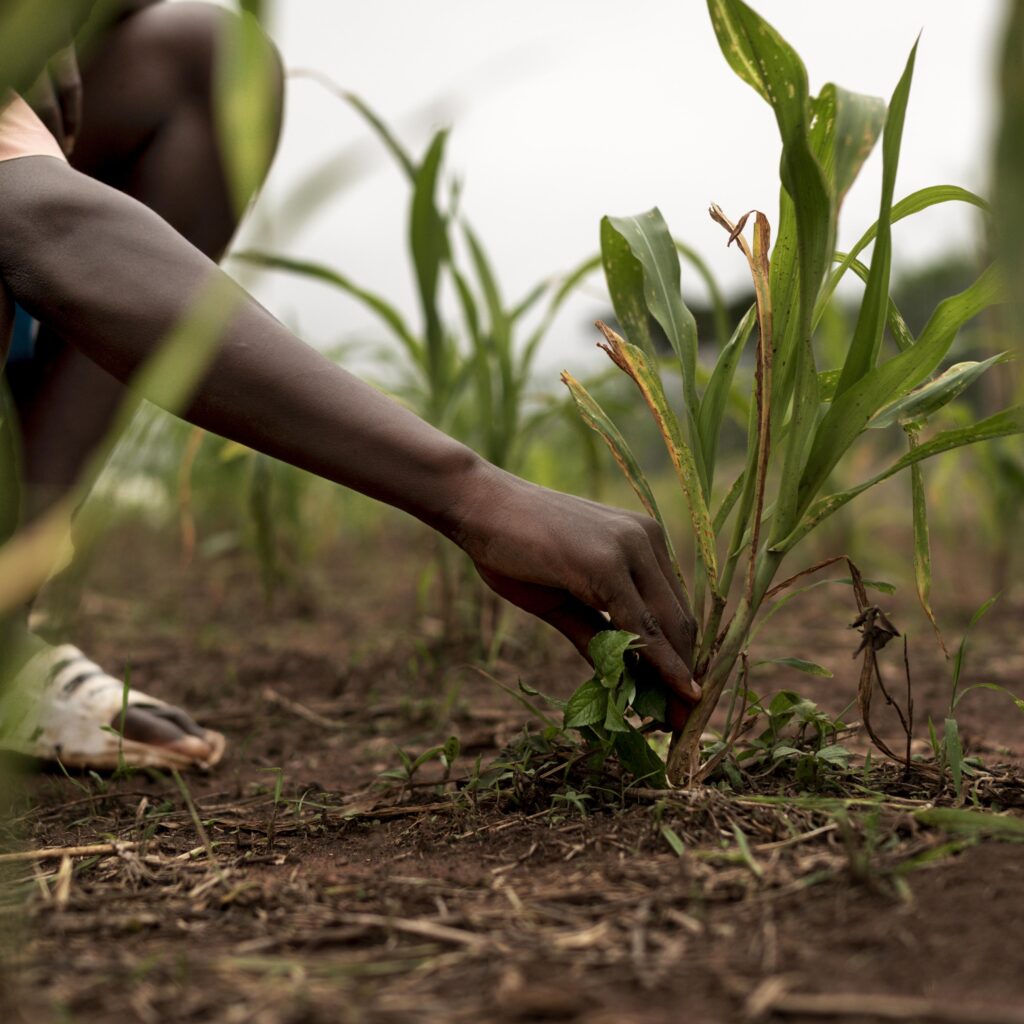
The Rainforest Zone of Mount Kilimanjaro is one of the most enchanting and ecologically rich sections of Africa’s highest mountain, forming a lush green belt between 1,800 and 2,800 meters above sea level. This tropical montane rainforest, often described as the “green lungs of Kilimanjaro,” is part of the larger Kilimanjaro National Park ecosystem and is a key highlight for trekkers using popular routes such as Machame, Marangu, Lemosho, and Rongai. Known for its high biodiversity, misty atmosphere, and dense vegetation, the rainforest zone offers a dramatic contrast to the dry savannah plains below. It is a crucial water catchment area, feeding rivers and waterfalls that sustain both wildlife and surrounding communities. This zone is also famous for its iconic species, unique flora, and immersive trekking experience, making it a top attraction for Kilimanjaro climbing tours, Kilimanjaro rainforest zone, tropical rainforest Kilimanjaro, Kilimanjaro trekking forest, Mount Kilimanjaro ecosystem, Kilimanjaro National Park rainforest, hiking Kilimanjaro forest zone, African montane forest, eco-tourism safaris, and adventure travel in Tanzania. Location and Elevation of the Rainforest Zone The rainforest zone of Mount Kilimanjaro is strategically located between approximately 1,800 and 2,800 meters above sea level, forming the lower montane forest belt of the mountain. This zone lies within Kilimanjaro National Park in northern Tanzania, near the town of Moshi, and is accessible through several climbing routes such as Machame, Marangu, and Lemosho. The elevation plays a crucial role in creating a humid, tropical climate that supports dense vegetation and rich biodiversity. As trekkers ascend from the cultivated farmlands at the base, they enter a dramatic transition into thick forest cover filled with moss, ferns, and towering trees. This zone is an essential part of the Kilimanjaro ecosystem, acting as a natural water catchment and climate regulator. For climbers, it is often the first major ecological zone experienced, making it a memorable introduction to Kilimanjaro trekking adventures and high-altitude rainforest exploration in Africa. Climate and Weather Conditions The rainforest zone of Kilimanjaro is characterized by a warm, humid, and misty climate that remains relatively stable throughout the year. Due to frequent cloud cover, temperatures typically range between 10°C and 25°C, creating ideal conditions for lush vegetation growth. Rainfall is common, especially during the long rains (March to May) and short rains (November to December), making the forest floor consistently damp and vibrant. The high humidity contributes to the formation of thick moss on trees and a constant mist that enhances the mystical atmosphere of the zone. This climate plays a vital role in sustaining the tropical rainforest ecosystem and supporting diverse wildlife species. For trekkers, the weather can be both refreshing and challenging, as muddy trails and slippery paths are common. Understanding Kilimanjaro rainforest altitude, forest zone elevation Kilimanjaro, tropical mountain rainforest Tanzania, Kilimanjaro trekking altitude zones, rainforest belt Africa mountains, Kilimanjaro ecosystem zones, and Kilimanjaro rainforest weather conditions is essential for proper trekking preparation, gear selection, and choosing the best time to climb Mount Kilimanjaro. Vegetation and Plant Life The vegetation in the Kilimanjaro rainforest zone is extremely dense and diverse, featuring a mix of tropical montane forest species adapted to high humidity and frequent rainfall. Towering trees such as African cedar, fig trees, and podocarpus dominate the canopy, while the forest floor is covered with ferns, mosses, and orchids. This rich plant life creates a multi-layered ecosystem that supports countless animal species. One of the most striking features is the thick moss hanging from branches, giving the forest a magical, almost prehistoric appearance. Many plants in this zone are endemic to East Africa, making Kilimanjaro a biodiversity hotspot. Medicinal plants and rare herbs also thrive here, traditionally used by local communities. Kilimanjaro rainforest vegetation, montane forest plants in Tanzania, tropical jungle flora Kilimanjaro, African rainforest trees, Kilimanjaro biodiversity plants, rainforest ecosystem Mount Kilimanjaro, the rainforest vegetation plays a crucial role in oxygen production and water retention, making it an essential environmental zone for both ecological balance and sustainable tourism in Kilimanjaro National Park trekking routes. Wildlife in the Rainforest Zone The Kilimanjaro rainforest zone is home to a fascinating variety of wildlife that thrives in its dense and humid environment. While large predators are rare, trekkers may encounter blue monkeys, colobus monkeys, bush babies, and duikers moving through the forest canopy and undergrowth. Birdlife is especially rich, with species such as turacos, hornbills, and sunbirds adding color and sound to the forest atmosphere. Elephants and buffalo occasionally pass through lower forest areas, although they are more commonly found in adjacent national parks. The biodiversity of this zone reflects its importance as a protected habitat within Kilimanjaro National Park. Nocturnal animals are also active, though rarely seen by climbers. This rich wildlife experience makes the rainforest zone one of the most exciting sections of Kilimanjaro trekking safaris, Kilimanjaro wildlife rainforest, forest animals Tanzania, colobus monkeys Kilimanjaro, rainforest birds Africa, Kilimanjaro National Park animals, tropical forest wildlife Tanzania, offering visitors a chance to experience authentic African rainforest ecology during their climb to Africa’s highest peak. Trekking Experience in the Rainforest Trekking through the Kilimanjaro rainforest zone is one of the most immersive experiences on the mountain, offering a true introduction to high-altitude adventure travel. The trails are often shaded, humid, and surrounded by dense vegetation, creating a peaceful yet mysterious atmosphere. Depending on the route—such as Machame, Marangu, or Lemosho—trekkers may spend several hours or even a full day navigating this zone. The paths can be muddy and slippery, especially after rainfall, making trekking boots and rain gear essential. Despite the challenges, the rainforest walk is incredibly rewarding, with the sounds of birds, monkeys, and flowing streams enhancing the journey. Professional guides and porters ensure safety and navigation throughout the forest. This section of the climb is often described as magical, setting the tone for the rest of the Kilimanjaro expedition and offering unforgettable Kilimanjaro trekking experiences for nature lovers and adventure seekers. Popular Trekking Routes Through the Rainforest Several famous Kilimanjaro climbing routes pass through the rainforest zone, each offering a unique trekking
What’s The Difference Between the 6- and 7-Day Machame Route?
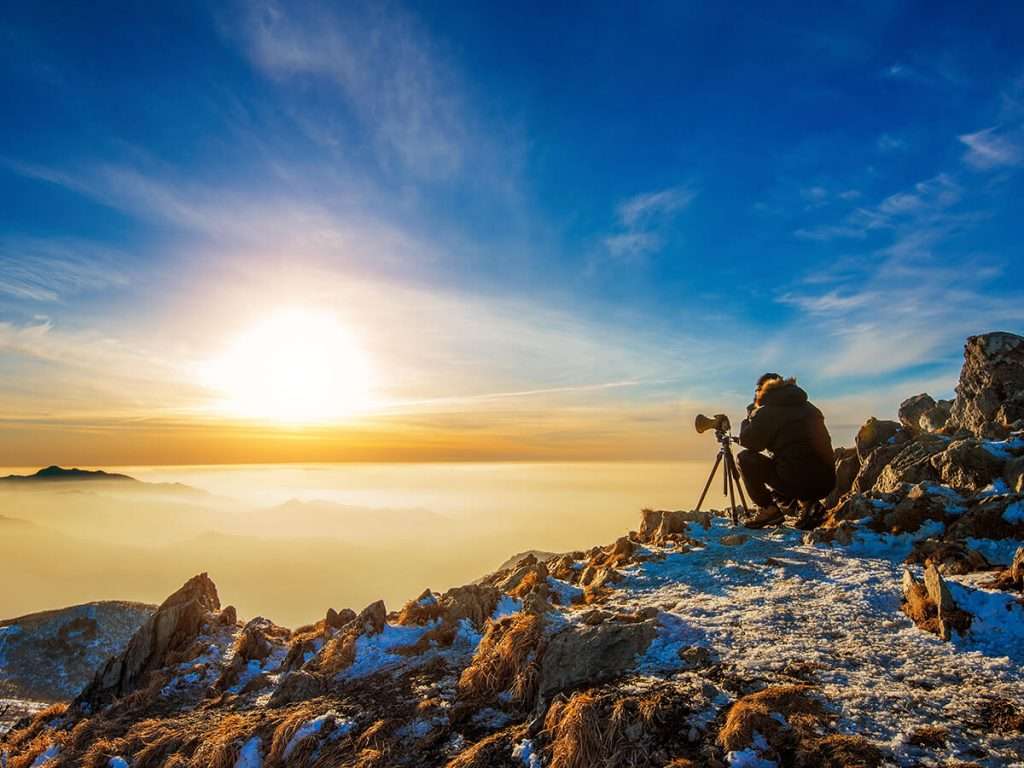
The Machame Route on Mount Kilimanjaro is renowned for its scenic beauty and challenging trails. Climbers often debate whether the 6-day or 7-day Machame Route is better. Both routes start at the lush Machame Gate and traverse tropical forests, moorlands, and the stunning Shira Plateau, ultimately reaching Uhuru Peak. The choice between 6 and 7 days influences acclimatization, summit success, cost, and trekking experience, Kilimanjaro climbing tips, Machame Route itinerary, altitude sickness prevention, Kilimanjaro trekking cost, and best Kilimanjaro routes are essential for travelers planning their trek. Understanding differences in pace, overnight camps, and altitude gain can guide climbers in maximizing safety, comfort, and the once-in-a-lifetime panoramic views from Africa’s highest peak. Machame Route Overview The Machame Route, also called the “Whiskey Route,” is a popular Kilimanjaro trek favored for its scenic diversity. Climbers pass through rainforests, moorlands, and alpine deserts while ascending gradually toward the summit. The route is suitable for beginners and intermediate trekkers due to its moderate difficulty and natural beauty. Both 6- and 7-day itineraries cover the same trail, but duration impacts acclimatization and summit success. SEO keywords such as Kilimanjaro trek, Machame Route difficulty, Machame camping, Mount Kilimanjaro adventure, and Kilimanjaro trekking packages help travelers find essential information online. The route’s gradual incline, spectacular scenery, and diverse wildlife encounters make it a preferred choice over the shorter Marangu Route, offering climbers a balance of challenge, comfort, and unforgettable experiences on the world’s tallest free-standing mountain. 6-Day Machame Route Itinerary The 6-day Machame Route condenses the trek into fewer days, starting at Machame Gate and ascending through dense rainforest to Machame Camp. Hikers continue to Shira Camp, then Barranco Camp, followed by Barafu Camp for the summit push. The route includes steep inclines, shorter rest periods, and less acclimatization compared to the 7-day option. Machame 6-day trek, Kilimanjaro summit success, Kilimanjaro itinerary, and Machame camping guide help performance. While cost-effective and time-efficient, the 6-day trek requires strong fitness and endurance due to faster altitude gain. Climbers experience dramatic scenery, from giant heather fields to alpine deserts, but summit success rates are slightly lower without proper acclimatization. Adventure travelers seeking a quicker, high-intensity climb often choose this duration for efficiency and affordability. 7-Day Machame Route Itinerary The 7-day Machame Route offers extra time for acclimatization, improving summit success. Starting at Machame Gate, trekkers enjoy the lush rainforest before reaching Shira Camp, then Machame Plateau, Barranco Camp, Karanga Valley, and Barafu Camp. The extended schedule allows for gradual altitude gain, rest breaks, and optional scenic detours, like the Machame 7-day trek, Kilimanjaro acclimatization tips, summit preparation, and Kilimanjaro trekking safety highlight its benefits. This longer route is ideal for first-time climbers or those prone to altitude sickness. Despite slightly higher costs, the extra day reduces physical strain, enhances scenic experiences, and provides more memorable trekking moments. Travelers can enjoy improved pace, photography opportunities, and a higher likelihood of a safe, successful ascent to Uhuru Peak. Acclimatization Differences Altitude acclimatization is crucial for Kilimanjaro summit success. The 7-day Machame Route allows gradual elevation gain, reducing the risk of altitude sickness. Climbers have time to adjust at camps like Shira, Barranco, and Karanga before the final push to Barafu Camp. In contrast, the 6-day route moves faster, increasing the chance of headaches, nausea, or fatigue, Kilimanjaro altitude sickness, Machame acclimatization, safe Kilimanjaro trekking, and Kilimanjaro health tips boost visibility. Proper hydration, rest, and trekking slowly are recommended for both options. The extra day on the 7-day itinerary not only improves summit success but also ensures a more comfortable, enjoyable experience. For serious climbers prioritizing safety and high success rates, the longer route is often preferable. Summit Success Rates Summit success is highly influenced by duration and acclimatization. Studies and trek reports show the 7-day Machame Route yields higher success rates compared to the 6-day route. Kilimanjaro summit success, Machame peak climb, Kilimanjaro statistics, and safe trekking routes improve. Shorter treks increase fatigue and altitude sickness risk, while a slower, 7-day pace enhances climbers’ oxygen adaptation and stamina. Adventure travelers aiming for Uhuru Peak often choose the extra day to maximize safety and enjoyment. Guides emphasize that taking more time on the mountain allows for steady progress, reduces stress, and significantly increases the chances of reaching the summit without health complications, providing both personal satisfaction and breathtaking photographic opportunities. Trek Difficulty Comparison The 6-day Machame Route is physically more demanding due to steeper daily ascents. Climbers must be fit, resilient, and prepared for longer walking hours. Keywords like Kilimanjaro trekking difficulty, Machame climb challenge, and adventure Kilimanjaro trek help search engine visibility. The 7-day route eases difficulty by spreading altitude gain over extra days. Beginners, older climbers, or those with health concerns benefit from a slower pace, reducing the risk of exhaustion and health issues. Both options require proper gear, training, and guidance, but the extended route allows for a more manageable, enjoyable experience while maintaining the adventure and scenic beauty. Fitness level, trekking experience, and personal comfort should guide climbers in route selection. Scenic Highlights Both Machame routes offer spectacular scenery, from tropical rainforest to the Shira Plateau and the alpine desert. The 7-day itinerary allows more photography time and appreciation of landscapes such as Barranco Wall and Lava Tower; others include Kilimanjaro scenery, Machame trekking views, Mount Kilimanjaro photography, and Machame adventure highlights. The slower pace enhances wildlife encounters and the chance to enjoy giant heathers, unique flora, and panoramic vistas. Though the 6-day route covers the same sites, the limited time reduces moments for rest and observation. For travelers prioritizing scenery, photography, and a deeper connection with the mountain, the 7-day route is optimal. Both routes deliver iconic views, but pacing affects overall experience quality. Camping Experience Camping is a core part of the Machame Route adventure. Both 6- and 7-day treks use tented campsites with basic amenities like sleeping mats, meals, and portable toilets. Key like Kilimanjaro camping, Machame camp facilities, and Kilimanjaro adventure camping improve. Longer treks allow more relaxed nights, better rest, and acclimatization.
Is Kilimanjaro in the Death Zone?
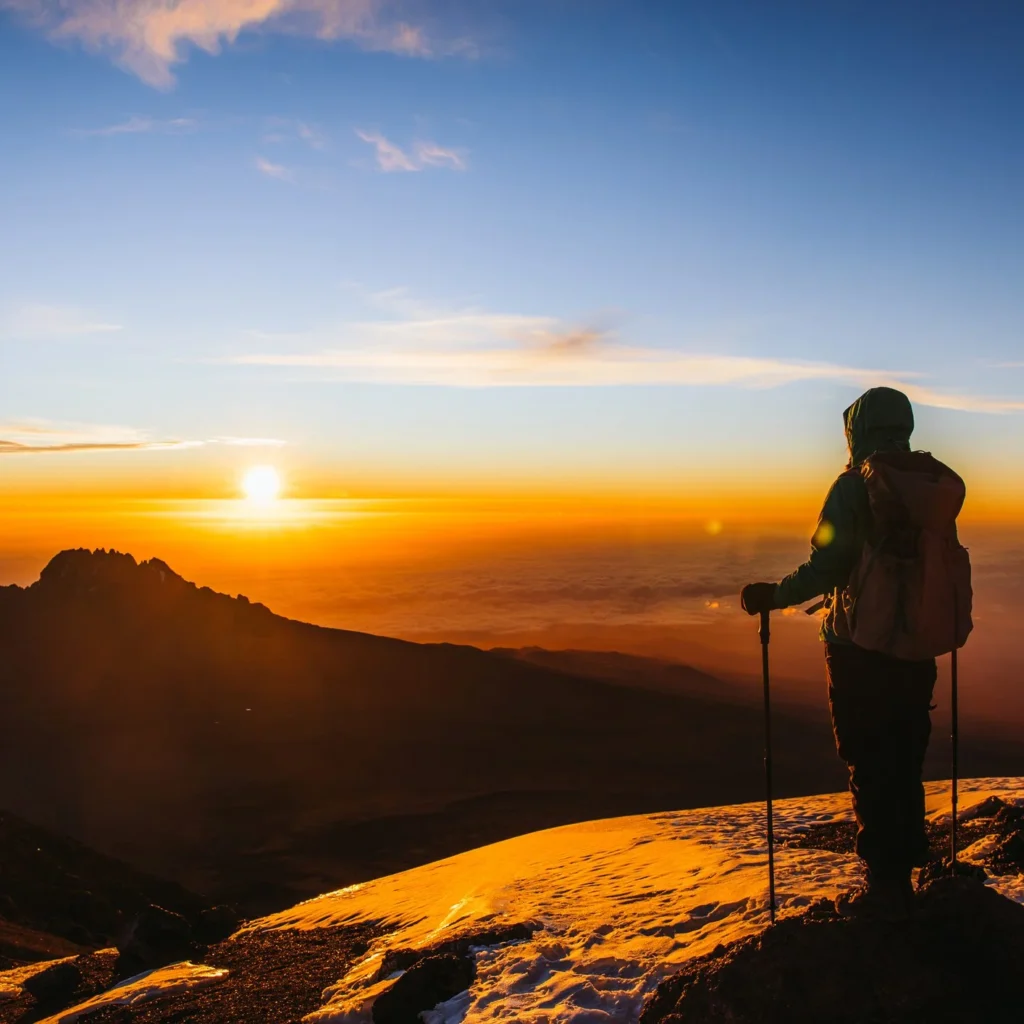
Mount Kilimanjaro does not have a traditional “Death Zone” like those found in high-altitude mountaineering, as its summit falls well below the 8,000-meter mark. The summit of Kilimanjaro stands at 5,895 meters (19,341 feet), which is roughly the same elevation as Mount Everest Base Camp. Unlike Everest, where climbers use oxygen in the so-called “death zone” above 26,000 feet, it’s possible to acclimatize on Kilimanjaro. However, altitude sickness remains a risk, and approximately 3 to 10 people die on the slopes of Kilimanjaro each year due to factors like Acute Mountain Sickness (AMS), HAPE, and HACE. Despite this, Kilimanjaro is considered relatively safe compared to other major mountains, with a mortality rate of around 0.03% for climbers123. So, while it’s not a death trap, proper preparation and precautions are essential for a safe climb. Altitude Risk Kilimanjaro’s summit stands just below 6,000 meters, where oxygen levels drop significantly, increasing the risk of altitude sickness. While technically it doesn’t reach the extreme altitudes of the Himalayas, climbers experience symptoms like headaches, nausea, dizziness, and fatigue due to lower oxygen pressure. Acute Mountain Sickness (AMS) is common, and in rare cases, it can progress to high-altitude pulmonary edema (HAPE) or high-altitude cerebral edema (HACE), both potentially fatal. Proper acclimatization through slow ascent is essential, as rapid climbs increase the risk of altitude-related illness. Trekkers are advised to plan longer routes ( Machame, Umbwe, Rongai, Lemosho, and Northern circuit route on Kilimanjaro, take daily rest periods, and maintain hydration. Using supplemental oxygen is generally unnecessary, but monitoring health signs is critical. Understanding altitude risks ensures climbers can differentiate normal fatigue from dangerous conditions before reaching the summit. Comparison Unlike Mount Everest or K2, which have “death zones” above 8,000 meters, Kilimanjaro’s summit is below this extreme threshold. Everest climbers face severe oxygen deprivation, extreme weather, and technical climbing challenges, resulting in higher mortality rates. Kilimanjaro, however, is non-technical, allowing trekkers without mountaineering experience to ascend, provided they are adequately prepared. While altitude sickness remains the primary danger, risks from falls, hypothermia, and dehydration are comparatively lower. Trekking routes like Marangu and Machame provide gradual elevation gain, improving acclimatization and reducing fatality risk. Comparatively, Kilimanjaro’s death risk is significantly less than that of the world’s tallest peaks, yet serious conditions can still occur. Understanding these distinctions helps climbers realistically assess personal fitness, route selection, and safety precautions. Safety Safety on Kilimanjaro relies heavily on preparation, route choice, and acclimatization. Hiring experienced guides and porters is strongly recommended, as they monitor climbers’ health and provide essential support. Proper equipment, layered clothing, and high-quality footwear reduce hypothermia and injury risk. Monitoring symptoms of AMS, maintaining hydration, and pacing the climb are vital safety strategies. Emergency evacuation plans, available on major routes, add a layer of protection. Seasonal weather patterns also affect safety, with colder months increasing frostbite risk while wet seasons make trails slippery. While fatalities are rare, preventable incidents underscore the importance of informed planning. Following safety protocols ensures climbers can experience the summit while minimizing life-threatening risks associated with Kilimanjaro trekking. Causes of Death Deaths on Mount Kilimanjaro are usually linked to altitude-related illnesses rather than technical climbing hazards. High-altitude cerebral edema (HACE) and high-altitude pulmonary edema (HAPE) are the leading causes, often resulting from rapid ascent or poor acclimatization. Secondary causes include dehydration, hypothermia, falls, and pre-existing medical conditions exacerbated by physical exertion. In rare cases, heart attacks have occurred among climbers unprepared for strenuous activity at high elevation. Proper health screening, gradual ascent, and monitoring of warning signs significantly reduce mortality risk. Understanding the primary causes of Kilimanjaro deaths helps climbers adopt preventive strategies, emphasizing acclimatization, hydration, nutrition, and the importance of listening to professional guides during the trek. Mt Kilimanjaro Map: Location, Facts, Routes Mount Kilimanjaro is located in northeastern Tanzania near the Kenya border. It is part of Kilimanjaro National Park, a UNESCO World Heritage Site, attracting thousands of trekkers annually. Kilimanjaro consists of three volcanic cones: Kibo, Mawenzi, and Shira. Kibo is the highest and houses the Uhuru Peak summit. Trekking routes include Marangu, Machame, Lemosho, Rongai, and Shira, each offering different difficulty levels, scenery, and acclimatization advantages. Marangu is popular for its hut accommodations, while Machame and Lemosho are favored for scenic variety. Maps show trails crossing rainforests, moorlands, alpine deserts, and glacial zones. Understanding the mountain’s layout and route characteristics is essential for safe planning, altitude acclimatization, and maximizing chances of reaching the summit. Mt Kilimanjaro Weather Kilimanjaro’s weather varies by altitude and season. Lower elevations feature tropical rainforest conditions with humidity and rainfall, while mid-altitude moorlands are cooler and drier. Near the summit, temperatures can drop below -7°C (19°F) at night, with strong winds and snow possible year-round. Rainfall peaks during March–May and November, making trails slippery and increasing hypothermia risk. Dry seasons, June–October and December–February, provide the most stable climbing conditions. Rapid weather changes demand layered clothing and waterproof gear. Proper weather awareness is crucial for summit success, safety, and preventing altitude sickness, hypothermia, or frostbite. Guides adjust pacing and equipment use based on these patterns to optimize climbers’ safety and comfort. Mount Kilimanjaro Deaths: Statistics, Dangers, and Safety On average, Kilimanjaro records 10–15 deaths annually among thousands of climbers. While fatalities are low compared to high-altitude peaks like Everest, the main risks are AMS, HACE, HAPE, and dehydration. Falls, hypothermia, and heart-related incidents are less common. Statistics show that inexperienced climbers and those attempting rapid ascents face the highest risk. Safety protocols, including hiring licensed guides, monitoring symptoms, and gradual ascent strategies, have significantly reduced mortality. Trekking with reputable operators ensures emergency evacuation plans and medical assistance are available. Awareness of statistics encourages realistic expectations and reinforces the importance of preparation, pacing, and hydration to minimize risks while climbing Africa’s highest mountain. The Importance of Proper Preparation Successful Kilimanjaro ascents depend on physical conditioning, mental readiness, and logistical planning. Preparatory steps include cardiovascular and strength training, acclimatization hikes, and consulting medical professionals about altitude risks. Proper gear—insulated clothing, waterproof jackets, hiking boots, and
Mind-Blowing Facts about the African Continent
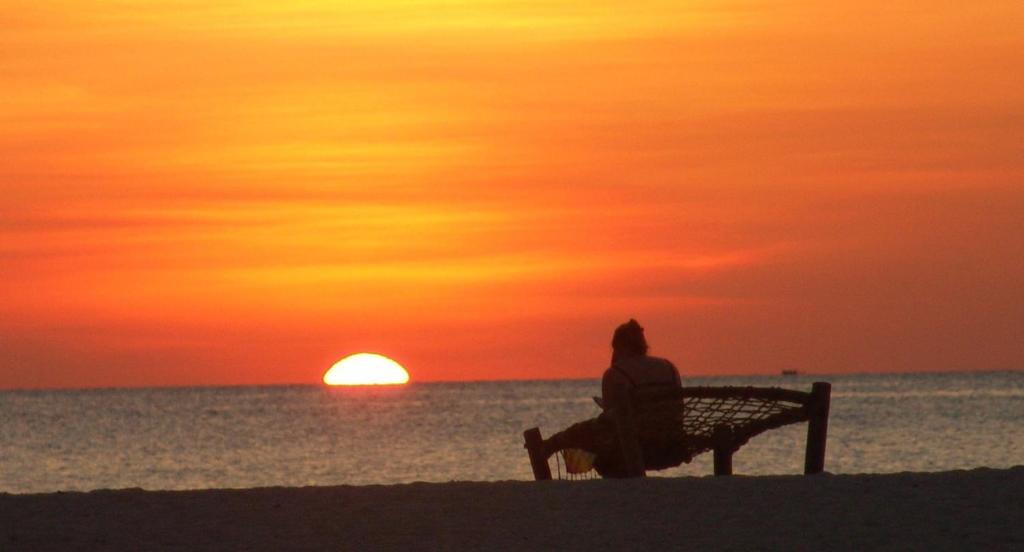
Africa is one of the most fascinating and diverse continents on Earth, often described as the cradle of civilization and a land of unmatched natural wonders. From vast deserts and tropical rainforests to snow-capped mountains and endless savannahs, Africa offers some of the most iconic travel experiences in the world. It is a top destination for African safari tours, wildlife adventures, cultural tourism, and nature exploration. Home to ancient history, vibrant cultures, and extraordinary biodiversity, Africa continues to attract millions of travelers searching for authentic experiences. Whether you are exploring Serengeti safari adventures, the majestic Kilimanjaro, or coastal escapes, the continent delivers unforgettable memories. Africa is not just a destination—it is a living, breathing masterpiece of geography, wildlife, and human heritage that continues to shape global history and inspire exploration. Africa is the World’s Second-Largest Continent Africa is the second-largest continent in the world, covering more than 30 million square kilometers and spanning 54 countries. This immense size contributes to its incredible ecological and cultural diversity. From the Mediterranean coast in the north to the Cape of Good Hope in the south, Africa stretches across multiple climate zones, making it one of the most geographically varied regions on Earth. It is a hub for African geography facts, travel Africa guide, and continent size comparisons. Africa’s vast landmass includes deserts, rainforests, savannahs, and mountain ranges, making it ideal for wildlife safaris and adventure tourism. Countries like Tanzania, Kenya, South Africa, and Egypt highlight the continent’s global importance. Its size also supports some of the world’s richest biodiversity and largest ecosystems, attracting researchers, travelers, and explorers from every corner of the globe. The Nile River – The World’s Longest River The Nile River is widely recognized as the longest river in the world, stretching over 6,600 kilometers across northeastern Africa. It flows through multiple countries, including Uganda, Sudan, and Egypt, shaping civilizations for thousands of years. The Nile is a vital source of water, agriculture, and transportation, making it a key keyword in African rivers, Nile River facts, and Egypt travel tourism. Ancient Egyptian civilization developed along its fertile banks, creating one of history’s greatest cultures. Today, it remains essential for farming and tourism, especially in Egypt’s iconic landscapes. The river’s biodiversity also supports wildlife such as crocodiles, hippos, and hundreds of bird species. As one of Africa’s most important natural wonders, the Nile continues to symbolize life, history, and cultural heritage across the continent. Sahara Desert – The Largest Hot Desert The Sahara Desert is the largest hot desert in the world, covering much of North Africa and stretching across multiple countries, including Algeria, Egypt, Libya, and Morocco. It spans over 9 million square kilometers, making it a dominant feature of African geography. Known for its extreme temperatures and vast dunes, the Sahara is a key desert safari in Africa, the Sahara Desert facts, and North Africa travel. Despite its harsh conditions, it is home to unique wildlife such as camels, foxes, and desert reptiles, as well as ancient nomadic cultures. The desert also contains hidden oases and archaeological sites that reveal early human settlements. The Sahara remains one of the most mysterious and breathtaking landscapes on Earth, attracting adventurous travelers seeking extreme desert experiences and cultural discovery. Africa’s Record-Breaking Wildlife Diversity Africa is globally famous for its extraordinary wildlife diversity, making it the ultimate destination for African safari tours, Big Five safaris, and wildlife photography adventures. The continent is home to iconic animals such as lions, elephants, leopards, rhinos, and buffalo, collectively known as the Big Five. National parks like Serengeti National Park and Maasai Mara host millions of animals in their natural habitats. Africa also supports thousands of bird species, reptiles, and unique mammals found nowhere else on Earth. This biodiversity makes it a top leader for wildlife safari in Africa, game drive experiences, and nature conservation tourism. Conservation efforts across countries like Tanzania and Kenya help protect endangered species while promoting eco-tourism. Africa’s wildlife richness is one of its strongest global attractions and a key reason millions visit every year. Over 2,000 Languages Spoken Africa is one of the most linguistically diverse continents on Earth, with over 2,000 languages spoken across its 54 countries. This makes it a central keyword topic for African languages, cultural diversity in Africa, and multilingual societies. Major language families include Afro-Asiatic, Niger-Congo, Nilo-Saharan, and Khoisan. Widely spoken languages such as Swahili, Arabic, English, French, and Hausa serve as communication bridges between different regions. Swahili, in particular, is an important East African language used in Tanzania, Kenya, Uganda, and beyond. This linguistic richness reflects Africa’s deep cultural history and identity. Each language carries unique traditions, storytelling methods, and cultural values. Africa’s multilingual nature enhances tourism experiences, allowing travelers to connect deeply with local communities during safaris and cultural tours. Home of Humanity (Human Origins) Africa is widely recognized as the birthplace of humankind, making it one of the most important regions in human history. Fossil discoveries in East Africa, particularly in Ethiopia, Kenya, and Tanzania, show that early humans evolved on this continent millions of years ago. This makes it a powerful keyword topic for human origins in Africa, archaeological discoveries, and history. The Olduvai Gorge in Tanzania is one of the most significant archaeological sites, offering evidence of early human tools and ancestors. Africa’s role in human evolution is supported by scientific research and global anthropology studies. This deep historical significance makes Africa not only a travel destination but also a global heritage site. Understanding human origins in Africa helps explain the development of civilization, migration patterns, and cultural evolution across the world. Kilimanjaro – Africa’s Highest Peak Kilimanjaro is the highest mountain in Africa and the tallest free-standing mountain in the world, rising to 5,895 meters above sea level. It is a top keyword for Kilimanjaro climbing tours, Mount Kilimanjaro trekking, and Africa hiking adventures. Located in Tanzania, this iconic peak attracts thousands of climbers every year who aim to reach its famous summit, Uhuru Peak. The mountain features diverse ecosystems