
Tips for Booking Your African Safari

Are you planning an African safari adventure? Read our top 10 tips for booking your African safari to ensure an unforgettable and hassle-free experience. From choosing the right time to go to picking the perfect safari tour, we’ve got you covered. Top 10 Tips for Booking Your African Safari: Your Ultimate Guide to an Unforgettable Adventure. Discover the top 10 tips for booking your African safari and ensure a memorable adventure. From choosing the right time to packing essentials, we’ve got you covered. Embarking on an African safari is a dream come true for many. The breathtaking landscapes, majestic wildlife, and unique experiences make it an unforgettable adventure. However, planning and booking a safari require careful consideration to ensure you make the most of your journey. In this comprehensive guide, we’ll walk you through the top 10 tips for booking your African safari, offering insights, advice, and insider information to help you plan an incredible trip. Check this: How to Choose an Ethical African Safari Experience. Embark on a Memorable African Safari An African safari is a dream come true for wildlife enthusiasts and adventurers alike. From witnessing the majestic Big Five to exploring vast savannas and experiencing diverse cultures, an African safari promises a once-in-a-lifetime journey. However, planning such an expedition requires careful consideration and attention to detail. In this comprehensive guide, we present the top 10 tips for booking your African safari to help you create cherished memories and ensure an enriching experience. Tips 1: Understand Your African Safari Destination Before diving into the booking process, familiarize yourself with the various safari destinations across Africa. Each region offers distinct wildlife, landscapes, and climate.10 Travel Tips When Going on an African Safari. 10 tips on how to Book an Affordable African Safari. From the iconic Serengeti in Tanzania to the lush Tarangire National park East Africa’s best destinations for Luxury Travellers, the choices are vast. Research the topography, wildlife migrations, and best times to visit each destination to match your interests and preferences. Check out the best advice for someone going on an African safari for the first time. Tips 2: Choose the Right Time to Go African Safari The timing of your safari plays a crucial role in the quality of your experience. Different regions have different peak seasons for wildlife sightings, and the weather can impact your safari adventure. While the dry season is ideal for game viewing due to thinner vegetation, the wet season brings lush greenery and migratory bird arrivals. Consider your priorities, such as witnessing the Great Migration or avoiding the crowds, when deciding the best time for your African safari. Check out the ultimate guide to planning a successful first African Safari. Tips 3: Select the Appropriate African Safari Type African safaris offer diverse experiences, catering to various interests and comfort levels top tips for planning your ultimate East Africa Safari. Decide on the type of safari that suits you best. Classic game drives provide a traditional safari experience, while walking safaris offer an intimate connection with nature. For a touch of luxury, opt for a lodge-based safari with top-notch amenities. On the other hand, camping safaris allow you to immerse yourself fully in the wilderness. Tips 4: Research Reputable African Safari Tour Operators The success of your African safari heavily relies on the tour operator you choose. Thoroughly research reputable safari companies with positive reviews and extensive experience in the industry. Look for operators with knowledgeable guides who prioritize conservation and sustainable tourism. Compare tour packages, inclusions, and prices to find the one that aligns with your preferences and budget. Check out the complete African Safari Guide. Tips 5: Consider Conservation and Ethical African Tourism As responsible travelers, it is essential to choose safari operators committed to conservation and ethical tourism practices. Support companies that actively contribute to wildlife preservation and local community development. By participating in ethical safaris, you contribute to the protection of Africa’s natural treasures and support the well-being of local communities. Tips 6: Pack Wisely for Your African Safari Adventure Packing for an African safari requires careful consideration to ensure comfort and practicality. Lightweight, neutral-colored clothing is ideal for blending into the natural surroundings. Don’t forget to pack essential items like sunscreen, a wide-brimmed hat, insect repellent, and sturdy walking shoes. Depending on the season and destination, you may also need to pack warm clothing for chilly mornings and evenings. Check out these how to pack and prepare for an African Safari. Tips 7: Stay Healthy and Informed Before embarking on your African safari, consult your healthcare provider for necessary vaccinations and health precautions. Some regions may require specific vaccinations, and preventive medications may be advised to protect against malaria. Additionally, stay informed about travel advisories and safety guidelines for your chosen safari destination. Tips 8: Capture Unforgettable African Safari Moments Preserve the magical moments of your African safari by bringing along a quality camera and extra memory cards. African wildlife is mesmerizing, and you’ll want to capture those breathtaking encounters. Practice your photography skills in advance to make the most of the photographic opportunities presented during the safari. Check out the Africa Travel Tips & Advice from the Experts Tips 9: Respect African Wildlife and Their Habitat While on your African safari, remember that you are a guest in the animals’ natural habitat. Observe wildlife from a safe distance and never disturb or feed them. Listen to your guide’s instructions and adhere to park regulations to minimize your impact on the environment and protect the animals and their surroundings. Tips 10: Immerse Yourself in the African Safari Experience Finally, fully immerse yourself in the safari experience. Disconnect from the distractions of everyday life and embrace the beauty and serenity of the African wilderness. Be present in the moment, absorb the sights and sounds, and appreciate the harmony of nature. An African safari is not just about ticking off wildlife sightings; it’s about forging a profound connection with the natural world through exploring local Cultures on an
Easy Tips for Traveling in Style and Comfort
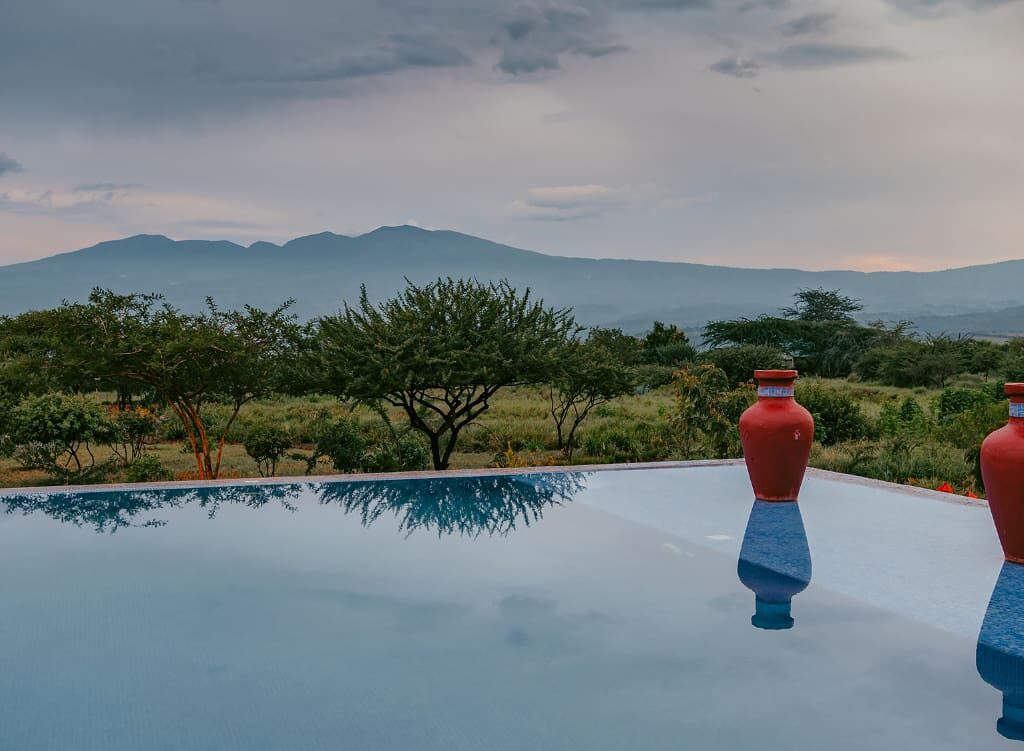
Traveling in style and comfort has become one of the top travel trends worldwide, with travelers searching for luxury travel tips, comfortable travel hacks, and smart packing strategies. Whether you are planning a luxury safari in Tanzania, a business trip, or a long-haul international flight, comfort and elegance matter. Modern travel is not just about reaching your destination but enjoying the journey itself. From airport lounges to smart luggage choices, today’s travelers prioritize convenience, relaxation, and efficiency. This guide explores easy tips for traveling in style, helping you upgrade your travel experience while staying stress-free, organized, and fashionably prepared for every adventure ahead. Choose the Right Travel Outfit Choosing the right travel outfit is essential for comfort, style, and practicality. Opt for breathable fabrics, layered clothing, and wrinkle-free materials that keep you looking sharp throughout your journey. Popular travel fashion like airport outfit ideas, travel wear for long flights, and comfortable travel clothing are trending globally. Avoid tight or restrictive clothing and instead choose relaxed fits that allow easy movement. Stylish sneakers or slip-on shoes are ideal for airport security checks. A well-planned outfit not only enhances your appearance but also improves your comfort during long journeys, making your travel experience more enjoyable and stress-free from start to finish. Invest in Quality Luggage High-quality luggage is one of the most important investments for stylish and comfortable travel. Durable suitcases with smooth wheels, lightweight design, and secure locks improve mobility and safety, travel searches often include the best travel luggage, smart suitcases, and durable travel bags. A good suitcase reduces stress during airport transfers and long trips. Choose luggage with organized compartments to keep essentials accessible. Many modern travelers prefer smart luggage with USB charging ports and anti-theft features. Investing in premium luggage not only enhances convenience but also elevates your travel style, making your journey smoother, more organized, and significantly more enjoyable. Pack Smart and Light Packing smart and light is a key travel strategy for comfort and efficiency. Use packing cubes, travel organizers, and minimalist packing techniques to maximize space. Popular keywords include travel packing tips, carry-on packing list, and lightweight travel essentials. Avoid overpacking by choosing versatile clothing that can be mixed and matched. Always include essential items like toiletries, travel documents, and chargers in easy-access compartments. Packing light reduces stress, saves time at airports, and improves mobility during travel. Smart packing ensures you enjoy a hassle-free journey while maintaining style and comfort, whether you are traveling locally or internationally for leisure or business. Prioritize Comfortable Footwear Comfortable footwear is essential for stylish and stress-free travel. Whether exploring cities or navigating airports, supportive shoes prevent fatigue and discomfort. Trending include best travel shoes, comfortable walking sneakers, and airport footwear ideas. Choose shoes with cushioning, arch support, and breathable materials. Slip-on designs are ideal for airport security checks, while stylish sneakers complement most travel outfits. Avoid new or untested shoes during trips to prevent blisters. Investing in quality footwear ensures you can walk long distances comfortably while maintaining a fashionable look, making your travel experience smoother, healthier, and more enjoyable in every destination you visit. Stay Hydrated and Eat Smart Staying hydrated and eating smart is vital for maintaining energy and comfort during travel. Air travel and long journeys can cause dehydration, so drinking plenty of water is essential. Popular search terms include healthy travel tips, in-flight hydration, and best travel snacks. Avoid excessive caffeine or sugary drinks and opt for balanced meals with proteins and fruits. Carry reusable water bottles for convenience. Eating light and healthy helps prevent fatigue and improves overall travel comfort. Smart nutrition choices ensure you feel refreshed, energized, and ready to enjoy your destination without unnecessary discomfort or travel-related health issues affecting your trip. Book Comfortable Accommodation Choosing comfortable accommodation plays a major role in stylish and stress-free travel. Whether you prefer luxury hotels, boutique lodges, or eco-friendly resorts, comfort should be a priority the best hotels for comfort, luxury travel accommodation, and travel lodging tips. Look for properties with good reviews, quality bedding, and convenient locations. Amenities such as Wi-Fi, air conditioning, and breakfast services enhance your stay. In destinations like Tanzania, safari lodges offer immersive comfort in nature. Booking the right accommodation ensures relaxation after long travel days and elevates your entire travel experience with convenience, peace, and premium comfort. Use Airport Lounge Access Airport lounges are a game-changer for stylish and comfortable travel. They offer quiet spaces, free Wi-Fi, refreshments, and comfortable seating, making long layovers enjoyable. Trending keywords include airport lounge access, VIP airport services, and travel comfort tips. Many credit cards and airlines provide lounge privileges for premium travelers. Lounges help reduce stress, offering privacy and relaxation before flights. Instead of crowded waiting areas, you enjoy luxury amenities that enhance your journey. Using airport lounges elevates your travel experience, especially during international trips, making it easier to stay refreshed, productive, and comfortable while waiting for your next flight connection. Plan Your Travel Itinerary Wisely A well-planned itinerary ensures smooth, comfortable, and stylish travel. Organizing your schedule helps avoid last-minute stress and confusion. Popular SEO keywords include travel planning tips, itinerary planning guide, and stress-free travel planning. Balance your activities with rest periods to prevent exhaustion. Include flexible time for delays or spontaneous exploration. Research destinations in advance to maximize your experience. Whether visiting Tanzania safaris or global cities, a structured plan improves efficiency. Smart itinerary planning ensures you enjoy each destination fully without rushing, allowing you to travel comfortably while maintaining a relaxed and well-organized travel experience throughout your journey. Keep Essential Travel Accessories Travel accessories significantly improve comfort and convenience during your journey. Items like neck pillows, eye masks, noise-canceling headphones, and travel adapters are essential, including travel accessories, must-have, long flight essentials, and travel comfort gadgets. These tools enhance rest and reduce travel fatigue. A portable charger ensures your devices stay powered throughout your trip. Organizing accessories in a travel pouch keeps everything accessible. Investing in quality travel gear improves your overall experience, especially on long
10 Reasons to Climb Mount Kilimanjaro
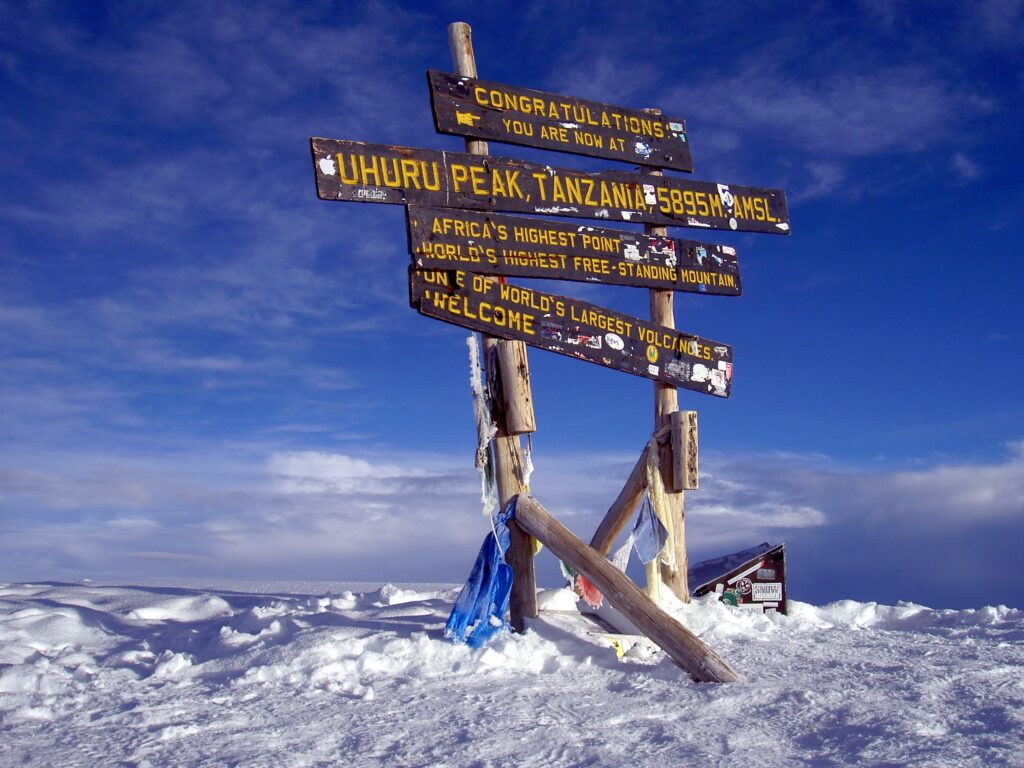
Mount Kilimanjaro. The very name evokes images of snow-capped peaks rising majestically above the African plains, a solitary giant challenging the sky. Standing as Africa’s highest point and the world’s tallest freestanding mountain, Kilimanjaro isn’t just a mountain; it’s a beacon for adventurers, a symbol of perseverance, and an experience that imprints itself on the soul. While the physical challenge is undeniable, the reasons to embark on this extraordinary journey extend far beyond simply reaching a summit. Climbing Mount Kilimanjaro is often considered a worthwhile experience due to the challenging yet rewarding nature of the climb, the stunning panoramic views, and the sense of accomplishment upon reaching the summit. While it’s physically demanding and requires careful preparation, the unique experience of traversing diverse landscapes and getting to the “Roof of Africa” can be incredibly fulfilling. Climbing Mount Kilimanjaro is an “amazing” experience for many due to the profound personal accomplishment, breathtaking scenery, unique natural environment, and the opportunity to meet like-minded individuals and challenge oneself. It offers a chance to stand atop the highest mountain in Africa and the world’s highest free-standing mountain, culminating in a potentially life-changing achievement. 1. Boosting the Local Economy: A Climb with Purpose Choosing to climb Kilimanjaro is not just a personal quest; it’s a significant act of support for the local Tanzanian economy. The bustling hiking industry provides vital employment for thousands of Tanzanians, from highly experienced guides and cooks who prepare nourishing meals to the strong and tireless porters who carry the heavy loads and set up camps. Beyond the immediate climbing crew, local businesses like guesthouses, restaurants, souvenir shops, and transport services all benefit from the influx of hikers. By diligently choosing a reputable, ethical tour operator that adheres to fair wage and treatment standards (like those supported by the Kilimanjaro Porters Assistance Project – KPAP), you directly contribute to the livelihoods of these hardworking individuals and their families, fostering sustainable development and making a tangible positive impact on the community that calls the mountain home. 2. Personal Accomplishment: A Transformative Test of Self For many, climbing Kilimanjaro is the ultimate test of personal resilience and determination. It pushes you physically, mentally, and emotionally in ways few other experiences can. The journey demands unwavering perseverance through long hiking days, the insidious discomfort of altitude, and the grueling, often freezing, final summit night. Overcoming these challenges, one slow, deliberate step at a time, culminating in standing on Uhuru Peak as the sun begins to paint the world below, provides an unparalleled sense of personal accomplishment and profound pride. It’s a powerful reminder of your inner strength and capabilities, a self-discovery journey that leaves you with newfound confidence and an inspiring story that will resonate for a lifetime. 3. Remote Yet Accessible: A Major Peak for Every Adventurer Despite its towering height and formidable appearance, Mount Kilimanjaro is remarkably accessible for a major global peak. Unlike technical mountaineering expeditions that demand specialized climbing skills, ropes, and extensive prior training, Kilimanjaro is famously a “walk-up” mountain. This means no technical climbing experience is necessary, making it achievable for anyone with good physical fitness, unwavering mental fortitude, and a willingness to acclimatize properly. Its convenient proximity to Kilimanjaro International Airport (JRO) and well-established network of tour operators further enhance its accessibility, allowing adventurers from all corners of the globe to pursue their dream of conquering Africa’s highest point without the prohibitive technical barriers of other world-class mountains. 4. Home to Fascinating Wildlife: Beyond the Summit Scenery While not a “Big Five” safari destination in the traditional sense, the lower slopes of Kilimanjaro, particularly within Kilimanjaro National Park, are teeming with fascinating wildlife. As you trek through the lush montane rainforest, you might encounter playful blue monkeys leaping through the canopy, distinctive black-and-white colobus monkeys, and a vibrant array of bird species. Elusive larger animals like elephants, buffalo, and even leopards also inhabit these forested areas, though sightings are less common given their shy nature. The presence of these wild inhabitants adds an unexpected, enriching dimension to the climb, reminding you that you’re ascending through a living, breathing, and incredibly biodiverse ecosystem. 5. Spectacular Photo Opportunities: A Visual Feast From the misty, emerald green of the lower rainforests to the striking. Almost lunar landscapes of the alpine desert, and finally, the majestic, often snow-capped summit. Kilimanjaro offers an astonishing array of photographic opportunities. Each ecological zone presents a unique aesthetic: a kaleidoscope of changing vegetation. Dramatic volcanic rock formations, and, of course, the iconic glaciers of Kibo (though sadly receding). The sunrises and sunsets from above the clouds, painting the vast plains below in fiery hues of orange, pink, and purple, are particularly breathtaking. Providing indelible images that capture the grandeur and raw beauty of the African continent. 6. Easiest of the Seven Summits: An Attainable Global Goal For mountaineers aspiring to conquer the “Seven Summits” (the highest mountains on each of the world’s seven continents), Kilimanjaro holds a special place. It is widely considered the most accessible and least technical of them all. While undeniably demanding, it doesn’t require advanced mountaineering skills, extensive ice climbing experience, or the use of fixed ropes. This unique characteristic makes it an ideal starting point for those new to high-altitude trekking. Offering the thrill and prestige of a major global summit without the extreme technical challenges or astronomical costs often associated with peaks like Everest or Denali. 7. It’s a World Icon: Joining a Legacy of Explorers Kilimanjaro holds a prominent and enduring place in global consciousness. Instantly recognizable as a symbol of Africa’s natural majesty. It has inspired countless artists, writers, and adventurers throughout history, from Ernest Hemingway’s evocative short story. “The Snows of Kilimanjaro” to numerous documentaries and travelogues. Climbing a world icon connects you to a rich history of exploration, challenge, and human endeavor. Allowing you to join the ranks of those who have dared to stand on its lofty and revered summit. 8. It’s Well Maintained: A Preserved Natural Heritage Kilimanjaro National Park is designated
Best Things To Do After Climbing Kilimanjaro
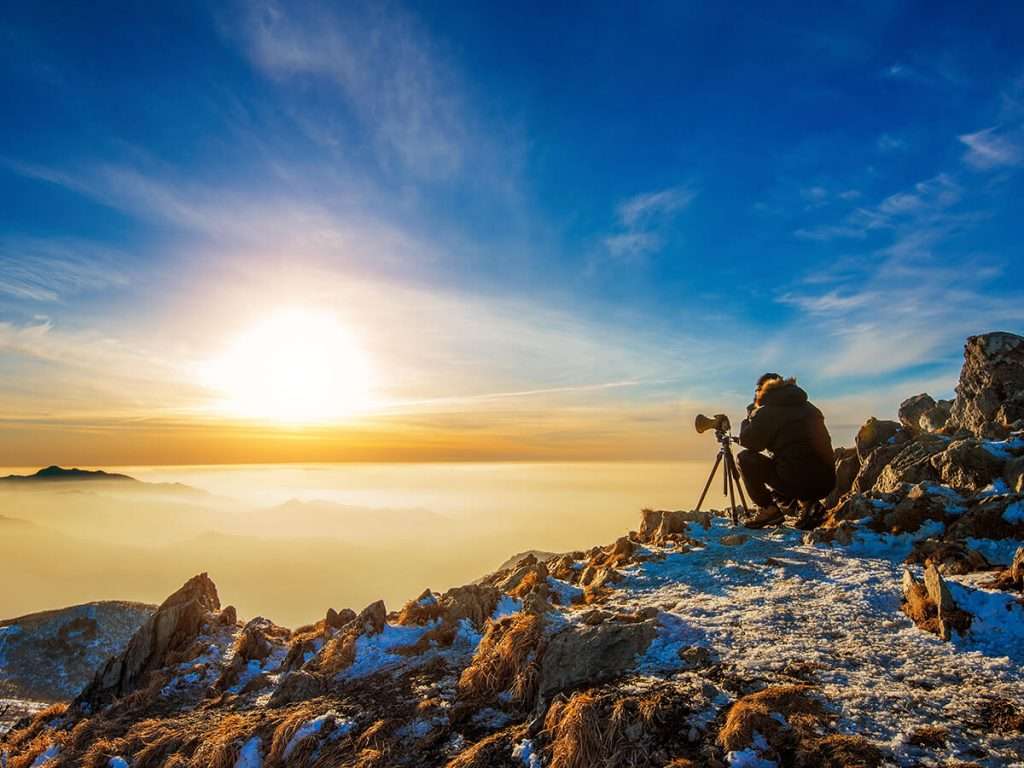
After conquering the iconic Mount Kilimanjaro, the highest peak in Africa and one of the world’s top bucket-list adventures, your journey doesn’t have to end at the summit. In fact, many travelers consider the post-climb experience just as rewarding. Tanzania offers an incredible range of activities, from world-class wildlife safaris and pristine beaches to rich cultural encounters and luxury relaxation. Whether you’re recovering from the trek or extending your African adventure, there are countless unforgettable things to do after climbing Kilimanjaro. This guide highlights the best experiences, carefully curated for adventure seekers, honeymooners, families, and solo travelers. From the legendary plains of Serengeti National Park to the turquoise waters of Zanzibar, discover how to turn your Kilimanjaro climb into a complete Tanzanian safari holiday filled with excitement, comfort, and lifelong memories. 1. Go on a Tanzania Wildlife Safari After descending from Mount Kilimanjaro, reward yourself with a classic Tanzania wildlife safari, one of the most sought-after travel experiences in Africa. Explore iconic parks like Serengeti National Park and Ngorongoro Crater, home to the Big Five—lion, elephant, buffalo, leopard, and rhino. Witness the Great Migration, a world-famous natural spectacle, or enjoy year-round game viewing across vast savannahs. Tanzania safaris offer options for every budget, from luxury lodges to affordable camping tours. Professional guides ensure safe, informative, and unforgettable game drives. Whether you prefer a fly-in safari from Arusha or a road trip adventure, this is the perfect way to relax and reconnect with nature after your climb. A wildlife safari in Tanzania is truly the ultimate post-Kilimanjaro experience. 2. Relax on Zanzibar’s White-Sand Beaches After the physical challenge of Kilimanjaro, unwind on the idyllic beaches of Zanzibar, one of Africa’s top tropical destinations. Known for its powdery white sands, turquoise waters, and swaying palm trees, Zanzibar offers the perfect setting for relaxation and recovery. Popular beach areas like Nungwi and Kendwa provide luxury resorts, boutique hotels, and beachfront villas ideal for honeymooners and families alike. Enjoy snorkeling, scuba diving, or simply soaking up the sun along the Indian Ocean coastline. Zanzibar’s laid-back atmosphere, combined with its rich Swahili culture and fresh seafood cuisine, creates a unique island escape. Whether you’re seeking a romantic getaway or a peaceful retreat, Zanzibar beaches are the ultimate reward after climbing Mount Kilimanjaro. 3. Explore Stone Town’s Culture and History Step into the heart of Zanzibar’s heritage by exploring Stone Town, a UNESCO World Heritage Site rich in culture and history. This ancient town is famous for its winding alleys, carved wooden doors, and vibrant markets. Discover landmarks such as the House of Wonders, the Old Fort, and the former slave market, which tell powerful stories of Zanzibar’s past. Stone Town is also closely linked to Freddie Mercury, adding a unique cultural touch for music lovers. As you wander through spice-scented streets, you’ll experience a blend of Arab, Persian, Indian, and European influences. Guided tours offer deeper insight into the island’s history, making this a meaningful and educational experience after your Kilimanjaro climb. 4. Visit Materuni Waterfalls and Coffee Tours Located near Moshi, Materuni Waterfall is a refreshing post-climb destination. Surrounded by lush greenery and banana farms, the waterfall offers a scenic hike and a chance to cool off in its natural pool. The nearby village is home to the Chagga people, known for their rich cultural heritage and coffee-growing traditions. A guided coffee tour allows you to learn the entire process—from bean to cup—while enjoying fresh, locally brewed coffee. This experience combines nature, culture, and relaxation, making it ideal for climbers seeking a gentle recovery activity. The peaceful environment and welcoming community create a memorable and authentic Tanzanian experience just a short distance from Kilimanjaro. 5. Soak in Kikuletwa Hot Springs (Chemka) For pure relaxation, visit Kikuletwa Hot Springs, also known as Chemka Hot Springs. This hidden oasis features crystal-clear, turquoise waters surrounded by fig trees and scenic landscapes. Located between Moshi and Arusha, it’s a perfect day trip after climbing Mount Kilimanjaro. The warm waters are ideal for soothing tired muscles, making it a favorite spot for trekkers. You can swim, relax on rope swings, or enjoy a picnic in this tranquil setting. Easily accessible yet off the beaten path, Kikuletwa offers a peaceful escape from busy travel itineraries. It’s one of the best natural relaxation spots in Tanzania and a must-visit for anyone looking to unwind after a challenging mountain climb. 6. Take a Cultural Tour with the Maasai Immerse yourself in authentic Tanzanian culture by visiting a traditional Maasai village. The Maasai are one of Africa’s most iconic tribes, known for their vibrant clothing, unique customs, and deep connection to nature. Cultural tours offer insight into their daily lives, traditions, and beliefs, including traditional dances and storytelling. Many visits take place near safari areas like Ngorongoro Conservation Area, allowing you to combine cultural experiences with wildlife adventures. Responsible tourism ensures that visits support local communities and preserve cultural heritage. This enriching experience adds depth to your Tanzania journey and offers a meaningful perspective beyond landscapes and wildlife after your Kilimanjaro climb. 7. Go on a Walking Safari in Arusha National Park For a more intimate wildlife experience, explore Arusha National Park on a guided walking safari. Unlike traditional game drives, walking safaris allow you to connect with nature on foot, observing wildlife, plants, and landscapes up close. The park is home to giraffes, zebras, buffalo, and a variety of bird species, set against the backdrop of Mount Meru. Accompanied by armed rangers, this activity is both safe and educational. Canoeing on Momella Lakes is another unique experience within the park. Ideal for travelers seeking a relaxed yet adventurous activity after Kilimanjaro, a walking safari offers a refreshing change of pace and a deeper appreciation of Tanzania’s natural beauty. 8. Enjoy a Luxury Safari Lodge Stay After days of trekking, indulge in comfort at a luxury safari lodge in Tanzania’s top destinations like Serengeti National Park or Ngorongoro Crater. These lodges offer world-class amenities, including spacious suites, fine dining, spa treatments, and
Serengeti National Park Entrance Fees
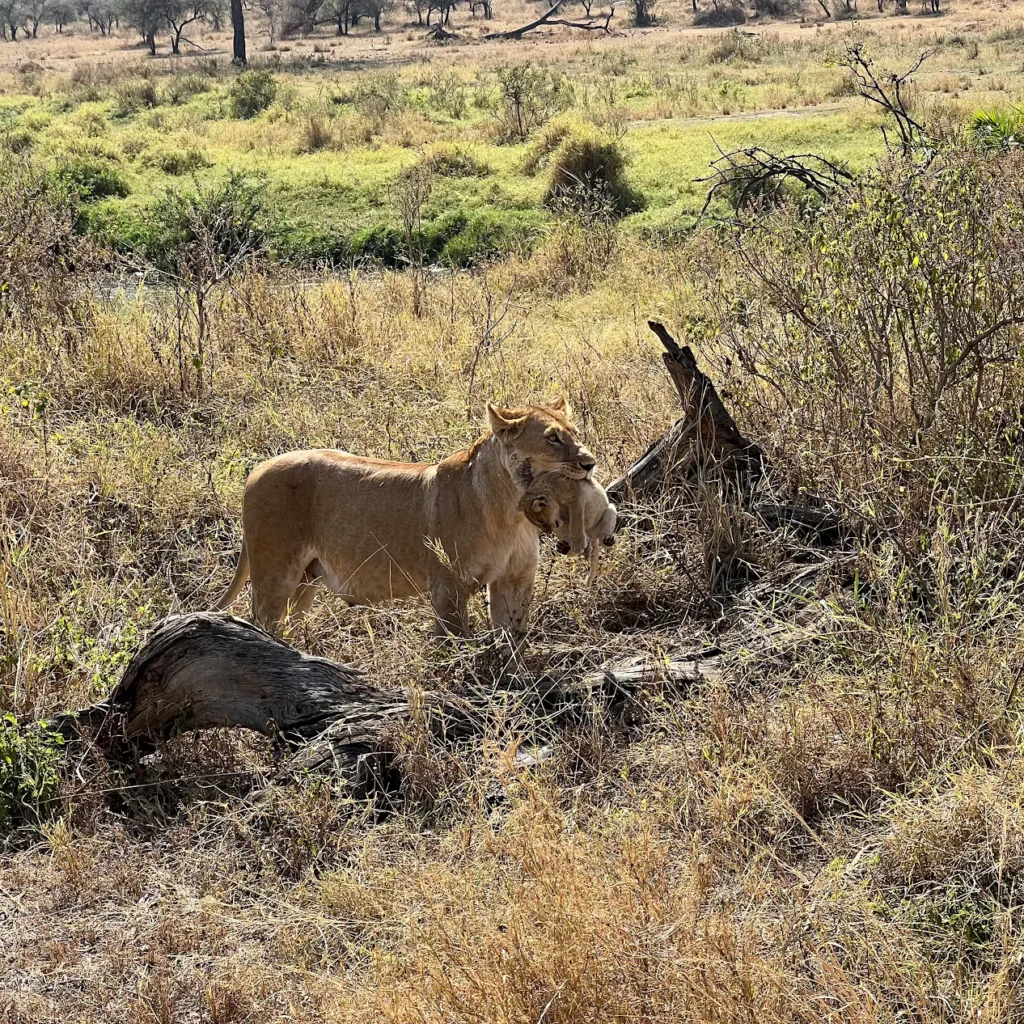
Serengeti National Park entrance fees are a crucial part of planning a Tanzania safari, whether you are booking a luxury safari, mid-range lodge, budget camping trip, or private guided tour. Understanding Serengeti park fees helps travelers budget accurately and avoid unexpected costs during their African wildlife adventure. These fees support conservation, wildlife protection, and sustainable tourism across one of the world’s most famous safari destinations. Visitors come to witness the Great Migration, Big Five safaris, and breathtaking landscapes, making it essential to know how park entry costs are structured. From daily conservation fees to vehicle permits and concession charges, every traveler—families, honeymooners, solo travelers, and photographers—must factor in these expenses when planning a Serengeti safari itinerary from Arusha, Kilimanjaro, Zanzibar, or Dar es Salaam. Serengeti National Park Entrance Fees for International Visitors Serengeti National Park entrance fees for international visitors are categorized based on age and residency status, making it easy to determine your safari budget. As of recent,a Tanzania National Parks Authority (TANAPA) rates, adult non-residents typically pay around $70 per person per day, excluding 18% VAT, while children aged 5–15 pay approximately $20. Children under five often enter free, making Serengeti safaris ideal for family travel experiences. These fees grant access for 24 hours, allowing visitors to enjoy full-day game drives, wildlife photography, and guided safari tours. Whether you’re on a luxury African safari, a fly-in Serengeti tour, or budget camping adventure, these entrance fees are mandatory and non-negotiable, ensuring conservation funding for wildlife protection, anti-poaching efforts, and maintaining the park’s pristine ecosystems. Concession Fees and Accommodation Costs Inside Serengeti In addition to standard entrance fees, Serengeti National Park charges concession fees for visitors staying inside the park at lodges, tented camps, or mobile camps. These fees typically range between $50 and $70 per person per night, depending on the accommodation type and location within the Serengeti ecosystem. Luxury safari lodges and premium tented camps often include concession fees within their package prices, while budget and mid-range operators may list them separately. These fees support infrastructure, waste management, and environmental conservation within the park. Travelers booking all-inclusive Serengeti safari packages should confirm whether concession fees are included to avoid hidden costs. Whether staying in Central Serengeti, Northern Serengeti, or remote wilderness camps, concession fees are essential for maintaining a high-quality safari experience and sustainable tourism practices. Vehicle Entry Fees and Safari Transport Costs Vehicle entry fees are another important component of Serengeti National Park costs, especially for private safaris, family, honeymoon, senior tours, and guided game drives. Safari vehicles, including 4×4 Land Cruisers and safari vans, are charged approximately $40–$50 per vehicle per day, depending on registration and capacity. Most travelers booking through reputable Tanzania safari tour operators will have these costs included in their overall package. However, for independent travelers, it is vital to account for vehicle permits, fuel costs, and park regulations. Professional safari guides and drivers are highly recommended, as they enhance wildlife sightings, ensure safety, and provide in-depth knowledge of the Serengeti ecosystems. These transport-related fees contribute to road maintenance, park management, and ensuring smooth safari logistics across vast wildlife areas. Additional Serengeti Park Fees and Hidden Costs Beyond entrance and concession fees, there are additional Serengeti National Park costs that travelers should consider when planning a safari. These may include camping fees for budget travelers, which range from $30 to $60 per person per night for public or special campsites. Guided walking safaris, balloon safaris, and night game drives (in permitted areas) come at extra costs but offer unique safari experiences. There are also fees for filming, professional photography, and research activities within the park. VAT at 18% is applied to most services, increasing the overall safari price. To avoid surprises, travelers should request detailed safari quotations from trusted tour operators. Understanding all potential fees ensures a smooth, stress-free Serengeti safari experience tailored to your budget and travel style. Serengeti National Park Entrance Fees Table Category Fee (USD) Details Non-Resident Adults (16+) $70 per person/day Excludes 18% VAT; valid for 24 hours Non-Resident Children (5–15) $20 per child/day Excludes VAT; under 5 years enter free East African Residents (Adults) ~$35 per person/day Requires valid ID or residency permit East African Children (5–15) ~$10 per child/day Discounted regional rate Concession Fee (Inside Park Stay) $50–$70 per night Applies to lodges, tented camps, mobile camps Public Campsite Fee $30–$60 per night Budget camping inside the park Vehicle Entry Fee $40–$50 per vehicle/day Depends on vehicle type and registration Hot Air Balloon Safari $500–$600 per person Optional premium activity Walking Safari (Guided) Varies ($20–$100+) Depends on operator and location VAT (Tax) 18% Applied to most park services and fees Note: Fees are subject to change, and it’s always best to confirm updated rates with your tour operator or directly through TANAPA before planning your safari. Best Ways to Save on Serengeti Entrance Fees While Serengeti National Park fees are fixed, there are smart ways to optimize your safari budget without compromising experience. Booking all-inclusive Tanzania safari packages often provides better value, as tour operators bundle entrance fees, accommodation, meals, and transport. Traveling during the low or shoulder seasons can reduce overall safari costs, even though park fees remain constant. Group safaris and shared game drives also help lower per-person expenses. Choosing accommodations outside the park, such as in Karatu or near conservation areas, may reduce concession fees, though it increases travel time. Comparing multiple safari operators ensures competitive pricing and transparent cost breakdowns. Ultimately, planning ahead, understanding fee structures, and working with reputable safari companies will help you enjoy a world-class Serengeti safari while staying within your budget. Why Serengeti Entrance Fees Are Worth It Serengeti National Park entrance fees are more than just a cost—they are an investment in one of the most iconic wildlife destinations on Earth. These fees directly support conservation programs, protect endangered species, and preserve the natural habitat of the Great Migration, lions, elephants, and countless other animals. They also fund park infrastructure, ranger salaries, and anti-poaching initiatives, ensuring long-term
Things To Do In Arusha
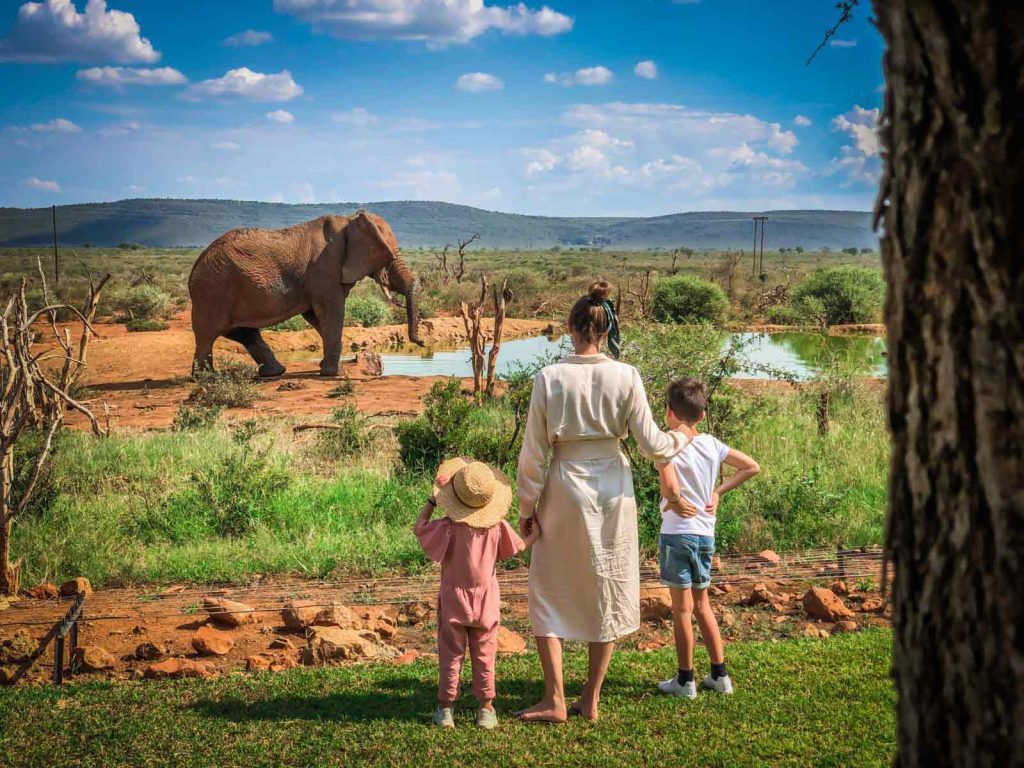
Nestled at the foot of Mount Meru, Arusha is the ultimate gateway to Northern Tanzania safaris and one of East Africa’s most exciting travel destinations. Known as the safari capital of Tanzania, Arusha offers a perfect blend of wildlife adventures, cultural experiences, scenic landscapes, and luxury safari experiences. From thrilling game drives in Serengeti National Park to relaxing escapes in lush forests and crater lakes, Arusha caters to honeymooners, families, solo travelers, and photographers alike. Whether you’re planning a Tanzania safari tour, Kilimanjaro trekking, or a cultural holiday, this vibrant city is packed with top attractions and unforgettable things to do. Discover the best Arusha activities, hidden gems, and bucket-list experiences that make your African safari truly extraordinary. 1. Arusha National Park: A Verdant Gem Arusha National Park is one of Tanzania’s most underrated safari destinations, offering diverse ecosystems within a compact area. Located just a short drive from Arusha town, this lush park features tropical forests, open savannah, and alpine landscapes dominated by Mount Meru. Visitors can enjoy game drives, canoe safaris on Momella Lakes, and guided walking safaris—unique among Tanzania parks. Wildlife sightings include giraffes, buffaloes, zebras, colobus monkeys, and flamingos, making it perfect for wildlife photography and birdwatching tours. Ideal for day trips or short safaris, Arusha National Park is a must-visit for travelers seeking a peaceful yet authentic African safari experience without crowds, while still enjoying luxury lodges and eco-friendly safari options. 2. Mount Meru: The Majestic Sibling Towering at 4,566 meters, Mount Meru is Tanzania’s second-highest peak and a top destination for trekking enthusiasts. Often overshadowed by Mount Kilimanjaro, Mount Meru offers a quieter, scenic, and equally rewarding climb. The trek passes through forests rich in wildlife, including giraffes and monkeys, before ascending into alpine terrain with breathtaking views of Kilimanjaro. It’s an excellent acclimatization hike for climbers preparing for Kilimanjaro and a fantastic standalone adventure. Guided treks provide a safe and immersive experience, combining hiking, wildlife encounters, and panoramic photography opportunities. For adventure travelers, Mount Meru is a hidden gem that delivers stunning landscapes, fewer crowds, and an authentic Tanzanian trekking experience. 3. Meserani Snake Park: An Encounter with Reptiles For a unique and educational experience, visit Meserani Snake Park, located just outside Arusha. This fascinating attraction is home to a wide variety of snakes, including cobras, pythons, and vipers, as well as crocodiles and other reptiles. Visitors can learn about Tanzania’s wildlife conservation efforts and even hold a non-venomous snake for a memorable photo opportunity. The park also features a Maasai cultural museum, offering insights into traditional Maasai life and customs. Ideal for families, school groups, and curious travelers, Meserani Snake Park combines adventure, education, and culture in one engaging destination, making it one of the top things to do near Arusha for a different kind of safari experience. 4. Lake Duluti: A Serene Escape Surrounded by lush forests, Lake Duluti is a tranquil crater lake perfect for relaxation and nature lovers. Located just a few kilometers from Arusha town, this peaceful destination offers canoeing, birdwatching, and guided forest walks. The lake is home to over 130 bird species, making it a hotspot for birdwatching safaris and eco-tourism experiences. Visitors can enjoy picnic lunches, photography sessions, and quiet moments away from busy safari routes. Ideal for couples, families, and solo travelers, Lake Duluti provides a refreshing escape with scenic beauty and calm surroundings. It’s also a great pre- or post-safari relaxation spot, offering a gentle introduction to Tanzania’s natural charm. 5. Ngurdoto Crater: The Little Ngorongoro Often called “Little Ngorongoro,” Ngurdoto Crater is a stunning volcanic caldera located within Arusha National Park. This lush crater features dense forests, swamps, and grasslands that attract buffaloes, warthogs, monkeys, and a variety of bird species. While access to the crater floor is restricted, visitors can enjoy breathtaking panoramic views from designated viewpoints. It’s an ideal spot for photography, nature walks, and scenic picnics. The peaceful environment and rich biodiversity make Ngurdoto Crater a must-see for travelers seeking hidden gems in Tanzania. Combine it with a visit to Momella Lakes for a full-day exploration of Arusha National Park’s diverse landscapes. 6. Lake Manyara National Park: A Birdwatcher’s Paradise Lake Manyara National Park is renowned for its incredible birdlife and diverse habitats, making it a top destination for birdwatching safaris in Tanzania. Located near Arusha, this park features lush groundwater forests, open plains, and the alkaline Lake Manyara itself, often filled with flamingos. Visitors can spot elephants, hippos, giraffes, and the famous tree-climbing lions. The park is ideal for game drives, photography tours, and eco-friendly safaris. Its compact size makes it perfect for a day trip or short safari itinerary. For travelers seeking wildlife diversity and scenic beauty, Lake Manyara offers one of the most rewarding safari experiences in Northern Tanzania. 7. Tarangire National Park: The Land of Giants Known for its massive elephant herds and iconic baobab trees, Tarangire National Park is a must-visit safari destination near Arusha. During the dry season, the Tarangire River attracts large numbers of wildlife, including lions, leopards, zebras, and wildebeest. The park is also famous for its birdlife, with over 500 species recorded. Ideal for luxury safaris, family adventures, and photographic tours, Tarangire offers breathtaking landscapes and fewer crowds compared to other parks. Visitors can enjoy game drives, guided walks, and exclusive lodge experiences. For an authentic African safari with abundant wildlife, Tarangire National Park delivers unforgettable moments in the heart of Tanzania. 8. Chemka (Kikuletwa) Hot Springs: A Refreshing Dip A hidden oasis in the Tanzanian savannah, Kikuletwa Hot Springs—also known as Chemka Hot Springs—is a perfect spot for relaxation and adventure. Crystal-clear turquoise surrounded by fig trees creates a natural swimming pool ideal for cooling off after a safari. Visitors can enjoy swimming, rope swinging, and picnicking in a peaceful environment. Located between Arusha and Moshi, it’s a popular day-trip destination for travelers exploring Northern Tanzania. The warm, clean اand scenic setting makes it a favorite for couples, families, and groups. For a unique and refreshing experience, Chemka
Training For Kilimanjaro
Training for Mount Kilimanjaro is the most important step before attempting the highest free-standing mountain in the world and Africa’s iconic peak, Mount Kilimanjaro (Uhuru Peak). A successful Kilimanjaro climb requires proper preparation, endurance building, and altitude awareness. Many trekkers underestimate the challenge of high altitude trekking in Tanzania, which leads to failure before reaching the summit. A structured Kilimanjaro training plan improves cardiovascular fitness, leg strength, and mental resilience. Whether you are climbing via Machame Route, Marangu Route, or Lemosho Route, preparation is essential. This guide explains the best fitness routines, hiking exercises, and endurance strategies to help you achieve a safe and successful Kilimanjaro summit adventure in Tanzania. Why Training Matters for Kilimanjaro Training is critical for a successful Mount Kilimanjaro climb because altitude, terrain, and long trekking days test both physical and mental strength. Unlike technical climbs, Kilimanjaro requires endurance rather than climbing skills, making fitness the key factor for reaching Uhuru Peak. Without proper preparation, altitude sickness and fatigue can stop climbers early. A well-planned Kilimanjaro training plan helps your body adapt to long-distance hiking, steep ascents, and reduced oxygen levels. Cardiovascular fitness improves oxygen circulation, while strength training supports heavy backpack carrying. Proper preparation also increases confidence, reduces injury risk, and enhances enjoyment of the Tanzania trekking experience. Training ensures you are ready for the challenges of high altitude trekking and improves your summit success rate significantly. 12 Weeks Before Climb: Kilimanjaro Training Program Embark on a 12-week Kilimanjaro Training Program to conquer Africa’s highest peak. Prioritize cardio with hiking, running, and stair climbing. Strengthen legs with squats and lunges, enhance endurance through prolonged hikes, and improve balance with core exercises. Tailored to the altitude and conditions of Kilimanjaro, this program ensures optimal physical preparedness, making your ascent an exhilarating and successful adventure. Create a daily training plan and commit to following it consistently. Your journey will progress faster than you anticipate. Day 1: Hike/Stairmaster for at least one hour Day 2: Light leg workout with weights, or cycling, or jogging Day 3: Hike/Stairmaster for at least one hour Day 4: Rest Day 5: Open day to do any exercise you like Day 6: Hike/Stairmaster for at least one hour Day 7: Rest Note: When embarking on hikes or using the Stairmaster, consider starting with a small amount of weight in your daypack. 8 Weeks Before Climb : Kilimanjaro Training Program Prepare for Kilimanjaro with an 8-week training program. Prioritize cardiovascular workouts like hiking, running, and stair climbing for endurance. Strengthen leg muscles with squats and lunges, enhance core stability through planks and yoga, and gradually increase intensity. Tailor exercises to simulate the climb’s conditions. Consult professionals for personalized guidance. Commit to this program for optimal physical readiness and a successful ascent of Kilimanjaro. Establish a strong base of endurance and strength by engaging in workouts that are both challenging and enjoyable. Day 1: Hike/Stairmaster for at least one hour Day 2: Moderate leg workout with weights Day 3: Hike/Stairmaster for at least one hour Day 4: Rest Day 5: Open day to do any exercise you like Day 6: Hike at least three hours with a weighted pack Day 7: Rest Notes: Modify your backpack by adding approximately 20 pounds of weight. Engage in a weekly extended hike that spans a full day, lasting 6-8 hours. Additionally, schedule at least one overnight backpacking trip to evaluate the effectiveness of your sleeping gear. 4 Weeks Before Climb: Kilimanjaro Training Program In the crucial 4 weeks leading to your Kilimanjaro climb, focus on intense cardio workouts, altitude simulation, and strength training. Incorporate hikes with elevation gain, stair climbing, and endurance activities to boost cardiovascular fitness. Strengthen leg muscles with squats and lunges. Practice consistent hydration and gradually acclimate your body to higher altitudes. Prioritize rest and recovery, ensuring peak physical condition for a successful ascent. Make sure to intensify your workouts during the fourth week by adding more weight to your backpack, ranging between 25-30 lbs. Accelerate the pace of your exercises and push yourself to the limit to enhance your mental resilience. Day 1: Hike/Stairmaster for at least one hour Day 2: Hard leg workout with weights Day 3: Hike/Stairmaster for at least one hour Day 4: Light leg workout with weights, or cycling, or jogging Day 5: Open day to do any exercise you like Day 6: Hike at least four hours with a weighted pack Day 7: Rest 2 Weeks Before Climb: Kilimanjaro Training Program In the final two weeks before your Kilimanjaro climb, focus on maintaining cardiovascular fitness through brisk walks and short hikes. Include strength exercises for leg muscles and core stability. Gradually decrease intensity to allow for adequate rest. Hydrate well and familiarize yourself with gear. Ensure a balanced diet, emphasizing carbohydrates. This pre-climb training program optimally prepares you for the physical demands of ascending Kilimanjaro. Gradually reduce the intensity of your training to minimize the risk of injuries. Sustain your strength and endurance through gentle to moderate exercise routines. Ensure you get sufficient rest before starting your journey. Day 1: Hike/Stairmaster for at least one hour Day 2: Light leg workout with weights, or cycling, or jogging Day 3: Hike/Stairmaster for at least one hour Day 4: Rest Day 5: Open day to do any exercise you like Day 6: Hike/Stairmaster for at least one hour Day 7: Rest Five Best Exercises to Train for Kilimanjaro Climbing Mount Kilimanjaro is a thrilling and challenging adventure that demands physical preparedness best exercises to train for Climbing Mount Kilimanjaro. The best exercise regimen for this iconic ascent involves a well-rounded approach that targets cardiovascular endurance, leg strength, overall fitness, and mental resilience. Immersed yourself to the best training guide for trekking Mt Kilimanjaro. Cardiovascular Endurance Training Cardiovascular endurance is the foundation of any Kilimanjaro training plan because your body must perform efficiently at high altitude. Activities such as running, cycling, swimming, and brisk walking help strengthen the heart and lungs for sustained trekking. Aim for at least 4–5 cardio sessions
Wildlife in Serengeti National Park
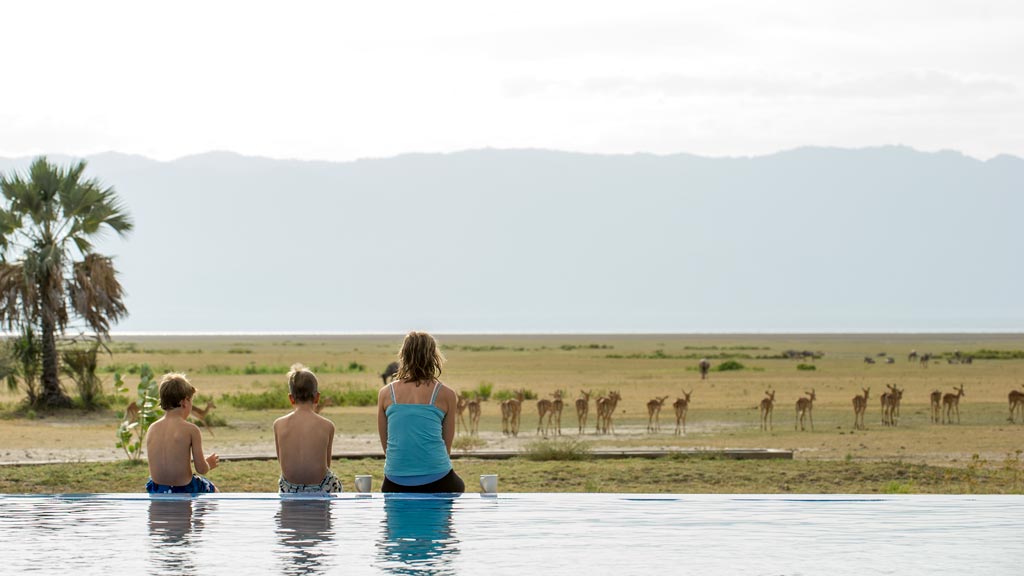
Wildlife in Serengeti National Park stands among the most iconic safari experiences in Africa, drawing travelers seeking the Big Five, Great Migration, and diverse ecosystems. This world-famous Tanzania safari destination offers unrivaled game viewing, luxury safari lodges, budget camping safaris, and tailor-made African safari tours. From vast savannah plains to riverine forests, Serengeti wildlife includes lions, elephants, leopards, cheetahs, giraffes, and over 500 bird species. Whether planning a luxury Serengeti safari, honeymoon safari, family safari holiday, or solo travel adventure, this UNESCO World Heritage Site delivers unforgettable moments. With year-round wildlife viewing, photographic safaris, and sustainable tourism, Serengeti National Park remains a bucket-list destination for travelers searching for the best African safari tours, prices, travel tips, and ultimate wildlife encounters in Tanzania. 1. The Big Five Safari Experience The Big Five safari in Serengeti National Park—lion, leopard, elephant, buffalo, and rhino—remains a top keyword search for travelers planning Tanzania safaris. These iconic animals symbolize the ultimate African safari experience. Lions roam in large prides across the plains, while elusive leopards rest in acacia trees. African elephants migrate gracefully, and buffalo herds dominate the grasslands. The endangered black rhino, though rare, can be spotted in protected areas. Serengeti offers unmatched Big Five game drives, guided safari tours, and luxury lodge experiences. Whether on a budget safari or a high-end fly-in safari, visitors enjoy thrilling wildlife encounters. The abundance of predators and herbivores makes Serengeti one of the best places in Africa for Big Five safaris, wildlife photography, and unforgettable safari holidays. 2. The Great Wildebeest Migration The Great Migration is the most spectacular wildlife event in the Serengeti ecosystem and a leading SEO keyword in African safari searches. Over two million wildebeest, zebras, and gazelles move in a circular journey between the Serengeti and the Maasai Mara. This migration features dramatic river crossings at the Grumeti and Mara Rivers, where crocodiles await. Timing your safari for the migration depends on the seasons, making it a prime attraction for luxury safaris, photographic tours, and adventure travel. Travelers seek Serengeti migration safari packages, costs, and the best time to visit information. This natural wonder supports predator-prey interactions, creating thrilling safari moments. Witnessing the Great Migration is a bucket-list safari experience and a defining reason why Serengeti remains globally renowned. 3. Predator Capital of Africa Serengeti National Park is often called the predator capital of Africa due to its high density of carnivores. Lions dominate the plains, cheetahs sprint across open grasslands, and hyenas scavenge and hunt in clans. Leopards remain elusive yet present throughout wooded areas. This predator-rich environment makes Serengeti a top destination for wildlife photography safaris and documentary filming. Visitors searching for “best predator safaris in Africa” frequently choose Serengeti for its guaranteed sightings. The balance between predators and prey ensures constant action during game drives. Whether on a luxury safari lodge stay or a mobile camping safari, witnessing predator behavior is a highlight. Serengeti’s ecosystem supports one of the most dynamic wildlife spectacles on Earth, making it ideal for adventure seekers. 4. Diverse Herbivore Populations Serengeti hosts vast populations of herbivores, forming the backbone of its ecosystem. Wildebeest, zebras, gazelles, giraffes, and antelopes roam freely across the plains. These grazing animals shape the landscape and sustain predator populations. Visitors on Tanzania safaris enjoy endless wildlife viewing opportunities as herds stretch to the horizon. The abundance of herbivores attracts photographers and nature lovers seeking classic African safari scenes. Serengeti’s grasslands provide rich grazing, supporting year-round wildlife activity. Whether visiting during the migration or the calving season, travelers encounter large herds daily. These animals play a critical ecological role and contribute to Serengeti’s reputation as one of the best wildlife safari destinations in Africa, offering unmatched biodiversity and scenic beauty. 5. Birdlife and Avian Diversity Serengeti National Park is a paradise for birdwatching safaris, hosting over 500 bird species. From colorful lilac-breasted rollers to powerful birds of prey like eagles and vultures, the park offers exceptional avian diversity. Ostriches, secretary birds, and flamingos add to the vibrant ecosystem. Birdwatching safaris are popular among nature enthusiasts and photographers seeking unique species. The varied habitats, including wetlands, rivers, and savannahs, support diverse birdlife year-round. Travelers searching for birding safaris in Tanzania often choose Serengeti for its accessibility and abundance. Whether on a guided safari or self-drive adventure, birdwatching enhances the overall experience. Serengeti’s birdlife contributes significantly to its status as a leading African safari destination for wildlife diversity. Unique Ecosystems and Habitats The ecosystems of Serengeti National Park range from open plains to riverine forests and rocky kopjes. These habitats support a wide variety of wildlife species, making Serengeti one of the most ecologically diverse parks in Africa. The kopjes provide shelter for lions and leopards, while rivers sustain hippos and crocodiles. Seasonal changes influence animal movements and behavior, offering dynamic safari experiences. Travelers interested in eco-tourism, sustainable safaris, and conservation tours find Serengeti an ideal destination. Each ecosystem contributes to the park’s biodiversity and wildlife abundance. Exploring these landscapes enhances the safari experience, offering scenic views and diverse wildlife encounters. Serengeti’s unique habitats make it a must-visit destination for nature lovers. The Role of Conservation Conservation efforts in Serengeti National Park ensure the protection of its wildlife and ecosystems. Managed by the Tanzania National Parks Authority, the park emphasizes sustainable tourism, anti-poaching initiatives, and community involvement. Conservation programs protect endangered species like rhinos and promote biodiversity. Travelers seeking eco-friendly safaris and responsible tourism experiences appreciate Serengeti’s commitment to sustainability. Revenue from tourism supports conservation and local communities. Educational safaris highlight the importance of preserving natural habitats. Serengeti remains a model for wildlife conservation in Africa, balancing tourism and environmental protection. Visitors contribute to these efforts by choosing ethical safari operators and supporting conservation initiatives. Best Time for Wildlife Viewing The best time to visit Serengeti depends on wildlife preferences and safari goals. The dry season (June to October) offers excellent game viewing as animals gather around water sources. The wet season (November to May) features lush landscapes and the calving season, attracting
Why Climbing Kilimanjaro is Too Expensive?
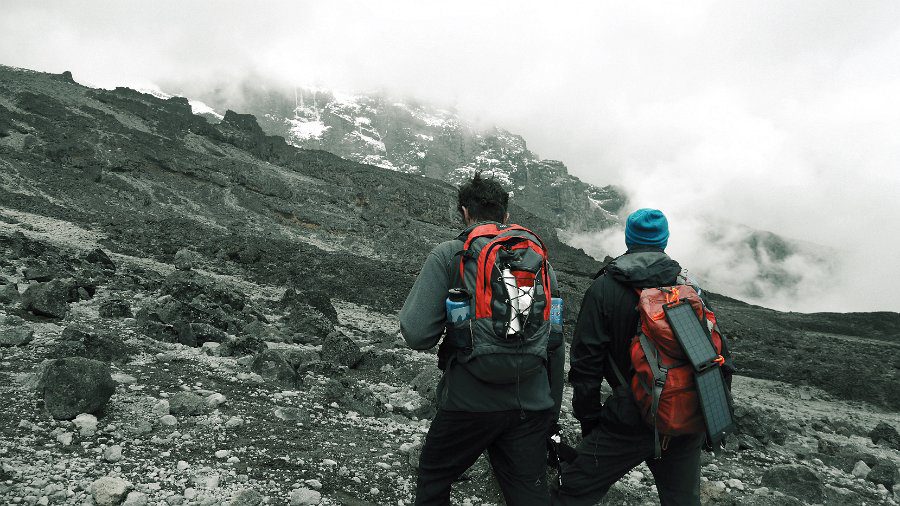
Climbing Mount Kilimanjaro is a bucket-list adventure and one of the most searched African safari and trekking experiences online. Yet, many travelers are surprised by the high Kilimanjaro climbing cost, often ranging from budget to luxury safari prices. The expense reflects more than just hiking—it includes national park fees, safety logistics, professional guides, porters, camping or lodge accommodation, and sustainable tourism practices. As Africa’s highest peak and a UNESCO World Heritage Site, Kilimanjaro demands strict regulations and quality services. Whether you’re booking a luxury Kilimanjaro climb, a mid-range trekking package, or a budget safari trek, understanding why climbing Kilimanjaro is expensive helps you plan better, compare tour operators, and choose the best value Kilimanjaro packages. 1. Kilimanjaro Park Fees One of the biggest contributors to the cost of climbing Mount Kilimanjaro is the mandatory conservation fees set by the Tanzania National Parks Authority. These fees support wildlife conservation, park maintenance, and sustainable tourism. Charges include park entry fees, camping or hut fees, rescue fees, and conservation charges, which can exceed $70–$100 per day per climber. Since most Kilimanjaro routes take 6–9 days, park fees alone can total over $800 per person. These costs are non-negotiable and apply to all Kilimanjaro trekking packages, whether budget or luxury. Compared to other African safari destinations, Kilimanjaro’s fees are higher due to its global popularity and protected status, making it one of the most expensive trekking permits in Africa. 2. Kilimanjaro Gear Climbing Kilimanjaro requires specialized trekking gear designed for extreme altitude and varying weather conditions. Essential equipment includes insulated jackets, waterproof boots, thermal layers, sleeping bags, trekking poles, and high-altitude accessories. Quality gear can cost hundreds or even thousands of dollars if purchased outright. Many Kilimanjaro tour operators offer gear rental services, but these still add to the overall climbing cost. Investing in proper gear is critical for safety and summit success, especially on routes like Machame or Lemosho. Cheap or inadequate equipment can lead to discomfort or even altitude-related risks. For travelers seeking affordable Kilimanjaro climbs, renting gear instead of buying is a popular cost-saving option without compromising safety. 3. Kilimanjaro Trekking Company The choice of a Kilimanjaro trekking company significantly impacts the overall price. Reputable operators provide experienced guides, certified mountain crews, safety equipment, oxygen tanks, and proper meals throughout the trek. Ethical companies also follow fair wage policies for porters and guides, ensuring responsible tourism practices. While budget Kilimanjaro tours may seem attractive, they sometimes cut costs by reducing safety standards or underpaying staff. Mid-range and luxury Kilimanjaro operators offer better service, higher success rates, and improved comfort, including private toilets and premium tents. Choosing a trusted Kilimanjaro tour operator ensures a safer and more enjoyable experience, making the higher price worthwhile for many climbers. 4. Traveling Expenses Travel costs to Tanzania add significantly to the total Kilimanjaro climbing budget. International flights to Kilimanjaro International Airport can be expensive, especially during peak travel seasons. Additional expenses include visas, travel insurance, vaccinations, and pre- and post-trek accommodation in cities like Arusha or Moshi. Ground transportation, airport transfers, and optional safari extensions to Serengeti National Park or Ngorongoro Crater also increase the total cost. These travel-related expenses are often overlooked when budgeting for a Kilimanjaro trek but can account for a large portion of the overall trip cost, especially for international travelers seeking a complete Tanzania safari and trekking experience. 5. Duration and Route Choice The length of your climb and the chosen route directly affect Kilimanjaro trekking costs. Longer routes, such as Lemosho or Northern Circuit, offer better acclimatization and higher summit success rates but come with higher costs due to additional park fees, staff wages, and food supplies. Shorter routes like Marangu or Umbwe are cheaper but have lower success rates and can be physically more demanding. Most climbers choose 7–8 day itineraries to improve their chances of reaching Uhuru Peak. Premium routes often include scenic landscapes, fewer crowds, and better camping experiences. While longer routes increase the price, they provide better value in terms of safety, comfort, and overall trekking experience. 6. Required Support Staff Climbing Kilimanjaro is not a solo trek—you are required to have a full support team, which significantly increases costs. Each climber is typically supported by guides, assistant guides, cooks, and porters who carry equipment, food, and camping gear. On average, one climber may have a team of 5–10 staff members. Ethical Kilimanjaro operators ensure fair wages, proper meals, and good working conditions for their crews, which is reflected in the price. Tipping is also an important part of the experience and can add $200–$300 per climber. This large support system ensures safety, comfort, and a successful summit attempt, making it a key reason why Kilimanjaro climbing is expensive. 7. Taxes and Regulations One significant reason Kilimanjaro climbs are costly is Tanzania’s strict taxes and regulations. The Tanzanian government imposes various taxes on permits, tourism levies, and park entry fees, all of which directly affect climbers’ costs. Trekking companies also comply with labor laws, health and safety standards, and legal requirements for hiring local guides and porters. These regulations ensure ethical practices and environmental protection, but inevitably increase overall expenses. International visitors often unknowingly pay added service charges included in package prices. Understanding these regulatory costs is crucial for anyone questioning why climbing Kilimanjaro is expensive. Budget-conscious climbers should factor in that government policies, mandatory permits, and regulated trekking operations contribute significantly to the overall price of summiting Mount Kilimanjaro. 8. Safety and Rescue Equipment Safety on Kilimanjaro is non-negotiable. Trekking companies are required to provide high-quality safety and rescue equipment to manage altitude sickness, injuries, and emergencies. Oxygen tanks, first aid kits, and professional-grade communication tools add to operational costs. Climbers also need appropriate clothing, sleeping bags, and footwear suitable for extreme mountain conditions, which can be expensive. Investing in these safety measures ensures that accidents are minimized and treks are safer, but the price is reflected in the overall cost. When asking why climbing Kilimanjaro is so expensive, consider that the expense
10-Day Tanzania Wildlife Safari from Zanzibar Beach Escape
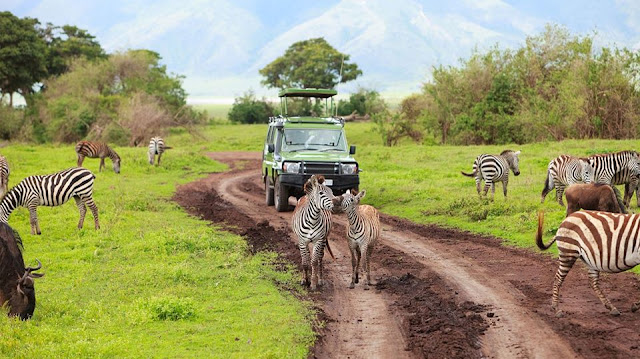
Experience the super ultra-luxury Tanzania safari packages from Zanzibar and embark on an unforgettable 11-day ultra-luxury safari through Tanzania’s most iconic wildlife destinations. Begin your journey in Tarangire National Park, known for its ancient baobab trees and large elephant herds. Continue Ultra-Luxury African Safari to the legendary Serengeti National Park, where you’ll witness the breathtaking Great Migration and spot the Big Five in vast, open plains. Your adventure culminates at the majestic Ngorongoro Crater, a UNESCO World Heritage Site teeming with diverse Tanzania Safari From Zanzibar wildlife in a unique volcanic landscape. Enjoy world-class, first-class VIP super Luxury Tanzania Safari accommodations, private game drives, gourmet cuisine, and personalized service throughout your Tanzania Safari from Zanzibar. This exclusive package offers the perfect blend of adventure and indulgence, tailored for discerning travelers seeking an authentic and luxurious African experience. 10-Day Ultra-Luxury Tanzania Safari Packages Itinerary Tanzania offers numerous first-class VIP ultra-luxury African safari packages, ranging from short 5-day trips to extended 15-day adventures. These packages often include private accommodations, customized itineraries, and a variety of activities like game drives, hot air balloon rides, and cultural tours. Expect top-tier luxury with private guides, concierge services, and all park fees and gratuities included. Note: Ultra-luxury safaris come at a premium, with costs ranging from $ 1,800 to $ 5,500 per person per day. However, the personalized service and unique experiences make it a worthwhile investment for those seeking a truly unforgettable safari adventure. Explore one of Tanzania’s secret hidden gems, the big cat. The safari includes a drive in a prime game-viewing area far from the jostling crowds and accommodation in a luxury lodge. Eco-friendly tented safari camp with uninterrupted views of the endless savannah. These ultra-luxury African Safari vacation designs are suitable for families, honeymooners/couples, and seniors! Explore ultra-luxury Tanzania safari packages, photos, map, trip, wildlife, reviews, and holidays tailored to fit all your needs and tastes for adventures. A 10-Day Deluxe Tanzania Luxury Lodge Safari will take you to see the Big 5 animals in their natural habitat, as well as other wild animals in Tanzania. On this Safari, you visit the Tarangire National Park, the Ngorongoro Crater Conservation Area, and the Serengeti National Park. All these Parks are located in the Northern Safari Circuit. Visiting the extensive Olduvai Gorge for great human experiences. Day 1: Departure from Zanzibar to Kilimanjaro or Arusha airport After breakfast, depart from Zanzibar to Arusha or Kilimanjaro airport. Pick you up at Kilimanjaro airport/Arusha airport, and transfer you to Arusha. We booked a hotel for you overnight, ready to start your tour the following day. You will meet with our safari manager to give you a brief about the safari. After that, you will continue to enjoy your leisure in your hotel. Overnight at the Ultra-Luxury Tanzania Safari Retreat, Gran Meliá Arusha. Day 2: Arusha to Tarangire National Park – Treetop Dreams After a sumptuous breakfast, your safari truly begins as you journey to Tarangire National Park, a land of ancient baobabs and vast elephant herds. The drive offers scenic views of the Tanzanian countryside. Upon arrival, you’ll embark on your first thrilling game drive, encountering diverse wildlife against the backdrop of Tarangire’s unique landscape. As the day winds down, you’ll arrive at the exquisite Kuro Treetop Tarangire Lodge, where you’ll spend three nights in luxurious treetop suites, offering unparalleled views and an immersive nature experience. Dinner and overnight at the lodge. Accommodation: Kuro Treetop Tarangire Lodge Day 3: Tarangire National Park – Elephant Encounters Awaken to the sounds of the African bush and enjoy a delicious breakfast at your elevated lodge. Today is dedicated to exploring the wonders of Tarangire National Park. Your morning and afternoon game drives will focus on seeking out the park’s famous elephant population, often seen congregating along the Tarangire River. You’ll also have excellent opportunities to spot lions, giraffes, zebras, wildebeest, and a myriad of bird species. Your expert guide will share fascinating insights into the ecosystem and the behavior of the animals. Return to the lodge for a delectable dinner and another peaceful overnight stay. Accommodation: Kuro Treetop Tarangire Lodge Meals: Full board Day 4: Tarangire National Park – More Wilderness Exploration Another full day awaits in Tarangire National Park. With its diverse habitats, the park offers endless opportunities for discovery in 11-day Ultra-Luxury East African Safari Packages. You might explore different sections of the park today, perhaps heading towards the Silale Swamp, which attracts a high concentration of animals, especially during the dry season. Keep an eye out for elusive leopards and the impressive pythons that are known to reside in the area. This extended stay allows for a deeper appreciation of Tarangire’s unique charm and its thriving wildlife. Return to the lodge for dinner and overnight. Accommodation: Kuro Treetop Tarangire Lodge- Meals: Full board Day 5: Tarangire to Serengeti National Park After breakfast, we depart from the accommodation and drive to Serengeti across Ngorongoro Conservation Area and later arrive on the great Serengeti plains for a different but just as spectacular wildlife viewing experience. Then you will have one of the world’s greatest adventure safaris with us. You will reach Naabi Gate around 2:30 pm. Then after the game drive, you will continue your way over the scrublands, and you will have 2 hrs late evening game drive in Serengeti National Park. Dinner and overnight at Meliá Serengeti Safari Lodge Day 6: Serengeti Game Drive After breakfast, you will have a game viewing towards Serengeti National Park. The Serengeti, Tanzania’s largest National Park, covers nearly 6,000 square miles of grassland plains, Savannah, kopjes, hills, woodlands, and riverine forest systems, which serve as critical water sources and are often excellent sites for wildlife viewing. Beyond the heralded migration of wildebeest and zebra, the Serengeti is best known for its big predators, including cheetah and Leopard, as well as large prides of Lions and clans of Hyenas, and can see the big 5. Dinner and overnight in Dinner and overnight at Melia Serengeti Safari lodge. Day 7: Serengeti