
What to Expect on a Safari in Tanzania
A Tanzania safari is one of the most iconic African safari experiences, offering unmatched wildlife encounters, breathtaking landscapes, and rich cultural immersion. From the world-famous Serengeti National Park to the dramatic Ngorongoro Crater and elephant-rich Tarangire National Park, Tanzania delivers the ultimate wildlife safari adventure. Travelers can expect close sightings of the Big Five, vast savannah plains, and authentic Maasai culture. Whether choosing a luxury safari lodge or a budget tented camp, Tanzania safari packages suit all travelers. Game drives reveal lions, elephants, giraffes, and endless natural beauty across East Africa’s most celebrated parks. This guide explains what to expect on a Tanzania safari, including wildlife, transport, weather, food, accommodation, and adventure tips. It prepares travelers for an unforgettable journey through one of the world’s top safari destinations in Africa today. 1. Diverse Landscapes Tanzania safari landscapes are incredibly diverse, making the country a top African safari destination. The Serengeti National Park offers endless golden plains filled with migrating wildebeest, while the Ngorongoro Crater presents a unique volcanic ecosystem rich in wildlife. Tarangire National Park is known for ancient baobab trees and elephant herds, and Lake Manyara features lush forests and flamingo-filled lakeshores. In the distance, Mount Kilimanjaro adds a dramatic backdrop to the scenery. These contrasting environments create perfect conditions for wildlife viewing, photography, and exploration. From rivers and savannahs to mountains and crater highlands, every safari day feels different. This natural variety ensures Tanzania safaris remain exciting and immersive, offering travelers unforgettable experiences across some of Africa’s most iconic protected wilderness areas and national parks throughout East Africa. 2. Amazing Wildlife A Tanzania safari offers some of the richest wildlife encounters in Africa, making it a dream destination for nature lovers. The Serengeti National Park is home to the Great Migration, where millions of wildebeest and zebras move across the plains. Ngorongoro Crater provides one of the highest concentrations of wildlife, including lions, rhinos, elephants, and hippos. Tarangire National Park is famous for large elephant herds, while Lake Manyara hosts tree-climbing lions and diverse bird species. Travelers can expect frequent sightings of the Big Five: lion, leopard, elephant, buffalo, and rhino. Game drives reveal giraffes, cheetahs, hyenas, and countless antelope species. Tanzania’s national parks offer year-round wildlife viewing, making every safari tour a thrilling adventure filled with unforgettable animal encounters and breathtaking natural behavior in the wild African savannah ecosystem. 3. Packing & Clothing Packing correctly for a Tanzania safari is essential for comfort and enjoyment. Lightweight, breathable clothing is ideal for warm daytime temperatures, while neutral colors such as khaki, olive, and beige help blend into the environment. Early mornings and evenings in Serengeti National Park or Ngorongoro Crater can be cold, so a warm jacket or fleece is necessary. Comfortable walking shoes are recommended for lodge stays and nature walks. A wide-brim hat, sunglasses, and sunscreen are important for sun protection during long game drives. Avoid bright colors and heavy luggage due to limited safari vehicle space. Binoculars, a camera, and insect repellent are also useful. Proper packing ensures a smooth African safari experience, allowing travelers to fully enjoy wildlife viewing, photography, and adventure across Tanzania’s diverse landscapes and national parks without discomfort during their journey. 4. Transport & Roads Transportation on a Tanzania safari typically involves 4×4 safari vehicles designed for off-road game drives and wildlife viewing. Roads between parks such as Serengeti, Ngorongoro, and Tarangire can be rough, dusty, or bumpy, especially during long-distance travel. However, these journeys are part of the authentic African safari experience. Most safari tours include experienced drivers who double as guides, ensuring safety and wildlife spotting along the way. Domestic flights are also available between major parks to reduce travel time. Travelers should expect slow driving speeds due to wildlife sightings and terrain conditions. Despite challenges, road travel offers scenic views of villages, savannahs, and changing landscapes. Tanzania safari transport is well-organized, combining adventure and practicality to connect travelers with remote national parks and unforgettable wildlife destinations across East Africa’s wilderness regions. 5. Long Drives and Early Starts A Tanzania safari often involves long drives and early morning starts to maximize wildlife viewing opportunities. Game drives in Serengeti National Park or Ngorongoro Crater typically begin at sunrise when animals are most active. Travelers should be prepared for several hours on the road between national parks, sometimes lasting six to eight hours, depending on distances. Early departures allow tourists to witness predators hunting and enjoy cooler temperatures for comfortable viewing. Safari guides carefully plan routes to ensure the best wildlife sightings along the way. While travel time can be lengthy, scenic landscapes, wildlife encounters, and cultural villages make the journey enjoyable. Rest stops are included for comfort and photography. These early starts and extended drives are essential for experiencing the full beauty of Tanzania’s wildlife safari adventure and natural wonders. 6. Changing Weather Tanzania safari weather varies throughout the day and across different regions, making preparation important for travelers. Mornings and evenings in Serengeti National Park and Ngorongoro Crater can be cool, while midday temperatures often become hot under the African sun. The dry season offers excellent wildlife viewing as animals gather around water sources, while the wet season transforms landscapes into lush green scenery. Rainfall can be unpredictable, especially in forested areas like Lake Manyara. Layered clothing is recommended to adapt to temperature changes during game drives. Despite weather variations, Tanzania remains a year-round safari destination. The changing climate enhances the beauty of the landscapes and influences animal behavior, providing unique opportunities for photography and wildlife observation. Every safari experience feels different depending on the season, adding excitement to African safari adventures. 7. Minimal Phone and Internet Coverage On a Tanzania safari, travelers should expect limited phone signal and internet connectivity, especially in remote national parks like Serengeti and Ngorongoro. These protected wildlife areas are far from urban infrastructure, allowing visitors to fully disconnect from modern distractions. Some safari lodges and camps offer Wi-Fi, but connections may be slow or unreliable. Mobile network coverage is often weak during
Ngorongoro in October

Ngorongoro in October is one of the most rewarding times to experience a Tanzania safari in the iconic Ngorongoro Crater. This period marks the end of the dry season, offering exceptional wildlife viewing opportunities as animals concentrate around water sources inside the crater. October is widely searched as one of the best times to visit Ngorongoro Crater, thanks to clear skies, excellent visibility, and active predator-prey interactions. Safari travelers enjoy fewer crowds compared to peak months, making game drives more exclusive and immersive. This month also provides fantastic photographic conditions with golden landscapes and dramatic wildlife scenes. For travel intent, Ngorongoro safari in October, Tanzania wildlife safari, and Ngorongoro Crater tours are among the top-ranking keywords attracting global travelers planning unforgettable African adventures. Weather in Ngorongoro in October Ngorongoro in October features warm daytime temperatures and cool mornings and evenings, making it ideal for a comfortable Tanzania safari experience. The weather is generally dry, with minimal rainfall before the short rains begin in November. This dry climate improves road conditions and allows easy access to all major wildlife viewing areas inside Ngorongoro Crater. Clear blue skies dominate most of the month, creating perfect safari photography conditions and high visibility for spotting animals. Many travelers search for Ngorongoro weather in October, Tanzania safari climate, and the best safari season in Africa due to these stable conditions. The dry vegetation also enhances wildlife visibility, as animals gather around remaining waterholes. Overall, October delivers one of the most reliable and rewarding safari weather patterns in Tanzania. Wildlife Viewing in October Wildlife viewing in Ngorongoro in October is outstanding, making it one of the top Tanzania safari destinations for game drives. Inside Ngorongoro Crater, visitors can easily spot the Big Five—lion, elephant, buffalo, rhino, and leopard—due to concentrated animal populations around water sources. October’s dry conditions reduce vegetation density, improving visibility and increasing chances of predator encounters. Lions are especially active during this period, while elephants and buffalo gather in large herds. Flamingos and hippos are also commonly seen in crater lakes. Search terms like Ngorongoro wildlife safari, Big Five Tanzania safari, and Ngorongoro Crater animals rank highly during this month. For wildlife photographers and safari lovers, October provides dramatic action scenes and unforgettable close-up encounters in one of Africa’s most iconic ecosystems. Safari Experience in October A safari in Ngorongoro in October delivers a classic African wildlife experience filled with dramatic landscapes and abundant animal sightings. Game drives inside Ngorongoro Crater offer a natural amphitheater of wildlife activity, making it one of the most sought-after Tanzania safari destinations. Tourists enjoy full-day game drives with picnic lunches on the crater floor while observing lions, zebras, wildebeests, and hyenas in their natural habitat. The dry season enhances road accessibility and allows safari vehicles to reach remote viewing areas. Key Tanzania safari packages, Ngorongoro Crater safari tours, and luxury safari Tanzania are highly relevant for October travel planning. This month provides a balanced mix of adventure, comfort, and high-density wildlife viewing, making it perfect for both first-time and experienced safari travelers. Photography Opportunities in October Ngorongoro in October is a dream destination for wildlife photography in Tanzania. The clear skies, golden savannah tones, and high animal density inside Ngorongoro Crater create perfect lighting conditions for professional and amateur photographers. The dry landscape reduces visual clutter, allowing sharp and dramatic wildlife shots, especially of predators like lions and cheetahs. Elephants moving across crater plains and flamingos in alkaline lakes provide iconic African safari imagery. Key terms such as Ngorongoro photography safari, Tanzania wildlife photography tours, and best safari destinations in Africa are commonly searched during this period. October’s soft morning and evening light enhances contrast and depth, making it one of the most visually rewarding months for capturing unforgettable safari moments in East Africa. Crowds and Tourist Numbers One of the biggest advantages of visiting Ngorongoro in October is the moderate tourist crowd levels. Compared to peak safari months, October offers a more relaxed and less congested experience inside Ngorongoro Crater. Safari vehicles are fewer on the crater floor, allowing for more intimate wildlife encounters and better viewing angles. This makes it ideal for travelers seeking a peaceful and exclusive Tanzania safari experience. Popular search terms include uncrowded Tanzania safari, Ngorongoro Crater best time to visit, and luxury safari Tanzania. Hotels and lodges also offer better availability and sometimes more competitive rates compared to peak season. Overall, October strikes a perfect balance between excellent wildlife viewing and manageable tourist flow, enhancing the overall safari quality. Migration Influence from Serengeti Although the Great Migration primarily takes place in the nearby Serengeti National Park, October still influences wildlife movement around Ngorongoro. Wildebeest and zebras begin transitioning southward, sometimes passing through conservation areas connected to the crater ecosystem. This seasonal movement attracts predators into and around Ngorongoro Crater, increasing chances of dramatic hunting scenes. Key attractions such as the Great Migration in Tanzania, the Serengeti migration safari, and the Ngorongoro safari, the October migration is highly searched during this period. Visitors benefit from the broader ecosystem connectivity between Serengeti and Ngorongoro, enhancing the diversity of wildlife encounters. October, therefore, serves as a transitional month, offering a blend of resident wildlife and migratory movement across northern Tanzania’s iconic safari circuit. Accommodation Options in October Ngorongoro in October offers a wide range of accommodation options, from luxury lodges to mid-range safari camps surrounding Ngorongoro Crater. This is an ideal time to enjoy premium Tanzania safari lodges due to good availability before the peak holiday season begins. Many travelers search for Ngorongoro luxury lodges, Tanzania safari accommodation, and crater rim hotels. Lodges located on the crater rim provide breathtaking panoramic views, while tented camps offer immersive wilderness experiences. October’s favorable weather ensures comfortable stays without heavy rains or extreme temperatures. Whether choosing budget safaris or luxury Tanzania safari packages, visitors can find well-equipped accommodations with guided game drives, cultural experiences, and full-board services, making the safari experience seamless and enjoyable. Activities in Ngorongoro in October Ngorongoro in October offers a wide range
Ngorongoro in July
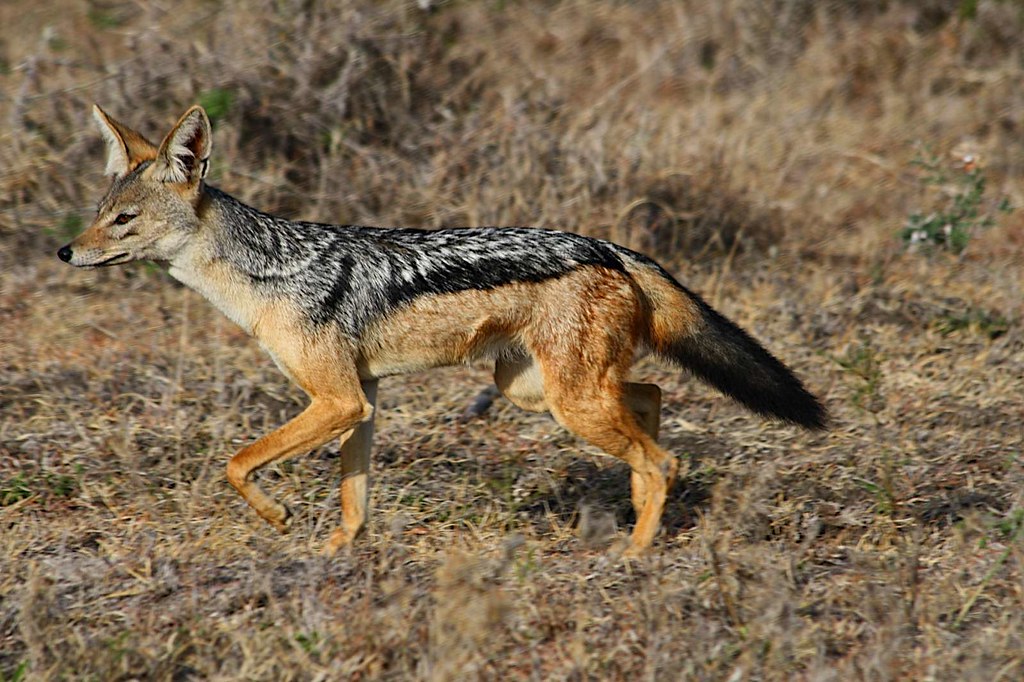
Visiting Ngorongoro Crater in July is an unforgettable African safari experience. July falls in the heart of Tanzania’s cool, dry season and is one of the best months to explore the dramatic landscapes, abundant wildlife, and rich culture of the Ngorongoro Conservation Area. Whether you’re planning your first African safari, researching Ngorongoro weather in July, or comparing travel costs and activities, this comprehensive guide covers everything you need to know. July is a premier, dry-season month to visit the Ngorongoro Crater, offering exceptional, sunny wildlife viewing as animals congregate, though it is peak season with high prices and crowds. Expect chilly mornings and evenings at the rim (around with mild, pleasant days (around. Book lodges early, pack layers, and prepare for dusty, high-action safari days. Weather and Climate in Ngorongoro in July Ngorongoro in July experiences cool and dry weather, making it one of the best months to explore Tanzania’s iconic crater. Temperatures range from 6°C in the early morning to around 22°C in the afternoon, offering perfect conditions for wildlife spotting and photography. The dry season reduces muddy tracks, allowing safari vehicles easy access to all areas of the Ngorongoro Crater and surrounding conservation zones. Clear skies dominate the landscape, making views of the crater rim and lush grasslands stunningly visible. Travelers often enjoy crisp mornings, sunny afternoons, and cool evenings, ideal for camping or staying at luxury lodges. July’s climate also supports outdoor activities, like guided crater hikes and nature walks. Why Visit Ngorongoro in July Visiting Ngorongoro in July is ideal for those seeking a high-quality safari experience with fewer interruptions from rain. The dry season creates excellent conditions for wildlife visibility, as animals gather around water sources, making it easier to see lions, elephants, rhinos, and zebras. July also coincides with cooler temperatures, ensuring comfortable days for game drives, crater exploration, and photography. Fewer mosquitoes reduce malaria risk, allowing visitors to enjoy the outdoors freely. Cultural experiences with Maasai communities remain accessible, providing insight into local traditions. Safari enthusiasts, photographers, and adventure travelers alike find July a peak month to experience the diverse landscapes, abundant wildlife, and unique scenery of the Ngorongoro Conservation Area. Where to Go in Ngorongoro in July Exploring Ngorongoro in July opens opportunities to visit the world-famous crater floor, renowned for its dense wildlife populations. Key hotspots include the hippo pools near the central crater lake, grasslands that attract grazing herbivores, and watering holes that reveal predator activity. Nearby attractions such as Olduvai Gorge provide historical insights into human evolution, while Olmoti and Empakaai craters offer dramatic escarpments and birdwatching opportunities. The rim of the crater provides breathtaking panoramic views, perfect for photography at sunrise or sunset. For those interested in cultural tourism, local Maasai villages offer guided experiences to learn about traditional herding practices. Every corner of Ngorongoro in July is accessible due to the dry, favorable conditions. When to Visit Ngorongoro in July July is part of Ngorongoro’s dry season, making it one of the prime months for a visit. This period avoids the heavy rains of April and May, ensuring easier access to all safari routes and crater trails. Morning game drives benefit from cooler temperatures, while afternoons provide optimal sunlight for photography. Wildlife tends to concentrate near water sources, increasing the chance of spotting the Big Five. Booking early is recommended for July safaris, as this month attracts both international tourists and local visitors seeking dry-season adventures. Travelers planning holidays in Tanzania often combine Ngorongoro visits with Serengeti safaris, taking advantage of the predictable weather and spectacular landscapes that July reliably offers. What to Do in Ngorongoro in July Ngorongoro in July offers a full range of safari and adventure activities. Game drives across the crater floor are the highlight, with opportunities to see lions, leopards, elephants, and rare black rhinos. Guided walking safaris allow visitors to explore crater slopes and experience the unique geology up close. Birdwatchers enjoy spotting flamingos and other migratory species near crater lakes. Cultural visits to Maasai villages provide insight into traditional lifestyles, while photography safaris capture wildlife against clear, sunny backdrops. For those seeking adventure, hiking trails along the crater rim or nearby highlands provide panoramic views. July’s dry conditions ensure all activities are safe, accessible, and memorable. What to Pack for Ngorongoro in July Packing for Ngorongoro in July requires preparation for cool mornings, warm afternoons, and chilly evenings. Layered clothing is essential: light shirts and trousers for daytime safari drives, warm jackets for early mornings and evenings, and hats or caps for sun protection. Comfortable hiking shoes or boots are needed for crater walks and rim hikes. Don’t forget binoculars for wildlife spotting and cameras with telephoto lenses for capturing the Big Five. Sunglasses, sunscreen, and insect repellent are crucial. For longer stays, packing thermal wear and gloves ensures comfort during early morning drives. A reusable water bottle and small daypack are handy for carrying essentials while exploring the crater and surrounding areas. Crowds & Costs – Ngorongoro in July July sees moderate tourist activity in Ngorongoro due to favorable weather and school holidays. While not as busy as August or December, booking accommodations and safaris early is advised. Prices for park entry, guided tours, and luxury lodges may rise slightly compared to off-peak months. Mid-range and budget travelers can still find campsites, tented lodges, and guesthouses at competitive rates. Private safaris and small-group tours are popular, offering personalized experiences. The dry season enhances travel convenience, meaning safari vehicles face fewer delays and road issues. Travelers should anticipate slightly higher costs for premium services but benefit from excellent wildlife viewing and optimal travel conditions. Wildlife & Animals – Ngorongoro in July Ngorongoro in July is a wildlife haven. The dry season draws animals to the crater’s scarce water sources, creating concentrated viewing opportunities. Visitors can see lions resting in grasslands, elephants roaming between waterholes, and rare black rhinos grazing quietly. Herds of wildebeest, zebras, and buffalo are highly visible, providing dramatic predator-prey encounters. Birdwatchers enjoy flamingos at seasonal lakes and
Tips In Planning a Safari Destination Wedding in Africa

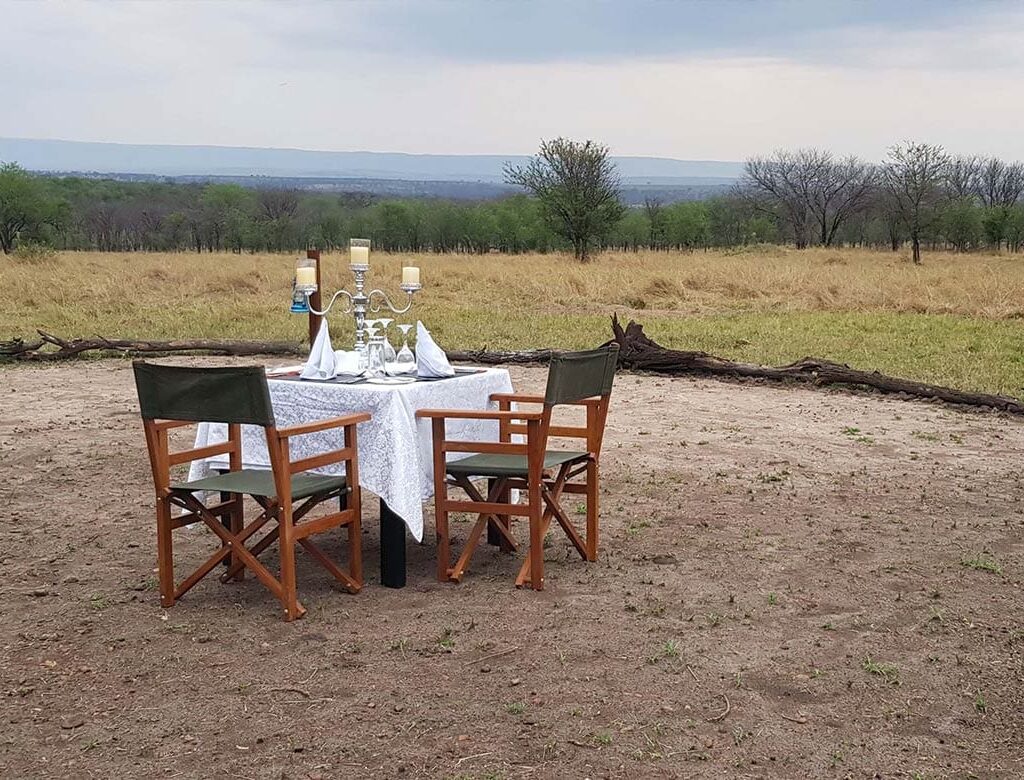
Planning a safari destination wedding in Africa is the ultimate blend of romance, adventure, and luxury travel. From the vast savannahs of Tanzania and Kenya to the exclusive lodges of South Africa and Botswana, an African safari wedding offers breathtaking landscapes, unforgettable wildlife experiences, and world-class hospitality. Couples searching for “luxury safari wedding packages,” “African destination wedding costs,” and “best safari wedding locations” will find endless inspiration across the continent. Whether you dream of exchanging vows under an acacia tree at sunset or hosting an intimate ceremony overlooking the Serengeti, proper planning ensures a seamless experience. This guide covers essential safari wedding tips, including travel timing, accommodation, honeymoon ideas, and guest experiences, helping you create a once-in-a-lifetime celebration filled with elegance, culture, and unforgettable safari memories. Choose the Right Time to Travel Choosing the best time for an African safari destination wedding is crucial for weather, wildlife viewing, and overall experience. Peak seasons like June to October offer dry conditions and excellent game viewing, making them ideal for outdoor ceremonies and photography. If you’re targeting keywords like “best time for safari wedding Africa” or “African safari seasons guide,” focus on balancing climate and crowds. The Great Migration in East Africa is a major attraction, while southern Africa offers unique seasonal highlights. Shoulder seasons provide fewer crowds and better rates for luxury safari lodges. Consider regional climates—coastal areas differ from inland parks. Planning your wedding during optimal weather ensures comfort for guests, stunning landscapes, and unforgettable safari moments, making your destination wedding both magical and practical. Plan a Honeymoon A safari destination wedding naturally transitions into an extraordinary honeymoon. Couples searching for “African safari honeymoon packages” or “luxury honeymoon Africa” can combine wildlife adventures with beach escapes in Zanzibar. After the wedding, unwind in private lodges, enjoy candlelit bush dinners, and embark on romantic game drives. Many safari operators offer bespoke honeymoon itineraries with exclusive perks such as private guides, spa treatments, and luxury suites. Combining safari and beach creates a perfect balance of adventure and relaxation. Planning your honeymoon alongside your wedding ensures smooth logistics and better pricing. Whether you prefer a fly-in safari or a multi-country itinerary, Africa offers unmatched romantic experiences, making it one of the top honeymoon destinations in the world. Pack for Rainy Weather Packing smartly for a safari wedding is essential, especially if traveling during the green or rainy seasons. Keywords like “what to pack for an African safari wedding” highlight the importance of preparation. Lightweight, breathable fabrics are ideal, but include waterproof jackets, umbrellas, and quick-dry clothing. Protect cameras and wedding attire with waterproof covers. Comfortable footwear is crucial for uneven terrain. Even in dry seasons, occasional showers can occur, so being prepared ensures your wedding runs smoothly. Consider backup indoor venues at lodges in case of rain. Packing strategically enhances comfort for both the couple and guests, ensuring everyone enjoys the celebration regardless of weather conditions. Smart packing also helps maintain elegance while adapting to the unpredictable beauty of the African wilderness. Make It Educational A safari destination wedding is more than a celebration—it’s an educational journey. Guests can learn about wildlife conservation, local cultures, and ecosystems, making your wedding meaningful and enriching. Popular search terms like “educational safari experiences in Africa” emphasize this growing trend. Incorporate guided game drives, cultural village visits, and conservation talks into your itinerary. This adds depth to your event and creates lasting memories. Many safari lodges collaborate with conservation organizations, offering insights into wildlife protection and sustainable tourism. Sharing knowledge enhances the guest experience and aligns your wedding with eco-friendly values. By making your wedding educational, you transform it into a purposeful adventure that inspires awareness and appreciation for Africa’s natural and cultural heritage. Pick an All-Inclusive Resort Choosing an all-inclusive safari lodge simplifies wedding planning and enhances the guest experience. Keywords such as “all-inclusive safari wedding packages” and “luxury safari lodges in Africa” highlight the convenience of this option. These resorts typically include accommodation, meals, game drives, and sometimes wedding coordination services. This reduces logistical stress and ensures a seamless experience. Guests can enjoy gourmet dining, guided safaris, and luxury amenities without worrying about additional costs. Many lodges offer exclusive-use options for private weddings. All-inclusive packages also help with budgeting, making it easier to manage expenses. By selecting the right resort, you ensure comfort, elegance, and a stress-free celebration in the heart of Africa’s most stunning landscapes. Decide the Type of Safari Experience You Want Safari weddings can be tailored to different styles, from luxury fly-in safaris to adventurous mobile camping experiences. Search terms like “types of African safari experiences” guide couples in choosing between luxury, mid-range, or budget options. Luxury safaris offer high-end lodges, private guides, and premium services, while mobile safaris provide a more immersive wilderness experience. Consider your guests’ comfort levels and preferences when deciding. Photographic safaris, cultural safaris, or wildlife-focused itineraries can shape your wedding theme. Defining your safari style ensures a cohesive experience that matches your vision. Whether you prefer opulence or adventure, Africa offers diverse options to create a unique and unforgettable wedding celebration. Book One Accommodation at a Time Managing accommodations efficiently is key to a smooth safari wedding. Instead of multiple scattered bookings, focus on one primary lodge or camp for the main celebration. Keywords like “best safari lodges for weddings” emphasize centralized planning. This simplifies logistics, reduces travel time, and keeps guests together. For extended stays, consider a gradual itinerary with carefully planned transitions. Booking one accommodation at a time ensures better coordination with wedding planners and lodge staff. It also allows for personalized service and attention to detail. Keeping your group in one location enhances the sense of community and ensures everyone shares the same unforgettable experience. Always Have a Backup Plan Flexibility is essential when planning a safari destination wedding. Weather changes, travel delays, or unexpected events can occur. Keywords like “safari wedding planning tips” often stress the importance of contingency plans. Always have an alternative venue, such as an indoor lodge space, and
Why You Can’t Climb Mt Kilimanjaro in a Day
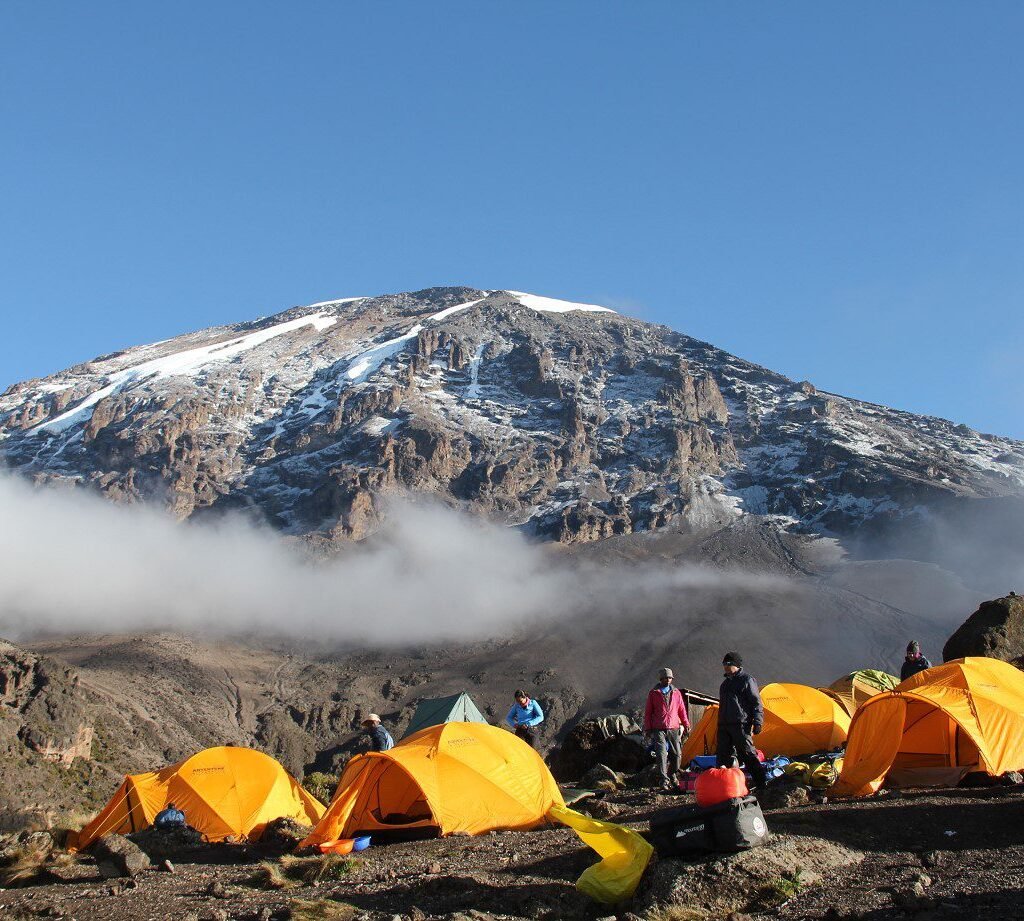
Why You Can’t Climb Mt Kilimanjaro in a Day. Climbing Mount Kilimanjaro is a remarkable feat that many adventurers dream of achieving. Standing majestically in Tanzania, Africa, it is the highest freestanding mountain in the world. Although it is a tempting challenge to try and conquer Kilimanjaro in a single day. It’s crucial to understand that such an endeavor is impossible and highly dangerous. In this article, we will delve into the ten reasons why you can’t climb Mt Kilimanjaro in a day. From altitude sickness to the sheer physical demands each reason presents unique challenges. That make the journey to Kilimanjaro’s summit an unforgettable multi-day adventure. 1. The Physical Demands of Kilimanjaro Reaching the summit of Mt Kilimanjaro is not only about conquering altitude. But also about enduring a physically demanding trek so it is difficult to climb Mt Kilimanjaro in a Day. The journey involves hiking through diverse terrains and navigating through different climate zones. The primary routes to the summit, such as the Marangu. Machame. Lemosho. and Rongai routes, take several days to allow trekkers to acclimatize gradually. Attempting to climb Kilimanjaro in a single day would be an immense strain on the body. Could lead to severe exhaustion and physical injuries. 2. Altitude Challenges and Acute Mountain Sickness (AMS) Ascending to high altitudes without proper acclimatization is extremely dangerous and can lead to Acute Mountain Sickness (AMS). Mt Kilimanjaro’s summit stands at a breathtaking 5,895 meters (19,341 feet) above sea level. The rapid ascent required to complete the climb in a day. Would not give the body enough time to adjust to the decreasing oxygen levels, significantly increasing the risk of AMS. This condition can be life-threatening and may result in symptoms like nausea. Dizziness, headaches, and even pulmonary or cerebral edema. 3. Weather and Climate Variability Kilimanjaro’s weather is highly unpredictable and can change rapidly as you ascend. The mountain creates its weather patterns due to its significant altitude. Attempting to climb Kilimanjaro in a day would expose climbers to a range of weather conditions without the necessary preparation. It is crucial to traverse the mountain over multiple days to be better equipped for the diverse climate zones and changing weather patterns. 4. Logistical Challenges Climbing Kilimanjaro requires careful planning and organization. From permits and guides to equipment and accommodation, there are various logistical elements that need to be considered. Trying to complete the climb in one day would make it nearly impossible to manage these logistical challenges efficiently, jeopardizing the safety and success of the expedition. 5. Environmental Impact Mount Kilimanjaro is a UNESCO World Heritage Site, and it is essential to preserve its fragile ecosystem. Attempting to climb the mountain in a single day would increase the environmental impact due to excessive foot traffic on the trails. Sustainable trekking practices and longer expedition durations help minimize the ecological footprint on the mountain. 6. Lack of Proper Rest and Recovery A successful Kilimanjaro climb requires trekkers to get adequate rest and recovery between each day of the ascent. The body needs time to recuperate and adapt to the altitude changes. Climbing the mountain in a single day would deprive climbers of this necessary rest, making it extremely challenging to cope with the physical and mental demands of the expedition. 7. Experiencing the Magic of the Journey Climbing Kilimanjaro is not just about reaching the summit; it’s about experiencing the beauty of the journey itself. Each day offers stunning vistas, unique flora and fauna, and a sense of accomplishment as trekkers make their way through the different climatic zones. Rushing through the ascent in a single day would rob climbers of this magical experience. 8. Safety Concerns and Emergency Preparedness Safety is paramount on Mt Kilimanjaro. Experienced guides and porters accompany trekkers to ensure their well-being throughout the journey. Attempting to complete the climb in a day would not allow adequate time for emergency preparedness and response, making it highly risky in case of any unforeseen circumstances. 9. Respecting Local Culture and Traditions The regions surrounding Mt Kilimanjaro are home to various indigenous tribes with rich cultures and traditions. Taking the time to immerse oneself in the local culture and interact with the communities along the trek is an enriching experience. Climbing Kilimanjaro in a single day would bypass this cultural aspect and deny trekkers the opportunity to connect with the fascinating local communities. 8. Permits and Regulations Climbing Mt Kilimanjaro requires obtaining permits from the Tanzanian authorities . These permits are typically issued for multi-day treks that is why you cant climb mt Kilimanjaro in a day, with each route having specified entry points and checkpoints. Attempting to climb the mountain in a single day would be in violation of these regulations and could result in penalties or even legal consequences. Can I hire a helicopter to climb Kilimanjaro in a day? No, helicopter climbs are not allowed on Mt Kilimanjaro. The Tanzanian authorities strictly regulate trekking activities on the mountain to preserve its natural beauty and cultural significance. Is it possible to train and prepare for a one-day climb? While physical training is essential for any Kilimanjaro expedition, attempting to climb the mountain in a day is not a viable or safe option. Training should focus on building endurance and acclimatization for multi-day treks. Are there any special exceptions for experienced climbers? Regardless of experience, the dangers of attempting a one-day climb on Mt Kilimanjaro remain significant. Experienced climbers are advised to follow the standard multi-day routes for their safety and well-being. How do multi-day climbs benefit trekkers compared to a one-day climb? Multi-day climbs allow trekkers to acclimatize gradually, reducing the risk of AMS. They also offer the chance to immerse in the mountain’s beauty and experience its diverse landscapes and cultures. Can I attempt a one-day climb with a local guide? Responsible local guides adhere to the regulations set by the Tanzanian authorities. Climbing Kilimanjaro in a day is not permitted, and reputable guides prioritize the safety of their clients.
Facts About Tanzania’s Ngorongoro Crater You Should Know
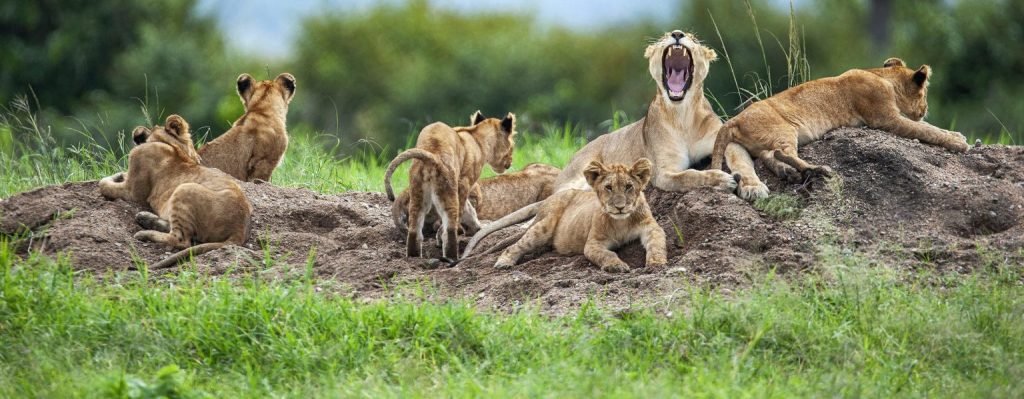
The Ngorongoro Crater is one of Africa’s most extraordinary natural wonders and a top highlight of any Tanzania safari. Formed millions of years ago after a massive volcanic eruption, this UNESCO World Heritage Site is often called the “Eighth Wonder of the World.” Located in northern Tanzania within the greater Ngorongoro Conservation Area, it is home to one of the densest populations of wildlife in Africa. Visitors come here for Big Five sightings, breathtaking landscapes, and a unique ecosystem where animals live inside a collapsed volcanic caldera. The crater floor is a natural wildlife sanctuary surrounded by steep forested walls, creating a self-contained safari paradise. From lions and elephants to flamingos and rhinos, Ngorongoro offers unmatched safari experiences and remains a must-visit destination for wildlife lovers, photographers, and adventure seekers exploring East Africa. Frequently Asked Questions About Ngorongoro Crater 1. How Was the Ngorongoro Crater Created? Ngorongoro Crater in Tanzania was formed through a massive volcanic eruption millions of years ago when a huge volcano exploded and collapsed inward. This powerful geological event created one of the largest intact calderas in the world. Over time, the crater floor developed fertile soils, grasslands, and water sources, attracting abundant wildlife. Today, it is a UNESCO World Heritage Site and one of Africa’s top safari destinations, famous for Ngorongoro Crater safari tours, wildlife conservation, and natural geological beauty landscape.2. What is a Caldera?A caldera is a large volcanic depression formed when a volcano erupts and collapses after emptying its magma chamber. This creates a bowl-shaped landscape, often many kilometers wide. Caldera systems are significant in geology and are found in volcanic regions around the world, including Tanzania’s Ngorongoro Crater. They often contain lakes, grasslands, and unique ecosystems. Caldera formations are key attractions for geology tourism, safari experiences, and scientific study, making them important natural features in understanding volcanic activity and Earth’s history. 3. What is Unique About Ngorongoro Crater? Ngorongoro Crater is unique because it is the world’s largest intact volcanic caldera and a natural wildlife sanctuary supporting a dense population of animals. Unlike other safari parks, animals live year-round within its enclosed ecosystem, including the Big Five. Its steep crater walls create a natural enclosure that protects wildlife and maintains biodiversity. The crater also features lakes, forests, and open plains, making it one of the most scenic and biologically diverse safari destinations in Tanzania and the overall region. 4. How Old is Ngorongoro Crater? Ngorongoro Crater is estimated to be about 2 to 3 million years old, formed during a massive volcanic eruption in the East African Rift system. Over millions of years, erosion and geological processes shaped its current structure. Despite its ancient origins, the crater remains remarkably well-preserved, supporting rich ecosystems and wildlife. Its age makes it a key site for geological research and a major attraction for Tanzania safari tours, offering insights into Earth’s volcanic and evolutionary history natural heritage site. 5. What is Ngorongoro Crater Known For? Ngorongoro Crater is known for its exceptional wildlife density, stunning landscapes, and status as a UNESCO World Heritage Site in Tanzania. It is famous for hosting the Big Five, including lions, elephants, rhinos, leopards, and buffalo within a single natural enclosure. The crater is also renowned for its scenic beauty, diverse ecosystems, and year-round safari opportunities. As a top destination for Tanzania safari tours, it attracts travelers seeking wildlife photography, conservation experiences, and unforgettable African adventure journeys tourism hotspot destination. 6. What Does Ngorongoro Mean in English? Ngorongoro is believed to originate from the Maasai language, meaning ‘gift of life’ or referring to the sound of the traditional Maasai cowbell. In English, it is often interpreted as a symbol of life, abundance, and natural heritage due to the rich wildlife found in the crater. The name reflects the cultural connection between the Maasai people and this iconic Tanzania safari destination, emphasizing both linguistic heritage and the ecological importance of Ngorongoro Conservation Area, an East African cultural landmark site. 7. When is the Best Time to Visit Ngorongoro Crater? The best time to visit Ngorongoro Crater is during the dry season from June to October, when wildlife viewing is at its peak and grasslands are shorter, making animals easier to spot. This period is ideal for Tanzania safari tours, photography, and game drives. However, the crater is a year-round destination, with the wet season offering lush landscapes and fewer crowds. Each season provides unique safari experiences, making Ngorongoro a versatile and rewarding wildlife destination perfect for travel planning insight guide. Facts About Ngorongoro Crater 1. The World’s Biggest Intact Volcanic Caldera (That’s Not a Lake) The Ngorongoro Crater is one of the most remarkable geological wonders in the world and a top highlight of any Tanzania safari or East Africa wildlife safari. Formed about 2–3 million years ago when a massive volcano exploded and collapsed, it created the world’s largest intact and unfilled volcanic caldera. Unlike many large craters filled with water, Ngorongoro remains a thriving ecosystem filled with grasslands, forests, and wetlands. The crater floor spans about 260 square kilometers, creating a natural enclosure for wildlife. Because of its unique structure, it is often called the “Eden of Africa.” This UNESCO-listed Ngorongoro Conservation Area is a must-visit destination for travelers seeking unforgettable safari experiences, photography opportunities, and rich biodiversity in Tanzania’s northern safari circuit. 2. One of the Seven Natural Wonders of Africa The Ngorongoro Crater is officially recognized as one of the Seven Natural Wonders of Africa, making it a bucket-list destination for global travelers seeking the best African safari experiences. Located within the larger Ngorongoro Conservation Area in northern Tanzania, it offers breathtaking scenery where wildlife and landscapes coexist in perfect harmony. Tourists visiting this UNESCO World Heritage Site often combine it with Serengeti National Park for a complete Tanzania safari itinerary. The crater’s dramatic escarpments, lush crater floor, and constant wildlife activity make it one of the most photographed safari destinations in Africa. Its global recognition boosts Tanzania’s tourism and positions it as one of the top
Kenya vs Tanzania

Kenya Vs Tanzania: Which Is Better the African Safari? If you’re looking for your first time African Safari, your first question is which is best destination, Kenya Vs. Tanzania? When picking up the African Safari destination, come across choosing between two sides, which Is Better for an African Safari? Is the best African country for safaris? Both are world-class safari countries offering an outstanding holiday to tourists who come from different countries. Get a free Quote for an African vacation holiday, all-inclusive. Many tourists are coming from Asia, America, Brazil, Canada, Australia, and Europe to explore these two great wildlife safari countries. But a lot of questions still on the mind of every tourist, which one to choose, Tanzania Safari vs Kenya Safari: Which Trip Is Better? Kenya vs Tanzania Safari | African Safari Destinations. Kenya vs Tanzania: Choosing the Ideal African Safari. 1. Full of gorgeous landscapes and views Which safari is better, Kenya or Tanzania? Kenya vs Tanzania — Choosing the Ideal African Safari. Kenya vs Tanzania — which offers the better African safari? When it comes to landscapes and their viewing, both countries are impossible to separate when thinking about East African Safari holidays. See beautiful sights and scenery, Tanzania Safari vs Kenya Safari. Mount Kilimanjaro Ngorongoro Crater Great Rift Valley Vast plain of Serengeti National Park Zanzibar Both countries have the stunning Great Rift Valley, beaches, and particularly the best mountain. Kenya has a list of Masai Mara Game Reserve Lake Nakuru Mount Kenya Diani Beach Different between these countries. Tanzania is bigger than Kenya. Tanzania is East Africa’s largest country and boasts, in alphabetical order. Including Kilimanjaro, Ngorongoro, the Serengeti, and Zanzibar. Kenya, on the other hand, while not as big, has a few big names: Amboseli, the Masai Mara, and Lake Nakuru. 2. Kenya and Tanzania factsheet Tanzania Kenya Capital City Dodoma Nairobi International airport Kilimanjaro International Airport – Arusha Julius Nyerere International Airport ( Dar es Salaam) Jomo Kenyatta international airport- Nairobi, Moi International airport – MombasaMoi International Airport – Eldoreti Size 945, 087 km2 580, 367km2 Official Languages Swahili, English Swahili, English Tourists per Year ± 1.5 m ± 2.5m Culture Masai people + Hadzabe and Datoga Masai People Best National Park and Game Reserve Serengeti National Park, Ngorongoro Crater, Tarangire, Manyara, Lake Natron, Kilimanjaro, Lake Eyasi, Ruaha, Mikumi, Selous, Arusha Park Masai Mara Game Reserve, Amboseli, Lake Nakuru National Park, Nairobi National Park Land Conservation % 38% 8% 3. Kenya vs Tanzania Wildlife Safari and Game Viewing Tanzania VS Kenya — A Point-by-Point Comparison of the Top 2 Safari Destinations. As far as the best stunning landscapes and scenery, the Great Rift Valley. Both countries offer fantastic wildlife viewing and the best game drives in top national parks. Spotting big cats in action is phenomenas. Kenya vs Tanzania: Choosing the Ideal African Safari Destination. There a full suite of prey and herd animals like zebras, giraffes, and wildebeest. See both big 5 to Serengeti National Park + Ngorongoro crater. Also, you can spot it in the Masai Mara Game Reserve, although it’s small in km². A large group of elephants in Tarangire National Park, plus flamingos in Lake Manyara, are the main attractions in Tanzania, as well as lions climbing trees. 4. Safari Cost and Prices Is It Better To Go On Safari In Kenya Or Tanzania? Your African Safari depends on the cost and price plan to be paid during your travel time. Tanzania safari prices are higher than those in Kenya safari. Compare accommodation level and average Tanzania safari $350 — $2500 per person per night, while Kenya average safari cost $150 — $750, although both offer excellent safari adventures in Africa. Additional VAT 18% and a tremendous increase of entry fees each year even concession and accommodation increase by 10% make safari in Tanzania more expensive compare to Kenya. But Tanzania is top nortch wildlife destination which capture the soul of safari goer who wish to explore and spot wildlife in it natural habitat. With Serengeti National Park and Ngorongoro crater one of Seven Wonder of world and top safari destination in Africa all the time. Including Climbing Mount Kilimanjaro and staying in a white sand of Zanzibar beach. 5. Infrastructure and Accessibility Kenya vs Tanzania Safari | African Safari Destinations. Going on Safari are every tourist bucket list lifetime journey. Kenya vs. Tanzania Safari — Our Comparison. Your all inclusive East Africa Vacation Packages depend on which and destination your looking to visit, number of days, and the accommodation level. Kenya is wealthier than Tanzania and has a more developed infrastructure and tourism infrastructure when comparing Kenya vs Tanzania. You have a choice of more Hotels and Lodges in Kenya than in Tanzania. Game parks are more accessible. Nairobi is the capital and the hub of all flights. Both countries have a good infrastructure, which leads to a life-changing experience. Although Kenya has better infrastructure than Tanzania, which makes it easier to access the national Park 6. Best time to Visit Tanzania Vs Kenya Thinking about the best time to visit both countries, Kenya and Tanzania, is during the dry season. Kenya vs Tanzania vacation. Kenya vs Tanzania Safari — African Safari Destinations. Between late June and October, when the bush is shorter and drier, allowing superb game viewing, and animals and scenery are easier to see. Temperatures and weather are similar to each other, and the time of rainfall sometimes resembles. Are Kenya and Tanzania similar? Tanzania is similar to Kenya, but also around one and a half times larger. You’ll find coastline in the east, plains and plateau running west across the country, and highlands in the north and south. The seasons in Tanzania are very similar to those in Kenya. 7. Accommodation setting Ranging from basic, mid-range to high-end accommodations. Both countries, Tanzania and Kenya, offer the best places to stay. High-end lodges and tented camps are built in and out of the national park, which makes this country a beautiful African Safari hub. 8. Tanzania: A Safer Country In terms of security and safety. At any point, Tanzania is
Kilimanjaro Success Rate
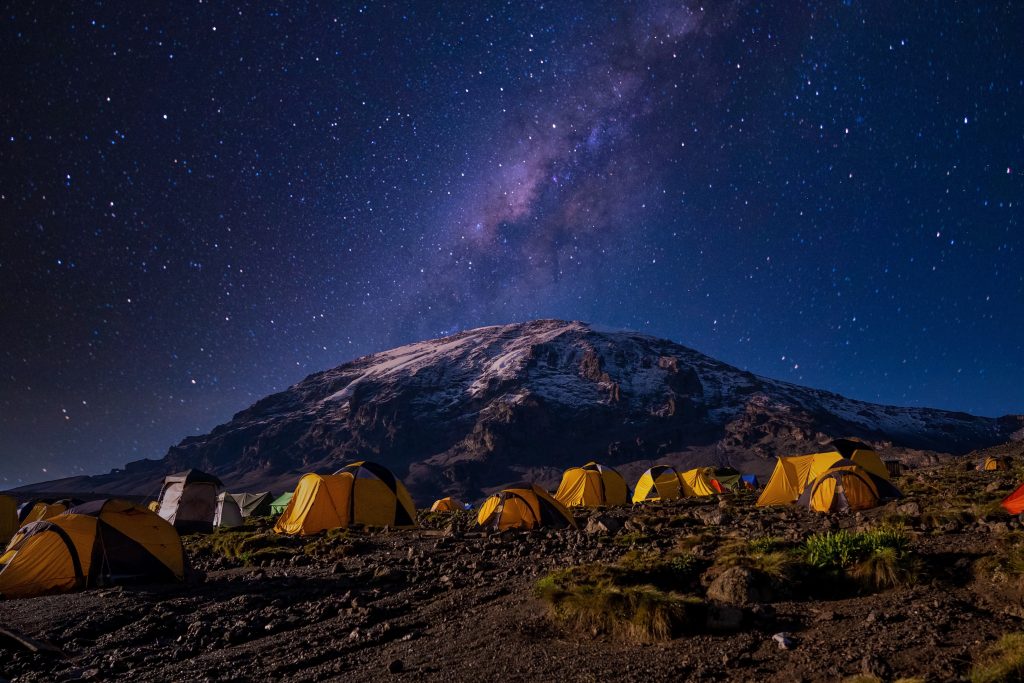
Climbing Africa’s highest mountain is a dream for adventurers worldwide, and understanding the Mount Kilimanjaro success rate is essential when planning a safe and successful trek. Located in Mount Kilimanjaro, this iconic peak attracts thousands of climbers each year seeking to reach Uhuru Peak, the roof of Africa. Different Kilimanjaro routes offer varying summit success rates depending on acclimatization time, altitude gain, fitness level, and trekking experience. Routes such as the Lemosho and Machame are widely regarded as the best Kilimanjaro routes for high summit success because they provide gradual acclimatization. The overall Kilimanjaro success rate ranges from 65%, while the success rate on 5-day routes is just 27%. 6-day routes have a 44% success rate, 7-day routes a 64% success rate, and 8-day routes a success rate of 85%. Choosing a reputable Kilimanjaro tour operator, experienced mountain guides, proper hiking gear, and longer itineraries significantly increases your chances of reaching the summit. Understanding Kilimanjaro climbing success rates helps trekkers select the ideal route for safety, comfort, acclimatization, and unforgettable adventure experiences. 1. Lemosho Route Success Rate is 95% The Lemosho Route is considered one of the best Kilimanjaro climbing routes because of its exceptional summit success rate of approximately 95%. Known for its scenic beauty, excellent acclimatization profile, and gradual ascent, this route gives climbers more time to adapt to high altitude conditions. The 8-day option averages 90% success when it comes to reaching the summit, and the 7-day Lemosho has a success rate of 85%. Starting on the western side of Mount Kilimanjaro, the Lemosho Route passes through lush rainforest, heathland, alpine desert, and glacial landscapes before reaching Uhuru Peak. Most itineraries range from seven to eight days, allowing trekkers to acclimatize properly and reduce the risk of altitude sickness. The longer duration greatly contributes to its impressive Kilimanjaro summit success rate. The route is ideal for beginners and experienced hikers seeking a scenic, less crowded, and highly successful Kilimanjaro trekking experience with breathtaking panoramic views and excellent safety standards. 2. Machame Route Success Rate is 95% The Machame Route, often called the “Whiskey Route,” has one of the highest Kilimanjaro summit success rates at approximately 95% when completed over seven days or longer. 6 Day Machame has an average success rate of 73%, and the 7-day option is upwards of 85%. This popular trekking route is famous for its spectacular scenery, diverse landscapes, and strong acclimatization opportunities. Climbers ascend gradually through rainforest, moorland, alpine desert, and volcanic ridges before reaching Uhuru Peak on Mount Kilimanjaro. The route follows the “climb high, sleep low” principle, which helps trekkers adjust to changing altitude conditions more effectively. Because of its steeper trails, the Machame Route is physically demanding, yet it rewards hikers with outstanding views and a high summit success rate. It is among the best Kilimanjaro routes for adventurous trekkers looking for scenic beauty, excellent acclimatization, and a memorable high-altitude trekking challenge in Tanzania. 3. Marangu Route Success Rate is 85% The Marangu Route has an average Kilimanjaro success rate of around 85%, making it one of the most popular paths to Uhuru Peak. Often referred to as the “Coca-Cola Route,” it is the only Kilimanjaro route offering hut accommodation instead of camping. Taking it slow on this one with a 6-day itinerary lifts the success rate to 60%, while the 5-day trek has a success rate of 27%. This feature attracts trekkers seeking additional comfort during their climb on Mount Kilimanjaro. The Marangu Route follows the same trail for both ascent and descent, passing through rainforest, moorland, and alpine desert landscapes. Although considered one of the easier Kilimanjaro trekking routes, shorter itineraries can reduce acclimatization time and increase the risk of altitude sickness. Climbers choosing six-day itineraries generally experience better summit success rates than those attempting five-day climbs. The route remains ideal for hikers preferring comfortable huts, moderate trekking difficulty, and classic Kilimanjaro climbing experiences in Tanzania. 4. Rongai Route Success Rate is 90% The Rongai Route offers an excellent Kilimanjaro summit success rate of approximately 90%, making it a preferred choice for trekkers seeking a quieter and less crowded adventure. The 7-day Rongai sees an 85% average success rate, while the 6-day route has a 70% success rate. Approaching Mount Kilimanjaro from the northern side near the Kenyan border, this route experiences lower rainfall and more stable weather conditions than southern routes. The gradual ascent profile allows climbers to acclimatize steadily, improving the chances of reaching Uhuru Peak successfully. The Rongai Route features beautiful wilderness scenery, remote mountain landscapes, and opportunities to spot wildlife during the early stages of the trek. Most itineraries last six to seven days, with longer programs producing higher success rates due to improved acclimatization. This route is ideal for beginners, older climbers, and trekkers looking for a peaceful Kilimanjaro trekking experience with moderate difficulty and strong summit success potential. 5. Northern Circuit Success Rate is 85%–95% The Northern Circuit Route has one of the highest Kilimanjaro climbing success rates, ranging between 85% and 95%, depending on the itinerary length and climber preparation. As the longest route on Mount Kilimanjaro, it provides exceptional acclimatization opportunities that significantly reduce the effects of altitude sickness. Trekkers spend more days on the mountain, usually nine to ten days, allowing the body to adapt gradually to higher elevations. The route circles around the quieter northern slopes, offering spectacular panoramic views, remote wilderness experiences, and fewer crowds compared to popular southern routes. Because of the longer duration, the Northern Circuit is considered one of the safest and most successful Kilimanjaro routes for reaching Uhuru Peak. It is perfect for climbers prioritizing acclimatization, scenic diversity, comfort, and a high chance of successful summit achievement. 6. Umbwe Route Success Rate 50%–70% The Umbwe Route has the lowest Kilimanjaro summit success rate, ranging between 50% and 70%, mainly because of its steep and rapid ascent profile. Considered the most challenging route on Mount Kilimanjaro, Umbwe is recommended only for experienced trekkers with strong fitness levels and prior high-altitude hiking experience.
Best Time to Visit Serengeti
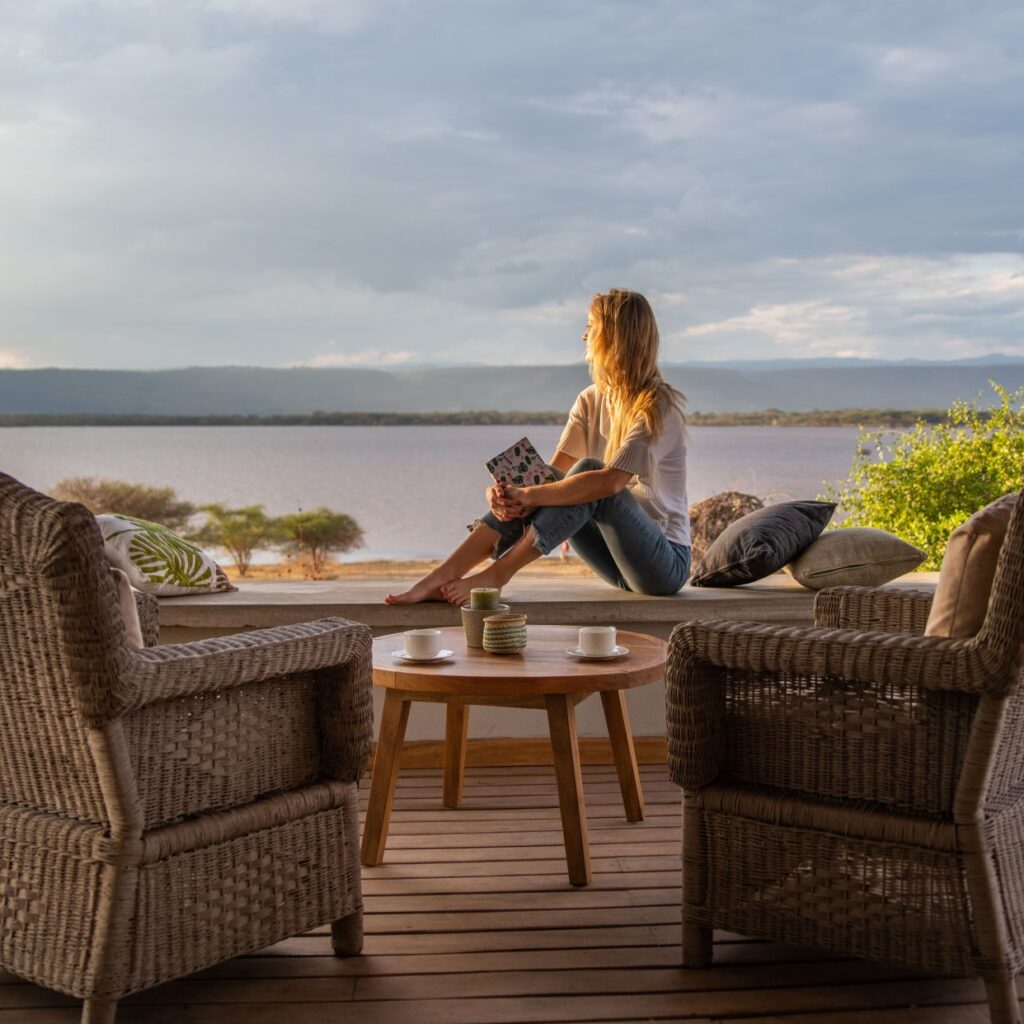
The best time to visit Serengeti National Park depends on what kind of safari experience you’re seeking—whether it’s witnessing the Great Migration, spotting predators, enjoying fewer crowds, or finding the best safari prices. This world-famous destination offers year-round wildlife viewing, making it one of the top African safari destinations for luxury safaris, family safaris, honeymoon safaris, and budget tours alike. From the calving season in the southern plains to dramatic river crossings in the north, each month delivers something unique. Understanding Serengeti weather, migration patterns, and peak vs low seasons helps travelers plan the perfect Tanzania safari. Whether you’re departing from Arusha, Zanzibar, or Dar es Salaam, timing your trip correctly ensures unforgettable game drives, incredible wildlife photography, and the ultimate bucket-list African safari adventure. January to March – Calving Season Magic January, February, and March are some of the best times to visit Serengeti for witnessing the Great Migration calving season in the Ndutu plains. Thousands of wildebeest give birth daily, attracting predators like lions, cheetahs, and hyenas, making it perfect for dramatic wildlife encounters. This is peak safari season for photographers seeking action-packed scenes and close predator-prey interactions. The landscape is lush and green due to short rains, offering stunning scenery and excellent grazing conditions. Birdwatching is also exceptional during this time. Temperatures are warm, and crowds are moderate compared to peak months. This period is ideal for luxury safaris, family trips, and honeymoon safaris, looking for a unique and intimate experience. It’s also considered one of the most affordable high-quality safari periods. April to May – Green Season & Low Crowds April and May mark the long rainy season in Serengeti, often considered the low season. However, this is one of the best times for budget safaris, discounted luxury lodges, and fewer crowds. The landscape transforms into a lush green paradise, offering breathtaking scenery and excellent photography conditions. Wildlife is still abundant, though migration herds begin moving northwest. Roads can be muddy, making some areas less accessible, but experienced safari guides ensure rewarding game drives. Birdlife is at its peak, making it ideal for birdwatchers. If you’re seeking peaceful, crowd-free safari experiences and lower costs, this is a hidden gem period. It’s also great for travelers looking for sustainable and eco-friendly safari travel with fewer environmental impacts. June – Start of Dry Season & Migration Movement June marks the beginning of the dry season and is a fantastic time to visit Serengeti as the Great Migration moves toward the western corridor. The weather becomes cooler and drier, improving road conditions and game drive accessibility. Wildlife viewing becomes easier as animals gather near water sources. This month is less crowded than peak season, offering a balance between great wildlife sightings and fewer tourists. It’s an ideal time for those seeking mid-range and luxury safaris without peak-season prices. The Grumeti River crossings may begin late in June, providing thrilling safari moments. This is also a great time for photography, with golden light and dramatic landscapes enhancing the safari experience. July – Peak Season & River Crossings Begin July is one of the most popular months to visit Serengeti, marking the peak dry season and the start of dramatic river crossings in the western corridor. Wildebeest herds face crocodile-infested rivers, creating one of Africa’s most iconic wildlife spectacles. This is peak safari season, meaning higher prices and more visitors, especially in premium lodges and camps. The weather is cool, dry, and ideal for game drives. Wildlife viewing is exceptional, as animals concentrate around water sources. This is perfect for luxury safaris, photographic tours, and bucket-list travelers seeking unforgettable moments. Early booking is essential due to high demand. Despite crowds, the experience is unmatched and highly rewarding. August – Northern Serengeti Drama August is one of the best times to visit Serengeti for witnessing the Great Migration river crossings in the northern region near the Mara River. This is peak safari season, with spectacular wildlife action as herds attempt dangerous crossings. Predator activity is high, making it ideal for wildlife photography and documentaries. The weather remains dry and cool, perfect for game drives. Luxury safari camps in northern Serengeti offer premium experiences but require early reservations. This is also a great time for combining Serengeti with Maasai Mara safaris. While prices are high, the experience is once-in-a-lifetime. Expect crowds in popular areas, but also unmatched wildlife encounters. September – Continued Migration & Fewer Crowds September offers a continuation of the northern Serengeti migration experience, but with slightly fewer tourists compared to August. The herds remain near the Mara River, providing excellent opportunities for river crossings and predator sightings. The weather is still dry and pleasant, making it ideal for game drives and walking safaris. This is a great time for travelers seeking a balance between peak wildlife action and more relaxed safari conditions. Accommodation availability improves slightly, though booking is still recommended. September is perfect for honeymoon safaris, photography tours, and luxury travel experiences without the peak-season intensity of August. October – Shoulder Season Advantage October is considered a shoulder season in Serengeti, offering great wildlife viewing with fewer crowds and slightly lower prices. The migration herds begin moving southwards, and predator activity remains strong. The weather is dry early in the month, with occasional short rains toward the end. This is a fantastic time for travelers seeking value-for-money safaris, including mid-range and luxury options. Game viewing remains excellent, especially near water sources. The landscape starts to transition, offering a mix of dry and green scenery. October is ideal for flexible travelers who want great experiences without peak-season crowds. November – Short Rains & Scenic Beauty November brings short rains to Serengeti, transforming the landscape into a vibrant green ecosystem. While some travelers avoid this period, it offers unique advantages such as fewer tourists, lower safari costs, and excellent photography conditions. The migration begins returning to the southern plains, setting the stage for the calving season. Birdwatching is exceptional, with migratory species arriving. Game drives remain rewarding despite occasional showers.
Best Time to Visit Ngorongoro Crater
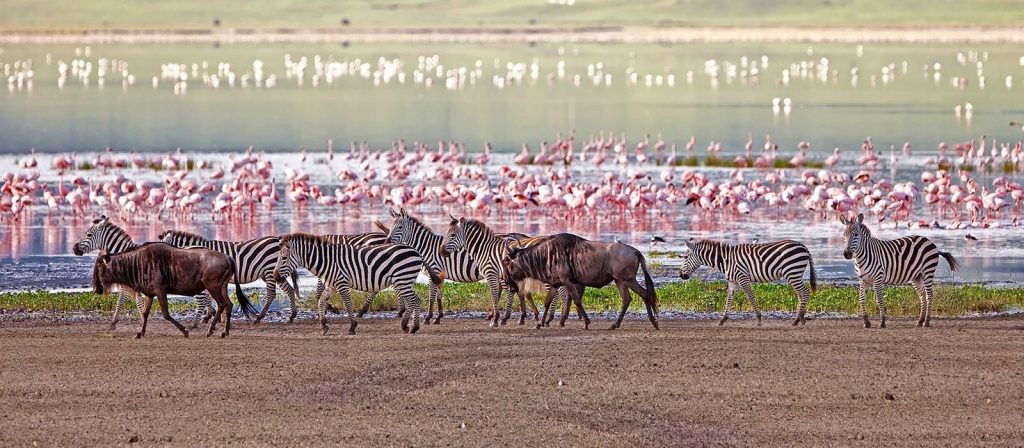
Ngorongoro Crater in Tanzania is one of Africa’s most iconic safari destinations, often described as a natural “wildlife paradise” and a UNESCO World Heritage Site. Choosing the best time to visit Ngorongoro Crater depends on weather conditions, wildlife activity, crowds, and Ngorongoro safari prices. The crater offers year-round Big Five sightings, but each season provides a different experience. The dry season (June to October) is widely considered the peak safari period, while the green seasons (November to May) offer fewer crowds, lush landscapes, and lower costs. This guide explains month-by-month travel conditions to help you plan the perfect Ngorongoro Crater safari in Tanzania. Visiting the Ngorongoro Crater from June to October The period from June to October is the best time to visit Ngorongoro Crater for most travelers and is considered the peak safari season in Tanzania. During these months, the weather is dry, the skies are clear, and wildlife viewing is at its highest quality. Animals concentrate around water sources on the crater floor, making it easier to spot lions, elephants, buffalo, rhinos, and leopards. This is also the most popular time for Tanzania safari tours, Serengeti migration safaris, and Ngorongoro Crater game drives. However, it is also the busiest period, with higher accommodation prices and more safari vehicles. Despite crowds, visibility, and wildlife density make this season ideal for photography and first-time safari travelers. Visiting the Ngorongoro Crater from January to February The January to February season in Ngorongoro Crater is known for the calving season in the nearby Serengeti ecosystem, making it an exciting time for wildlife enthusiasts. During this period, the landscape is green and fresh after short rains, and temperatures are warm and pleasant. Many animals give birth, attracting predators and increasing chances of dramatic wildlife encounters. It is also a great time for budget safaris in Tanzania, as prices are slightly lower than peak season. While there may be occasional rain showers, game viewing remains excellent. This season is ideal for travelers seeking lush scenery, newborn wildlife, and fewer crowds compared to June–October. Visiting the Ngorongoro Crater from March to May The March to May period is the long rainy season in Ngorongoro Crater, often considered the low tourist season. Heavy rainfall turns the crater into a lush green paradise, creating dramatic landscapes perfect for photography. Wildlife is still present year-round, but animals may be slightly harder to spot due to dense vegetation. Fewer tourists visit during this time, meaning quieter safari experiences and significantly lower prices for lodges and tours. This is the best season for travelers seeking affordable Tanzania safaris, off-the-beaten-path experiences, and dramatic scenery. Roads can sometimes be slippery, but expert guides and experienced tour operators still ensure safe game drives. Visiting the Ngorongoro Crater from November to December The period from November to December marks the short rainy season in Ngorongoro Crater. Rainfall is lighter and more unpredictable compared to March–May, and the landscape becomes beautifully green and vibrant. Wildlife viewing remains strong, and this season offers a good balance between affordability and experience. It is a great time for photography safaris in Tanzania, as dramatic skies and fresh vegetation create stunning scenery. Crowds begin to increase toward December due to holiday travel, but prices are still generally lower than peak season. This period is ideal for travelers looking for a quiet safari experience with good wildlife sightings and better value accommodation. Key Considerations for Visiting Ngorongoro Crater Crowds Crowd levels in Ngorongoro Crater play a major role in planning the best safari experience. The crater is at its busiest from June to October, especially in July and August, when peak safari tourism in Tanzania reaches its highest point. During this time, the crater floor can have many safari vehicles, particularly around popular wildlife sightings such as lions and rhinos. This can sometimes reduce the sense of exclusivity, although wildlife viewing remains excellent. For travelers seeking a quieter and more private safari experience, the low season months of March to May and November are ideal. During these periods, visitor numbers drop significantly, allowing for more peaceful game drives, better photography opportunities, and a more intimate connection with nature in one of Africa’s most famous safari destinations. Weather Weather conditions are one of the most important factors when planning a Ngorongoro Crater safari in Tanzania. The dry season (June to October) offers clear blue skies, minimal rainfall, and excellent visibility for wildlife viewing on the crater floor. Roads are easier to navigate, and animals gather around water sources, making sightings more predictable. In contrast, the wet seasons (November–May) bring lush green landscapes, cooler temperatures, and dramatic scenery perfect for photography safaris. Rainfall is more frequent between March and May, but it transforms the crater into a vibrant ecological paradise. While game viewing can be slightly more challenging due to thicker vegetation, the scenery becomes exceptionally beautiful, and birdlife is especially active. Each season offers a unique safari atmosphere depending on travel preferences. Activities The Ngorongoro Crater offers some of the best wildlife safari activities in East Africa, making it a top destination for nature lovers. The main activity is a full-day game drive on the crater floor, where visitors can see the Big Five (lion, elephant, buffalo, leopard, and rhino) in a single location. The crater is also famous for bird watching safaris, with flamingos, vultures, and ostriches frequently spotted. Photography safaris are highly popular due to the dramatic landscapes and dense wildlife concentration. Cultural visits to nearby Maasai communities add a rich cultural experience to the journey. Wildlife viewing is excellent year-round, but visibility is best during the dry season. Whether you are on a luxury safari or a budget Tanzania tour, the crater offers unforgettable wildlife encounters. Safari Cost Safari costs for visiting Ngorongoro Crater vary significantly depending on the season, accommodation type, and tour package. The peak season (June to October) is the most expensive due to high demand, increased accommodation rates, and limited availability of crater permits. Luxury lodges and mid-range camps around the crater rim